
Search Results
Keyword:NI
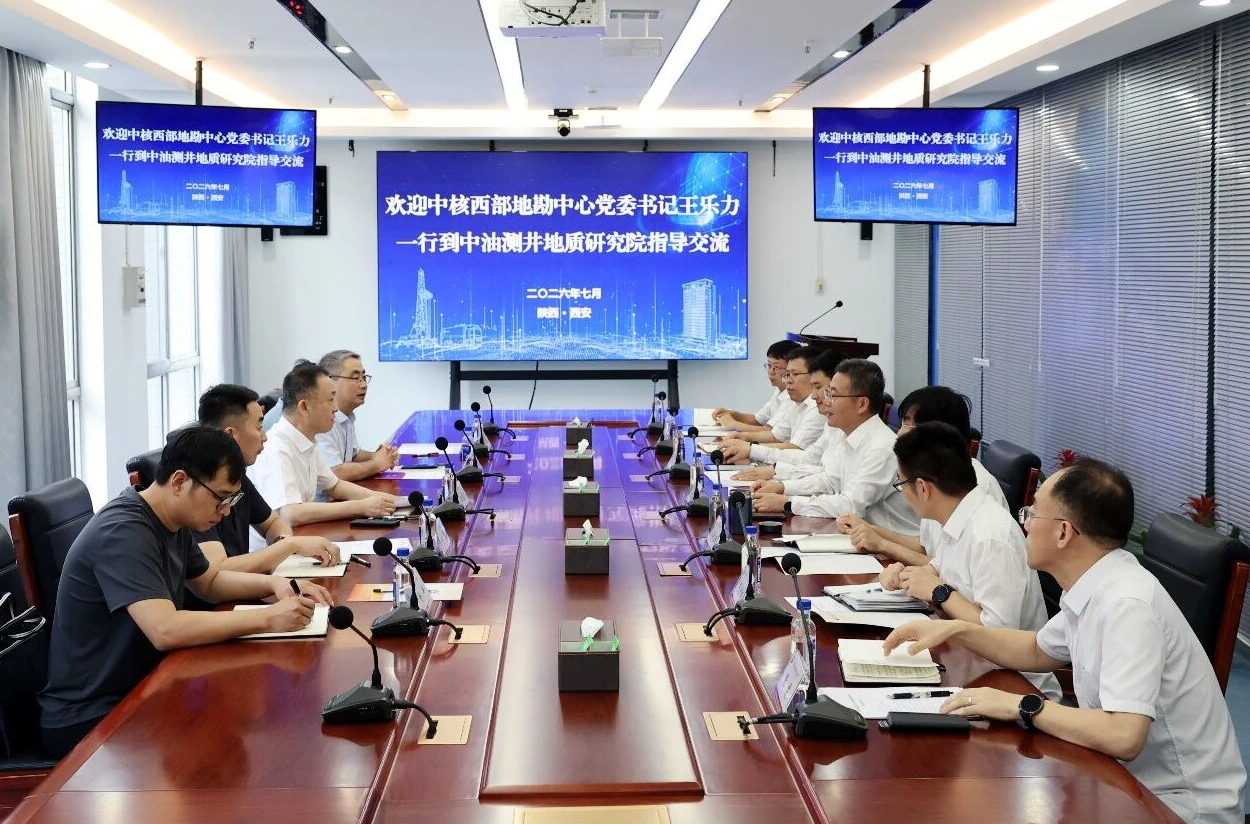
CNNC Western Geological Survey Center Conducts Business Exchange with CNPC Logging Geological Research Institute
To thoroughly implement the national strategy for energy and resource security, promote the integration and mutual enhancement of oil and gas logging and uranium ore geological survey technologies, facilitate cross-industry research resource sharing and joint tackling of key technologies, recently, Wang Leli, Party Secretary of CNNC Western Geological Survey Center, led a team to CNPC Logging Geological Research Institute for a special technical exchange and discussion. At the meeting, Wan Jinbin, Party Secretary of CNPC Logging Geological Research Institute, systematically introduced mature technology systems including domestic integrated oil and gas logging equipment, downhole detection, petrophysical experiments, intelligent logging interpretation, deep well detection, and multi-source geological data analysis, and shared uranium exploration experience in oil- and gas-bearing basins through practical case studies. Wang Leli introduced the reform and development overview of the Western Center, its uranium exploration history, major achievements, and research directions such as technical difficulties and metallogenic prediction in uranium exploration of key northwestern basins.
2026-08-06
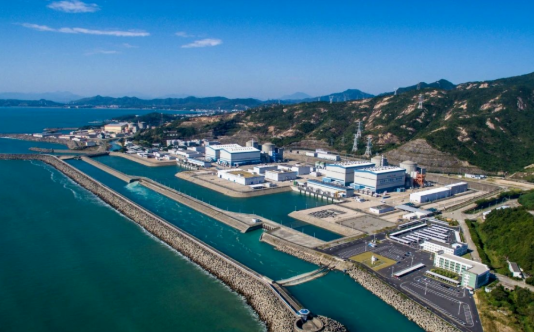
South China Regional Office of the Ministry of Ecology and Environment Conducts Unannounced Special Inspection on Typhoon and Flood Prevention at Daya Bay Nuclear Power Base
To effectively strengthen the safety production defense line during the flood season, reinforce the primary responsibility of operating entities for typhoon and flood prevention, and prevent and mitigate nuclear safety risks posed by extreme weather such as typhoons and heavy rainfall, the South China Regional Office of Nuclear and Radiation Safety Supervision under the Ministry of Ecology and Environment (hereinafter referred to as the South China Regional Office) recently conducted an unannounced special inspection on typhoon and flood prevention at the Daya Bay Nuclear Power Base. After Typhoon Hongxia, some buildings at the Daya Bay Nuclear Power Base experienced issues such as roof leakage and water seepage. This inspection focused on the aforementioned weak links, conducting on-site verification of key critical points including the diesel generator buildings, the open intake channel for the cold source, and the combined pump house one by one. The inspection team went deep into the production frontline, meticulously examining equipment operating conditions,...
2026-08-06
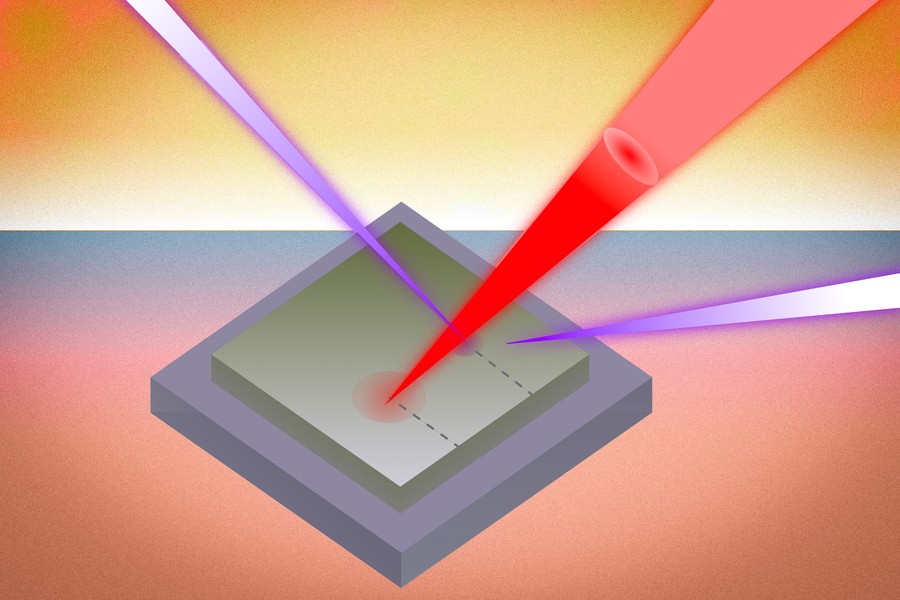
MIT Develops Ultrafast X-ray Thermometry Method to Observe Heat Transfer in Multilayer Chip Structures
Researchers at the Massachusetts Institute of Technology (MIT) have developed a new method for observing how heat transfers through multilayer materials, which can be used to precisely measure heat flow variations inside electronic devices such as computer chips. The findings have been published in Nature Communications. As computer chips continue to shrink in size and power density keeps rising, device overheating has become a major factor limiting performance improvements. Traditional heat flow measurement methods face limitations when dealing with the multilayer structures of real electronic devices—for example, the commonly used time-domain thermoreflectance method struggles to distinguish heat transport in different material layers, while infrared imaging and other approaches also fail to capture rapid changes at microscopic scales. To address this issue...
2026-08-06
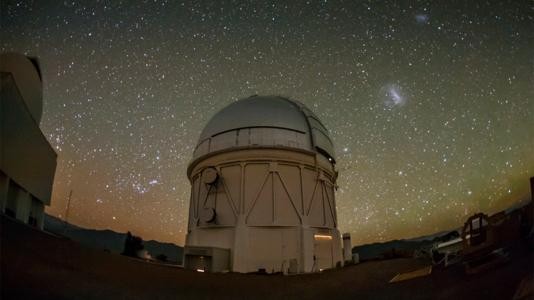
Dark Energy Survey Releases Six-Year Results: Data from 669 Million Galaxies Helps Constrain Cosmic Accelerated Expansion
On August 4, the Dark Energy Survey (DES) project released its six-year findings on dark energy detection. The project compiled 18 related papers, based on nearly 300,000 astronomical images captured between 2013 and 2019, recording information on 669 million galaxies, thousands of galaxy clusters, and more than 3,000 supernovae to study the accelerated expansion of the universe and the evolution of cosmic structure. To carry out DES, Fermi National Accelerator Laboratory built an extremely sensitive 570-megapixel digital camera, DECam, which was installed on the Blanco 4-meter telescope at the National Science Foundation's Cerro Tololo Inter-American Observatory in the Chilean Andes. (Image courtesy of Reidar Hahn/Fermi National Acceler...
2026-08-06

U.S. Laboratories Plan "Materials Discovery Cloud" to Use AI to Predict Impact of Defects in Microelectronic Devices
Researchers at the U.S. Department of Energy's Argonne National Laboratory, Lawrence Berkeley National Laboratory, Oak Ridge National Laboratory, and Northwestern University are planning to develop a Materials Discovery Cloud platform that leverages a physics-based artificial intelligence framework to predict how tiny defects affect the performance and lifespan of microelectronic devices. Visualization of the Materials Discovery Cloud, a physics-based AI framework that integrates experimental data, simulations, and high-performance computing to predict how tiny defects affect the performance and lifespan of microelectronic devices. (Image provided by ChatGPT.) Microelectronic devices are widely used in smartphones, laptops, secure communications, and artificial intelligence hardware. As device dimensions continue to shrink and operating speeds increase, tiny defects within materials and at interfaces have a more pronounced impact on device stability. These defects can cause overheating, leakage current, switching instability, and other issues, or in certain conditions, improve electrical or thermal performance. Identifying critical defects and understanding their evolution under real-world operating conditions has become a key challenge in the design of next-generation microelectronic materials.
2026-08-06
United States to Host IAEA ATLAS Initiative Ministerial Launch
The United States will host the ministerial launch of the International Atomic Energy Agency (IAEA) Atoms for Transport Licensing and Applications at Sea (ATLAS) Initiative in Washington, D.C., on August 26-27, 2026. The event will bring together ministers, policymakers, and industry representatives to discuss topics related to the safe and reliable application of nuclear technology in the maritime domain. The ATLAS Initiative aims to establish an international framework to harmonize legal and regulatory issues facing maritime nuclear energy applications and to support the deployment of related civilian nuclear technologies. Building on the IAEA's experience in nuclear safety, nuclear security, and safeguards, the Initiative emphasizes technology neutrality and places safety, security, and non-proliferation requirements as the foundation for advancing maritime nuclear applications...
2026-08-06
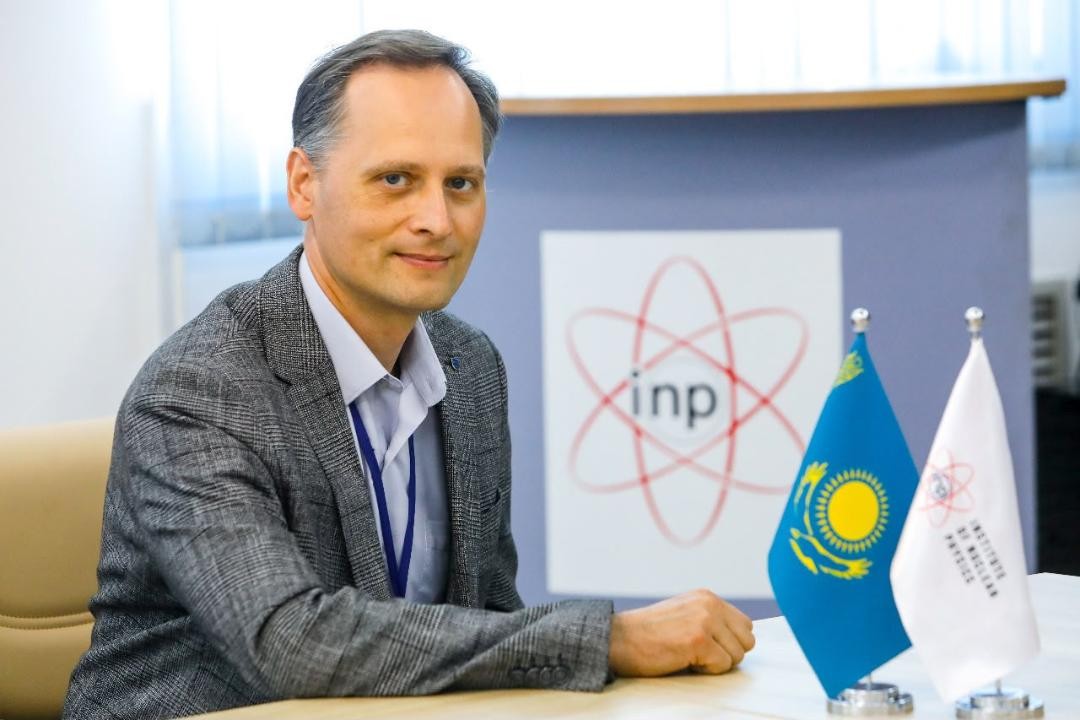
Kazakh experts call for enhanced radioecological monitoring in border regions
As Central Asian countries accelerate the development of nuclear energy, Kazakh experts have recently proposed that the radioecological monitoring system in border regions should be improved as soon as possible to provide long-term environmental data support for the construction and operation of regional nuclear power projects. Relevant materials indicate that nuclear energy is becoming an important direction in the energy policies of several Central Asian countries. Kazakhstan has decided to build its own nuclear power plant, while neighboring countries such as Uzbekistan are also advancing or preparing similar projects. Growing electricity demand and the need to reduce greenhouse gas emissions are key factors driving the development of nuclear energy in the region. Experts believe that nuclear power development involves not only the construction of advanced units, but also the simultaneous establishment of an effective ecological and radiation safety assurance system. Modern nuclear power plants...
2026-08-06
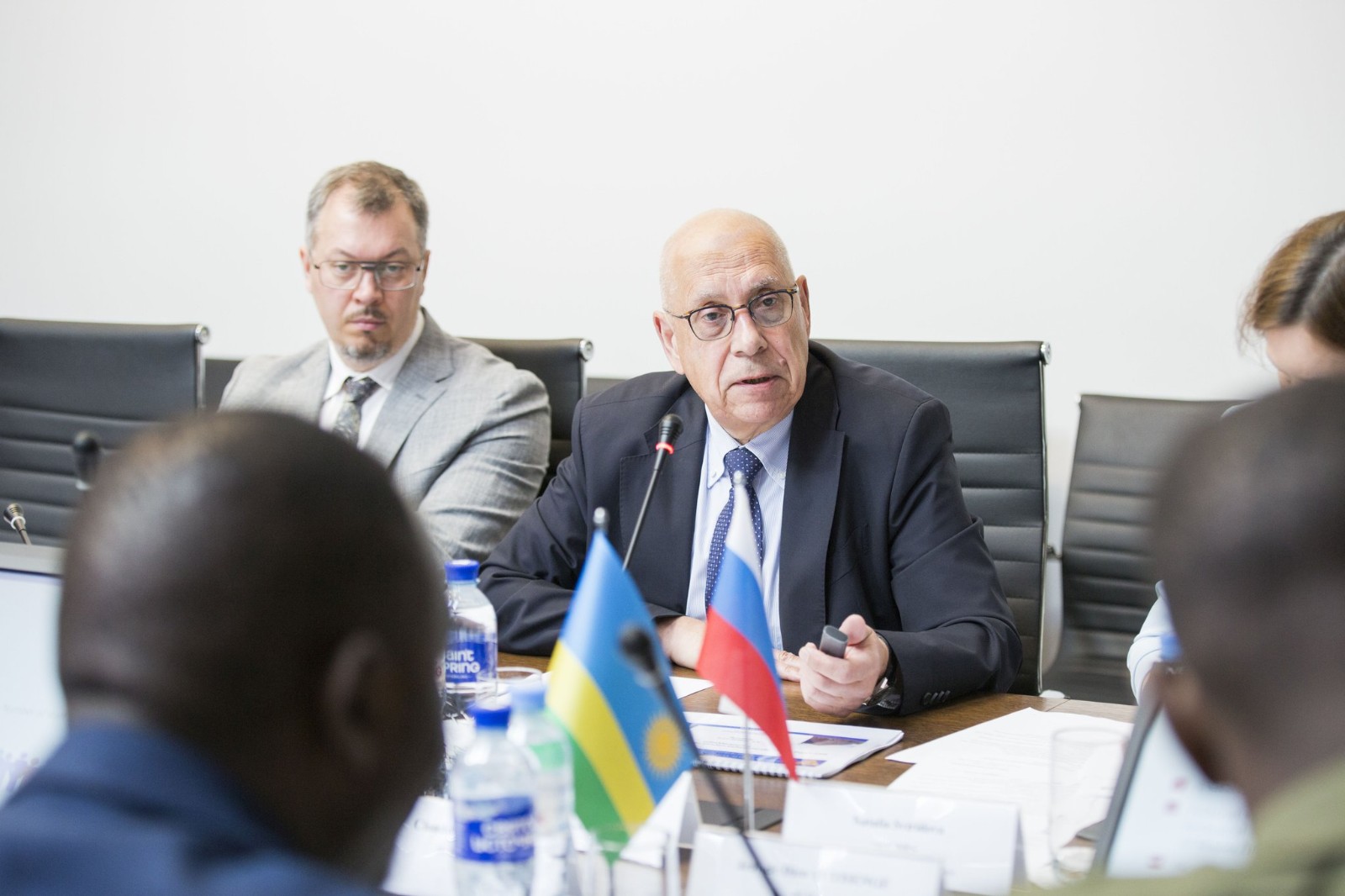
Rwandan Delegation Visits the Scientific and Technical Center for Nuclear and Radiation Safety in Russia
On August 4, 2026, a delegation from the Republic of Rwanda visited the Federal Budgetary Institution "Scientific and Technical Center for Nuclear and Radiation Safety" (FBU STC NRS) during its visit to the Federal Service for Environmental, Technological, and Nuclear Supervision (Rostekhnadzor). The delegation was led by Claude Nkusi, Deputy Director General of the Rwanda Utilities Regulatory Authority (RURA). At the beginning of the meeting, Alexander Khamaza, Director of the Scientific and Technical Center for Nuclear and Radiation Safety, delivered a welcome speech and introduced the Center's main activities in providing scientific and technical support to Rostekhnadzor. During the visit, the Rwandan delegation also learned about the...
2026-08-06

"Academician Lomonosov" Floating Nuclear Power Plant Passes Two-Week Audit by International Experts, with Significantly Fewer Findings Compared to 2022
An international team of inspectors at the Arctic port of Pevek conducted a two-week safety assessment of the Akademik Lomonosov, the world's only operating floating nuclear power plant. The experts observed daily operations and studied documentation in key areas. The audit focused on management organization, engineering support, maintenance and repair, radiation protection, and preparedness for various emergency scenarios. The final report shows a significant reduction in the number of findings compared to inspections prior to 2022. This is attributed to the professionalism of management and staff, who followed domestic and international best practices, thereby achieving a high level of safety and operational culture. The plant's nuclear...
2026-08-06
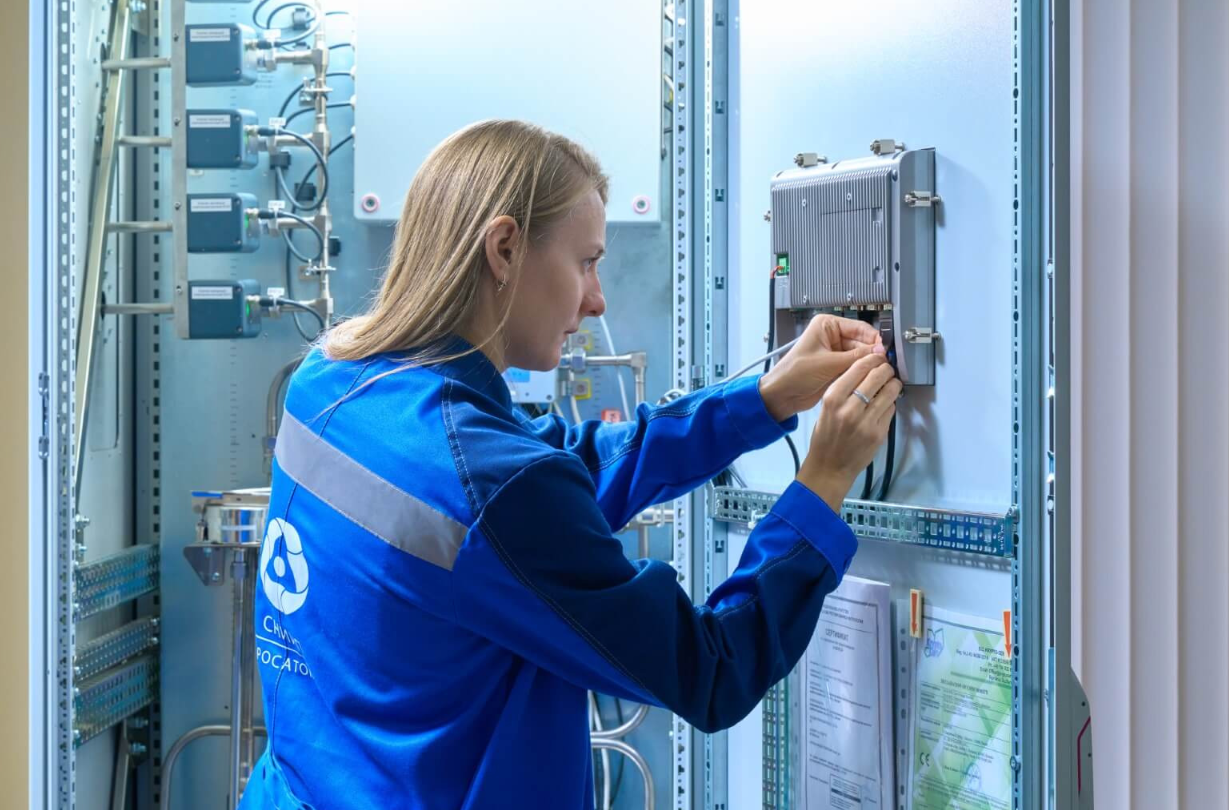
Rosatom selects SNIIP as chief design organization for radiation control systems, overseeing standardization of radiological instrumentation and import substitution assurance at nuclear facilities
Rosatom has selected the Research Institute of Scientific Instruments (SNIIP) as the chief design organization for radiation control systems. The institute, which is part of Rosatom's automation control and electrical equipment division, has been granted this status for a range of similar products in radiation control equipment and systems, including automated radiation control systems and radiation environment monitoring. SNIIP's status as chief design organization means it will be responsible for ensuring Russia's technological autonomy in this field and for developing radiation control instruments and systems. SNIIP General Director Alexey Nikitin stated that this recognition is a testament to the years of work, experience, and professional expertise of the institute's employees...
2026-08-06
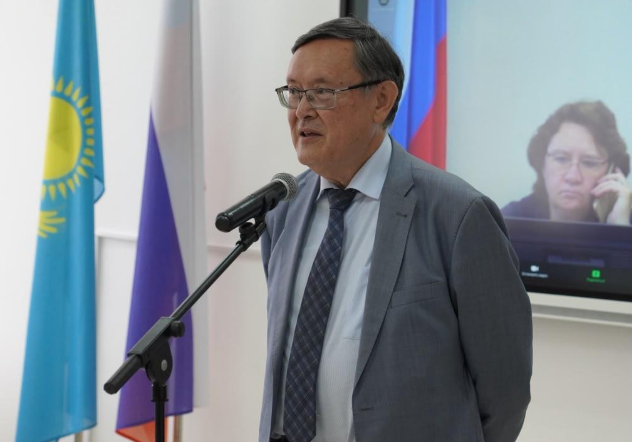
Kazakhstan Welcomes Its First Cohort of Nuclear Industry Specialists
On August 5, the inaugural graduation ceremony was held in Almaty for the first cohort of students at the Kazakhstan branch campus of the National Research Nuclear University MEPhI (НИЯУ МИФИ). Timur Zhantikin, Vice Chairman of the Atomic Energy Agency of Kazakhstan, attended the ceremony and presented diplomas to the graduates. In his address, he noted that as Kazakhstan's atomic energy industry enters a new phase of development, the demand for specialized professionals continues to grow, and the targeted training programs offered by the branch campus are crucial to filling this gap. The graduation of this first cohort marks the beginning of Kazakhstan's establishment of an independent domestic nuclear talent cultivation system. For a long time, Kazakhstan's nuclear industry has relied on overseas education or on-the-job training to supplement its engineering workforce...
2026-08-06
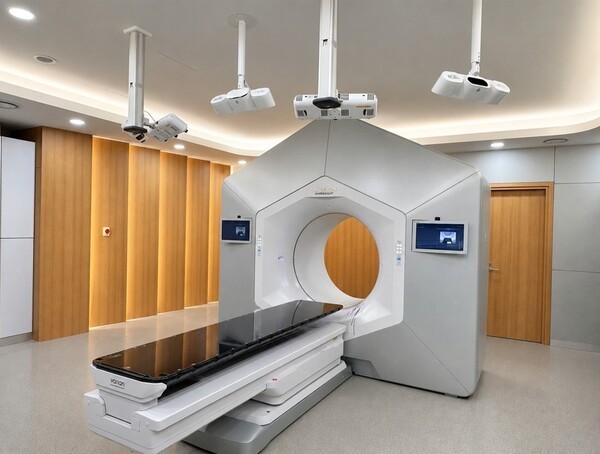
Korea's Ajou University Hospital Launches Halcyon 5.0 Integrated Precision Radiotherapy Solution
Ajou University Hospital announced on August 6 that it has established a Halcyon 5.0 integrated precision radiotherapy solution and has begun full-scale use for patient treatment. The system integrates high-definition high-speed image acquisition, six-degree-of-freedom patient positioning correction, and markerless real-time motion management into a single treatment workflow to enhance the accuracy and safety of image-guided radiotherapy. This implementation is based on Halcyon system software version 5.0, integrating the high-resolution cone-beam CT imaging system HyperSight, the six-degree-of-freedom patient positioning couch Dynamic Couch, and the surface-guided radiotherapy system IDENTIFY. Ajou University Hospital stated that it is the first hospital in Korea to establish the integrated Halcyon system and the second in Asia to use the system for actual patient treatment.
2026-08-06
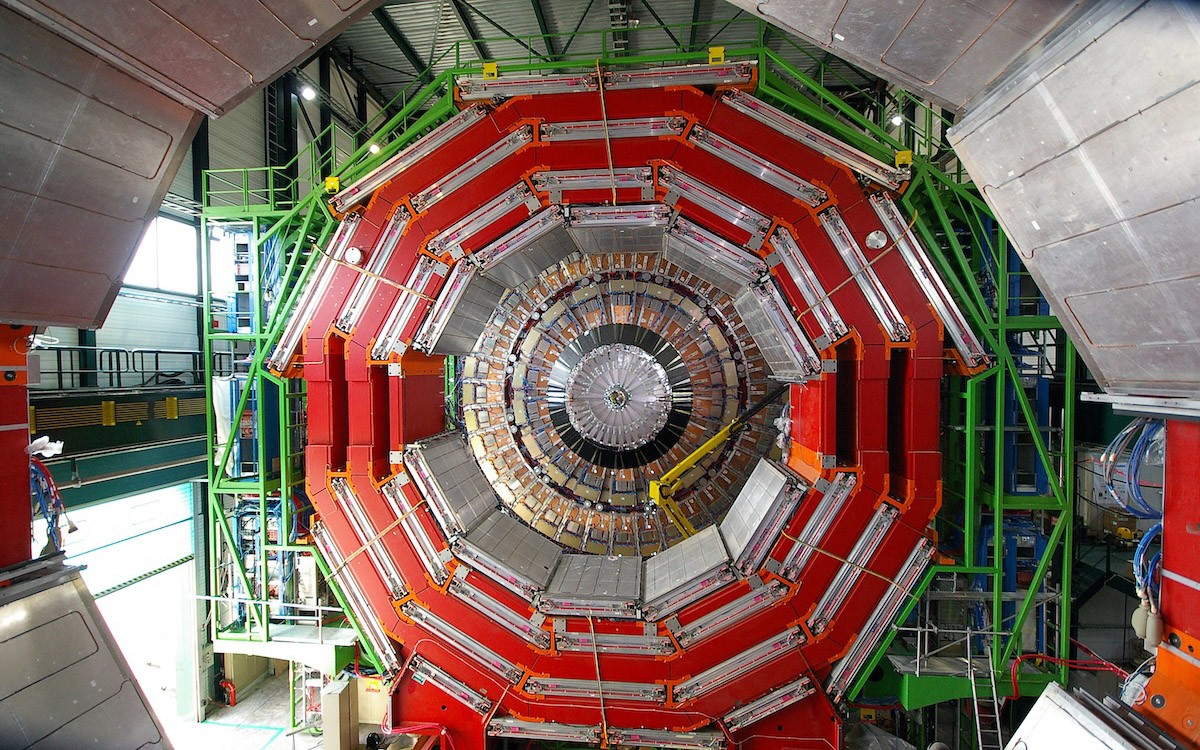
University of Kansas Receives DOE Funding to Build New-Generation Detectors for CERN's Large Hadron Collider
A particle detector development project led by the University of Kansas has recently received funding from the U.S. Department of Energy's Established Program to Stimulate Competitive Research (DOE EPSCoR). The project, funded at $1 million, will be used to design and build two High-Luminosity Zero Degree Calorimeters (HL-ZDC) for the Compact Muon Solenoid experiment (CMS) at CERN's Large Hadron Collider (LHC). The four-year project is co-led by Michael Murray, professor in the Department of Physics and Astronomy at the University of Kansas, and Christophe Royon, distinguished professor at the University of Kansas. Murray also serves as the project lead for the CMS High-Luminosity Zero Degree Calorimeter upgrade...
2026-08-06

"China Nuclear Power Development Report (2026)": China's Total Scale of Operating and Approved-Under-Construction Nuclear Power Units Ranks First in the World
On August 6, the National Energy Administration released the "China Nuclear Power Development Report (2026)". As of the end of 2025, China had a total of 112 nuclear power units in operation and approved for construction, with a total installed capacity of 125 million kilowatts, ranking first in the world. Among them, 59 units were in operation with an installed capacity of 62.48 million kilowatts, ranking third globally; 53 units were approved and under construction with a capacity of 62.93 million kilowatts, maintaining the world's largest nuclear power engineering construction scale for 19 consecutive years. The report shows that during the "14th Five-Year Plan" period, China newly approved 46 nuclear power units with a total capacity of 54.5 million kilowatts, and newly commissioned 11 units with a capacity of 12.45 million kilowatts. In 2025, China commissioned one new nuclear power unit, namely Unit 2 of the "Guohe One" demonstration project; and approved the construction of 10 new nuclear power units with a total capacity of 12.1 million kilowatts, involving Units 5 and 6 of Zhejiang Sanmen, Units 5 and 6 of Shandong Haiyang, Units 1 and 2 of Fujian Xiapu, Units 3 and 4 of Guangdong Taishan, and Units 5 and 6 of Guangxi Fangchenggang...
2026-08-06
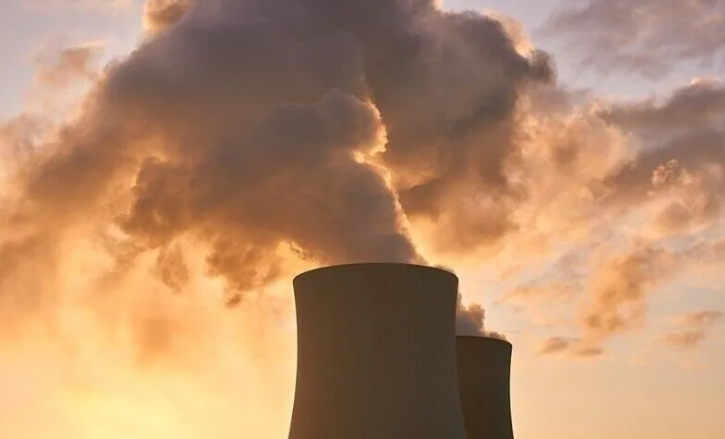
World Nuclear Association: Global Nuclear Power Investment Must Reach $250 Billion Annually to Support Tripling of Installed Capacity by 2050
Global nuclear power investment is expected to see significant growth, with annual investment needs potentially exceeding $250 billion by 2050 to meet rising world energy demand. According to a report by the World Nuclear Association (WNA), this investment scale aims to at least triple global nuclear power installed capacity and is supported by 38 countries. This represents a potential investment opportunity of up to $6 trillion for the nuclear power industry, attracting widespread attention. In addition to government funding, private sector capital participation is crucial to the comprehensive development of nuclear power. The report emphasizes that investment should not only focus on new nuclear power plant construction but also expand the nuclear fuel cycle to support large-scale operations, ensure energy supply...
2026-08-06