
Search Results
Keyword:NI
Petrovietnam Calls for Synchronized Regulation and Development in Ninh Thuan 2 Nuclear Power Project
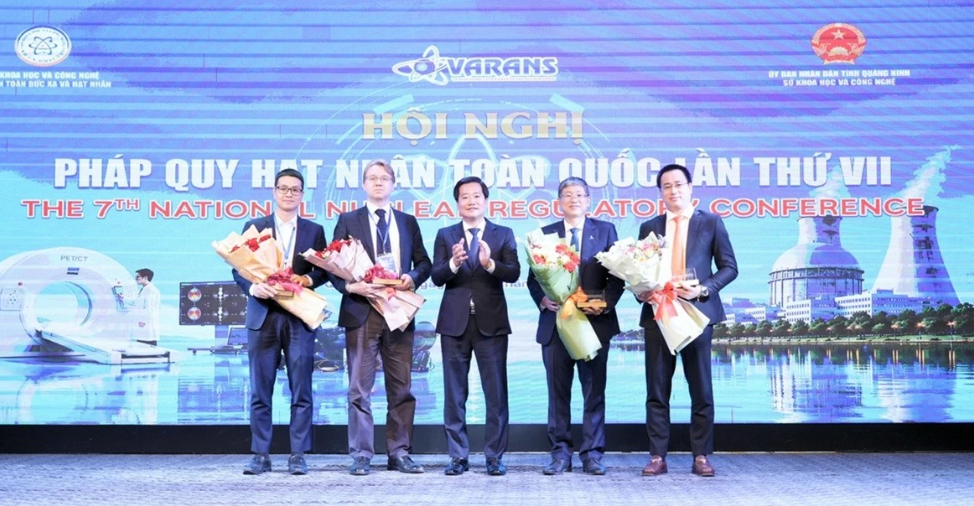
Petrovietnam has proposed adopting a synchronized coordination mechanism in the development of the Ninh Thuan 2 nuclear power project. The Group believes that for this nuclear power plant project, regulatory, licensing, and inspection procedures should proceed in parallel with the project development process during the investment preparation phase. This approach can enhance document quality, control risks, and ensure the project is implemented safely and in compliance with standards. Petrovietnam emphasized that nuclear power projects require regulatory work (including licensing, assessment, and review) to be integrated into all stages of the project lifecycle, rather than being treated as a subsequent step. The Vietnam Oil and Gas Group proposed that, to effectively advance project preparation, regulatory capacity building should be strengthened...
2026-08-06
Department of Plasma Physics and Fusion Engineering at the University of Science and Technology of China Proposes New Three-Dimensional Magnetic Field Configuration for Stellarators
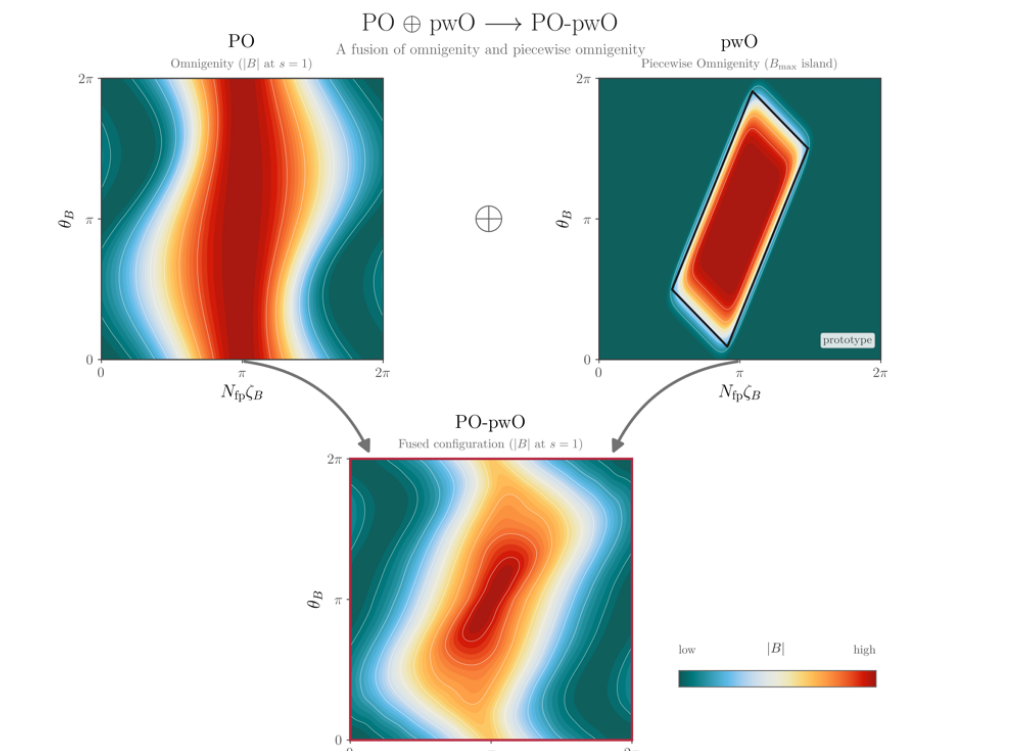
Stellarators confine high-temperature plasma using three-dimensional magnetic fields generated by external coils, enabling steady-state operation without relying on plasma current and avoiding instabilities such as disruptions, making them the fastest-growing technological route globally. However, if the three-dimensional magnetic field is not carefully optimized, trapped particles can experience significant radial drift, leading to a substantial increase in neoclassical transport losses. To suppress this drift, the magnetic field must satisfy the "omnigenity" condition, meaning that the time-averaged radial drift of all trapped particle orbits is zero. The most widely applied class of omnigenous magnetic fields is poloidal omnigenity (PO), and such configurations are also commonly referred to as quasi-isodynamic (QI) configurations...
2026-08-06
Bulgaria's Kozloduy Units 5 and 6 VVER-1000 Continue Stable Power Generation
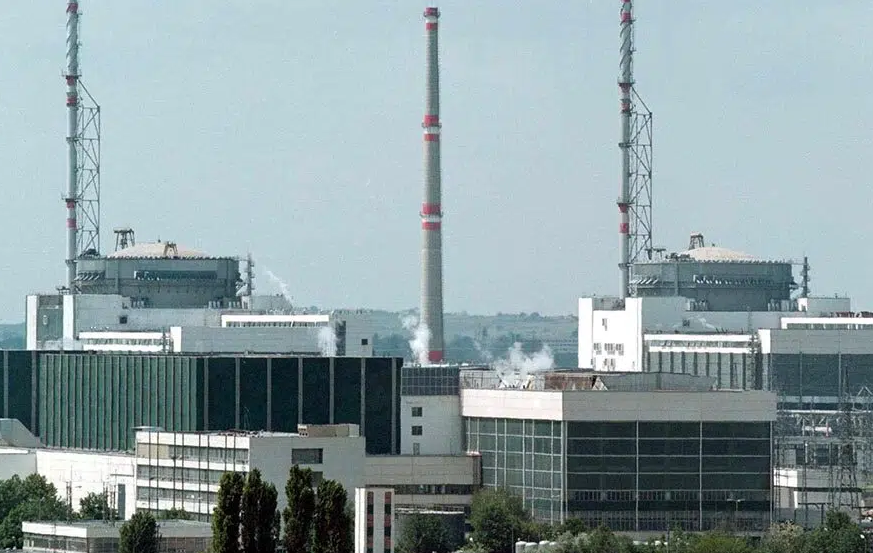
Bulgaria's Ministry of Energy confirmed on August 4 that Units 5 and 6 (both VVER-1000) at the Kozloduy Nuclear Power Plant remain stably connected to the grid despite record-low Danube River water levels and an ongoing heatwave. Professional assessments indicate that even if the river level continues to decline at the current rate, no power reduction will be required for the next three weeks. Bulgarian authorities have confirmed that they maintain continuous contact with relevant institutions in Serbia and Romania to coordinate and monitor the situation on the Danube waterway. The stable operation of the Kozloduy Nuclear Power Plant comes at a time when neighboring operators along the Danube have been forced to reduce output or cease operations. Due to the sharp drop in water levels and rising river water temperatures, Hungary has had to significantly reduce power output and shut down the Paks Nuclear Power Plant, which supplies more than 40% of the country's electricity.
2026-08-06
Hungary's Paks Nuclear Power Plant Avoids Full Shutdown as Danube Rises 2 cm, Now Operating at Only 240 MW
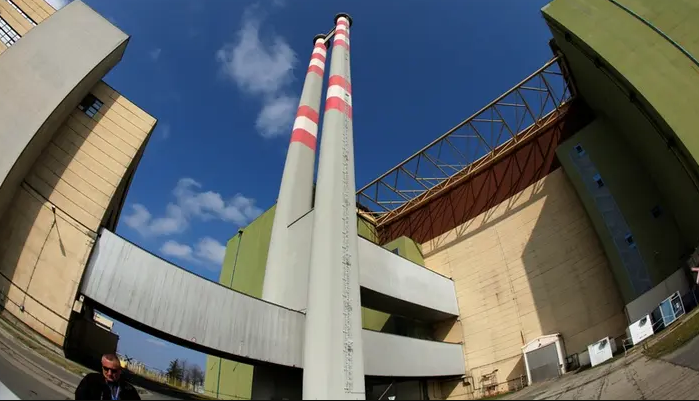
From the night of August 4 to the early morning of August 5, Hungary's Paks Nuclear Power Plant (about 100 km south of Budapest, commissioned in 1982, never fully shut down in its history) nearly disconnected from the grid due to low Danube water levels—3 of its 4 units had been sequentially shut down, leaving only one turbine operating at about 240 MW (normal output near 2,000 MW), supplying roughly half of Hungary's electricity. Hungarian Prime Minister Péter Magyar stated that the river level rose about 2 cm overnight, allowing the final unit's cooling to be maintained and averting the first full shutdown in 44 years; temperatures are still expected to exceed 40°C in the coming days, with cooling and rainfall only anticipated around Friday (approximately August 8). To alleviate energy pressure, Prime Minister Magyar thanked those who voluntarily...
2026-08-06
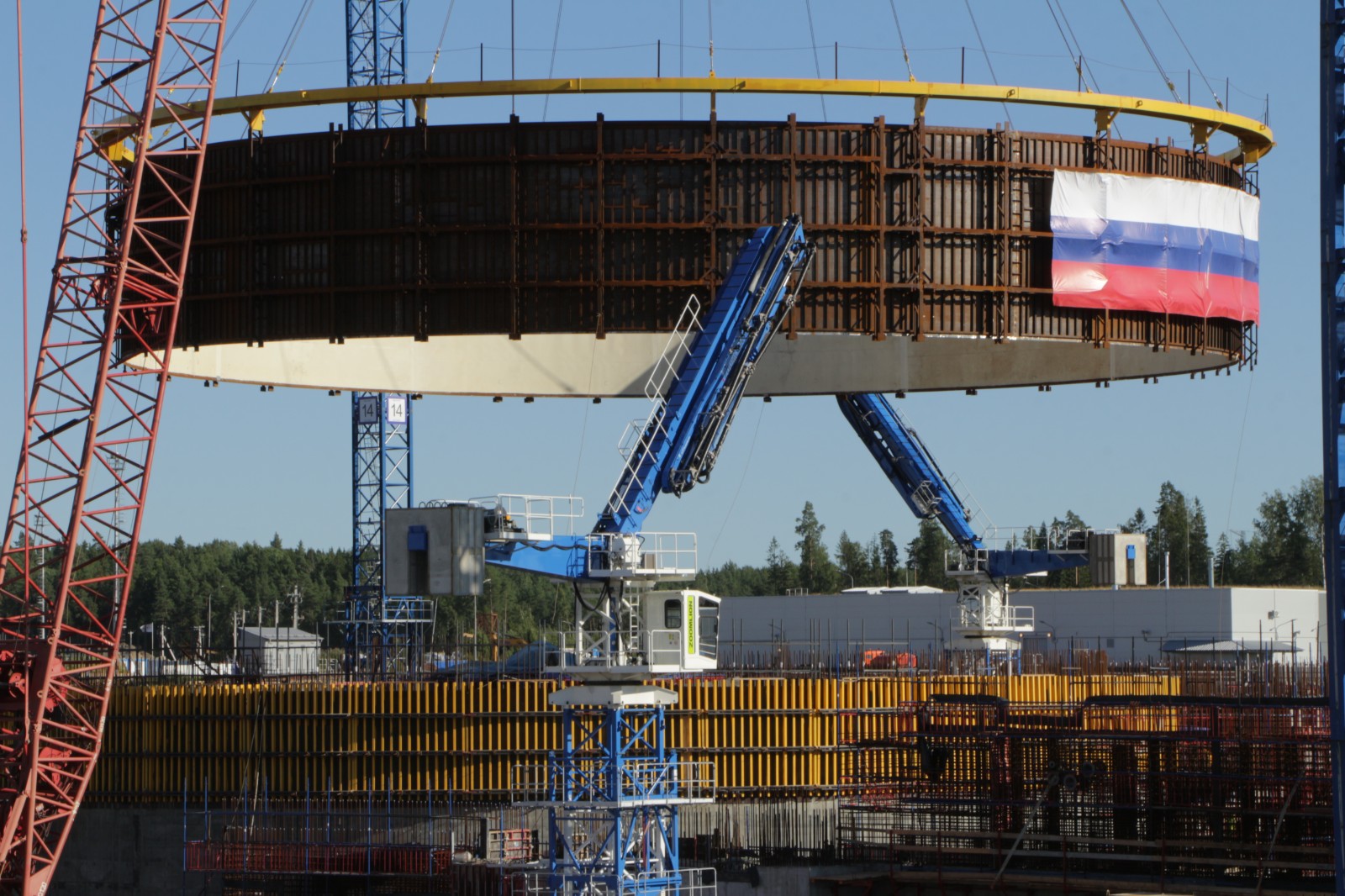
Construction of inner containment begins at Unit 4 of Leningrad Nuclear Power Plant II
Construction of the inner containment of the reactor building at Unit 4 of the Leningrad Nuclear Power Plant II in Russia has commenced. The unit features a VVER-1200 reactor, and the inner containment is a key component of the unit's passive safety system, as well as part of the plant's confinement safety system. Construction workers have installed the first tier of vertical sealed steel liner to its design position. The steel structure weighs approximately 97 tonnes, and the lifting and positioning operations were carried out using a heavy crawler crane, with the entire installation process lasting about 7 hours. The contractor, TITAN-2 Holding Company, stated that the preparatory work took several months, including component fabrication, protective coating application, on-site assembly and welding, and structural quality inspection...
2026-08-06
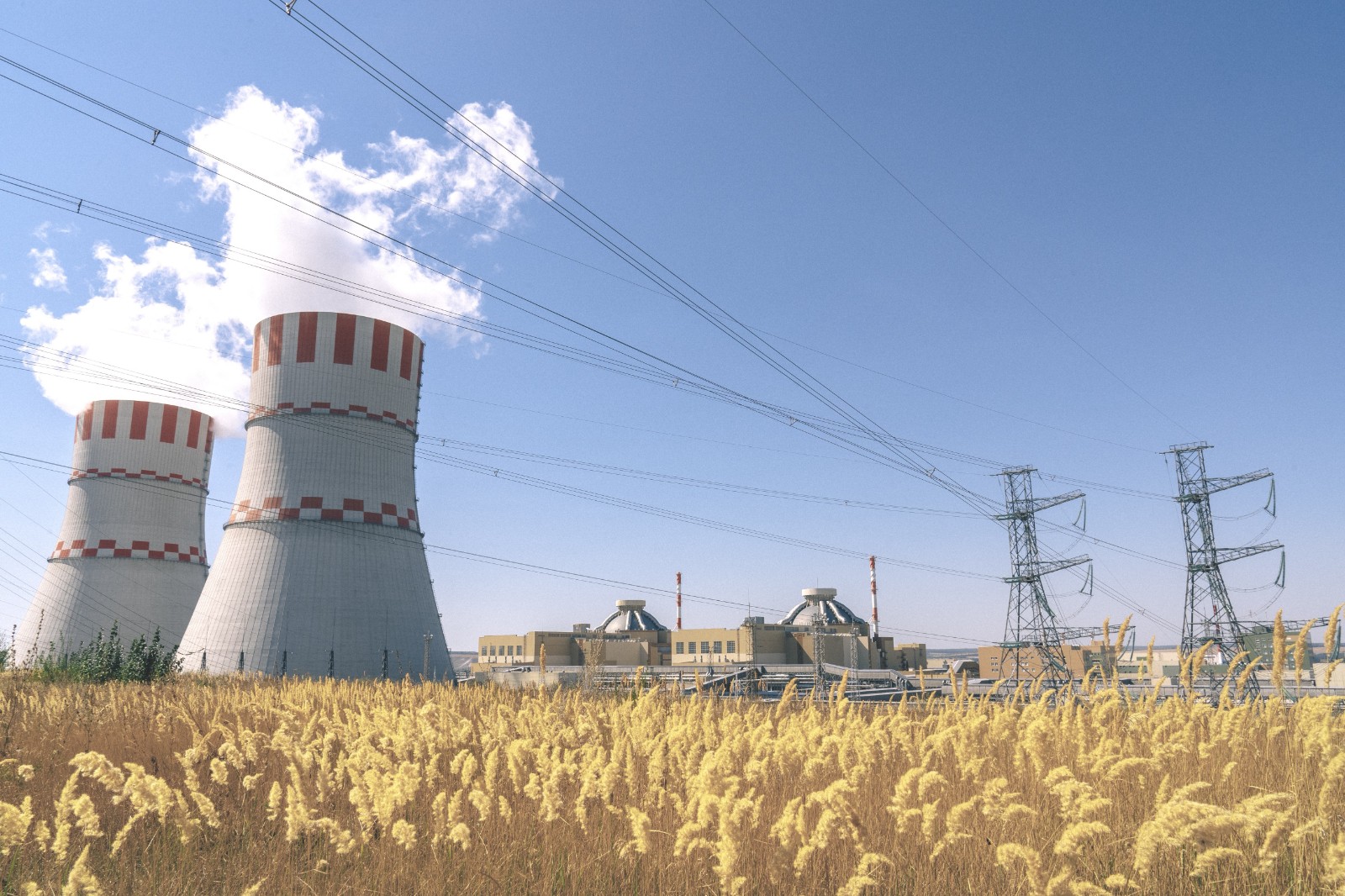
Novovoronezh NPP Unit 6 Exceeds 79 Billion kWh in a Decade of Operation
Since Unit 6 of Russia's Novovoronezh Nuclear Power Plant was first connected to the grid in 2016, it has delivered over 79 billion kWh of electricity to the Unified Energy System of Russia. The unit is the world's first Generation III+ nuclear power unit equipped with a VVER-1200 reactor, and also the first new nuclear unit built from scratch in Russia under the NPP-2006 project. The Novovoronezh NPP currently operates four units, namely Units 4, 5, 6, and 7. Unit 6 accounts for 31.2% of the plant's total electricity generation from operating units. The unit entered commercial operation in February 2017. Its construction began in 2007, with about 200 contracting organizations involved in the project. Russia...
2026-08-06
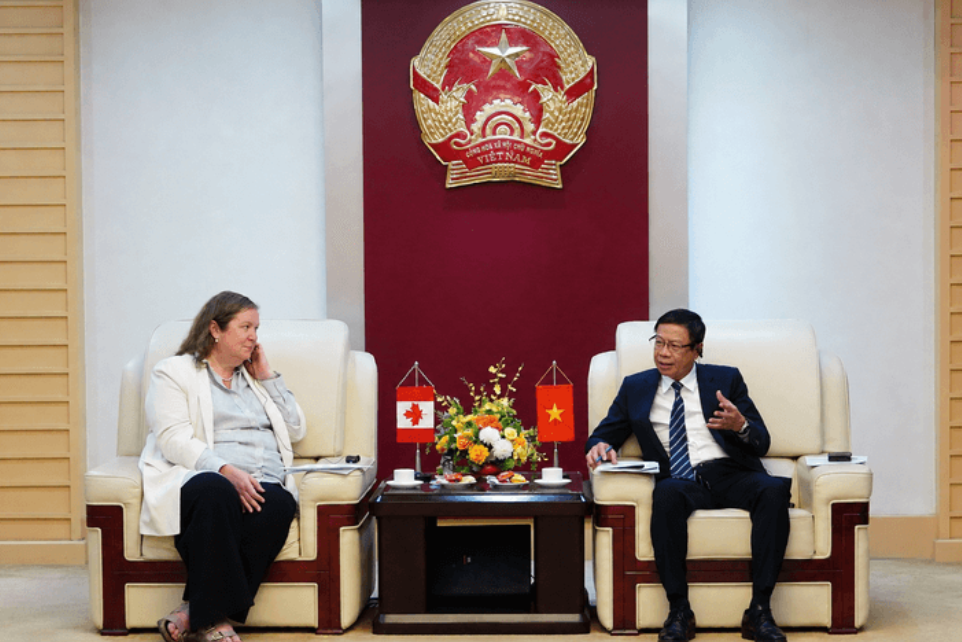
Vietnam's Ministry of Science and Technology and Canada's Saskatchewan Province Strengthen Cooperation on Peaceful Use of Nuclear Technology
Vietnam and Canada's Saskatchewan Province are cooperating on the peaceful use of nuclear technology. Officials from both sides met in Hanoi on August 5, 2026, to discuss directions for cooperation in science, technology, and innovation, particularly in advanced nuclear technology. The Vietnamese side stated that as Vietnam's energy demand grows, ensuring a stable, green, and clean energy supply is of paramount importance, expressing strong interest in research on small modular reactors (SMRs) as well as CANDU reactor technology. During the meeting, both sides discussed strengthening cooperation among regulatory agencies, legal departments, and research organizations in the nuclear technology field, covering legal framework development, technical standards, nuclear safety and safeguards assessment licensing, accident response, and...
2026-08-06
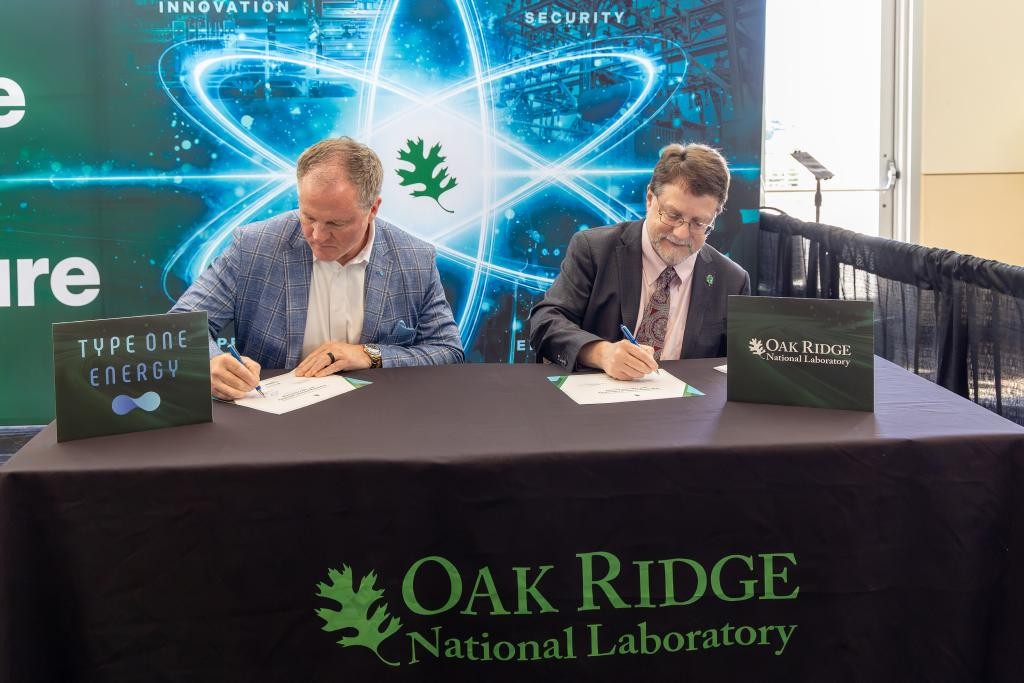
Oak Ridge National Laboratory Licenses Cryogenic Fuel Pellet Technology to Type One Energy
The U.S. Department of Energy's Oak Ridge National Laboratory (ORNL) has licensed a suite of cryogenic fuel pellet injection technologies to Type One Energy to advance fuel supply capabilities needed for high-performance fusion plasma operations. The two parties signed the licensing agreement on August 5 in Knoxville, Tennessee, USA. The license covers four ORNL inventions, primarily related to the design and operation of cryogenic fuel pellet injection systems. The technology forms solid hydrogen isotope fuel pellets at cryogenic temperatures near absolute zero and injects them into fusion plasma at high speeds. Compared with methods such as gas injection, pellet injection is more effective at delivering fuel deeper into the plasma...
2026-08-06

Leonardo DRS to Build New Facility in Connecticut, U.S. to Support Growth in Naval Nuclear Propulsion-Related Business
Leonardo DRS announced on August 4 that it has signed an agreement to build a new facility in Brookfield, Connecticut, U.S., to expand and consolidate its naval electric power systems operations. The project aims to increase production capacity, support key U.S. Navy-related programs, and provide space and infrastructure for the company's future growth in the nuclear energy sector. According to the company's disclosure, the new facility is located at 120 Park Ridge Road in Brookfield, covering approximately 141,087 square feet. Once completed, the facility will consolidate operations currently spread across three locations in Danbury and Bethel, Connecticut. The facility is expected to be operational in early 2027, with partial occupancy potentially available by late 2026 if final design and tenant fit-out work proceed smoothly.
2026-08-06

University of Toronto joins Canadian Nuclear Laboratories academic partnership program
The University of Toronto (U of T) has joined Canadian Nuclear Laboratories' (CNL) academic partnership program, becoming the tenth participating institution in the initiative. This effort aims to strengthen Canada's nuclear talent pipeline and support related research. A signing ceremony was held at the Schwartz Reisman Innovation Campus, marking the formal establishment of the partnership between the University of Toronto, Canadian Nuclear Laboratories, and Atomic Energy of Canada Limited (AECL). The academic partnership program will provide participating institutions with access to national laboratory infrastructure, technology, and expertise, with collaboration areas spanning clean energy, health care, environmental remediation, and national security, among others. This...
2026-08-06

Terra Innovatum Selected for Global X Uranium ETF Tracking Nuclear Index, Microreactor SOLO™ Gains Passive Fund Exposure
Terra Innovatum Global N.V. (NASDAQ: NKLR), a Netherlands-registered micro modular reactor developer, will be included in the Solactive Global Uranium & Nuclear Components Total Return Index effective from the market open on August 3, 2026 — the benchmark tracked by the Global X Uranium ETF (NYSE Arca: URA, with over $5 billion in assets under management), taking effect with Solactive's periodic rebalancing. Co-founder and CEO Alessandro Petruzzi stated that this enables passive/thematic investors to directly access its SOLO™ microreactor story through the index, alongside Cameco, Kazatomprom, Centrus, Oklo, NuScale, X-energy, Mitsubishi Heavy Industries, and others in the nuclear fuel cycle and reactor development tier.
2026-08-06

Trump Administration Revives Spent Fuel Disposal Plan, Seeks State Cooperation
The Trump administration is reshaping spent fuel policy, attempting to restart a long-stalled permanent disposal program through a combination of administrative and legislative measures. This initiative aims to address the growing accumulation of spent fuel, a long-standing issue that has lacked an effective solution. To fund the Nuclear Waste Fund and restore the Department of Energy's access to its $50 billion in resources, the draft legislation proposes reinstating surcharges on nuclear power plants. The core of this policy shift lies in seeking state government participation and cooperation, hoping that states will proactively assume a leading role in spent fuel disposal. While at least two states have already expressed willingness to serve as potential candidate sites, long-time advocates and researchers monitoring the issue warn that significant political resistance and logistical challenges lie ahead.
2026-08-06
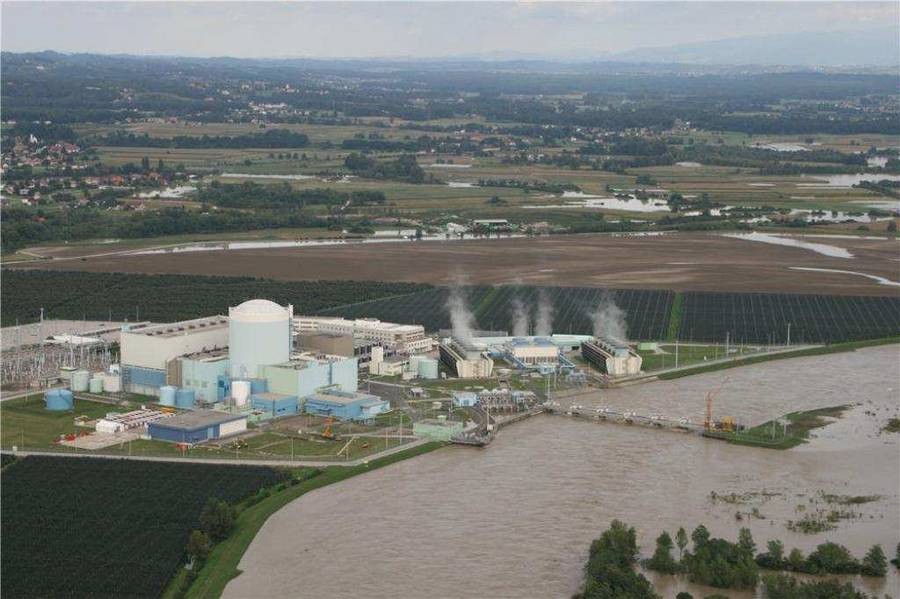
Krško Nuclear Power Plant to Reduce Power Output Due to Sava River Water Temperature Pressure
The Krško Nuclear Power Plant (Krško NPP) announced that, due to persistent abnormal hydrological and meteorological conditions in the Sava River, it will begin gradually reducing reactor power from the evening of August 6 to prevent river water temperatures from exceeding environmental standards. In the first phase, the unit's power output will be reduced to 80% of its maximum generating capacity. The plant stated that this power reduction is a planned, controlled, and temporary measure aimed at ensuring the Sava River water temperature remains within permissible limits. Relevant environmental standards stipulate that the daily average water temperature must not exceed 28 degrees Celsius, and the temperature increase of the river water caused by the plant's operation must not exceed 3 degrees Celsius. The management of the Krško Nuclear Power Plant also stated...
2026-08-06
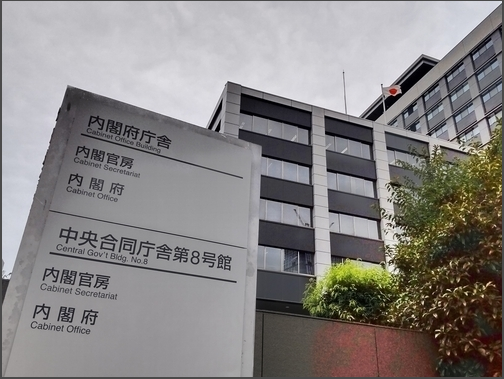
Japan's Plutonium Stockpile Expected to Remain at 44.4 Tons by End of 2025
Japan's Cabinet Office reported to the Japan Atomic Energy Commission (JAEC) on August 5 that Japan's plutonium stockpile is expected to be 44.4 tons by the end of 2025, unchanged from the end of the previous year. By source, domestically sourced plutonium stockpile is expected to be 9.9 tons, while overseas-sourced plutonium stockpile is 34.5 tons. The overseas-sourced plutonium mainly comes from separated plutonium formed after Japan entrusted its spent fuel reprocessing operations to the United Kingdom and France. The report shows that in 2024, Kansai Electric Power Company (KEPCO) processed 1.3 tons of plutonium stored in France into mixed uranium-plutonium oxide fuel, namely MOX fuel, resulting in a decrease in overseas-sourced plutonium stockpile. Subsequently, this batch of MOX fuel was shipped to the Takahama Nuclear Power...
2026-08-06
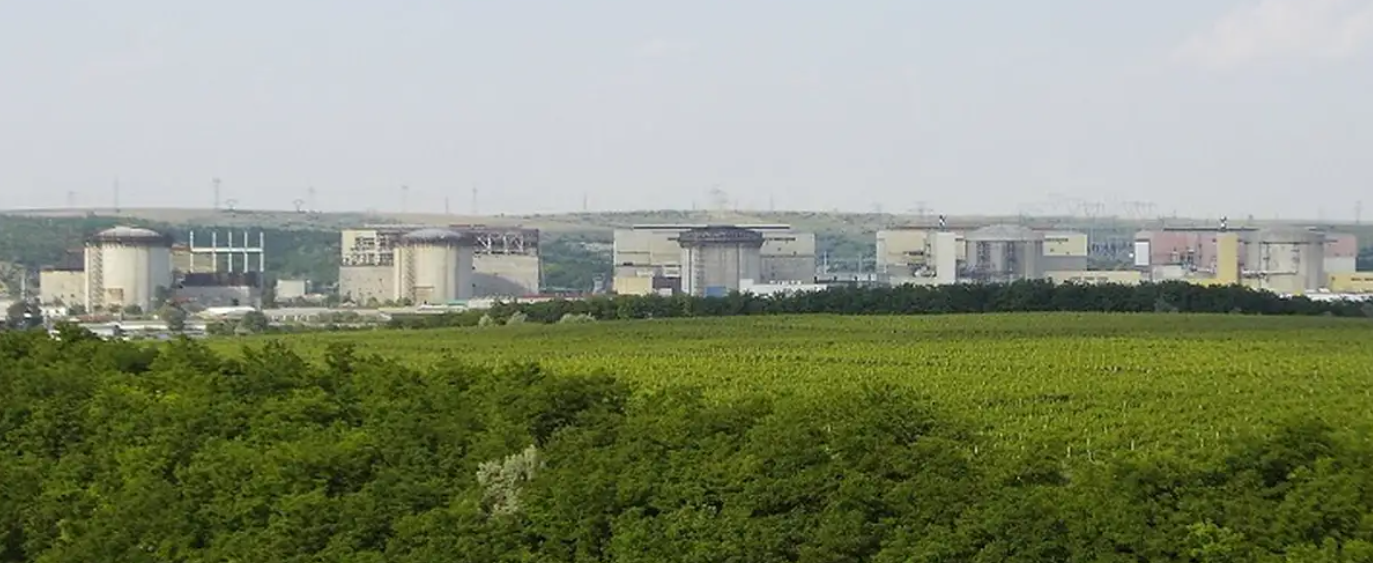
Romania postpones sinking barges to guide water flow, safeguarding cooling water supply for Cernavodă Nuclear Power Plant
Romania has recently taken emergency measures to address the impact of the persistently declining Danube River water level on the water supply to its nuclear power plant. On August 5 local time, Romanian authorities stated that four barges would be sunk in the Danube River to guide water flow into the water intake channel related to the cooling water supply of the Cernavodă Nuclear Power Plant. Cernavodă is Romania's only nuclear power plant. Affected by drought and the low water level of the Danube, the plant's water intake conditions are under pressure. On August 3, the Romanian military used approximately 180 kilograms of explosives to blast and clear a rock formation in the Danube riverbed, aiming to improve the water flow channel, ensure the cooling water source for units in operation, and prevent the nuclear units from being forced to shut down due to insufficient water supply...
2026-08-06