
Search Results
Keyword:Nuclear
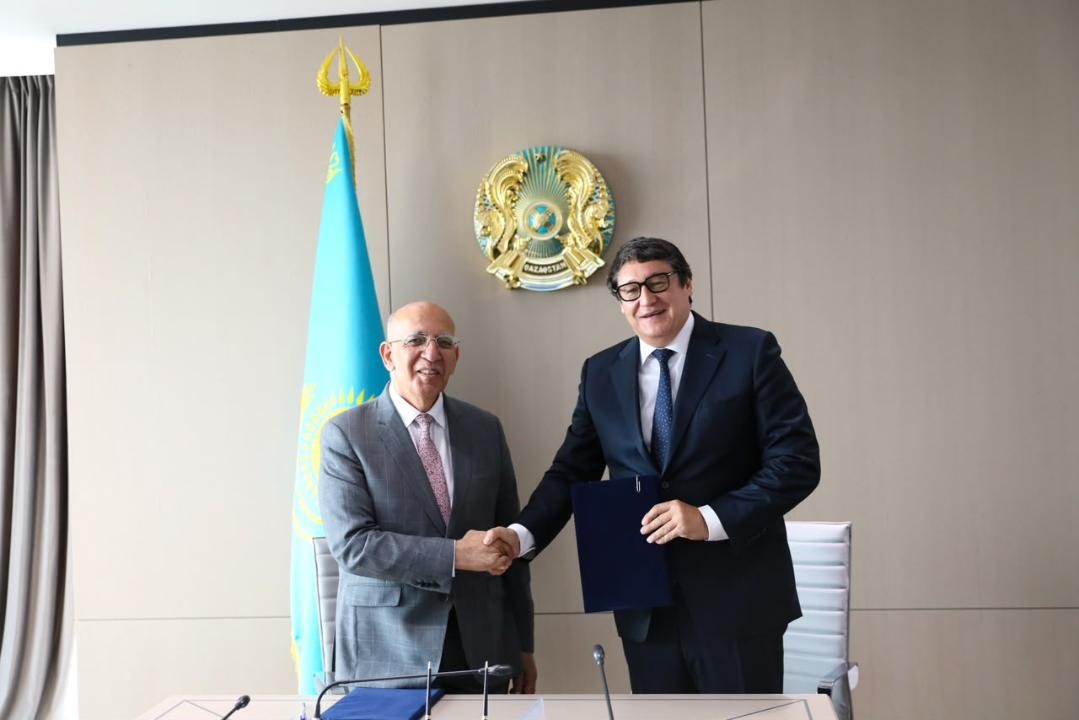
Kazakhstan Atomic Energy Agency and Nazarbayev University Sign Memorandum of Cooperation
On August 7, the head of Kazakhstan's atomic energy regulatory authority held formal talks with the President of Nazarbayev University, during which both parties exchanged views on the progress of existing cooperation and future directions for collaboration. During the talks, it was noted that representatives of Nazarbayev University have actively participated in the work of the agency's Scientific and Technical Committee, as well as in efforts to update forward-looking research in the nuclear energy field. Both sides agreed that research institutions and universities play a vital supporting role in the development of the nuclear energy industry, particularly in building research capacity and cultivating professional talent. Following the talks, the two parties signed a memorandum of cooperation. According to the document, the two sides will expand...
2026-08-08

Research Reactors Support Kazakhstan's Safe Nuclear Energy Development
Against the backdrop of growing demand for low-carbon electricity, nuclear energy is being regarded by many countries as a key energy option. Kazakhstan is also advancing its own nuclear energy development. Equally critical to the construction of nuclear power plants is the long-term research, testing, and validation of nuclear fuel, structural materials, reactor operating conditions, and safety systems. Research reactors and experimental facilities are precisely the core platforms undertaking such work. Unlike power reactors, which primarily target electricity generation, research reactors are closer to specialized nuclear science laboratories. Researchers can study the behavior of nuclear fuel and structural materials, simulate different reactor operating states, including off-normal conditions, test new technologies, and validate engineering solutions subsequently used in nuclear...
2026-08-09
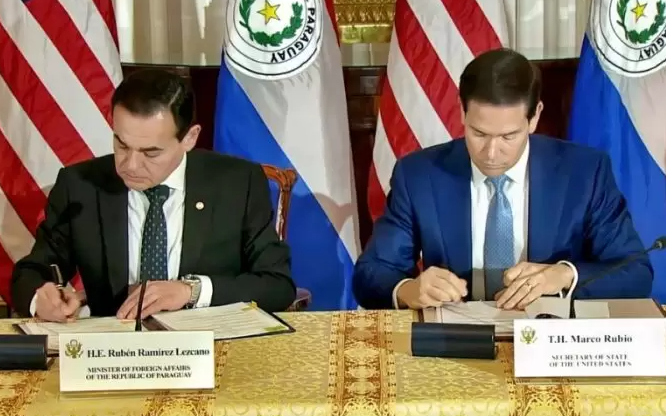
Paraguay says U.S. nuclear memorandum covers uranium exploration, energy cooperation heats up
Paraguayan Vice President Pedro Alliana revealed that the memorandum of understanding on nuclear energy recently signed between Paraguay and the United States involves not only civil nuclear energy development but also cooperation related to uranium exploration. In discussing his meetings with U.S. Secretary of State Marco Rubio and Deputy Secretary of State Christopher Landau, he called the agreement a historic document, reflecting that bilateral relations are at an unprecedented stage of closeness. The recent engagement between Paraguay and the U.S. was not limited to nuclear energy issues but spanned multiple areas including bilateral cooperation, security, investment, and regional politics. Alliana stated that the U.S. side intends to strengthen investment in Paraguay's energy sector, with particular attention to...
2026-08-09
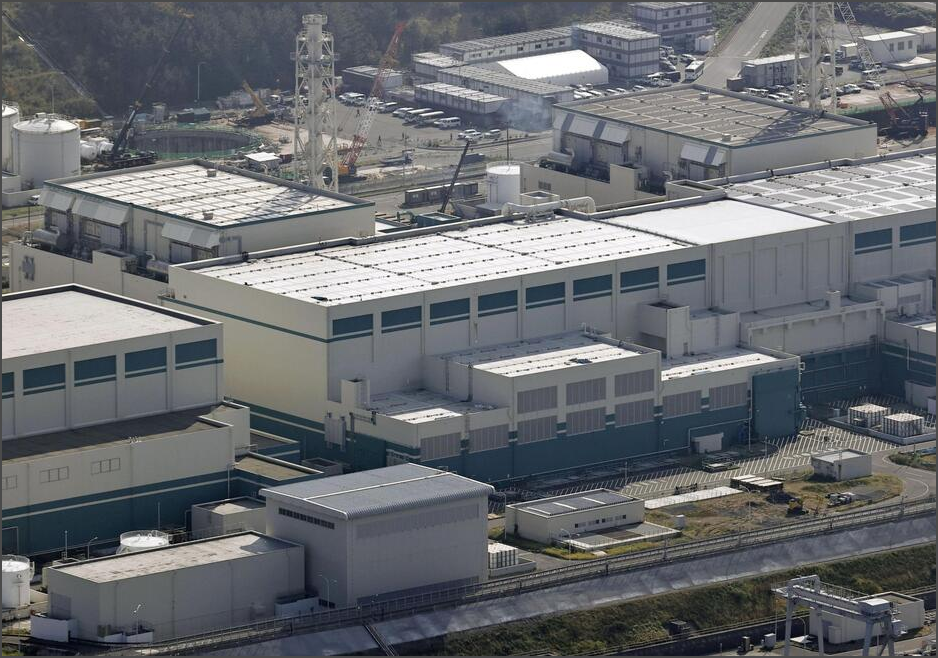
Another access control irregularity at Kashiwazaki-Kariwa Nuclear Power Station: exit gate fails to intercept unauthorized passage
Tokyo Electric Power Company (TEPCO) announced on August 7 that an irregularity related to access control occurred at the Kashiwazaki-Kariwa Nuclear Power Station. An operator improperly used his own ID card to allow a colleague who had left his ID card in the central control room to pass through the gate and exit. TEPCO stated that the access control system failed to display an error message at the time and was unable to prevent this unauthorized passage. According to disclosed information, the incident occurred during the exit process and involves management matters related to nuclear material protection. TEPCO has not yet publicly disclosed the specific date of the incident, the identities of the personnel involved, the detailed reasons why the system failed to trigger an alarm, or subsequent disciplinary actions and preventive measures. Kashiwazaki-Kariwa...
2026-08-08

Argentina and Ecuador Sign Six Cooperation Agreements, Including Peaceful Use of Nuclear Energy Cooperation
Argentine President Javier Milei and Ecuadorian President Daniel Noboa held a bilateral meeting at the Carondelet Palace in Quito on August 7, signing six cooperation agreements. The agreements cover trade, nuclear energy, air transportation, judicial cooperation, cyber defense, and marine resource protection, indicating that the two countries are attempting to establish a closer cooperation framework on security and economic issues. Energy and technological cooperation was also a key component of the meeting. The two sides signed a cooperation agreement on the peaceful use of nuclear energy, emphasizing the promotion of nuclear applications in civil fields through exchanges between scientific research institutions, technical cooperation, and joint research and development projects. Such cooperation helps enhance...
2026-08-08
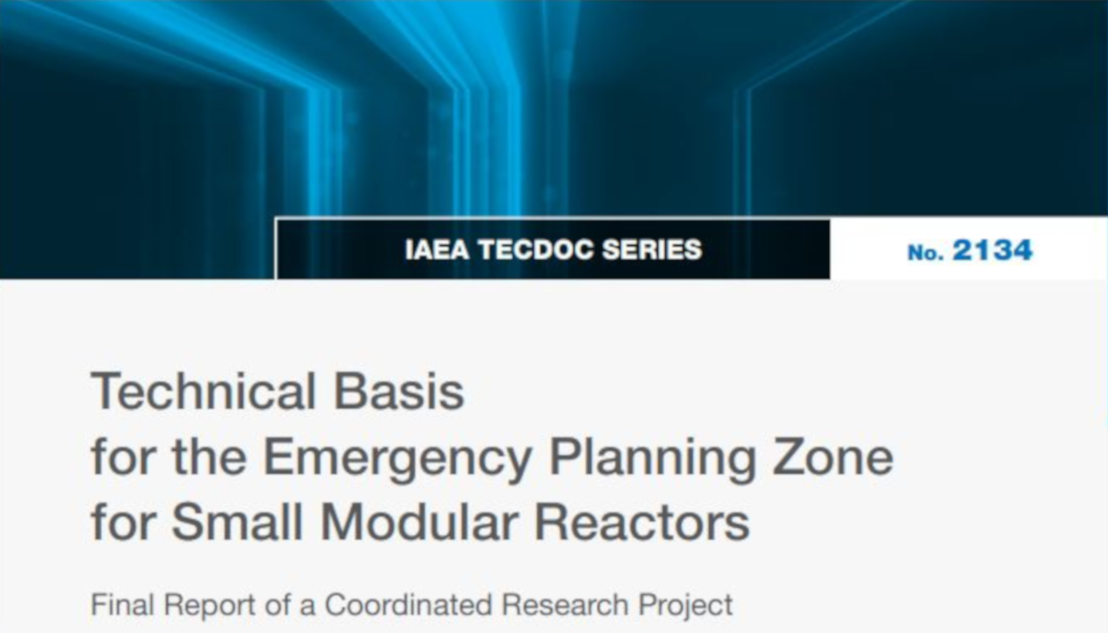
IAEA Publishes Technical Document on Emergency Planning Zones for Small Modular Reactors
The International Atomic Energy Agency (IAEA) recently released the technical document "Technical Basis for Emergency Planning Zones for Small Modular Reactors," designated as TECDOC-2134, published in Vienna in 2026. The document comprises 132 pages, includes 11 illustrations, is written in English, and is now available for download. This marks the first time the Agency has systematically documented, in publication form, the outcomes of a coordinated research project related to protective action planning zones in the deployment of small modular reactors. The document focuses on the technical basis for emergency preparedness and response for small modular reactors, with particular attention to determining the size of protective action planning zones. A protective action planning zone is an area surrounding a nuclear facility where protective measures are pre-planned in response to potential accidents...
2026-08-09
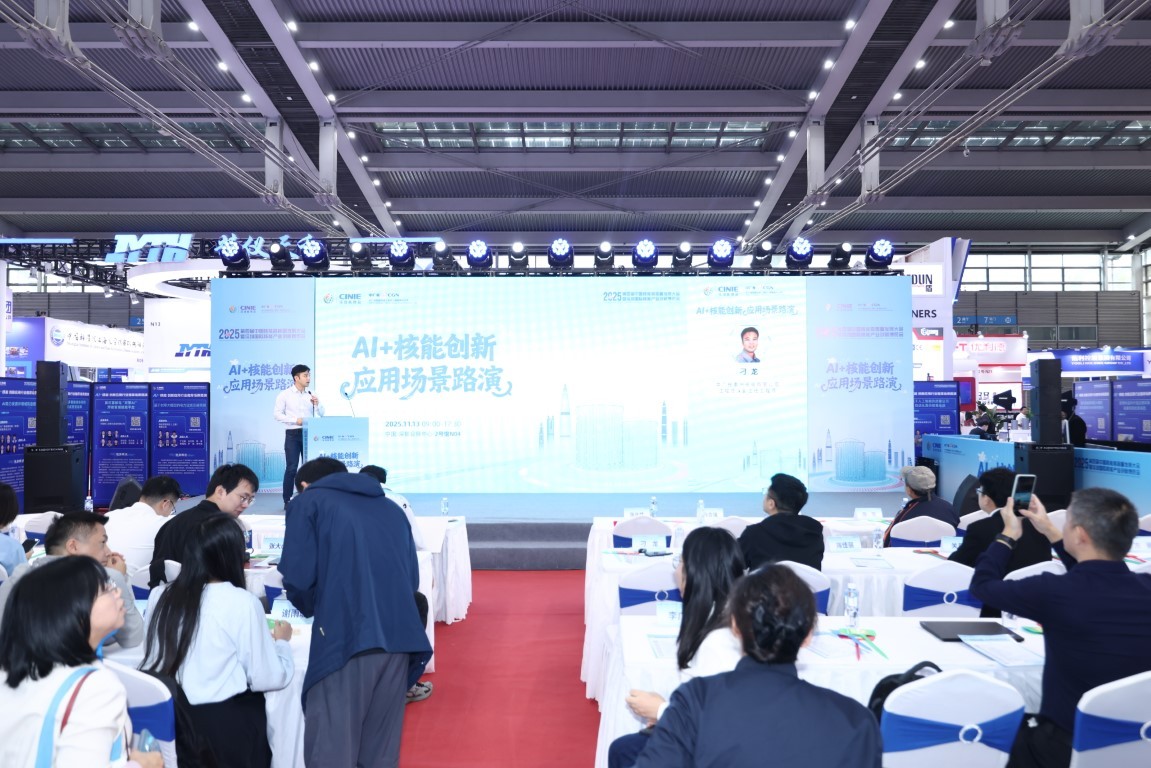
"AI-Based Automated Authenticity Verification System for Quality Certificates" — Diao Long, Deputy Chief Engineer of Engineering Quality Assurance, CGN Huizhou Nuclear Power Co., Ltd.
On November 14, 2025, Diao Long, Deputy Chief Engineer of Engineering Quality Assurance at CGN Huizhou Nuclear Power Co., Ltd., delivered a keynote report titled "AI-Based Automated Authenticity Verification System for Quality Certificates" at the "AI+Nuclear Innovation Application Scenario Roadshow" of the Shenzhen Nuclear Expo. The presentation introduced Huizhou Nuclear Power's AI-based automated authenticity verification system for quality certificates, designed to address issues such as low manual verification efficiency, error-proneness, difficulty in traceability, and diverse counterfeiting methods. The system achieves batch, high-speed, and traceable authenticity verification through certificate upload, QR code recognition, web scraping, large model key information comparison, and report generation, and has identified anomalies in multiple real-world counterfeiting cases...
2026-08-08
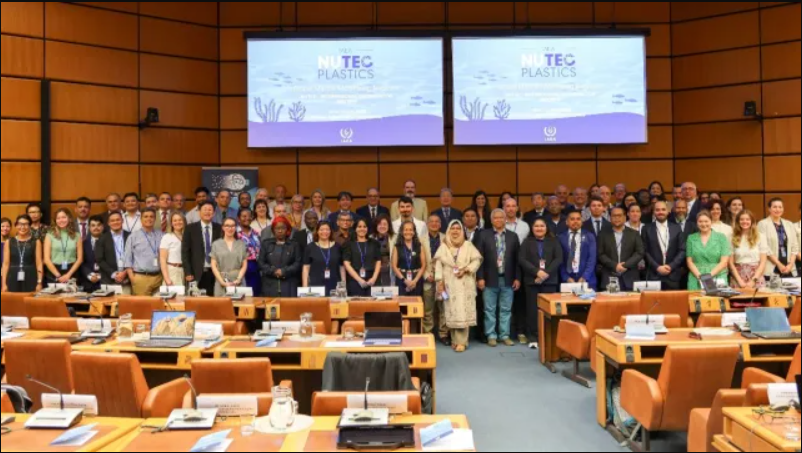
IAEA Launches Global Marine Microplastics Monitoring Platform
The International Atomic Energy Agency recently launched a global marine monitoring platform under the "Nuclear Techniques for Controlling Plastic Pollution" initiative, aiming to strengthen cooperation and data sharing among countries on the abundance, distribution, and trends of microplastics in marine and coastal areas. Scientific experts from 65 countries attended the platform launch event. The platform will serve as a repository of results from the network of marine monitoring laboratories supported by the initiative. Participating laboratories can enter monitoring data into the platform to compile global information on marine microplastic pollution; users can access relevant content after creating a free IAEA Nucleus account. Plastic pollution has become a global environmental issue. According to reports...
2026-08-09

UAB startup LifeNuclear launches TheraGuide, a radiation safety guidance platform for radiopharmaceutical therapy
On August 7, LifeNuclear, a medical technology startup incubated by the University of Alabama at Birmingham (UAB), announced the launch of TheraGuide, a digital platform designed to help patients undergoing radiopharmaceutical cancer treatment understand and follow radiation safety guidance after discharge. Radiopharmaceutical therapy uses radioactive drugs to target cancer cells while minimizing damage to surrounding healthy tissue. As the therapy's applications expand, patients are typically required to read and follow complex written instructions after treatment, which can be difficult for some patients and caregivers to understand and execute. Dr. Remo George LifeNuclear was founded by UAB...
2026-08-08

France's Golfech Nuclear Power Plant Reconnected to Grid After Shutdown Due to High Temperatures
French utility EDF (Électricité de France) announced that the Golfech nuclear power plant, located in the Tarn-et-Garonne department, has been reconnected to the grid. Unit 2 of the plant was restarted around noon on August 7, following a forced shutdown on July 29 due to high-temperature weather. At the time of the shutdown, Unit 1 was in the maintenance and refueling phase, making the interruption of Unit 2 more impactful on plant operations. The direct cause of the shutdown at Golfech was that the water temperature of the Garonne River reached regulatory limits. According to relevant regulations, when the daily average water temperature of the Garonne River exceeds 28 degrees Celsius, the plant must reduce reactor power or temporarily cease operations. Since the nuclear plant needs to draw water from the river for...
2026-08-08
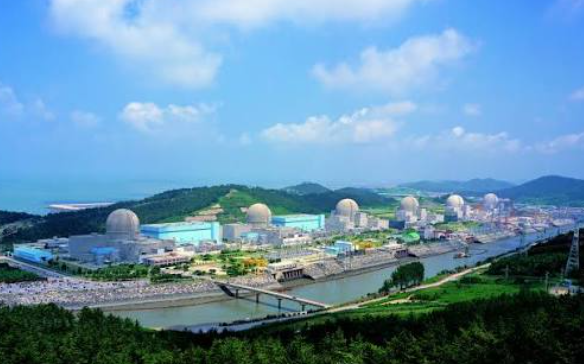
South Korea Plans to Upgrade National Radiation Monitoring System to Address Impacts of Overseas Nuclear Facility Accidents
South Korea's Nuclear Safety and Security Commission is pushing to strengthen the national radiation monitoring system, bringing radioactive contamination of the domestic environment caused by potential overseas nuclear facility accidents into institutionalized regulatory scope. According to partial amendments to the Enforcement Decree and Enforcement Rules of the Atomic Energy Safety Act pre-announced on August 7, South Korea will incorporate radioactive contamination surveys into existing radiation environment surveys and environmental radioactivity monitoring and evaluation operations, entrusting the Korea Institute of Nuclear Safety with the execution of related survey work. This institutional adjustment is a supporting measure following South Korea's revision of the Atomic Energy Safety Act in February this year, with the relevant law set to take effect on February 20, 2027. The core of the amendment lies in that when overseas...
2026-08-09
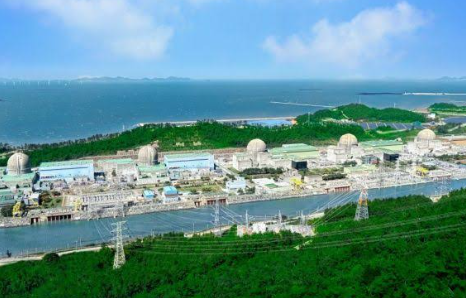
Hanbit Nuclear Power Plant launches 24-hour drone monitoring and strengthens no-fly zone publicity
The Hanbit Nuclear Power Headquarters of Korea Hydro & Nuclear Power (KHNP) recently conducted a special no-fly zone publicity campaign regarding illegal drone flights around the nuclear power plant. The campaign was held on July 27-28 at Gamame and Gusipo beaches near the Hanbit Nuclear Power Plant, focusing on educating summer tourists and drone users about flight control regulations around the plant. The publicity was jointly promoted by the Hanbit Nuclear Power Headquarters together with Yeonggwang Police Station, Gochang Police Station, Mokpo Maritime Police Station, Buan Coast Guard Station, volunteer fire brigades, and beach operators. Personnel at the site explained to visitors the drone flight restrictions around the nuclear power plant, consequences of violations, and precautions...
2026-08-08
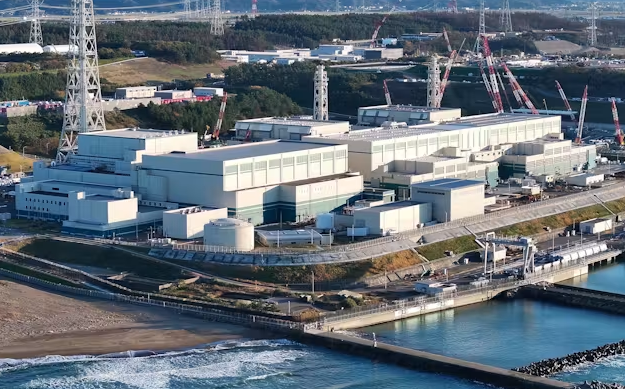
Rising Seawater Temperatures Prompt New Nuclear Safety Rules: TEPCO Sets Temporary Shutdown Criteria for Kashiwazaki-Kariwa Plant
Tokyo Electric Power Company Holdings announced on August 7 that it has established a set of self-determined criteria for evaluating whether to temporarily halt nuclear reactor operations at the Kashiwazaki-Kariwa Nuclear Power Plant in Niigata Prefecture, in response to rising seawater temperatures in the surrounding area. These criteria are not mandatory requirements directly imposed by external regulatory authorities, but rather proactive measures voluntarily implemented by TEPCO based on safe operational needs. According to the conditions announced by TEPCO, the company will consider temporarily shutting down the relevant nuclear facilities when the 7-day average seawater temperature in the waters surrounding the plant exceeds 31 degrees Celsius, when water temperatures above 34 degrees Celsius are observed, or when water temperatures above 33 degrees Celsius persist for 12 hours. These numerical thresholds indicate that seawater temperature has been incorporated as a key variable in nuclear power plant operational risk management.
2026-08-08

Canadian laboratory validates molten salt separation process with real spent fuel, extracting nearly 90% of plutonium in 24 hours
A chemical experiment in Canada involving real commercial reactor spent fuel has achieved noteworthy progress. Canadian Nuclear Laboratories, in shielded hot cells at Chalk River, used irradiated spent fuel from CANDU reactors to validate the first phase of Moltex Energy's waste-to-stable-salt process. The experiment showed that within 24 hours, 89.4% of the plutonium was transferred into the molten salt; by 60 hours, this proportion rose to 94.3%. Meanwhile, the vast majority of uranium remained outside the salt phase, indicating that the process exhibits strong selectivity in separating target elements. This process, named WATSS, is not a plutonium purification route but rather a group separation technology. In addition to large quantities of uranium, spent fuel contains fission products as well as transuranic elements such as plutonium and americium, the latter being a significant source of long-term radiological risk. WATSS uses high-temperature chloride molten salt and specific reducing metals to convert transuranic oxides into salt-soluble forms, while most uranium oxides remain solid. In this experiment, researchers used niobium as the reducing metal; after 24 hours, only 0.05% of uranium entered the salt, dropping to 0.02% after 60 hours, demonstrating that it does not carry large amounts of uranium into the molten salt system.
2026-08-09

Three Los Angeles Companies Race in Portable Nuclear Power Sector
Southern California is emerging as a key testing ground for portable nuclear power technology. Three companies from the Los Angeles area—Valar Atomics in El Segundo, Antares Nuclear in Torrance, and Radiant Industries, also based in El Segundo—have joined federally backed pilot projects for portable nuclear power plants. These small-scale nuclear generating units are designed for rapid transport, deployment, and activation, with target scenarios including remote disaster zones, military bases, off-grid facilities, and even future deep-space missions. The reactors from Valar Atomics and Antares Nuclear achieved self-sustaining nuclear reactions before the July 4 government deadline, demonstrating their potential for rapid deployment...
2026-08-09