
Search Results
Keyword:Nuclear
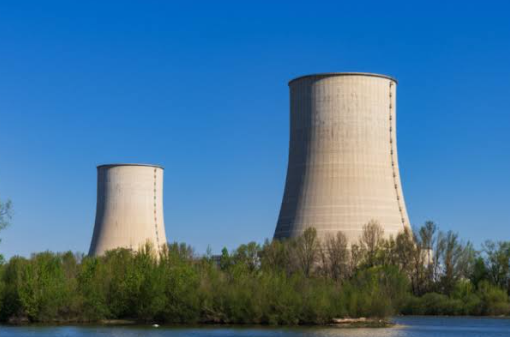
Germany's renewable energy summer generation approaches French nuclear power, may overtake it before 2030
French nuclear power has long been regarded as a key pillar of Europe's low-carbon electricity system, but the latest data shows that Germany's renewable energy generation is rapidly closing in on French nuclear power. According to the data, in January this year, Germany's combined renewable energy generation from solar, wind, and other sources totaled 22,854 GWh, while French nuclear power generated 36,838 GWh, about 61% higher. By July, however, the gap had narrowed significantly: French nuclear power generated 29,689 GWh, while Germany's renewable energy generated 26,501 GWh, with French nuclear power leading by only about 12%. This change is closely linked to summer heat. Nuclear power plants require large amounts of cooling water and are therefore typically built near coastlines or rivers. When river water levels are insufficient, or when discharged water temperatures exceed environmental limits, nuclear plants must reduce output or even shut down. The data mentions that French nuclear plants such as Golfech, Bugey, and Nogent-sur-Seine have already been affected. As heatwaves become more frequent, the cooling constraints on nuclear power in summer may become more pronounced, challenging the stability advantage of French nuclear output.
2026-08-10
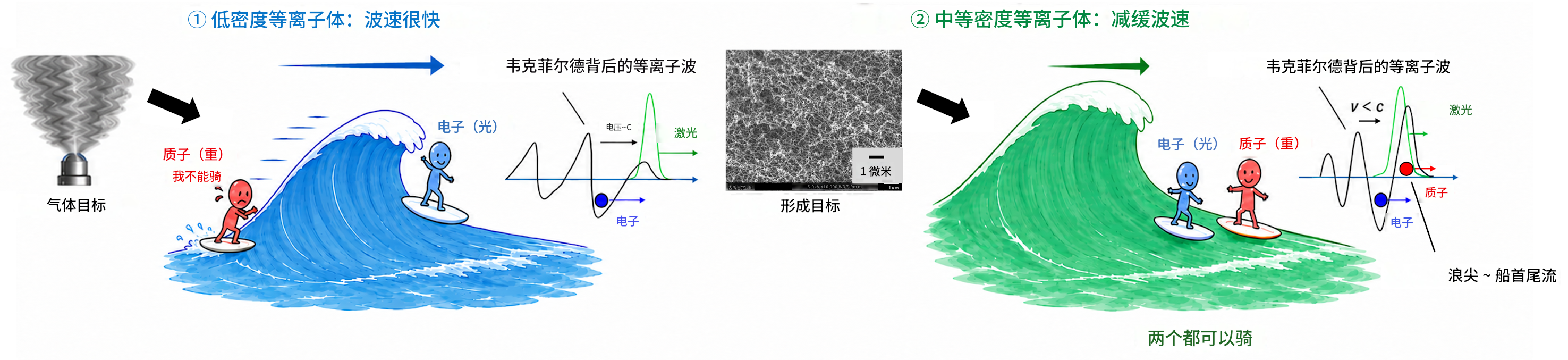
Japanese research team demonstrates ion wakefield acceleration for the first time, accelerating protons to a maximum of 60 MeV
Kyushu University, the National Institutes for Quantum Science and Technology (QST), and Osaka University recently announced jointly that the research team used high-intensity laser irradiation on a foam target to experimentally demonstrate the ion wakefield acceleration mechanism for the first time, providing a new experimental foundation for research on next-generation laser-driven ion accelerators. The results were published in *Communications Physics* on August 3, Japan time. According to the report, the research aims to reproduce physical processes similar to high-energy particle acceleration in space within a laboratory setting. Traditional high-energy accelerators typically require long acceleration tubes or large ring-shaped facilities, while the strong electric fields generated by plasma waves are considered promising for advancing accelerator miniaturization. However, compared with electrons, protons and ions...
2026-08-10
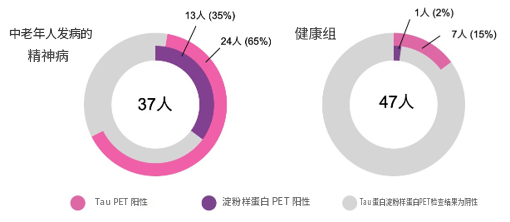
Japanese research team uses PET imaging to find tau protein pathology may be involved in onset of hallucinations and delusions in middle-aged and elderly
A research team comprising the National Institutes for Quantum Science and Technology (QST), Keio University, Kyoto University, Tokyo University of Science, and other institutions recently announced that researchers used PET imaging to observe tau protein pathology in the living brains of middle-aged and elderly psychiatric patients, and believe that such pathology may be related to psychiatric symptoms such as hallucinations and delusions that first appear after age 40. Proportion of positive tau PET and amyloid PET results Middle-aged and elderly psychosis generally refers to diseases in which psychiatric symptoms such as hallucinations and delusions first appear after age 40. Previous epidemiological studies and postmortem brain tissue studies have suggested that such symptoms may be related to neurodegenerative changes associated with dementia, but due to limited techniques for precise visualization and quantification of abnormal proteins in living brains, relevant evidence has long been insufficient.
2026-08-10

India Announces INR 26.75 Trillion in Investments This Fiscal Year, with INR 6.5 Trillion Planned for Nuclear Power
According to a report released by the Economic Research Department of India's Bank of Baroda, total announced investments in India reached INR 26.75 trillion between April 1 and August 5 of the 2026-2027 fiscal year. Amid persistent uncertainties in the global economic landscape, Information Technology-enabled Services (ITeS) emerged as the dominant investment destination, accounting for 56% of total proposed investments. The report stated that the ITeS sector announced investments of INR 14.98 trillion, with nearly 99% concentrated in data centers and artificial intelligence, involving 13 companies. This indicates that digital infrastructure and AI-related industries remain a strategic focus for Indian enterprises and capital allocation. By sector, investment announcements remain highly...
2026-08-10
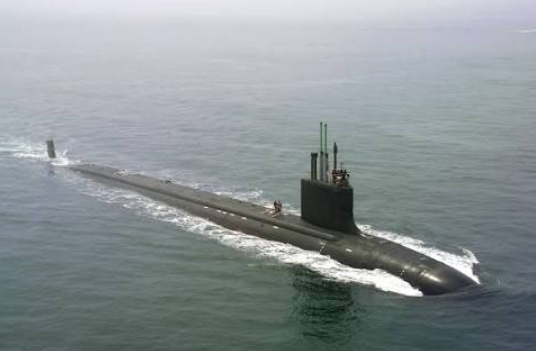
U.S. Enhances Virginia-Class Nuclear Submarines
The recent U.S. efforts to enhance and reposition the Virginia-class nuclear submarines have focused primarily on expanding the platform's own capabilities. Certain batches of Virginia-class submarines are being reclassified from attack submarines (SSN) toward cruise missile submarines (SSGN), with the addition of the Virginia Payload Module (VPM) extending the hull and adding large-diameter vertical launch tubes, increasing the per-boat Tomahawk cruise missile payload from 12 to approximately 40, while also accommodating Conventional Prompt Strike hypersonic missiles and unmanned underwater vehicles. This modification directly fills the firepower gap left by the retiring Ohio-class SSGNs, positioning this submarine class as a covert, long-range conventional precision-strike node at sea. As nuclear-powered submarines, the Virgini...
2026-08-10
South Korea Advances K-Moonshot Initiative, Nuclear Fusion and SMR Spacecraft Listed as Key Missions
The South Korean government is accelerating the K-Moonshot initiative, seeking to tackle critical technologies that are difficult to break through via traditional research pathways through a national-level R&D organizational approach. Among these, nuclear fusion and small modular reactor (SMR) spacecraft have been included in 12 key missions, alongside new drug development, quantum technology, and artificial intelligence, all under the government's coordinated promotion. On August 10, Vice Minister Goo Hyuk-chae of the Ministry of Science and ICT (MSIT) met with the heads of the 12 mission projects and representatives of related institutions at the K-Moonshot Project Support Office in Sejong City to discuss next-stage implementation arrangements. The meeting focused on detailing...
2026-08-10
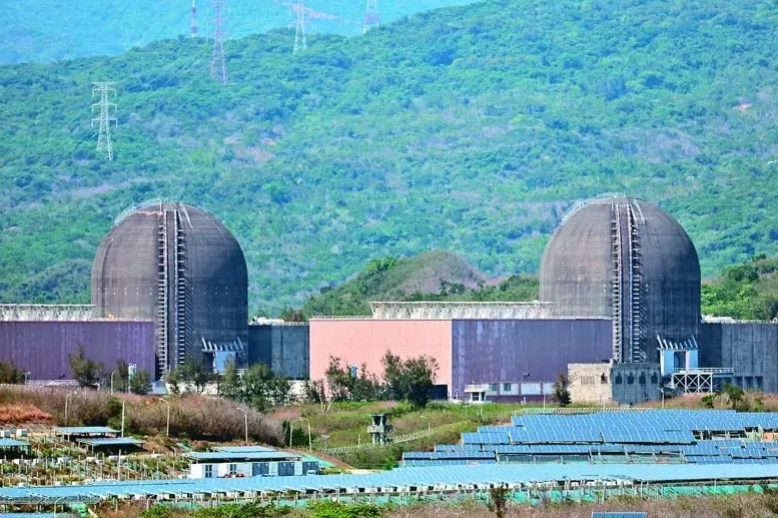
Taiwan's Nuclear Plant No. 3 safety inspection schedule extended to 2029, nuclear restart progress faces uncertainty
The latest report from the Audit Department shows that the actual progress of Taiwan's nuclear restart may be lower than expected by the public. Although the Ministry of Economic Affairs has determined that Nuclear Plant No. 2 and Nuclear Plant No. 3 are feasible for restart, and Taipower's restart plan for Nuclear Plant No. 3 has been submitted to the Nuclear Safety Commission for review, a gap has emerged in the progress of the critical self-conducted safety inspections. Although the five self-conducted safety inspection contracts for Nuclear Plant No. 3 have been awarded, the contract performance period may be extended to July 2029, casting uncertainty over the original goal of completing document review by the end of 2028. Nuclear Plant No. 3 is currently regarded as the plant with the best chance of advancing toward restart, but its restart process still must clear multiple hurdles including safety review, aging assessment, aging management, and related document review...
2026-08-10
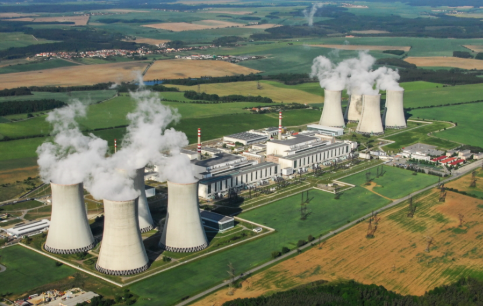
South Korea Designates SMR as National Strategic Technology, Tax Incentives to Drive New Investment in Nuclear Supply Chain
The South Korean government's inclusion of Small Modular Reactors (SMR) in its national strategic technology support scope signals that its energy and industrial policies are extending from traditional large-scale nuclear power plants to next-generation nuclear technologies. SMRs feature modular manufacturing, relatively shorter construction periods, and higher site flexibility, making them a key direction for South Korea in balancing energy security, low-carbon transition, and advanced manufacturing upgrades. This policy has gained support from South Korea's nuclear industry, with the key being that national strategic technology status typically entails tax credits and other incentives for corporate R&D, equipment investment, and related capital expenditures. For companies involved in nuclear equipment, castings and forgings, control systems, engineering design, and fuel-related businesses...
2026-08-10
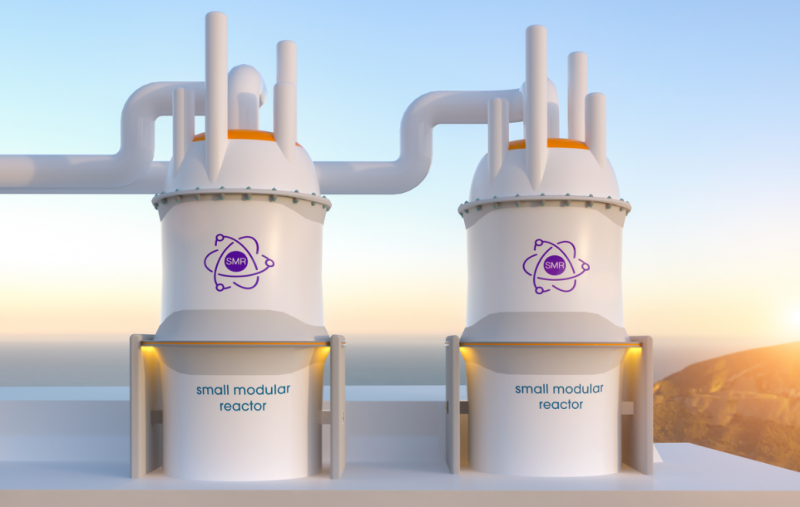
Small Modular Reactors Expected to Contribute One-Quarter of Global New Nuclear Capacity by 2050
According to data compiled by the World Nuclear Association (WNA), global nuclear power installed capacity is expected to reach 1,446 GWe by 2050. This projection is based on the continued operation of existing reactors and the implementation of announced nuclear power development targets by governments. Currently, global installed nuclear capacity stands at approximately 403 GWe. To achieve the above scale, an additional approximately 1,043 GWe of nuclear capacity will need to be added. Among this, Small Modular Reactors (SMRs) are expected to contribute about 260 GWe, accounting for roughly one-quarter of global new nuclear capacity. Factors driving nuclear power expansion are increasing. The rapid adoption of artificial intelligence applications has driven up electricity demand from data centers, and the accelerating electrification of transportation and industrial sectors has further elevated the importance of stable, low-carbon electricity supply. Meanwhile, energy security and net-zero emission targets are prompting more countries to reassess the role of nuclear energy in their energy mix.
2026-08-10
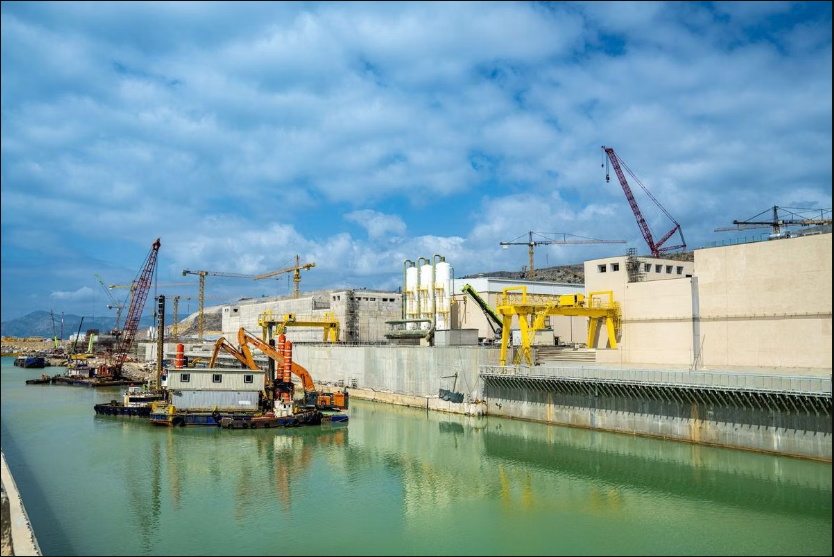
Installation of Passive Heat Removal System Completed for Unit 1 of Turkey's Akkuyu Nuclear Power Plant
Rosatom recently announced that the installation of the Passive Heat Removal System (PHRS) for Unit 1 of Turkey's Akkuyu Nuclear Power Plant has been completed. This means the unit is now equipped with a critical safety system and is ready for the commissioning phase. According to reports, the installed equipment includes approximately 90 components such as heat exchangers, guide vanes, air ducts, and electromagnetic devices, which were installed in stages in the reactor building dome area. The Passive Heat Removal System is one of the key safety systems of a nuclear power unit, designed to remove residual heat from the reactor core under specific operating conditions. The system consists of four independent channels, each corresponding to one steam generator...
2026-08-10
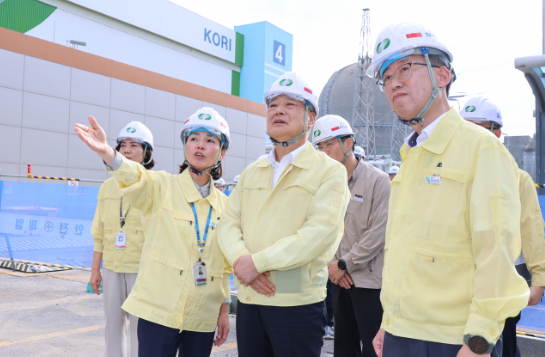
KHNP President Visits Kori Nuclear Power Plant, Pledges Stable Power Supply
Amid sustained heat waves driving up electricity demand, Kim Hoi-cheon, President of Korea Hydro & Nuclear Power (KHNP), recently conducted an on-site inspection at the Kori Nuclear Power Plant headquarters, focusing on the operational status of power generation facilities and frontline working conditions under high-temperature environments. The visit came as the South Korean government issued extreme heat warnings and strengthened its response posture, reflecting heightened attention to the stability of nuclear power as a baseload source in summer electricity supply. According to KHNP, Kim inspected work areas at the Kori plant that are vulnerable to high temperatures, reviewing employee health conditions, working environments, and the implementation of heat prevention and cooling measures. He also examined the operation of...
2026-08-10
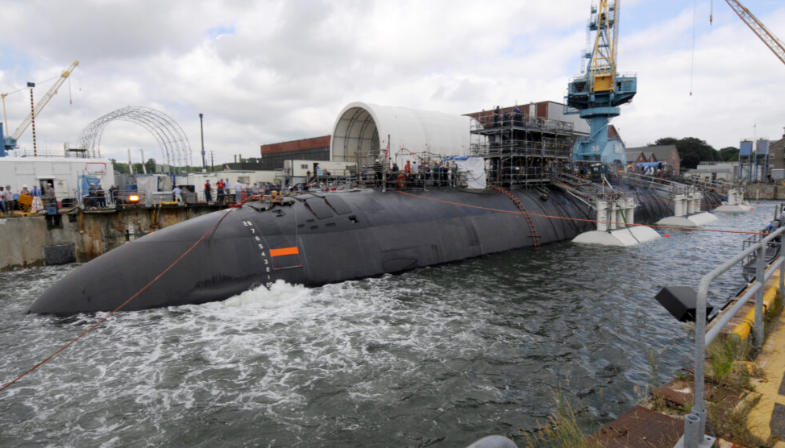
U.S. Navy Decommissions Nuclear Submarine USS San Juan; Kittery Shipyard in Maine Helped Extend Its Service Life
The U.S. Navy recently held a decommissioning ceremony for the USS San Juan, as the Los Angeles-class fast attack nuclear submarine officially departed the fleet at Naval Base Kitsap in Washington State after nearly four decades of service. Named after the capital of Puerto Rico, a U.S. territory, the San Juan was commissioned on August 6, 1988, and its decommissioning coinciding with its commissioning anniversary carries notable symbolic significance. The San Juan had an important connection with Portsmouth Naval Shipyard in Kittery, Maine. Approximately 15 years ago, the submarine entered the shipyard for a major engineering overhaul, completing critical overhaul work between 2010 and 2012. Photographs released by the U.S. Navy in 2011 showed shipyard workers completing the submarine's undocking one day ahead of schedule, reflecting the maintenance progress and shipyard support capabilities at the time.
2026-08-10
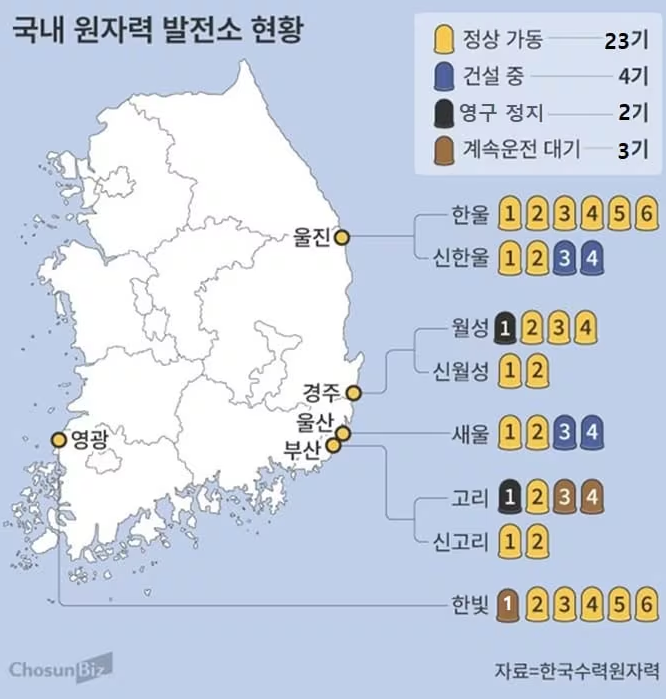
Sea Temperature Approaching Shutdown Threshold, Nuclear Power Belt on South Korea's East Coast Faces Load Reduction Pressure
Climate change is pushing nuclear power plants on South Korea's east coast toward new operational boundaries. South Korean nuclear plants generally rely on seawater as cooling water; after the heat generated by the reactor drives the turbine, seawater is needed to condense the steam back into water. Once the intake water temperature approaches or exceeds the design seawater temperature set by the equipment, heat exchange efficiency declines, affecting the heat dissipation capacity of key safety systems, and the plant must reduce load or even shut down in accordance with safety regulations. The area currently at greatest risk is around Uljin in North Gyeongsang Province. Data from the National Institute of Fisheries Science shows that nearshore surface seawater temperatures along parts of the east coast have approached 30°C, with multiple observation points near Uljin recording approximately 29.6°C to 30.2°C on the afternoon of August 7.
2026-08-10
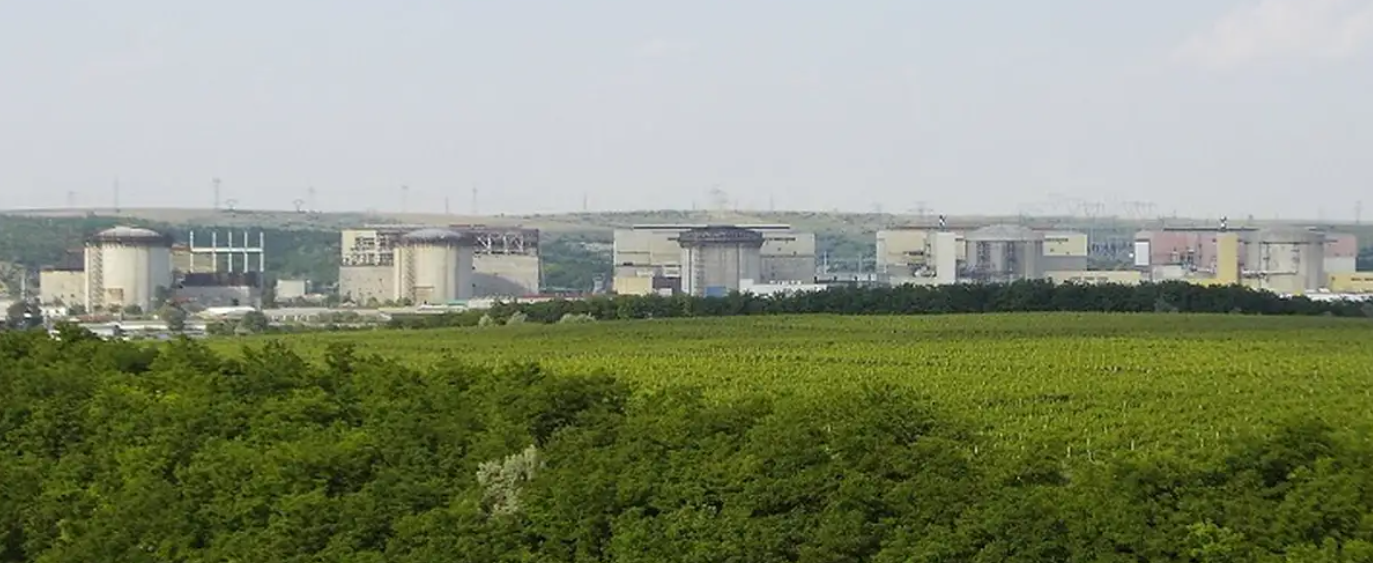
Unit 2 of Romania's Cernavoda Nuclear Power Plant to Operate for at Least 9 More Days
Unit 2 of Romania's Cernavoda Nuclear Power Plant is expected to continue operating for at least 9 more days. Romania's Acting Minister of Defense and Transport, Radu Miruță, stated that after blasting operations and the removal of underwater obstacles in the Danube River, the water level in the Cernavoda area rose by 4 centimeters over the past 24 hours. The previous day, the water level in the area had dropped by 3 centimeters. Recently, due to persistent drought, the Danube River's water level has fallen to historic lows, putting pressure on the plant's water intake and reactor cooling. To increase water supply in the river section near the Cernavoda Nuclear Power Plant, Romania last week implemented unconventional engineering measures, including blasting a rock formation in the Danube and sinking barges loaded with cargo to alter...
2026-08-10

Chinese Team Wins One Gold and Three Silver Medals in First Participation at International Nuclear Science Olympiad
The 2026 International Nuclear Science Olympiad concluded on the evening of the 8th in Jeddah, a city in western Saudi Arabia. The Chinese team, participating for the first time, had four contestants win one gold and three silver medals, with overall results ranking among the top participating countries. The International Nuclear Science Olympiad, supported by the International Atomic Energy Agency, is the world's first international youth Olympiad themed on nuclear science. It aims to stimulate young people's interest in nuclear science, promote international youth exchange, and guide more young people into the fields of nuclear science and nuclear technology. The event was inaugurated in 2024, and this year's competition is the third edition, with teams from 19 countries participating. The eight-day event featured theoretical and practical examinations...
2026-08-10