
Search Results
Keyword:Nuclear
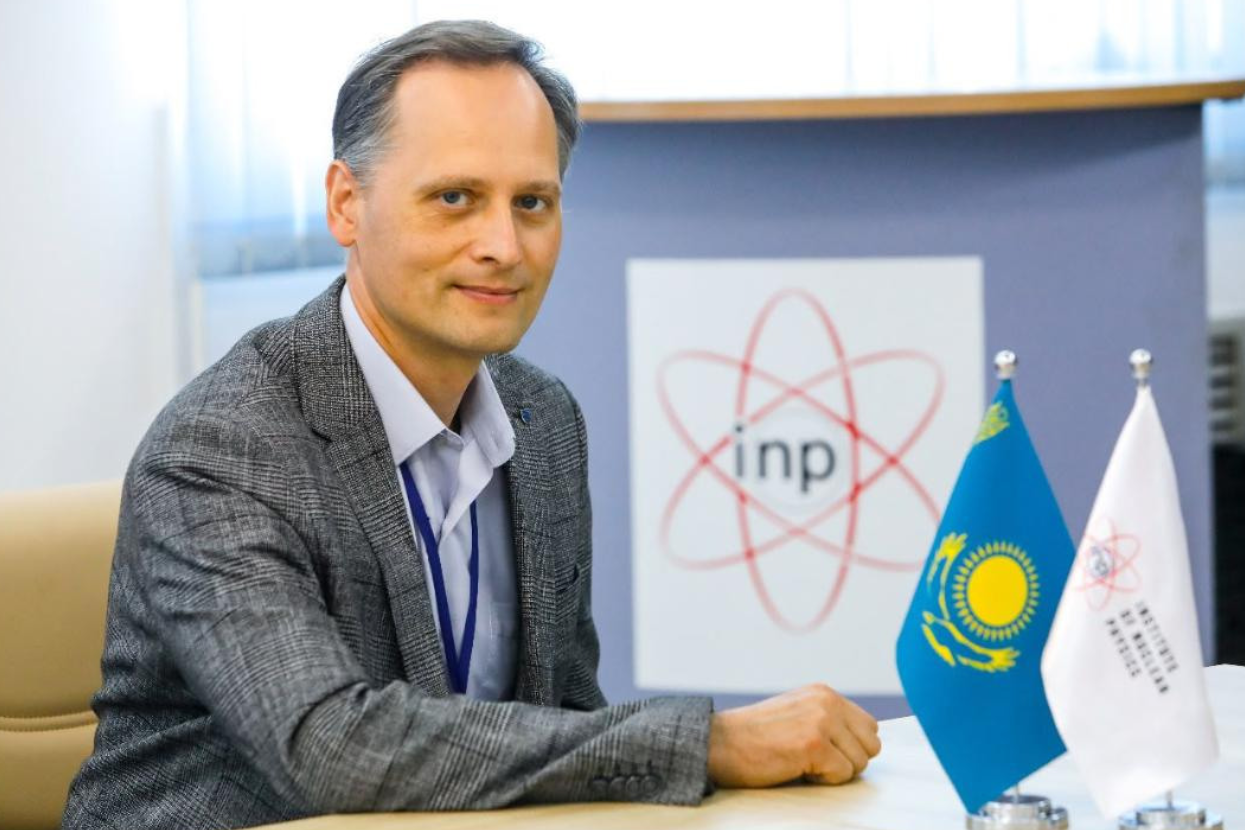
Kazakh scholars call for integrated radioecological monitoring system in border regions amid Central Asian nuclear power development
As energy demand continues to grow in Central Asian countries, nuclear power is becoming an important direction in regional energy policy. Kazakhstan has decided to build its own nuclear power plant, while neighboring countries such as Uzbekistan are also advancing or preparing similar projects. Nuclear energy is regarded as a key option for ensuring electricity supply and reducing greenhouse gas emissions, but its development cannot be limited to the construction of power plants alone. It must be accompanied by a comprehensive ecological and radiation safety assurance system, particularly in areas where cross-border impacts may exist. Although modern nuclear power plants are designed in accordance with strict international safety standards, environmental monitoring cannot be predicated on the probability of accidents. The impact of large industrial facilities on the surrounding environment requires...
2026-08-10

South Korea to Resume Actinium-225 Production Next Year to Ease Shortage of Raw Materials for Anti-Cancer Radiopharmaceuticals
South Korea's domestic production project for actinium-225 (Ac-225), a radioisotope used in next-generation cancer treatment, is expected to resume next year after being stalled for more than a year. Funding was secured in the first half of this year, and the Korea Institute of Radiological & Medical Sciences (KIRAMS) plans to complete facility construction and trial production before launching full-scale production in the second half of next year, aiming to alleviate the raw material shortage facing domestic clinical research and radiopharmaceutical development. KIRAMS is affiliated with the Ministry of Science and ICT. The institute received approval from the Nuclear Safety and Security Commission in May last year to produce Ac-225 using a cyclotron. The project first entered the review process in 2018 and took seven years to gain approval, with initial production originally planned by the end of last year. However, work on upgrading production facilities and procuring equipment was suspended after approximately 2 billion KRW in budget was not approved during parliamentary review.
2026-08-10

Russian Small Nuclear Technology May Help Power Remote Regions of Brazil
Nikolai Patrushev, aide to the Russian President and Chairman of the Maritime Board, stated during talks held in Brasilia on August 7 that Russia's accumulated experience in the field of low-power nuclear energy is expected to be valued by Brazil. He noted that given Brazil's ongoing development of its own ship-based nuclear reactors, relevant Russian technologies and engineering expertise could serve as a reference in this process. Patrushev mentioned that potential bilateral cooperation is not limited to ship-based reactors, but may also extend to areas such as small nuclear power plants and floating nuclear power units. Among these, the Elena-M small nuclear power plant and floating energy devices deployable in water areas or coastal regions are regarded as suitable for long-term,...
2026-08-10
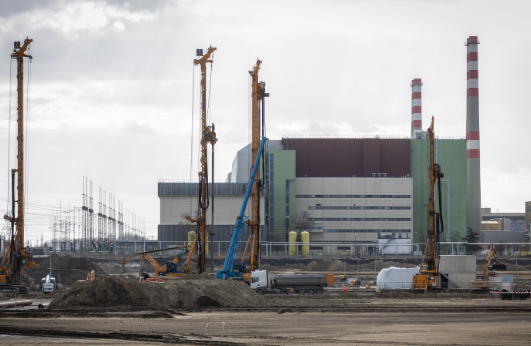
Hungary's New Government Questions Paks II Nuclear Project, Audit Dissatisfaction May Lead to Contractor Replacement
Hungary's new government (Prime Minister Péter Magyar) has continued to send unclear signals regarding the Paks II nuclear power plant expansion project contracted to Russia's Rosatom, bringing this major energy project involving the Russian state nuclear corporation back into the spotlight. The government is dissatisfied with the interim results of the contract audit and has hinted that Budapest does not rule out the possibility of replacing the contractor. The Paks II project was originally regarded as a key component of Hungary's long-term energy security strategy. Nuclear power holds fundamental significance for Hungary's electricity supply, and the expansion of the Paks nuclear plant was also seen as a measure to reduce energy import pressure and stabilize electricity prices.
2026-08-10
Romania in Talks to Purchase 300 Tons of Uranium from Niger, Nuclear Fuel Supply Diversification Faces Legal Uncertainties
Romania's state-owned nuclear power company Nuclearelectrica has initiated negotiations to purchase 300 tons of uranium from Niger, against the backdrop of Romania's push to diversify its external nuclear fuel sources. The talks began on April 13, 2026, with Niger's Minister of Mines Ousmane Abarchi responding positively, after which the Romanian delegation continued engagement with the Nigerien side. The transaction is valued at approximately $40 million, but Nuclearelectrica has emphasized that no final agreement has been reached yet. The potential appeal of this uranium supply lies in Romania's expanding nuclear power development plans, while domestic large-scale uranium mining has ceased. As the operator of the Cernavodă nuclear power plant...
2026-08-10
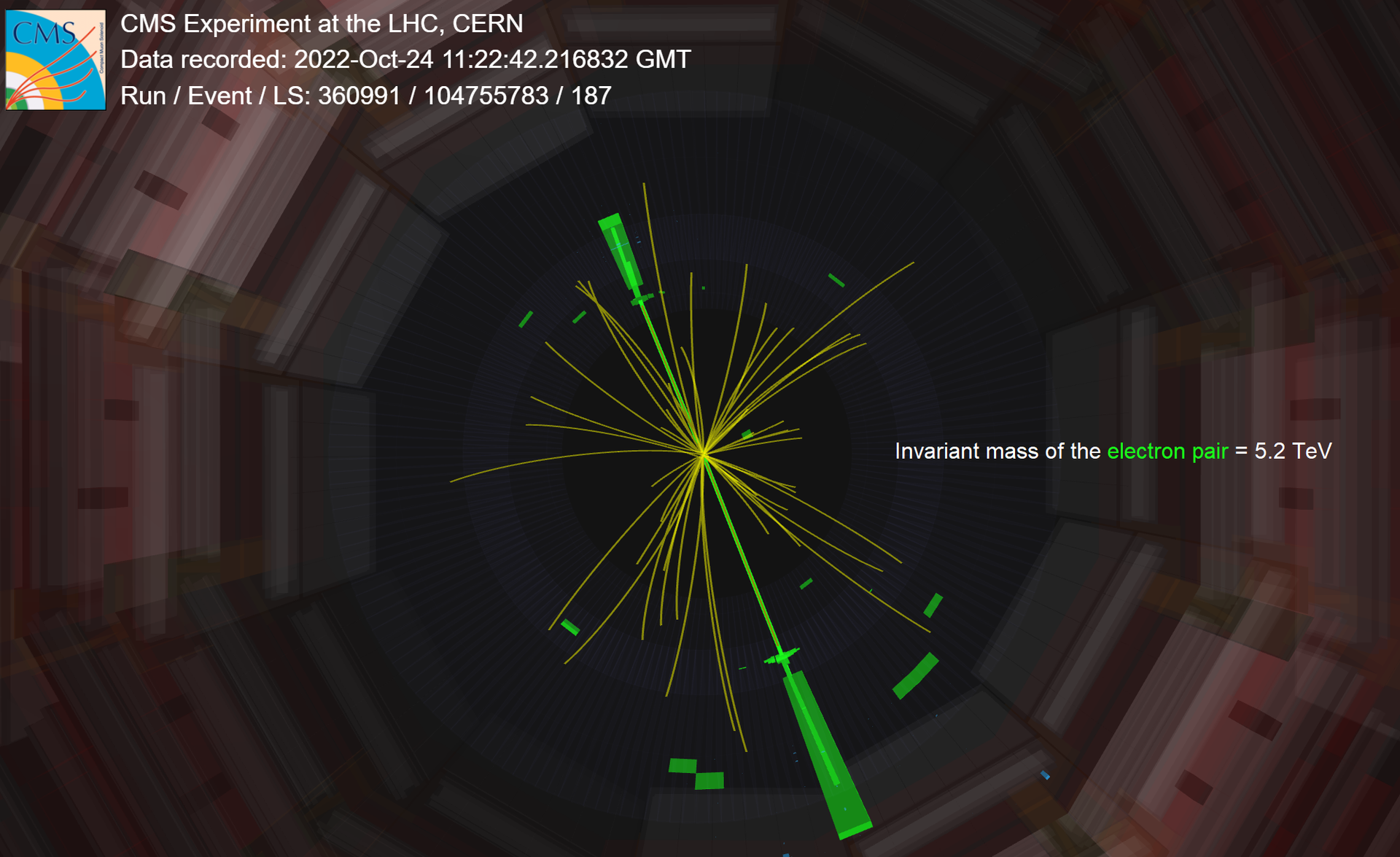
CMS records highest-energy lepton pairs to date, testing the possibility of a composite Higgs boson
The CMS experiment recently used the complete proton-proton collision dataset collected during Run 2 of the Large Hadron Collider and the first two years of Run 3, namely 2022 to 2023, to search for clues that the Higgs boson may be composed of smaller constituents. The analysis results show that the experimental data are consistent with Standard Model predictions, with no evidence pointing to new physics yet. Whether the Higgs boson is an elementary particle or a composite particle with deeper structure is a long-standing question in particle physics. To test this possibility, the CMS team adopted two complementary approaches: on one hand, directly searching for new heavy particles that could be produced at the Large Hadron Collider; on the other hand, indirectly probing the effects of new particles with higher masses that are difficult to produce directly through subtle deviations in high-energy electron pair and muon pair production processes.
2026-08-10
Vietnam's Nuclear and Radiation Safety Inspectorate Accelerates Year-End Efforts: Surprise Inspections + 20 National Standards + Institutional Closure
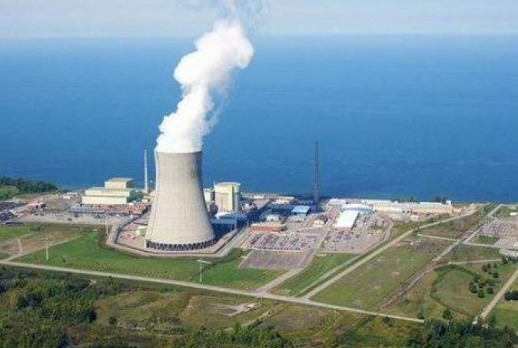
Vietnam's Radiation Protection and Nuclear Safety Inspectorate (ATBXHN) entered an accelerated implementation phase for key tasks in the final months of 2026, with work priorities including completing the annual inspection plan, strengthening surprise inspections of facilities showing signs of violations, strictly handling violations in accordance with the law, and promptly completing the legal framework for inspection, review, and supervision in the field of radiation protection and nuclear safety. Pham Xuan Linh, Chief Inspector of Nuclear Safety and Security of Vietnam, stated that the relevant inspections are not only aimed at detecting and handling violations but also at enhancing legal compliance awareness among organizations and individuals engaged in atomic energy activities, ensuring nuclear and radiation safety, and protecting public health and the environment. According to the year-end work arrangements, the inspectorate will concentrate...
2026-08-10
Fractionated radiotherapy did not significantly alter surface properties of two types of dental restorative composites
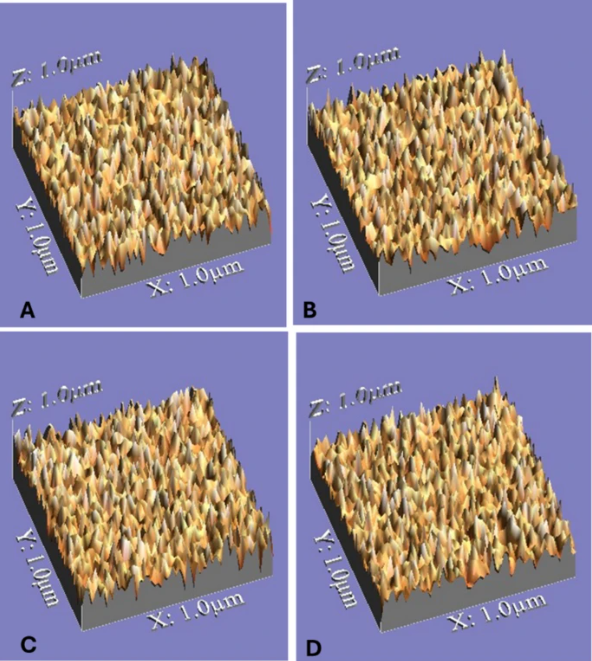
On August 5, a recently published in vitro study showed that under a simulated clinical head and neck cancer radiotherapy regimen, the surface microhardness and roughness of two modern dental restorative composites did not change significantly. The study focused on the effects of therapeutic ionizing radiation on the durability of dental restorative materials. After head and neck cancer patients receive radiotherapy, the oral environment may change, including reduced saliva secretion, mucositis, radiation caries, and other issues, which may affect the surface condition and long-term performance of restorations. To this end, the research team selected Giomer resin composite based on glass ionomer technology and Or...
2026-08-10
DNT "Radon Association" Receives EU Technical Assistance Equipment to Strengthen Radiation Dose Monitoring Capabilities
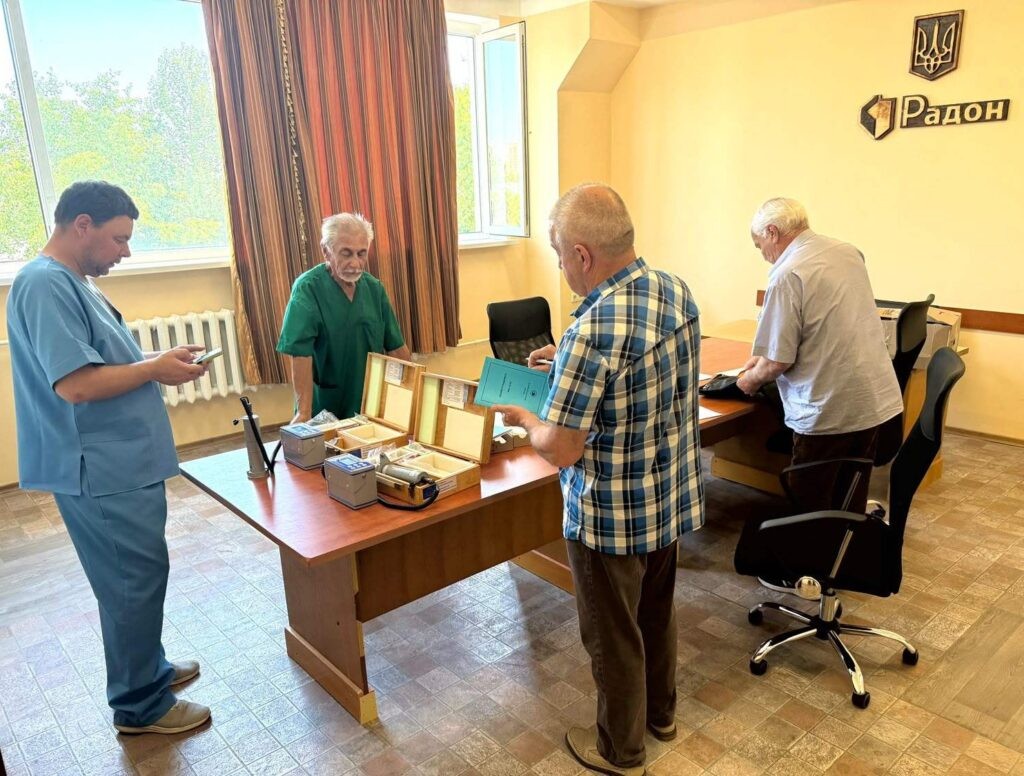
On August 4, 2026, under the framework of the EU International Technical Assistance Project, the DNT Radon Association received a batch of modern measurement equipment for radiation dose monitoring, aimed at enhancing radiation monitoring and dose control capabilities. The project is financially supported by the EU through the Science and Technology Center in Ukraine, pursuant to Donor Agreement No. 700001998 signed on June 24, 2024. In accordance with the contractual arrangements, the relevant measurement equipment has been delivered to the Association's interregional branches and central production base branches. Following delivery, the DNT Radon Association conducted acceptance testing of the supplied measurement equipment. The test results demonstrated that the equipment meets the requirements for its intended use. Concurrently, the Association also organized relevant personnel to undergo training in equipment operation and maintenance; upon completion of the training and knowledge assessment, the relevant experts were awarded certificates of completion.
2026-08-10

"Nuclear Levee" Intelligent Foundation Empowers Wuhan Nuclear Technology Utilization Intelligent Review System Officially Launched
Recently, the Nuclear and Radiation Safety Center of the Ministry of Ecology and Environment, in collaboration with software development enterprises, leveraged its independently developed nuclear safety regulatory "Nuclear Levee" intelligent review technology foundation to address the intelligent construction needs of radiation-related construction project environmental impact assessment (EIA) review at the Wuhan Ecological Environment Safety Center. The customized development of the Wuhan Nuclear Technology Utilization Intelligent Review System was successfully completed and officially deployed. The system carried out full-process technical research around three core directions: scenario adaptation, model iteration, and large-scale deployment. Key technical optimizations were completed for the EIA business scenarios, including dedicated parameter tuning and joint model training of the "Nuclear Levee" intelligent review foundation, successfully building an intelligent review system covering the entire EIA process. The system...
2026-08-10
LLNL Research in the U.S. Reveals New Mechanisms of Laser Polarization Effects in NIF Inertial Confinement Fusion Experiments
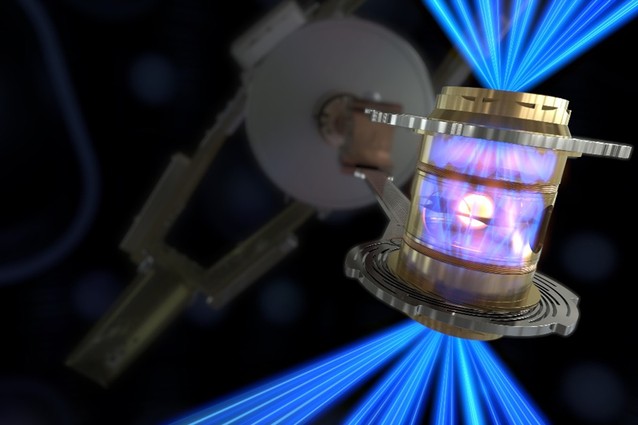
Researchers at Lawrence Livermore National Laboratory (LLNL) have recently discovered in studies related to the National Ignition Facility (NIF) that the polarization state of lasers may influence the cross-beam energy transfer (CBET) process in inertial confinement fusion experiments and could help reduce backscatter and the risk of damage to optical components. The related paper, titled "Effects of Laser Polarization on Cross-Beam Energy Transfer in Inertial Confinement Fusion," was recently published as a featured article in the journal Physics of Plasmas. NIF experiments demand extremely high precision in laser control. The facility's 192 laser beams must be focused to a width of a few millimeters and enter the target area through holes approximately 3 millimeters in diameter located at the top or bottom of a gold hohlraum. The hohlraum is about 2 centimeters in diameter. After the lasers enter the plasma, different beams cross each other and undergo energy transfer, a process known as cross-beam energy transfer. When designing NIF inertial confinement fusion experiments, scientists carefully tune the laser wavelengths to use CBET to balance energy distribution and improve implosion symmetry.
2026-08-10
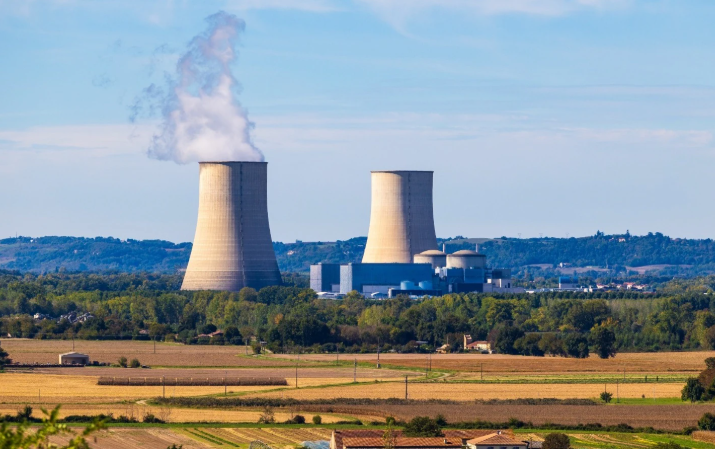
After only 4 days of restart, Unit 2 of France's Golfech Nuclear Power Plant shut down again due to Garonne River water temperature approaching limit
On the evening of August 8, French utility EDF (Électricité de France) once again shut down Unit 2 of the Golfech Nuclear Power Plant, just four days after the unit had been restarted. The direct cause of this shutdown was that the water temperature of the Garonne River was expected to reach 28°C on August 9, hitting the local operational limit. Since Unit 1 had already been taken offline for maintenance and fuel replacement, the closure of Unit 2 left both reactors at the Golfech plant simultaneously out of service, with the station temporarily ceasing power generation. Located in the Tarn-et-Garonne department of France, the Golfech Nuclear Power Plant was commissioned between 1991 and 1994, and features two 1,300 MW pressurized water reactor units. It draws cooling water from the Garonne River and dissipates heat through natural-draft cooling towers. According to EDF dat...
2026-08-10

Honeycomb Materials Cross Over into Nuclear Energy: The Gill Corporation Enters the Radioactive Material Container Market
Basque Country-based company The Gill Corporation is applying its proven honeycomb structural material technology to the field of radioactive material containers, thereby entering the nuclear energy industry chain. The so-called honeycomb structure is typically known for its lightweight nature, high strength, impact resistance, and stable support, and has historically been used more in aerospace, transportation, or industrial composite applications; its current use in nuclear-related containers indicates that traditional high-performance materials companies are seeking new growth opportunities against the backdrop of the nuclear energy renaissance. The transport and storage of radioactive materials impose extremely high safety requirements on containers, which must not only account for mechanical strength, vibration resistance, and impact tolerance, but also meet long-term reliability, traceability, and stringent industry...
2026-08-10
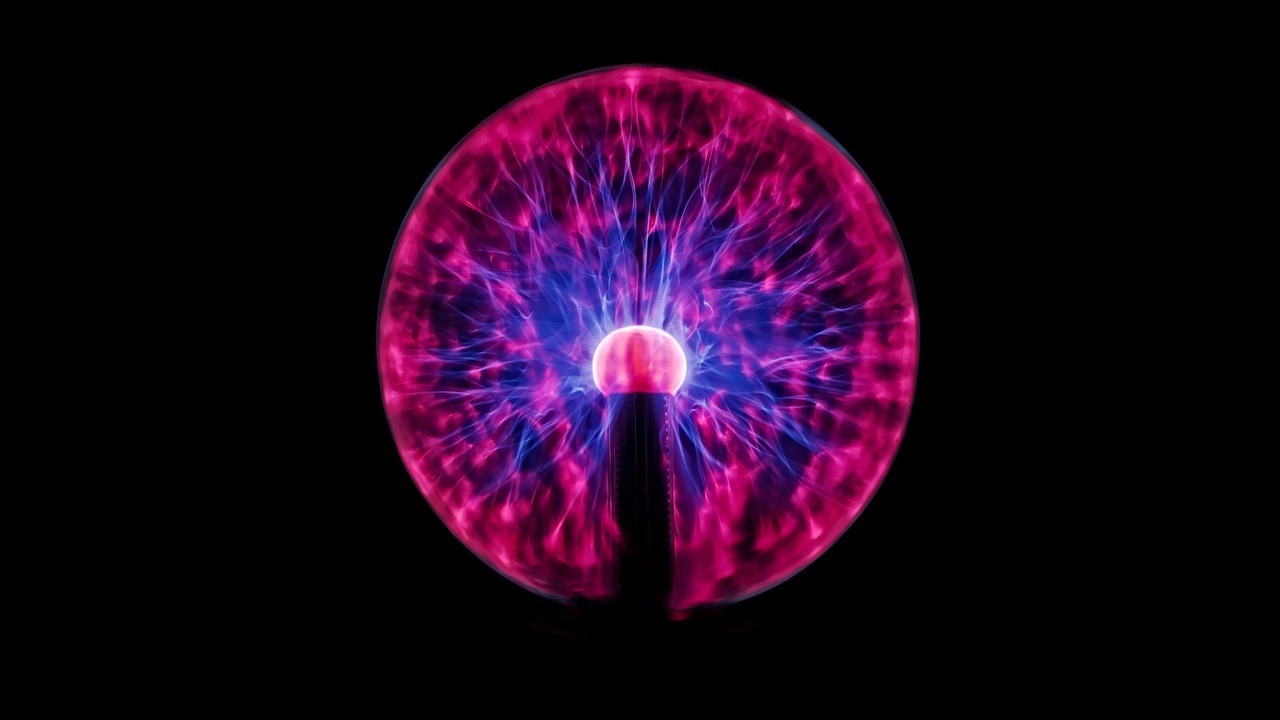
Russian University Proposes Rapid Simulation Method for Plasma Ion Parameters
Researchers from the HSE University and the Moscow Institute of Physics and Technology have developed a simple analytical method for calculating the behavior of heavy ions in helium under strong electric fields. The findings have been published in Physica Scripta. Plasma is a gas composed of charged particles such as electrons, negative ions, and positive ions, typically quasi-neutral and highly conductive. In addition to fluorescent lamps and welding arcs, plasma also exists in controlled nuclear fusion devices such as tokamaks. Atmospheric plasma jets can also be used for wound disinfection, work surface cleaning, and improving crop seed performance. In plasma jet research, scientists...
2026-08-10
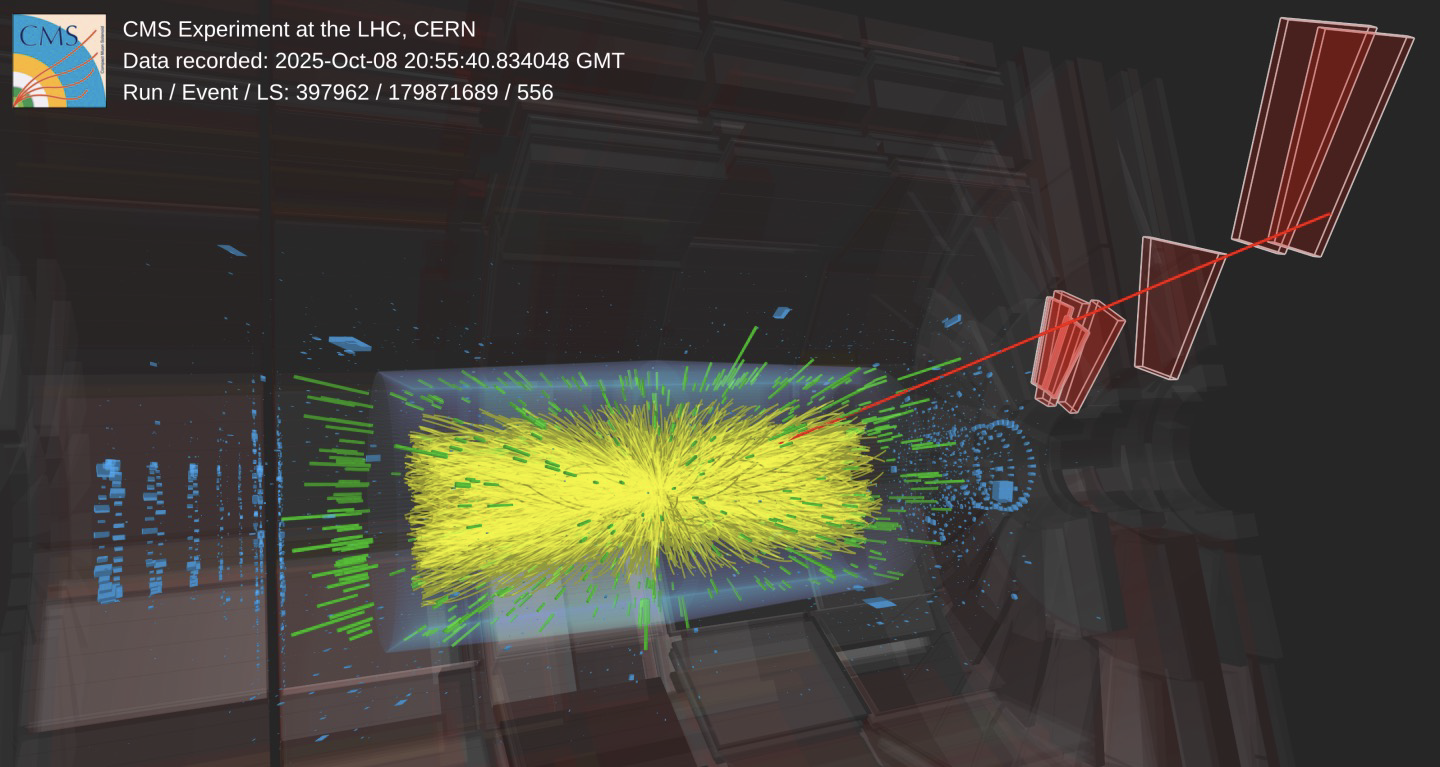
CMS completes high-pileup collision test, validating particle reconstruction algorithms for High-Luminosity LHC operation
In 2025, the Large Hadron Collider (LHC) conducted a dedicated test over several days to simulate high-intensity collision conditions closer to those expected during future operation of the High-Luminosity Large Hadron Collider (HL-LHC). The Compact Muon Solenoid (CMS) experiment team used this opportunity to test whether existing particle tracking, identification, and reconstruction software, along with a new class of machine learning methods, can adapt to the more complex collision conditions of the HL-LHC era. During LHC operation, each crossing of proton beams produces multiple proton–proton collisions simultaneously, a phenomenon known as pileup. The current Run 3 features approximately 65 simultaneous interactions, while the HL-LHC is expected to reach 140 to 200. To...
2026-08-10