
Search Results
Keyword:Nuclear
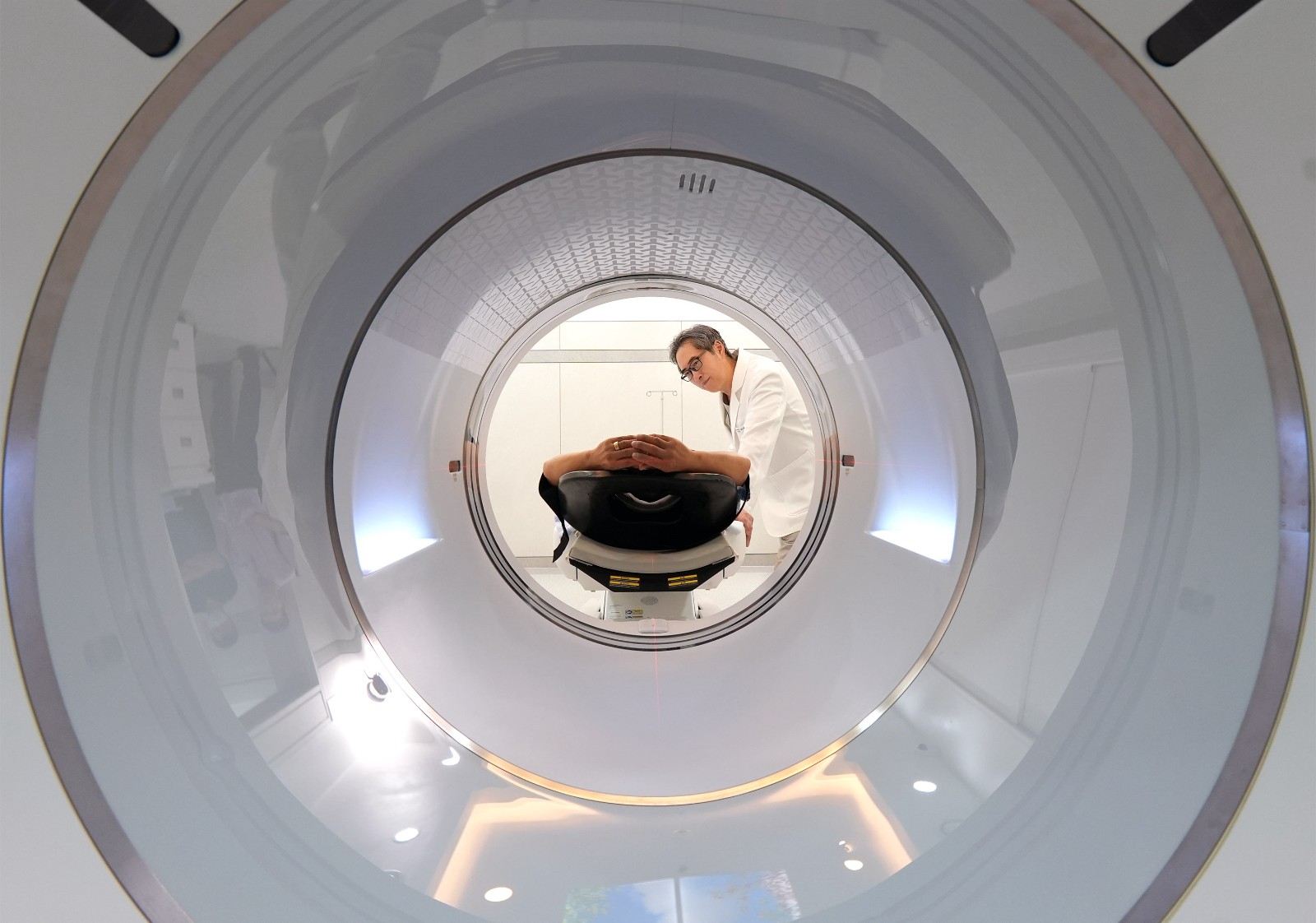
Dankook University Hospital Introduces Next-Generation Digital PET-CT System to Enhance Precision Diagnosis of Cancer and Other Diseases
Dankook University Hospital announced on September 1 that it has introduced GE HealthCare's next-generation digital PET-CT system, the OMNI Legend 32, to enhance precision diagnostic capabilities for a wide range of diseases, including cancer, brain disorders, and cardiac conditions. PET-CT is an important nuclear medicine diagnostic imaging modality. During the examination, a radiopharmaceutical is injected into the patient, and the system observes metabolic activity through positron emission tomography (PET) while simultaneously confirming anatomical structures via computed tomography (CT), thereby providing imaging evidence for clinical diagnosis. According to the hospital, the newly introduced OMNI Legend 32 employs AI-based image reconstruction technology to visualize small lesions with greater clarity, assisting physicians in making more accurate assessments...
2026-09-01

U.S. University Establishes Fusion Energy Seed Fund to Support Four Interdisciplinary Research Projects
The Institute for Fusion Studies at The University of Texas at Austin recently launched a fusion energy seed fund to support four interdisciplinary research projects. These projects will bring together teams from plasma physics, engineering, and computational science to address challenges in control, materials, particle confinement, and edge plasma simulation faced by fusion devices such as tokamaks. The fund is supported by the Institute for Fusion Studies (IFS), the Oden Institute for Computational Engineering ...
2026-09-01

Kazakhstan Plans to Expand Researcher Participation in CERN High-Energy Physics Projects
Sayasat Nurbek, Acting Minister of Science and Higher Education of Kazakhstan, recently held talks with Mark Thomson, Director-General of the European Organization for Nuclear Research (CERN), during which the two sides exchanged views on deepening scientific and technological cooperation between Kazakhstan and CERN, with a focus on expanding cooperation in the field of high-energy physics and promoting researcher participation in CERN projects. According to the Ministry of Science and Higher Education of Kazakhstan, the Kazakh government and CERN signed an international cooperation agreement in 2018, laying the foundation for a long-term scientific research partnership between the two sides. At present, the two sides have drafted a supplementary protocol to the agreement, which plans to further specify the participation of Kazakh researchers in CERN...
2026-09-01

Beijing Jiluntai's ¹⁷⁷Lu-JLT003 Injection Receives IND Approval for Treatment of Integrin αvβ3-Positive Malignant Tumors
Beijing Jiluntai Pharmaceutical Co., Ltd. has recently achieved progress in radiopharmaceutical R&D. Its self-developed Class 1 innovative therapeutic radiopharmaceutical ¹⁷⁷Lu-JLT003 Injection (generic name: ¹⁷⁷Lu-AB-3PRGD2) has obtained the Clinical Trial Approval (IND) from the Center for Drug Evaluation (CDE) of the National Medical Products Administration (NMPA), intended for the treatment of integrin αvβ3-positive malignant tumors. ¹⁷⁷Lu-AB-3PRGD2 is a therapeutic radiopharmaceutical targeting integrin αvβ3. Integrin αvβ3 is highly expressed on various solid tumor cells and tumor neovascular endothelial cells, while showing low expression in normal tissues, a characteristic that...
2026-09-01
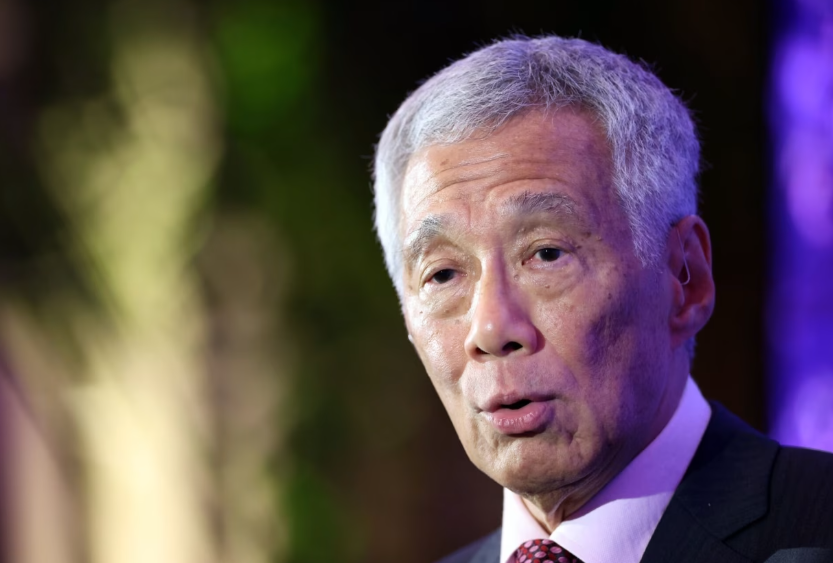
Singapore to Seriously Evaluate Nuclear Energy Options to Safeguard Energy Autonomy
Singapore's Senior Minister Lee Hsien Loong said on August 31, before concluding his official visits to Kazakhstan and Uzbekistan, that Singapore has not yet decided whether to adopt nuclear energy, but must seriously study whether nuclear energy is applicable to the country, preserving autonomous options for future energy supply and avoiding being constrained by external conditions during the energy transition. Both Kazakhstan and Uzbekistan are oil and gas producers and are also advancing nuclear power projects to enhance the resilience of their energy systems. Kazakhstan is currently building its first nuclear power plant in cooperation with Russia; Uzbekistan has held the groundbreaking ceremony for its first small modular reactor nuclear power plant and initiated design work...
2026-09-01
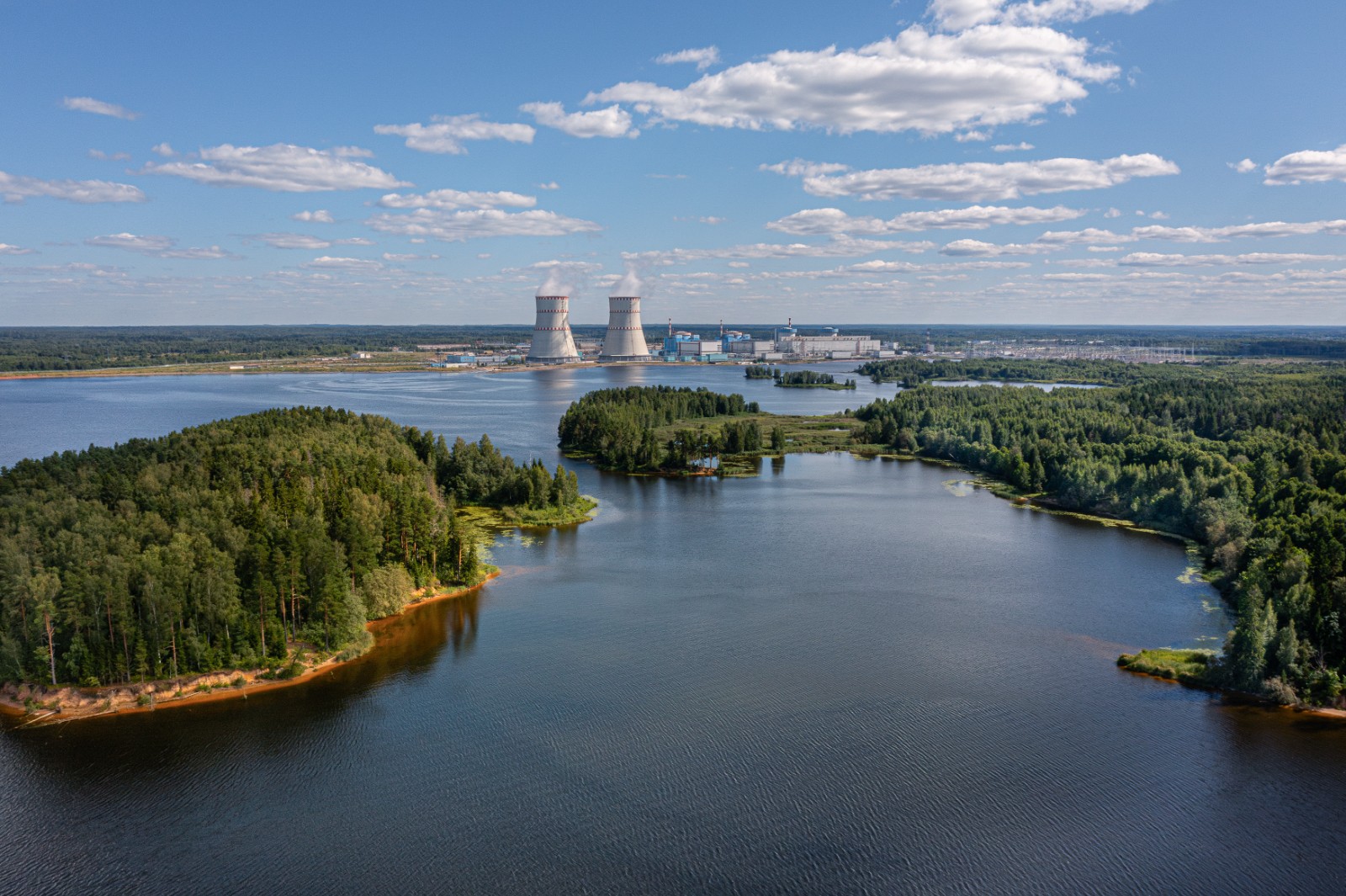
Kalinin Nuclear Power Plant Named Industry Ecological Model Unit
Kalinin Nuclear Power Plant in Russia has been awarded first place in the 2025 annual ranking of ecological model units in the nuclear industry. A total of 75 enterprises under Rosatom submitted materials for this selection, with the review committee focusing on the comprehensive performance of participating units in ecological protection, environmental management, and information disclosure. Kalinin NPP, affiliated with Rosenergoatom, Russia's nuclear power operator, is located in Udomlya, Tver Oblast. The review committee concluded that the plant has established a relatively complete work system in infrastructure modernization, environmental impact indicator control, aquatic biological resource protection, ecological science popularization, and information disclosure...
2026-09-01
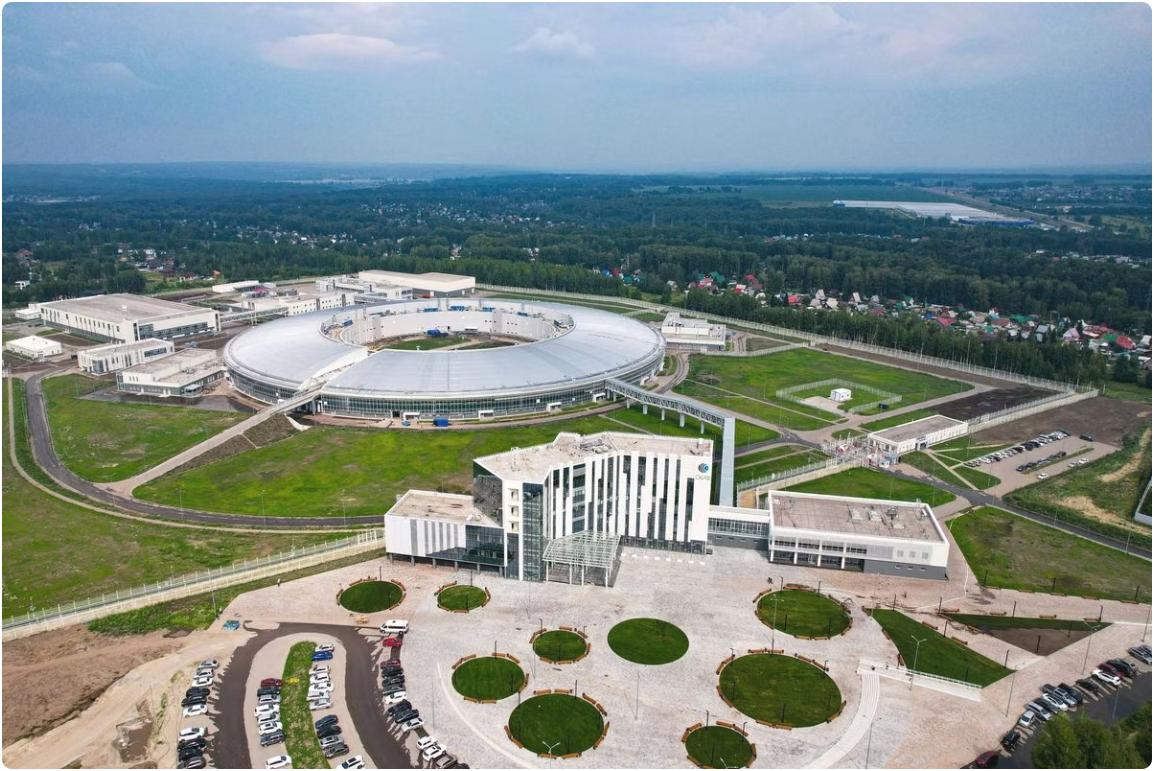
Russian Academician Says SKIF Synchrotron Light Source Will Not Produce Radionuclides, Safe and Controllable in Operation
Yevgeny Levichev, an academician of the Russian Academy of Sciences and director of the Collective Use Center of the Siberian Circular Photon Source (SKIF), recently stated that synchrotron light sources, including SKIF located near Novosibirsk, are electrophysical equipment with safe and controllable operation that poses no threat to personnel even in the event of a malfunction. Levichev said that unlike facilities such as nuclear power plants, synchrotron light sources do not generate isotopes or radionuclides in their systems. In the event of an anomaly, the beam is reset, and the facility's risk level is close to that of ordinary electrical equipment. According to reports, construction of the SKIF synchrotron was completed in June 2026, with an inauguration ceremony held in August. Once the facility is operational...
2026-09-01
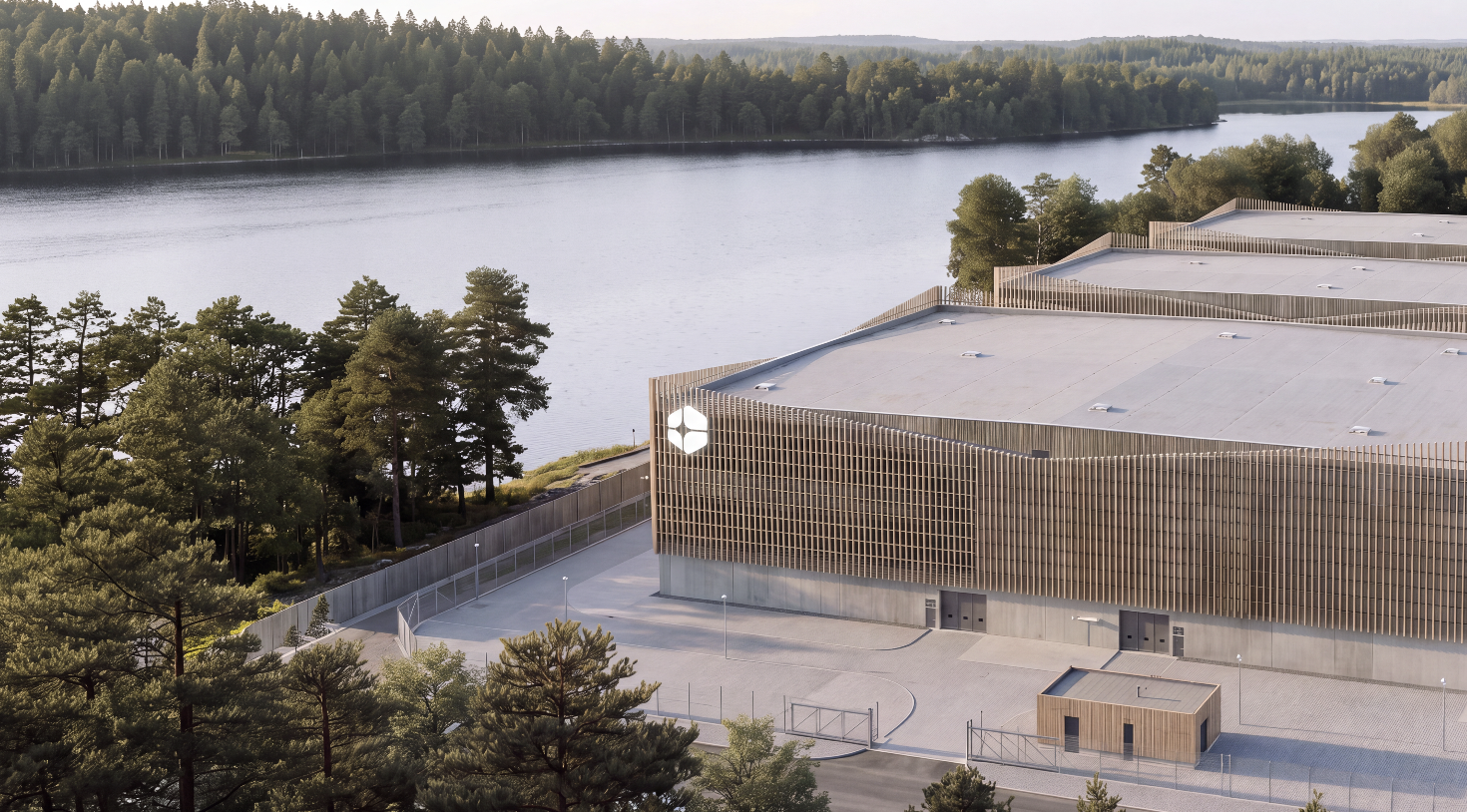
Sweden's Blykalla applies for government funding for advanced reactor park at Tierp
Untra Nuclear Power AB, a wholly owned project company of Swedish advanced nuclear energy firm Blykalla Group, submitted an application on August 31 seeking state support for investment in a new nuclear power plant. The project plans to build an advanced reactor park in the Untra area of Tierp municipality, Uppsala County, Sweden, with 6 to 8 SEALER-55 units planned. According to the project plan, if 8 units are built, the plant's total installed capacity would reach 440 MW, with an estimated annual generation of 3.68 TWh. Blykalla Group had previously submitted a government approval application for the project on August 25. Sweden's new nuclear financing model has...
2026-09-01

Russia's Leningrad Nuclear-Powered Icebreaker Electrical Distribution Equipment Passes Inspection
The Nuclear-Powered Vessels Division of the Russian Maritime Register of Shipping (RS) has recently completed an inspection of the new electrical distribution equipment for the Project 22220 universal nuclear-powered icebreaker Leningrad. The inspected equipment includes shore power distribution panels and low-voltage distribution panels, manufactured by Novaya ERA company of St. Petersburg. The Leningrad is currently under construction at the Baltic Shipyard, part of the United Shipbuilding Corporation (USC). The inspection was carried out by RS survey engineers upon the enterprise's application. The inspection results confirmed that the relevant equipment meets the requirements of current Russian regulations, and the manufacturer has been issued the corresponding registration certificates. The shore power distribution panel is used for...
2026-09-01
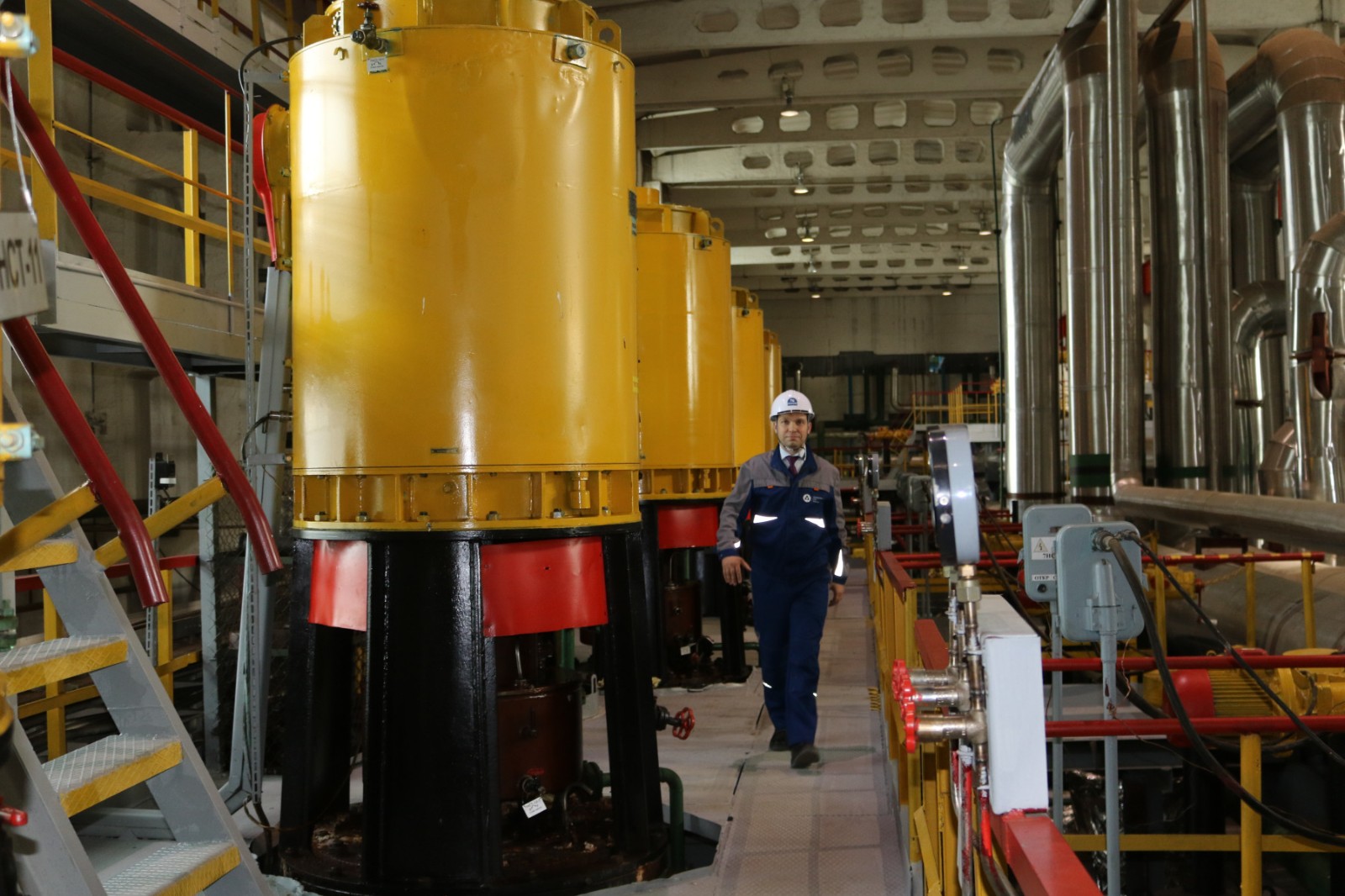
Russia's Leningrad NPP resumes hot water supply to Sosnovy Bor
On August 31, 2026, Russia's Leningrad NPP resumed hot water supply to the city of Sosnovy Bor via the district heating station (BRT) after completing scheduled maintenance. Dmitry Tsygankov, workshop manager of the turbine department at Leningrad NPP, stated that the plant had successfully completed BRT-related maintenance work in August, including chemical cleaning of heat exchange equipment, overhaul of pumping equipment, industrial safety assessments, and the necessary hydraulic pressure tests of pipelines. He said that the BRT is now supplying hot water to the city and industrial zone as planned, and the plant is preparing for the scheduled start of the Sosnovy Bor heating system; the heating system will be put into operation once outdoor temperatures drop to the appropriate level.
2026-09-01

First Russia-IAEA Small Modular Reactor Training Course Concludes in Murmansk
On August 31, the Small Modular Reactor training course jointly organized by Rosatom Technical Academy and the International Atomic Energy Agency (IAEA) concluded in Murmansk, Russia. The training focused on operational experience and future prospects of small modular reactors. The five-day training brought together participants from Asia, Africa, the Middle East, and Latin America, including representatives from national nuclear energy agencies, regulatory bodies, and organizations interested in developing small nuclear power projects. Participants exchanged views on the current state of small modular reactor technology, readiness for engineering application, and deployment prospects. The course highlighted Russia's...
2026-09-01

Russian scientists use 3D-printed tungsten grid to improve X-ray imaging quality, potentially reducing patient radiation exposure
The press service of the Russian Ministry of Education and Science recently stated that a Russian research team has used 3D printing technology to manufacture a tungsten-based anti-scatter grid for X-ray machines, with partition thickness only one-third that of similar products. The researchers believe this achievement could help reduce patient radiation exposure during X-ray examinations while maintaining medical image quality. During X-ray imaging, some rays scatter after passing through human tissue, creating background noise that weakens image contrast. Clinical equipment typically suppresses such interference through anti-scatter grids. Traditional anti-scatter grids are mostly made of lead, but lead has low mechanical strength and imposes high requirements on processing techniques, resulting in...
2026-09-01
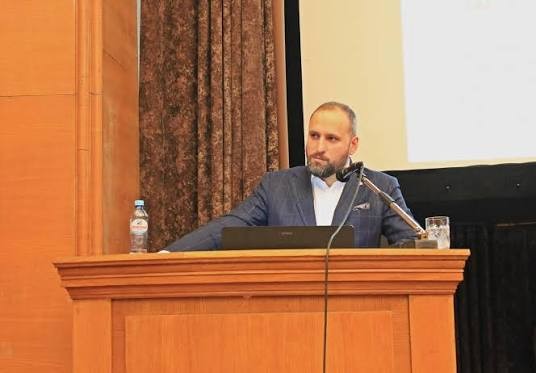
Russia's SKIF Synchrotron Announces Criteria for Selecting Future Research Teams
On August 31, Andrei Bukhtiyarov, Deputy Director of the Shared Use Center of the Siberian Circular Photon Source (SKIF) synchrotron, stated that the scientific innovation of research proposals will be one of the key criteria when selecting research teams for future experiments at SKIF. According to reports, the selection process will also focus on the clarity of research ideas and the feasibility of experimental plans. Since some experiments may not be feasible under existing or planned experimental station conditions, applications will first undergo technical review to confirm whether the experiments can be conducted within the facility's capabilities. The SKIF Shared Use Center has established a Scientific Committee to review applications submitted by research teams. The Center plans to...
2026-09-01

Japan Plans to Introduce Physical AI into Fukushima Daiichi Nuclear Power Station Decommissioning
The Japanese government and Tokyo Electric Power Company (TEPCO) are preparing to introduce Physical AI technology into the decommissioning operations at the Fukushima Daiichi Nuclear Power Station to enhance the autonomous operational capabilities of robots in high-radiation environments. This technology enables artificial intelligence to autonomously control robots based on on-site conditions, performing tasks such as inspection, data collection, and cleanup. To advance this effort, an advisory organization involving the government, businesses, universities, and research institutions is planned to be established within the year, with discussions centered on technology development, equipment application, and on-site verification. The organization is expected to be led by relevant government ministries and TEPCO, and will include AI startups, robot manufacturers, and university researchers.
2026-09-01

Nuclear technology breeding helps Laos improve rice varieties and increase yields
Rice is a vital staple food and source of income for rural households in the Lao People's Democratic Republic, and serves as the foundation of the country's food security. Over 80% of local farmers grow rice, with paddy fields accounting for approximately 60% of the nation's cultivated land. To enhance food supply capacity, Laos has set a target of increasing rice production to 5.5 million tonnes. The Saphart 1 rice variety was launched at the 2023 National Seed Fair for Food Security and Nutrition. (Photo: S. Phommalath/ RCCRC) Facing challenges such as environmental change, flooding, plant diseases, and increasing pressure on agricultural systems, agricultural researchers in Laos are turning to nuclear technology to improve rice varieties. The National Agriculture and Forestry Research Institute of Laos...
2026-09-01