
Search Results
Keyword:Nuclear Power
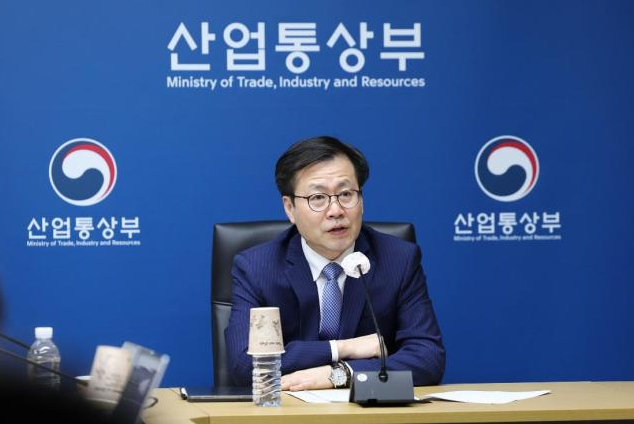
South Korea's Trade Minister Meets Governors of 11 U.S. States to Expand Nuclear Power and Shipbuilding Cooperation
South Korea's Ministry of Trade, Industry and Energy stated on August 2 that the Trade Negotiation Minister attended the 2026 National Governors Association (NGA) Summer Meeting in Oklahoma City from July 30 to August 1, during which he held a series of meetings with governors from 11 states including Tennessee, Colorado, Wyoming, North Carolina, Delaware, Minnesota, Oklahoma, Utah, Maryland, South Dakota, and Vermont, calling for expanded cooperation in high-tech and strategic industries such as nuclear power, shipbuilding, and batteries, and requesting support from state governments for Korean companies' investments and local operations in the U.S. Reports indicate that the U.S. Department of Energy is advancing the Nuclear Life-cycle Innovation Campus (NLIC) project, and on the 28th of last month...
2026-08-03
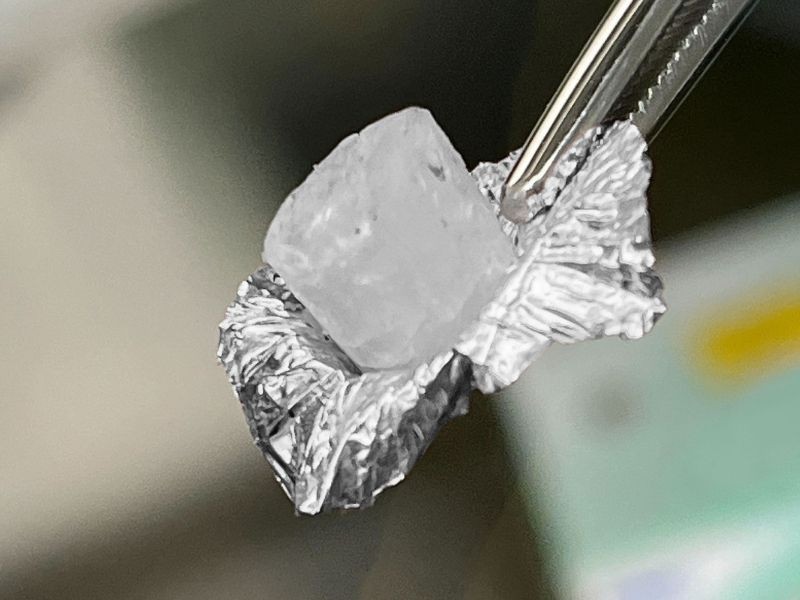
Kairos Power Advances Flibe Molten Salt Applications to Support KP-FHR High-Temperature Reactor Development
Kairos Power announced on July 29 that its Fluoride Salt-Cooled High-Temperature Reactor (KP-FHR) will be among the early adopters of a fluoride salt coolant. This coolant, commonly referred to as Flibe, is composed of lithium fluoride (LiF) and beryllium fluoride (BeF₂). In the 1960s, Oak Ridge National Laboratory used this material as a coolant in the Molten Salt Reactor Experiment. According to Kairos Power, Flibe has a high specific heat capacity, enabling it to effectively absorb and transfer heat generated in the reactor core. Compared with some sodium-cooled or helium-cooled reactor systems, fluoride salt offers certain advantages in heat transport...
2026-08-03
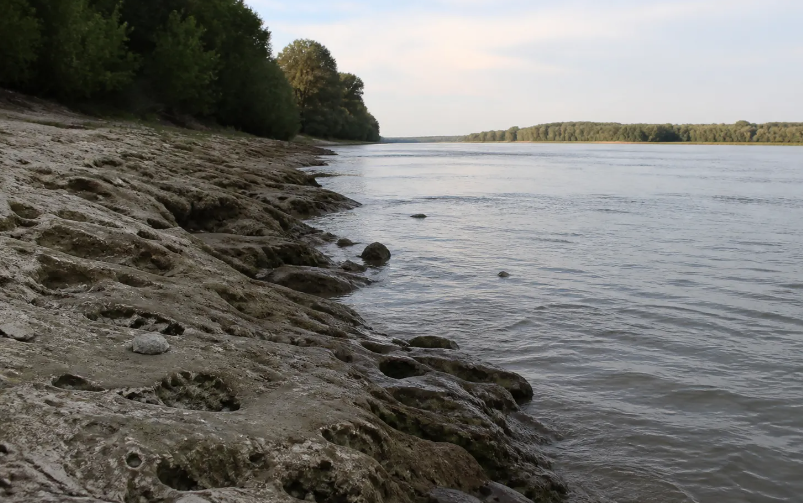
Romania Blasts Rocks in Danube to Secure Nuclear Power Plant Water Supply
Romania is conducting blasting operations on rocks in the Danube River to ensure the water supply for the Cernavodă Nuclear Power Plant. The Ministry of National Defense has launched related actions aimed at altering the river's flow, diverting part of the water from the Bala branch to the Old Danube branch. Initial blasting operations began on Sunday, involving over one hundred military personnel and sixteen pieces of military equipment. According to Navy Reserve Commander Marcel Neculae, the first two explosions failed to completely destroy the target rock, which proved harder than expected. Navy divers are currently assessing the blasting results, after which explosive charges will be gradually increased to continue the operation. Romania's water resources authority has also noted the complexity of the project and warned that it may not succeed.
2026-08-03
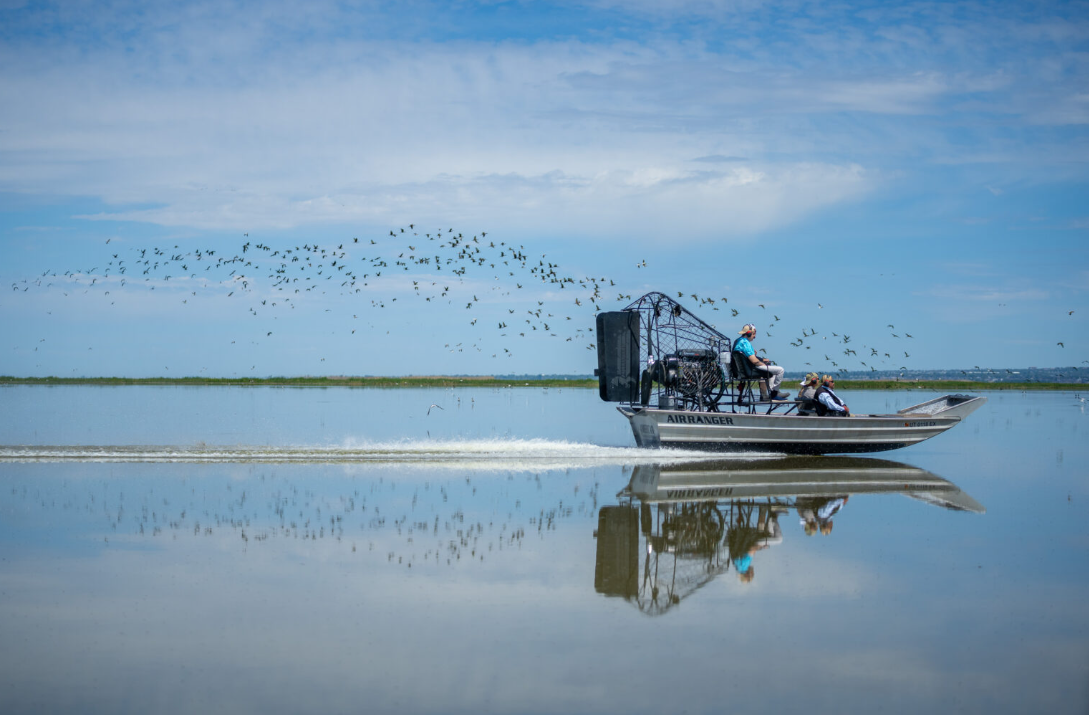
Utah Finalist for DOE Nuclear Fuel Cycle Site, with Great Salt Lake Rescue as Bargaining Chip
Utah is seeking an agreement with the U.S. Department of Energy (DOE), hoping to secure federal nuclear hub status while also gaining assistance in addressing the Great Salt Lake crisis. Governor Spencer Cox and U.S. Energy Secretary Chris Wright signed a memorandum agreeing to collaborate on realizing the full value of the nuclear fuel cycle. However, this agreement does not mean Utah has decided to build the nuclear hub, and the state will decline if it is deemed unsafe or disadvantageous. Currently, Utah is one of five states competing for the federal Nuclear Lifecycle Innovation Park, which aims to consolidate all aspects of the nuclear fuel cycle in one location, including fuel fabrication, enrichment,...
2026-08-03

Radiation protection expert Peter Bryant to lead University of Liverpool's Chadwick Institute for Nuclear Innovation
The University of Liverpool has announced that Professor Peter Bryant has been appointed as the Director of the newly established Chadwick Institute for Nuclear Innovation, with his tenure officially commencing in September 2026. The Chadwick Institute for Nuclear Innovation is named after Nobel laureate Sir James Chadwick, who served as Head of the Physics Department at the University of Liverpool and is renowned for his discovery of the neutron. The Institute will leverage the University of Liverpool's research expertise, innovative facilities, and strategic partnerships in the nuclear energy sector to advance research and talent development in nuclear innovation. Bryant has long been engaged in work related to the civil nuclear fuel cycle, with his research and management portfolio encompassing radiation protection, environmental permitting, radioactive waste...
2026-08-03
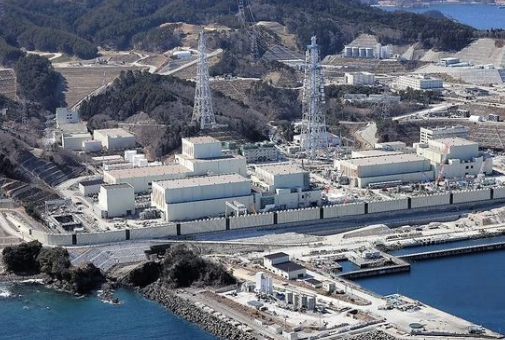
Japanese Poll: 76% of Respondents Support Maintaining the "Three Non-Nuclear Principles"
The Tokyo Shimbun, citing a national poll conducted by the Kyodo News-affiliated survey organization from June to July among 3,000 people aged 18 and above, reported that 76% of Japanese support maintaining the Three Non-Nuclear Principles of not manufacturing, not possessing, and not allowing the introduction of nuclear weapons; 77% oppose nuclear-sharing arrangements (i.e., the U.S. stationing nuclear weapons in Japan and operating them jointly). Given that Japan is the only country to have suffered atomic bombing in war, the results highlight strong anti-nuclear sentiment, while debate over whether to revise the principles is intensifying. Support for Japan joining the Treaty on the Prohibition of Nuclear Weapons before the first review conference in November stands at 55%, down 5 percentage points from the previous year; opponents account for 42%, of whom 56% believe that joining would not lead to nuclear disarmament. Regarding recent U.S. actions...
2026-08-03
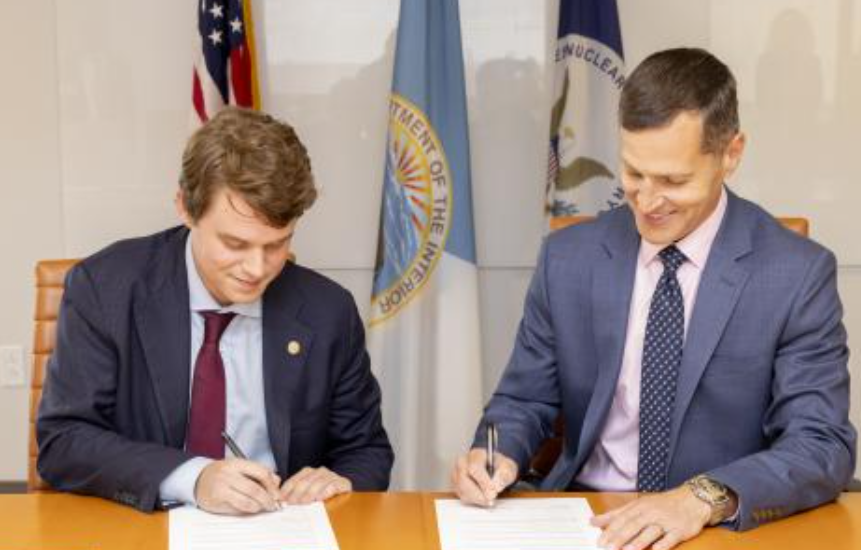
U.S. Nuclear Regulatory Commission Signs Memorandums of Understanding with Coast Guard and Marine Minerals Administration to Strengthen Offshore Nuclear Energy Cooperation
Recently, the U.S. Nuclear Regulatory Commission (NRC) signed Memorandums of Understanding (MOUs) with the U.S. Coast Guard (USCG) and the newly established Marine Minerals Administration (MMA), respectively, aimed at strengthening coordination and cooperation on civilian offshore nuclear projects. These initiatives come at a time of growing interest in nuclear technology within the commercial shipping sector, including projects such as nuclear-powered vessels and floating nuclear power plants. The agreement with the Coast Guard updates a previous agreement signed with the Atomic Energy Commission in 1973, aiming to modernize regulatory processes and ensure effective management of the design, construction, operation, and oversight of civilian nuclear reactors at sea. Meanwhile, the NRC's cooperation with the MMA focuses on clarifying jurisdictional issues for any potential nuclear projects on the U.S. Outer Continental Shelf (OCS).
2026-08-03
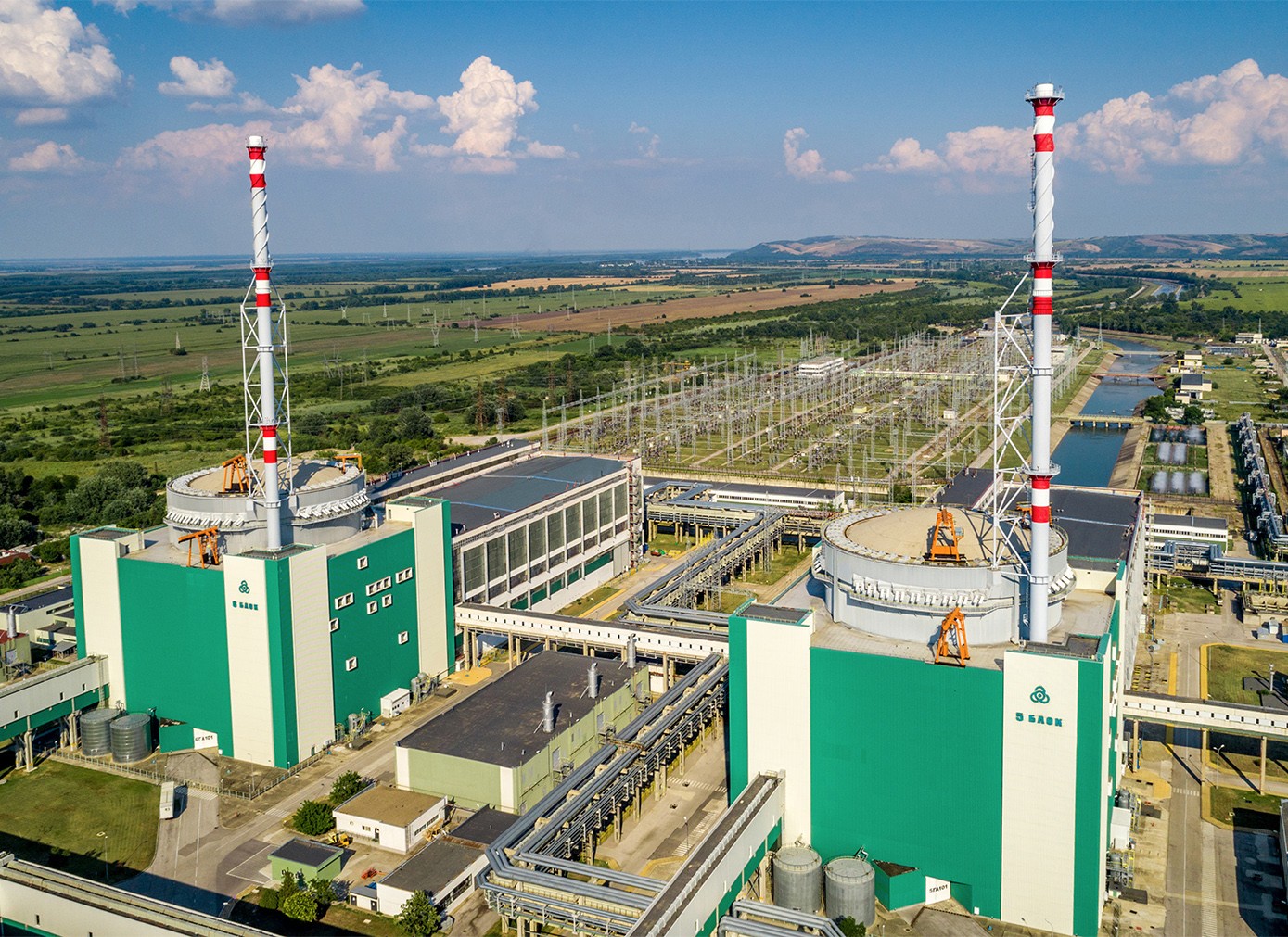
Bulgaria Approves Decommissioning Licenses for Units 3 and 4 of Kozloduy Nuclear Power Plant
On August 1, the Bulgarian Nuclear Regulatory Agency (NRA) issued a 10-year license to the State Enterprise for Radioactive Waste Management (SERAW), authorizing it to carry out the decommissioning of Units 3 and 4 of the Kozloduy Nuclear Power Plant. The license was presented to SERAW Deputy Executive Director Elizabeth Mladenova by NRA Chairman Tsanko Bachiski. The license is held by SERAW's specialized department responsible for the decommissioning of Units 1 to 4 of the Kozloduy Nuclear Power Plant. SERAW Management Board Chairman Sergey Tsochev attended the license award ceremony. According to the license requirements, the decommissioning of Units 3 and 4 must comply with Bulgaria's Law on the Safe Use of Nuclear Energy and relevant implementing regulations.
2026-08-03
Adani Group Proposes Two Nuclear Power Plants in India's Odisha State
The Adani Group has submitted a proposal to the Government of Odisha to build two nuclear power plants in the state, with a planned total installed capacity of 5,600 MW and an estimated investment of approximately ₹1.5 trillion. The proposal is seen as a significant move to expand private sector participation in India's civil nuclear energy sector. According to disclosures, Subrat Tripathy, President of Business Development at Adani Ports and Special Economic Zone, led a delegation to meet Odisha's Deputy Chief Minister and Energy Minister Kanak Vardhan Singh Deo in Bhubaneswar...
2026-08-03
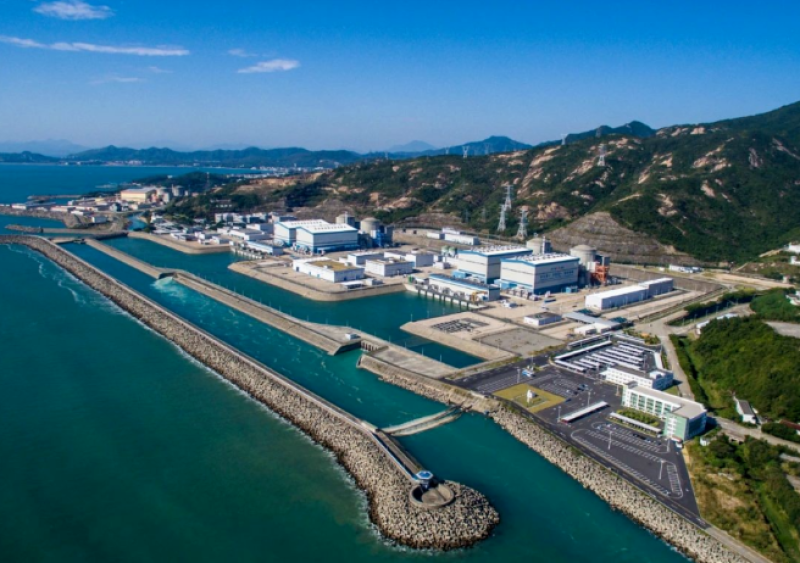
Global Nuclear Power Construction Accelerates, Asian Countries Lead the Way
Global nuclear power construction is accelerating, particularly in the Asian region. China is currently the most active country in nuclear power construction worldwide, with more than twenty nuclear reactors under construction, far surpassing other nations. This large-scale investment reflects China's emphasis on energy security and reducing carbon emissions. India follows closely behind, also actively expanding its nuclear power capacity to meet growing electricity demand and achieve climate goals. Beyond Asia, several European countries are also increasing their nuclear power capacity. Although France already possesses a large number of existing nuclear power plants, it is also advancing the construction of new nuclear reactors, aiming to maintain the share of nuclear energy in its energy mix. The United Kingdom is likewise committed to developing nuclear power, with plans to build new...
2026-08-03
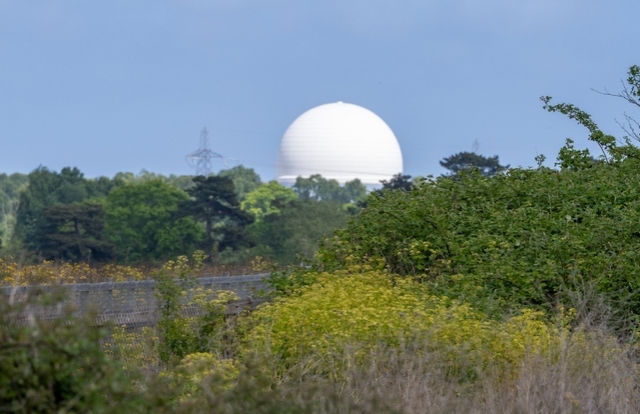
UK Poll Shows Nearly Half of Public Support Nuclear Energy Development
A new UK opinion poll shows that nearly half of respondents support the country's development of nuclear energy to address climate change and energy security challenges. Although public concerns over nuclear power plant safety persist, with growing awareness of the intermittency of renewable energy and rising calls to reduce dependence on fossil fuels, the role of nuclear energy in the UK's energy mix is attracting increasing attention. The survey results show that 48% of respondents consider nuclear energy an important component of achieving net-zero emission targets, while 29% hold opposing views. The main reasons for supporting nuclear energy include its reliability and low-carbon characteristics. Unlike renewable sources such as wind and solar, nuclear power plants...
2026-08-03
US Utility Xcel Energy's Nuclear Plant Life Extension Boosts Q2 Earnings Significantly
Xcel Energy, a multi-state regulated electric and gas utility headquartered in Minneapolis, USA, achieved significant earnings growth in the second quarter, primarily driven by reduced depreciation expenses resulting from extended operating lives of its nuclear power plants. The company extended the expected operating lives of its nuclear plants to 2050 and beyond, thereby lowering quarterly depreciation costs and positively impacting its financial performance. Despite a decline in operating revenues, net income still grew by 32% to $586 million, with diluted earnings per share rising from $0.75 to $0.93. The extension of nuclear plant operating lives does not imply an immediate increase in cash flow or power generation...
2026-08-03

Fuse Signs Five-Year Cooperative R&D Agreement with Nevada National Security Sites
U.S. fusion energy company Fuse Energy Technologies Corporation (Fuse) announced on August 2 that it has signed a five-year Cooperative Research and Development Agreement (CRADA) with Mission Support and Test Services (MSTS) at the Nevada National Security Sites (NNSS). MSTS manages and operates NNSS. The agreement establishes a long-term collaboration framework between Fuse and NNSS. The initial research projects will focus on next-generation fusion technology validation, tritium-related capability enhancement, increasing neutron yield from pulsed fusion generators, and U.S. domestic...
2026-08-03
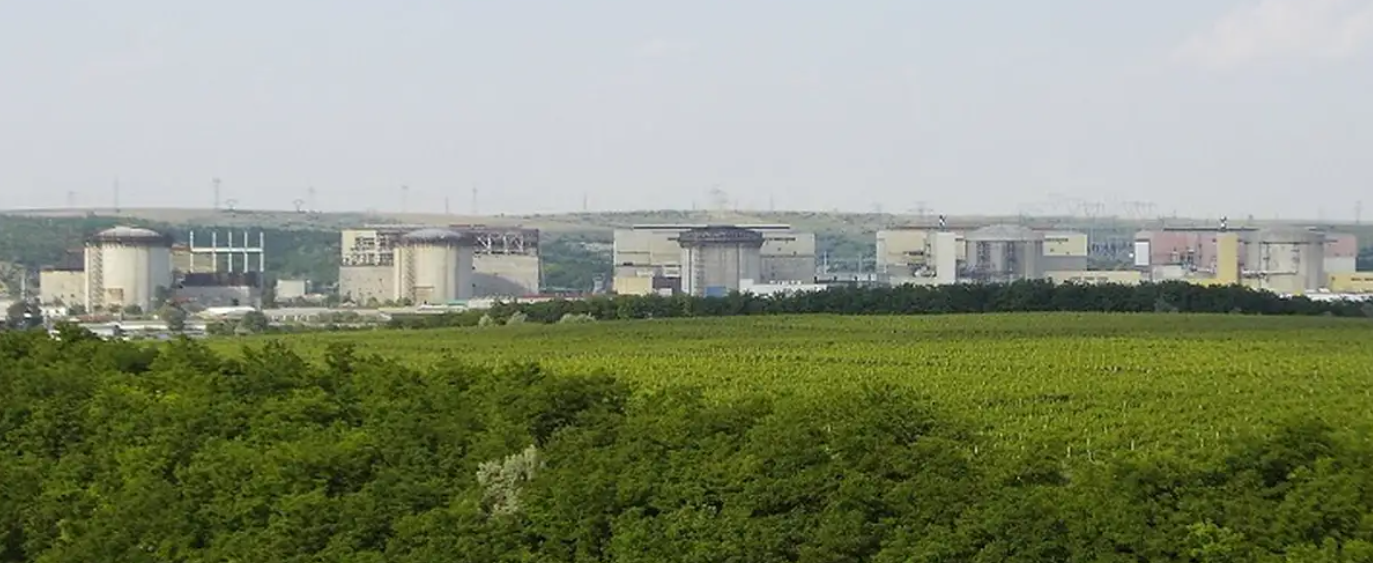
Danube Water Levels Continue to Drop, Putting Pressure on Romania's Cernavodă Nuclear Power Plant Operations
Romanian official Sorin Lindasu said on August 1 that if the Danube River water level continues to decline, the Cernavodă Nuclear Power Plant in Constanța County, southeastern Romania, may only be able to continue operating for 4 to 5 days. To ensure the water level required for continuous plant operation, relevant parties have begun implementing hydraulic engineering works on the Danube. Lindasu stated that the Danube water level is currently dropping at a rate of about 2 to 3 centimeters per day. A flow rate of 1,590 cubic meters per second has been recorded at the Baziaș inlet where the Danube enters Romanian territory, and this figure is expected to continue declining, potentially falling to about 1,450 cubic meters per second by August 7. Under these conditions, Cernavodă...
2026-08-03
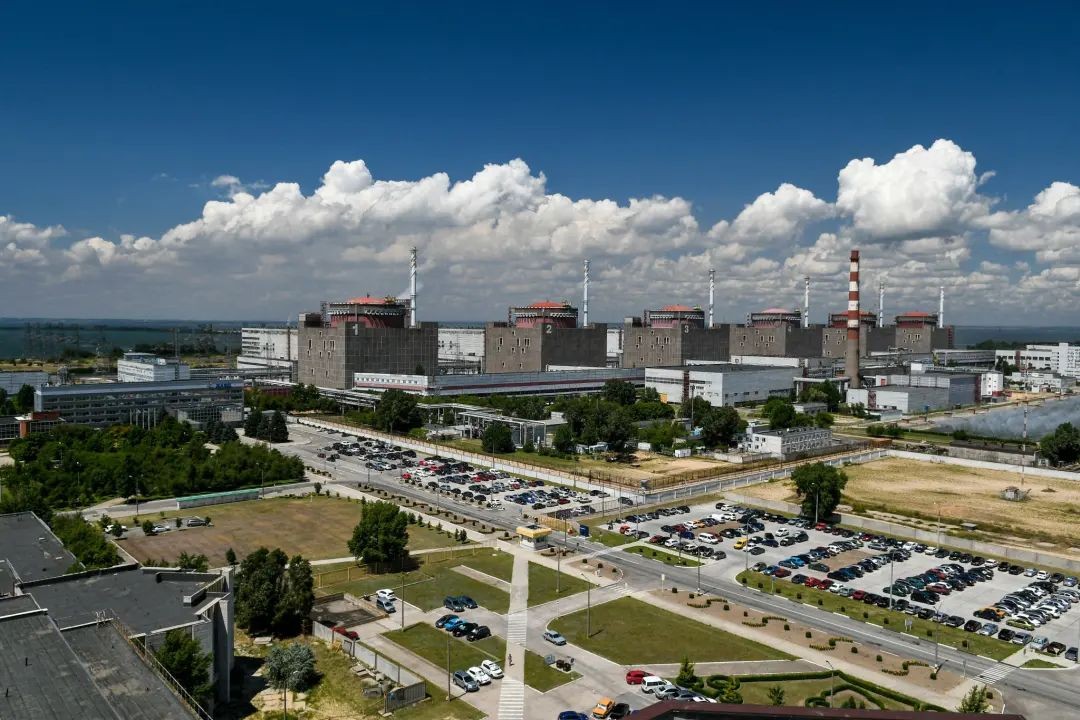
Zaporizhzhia Nuclear Power Plant currently relies on only one external power line for electricity supply
Alexey Likhachev, President of Rosatom, stated that the Zaporizhzhia Nuclear Power Plant currently obtains electricity through only one 330 kV external transmission line—Ferrosplavnaya-1—and that the instability of external power supply remains one of the main safety hazards facing the facility. According to the company's press office, Likhachev noted that the lack of a second operational external transmission line at the Zaporizhzhia NPP increases the risk to the safe operation of the plant's units. Although the plant is in a shutdown state, its safety-critical systems still require a stable power supply to ensure the continued operation of equipment related to nuclear safety...
2026-08-03