
Search Results
Keyword:Powe

Rosatom Says Small Nuclear Power Development Requires Regulatory Reform
Rosatom Director General Alexey Likhachev said on July 5 that if Russia hopes to maintain its global leadership in the small nuclear power market, nuclear regulations and standards also need to keep pace with technological changes, particularly by revisiting the licensing and approval process for small nuclear power plants. In an article published in the Rosatom Corporate Newspaper, Likhachev stated that small nuclear power plants are expected to become a significant new form of energy in the coming decades, but their deployment still faces considerable regulatory challenges. Due to the relative novelty of such facilities to regulators, approval approaches tend to be cautious. He believes that accelerating the licensing and construction process while ensuring safety has become a task of national importance.
2026-07-06
Mangoceuticals to Merge with Nuclea to Advance Morpheus Microreactor to Market
Mangoceuticals announced on July 30 that it has signed a definitive business combination agreement with advanced nuclear technology company Nuclea Energy Inc., aiming to bring the latter's Morpheus microreactor to the public capital markets. Nuclea was founded in August 2023 and is headquartered in Mississauga, Ontario, Canada, focusing on the development of lead-cooled, factory-fabricated micro-modular reactors. Under the agreement, a newly formed subsidiary of Mangoceuticals will merge with Nuclea, and the combined company will operate as an indirect wholly owned subsidiary of Mangoceuticals. Upon completion of the transaction, holders of Nuclea common shares will receive...
2026-07-31
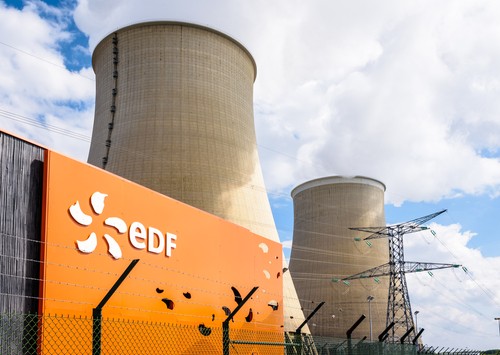
EDF plans to bring in investors for Nuward small modular reactor project by end of 2026
French utility EDF said on July 30 that it plans to bring in investors for its Nuward small modular reactor project by the end of 2026. The company stated that the related financing arrangements will be centered around European customers and industrial partners to support the development of a batch of initial reactors better aligned with user needs. Small modular reactors have not yet entered large-scale commercial production, but multiple companies worldwide are advancing the deployment of related technologies. Supporters believe that compared with traditional large nuclear power units, small modular reactors offer greater flexibility in deployment methods, application scenarios, and low-carbon energy supply. EDF is a state-owned French power company operating 57...
2026-07-31

Masayoshi Son: Nuclear Fusion Could Become Key to Powering Future AI Data Centers
SoftBank Group founder Masayoshi Son said at the SoftBank World annual event in Tokyo on July 14 that as electricity demand from AI data centers continues to rise, nuclear fusion technology is expected to become one of the most realistic power solutions in the near future. Son believes that most of the current electricity demand from data centers will still be met by natural gas, but this landscape could change over the next 15 years. He predicted that by 2040, global data center capacity demand will reach 3 terawatts, with nuclear fusion playing a significant role. He said at the event that fusion will become a major source of a cheaper, cleaner, and safer new form of energy on Earth, and asked rhetorically: Now...
2026-07-15
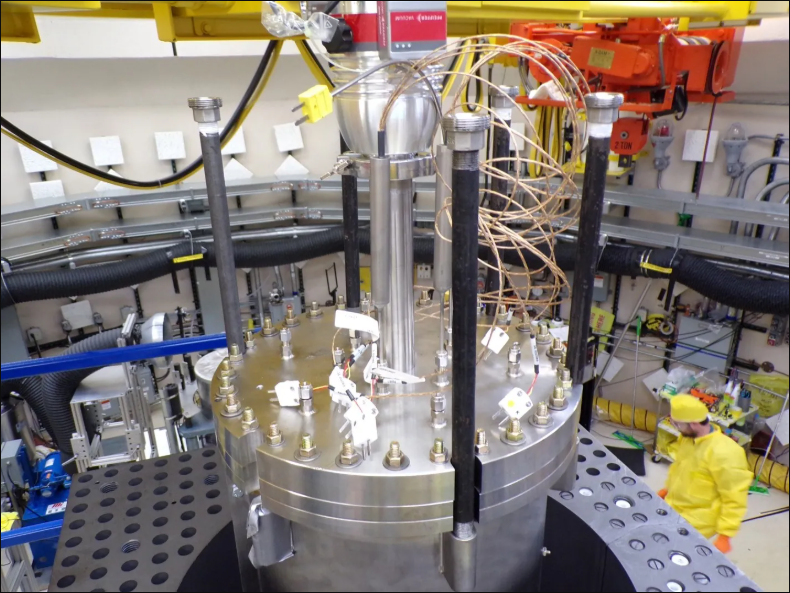
ZiaCore Microreactor Achieves Criticality in High-Temperature Zero-Power Experiment
Los Alamos National Laboratory announced on July 30 that its ZiaCore microreactor design has completed a high-temperature zero-power criticality proof-of-principle experiment at the National Criticality Experiments Research Center (NCERC) in Nevada, successfully achieving initial criticality. ZiaCore is an advanced nuclear energy microreactor design that uses low-enriched uranium dioxide fuel. The experiment lasted approximately four weeks from April to May this year, advancing the ZiaCore system to zero-power criticality under high-temperature conditions. According to the reactor design and verification process, zero-power criticality experiments can be used to validate the effectiveness of reactor physics designs, providing key benchmark data for subsequent engineering development.
2026-07-31
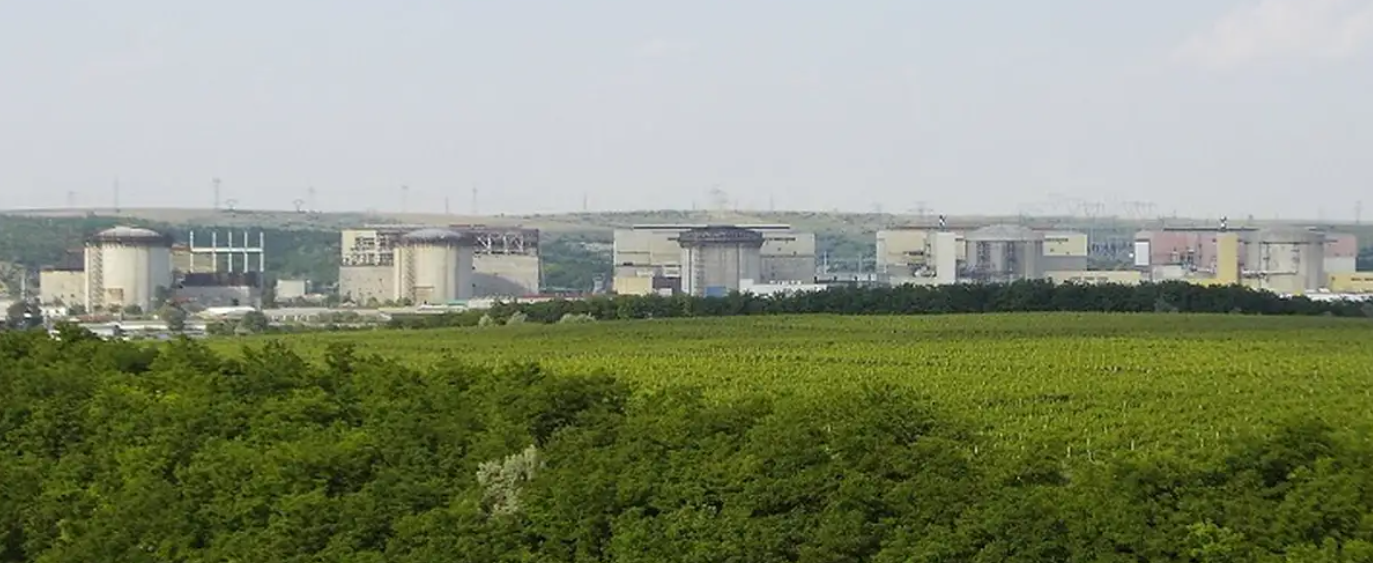
Unit 2 of Romania's Cernavoda Nuclear Power Plant not to shut down temporarily due to low Danube water level
Romania's National Nuclear Power Company (Nuclearelectrica) stated on July 30 that Unit 2 of the Cernavoda Nuclear Power Plant will continue to operate connected to the grid. Previously, the company had warned that the unit, located in Constanța County in southeastern Romania, might need to shut down due to the low water level of the Danube River. The company said that based on an operational analysis completed the previous night, experts believe the currently obtained relevant parameters allow Unit 2 to continue operating under safe conditions. Therefore, the unit will remain connected to Romania's national power system. Nuclearelectrica also stated that technical personnel will continuously monitor and analyze the plant's operating parameters. Given the subsequent hydrological forecasts for the Danube water level...
2026-07-31
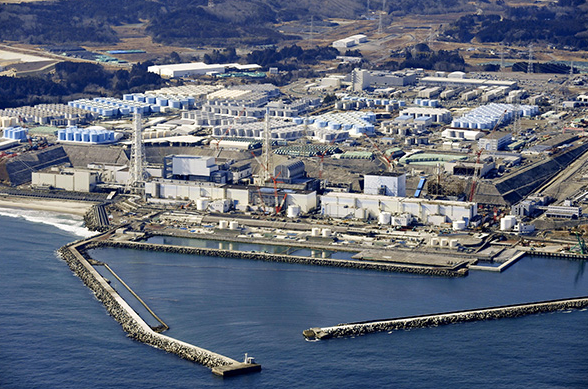
Third fuel debris retrieval test at Fukushima Daiichi Unit 2 postponed due to robotic arm malfunction
The robot used by Tokyo Electric Power Company (TEPCO) for the third experimental fuel debris retrieval at Fukushima Daiichi Nuclear Power Station Unit 2 malfunctioned during an on-site operational test, forcing the cancellation of the plan originally scheduled to start after July 2026 if all went well. The company stated it will reassess the relevant procedures. The malfunction occurred in part of the large robotic arm equipment used to collect fuel debris. During an operational test in the reactor building of Unit 2, TEPCO found an abnormality in one of the motors driving the robotic arm, causing the brake to fail to release and the arm to be unable to extend. The company is currently studying the replacement of the faulty motor. The third experimental retrieval plan was to use a large robotic arm...
2026-07-31
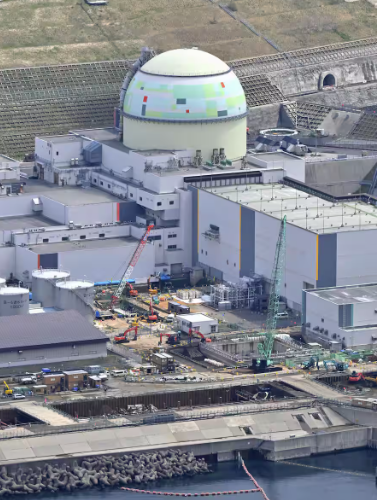
Restart of Tomari Nuclear Power Plant Unit 3 Delayed to After End of 2027
Hokkaido Electric Power Co. announced on July 30 that the restart of Unit 3 at the Tomari Nuclear Power Plant will be significantly delayed compared to earlier expectations, with the earliest possible date being the end of 2027 or later. Previously, the company had set a target of restarting as early as possible within 2027, but due to delays in the seawall construction project and the fact that the Nuclear Regulation Authority (NRA) has not yet completed its review of the relevant design and construction plans, the timeline for the unit's return to operation remains uncertain. Hokkaido Electric Power President Susumu Saito stated at a press conference that the seawall at the Tomari plant was originally scheduled for completion in the spring of 2027, but is now expected to be finished by mid-August 2027 due to additional work such as seismic reinforcement of the wharf and liquefaction countermeasures...
2026-07-31

Bulgarian Expert Says Belene NPP Restart Technically Feasible
Bulgarian energy expert Bogomil Manchev recently stated that the long-dormant Belene NPP project remains technically viable for restart. If Bulgaria and Ukraine jointly participate in financing and establish a co-ownership mechanism, the project could become a new nuclear power project built through bilateral cooperation. Manchev believes that Ukraine will still face significant electricity demand for a long period in the future. If funding can be secured for the project, Bulgaria could proceed with nuclear power plant construction at the original Belene site. His proposed options include joint financing and co-ownership by both countries, or Ukraine signing a long-term power purchase agreement to support project financing...
2026-07-23
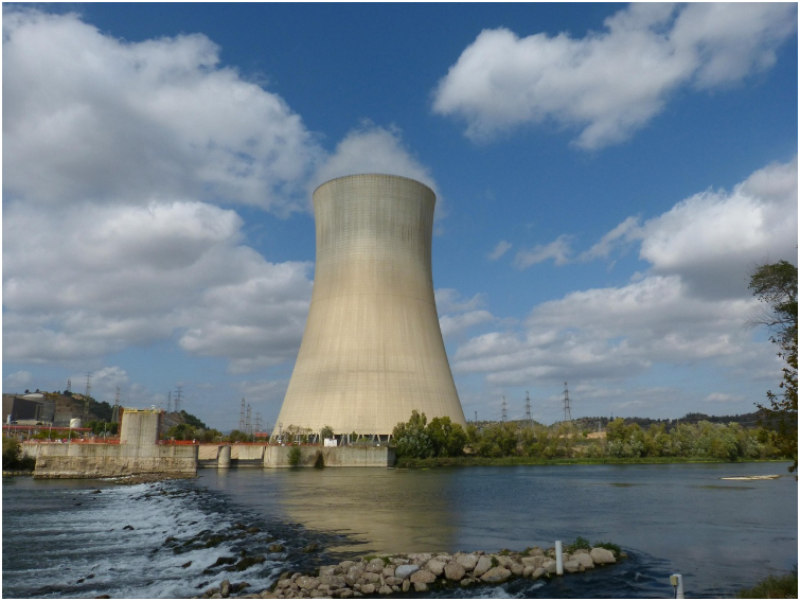
Russia says all countries have the right to develop peaceful uses of nuclear energy
Russian Presidential Press Secretary Dmitry Peskov stated that Russia has always believed that any country should enjoy the right to develop peaceful uses of atomic energy, and Iran, Saudi Arabia, and other countries are no exception. Earlier on July 23 local time, the U.S. Department of Energy announced that it had signed a civil nuclear energy cooperation agreement with Saudi Arabia. The agreement will also be submitted to the U.S. Congress for review. In response to a reporter's question, Peskov said that Russia's position on the peaceful use of atomic energy and the development of peaceful nuclear energy is "well known." He stated that Iran should have this right, and Saudi Arabia and other countries should also have this right....
2026-07-24
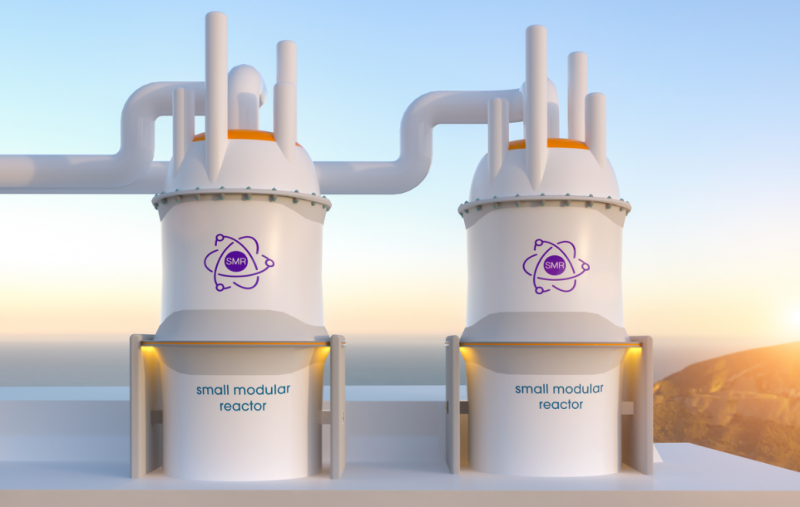
Nuclear power companies in Gyeongsangnam-do, South Korea, selected for SMR advanced manufacturing technology project
Gyeongsangnam-do, South Korea, announced on the 30th that local nuclear power companies and research institutions have all been selected in a government project solicitation, and will participate in developing three key technologies to shorten the manufacturing cycle of Small Modular Reactors (SMRs). This project is organized and solicited by the Ministry of Climate, Energy and Environment of South Korea and the Korea Institute of Energy Technology Evaluation and Planning (KETEP), with a focus on innovative SMR manufacturing technologies. These technologies are considered helpful in improving the manufacturing efficiency of key reactor components and compressing production cycles. According to the arrangement, Doosan Enerbility...
2026-07-31
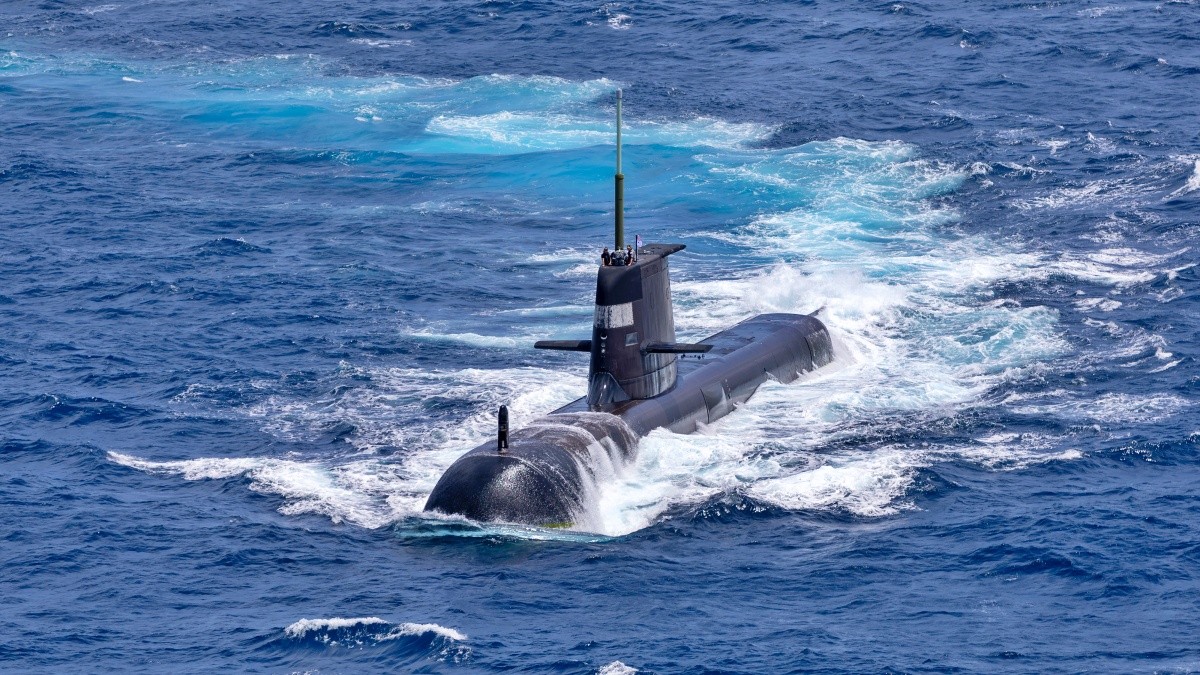
UK to Invest £8.4 Billion in Dreadnought-Class Nuclear Submarine Program
The UK Prime Minister's Office stated that the UK will announce an investment of £8.4 billion (over $11 billion) for the construction of four Dreadnought-class nuclear submarines, thereby launching the fourth phase of this submarine program. According to the relevant press release, this investment will be used to strengthen the UK's nuclear capability building and advance the continued implementation of the Dreadnought-class submarine project. Under the framework of the new phase, the first of the four nuclear submarines is expected to complete sea trials in the early 2030s and enter service with the Royal Navy. The UK Ministry of Defence previously released a long-term defense budget for the next four years at the end of June, planning to invest nearly £300 billion (approximately $400 billion) in various areas of the military-industrial complex. Data shows that £4.7 billion of this funding has yet to be secured, with specific funding sources to be determined in the autumn budget.
2026-07-31

U.S. Confirms Order for Nine Virginia-Class Block VI Nuclear Submarines
The U.S. Department of Defense has confirmed that it has signed a contract modification agreement with General Dynamics Electric Boat to order nine Virginia-class Block VI multi-purpose nuclear-powered submarines. The statement said the contract is an incentive-based modification, and the submarines will be used by the U.S. Navy. Despite delays in General Dynamics' previous orders, both parties have moved forward with this new contract. On July 15, U.S. President Donald Trump had asked the company's management to accelerate the construction progress of U.S. Navy submarines. In addition to the Virginia-class submarines, the U.S. Department of Defense has also ordered five Columbia-class Type II ballistic missile nuclear submarines from Newport News Shipbuilding. Under the contract arrangement, related work is expected to be completed before July 2038...
2026-07-31
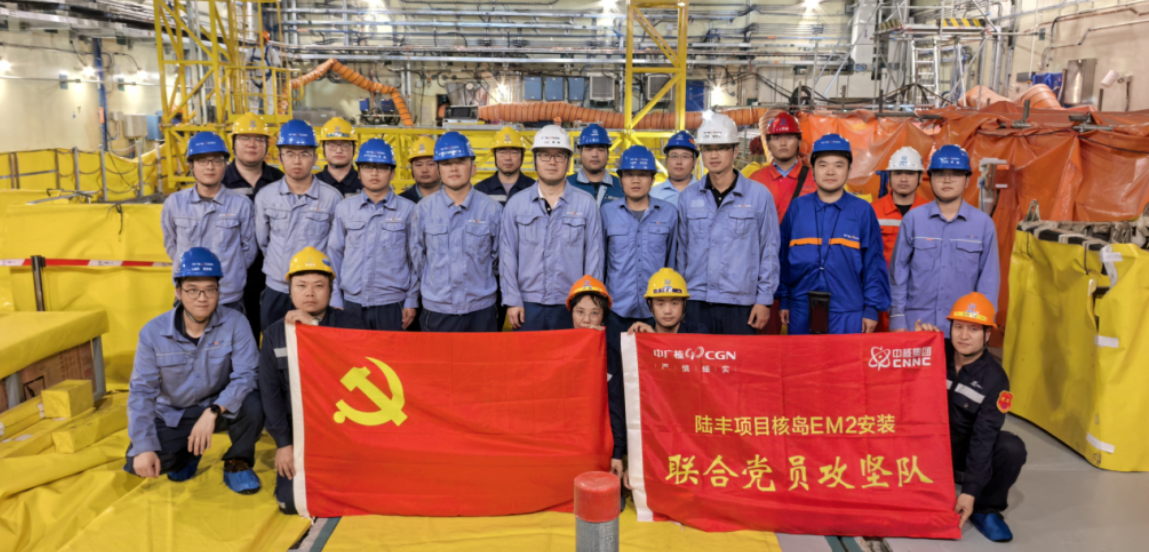
Lufeng Nuclear Power Unit 5 PMC Installation Task Successfully Completed
On July 6, 2026, with the successful installation, handover, and commissioning of the PMC02 and PMC03 systems for Lufeng Nuclear Power Unit 5, the PMC system installation work for the unit was successfully completed, marking the full achievement of the core tasks of the 5PMC Installation Joint Party Member Task Force. The smooth realization of this key milestone fully demonstrated the robust capability of the integrated engineering and production joint team in collaborative construction, driving a phased breakthrough in the construction of Unit 5. This laid a solid foundation for subsequent on-site inspections for the nuclear material license and the smooth receipt of new fuel. Collaborative Breakthrough to Ensure Milestones As the core specialized key equipment for receiving, storing, and transferring nuclear fuel in a nuclear power plant, the PMC system is a critical carrier ensuring the stable operation of the fuel handling system and an indispensable prerequisite for on-site nuclear material license inspections. Its installation quality and construction schedule directly impact the overall construction pace of the unit and the broader fuel loading and commissioning timeline. During this PMC installation phase, the on-site construction conditions were complex, and the pressure to overcome challenges was unprecedented. The team faced multiple difficulties, including intensive cross-disciplinary operations, intricate construction interfaces, severely limited workspace, and tight availability of lifting and scaffolding resources. Project progress faced significant resistance, coordination was highly challenging, and the task was extremely arduous. To fundamentally reverse the passive situation and ensure the achievement of construction goals, the Lufeng Nuclear Power Production Service Department, under the overall guidance of the company's Party Committee, took the initiative. It adopted a model where leaders personally oversaw the campaign and tackled problems directly on-site. By coordinating the construction efforts of the Safety Protection Department, Technical Department, Project Department, supervision units, and various participating construction entities, the PMC Installation Joint Party Member Task Force was formally established. The team consistently adhered to Party-building leadership in project breakthroughs, firmly upholding the value orientation of "Three Focuses." They solidified a normalized multi-party coordination mechanism involving daily meetings and on-the-spot problem-solving, effectively breaking down construction barriers and interface bottlenecks between the work teams of the two construction companies, CNNC Huaxing and China Nuclear Industry 23. By dynamically coordinating construction plans, on-site safety management, manpower organization, and resource allocation, they achieved on-site problem identification, assessment, and resolution. This efficiently resolved various issues such as cross-construction conflicts, material transport obstructions, and resource allocation tensions. Through meticulous coordination and integrated collaborative operations, they provided solid organizational support for achieving the construction goals. Innovation and Pragmatism to Set Benchmarks Throughout the entire campaign, all Party member core members took the lead, shouldered heavy responsibilities, targeted efforts precisely, and broke through difficulties, comprehensively solidifying on-site construction conditions. The team scientifically coordinated the erection, dismantling, and optimization of scaffolding in the fuel building, streamlined the construction logic for civil and installation cross-operations, and systematically completed the defect rectification and power-on work for the spent fuel crane, auxiliary crane, and 130t overhead crane, thoroughly clearing pre-installation obstacles for key equipment introduction. All personnel adhered to the principle of "taking one step forward, being proactive," ensuring that on-site conditions did not wait for procedures and that progress was not stalled by interfaces. They continuously optimized process connections and operational logic, focused on key areas in phases, assigned responsibilities by module, and dynamically optimized resource allocation. By balancing safety with progress and upholding both bottom lines and efficiency, they efficiently and successfully completed the introduction, positioning, and installation of key equipment for the PMC02 system. Concurrently, leveraging experience from previous multi-unit construction projects, the team boldly broke away from traditional fixed procedures and innovatively optimized the construction organization logic. They adopted an interleaved parallel construction approach, simultaneously carrying out multiple key specialized tasks for the first time within the group, including preliminary nuclear cleaning of the spent fuel pool hall, pressure testing of the spent fuel pool, pipe installation and flushing, and comprehensive foreign material search and removal from the fuel racks. Through innovation and pragmatic action, they created a benchmark case for efficient PMC system installation in Hualong One units. Successful Completion, Setting Off Again The successful completion of the PMC installation campaign for Unit 5 is a landmark achievement demonstrating the deep integration of Party-building and production at Lufeng Nuclear Power, efficient multi-disciplinary coordination, and the effective implementation of refined on-site management. It fully showcases the excellent spirit of the Party member team in daring to fight tough battles, being capable of winning them, charging forward, and sustaining continuous operations. The journey does not end; the campaign continues. Next, the PMC Installation Joint Party Member Task Force will persistently maintain its fighting posture, firmly anchor on the overall goal of unit fuel loading, steadily advance the commissioning and various functional tests of the PMC02 and PMC03 systems, and efficiently complete key tasks such as system commissioning and the interconnection of the four pools. They will strive to ensure the smooth passage of the on-site nuclear material license inspection, injecting strong momentum into the high-quality and safe commissioning and operation of the unit.
2026-07-31
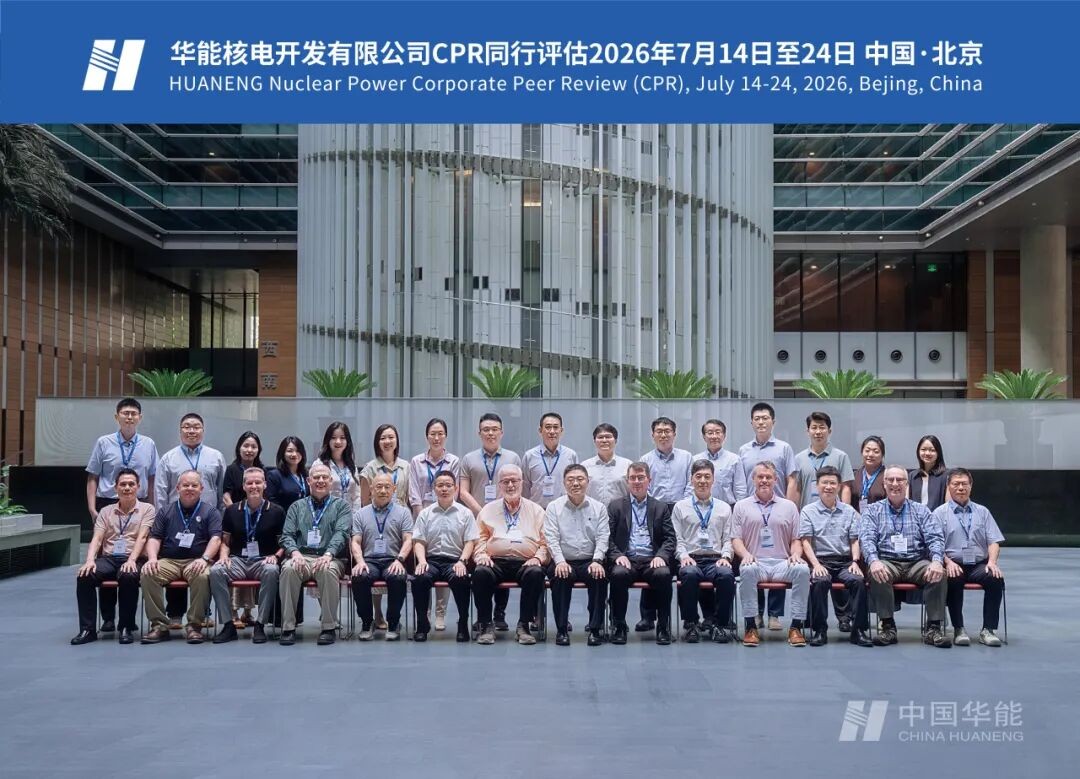
Huaneng Nuclear Power Receives First WANO Corporate Peer Review
From July 14 to 24, 2026, Huaneng Nuclear Power received its first Corporate Peer Review (CPR) organized by the Atlanta Center of the World Association of Nuclear Operators (WANO), successfully achieving the set objectives. WANO CPR is a widely accepted headquarters-level peer review in the global nuclear industry and serves as an important channel for in-depth international exchange. A 14-member assessment team, consisting of 7 foreign experts from the United States and Canada, along with personnel from the WANO Shanghai Office and industry management, conducted the review in accordance with WANO peer review standards. The evaluation covered seven areas: corporate leadership, corporate governance, oversight and monitoring, independent oversight, corporate support services, human resources and leadership development, and...
2026-07-31