
Search Results
Keyword:Powe
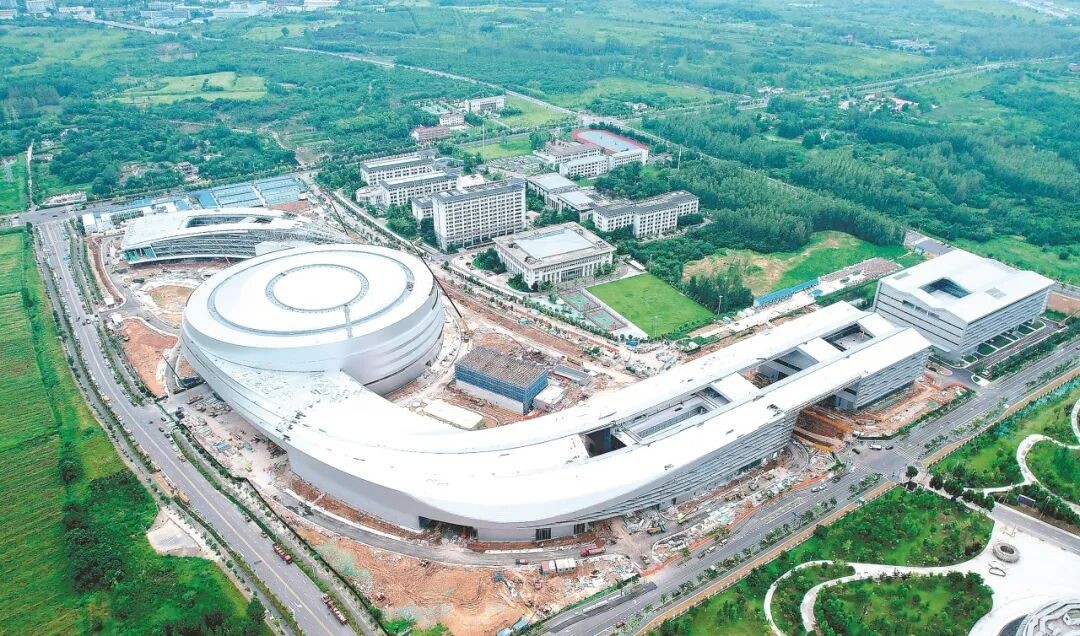
Hefei Compact Fusion Energy Experimental Device Accelerates Construction
On July 27, the Compact Fusion Energy Experimental Device (BEST), located in Sanshigang Township, Luyang District, Hefei City, Anhui Province, is accelerating its construction. From aerial footage, the construction at the project site is progressing in an orderly manner, with related work continuing to unfold. The BEST device is a follow-up project to the Experimental Advanced Superconducting Tokamak (EAST) and will conduct further experimental validation based on the first-generation EAST device. As a key experimental platform for future fusion energy applications, BEST is expected to become the world's first compact fusion energy experimental device, providing support for the transition of fusion energy from scientific experiments to engineering applications. ...
2026-07-30
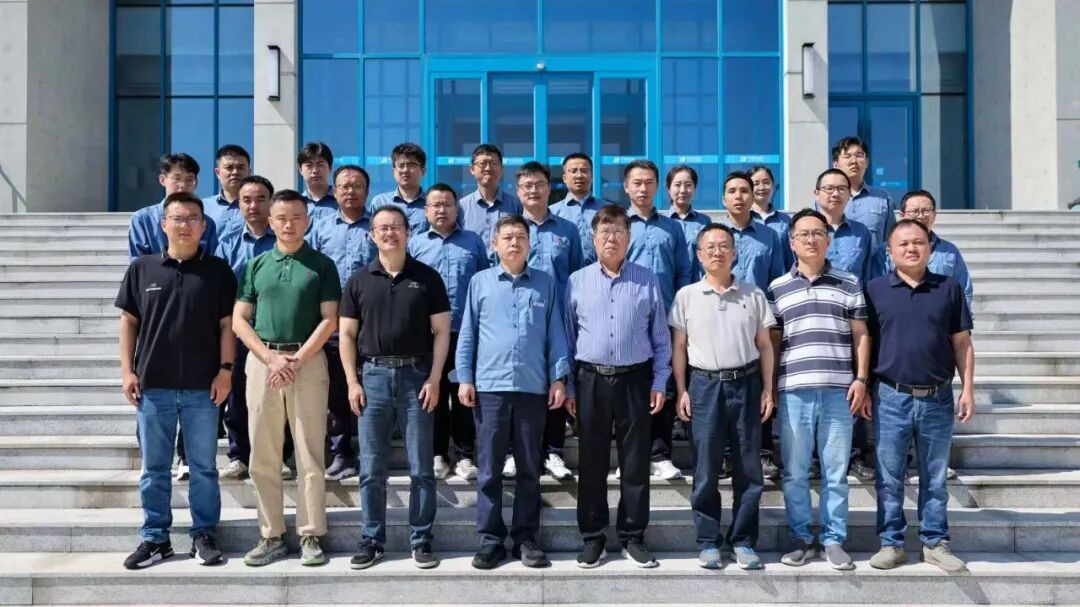
North China Regional Office of Nuclear and Radiation Safety Supervision, Ministry of Ecology and Environment, Conducts On-Site Supervision of Main Pump Shaft Design and Manufacturing at Shanghai Electric KSB Nuclear Pump and Valve Co., Ltd.
To continuously enhance the localization quality of active equipment such as main pumps and the effectiveness of key technology improvements, the North China Regional Office of Nuclear and Radiation Safety Supervision (hereinafter referred to as the North China Office) of the Ministry of Ecology and Environment recently conducted on-site supervision of the wet winding main pump shaft design and manufacturing activities at Shanghai Electric KSB Nuclear Pump and Valve Co., Ltd. This supervision focused on the quality reliability of design improvement measures for main pumps, conducting detailed inspections on the standardization of design change processes, verifying key processes such as material acceptance, heat treatment, and hot sleeve assembly, with particular attention to the correlation between improvement measures and root cause analysis, the effectiveness of improved processes, and the compliance of various inspection and test results. It also required...
2026-07-30
Shidaowan Nuclear Power Company Successfully Completes Member Support Activity for Predictive Maintenance and Equipment Condition Monitoring
On July 24, Shidaowan Nuclear Power Company successfully completed the member support activity for predictive maintenance and equipment condition monitoring, laying the foundation for further optimizing the predictive maintenance and equipment condition monitoring management and technical systems of the High-Temperature Gas-Cooled Reactor (HTGR) Demonstration Project, and promoting the transformation and upgrading of the equipment management model. The member support activity, lasting five days, was organized by the Nuclear Power Branch of the China Nuclear Energy Association, aiming to leverage the expertise of industry experts to drive the transformation of the equipment management model of the HTGR Demonstration Project from breakdown maintenance and periodic maintenance to data-driven predictive management, thereby strengthening the foundation of nuclear safety and operational economy. The expert team for this activity was led by Chen Lunshou, former Deputy Chief Engineer of Sanmen Nuclear Power Co., Ltd...
2026-07-30
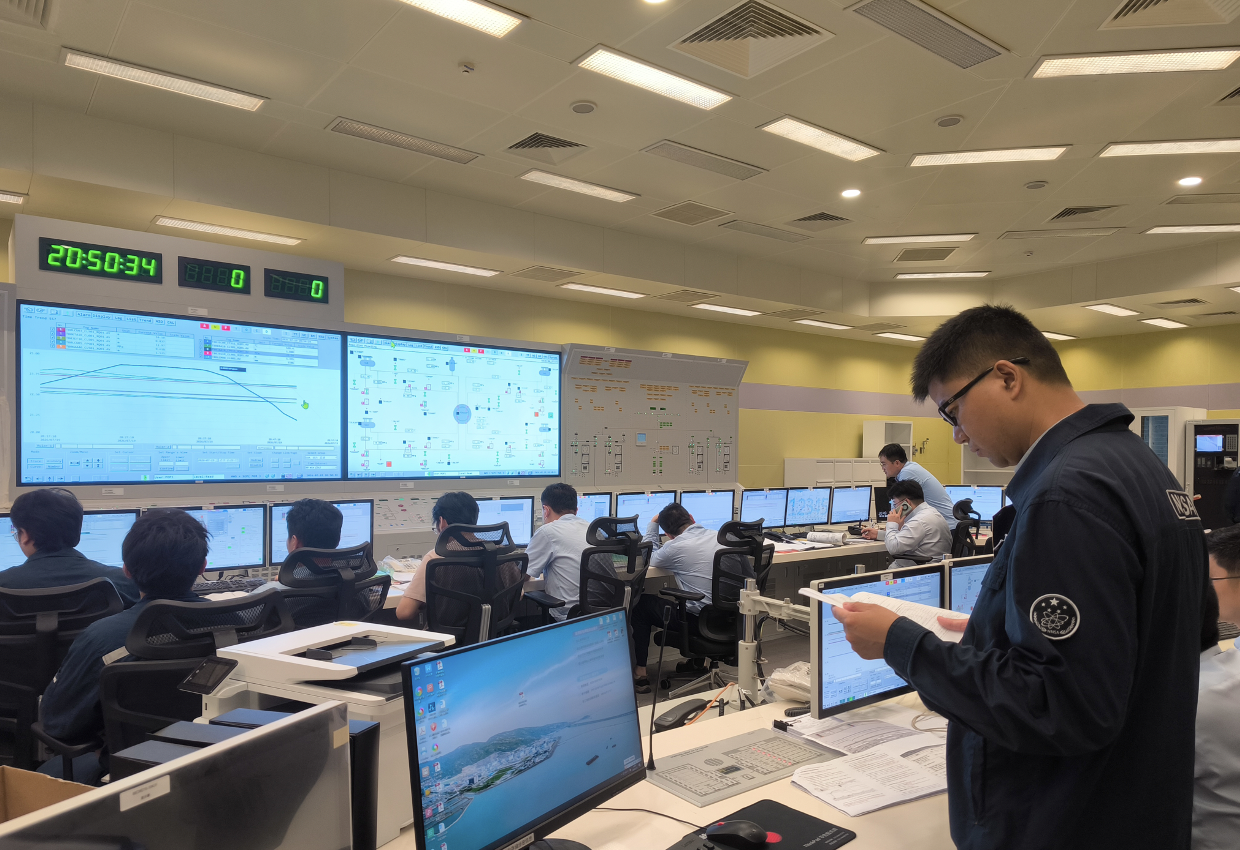
Ministry of Ecology and Environment's North China Nuclear and Radiation Safety Supervision Station Conducts Special Supervision on Cold Test Release for Tianwan Nuclear Power Unit 8
The Cold Functional Test (hereinafter referred to as the cold test) is the first major comprehensive test for a nuclear power unit transitioning from the installation phase to the commissioning phase. It is a key core link to verify the pressure-bearing capacity and sealing performance of the nuclear island main system and equipment under design pressure conditions, and serves as a critical milestone to ensure the subsequent safe and stable operation of the unit. Recently, the Ministry of Ecology and Environment's North China Nuclear and Radiation Safety Supervision Station (hereinafter referred to as the North China Supervision Station) conducted comprehensive supervision on the cold test control point release for Tianwan Nuclear Power Plant Unit 8. Adhering to the principle of supervision moving forward, the station consolidated the pre-test foundation. Upholding the nuclear safety supervision philosophy of "prevention first, moving the checkpoint forward," the North China Supervision Station focused on the preconditions for the cold test control point release, verified various items pending rectification one by one, and ensured that all hidden dangers were effectively addressed, building a solid safety barrier for the smooth progress of subsequent tests.
2026-07-30

Princeton University and PPPL Launch Collaborative Graduate Program in Plasma Science and Technology
The Princeton Plasma Physics Laboratory (PPPL), a U.S. Department of Energy (DOE) facility, and Princeton University recently launched the Collaborative Research Program in Plasma Science and Technology (CRPST). This two-year program, which began on July 1, 2026, aims to establish a more formal joint mentorship mechanism and expand opportunities for Princeton University graduate students in engineering, physics, and related disciplines to participate in research at PPPL. Under the program, selected students will be jointly mentored by a PPPL scientist and a Princeton University faculty member. Students will work at PPPL at least one day per week, participate in relevant research groups, and use laboratory facilities to advance their projects...
2026-07-30

SuperCritical Obtains Exclusive License for Uranium Extraction from Seawater Technology, Plans Industrial Deployment in the United States
SuperCritical Materials Corp., a U.S. developer of nuclear fuel and critical materials infrastructure, announced on July 24 that it has obtained an exclusive license from Battelle Memorial Institute for a patented uranium adsorbent technology used to extract uranium from seawater. The technology was originally developed by Pacific Northwest National Laboratory (PNNL) and its research partners. Battelle Memorial Institute currently manages eight national laboratories for the U.S. federal government. SuperCritical stated that the technology has been verified to extract uranium from seawater...
2026-07-30

Superyacht Industry Explores Nuclear Power Transition, Calls for Early Safety and Regulatory Preparation
During the 2026 Monaco Energy Boat Challenge, the application prospects of nuclear propulsion technology in the superyacht sector became a focal point of industry discussion. Experts attending the event believe that although nuclear-powered superyachts still have a long way to go before commercial application, the relevant discussions are no longer confined to the conceptual stage. The industry needs to start preparing early on issues such as design, safety, operation, and regulation. Engel-Jan de Boer, Global Yacht Business Manager at the UK-based maritime professional services organization Lloyd's Register, stated during the conference that with the rapid development of maritime nuclear technology...
2026-07-30
U.S. Department of Energy Selects Five States to Explore Building Nuclear Lifecycle Innovation Hubs
The U.S. Department of Energy (DOE) announced on July 28 that it has selected Utah, Tennessee, Oklahoma, Louisiana, and Idaho as potential host states for Nuclear Lifecycle Innovation Hubs. The DOE has signed memorandums of understanding with these five states and will continue to evaluate the conditions and plans for hosting the hubs in each state. On January 28 of this year, the DOE issued a Request for Information, inviting states to express interest in building Nuclear Lifecycle Innovation Hubs. The proposed hubs are intended to support full lifecycle activities for nuclear fuel, including fuel fabrication, uranium enrichment, spent nuclear fuel reprocessing, and waste disposal. Depending on state priorities and regional capabilities, the hubs may also accommodate...
2026-07-30
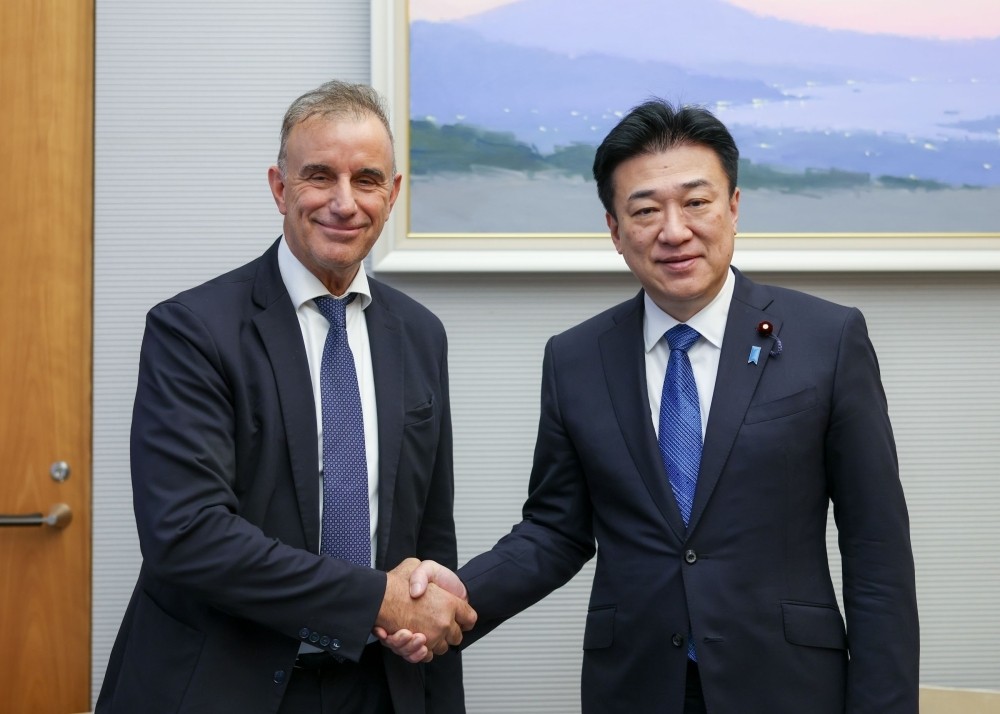
Japan's Chief Cabinet Secretary Meets ITER Organization Director-General
Starting at 4:50 p.m. on July 29, Japan's Chief Cabinet Secretary Yoshimasa Hayashi met with Pietro Barabaschi, Director-General of the International Thermonuclear Experimental Reactor (ITER) Organization, who was visiting Japan. The meeting lasted approximately 15 minutes. (Photo source: Japan Cabinet Public Affairs Office) Hayashi welcomed Barabaschi's visit to Japan. He stated that fusion energy has been listed as one of the 17 strategic areas in Japan's growth strategy. Japan looks forward to progress in the ITER project and believes it will play a significant role in advancing the realization of fusion energy and enhancing energy security. Hayashi...
2026-07-30
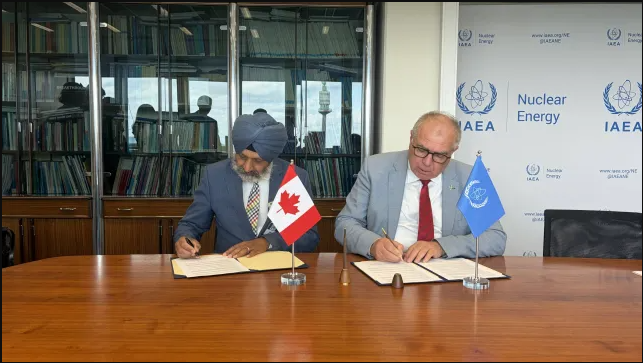
IAEA and University of Saskatchewan Sign Agreement to Strengthen Nuclear Talent Development
The International Atomic Energy Agency (IAEA) and the University of Saskatchewan recently signed a "Practical Arrangement" to enhance cooperation in nuclear knowledge management, nuclear energy education, research support, and talent development. The agreement was signed on July 24 at IAEA headquarters. Baljit Singh, Vice-President of the University of Saskatchewan, and Mikhail Chudakov, IAEA Deputy Director General and Head of the Department of Nuclear Energy, signed the "Practical Arrangement" on July 24 at IAEA headquarters. (Photo: IAEA) Under the agreement, the two parties will collaborate through training workshops, expert missions, and educational material development...
2026-07-30

American Fusion Company Launches Texatron Test Program at Texas Tech University
American Fusion Company announced on July 29 that, after completing preliminary laboratory preparations and verifying the remote ignition system, the company has launched the Texatron test program at Texas Tech University. The company is the developer of proprietary technologies related to the Texatron fusion engine. According to the company, a total of seven members of the American Fusion engineering and scientific team conducted a one-day preparation session at the research facilities of the Department of Physics and Astronomy at Texas Tech University. The activities included laboratory environment setup, inspection of instrumentation and supporting systems, system interface verification, and preparation for Texatron platform operation...
2026-07-30
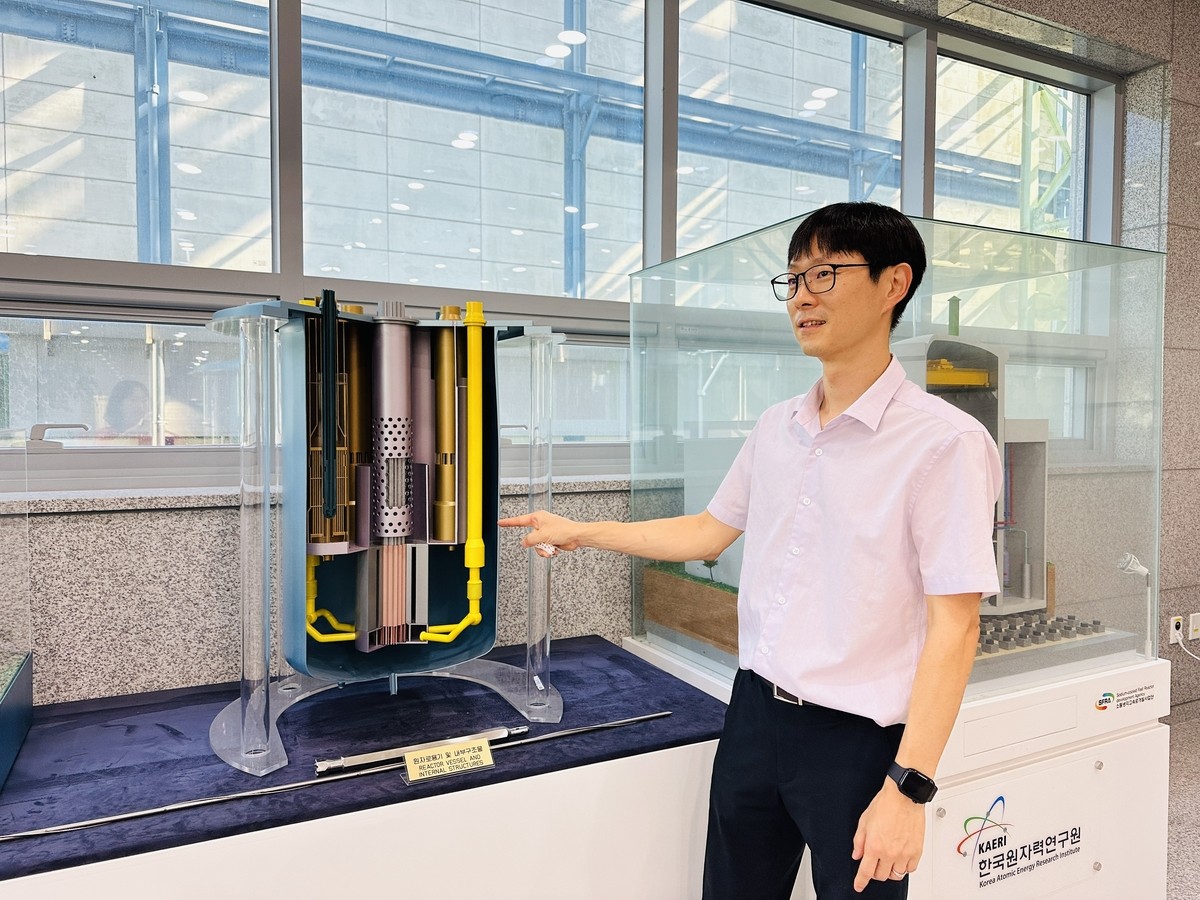
South Korea launches design of 250 MWe sodium-cooled fast reactor Helios
The Korea Atomic Energy Research Institute (KAERI), in collaboration with Hyundai Engineering & Construction and KEPCO E&C, has initiated the design of the next-generation sodium-cooled fast reactor Helios. The reactor is planned to have an electrical output of 250 MWe, based on the existing 100 MWe-class sodium-cooled fast reactor Salus-100 design, targeting large-scale power consumption applications such as AI data centers and industrial parks. Lee Je-hwan, head of the Fourth Generation Reactor Technology Development Department at KAERI, stated that future demand for large-scale carbon-free electricity around AI data centers and industrial parks...
2026-07-30
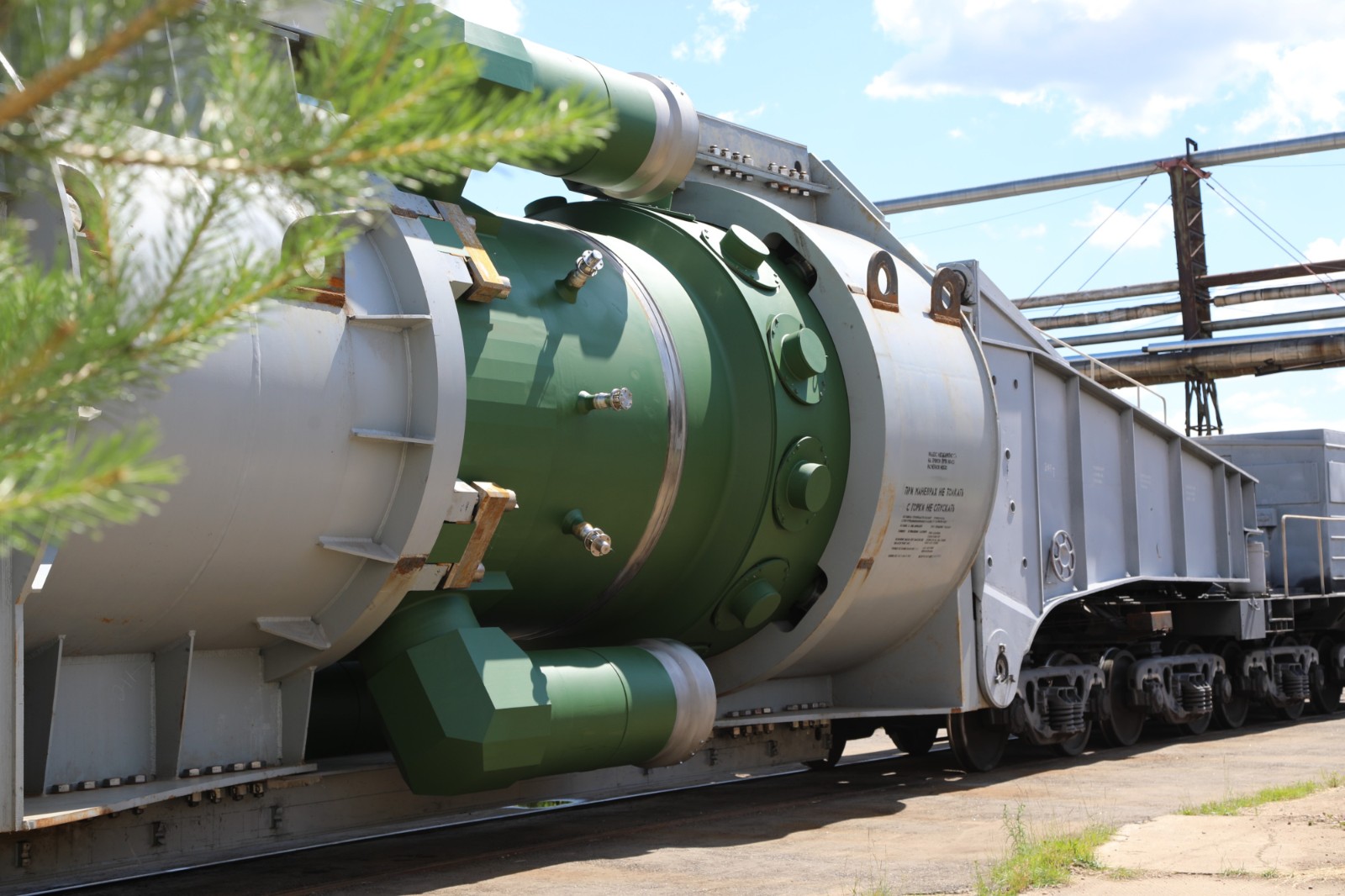
Russia Completes Manufacturing of Second RITM-200 Reactor Unit for Leningrad Nuclear-Powered Icebreaker
On July 29, Rosatom's ZiO-Podolsk Mechanical Plant in the Moscow Region completed the manufacturing of the second RITM-200 reactor unit for the Leningrad nuclear-powered icebreaker. With this, the manufacturing of all major equipment for the reactor compartment of this under-construction 22220-type universal nuclear-powered icebreaker has been fully completed. The Leningrad nuclear-powered icebreaker began construction in January 2024. The naming of the vessel is linked to the 80th anniversary of the lifting of the Siege of Leningrad, with veterans and survivors of the siege proposing that this new-generation nuclear-powered icebreaker be named Leningrad. Following Rosatom's tradition of naming reactor units, the two completed reactor units of the Leningrad have been named "Iskra" and "Grom," commemorating the operations that broke and ultimately lifted the Siege of Leningrad between 1943 and 1944.
2026-07-30

World Nuclear Association expects global large-scale nuclear power construction spending to peak between 2041 and 2045
The World Nuclear Association (WNA) expects global nuclear power industry spending to reach a phased peak between 2041 and 2045. At 2025 prices, approximately $1 trillion will be directed toward the construction of large nuclear power plants during this period. Sama Bilbao y León, Director General of the World Nuclear Association, stated that investment interest in the nuclear energy sector has significantly increased, with 50 countries having formulated relatively specific nuclear energy development plans. She believes that implementing these plans will require substantial financial support, with the required investment scale far exceeding current levels. According to the Association's estimates, in addition to large nuclear power plant construction, approximately $450 billion will be allocated globally to small modular reactor projects between 2041 and 2045, along with $84 billion for extending the operational lifetimes of existing reactors.
2026-07-30

Rosatom says 13 small reactor pressure vessels at various production stages
Rosatom Director General Alexey Likhachev recently stated that 13 small reactor pressure vessels are currently at various production stages, and the equipment will be used for nuclear-powered icebreakers and small nuclear power plant projects. Likhachev noted that the batch includes reactor pressure vessels for the Uzbekistan nuclear power plant, which is planned to start construction in 2026. He said that the simultaneous manufacturing of 13 small reactor pressure vessels is unprecedented in the history of Russia's nuclear industry. The reactor pressure vessel is one of the core components of the primary circuit of a nuclear reactor, used to house the core and related internal structures, and withstand high temperatures and pressures during operation.
2026-07-30