
Search Results
Keyword:ROSATOM

Russia's First Domestic 3D Scanner Helix Included in National Product Registry, Rosatom Completes Additive Manufacturing Technology Chain
The Russian Ministry of Industry and Trade has included the first domestically produced 3D scanner, the RangeVision Helix, in the Unified Register of Russian Electronic Products and the confirmed register of Russian-made industrial products. The registration was carried out in accordance with Russian Government Resolutions No. 878 and No. 719. Thus, the Helix has become the first and currently the only 3D scanner in Russia to be included in the aforementioned national registers. The RangeVision Helix was developed and manufactured by RangeVision, an additive manufacturing partner of Rosatom. Since 2025, the company has become the only Russian 3D scanner manufacturer included in Rosatom's additive manufacturing ecosystem...
2026-08-08
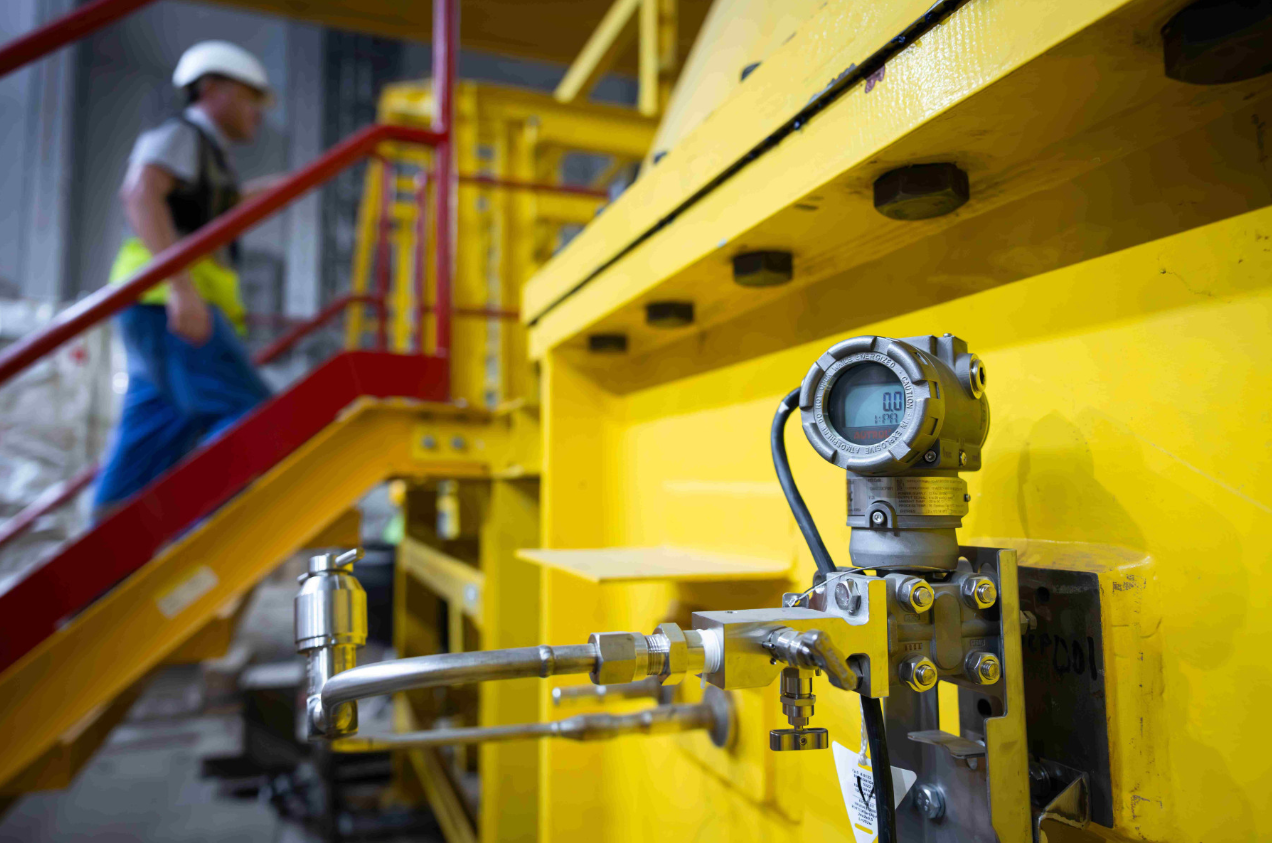
Vacuum test of the turbine condenser at Unit 1 of Akkuyu NPP successfully completed
The vacuum test of the turbine condenser at Unit 1 of Turkey's Akkuyu NPP, built by Rosatom, has been completed. The operation confirmed that the main systems of the turbine unit are ready for the next stage of commissioning. During the test, technicians established the required negative pressure in the condenser, checked the tightness of the vacuum system and the thermomechanical condition of the turbine, while monitoring parameters such as condenser vacuum, steam pressure, bearing temperatures, and thermal expansion of the casing and rotor. During the turning gear rotation of the turbine, the proper operation of the flow path (blades) was confirmed. Systems involved in the operation included: start-up boiler house boilers, vacuum system, bearing lubrication system, hydraulic jacking oil system, main turning gear, steam supply and extraction systems, as well as the equipment thermomechanical condition monitoring system.
2026-08-08
Russian nuclear power plants generate 129.6 billion kWh of electricity this year
Alexey Likhachev, CEO of Rosatom, recently stated that since the beginning of this year, Russian nuclear power plants have generated a cumulative total of 129.6 billion kWh of electricity, exceeding the target set by the Federal Antimonopoly Service of the Russian Federation by 7.8%. Likhachev noted that Russia is currently in its summer peak electricity consumption period, and nuclear power plants across the country are operating normally overall, with stable power generation and all safety requirements being met. He stated that hot weather does require operating entities to pay greater attention to cooling and heat reduction measures, but this is a seasonal factor that must be addressed in nuclear power plant operations. He pointed out that Russian nuclear power plants have fully considered different climatic conditions during their design and operation phases...
2026-08-08
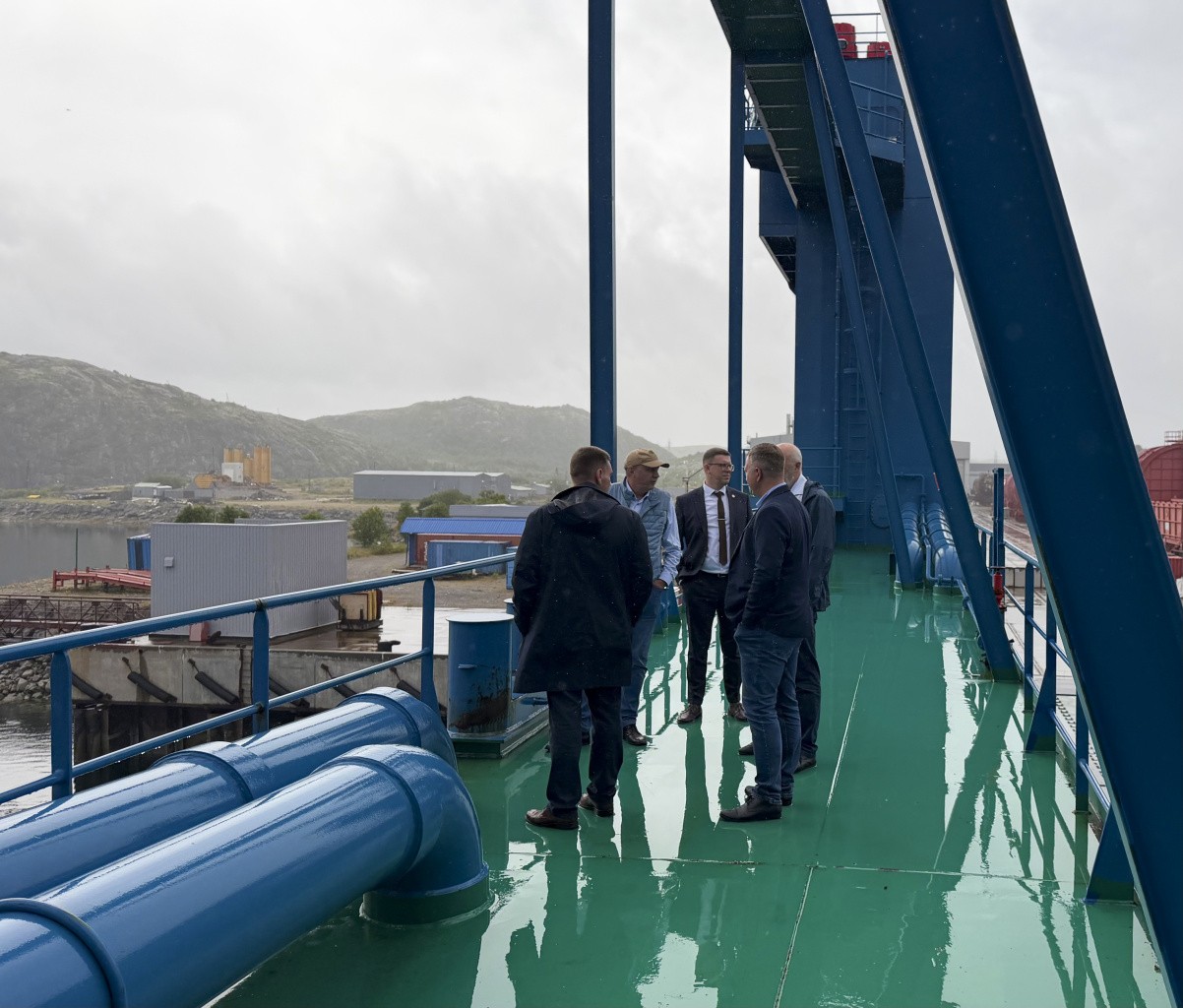
Rosatom Delegation Visits SevRAO Radioactive Waste Management Facilities
A delegation from Rosatom recently inspected the production facilities of the Northwestern Center - SevRAO, a branch of the Federal State Unitary Enterprise RADON (FSUE RADON). The delegation included Vasily Tinin, responsible for state policy on radioactive waste, spent nuclear fuel, and nuclear and radiation safety, as well as Sergey Martynenko, head of the Integrated Nuclear Submarine Decommissioning Program Office. The host side was represented by Igor Pron, Acting General Director of FSUE RADON, Dmitry Drozhilkin, Acting Director of SevRAO, and Yuri Shokhin,...
2026-08-07
Rosatom Completes First Batch of Certification for Energy Critical Information Infrastructure Products
Rosatom has recently completed the first batch of product certification for critical information infrastructure in the fuel and energy sector under the KII-Sert voluntary certification system. The certification system has been operating in Russia's nuclear energy and aerospace industries since 2024, primarily used to assess the reliability, technological independence, and sustainability of solutions related to critical information infrastructure. The certification was carried out by Atomenergoproekt JSC, part of Rosatom's engineering division. As an authorized certification body for trusted products and processes within the KII-Sert system, the company, in cooperation with the industrial testing laboratory Avtomatika-Servis LLC, certified a software and hardware system used in the oil and gas industry.
2026-08-07
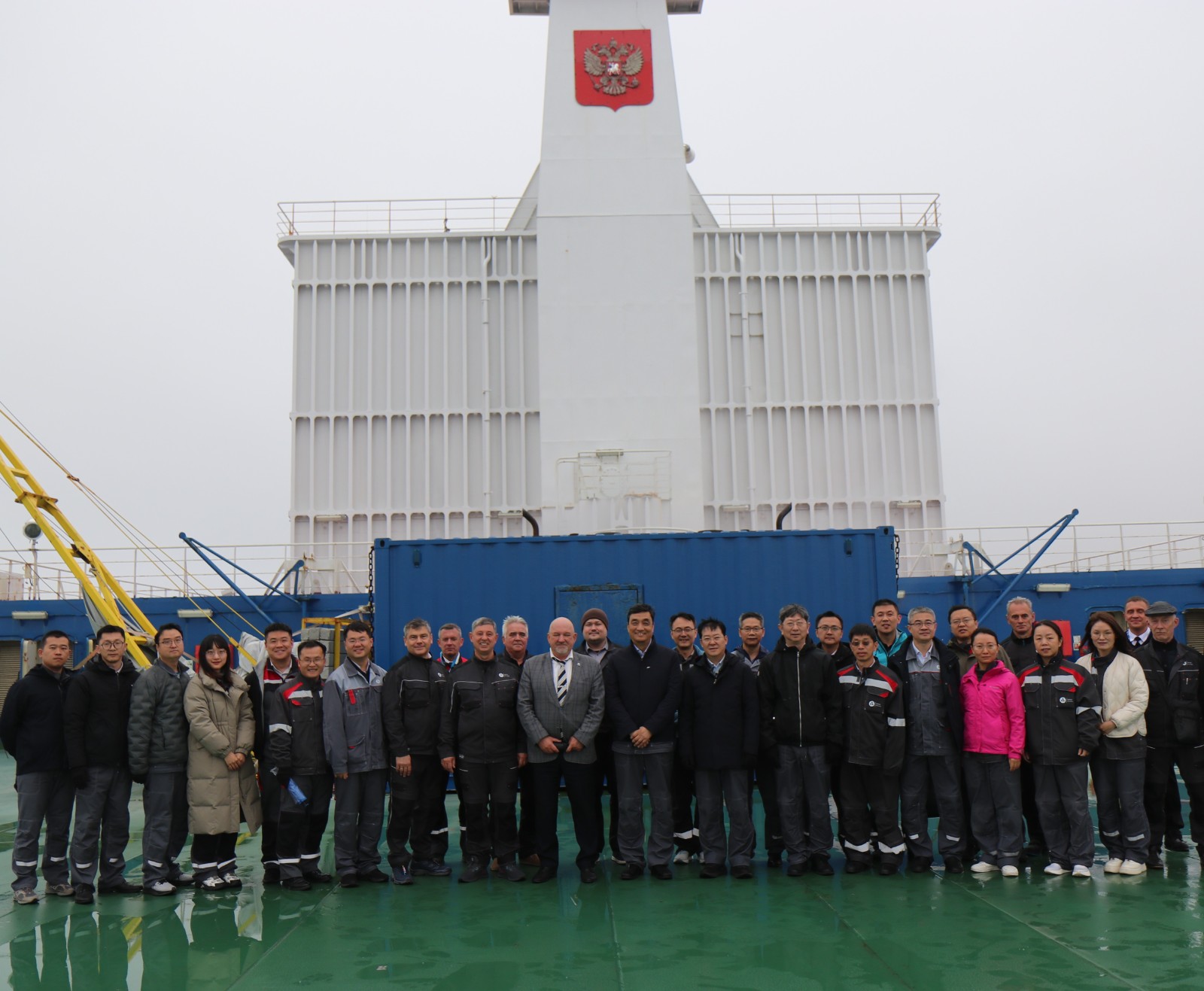
Chinese Nuclear Safety and Nuclear Industry Delegation Visits Russian Floating Nuclear Thermal Power Plant
From July 28 to 30, representatives from China's National Nuclear Safety Administration, China National Nuclear Corporation (CNNC), and the Chinese Embassy in Russia, together with officials from the Federal Service for Environmental, Technological and Nuclear Supervision of the Russian Federation (Rostechnadzor), jointly visited the floating nuclear thermal power plant located in Pevek, Chukotka Autonomous Okrug. The plant is operated by Rosenergoatom, the power generation division of Rosatom. During the visit, the delegation inspected the floating power unit and onshore facilities, and learned about the operation of key equipment. Chinese experts focused on spent fuel storage, refueling procedures, and related equipment configurations...
2026-08-07
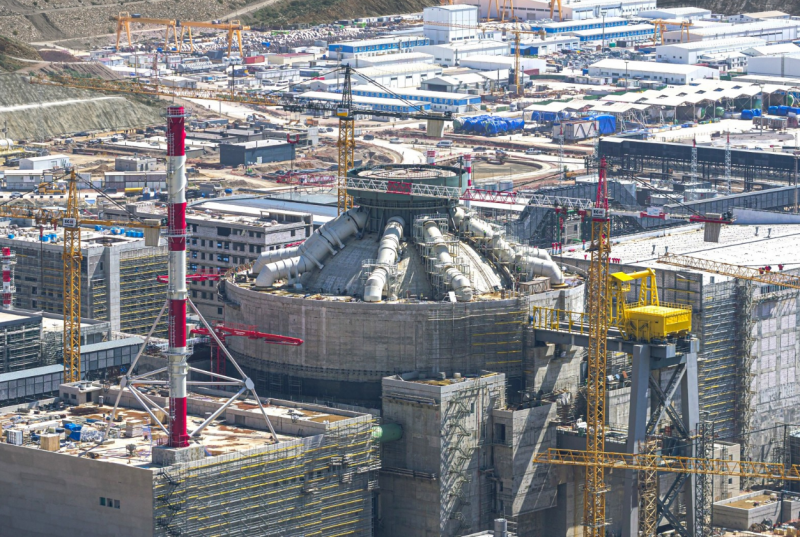
Türkiye plans to commission subsequent Akkuyu nuclear power plant units at one-year intervals
Turkish Energy Minister Alparslan Bayraktar said on August 6 that Türkiye plans to commission subsequent units of the Akkuyu Nuclear Power Plant (NPP) at one-year intervals after the first unit goes into operation. Bayraktar stated that Unit 1 of the Akkuyu NPP is scheduled to begin generating electricity by the end of the year, with work on the first reactor's commissioning currently progressing at full speed. According to Türkiye's plan, after Unit 1 enters service, the remaining units will successively enter the commissioning phase. The Akkuyu NPP is Türkiye's first nuclear power plant, constructed by Russia's State Atomic Energy Corporation (Rosatom). The project plans four units, all using Russia-designed Generation III+...
2026-08-07
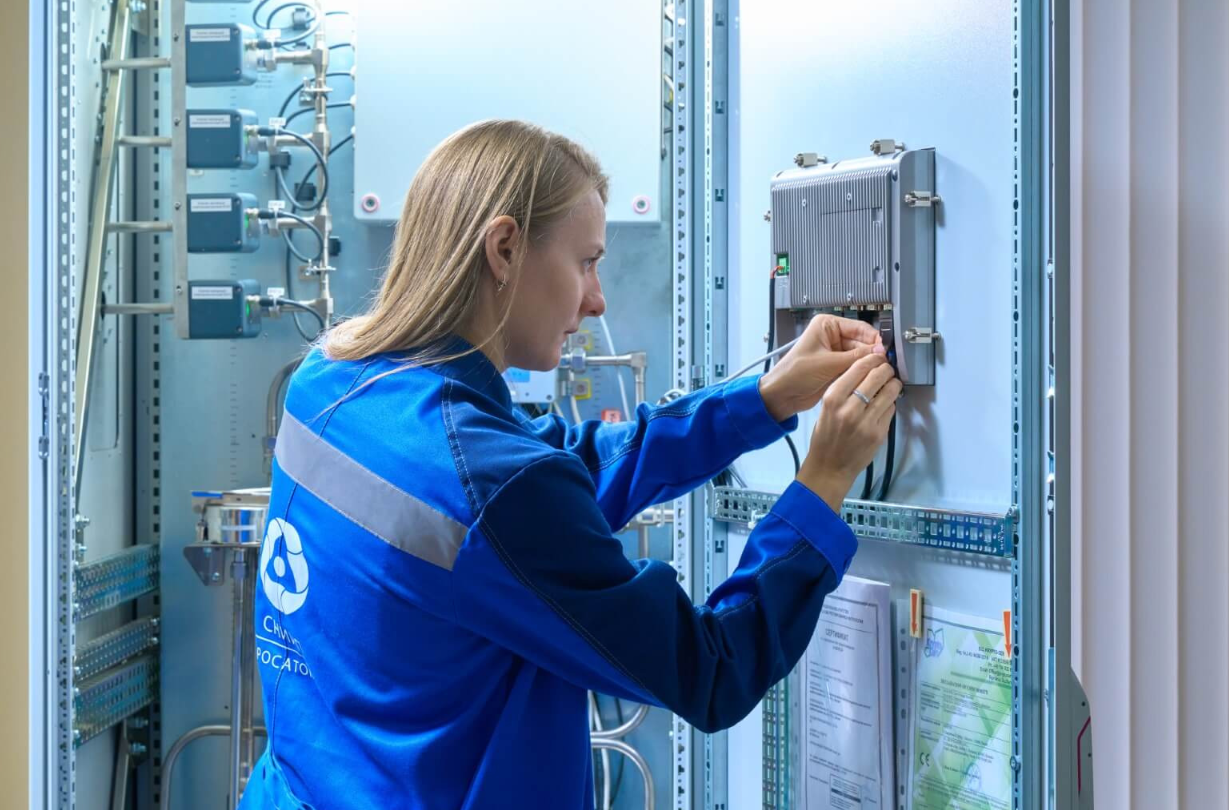
Rosatom selects SNIIP as chief design organization for radiation control systems, overseeing standardization of radiological instrumentation and import substitution assurance at nuclear facilities
Rosatom has selected the Research Institute of Scientific Instruments (SNIIP) as the chief design organization for radiation control systems. The institute, which is part of Rosatom's automation control and electrical equipment division, has been granted this status for a range of similar products in radiation control equipment and systems, including automated radiation control systems and radiation environment monitoring. SNIIP's status as chief design organization means it will be responsible for ensuring Russia's technological autonomy in this field and for developing radiation control instruments and systems. SNIIP General Director Alexey Nikitin stated that this recognition is a testament to the years of work, experience, and professional expertise of the institute's employees...
2026-08-06
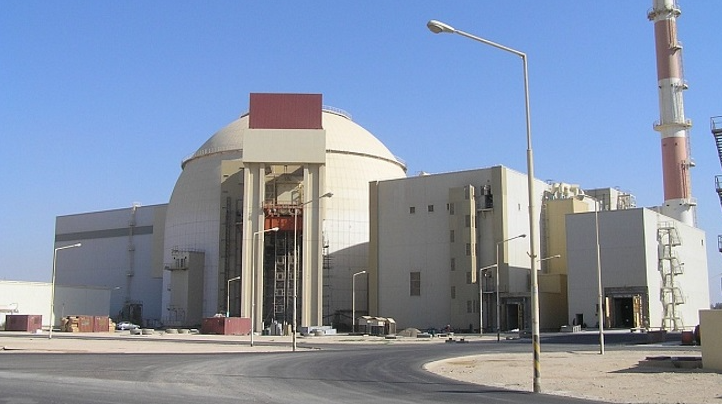
Russia Says Bushehr Nuclear Plant Expected to Operate by Next August
Sergey Kiriyenko, head of Russia's state nuclear corporation Rosatom, said the Iranian Bushehr nuclear power plant, being built by Russia, is expected to become operational by August next year, with construction progressing smoothly. Kiriyenko stated that the Bushehr plant would not threaten the nuclear non-proliferation regime in any way, and that sanctions related to Iran's nuclear program are also unrelated to the Bushehr plant. Construction of the Bushehr reactor began 15 years ago, and once completed, it will become Iran's first nuclear power plant. U.S. Secretary of State Hillary Clinton expressed surprise at the news and criticized Russia's plans to push forward with the plant's launch.
2026-08-06
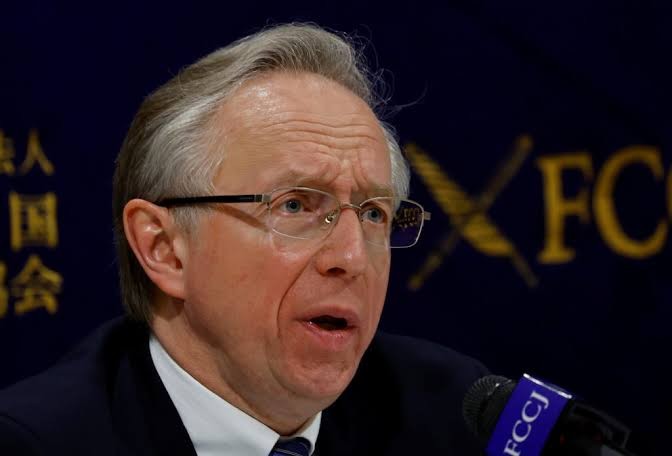
Russia Says Balkhash NPP Construction Will Boost Kazakhstan's Nuclear Energy Industry
Russian Deputy Foreign Minister Mikhail Galuzin recently stated that the construction of Kazakhstan's first nuclear power plant, the Balkhash NPP, will help the country establish a modern nuclear energy industry. Rosatom, Russia's state atomic energy corporation, is participating in the project as the lead party. Speaking at the plenary session of the Third Russia-Kazakhstan Media Forum, Galuzin said that Russia and Kazakhstan cooperate in multiple areas, with the Balkhash NPP being one of the recent collaborative projects. He noted that the plant will be built to a Russian design and, once completed, will provide a foundation for the development of Kazakhstan's nuclear energy industry. According to current plans, the Balkhash NPP project is scheduled to begin construction in 2027...
2026-08-04

Rosatom Expects Revenue of $43.2 Billion in 2026
Rosatom expects its revenue to reach $43.2 billion in 2026, driven primarily by new products, international operations, and expansion in nuclear energy, technology, and logistics. The company plans to continue scaling up in the coming years, targeting consolidated revenue of approximately $50.8 billion by 2028, with businesses related to new technologies expected to grow by about 50%. To support this growth target, Rosatom will maintain an investment program exceeding $11.4 billion, focusing on projects that yield the best financial returns. Rosatom is actively implementing cost control and efficiency improvement measures, aiming to increase productivity by 12% annually and achieve a 10% wage increase...
2026-08-03
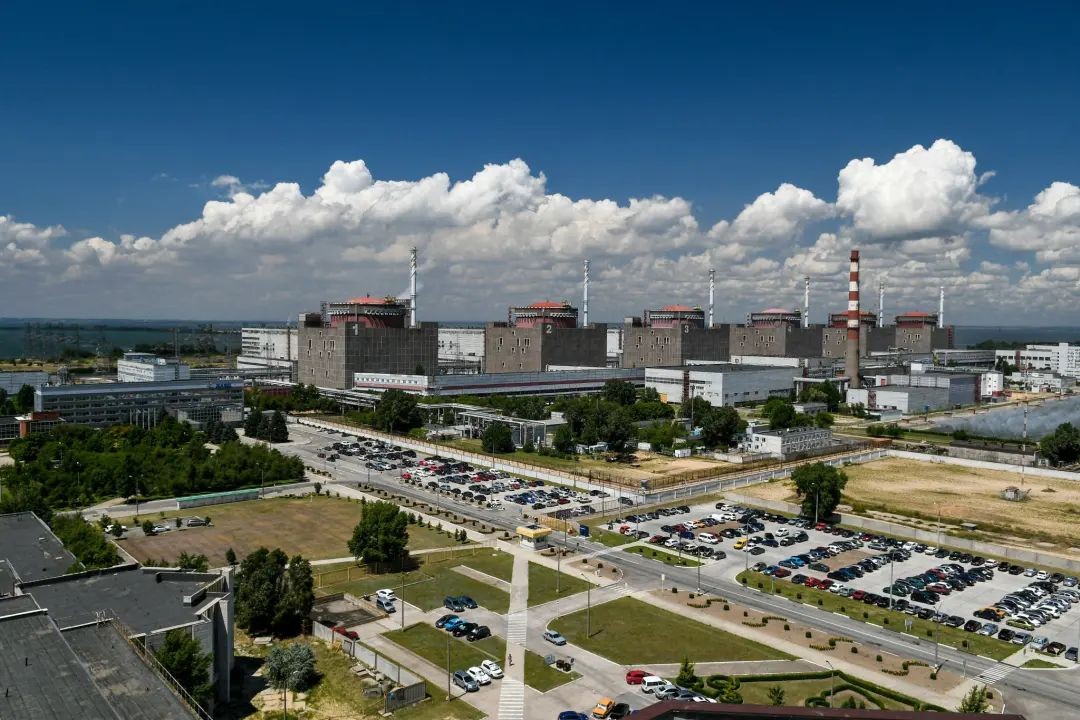
Zaporizhzhia Nuclear Power Plant currently relies on only one external power line for electricity supply
Alexey Likhachev, President of Rosatom, stated that the Zaporizhzhia Nuclear Power Plant currently obtains electricity through only one 330 kV external transmission line—Ferrosplavnaya-1—and that the instability of external power supply remains one of the main safety hazards facing the facility. According to the company's press office, Likhachev noted that the lack of a second operational external transmission line at the Zaporizhzhia NPP increases the risk to the safe operation of the plant's units. Although the plant is in a shutdown state, its safety-critical systems still require a stable power supply to ensure the continued operation of equipment related to nuclear safety...
2026-08-03
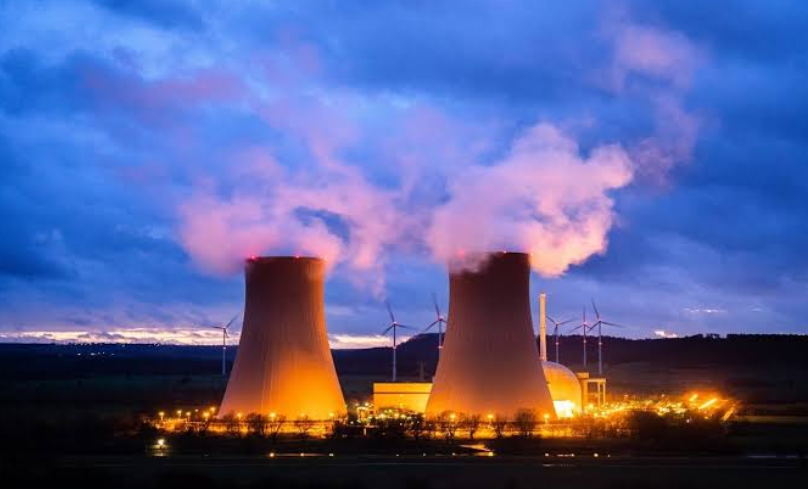
Four new units at India's Kudankulam nuclear power plant delayed by three years, cost overrun of 55% to $14.4 billion
The construction cost of four new units at the Kudankulam nuclear power plant being built by Russia's Rosatom in India has increased by 55% since 2024 due to delays. Each unit has a capacity of 1 gigawatt, and the updated total construction cost has reached 1.38 trillion Indian rupees (approximately $14.4 billion). Among them, the construction cost of Units 3 and 4 has increased by 73%, while the cost of Units 5 and 6 has risen by 40%. Russia had previously provided India with $4.2 billion in state credit for the construction of Units 3 and 4. Indian officials stated that the reasons for the delays include the impact of the COVID-19 pandemic, difficulties in the supply of specific materials and equipment, and problems faced by contractors. Despite...
2026-08-02
Russia Suspends Payments to Nuclear Agency, Redirects Funds to Rosatom
The Russian government has decided to continue suspending membership fee payments to the Nuclear Energy Agency (NEA) under the Organisation for Economic Co-operation and Development (OECD), redirecting the funds to Rosatom, Russia's state atomic energy corporation. According to the latest resolution, approximately 61.3 million rubles (equivalent to nearly $773,500) originally allocated for the 2026 NEA membership fees will be reallocated to Rosatom. This marks the second consecutive year Russia has failed to fulfill its financial obligations to the agency. As early as 2025, Moscow had already ceased paying membership fees, following the suspension of its membership. Russia's membership in the OECD Nuclear Energy Agency was suspended in May 2022, which occurred following the...
2026-08-01
German state of Lower Saxony approves production of Russian-designed VVER nuclear fuel at Lingen plant under additional strict conditions
The government of Lower Saxony in northwestern Germany has approved a nuclear project linked to Russia's state nuclear corporation Rosatom. The project, operated by French company Framatome, aims to produce Russian-designed nuclear fuel rods and fuel assemblies in the city of Lingen, with key components to be supplied by Rosatom's subsidiary TVEL. Nevertheless, to address potential security risks, particularly threats of espionage and sabotage from Russian participants, the approval was granted with strict conditions. Under the terms of the approval, employees of Rosatom and TVEL will be barred from entering the facility, except in exceptional circumstances and when accompanied by nuclear regulatory authorities. Additionally, all...
2026-07-31