
Search Results
Keyword:Russia
Rostov NPP's Self-Developed Device Cuts Instrument Calibration Cycle from 60 Days to 5 Days
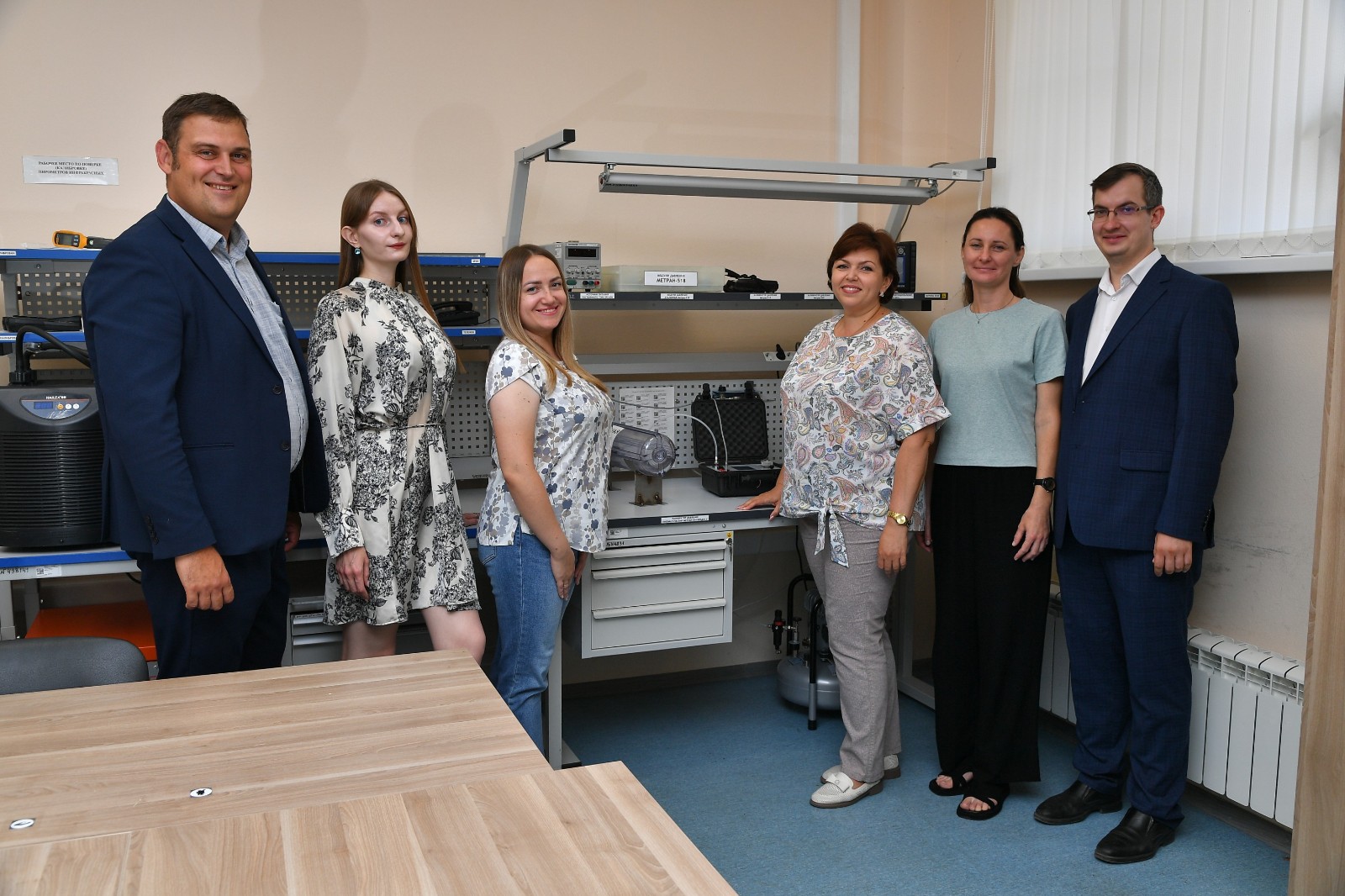
The metrology team at Russia's Rostov Nuclear Power Plant has recently developed and put into operation a device for calibrating high-precision measuring instruments, reducing the relevant instrument calibration cycle from approximately 60 working days to 5 working days—a twelvefold reduction in time. The project was completed by the plant's metrology personnel within the framework of the Rosatom Production System. Previously, some high-precision instruments at the plant requiring regular maintenance and calibration had to be sent to specialized laboratories, with the entire process involving document preparation, equipment transportation, cargo escort, and coordination with external personnel, typically taking about two months. With the new device in operation, calibration work can now be...
2026-08-11
Rosatom launches project to bring medical students to closed nuclear cities
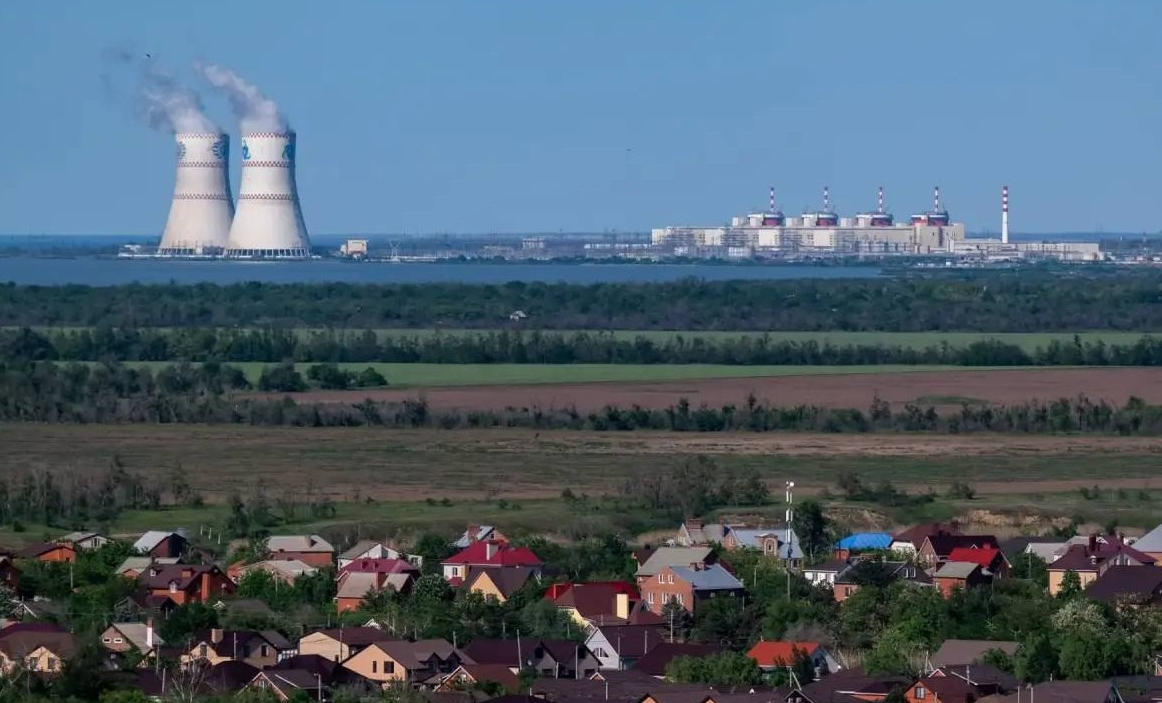
Rosatom and the Russian Student Teams (RSO) will launch a new medical project in Russia's closed nuclear cities starting in 2027, attracting medical students to work there. Mikhail Kiselev, Chairman of the RSO Supervisory Board and State Duma deputy, announced this to reporters at an event at the Siberian Chemical Combine. Kiselev stated: Starting next year, we plan to launch a large-scale medical project in nuclear cities together with Rosatom, the Russian Student Teams, the Federal Medical-Biological Agency, the Russian Youth Affairs Agency, and the Russian Ministry of Health. This will help systematically attract medical students...
2026-08-11
Unit 2 of Leningrad Nuclear Power Plant Phase II automatically shut down for equipment maintenance
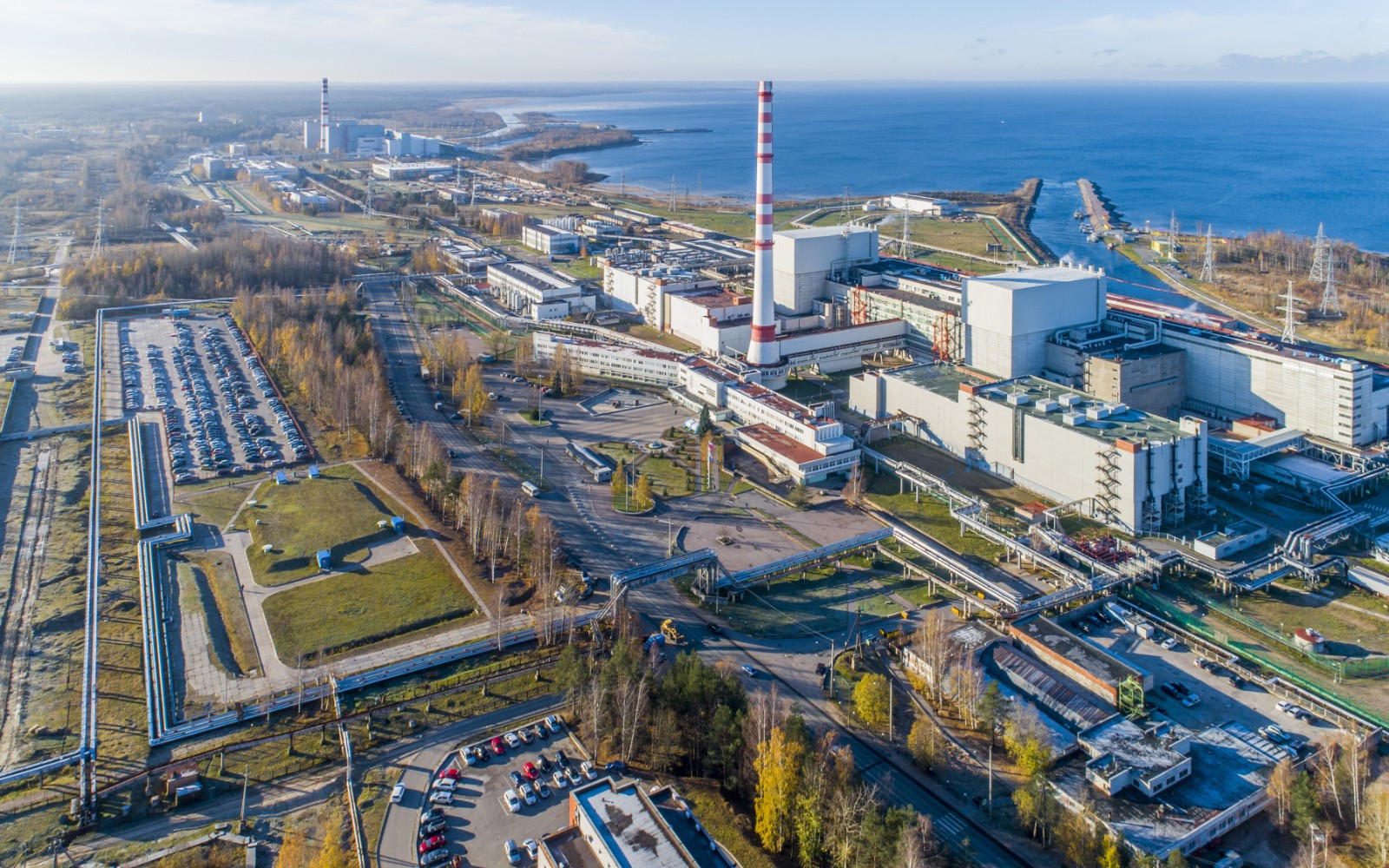
At 21:45 local time on August 8, 2026, Unit 2 of Leningrad Nuclear Power Plant Phase II was shut down by the automatic system due to the need for thermal-mechanical equipment maintenance. After the maintenance work is completed, the unit will be reconnected to the grid. The shutdown was carried out in accordance with established procedures and design logic. The plant reported no violations of safe operation limits or operating conditions for any of the units. Currently, RBMK-1000 Units 3 and 4 of Leningrad Nuclear Power Plant, as well as Unit 1 of Phase II, are operating normally and carrying electrical loads in accordance with the dispatch schedule. RBMK-1000 Units 1 and 2 are in the preparation stage for decommissioning...
2026-08-10
Russian Far East nuclear submarine base adds anti-drone nets, unmanned equipment protection prompts adjustments across multiple platforms
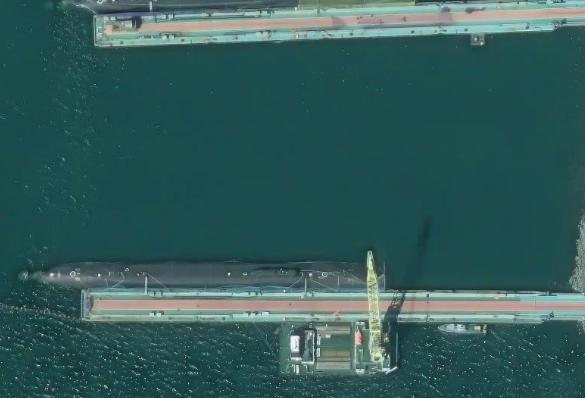
Satellite imagery shows Russia has installed anti-drone protective nets over multiple nuclear submarines at the Vilyuchinsk naval base on the Kamchatka Peninsula. The base hosts the Pacific Fleet's nuclear submarine deployment. A total of eight moored submarines are covered by the protection, including Borei-class and Borei-A-class ballistic missile submarines, as well as Oscar-class, Yasen-class, and Akula-class attack submarines. The protective installations consist mainly of L-shaped steel frames along the piers and retractable netting. When submarines are berthed, the nets can cover the upper hull; before submarines depart port, the netting is rolled up and stowed. Such facilities cannot withstand long-range cruise drones or heavy missile strikes, but can provide a degree of physical shielding against low-cost threats such as small FPV drones and improvised unmanned devices. The Russian side has also deployed double-layer floating barriers on the outer side of the mooring area to prevent unmanned surface vessels from entering the harbor.
2026-08-10
Russian Ambassador Says Willing to Transfer Civilian Nuclear Technology to Morocco, Covering Power Generation, Seawater Desalination, Nuclear Medicine, and Agriculture
New directions are emerging in Morocco-Russia economic and technical cooperation, with both sides intending to expand the scope of collaboration from traditional energy sectors to strategic industries such as civilian nuclear technology, seawater desalination, medicine, and agriculture. Russia's Ambassador to Morocco, Igor Belyaev, stated that Russia is willing to share civilian nuclear technology expertise with Morocco, a remark indicating that bilateral cooperation may extend from equipment supply and energy projects to more technology-intensive comprehensive partnerships. This development is closely linked to Morocco's current needs. In recent years, Morocco has continuously promoted the diversification of energy sources and accelerated efforts to address water scarcity, with seawater desalination having become a...
2026-08-10

Belarusian NPP safe operation period may be extended to 100 years, with first spent fuel to be shipped to Russia for reprocessing in 2034
Stanislav Levitsky, head of the Rosatom representative office in Belarus, stated on the "Economic Environment" program of Belarusian TV Channel One that Belarusian nuclear energy development is backed by comprehensive safety assurances. He emphasized that while nuclear facilities can indeed have serious consequences if mismanaged, under the existing risk control system and modern technological support at the Belarusian NPP, nuclear power can become a low-cost, stable, and safe energy source. Levitsky believes that amid intense competition in the energy sector, some irresponsible players may use information tactics to create anxiety and attempt to provoke panic among the public...
2026-08-10
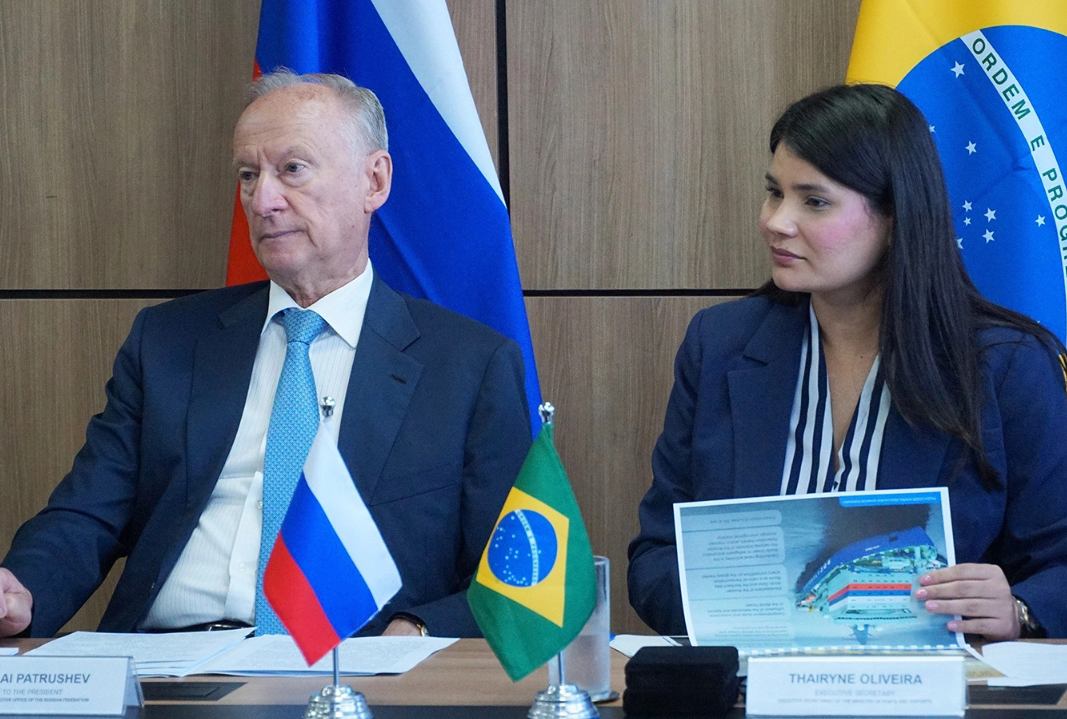
Russian Small Nuclear Technology May Help Power Remote Regions of Brazil
Nikolai Patrushev, aide to the Russian President and Chairman of the Maritime Board, stated during talks held in Brasilia on August 7 that Russia's accumulated experience in the field of low-power nuclear energy is expected to be valued by Brazil. He noted that given Brazil's ongoing development of its own ship-based nuclear reactors, relevant Russian technologies and engineering expertise could serve as a reference in this process. Patrushev mentioned that potential bilateral cooperation is not limited to ship-based reactors, but may also extend to areas such as small nuclear power plants and floating nuclear power units. Among these, the Elena-M small nuclear power plant and floating energy devices deployable in water areas or coastal regions are regarded as suitable for long-term,...
2026-08-10
Russian University Proposes Rapid Simulation Method for Plasma Ion Parameters
Researchers from the HSE University and the Moscow Institute of Physics and Technology have developed a simple analytical method for calculating the behavior of heavy ions in helium under strong electric fields. The findings have been published in Physica Scripta. Plasma is a gas composed of charged particles such as electrons, negative ions, and positive ions, typically quasi-neutral and highly conductive. In addition to fluorescent lamps and welding arcs, plasma also exists in controlled nuclear fusion devices such as tokamaks. Atmospheric plasma jets can also be used for wound disinfection, work surface cleaning, and improving crop seed performance. In plasma jet research, scientists...
2026-08-10
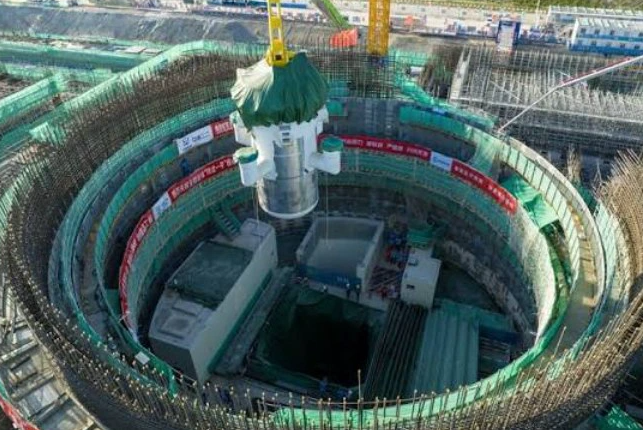
Russia Offers Brazil Nuclear Technology Cooperation and Small Modular Reactor Projects, Including Floating Nuclear Power Plants and Arctic/Antarctic Scientific Research
During his visit to Brazil, Nikolai Patrushev, aide to the Russian President and head of Russia's Maritime Board, proposed cooperation initiatives involving nuclear energy, scientific research, and maritime security to the Lula administration. This agenda indicates that Brazil continues to pursue a relatively autonomous diplomatic approach in its relations with major powers, while seeking to expand external cooperation space in areas such as energy transition, defense technology, and protection of maritime rights. In the nuclear energy sector, the Russian side focused on promoting small nuclear reactors and low-power nuclear technologies, including the Elena-M small nuclear power plant and floating offshore power generation units. The Russian side described these technologies as capable of long-term operation, relatively cost-effective...
2026-08-08

Russia Advances Rare Earth Extraction Technology Using Hyperaccumulator Plants, Plans Field Trials
August 7 news - Russian researchers have developed a technology for extracting rare earth metals using hyperaccumulator plants. The technology involves planting crops such as mustard, buckwheat, and sunflower at engineered landfill sites, allowing them to absorb metal elements from the soil and concentrate them in their biomass; after harvest, the plants are incinerated, and valuable elements are extracted from the ash. Mustard plantation. Photo: Pustovoit All-Russian Research Institute of Oil Crops. According to reports, under natural conditions in Russia, the relevant crops can be harvested two to three times per growing season. Estimates indicate that a single landfill site can yield up to 15 tons of rare earth metals annually. Currently, the laboratory has conducted tests using phosphogypsum waste from the Voskresensk and Balakovo areas, as well as loparite from the Lovozersky Mining and Processing Plant. The project plans to conduct field trials under real-world conditions this year, with pilot planting scheduled for next year.
2026-08-09
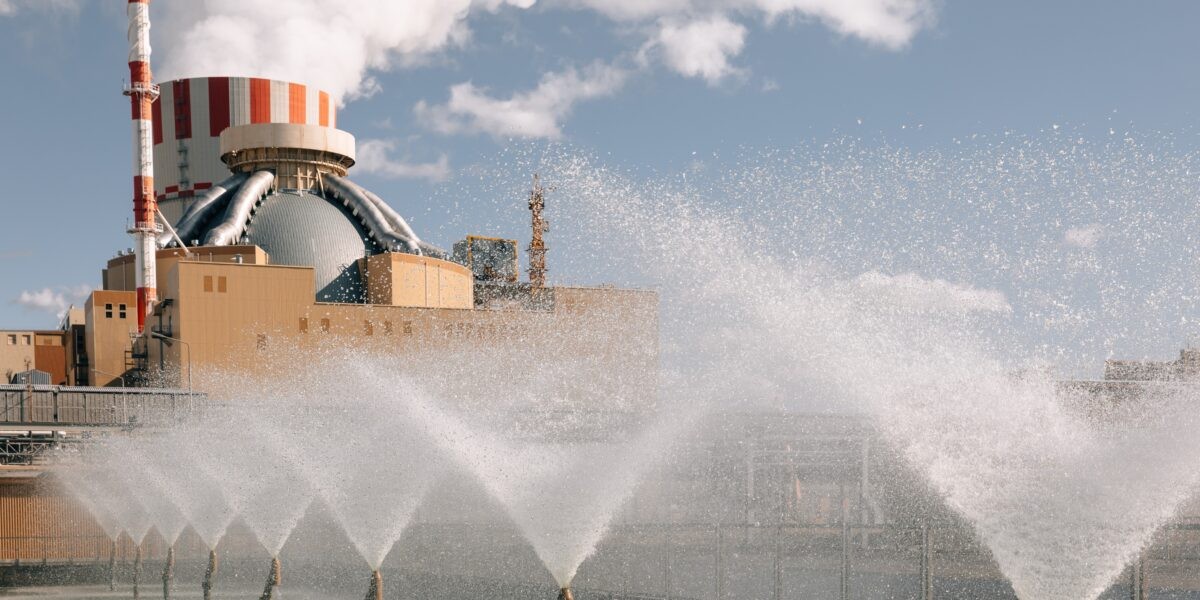
Rosatom Says Russian Nuclear Plants Operate Stably During Summer Heat
In response to recent operational pressures faced by foreign nuclear power plants due to high temperatures and low water levels, Alexey Likhachev, CEO of Rosatom, stated that Russian nuclear power plants are operating normally during the summer peak electricity demand period, with stable power generation. Likhachev said that hot weather does require nuclear plant operators to pay more attention to the condition of cooling systems, but for Russian nuclear plants, this is a normal seasonal factor. Russian nuclear power plants have incorporated significant climate fluctuations, including extreme weather scenarios, into their design and operational phases. He stated that Rosatom has experience in...
2026-08-09
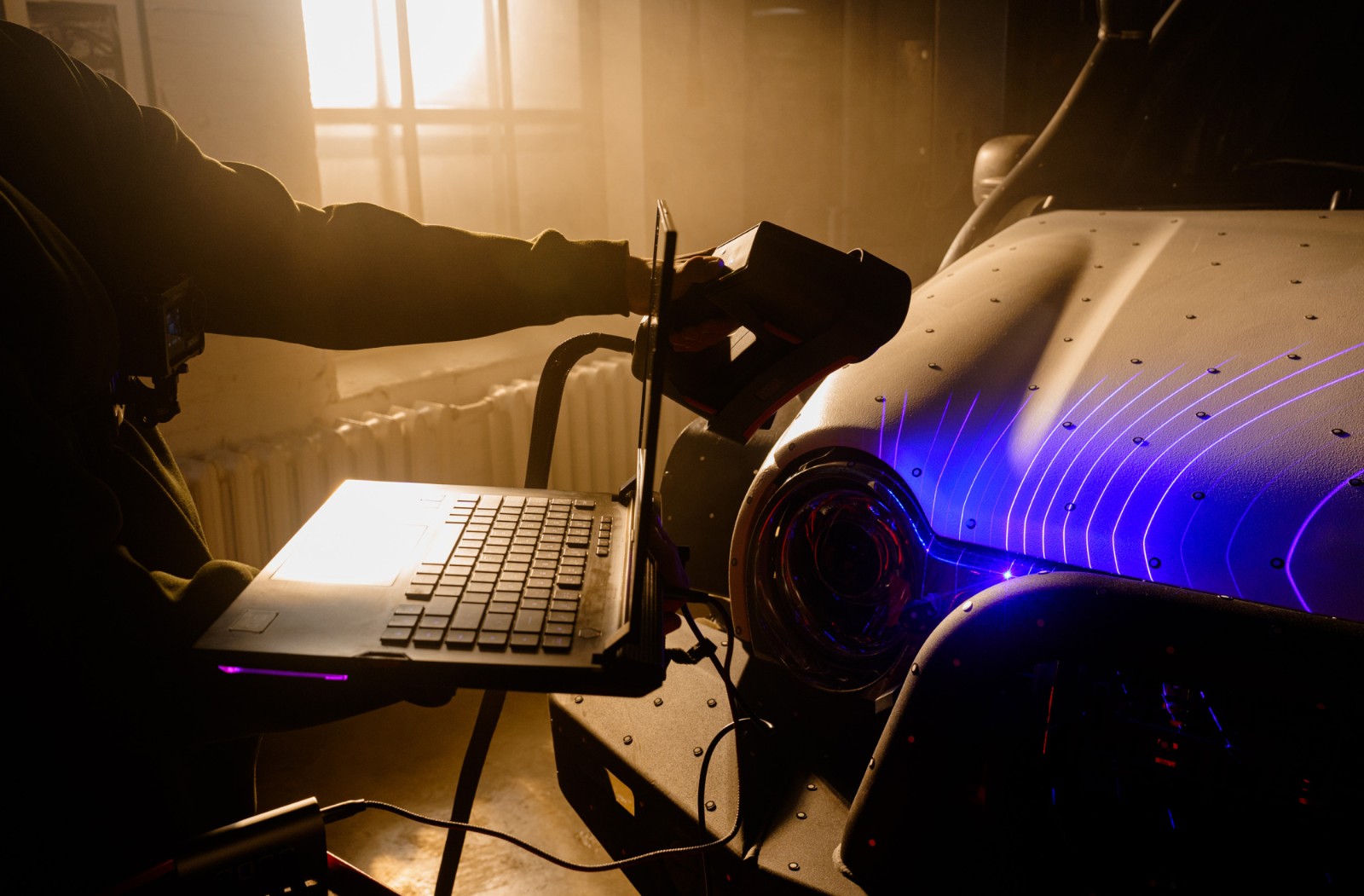
Russia's First Domestic 3D Scanner Helix Included in National Product Registry, Rosatom Completes Additive Manufacturing Technology Chain
The Russian Ministry of Industry and Trade has included the first domestically produced 3D scanner, the RangeVision Helix, in the Unified Register of Russian Electronic Products and the confirmed register of Russian-made industrial products. The registration was carried out in accordance with Russian Government Resolutions No. 878 and No. 719. Thus, the Helix has become the first and currently the only 3D scanner in Russia to be included in the aforementioned national registers. The RangeVision Helix was developed and manufactured by RangeVision, an additive manufacturing partner of Rosatom. Since 2025, the company has become the only Russian 3D scanner manufacturer included in Rosatom's additive manufacturing ecosystem...
2026-08-08
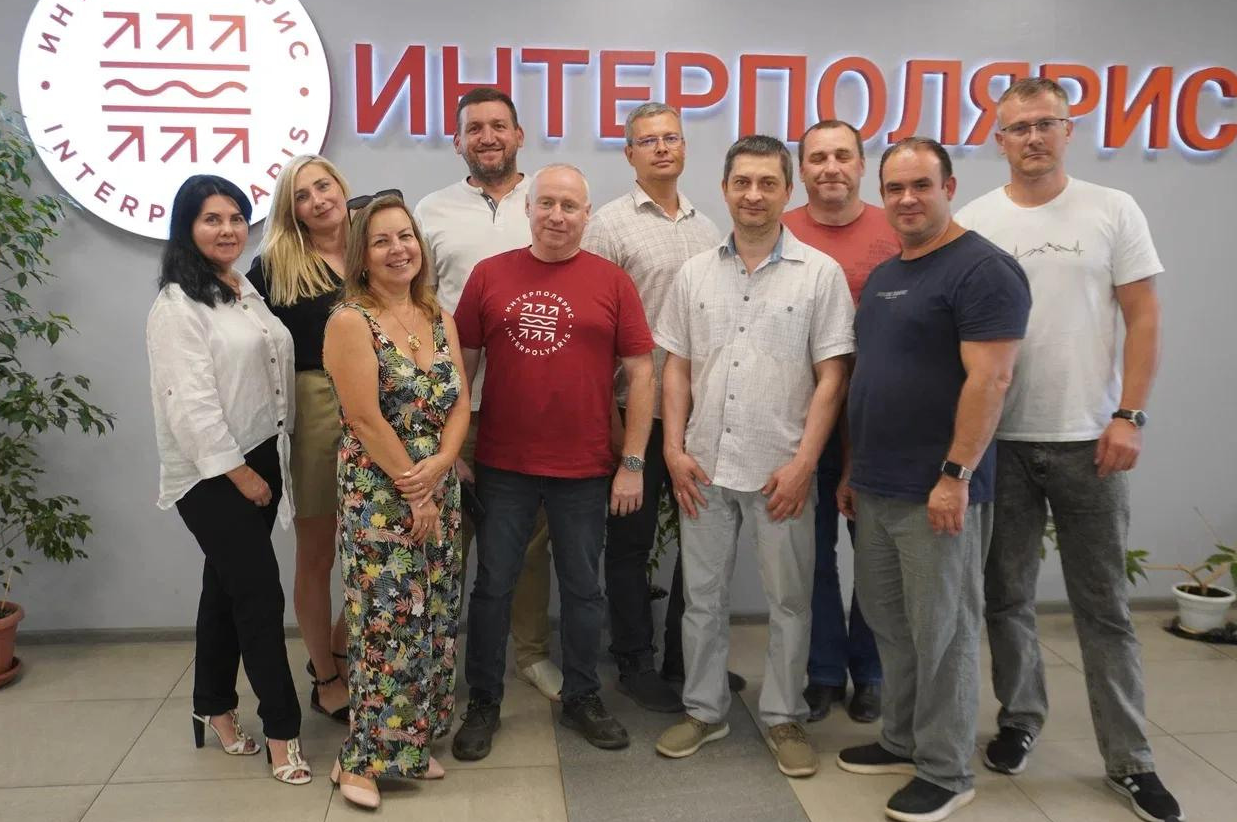
Russian Company InterPolaris Completes Testing of Heat Exchangers and Mechanical Filters for Nuclear-Powered Icebreakers
Russian company InterPolaris has achieved a significant milestone in the manufacturing project of equipment for nuclear-powered icebreakers, successfully completing tests on two shell-and-tube heat exchangers and two mechanical filters. These units are designed for the specific operating environment of nuclear-powered icebreakers, and passing the tests means the products meet design requirements in terms of strength, sealing, stability, and long-term service capability. The shell-and-tube heat exchangers that passed verification are primarily used to heat water containing decontamination solutions using heating steam. Although this is a common heat exchange process in principle, in the icebreaker application scenario, the equipment must meet requirements far exceeding ordinary industrial standards. This horizontally arranged equipment is designed with consideration for continuous operation under prolonged ship listing conditions, with fixed structures capable of withstanding loads from various directions, and is required to maintain stable parameters and reliable sealing under complex sea conditions and operating regimes.
2026-08-09

Vacuum test of the turbine condenser at Unit 1 of Akkuyu NPP successfully completed
The vacuum test of the turbine condenser at Unit 1 of Turkey's Akkuyu NPP, built by Rosatom, has been completed. The operation confirmed that the main systems of the turbine unit are ready for the next stage of commissioning. During the test, technicians established the required negative pressure in the condenser, checked the tightness of the vacuum system and the thermomechanical condition of the turbine, while monitoring parameters such as condenser vacuum, steam pressure, bearing temperatures, and thermal expansion of the casing and rotor. During the turning gear rotation of the turbine, the proper operation of the flow path (blades) was confirmed. Systems involved in the operation included: start-up boiler house boilers, vacuum system, bearing lubrication system, hydraulic jacking oil system, main turning gear, steam supply and extraction systems, as well as the equipment thermomechanical condition monitoring system.
2026-08-08
Russian nuclear power plants generate 129.6 billion kWh of electricity this year
Alexey Likhachev, CEO of Rosatom, recently stated that since the beginning of this year, Russian nuclear power plants have generated a cumulative total of 129.6 billion kWh of electricity, exceeding the target set by the Federal Antimonopoly Service of the Russian Federation by 7.8%. Likhachev noted that Russia is currently in its summer peak electricity consumption period, and nuclear power plants across the country are operating normally overall, with stable power generation and all safety requirements being met. He stated that hot weather does require operating entities to pay greater attention to cooling and heat reduction measures, but this is a seasonal factor that must be addressed in nuclear power plant operations. He pointed out that Russian nuclear power plants have fully considered different climatic conditions during their design and operation phases...
2026-08-08