
Search Results
Keyword:Shin
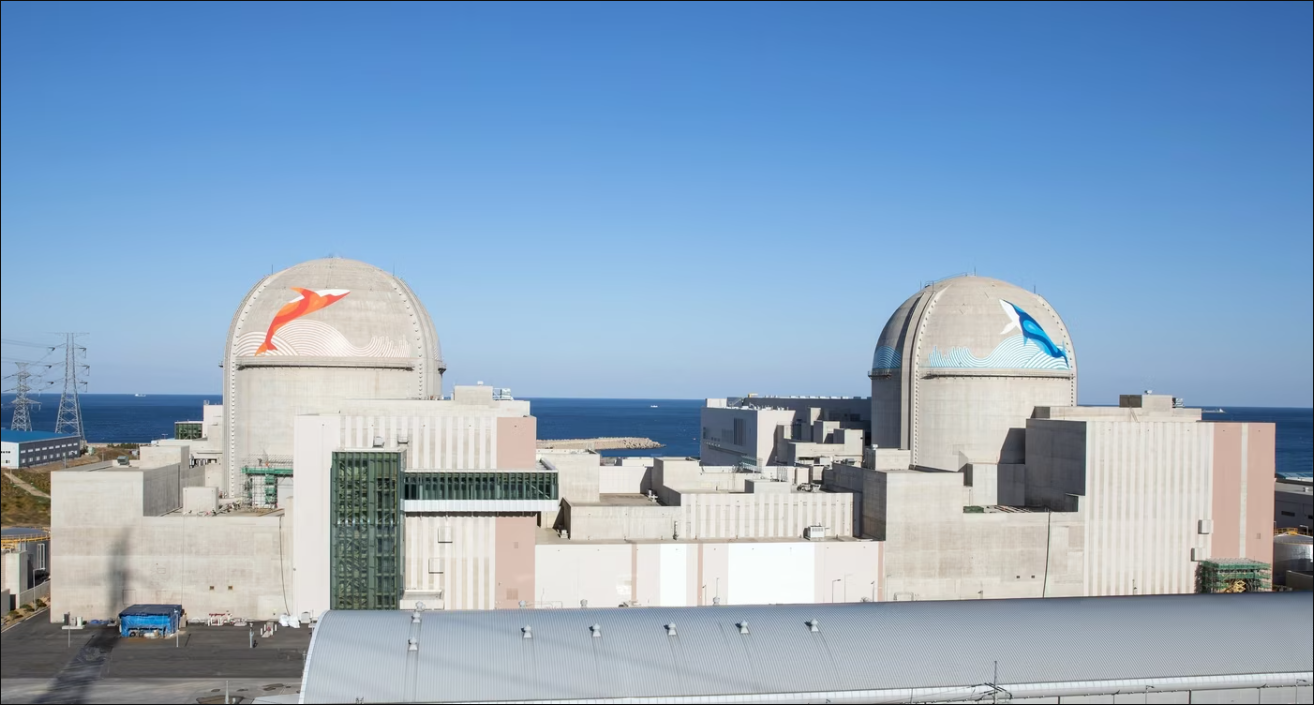
Boric Acid Leakage During Spent Fuel Transfer Preparation at South Korea's Hanul Nuclear Power Plant
Hanul Nuclear Power Plant in Uljin County, North Gyeongsang Province, South Korea, recently disclosed that at 10:16 a.m. on the 3rd, a boric acid solution leakage incident occurred in the auxiliary building of Unit 2 at Shin Hanul Nuclear Power Plant. The incident happened while workers were preparing to transfer spent fuel from a transport container in the spent fuel loading pool to the spent fuel storage pool, and the preliminary cause has been attributed to improper on-site operations. Boric acid solution is used in spent fuel storage-related operations. As the solution is associated with the spent fuel storage environment, it carries radioactive management attributes. Hanul Nuclear Power Plant stated that leakage containment measures were immediately taken after the leak occurred, and the leaked material was collected in the decontamination area and recovered to the controlled area...
2026-08-28
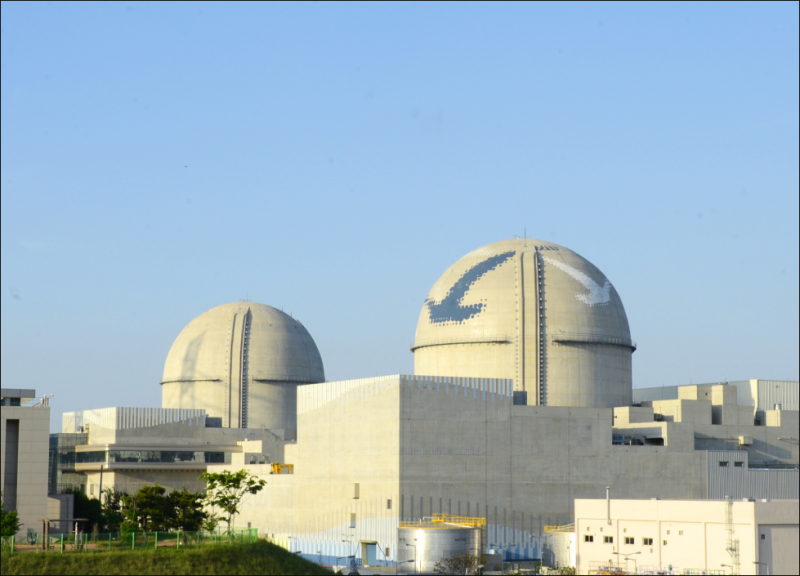
Korea's Shin-Kori Unit 1 Reaches Full Power After Scheduled Maintenance
Korea Hydro & Nuclear Power (KHNP) announced that Shin-Kori Unit 1 reached 100% rated power at approximately 3:07 a.m. on the 26th. The unit is a 1,400 MW-class pressurized water reactor. Shin-Kori Unit 1 began its sixth scheduled preventive maintenance on July 2 and resumed power generation on July 23. During the maintenance period, the unit underwent statutory inspections as required by Korea's Nuclear Safety Act. Shin-Kori nuclear power plant stated that this maintenance included nuclear fuel replacement, as well as maintenance and inspection of major equipment and facilities to enhance the safety and reliability of the power generation facility....
2026-08-26
South Korea Approves Restart of Shin-Kori Unit 1
The Nuclear Safety and Security Commission (NSSC) of South Korea announced on August 21 that it has approved the restart of Shin-Kori Unit 1, located in Ulju County, Ulsan. The unit has been under routine inspection since July 2. On the same day, the commission approved the unit to reach criticality. Criticality refers to the state in which a sustained nuclear fission chain reaction can be maintained within the reactor core, with a balanced neutron population. Once criticality is achieved, the reactor can gradually resume operation under safely controlled conditions. The NSSC stated that this routine inspection involved 98 inspection items required before the reactor could reach criticality, of which 86 have been completed, confirming that the unit meets the conditions for safely achieving criticality.
2026-08-22
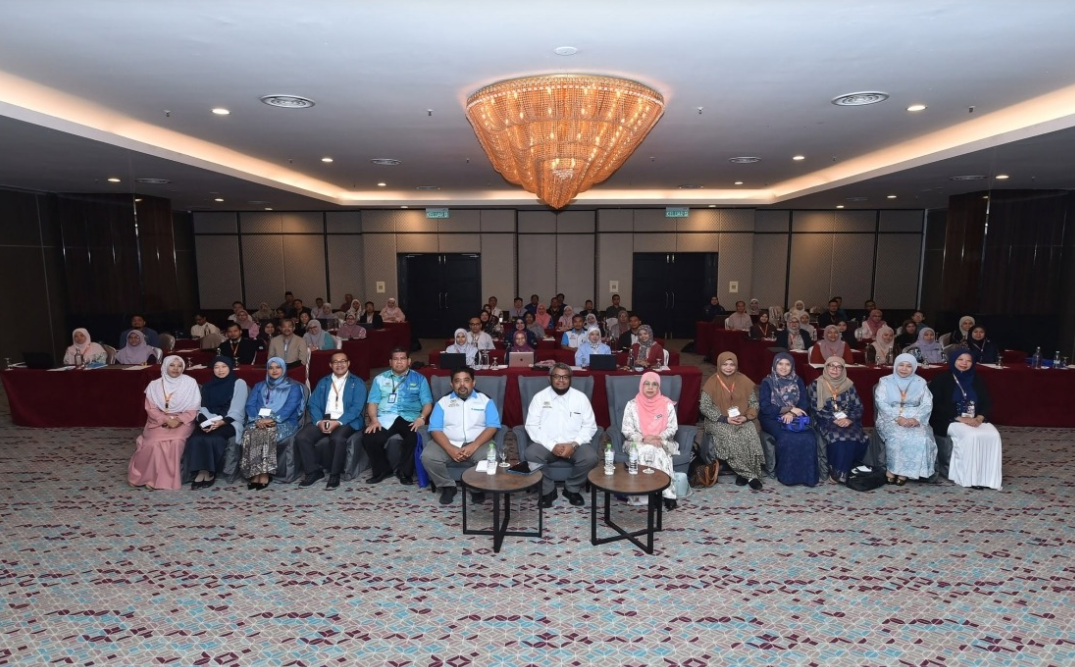
Malaysian Nuclear Agency Strengthens Scientific Writing Training to Promote Dissemination of Nuclear Technology Research Outcomes
On August 18, the Malaysian Nuclear Agency stated that it will continue to enhance the scientific writing and publishing capabilities of its professionals and technical staff, driving research outcomes out of the laboratory to serve society and national development in a broader manner. Dr. Muhamad Rawi Mohamed Zin, Director General of the Malaysian Nuclear Agency, said at the opening of the 2026 Scientific Writing and Publishing Seminar and Workshop that scientific publications are a key indicator of whether research outcomes can promote knowledge advancement, solve practical problems, and create value for national development. High-quality publishing not only helps demonstrate research impact but also enables scientific outcomes to be shared, understood, and applied by a wider audience. This seminar...
2026-08-19
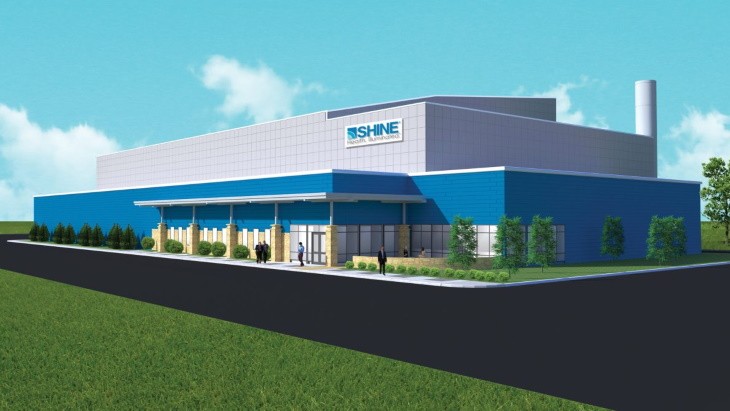
SHINE Advances Commercial Spent Fuel Recycling Facility Construction
U.S. electricity demand is growing at a rate rarely seen in decades, and nuclear energy is considered one of the key options to meet the incremental demand. Meanwhile, the current open nuclear fuel cycle still treats spent fuel primarily as single-use waste, failing to fully utilize most of the energy potential that remains within it. SHINE Technologies is developing spent fuel recycling technologies and plans to build a facility with spent fuel recycling capabilities. The company stated that multiple collaborations funded by the U.S. Department of Energy's Advanced Research Projects Agency-Energy (ARPA-E) CURIE program are advancing the work from validated laboratory-scale chemical processes toward commercial scale...
2026-08-19
SHINE Joins GE Vernova-Led Project to Modernize Nuclear Fuel Reprocessing Materials Accountability
SHINE Technologies (SHINE) announced on August 18 that it has joined a nuclear fuel reprocessing materials management project led by GE Vernova (GE Vernova), with both parties collaborating on tracking, measurement, and nuclear materials accountability of spent fuel during the reprocessing process. The project is led by GE Vernova's Advanced Research Center and funded by the U.S. Department of Energy's Advanced Research Projects Agency-Energy (ARPA-E), with the goal of introducing artificial intelligence technologies into reprocessing facilities to improve real-time monitoring of spent fuel flow and the efficiency of nuclear materials accounting. As a subcontractor to GE Vernova, SHINE will participate in improving sensor deployment schemes and developing an AI-supported materials tracking system, ensuring that nuclear materials control and accountability requirements are incorporated into the overall design at the early stages of reprocessing facility development.
2026-08-19
SHINE to Advance Spent Fuel Recycling Separation Technology with Argonne National Laboratory and Others
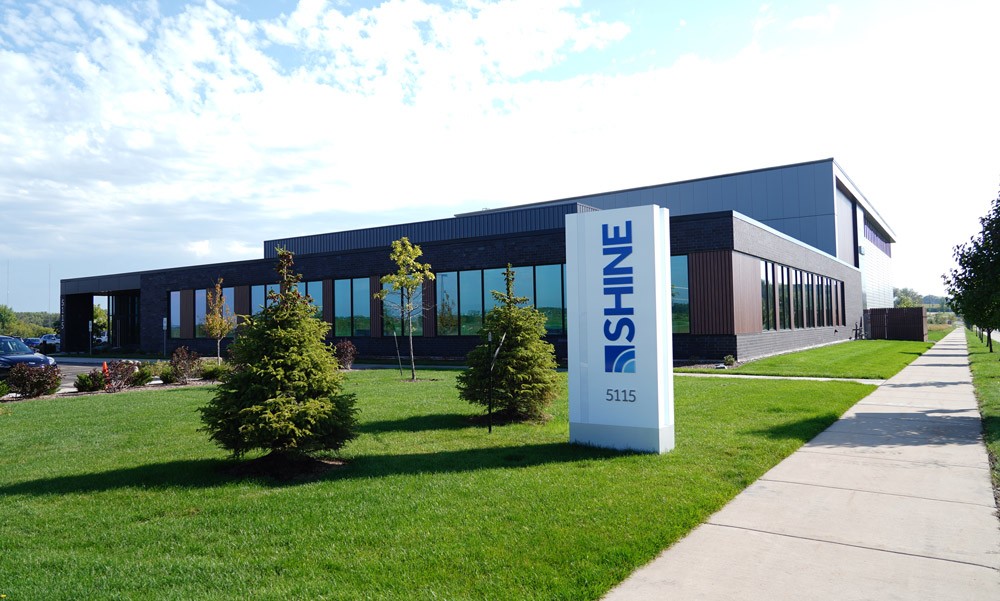
On August 18, fusion energy company SHINE announced that it will collaborate with the U.S. Department of Energy's Argonne National Laboratory and Case Western Reserve University to apply high-throughput chemical separation technology to the nuclear fuel recycling process it is currently developing. The collaboration is carried out under the CURIE program of the U.S. Department of Energy's Advanced Research Projects Agency-Energy (ARPA-E), with additional funding led by Case Western Reserve University, and SHINE participates as a subcontractor. Spent fuel is often referred to as nuclear waste, but it retains approximately 90% of its energy potential while containing multiple reusable byproducts. In recent years, federal programs and private investment in the United States have driven renewed interest in spent fuel recycling. Argonne National Laboratory is developing a new chemical processing device called "Packed Centrifugal Equipment for Radiochemical Separation," abbreviated as PaCERS. The device generates centrifugal force exceeding normal gravity conditions through high-speed rotation to improve chemical separation efficiency, and reduces costs across multiple stages of nuclear fuel recycling through higher throughput and lower solvent usage.
2026-08-19
Solaris Invests in Deployable Energy, Pushing "Unity" Transportable Microreactor Toward Commercial SMR
Houston-based advanced nuclear startup Deployable Energy (CEO Bobby Gallagher, former Australian Army/offshore drilling background) has reached a strategic partnership with NYSE-listed U.S. energy infrastructure company Solaris Energy Infrastructure, Inc. (NYSE: SEI): Solaris will take an equity stake in Deployable and leverage its own experience in grid construction and operations under harsh conditions (defense bases, heavy industry, data centers) to help the latter bring the Unity Nuclear Battery—a roughly 1 MWe-class, container-sized, portable microreactor that fits in a pickup truck bed for highway transport—to commercial deployment. The Unity reactor has already achieved...
2026-08-12
Automatic Reactor Trip at Unit 3 of Shin-Kori Nuclear Power Plant During Commissioning
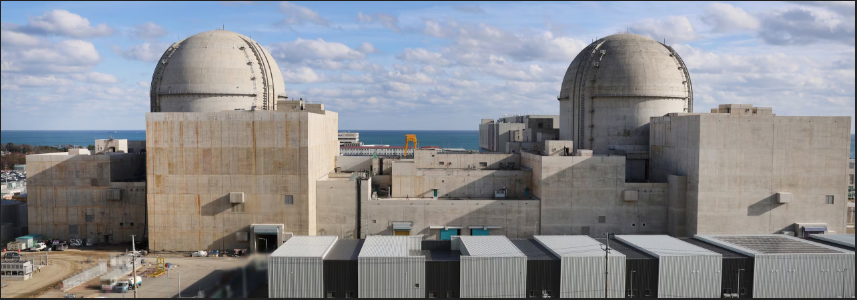
Unit 3 of the Shin-Kori nuclear power plant in Ulju, Ulsan, South Korea, is undergoing commissioning ahead of its planned commercial operation this year. The Nuclear Safety and Security Commission (NSSC) stated that it had received a report from Korea Hydro & Nuclear Power (KHNP) that the unit's reactor automatically tripped at approximately 20:56 on the 11th. Unit 3 of the Shin-Kori plant received its operating license from the NSSC in December last year and is currently in the power ascension testing phase. KHNP reported that during the commissioning test, when reactor power reached 80%, the unit experienced a loss of power transmission, and the reactor subsequently tripped automatically. The unit has been confirmed to remain in a safe shutdown condition...
2026-08-12
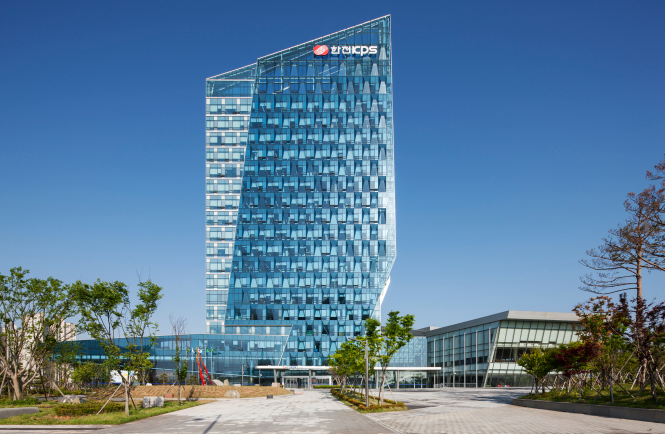
KEPCO KPS Q2 Results Miss Expectations; Nuclear Maintenance Demand Expected to Drive Recovery in H2
KEPCO KPS's Q2 results significantly missed market expectations, mainly due to factors such as extended long-term planned preventive maintenance cycles for nuclear power plants and a reduction in external and overseas variable works. Data shows that the company's preliminary Q2 sales stood at KRW 437.9 billion, down 3.5% year-on-year; operating profit was KRW 43.6 billion, down 33.6% year-on-year, approximately 30.1% below market consensus; net profit attributable to controlling shareholders was KRW 38.3 billion, down 24.8% year-on-year. The operating margin fell to 10.0%, down 4.5 percentage points from the same period last year, indicating pressure on both the revenue side and, to some extent, the cost side. The nuclear maintenance business was one of the key factors dragging down Q2 performance. In Q2...
2026-08-11
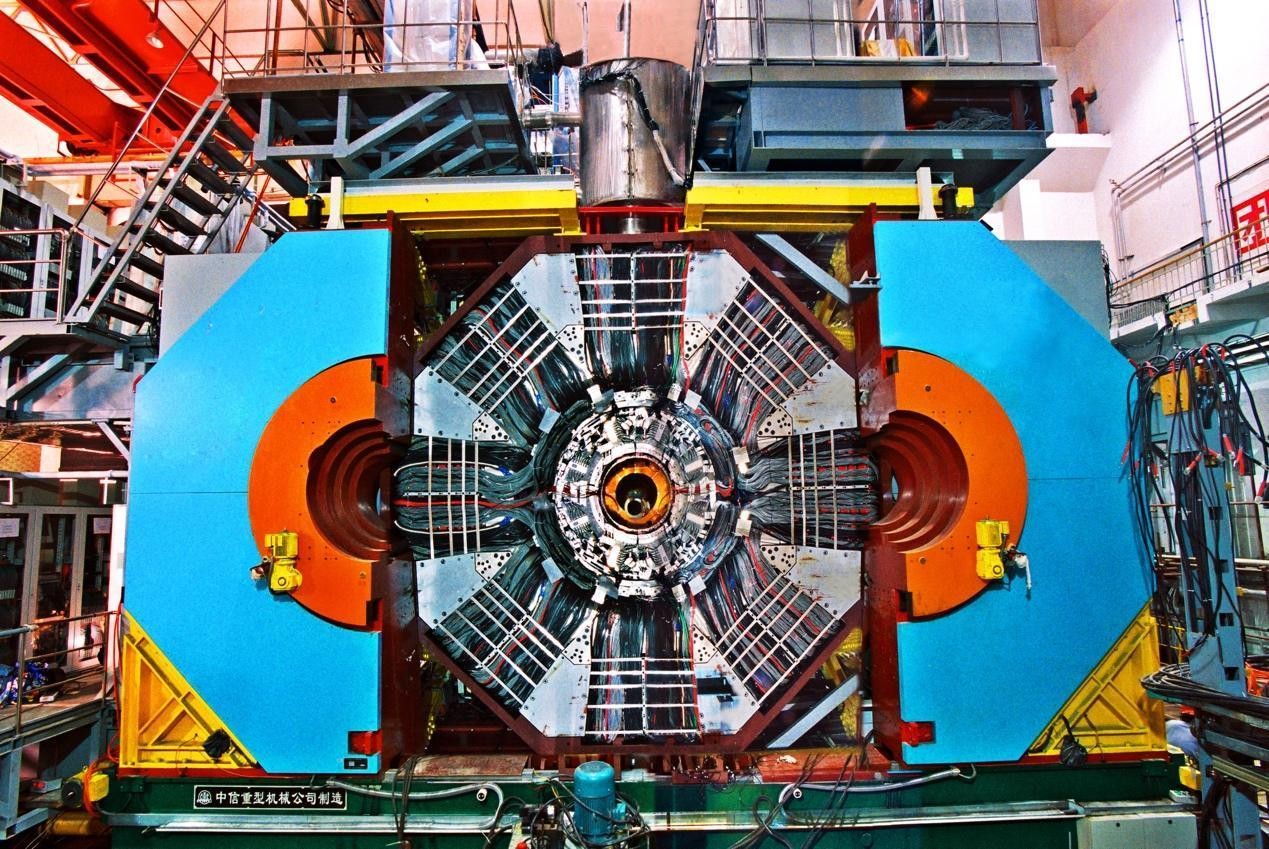
"Smashing Out" More New Particles Unknown to Humanity — Exploring the Upgraded Beijing Electron-Positron Collider After Its Second Renovation
Beside Yuquan Road in Beijing, beneath an ancient courtyard surrounded by lush greenery, lies a giant scientific facility shaped like a badminton racket — the Beijing Electron-Positron Collider. Inside this 240-meter-circumference ring-shaped device, electrons and positrons can be accelerated to near the speed of light and smashed head-on into each other. By studying the microscopic particles produced in these collisions, scientists explore the fundamental laws governing the microscopic world, verify existing physical theories, and search for unknown new particles. Recently, a reporter visited this facility to uncover the secrets of this national heavyweight that has just completed its second major upgrade. After this renovation, key indicators such as collision energy and collision luminosity have been significantly improved, achieving a historic breakthrough in core performance. Since its completion...
2026-08-11
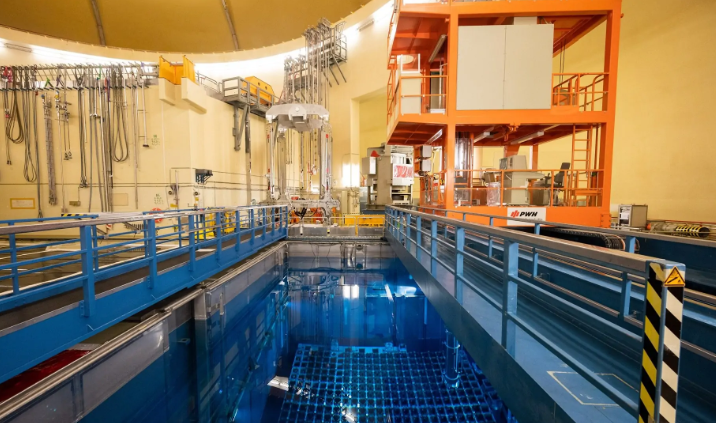
U.S. Department of Energy Selects SHINE Technologies for Genesis Initiative, AI to Optimize Reprocessing of 95,000 Tons of Spent Nuclear Fuel
The U.S. Department of Energy has selected SHINE Technologies to participate in the Genesis mission, advancing the application of artificial intelligence in the nuclear industry. The core objective of the project is to develop an AI-assisted design system for engineers to plan more efficient spent fuel reprocessing facilities. The United States currently has approximately 95,000 tons of accumulated spent nuclear fuel, which has historically posed long-term storage and disposal challenges. The new approach seeks to recover still-valuable components from this material, reducing waste volume and improving resource utilization. The key to this project lies in transforming traditional engineering design methods. In the past, metrics such as throughput, final product quality, and waste volume in nuclear fuel reprocessing processes were typically evaluated separately...
2026-08-09
SHINE Selected for Two U.S. Department of Energy AI Nuclear Fuel Recycling Projects
SHINE Technologies, a U.S. fusion energy company, has recently been selected for projects under the U.S. Department of Energy's Genesis Mission, participating in two artificial intelligence applications for the nuclear energy sector. Among these, SHINE will lead a nuclear fuel cycle facility optimization project and join the Prometheus project, a collaborative effort between national laboratories and industry. The project led by SHINE, named AI-Guided Fuel Cycle Facility Optimization, is a Phase 1 project with Argonne National Laboratory as the technical partner. The project plans to develop an AI-assisted workflow to help engineers...
2026-08-07
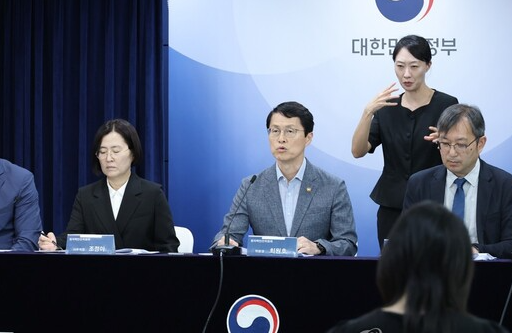
Korea's Nuclear Safety and Security Commission Conducts Safety Inspection at Hanul Nuclear Power Plant
Amid the ongoing heatwave, Korea's Nuclear Safety and Security Commission is closely monitoring safety inspections at domestic nuclear power plants. On August 6, Commission Chairman Choi Won-ho visited the Hanul Nuclear Power Plant in Uljin, North Gyeongsang Province, for an on-site inspection. The primary purpose of this inspection was to verify whether the plant's safety systems can operate properly under continuously rising seawater temperatures. As rising seawater temperature is a factor that directly affects the cooling system, the Hanul plant conducted detailed checks on heat exchanger performance and thermometer conditions. Chairman Choi also held prior discussions via video conference with relevant nuclear agencies on response measures to high temperatures. During the subsequent on-site inspection, he reviewed...
2026-08-06