
Search Results
Keyword:UE
Palisades Nuclear Power Plant Restart: After Removing a Tilted Fuel Assembly, How Far Remains to Grid Connection?
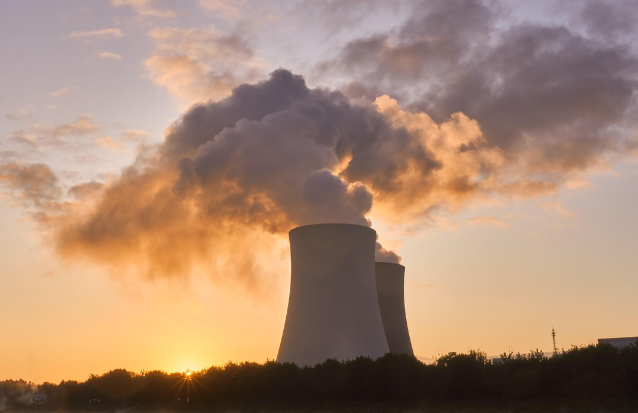
At the Palisades Nuclear Power Plant on the eastern shore of Lake Michigan, Holtec manufactured a specialized lifting rig and transfer cask for a tilted fuel assembly. On October 21, the company confirmed that the assembly had been removed from the reactor pressure vessel and transferred to the spent fuel pool. On October 29, U.S. Secretary of Energy Chris Wright visited the plant, and Holtec's project update on the same day still listed fuel loading completion, testing, inspections, and operational readiness as return-to-service work. Palisades was shut down in 2022 and had entered the decommissioning pathway. This removal allowed the fuel loading project to continue, and also exposed a period in the restart plan that is easily underestimated—after equipment is brought back to condition...
2026-11-09

US Blue Laser Fusion Completes $34 Million Financing
Recently, Blue Laser Fusion (BLF) completed a private placement totaling $34 million, with approximately $25 million closed in the first tranche. The financing is combined with a business combination and reverse merger arrangement, providing funding support for the company's subsequent engineering R&D, manufacturing capability development, and technology deployment. Laidlaw & Company served as the sole placement agent for the transaction. This capital operation involves the co-acquisition of Unite Acquisition 2 Corp., with the combined entity operating under the name Blue Laser Fusion and becoming a publicly reporting company. Through this arrangement, the company is adjusting its corporate structure and capital structure, integrating its existing laser...
2026-11-07

Kazakhstan Discusses a Century of Uranium Security: Why Build Fuel Reserves When Mineral Resources Are Abundant
Coal can be fed directly into a power plant for combustion, but natural uranium cannot be loaded directly into most commercial reactors. It must undergo processing, conversion, enrichment, and fuel fabrication, and meet the requirements of specific reactor types. For nuclear power plants, abundant resources are only the starting point for supply security; what truly needs to be obtained on schedule is fuel that has been qualified and can be loaded into the core. On November 3, the Office of the President of Kazakhstan announced that the national leadership had received a report from Kazatomprom on work including the strategic uranium reserve. One day earlier, a relevant official of the energy regulatory authority proposed a strategic concept of retaining at least 150,000 tonnes of uranium resources by 2050. The relevant mechanism is still under study, and it cannot be...
2026-11-07

Floating Molten Salt Reactor Approaches Licensing Readiness: What New Issues Must Be Addressed When Putting Nuclear Power on a Barge
Coastal industrial parks need stable power, but onshore land, cooling conditions, and construction resources may not be easy to coordinate. Placing power generation facilities on floating platforms and having them centrally manufactured by shipyards has therefore become a deployment approach explored by some nuclear companies. It may change the construction location, but it will not detach the reactor from site, regulatory, and long-term operational responsibilities. Information published on November 3 shows that Denmark's Saltfoss is preparing to engage in pre-application communication with the U.S. Nuclear Regulatory Commission and plans to submit a regulatory communication plan in the first quarter of 2027. The company hopes to establish a licensing pathway for offshore molten salt reactor platforms. What has been disclosed so far is preparatory work and corporate goals, and should not be understood as having obtained...
2026-11-07
US NAC to Provide Spent Fuel Container Solutions for Norway
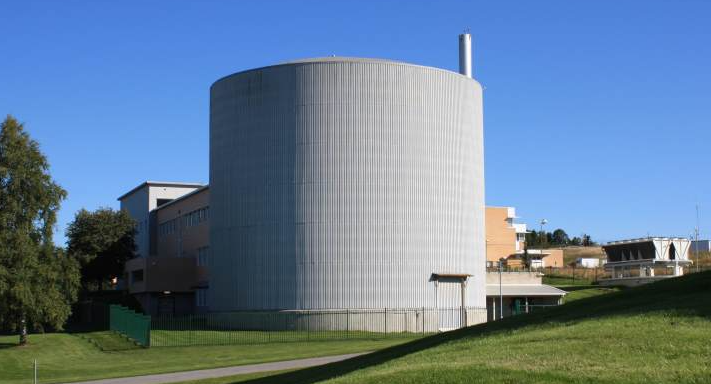
Recently, NAC International (NAC) of the United States formally signed a contract with the Norwegian Nuclear Decommissioning (NND) to provide advanced dry storage containers and transport solutions for spent nuclear fuel from the former research reactors at Halden and Kjeller in Norway, marking substantive progress in the decommissioning of Norway's legacy nuclear facilities. Over the past sixty years of operation, Norway has accumulated approximately 16.5 tonnes of spent nuclear fuel from research reactors, covering various types including metallic uranium fuel, aluminum-clad fuel, and experimental fuel. Following an international tendering process and comprehensive evaluation...
2026-11-07

Singapore's Nuclear Energy Preparations Enter a New Phase: No Decision Yet to Build a Plant, Why Build Judgment Capacity First
When a country prepares to develop nuclear power, the first thing to appear may not be a reactor order. It may instead first establish a research team to analyze technical options, train regulatory personnel, and study how to handle spent fuel decades from now. This work is far from the construction site, yet it determines whether the country can understand the proposals put forward by suppliers in the future and whether it has the capacity to bear the corresponding responsibilities. On October 30, the VTT Technical Research Centre of Finland and the Singapore Nuclear Research and Safety Institute (SNRSI) under the National University of Singapore announced a five-year cooperation arrangement covering reactor technology assessment, safety analysis, radioactive waste and spent fuel management, and other areas.
2026-11-06
Copenhagen Atomics Plans to Build Uranium Conversion Production Facility in Denmark
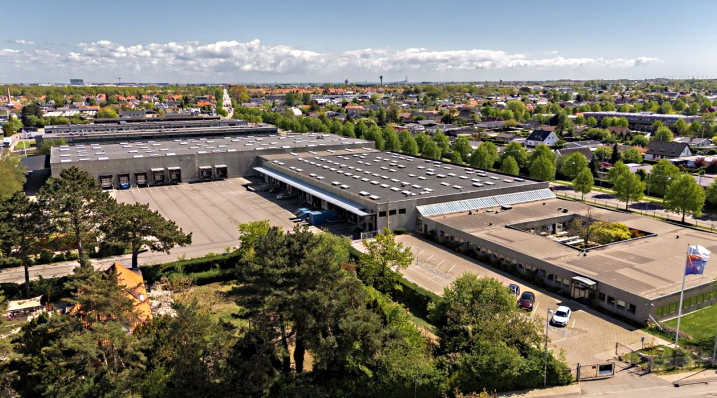
Recently, Copenhagen Atomics and Urenco signed a memorandum of understanding to plan the construction of a dedicated production line in Copenhagen for converting uranium hexafluoride (UF₆) into uranium tetrafluoride (UF₄). The cooperation will focus on facility design, establishing a link for enriched uranium feedstock to enter the molten salt fuel manufacturing stage, and supporting Copenhagen Atomics in improving its fuel supply capability. The planned production line will be located within Copenhagen Atomics' fuel facility, where the company will procure enriched uranium hexafluoride, chemically convert it into uranium tetrafluoride, and then use it to formulate high-purity fuel salt. In addition to serving its own reactor research and development, the products are also planned to be supplied to other...
2026-11-06

South China Regional Office and Zhanjiang Nuclear Power Conduct Regulatory Dialogue on Key Issues
Recently, the South China Regional Office of Nuclear and Radiation Safety Inspection of the Ministry of Ecology and Environment and State Nuclear Power Zhanjiang Nuclear Power Co., Ltd. jointly held a regulatory dialogue on key issues. The principal responsible persons of the South China Regional Office, the principal responsible persons of Zhanjiang Nuclear Power, and relevant responsible persons of the general contracting unit attended the event. During the regulatory dialogue, the South China Regional Office comprehensively reported the prominent problems identified in recent supervisory inspections and the overall regulatory situation. Zhanjiang Nuclear Power and the general contracting unit respectively made detailed reports on the collaborative development of Party organization pairing, on-site resumption of work progress, the special nuclear safety management improvement action, and the special work plan and implementation progress for in-depth optimization of the design of Units 1 and 2 and subsequent units.
2026-11-06
Recycled chloride salt fuel prepares to enter research reactor: Can spent fuel become a resource, and what data must be obtained first?
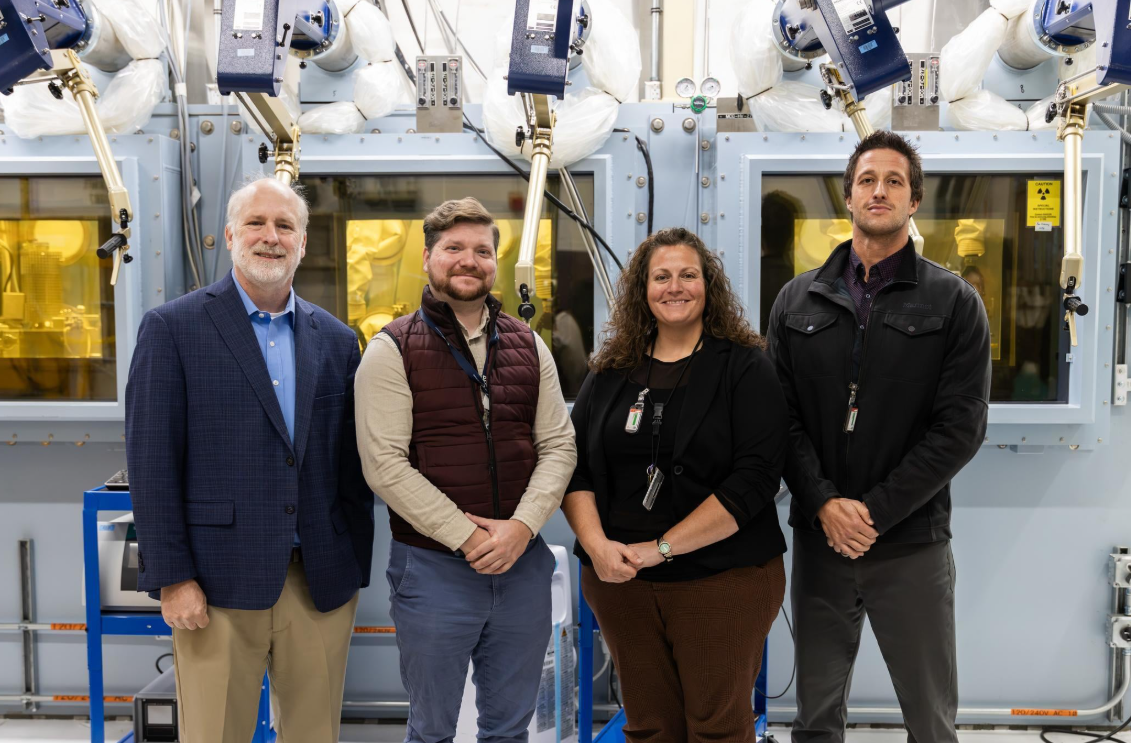
Turning nuclear material into another kind of fuel. Idaho National Laboratory (INL) announced on November 2 that it will lead the IMPACT project to fabricate and test chloride salt fuel containing recycled transuranic elements. The project has received $7 million in support from the U.S. Department of Energy's Advanced Research Projects Agency-Energy (ARPA-E) and plans to use nuclear materials already available at the laboratory to complete fabrication and property testing, and to conduct irradiation in the Advanced Test Reactor (ATR). This research advances the improvement of spent fuel utilization to a specific question: after recovered materials form new fuel, how exactly do they change in the reactor environment? Moltex participates in modeling and design-related work.
2026-11-05
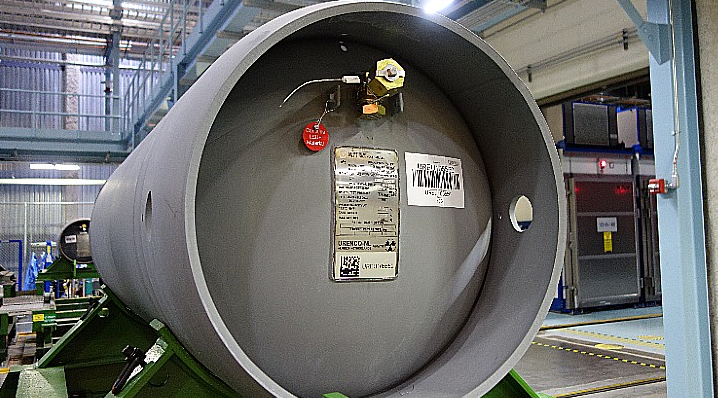
Urenco USA Completes Production of First Commercial Upgraded Low-Enriched Uranium Product Cylinder
Recently, Urenco USA completed the production of its first upgraded low-enriched uranium (LEU+) product cylinder at the National Enrichment Facility in New Mexico, advancing this fuel feedstock from production readiness to the commercial product supply stage. This development provides a new enriched uranium option for operating light water reactors and some advanced reactors, but completing the production of enriched product does not equate to fuel assemblies having been manufactured or loaded into a reactor. LEU+ is Urenco's product name for enriched uranium with uranium-235 assays of approximately 5% to 10%, higher than the typical enrichment levels of fuel commonly used in operating commercial nuclear power plants. Fuel made from this material is expected to support longer operating cycles and reduce refueling outages...
2026-11-05

Beyond 5% Uranium Enrichment: Why Does Nuclear Power Fuel Upgrading Require an Integrated Delivery Chain?
Nuclear Power Operational Needs Behind a Single Product Container On November 2, Urenco USA announced the completion of production of the first commercial LEU+ enriched uranium product container in New Mexico. This development brings fuel upgrading to a concrete industrial milestone: enrichment plants are beginning to supply new products, downstream enterprises need to process them into fuel, and power plants must demonstrate that these fuels can improve operations within established safety boundaries. For operators seeking to extend refueling cycles, higher enrichment levels provide more options, but whether these options can be translated into benefits still depends on whether manufacturing, transportation, licensing, and in-core use can be linked together. Urenco uses LEU+ to...
2026-11-04

America's First "Large Reactor in a Chemical Plant" Clears the Hurdle: X-energy Xe-100 Ushers in the Conclusion of Safety Review and a Key Springboard to Commercialization
In the global race to industrialize advanced nuclear energy technologies, the high-temperature gas-cooled reactor is reaching a milestone. In late October 2026, the U.S. Nuclear Regulatory Commission (NRC) formally issued the Final Safety Evaluation Report (FSER) for the construction permit application of the Long Mott Generating Station, proposed to be built at Dow Chemical's Seadrift site along the Texas Gulf Coast. This means that the Xe-100 high-temperature gas-cooled reactor, developed by X-energy with an installed capacity of 320 megawatts electric, has successfully passed the most central safety examination at the U.S. nuclear regulatory level, clearing...
2026-11-03

Unit 2 of Phase I of the Sanao Nuclear Power Project Completes First Fuel Loading
Recently, Unit 2 of Phase I of CGN's Zhejiang Sanao Nuclear Power Project successfully completed its first nuclear fuel loading, marking the unit's official transition from the engineering installation phase to the new stage of commissioning with nuclear fuel in the main systems, and representing a key step toward the full completion and commercial operation of Phase I. It is reported that the fuel loading operation adopted a semi-automatic refueling system, precisely transferring 177 nuclear fuel assemblies sequentially into the reactor core. Since the commencement of nuclear island installation, the Sanao project department of China Nuclear Industry 23 Construction Co., Ltd., the contractor, has strictly followed the principles of "safety first, quality first, pursuit of excellence," and completed a series of major prerequisite tests—including nuclear circuit flushing and cold and hot performance tests—to a high standard...
2026-11-03
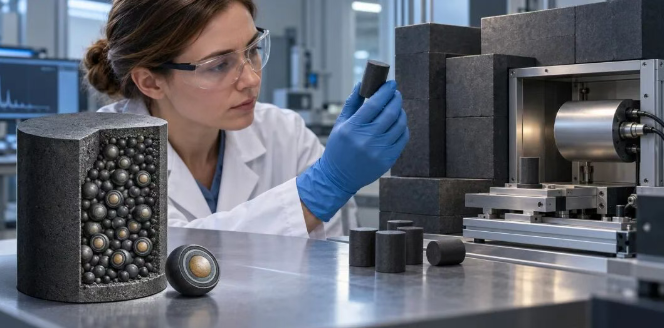
MEPhI Develops Non-Destructive Testing Device for Microfuel of High-Temperature Gas-Cooled Reactors
Recently, the research team led by Tatyana Borisovna Aleyeva, Associate Professor of the Department of Theoretical and Experimental Physics of Nuclear Reactors at the National Research Nuclear University MEPhI (Moscow Engineering Physics Institute), announced that it is about to complete the development of an experimental device for non-destructive testing of uranium content in fuel compacts for innovative high-temperature gas-cooled reactors (HTGR). It is reported that the helium temperature at the core outlet of the 200 MW HTGR under design can reach 850°C, aiming to provide high-potential heat for large-scale nuclear hydrogen production process stations (AETS). Its fuel uses graphite cylindrical compacts with a height of 5 cm and a diameter of 12.5 mm, each...
2026-11-03
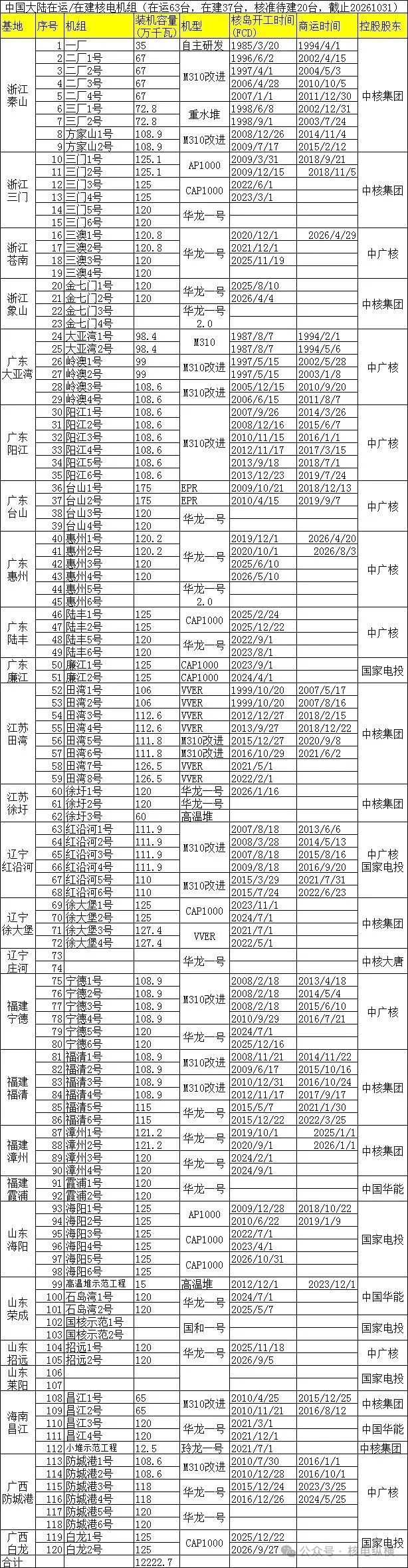
The scale of nuclear power units in operation and under construction in Chinese mainland continues to expand
Recently, the latest statistics show that the construction and operation scale of nuclear power units in Chinese mainland continues to maintain a globally leading momentum. As of October 31, 2026, Chinese mainland had 63 nuclear power units in operation, 37 units under construction, and another 20 units approved and awaiting construction. It is reported that this massive nuclear power engineering system fully covers third-generation pressurized water reactors with completely independent intellectual property rights as well as cutting-edge advanced reactor demonstration projects. With the batch construction and efficient and safe operation of advanced units such as Hualong One and Guohe One, China's nuclear power industry is playing an increasingly central supporting...
2026-11-02