
Search Results
Keyword:UE
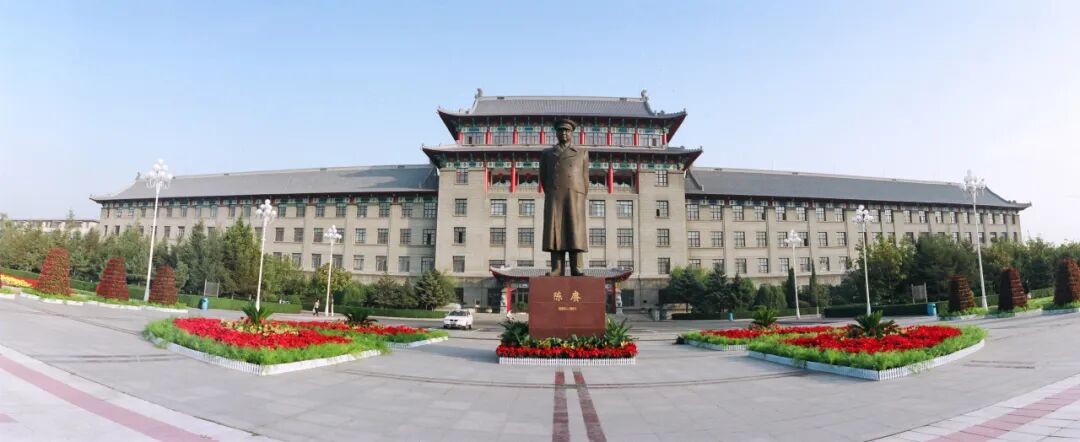
Harbin Engineering University Establishes Research Institute for Spent Fuel Reprocessing and Advanced Materials
On August 31, the inauguration ceremony of the Research Institute for Spent Fuel Reprocessing and Advanced Materials at Harbin Engineering University was held at the university's Qihang Activity Center. More than 150 participants attended the meeting, including academicians and experts in the field of nuclear science and technology, representatives from industry and enterprises, peer institutions, and alumni. The newly established institute will address the needs of nuclear energy safety assurance and sustainable development by integrating the university's advantageous disciplinary resources in nuclear science, materials, and chemical engineering, focusing on breakthroughs in spent fuel reprocessing processes, advanced materials development, and related key core technologies, while promoting the coordinated development of basic research, technological breakthroughs, and commercialization of research outcomes. At the meeting, several attending experts noted that spent fuel reprocessing is a critical part of the nuclear f...
2026-09-01

India and Uzbekistan Agree to Establish Long-Term Uranium Supply Arrangement
India and Uzbekistan held leader-level talks in Tashkent on August 30, deciding to elevate bilateral relations to a comprehensive strategic partnership and agreeing to establish an arrangement for long-term uranium supply from Uzbekistan to India, strengthening cooperation between the two countries in the field of civil nuclear energy. Following talks with Uzbek President Shavkat Mirziyoyev, Indian Prime Minister Narendra Modi stated that the two sides would establish a long-term uranium supply arrangement. The specific scale, duration, and implementation mechanism of the arrangement have not yet been announced. India has in recent years continued to diversify its nuclear fuel sources, and Uzbekistan is an important uranium resource country in Central Asia...
2026-08-31
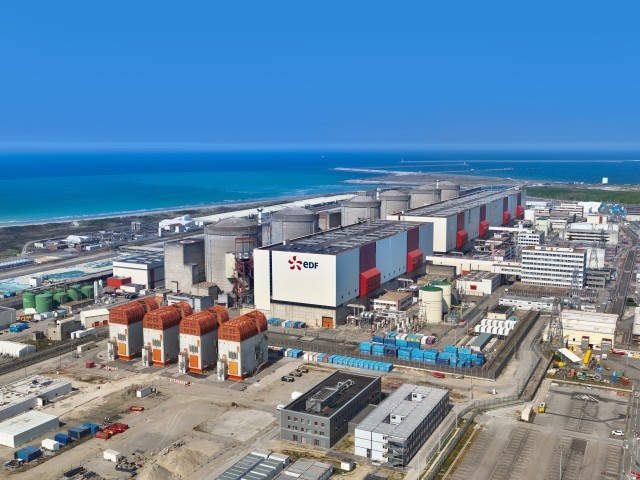
Partial shutdown of units at France's Gravelines nuclear power plant due to jellyfish influx
French utility EDF announced on August 27 that the Gravelines nuclear power plant in northern France has taken emergency measures to shut down or reduce power output at some reactor units following a massive influx of jellyfish. An EDF spokesperson stated that since the night of August 26, more than 200 tonnes of jellyfish have accumulated near the filtration system of the plant's seawater pumping station. To ensure facility safety, the plant took preventive measures by completely shutting down 2 of its 6 reactor units. Meanwhile, 2 other units were operated at reduced power, and the remaining 2 units were already offline for maintenance and inspection reasons. This means that no unit at the Gravelines nuclear power plant is currently generating at full capacity...
2026-08-29
Japan's Fukui Prefecture Approves KEPCO's Construction of Dry Cask Storage Facilities for Spent Fuel
Fukui Prefecture Governor Tatsuji Sugimoto announced on August 28 that he approved Kansai Electric Power Company's (KEPCO) plan to construct dry cask storage facilities for spent fuel within the premises of the Mihama and Takahama nuclear power plants in Fukui Prefecture. The decision was made in accordance with the safety agreement between Fukui Prefecture and KEPCO. KEPCO plans to apply to the Nuclear Regulation Authority (NRA) for approval of the relevant design and construction plans as early as August 31. KEPCO plans to build dry cask storage facilities at three nuclear power plants in Fukui Prefecture to temporarily store spent fuel and prepare for future transport to an interim storage facility outside Fukui Prefecture. Among these, the plans for the Mihama and Takahama nuclear power plants...
2026-08-29
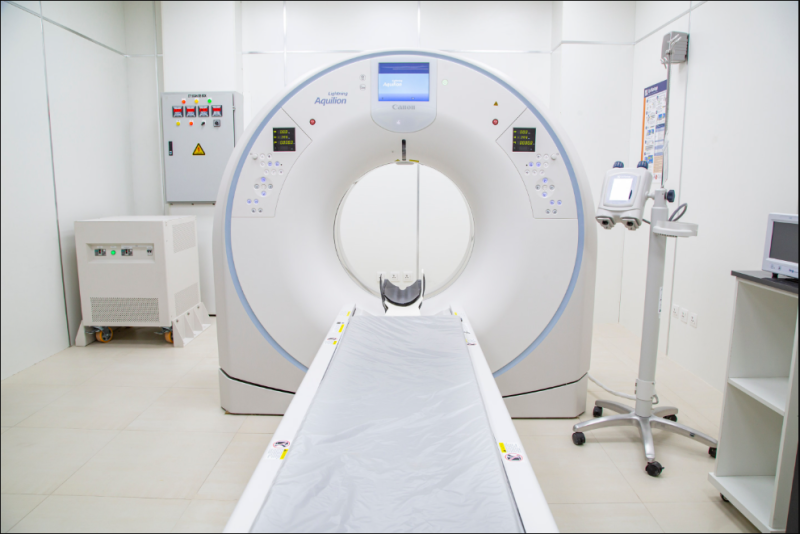
Blueprint for Proton Therapy Center in Southeastern Busan, South Korea Unveiled to Address Regional Gap in Cancer Treatment Resources
The blueprint for the proton therapy center at the Southeastern Regional Nuclear Medicine Center in Gijang-gun, Busan, South Korea, was recently unveiled. The project is expected to help bridge the gap in cancer treatment resources between the Seoul metropolitan area and non-capital regions, and to promote the application of proton accelerators in high-tech industries. According to information from Gijang-gun, Busan, and the Southeastern Regional Institute of Radiation Medicine on August 29, the Busan Institute of Science and Technology Higher Education recently published a service report titled "Establishment of Promotion Strategy and Implementation Plan for the Southeastern Proton Therapy Center," which includes the construction blueprint and feasibility analysis of the center. The Southeastern Regional Institute of Radiation Medicine is advancing related preparatory work in response to the research and development review by the Ministry of Science and ICT in the second half of this year...
2026-08-30
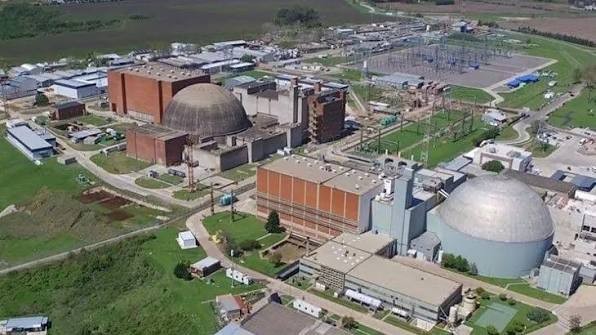
Argentina Advances Testing for Atucha II Spent Fuel Dry Storage Project
Nucleoeléctrica Argentina S.A. is advancing key equipment testing for the spent fuel dry storage facility (ASECG II) at the Atucha II nuclear power plant. This project is a critical supporting infrastructure to ensure the long-term operation of the Atucha II plant. The ongoing tests are part of the verification phase prior to system commissioning, primarily aimed at inspecting and adjusting the operational procedures involved in future operations. Among the key equipment under testing is the gantry crane, which handles the transfer of storage containers within the plant site. The stable performance of this equipment is directly related to the safety and controllability of container movements during spent fuel storage operations. According to the project plan...
2026-08-28
U.S. SUPC Completes Independent Engineering Assessment of Seawater Uranium Extraction Platform
SuperCritical Materials Corp. (SUPC) of the United States announced on August 26 that an independent engineering assessment conducted by Kellogg Brown & Root (KBR) has been completed. The assessment focused on the deployment architecture, offshore operation scheme, uranium recovery process, commercialization pathway, and key engineering conditions required for future large-scale deployment of SUPC's seawater uranium extraction platform. According to the assessment, SUPC's conceptual production plan proposes the use of approximately 10,000 tons of adsorbent, operating on a continuous 21-day deployment cycle, to supply adsorbent for a uranium processing facility with an annual production capacity of 1.85 million pounds of triuranium octoxide (U3O8)...
2026-08-28
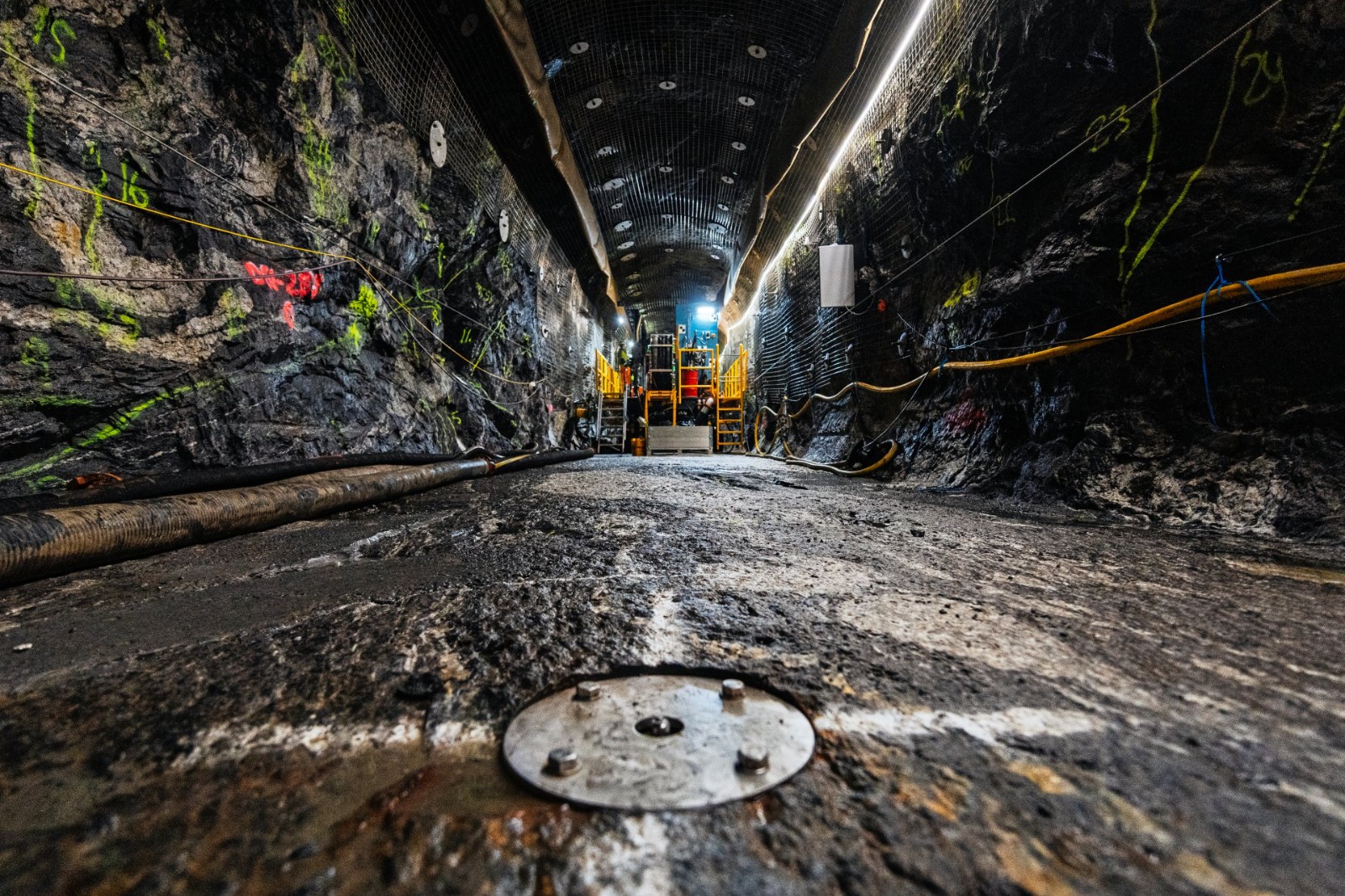
Finland's Onkalo Spent Fuel Disposal Facility Starts Drilling of First Disposal Hole
On the afternoon of August 26, 2026, Finland's Onkalo spent fuel final disposal facility commenced drilling of its first disposal hole deep in the bedrock at Olkiluoto. Posiva stated that the drilling operation is being carried out at a depth of more than 400 meters underground, with the drill bit beginning to cut into the approximately 1.9-billion-year-old Olkiluoto bedrock. Kimmo Lehtola, Posiva's Operations Construction Manager, explained that a kick-off meeting had been held the day before the operation, focusing on reviewing safety matters, technical specifications, and the detailed drilling plan. On the morning and early afternoon of the drilling day, the team completed final adjustments to the equipment, after which the drilling rig began its work. He noted that the team had previously completed...
2026-08-28
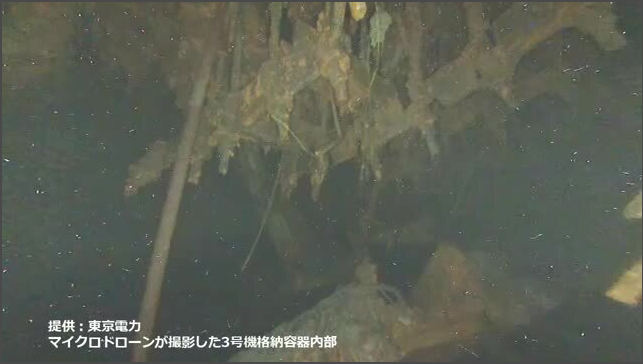
Hole of about 3 meters confirmed at bottom of reactor pressure vessel of Unit 3 at Fukushima Daiichi Nuclear Power Station
Tokyo Electric Power Company (TEPCO) announced on August 27 that a hole approximately 3 meters in diameter has been confirmed at the bottom of the reactor pressure vessel of Unit 3 at the Fukushima Daiichi Nuclear Power Station. The pressure vessel is a steel container that held nuclear fuel before the accident, with a cylindrical shape and a diameter of about 5.5 meters. This is the first time since the core meltdown accident at Units 1 to 3 of the Fukushima Daiichi Nuclear Power Station in 2011 that the specific size and shape of such a hole have been confirmed on the pressure vessel. The hole is believed to be related to the falling of melted nuclear fuel during the 2011 accident. After the accident, the containment vessel of Unit 3 has maintained a relatively high water level for an extended period, and access routes into the containment vessel are limited. TEPCO previously used a micro drone measuring approximately 12 centimeters per side...
2026-08-28
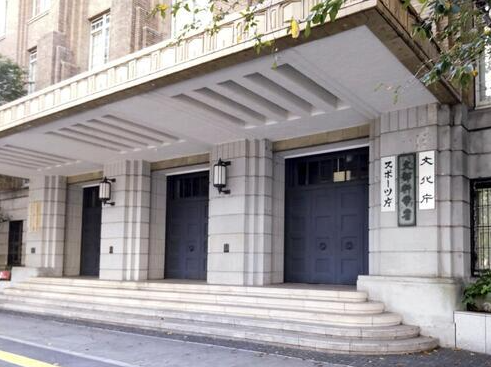
Japan to Build Fusion Tritium Fuel Research Base in Aomori Prefecture
Japan's Ministry of Education, Culture, Sports, Science and Technology (MEXT) has decided to establish a new fusion power generation research base in Aomori Prefecture, focusing on tritium fuel handling technology. The base will target the development needs of fusion demonstration projects in the 2030s, promoting joint research and development among industry, government, and academia. MEXT plans to include approximately 100 billion yen in fusion development-related funding in its budget request for the next fiscal year. Fusion power generation releases energy through the fusion reaction of deuterium and tritium nuclei, a principle similar to the energy generation process inside the sun. Unlike traditional nuclear power that relies on nuclear fission chain reactions, fusion reactions carry a lower risk of runaway, leading many countries to view it as an important direction for future energy technology...
2026-08-28
Antares and Standard Nuclear Sign Multi-Year TRISO Fuel Supply Agreement
Antares Nuclear, Inc. of the United States recently announced that it has signed a binding multi-year fuel supply agreement with Standard Nuclear to secure advanced nuclear fuel supply for its compact microreactor program. Under the agreement, Standard Nuclear will supply up to 8 metric tons of uranium (MTU) of tristructural isotropic particle fuel, or TRISO fuel, to Antares Nuclear by 2035. This fuel will be used in the microreactor currently being developed by Antares. Designed for demanding operating environments such as ground-based and space applications, this class of reactors aims to provide reliable power for national defense, aerospace, and off-grid critical infrastructure...
2026-08-28

U.S. Marathon Fusion Demonstrates Hydrogen and Lithium Isotope Enrichment Technology
U.S.-based Marathon Fusion announced on August 27 that it has successfully demonstrated hydrogen and lithium isotope enrichment technology using its proprietary plasma centrifuge. The company stated that this advancement addresses the fuel cycle needs of fusion energy and related isotope supply requirements. In the deuterium-tritium fusion pathway, hydrogen isotope processing is critical to the continuous operation of fusion devices, while lithium isotope enrichment is closely tied to tritium production. The U.S. Department of Energy (DOE) released its "Fusion Science and Technology Roadmap" in June of this year, which identifies tritium processing as one of the core challenges, noting that related progress is essential for achieving sustained deuterium-tritium fusion operation and validating fusion as a large-scale energy form...
2026-08-28
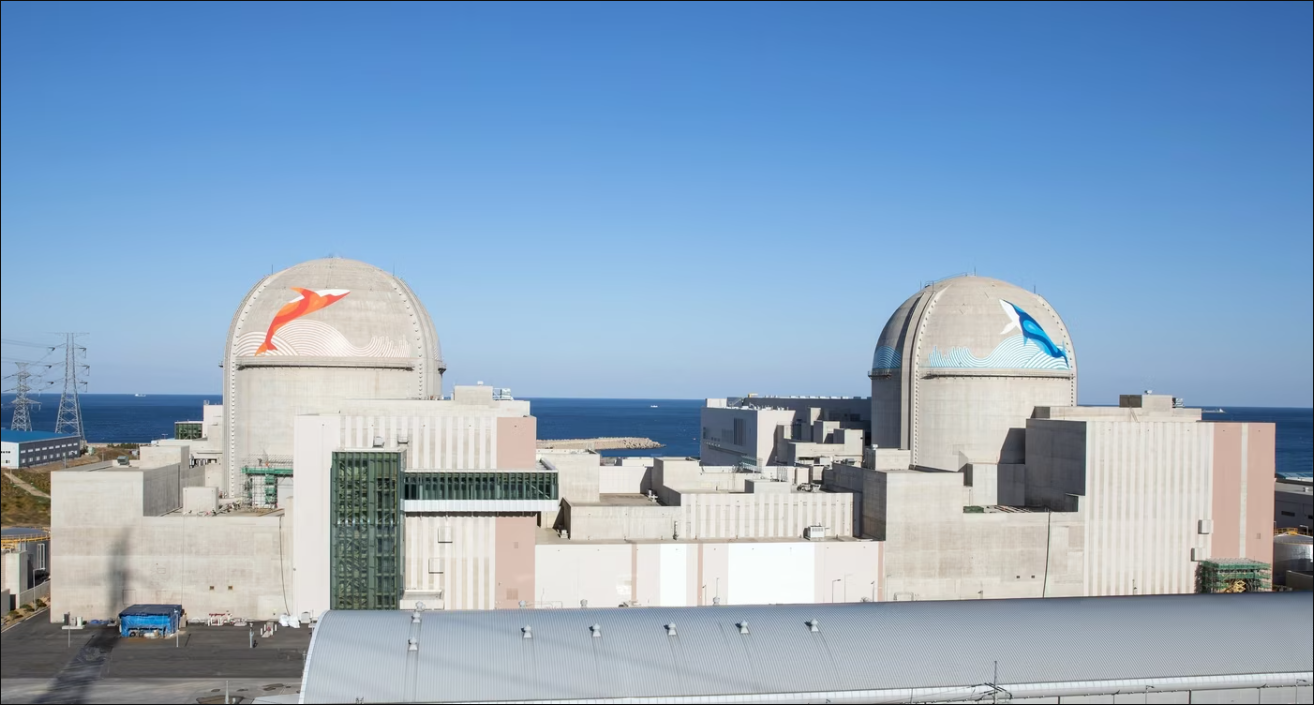
Boric Acid Leakage During Spent Fuel Transfer Preparation at South Korea's Hanul Nuclear Power Plant
Hanul Nuclear Power Plant in Uljin County, North Gyeongsang Province, South Korea, recently disclosed that at 10:16 a.m. on the 3rd, a boric acid solution leakage incident occurred in the auxiliary building of Unit 2 at Shin Hanul Nuclear Power Plant. The incident happened while workers were preparing to transfer spent fuel from a transport container in the spent fuel loading pool to the spent fuel storage pool, and the preliminary cause has been attributed to improper on-site operations. Boric acid solution is used in spent fuel storage-related operations. As the solution is associated with the spent fuel storage environment, it carries radioactive management attributes. Hanul Nuclear Power Plant stated that leakage containment measures were immediately taken after the leak occurred, and the leaked material was collected in the decontamination area and recovered to the controlled area...
2026-08-28
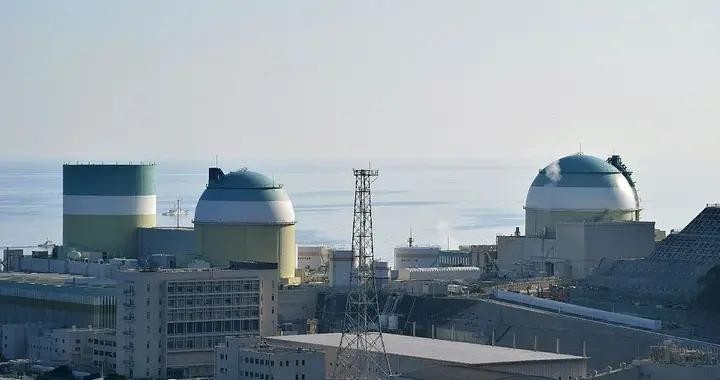
Ikata Nuclear Power Station Unit 3 in Japan briefly deviated from operational limits due to abnormal signals in protection system instrumentation
Shikoku Electric Power Co. reported on August 27 that abnormal signals from safety protection system instrumentation appeared in the central control room of Ikata Nuclear Power Station Unit 3, which was in normal operation, indicating that one channel of the overtemperature ΔT related instrumentation was unreliable. The operator determined at 22:10 on August 26 that the unit had deviated from the operational limits stipulated in the Reactor Facility Security Regulations. On-site confirmation showed that the unreliable signal originated from 1 of the 4 channels of the overtemperature ΔT protection function. Overtemperature ΔT is one of the reactor automatic trip elements, used to protect in-core fuel; its limit value is calculated based on parameters such as reactor power, pressurizer pressure, and...
2026-08-27

UK's Babcock Adds Quest Global to Engineering Services Framework Including Nuclear Energy
Quest Global Engineering Services Limited announced on August 26 that it has been included in Babcock International Group's engineering services framework, further expanding engineering collaboration between the two companies in areas such as nuclear energy. Under the agreement, the engineering services framework has a term of five years. The two parties have been collaborating since 2023 across project areas including nuclear, marine, aviation, land, and mission systems. This inclusion in the framework is seen as part of Babcock's efforts to build closer, longer-term relationships with key suppliers. Gareth Watson, Quest Global's strategic business lead...
2026-08-27