
Search Results
Keyword:UE
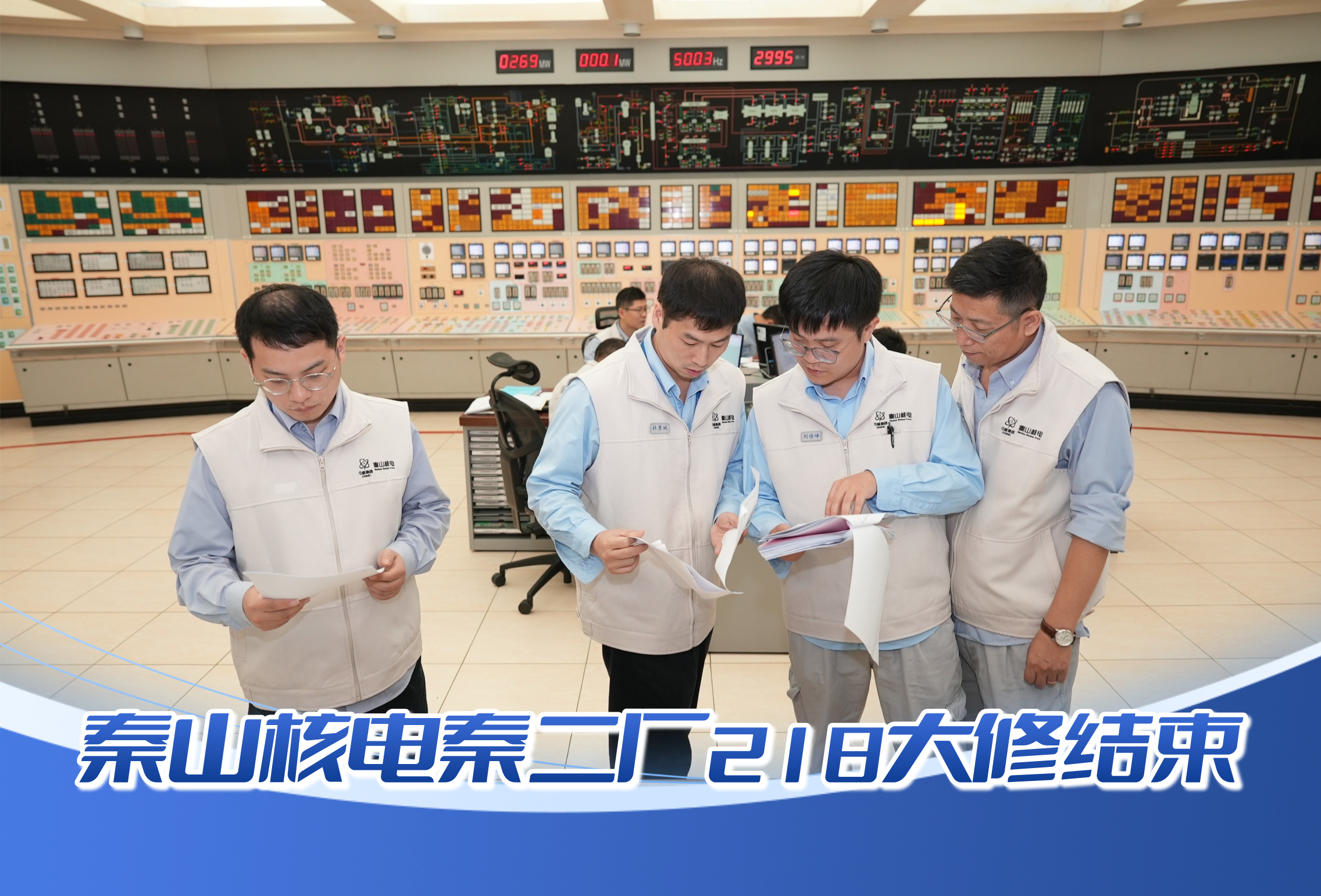
Qinshan Nuclear Power Plant Unit 2 of Qinshan Phase II Completes 218 Refueling Outage
At 18:30 on September 29, Unit 2 of Qinshan Phase II was successfully connected to the grid, marking the official completion of the 218 refueling outage. During this outage, more than 5,300 tasks were completed, mainly including the PSR weakness modification for prevention of boron misdilution, addition of automatic primary coolant makeup and residual heat removal eddy current detection functions, excitation system modification for the B-train emergency diesel generator, disassembly and inspection of the turbine-generator, annual inspection of the main transformer and station service transformer, replacement of No. 2 and No. 3 seals of the No. 2 main coolant pump, disassembly and inspection of the No. 1 charging pump, modification of the nuclear island switchboards, condenser cleaning and eddy current inspection, and optimization of the pipe supports where the safety injection system safety valves are located. These important tasks have laid a solid foundation for the safe and stable operation of the unit in the next fuel cycle. All outage personnel, under the...
2026-09-29

Pakistan Denies Overflight Permission, Bangladesh's Rooppur Nuclear Power Plant Fuel Transport Blocked
Recently, the nuclear fuel transport for Unit 2 of Bangladesh's Rooppur Nuclear Power Plant (RNPP) was delayed because Pakistan did not approve overflight permission. Faqir Mahbub Anam, Minister of the Ministry of Science and Technology of Bangladesh, stated that the chartered flight was originally scheduled to arrive at Hazrat Shahjalal International Airport in Dhaka on September 24, but could not proceed because it was not granted permission to enter Pakistani airspace. It is reported that the route usually passes through Kazakhstan, Turkmenis...
2026-09-29

General Matter Submits HALEU License Application to U.S. NRC
Paducah, Kentucky, USA — General Matter submitted a license application to the U.S. Nuclear Regulatory Commission (NRC) on September 28, 2026, for the construction and operation of a nuclear facility. The project aims to produce High-Assay Low-Enriched Uranium (HALEU) to meet the growing domestic demand for advanced nuclear reactor fuel in the United States. General Matter plans to build a dedicated HALEU production...
2026-09-29

Uranium Fuel Air Delivery for Rooppur Nuclear Power Plant Unit 2 in Bangladesh Delayed
Recently, the first batch of uranium nuclear fuel transport cargo flights for Unit 2 of Bangladesh's first nuclear power facility—the Rooppur Nuclear Power Plant (RNPP)—was forced to be suspended, resulting in the postponement of the originally scheduled delivery. The batch of nuclear fuel was originally planned to arrive by air on September 24 at Hazrat Shahjalal International Airport in Dhaka, the capital of Bangladesh. Faqir Mahbub Anam, Minister of the Ministry of Science and Technology of Bangladesh, stated that the cargo charter flight carrying the uranium fuel was originally scheduled to land on the 24th, but because it was not granted permission to enter Pakistani airspace, the flight could not proceed as scheduled, and the specific reason why Pakistan has not yet approved the airspace permit remains unclear. Anam added that the Russian side has provided a new timetable, and it is expected that this batch of uranium fuel will arrive in Bangladesh in the first week of October.
2026-09-28

Türkiye Leverages Nuclear Science and Technology to Safeguard Citrus Productivity: Insect Sterile Technique and Radiation Mutation Breeding Build a Green Barrier for Agriculture
Türkiye produces approximately 5 million tonnes of various citrus fruits annually, covering major categories such as sweet oranges, lemons, and grapefruits, making it an important fruit exporter globally. However, the frequent occurrence of abnormal climate events such as extreme heat and cold waves with frost, combined with repeated infestations by persistent pests like fruit flies, has not only severely constrained crop yields and fruit quality but also posed severe challenges to the livelihoods of local farmers. To break through cultivation bottlenecks and meet the stringent requirements of international markets for fruit products with low pesticide residues, Türkiye, with technical support from the International Atomic Energy Agency (IAEA) and the Food and Agriculture Organization of the United Nations (FAO), has comprehensively introduced nuclear science and technology to build a green and sustainable integrated pest management...
2026-09-27
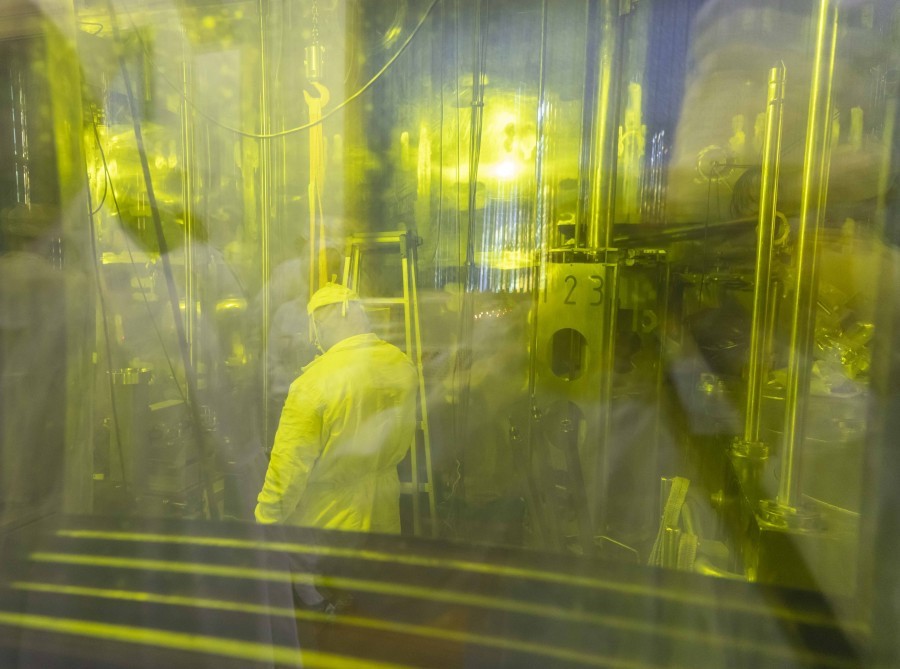
Rosatom has developed the first batch of nuclear fuel assemblies for the MBIR multi-purpose fast reactor, successfully passing factory acceptance testing
At the site of the Fuel Technology Division of the State Scientific Center — Research Institute of Atomic Reactors (NIIAR, Dimitrovgrad), under the Scientific Division of Rosatom, the first batch of 3 pilot nuclear fuel assemblies (Fuel assemblies / ТВС) for the multi-purpose sodium-cooled fast neutron research reactor (MBIR) successfully completed comprehensive factory acceptance tests. The professional acceptance committee conducted a thorough review of the maturity and completeness of the fuel production process line for this batch as well as all technical performance parameters of the trial-manufactured assemblies, and completed high-precision geometric dimension and quality re-verification measurements item by item. This acceptance review brought together the expertise of multiple core research and manufacturing institutions in the Russian nuclear industry, including the Dollezhal Research and Development Institute of Power Engineering (NIKIET), the Institute of Physics and Power Engineering (IPPE), and the Machine-Building Plant Joint Stock Company (MSZ, Elemash).
2026-09-27
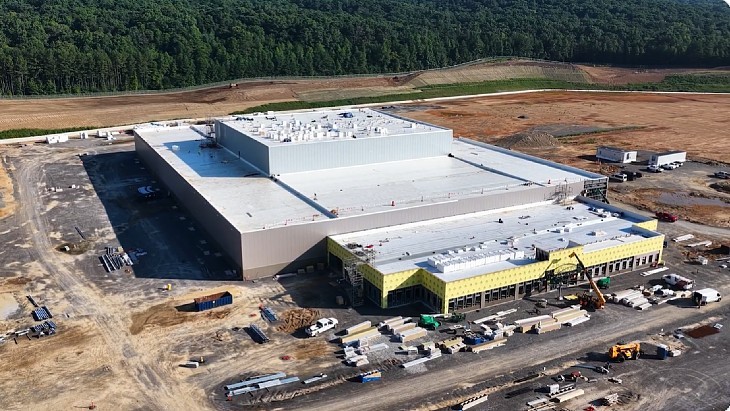
Main Building of X-energy's TRISO-X Nuclear Fuel Plant TX-1 Completed
TRISO-X, a wholly owned subsidiary of U.S. advanced nuclear developer X-energy, announced that the main building of its TX-1 advanced nuclear fuel manufacturing plant in Oak Ridge, Tennessee, has been officially completed. The building covers an area of 214,000 square feet (approximately 20,000 square meters), marking that the first commercial-scale advanced nuclear fuel manufacturing project of its kind in the United States has fully transitioned into the phase of interior mechanical and electrical fit-out, installation and commissioning of specialized fuel fabrication process equipment, and related supporting infrastructure construction. According to capacity planning, once fully operational, the TX-1 plant will be capable of producing approximately 700,000 TRISO-X fuel pebbles per year, equivalent to an annual uranium equivalent output of about 5 tonnes, with the capability to...
2026-09-27
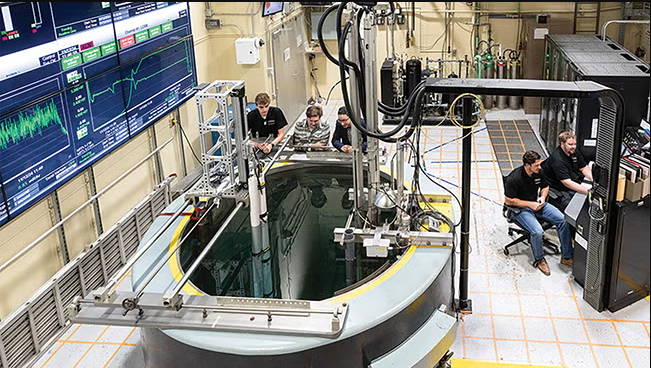
Purdue University Completes the First Remote Real-Time Autonomous Power Control Experiment on a Nuclear Reactor in the United States, Building a Cross-State Digital Twin Closed Loop
Purdue University, in collaboration with Idaho National Laboratory (INL) and the University of Illinois Urbana-Champaign (UIUC), has for the first time in the United States achieved remote, automatic, and real-time experimental regulation of nuclear reactor power. The demonstration validated a three-site control closed loop spanning Indiana, Idaho, and Virginia, providing a cutting-edge engineering paradigm for future centralized remote monitoring and automated scheduling of advanced reactors from hundreds or even thousands of miles away. The experiment relied on Purdue University's 64-year-old Reactor Number One (Purdue University Reactor Num...
2026-09-24
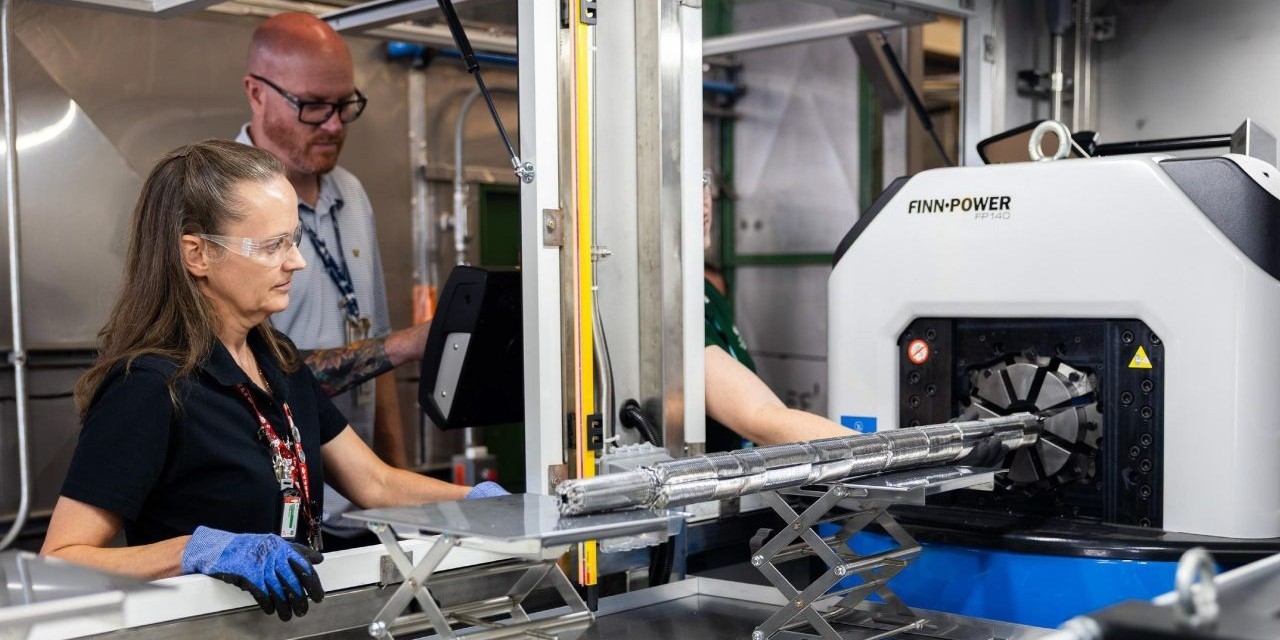
Idaho National Laboratory Moran Test Bed Completes Deployment Preparation for Spent Fuel Decladding Skid
A mobile skid dedicated to processing and stripping spent nuclear fuel cladding has been officially declared ready for operation at the Idaho National Laboratory (INL) Moran Nuclear Fuels Test Facility. The fabrication of this skid system was funded by the Athena Initiative launched in 2022 under the National Nuclear Security Administration (NNSA) Nonproliferation Stewardship Program, aimed at providing critical research support for the United States' nonproliferation strategy.
2026-09-24

Breakthrough in High-Energy Nuclear Physics Research: Chinese Research Team Leverages CERN's Large Hadron Collider to Reveal How Nuclear Geometry Influences Matter Flow
Relying on the A Large Ion Collider Experiment (ALICE) at the Large Hadron Collider (LHC), the research team led by Professor Li Xiaomei at the National Key Laboratory of Nuclear Data, China Institute of Atomic Energy (CIAE), in international collaboration with the team led by Professor Zhou You at the Niels Bohr Institute, University of Copenhagen, Denmark, conducted research. The joint team studied the Oxygen-16 (Oxygen-16, $^{16}\text{O}$) and Neon-20 (Neon-20, $^{20}\text{Ne}$) light-nucleus collision system and achieved important progress regarding collective flow phenomena dominated by nuclear structure, confirming that the spatial geometric configuration of atomic nuclei can directly regulate the laws of matter flow in high-energy nuclear collisions, providing key experimental constraints for improving relativistic heavy-ion collision theory and resolving microscopic nuclear structure.
2026-09-24
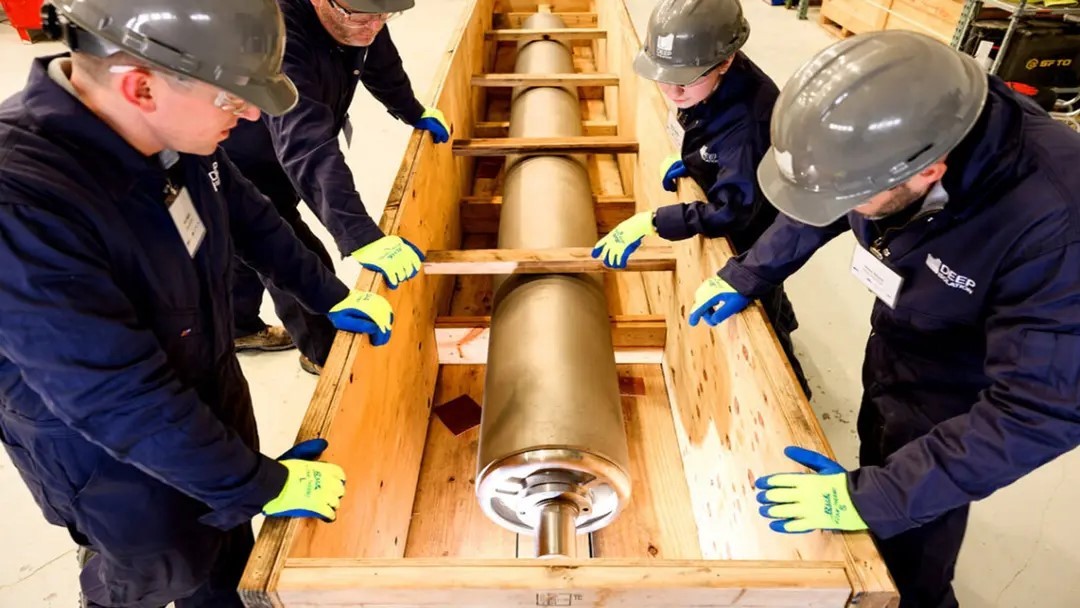
US Department of Energy Study Shows: Deep Borehole Disposal Option Can Significantly Reduce Nuclear Fuel Cycle Back-End Waste Disposal Costs
Results from a three-year US Department of Energy (DOE)-funded project show that Deep Boreholes technology can provide a safe and low-cost permanent disposal pathway for radioactive waste remaining after Nuclear Fuel Recycling. Deep Isolation Nuclear conducted a systematic assessment of multiple recycling waste disposal scenarios, and the results showed that the estimated costs for all tested scenarios were below the project's control target of "0.1 cents per kilowatt-hour of electricity generation." Long-term safety modeling also confirmed that under normal expected conditions, all options meet...
2026-09-24

Framatome of France Secures First U.S. High-Assay Low-Enriched Uranium Nuclear Fuel Contract
French nuclear company Framatome announced that it has signed a commercial contract to supply one operating nuclear reactor in the United States with the world's first nuclear fuel with uranium-235 concentration higher than the industry standard of 5%, for use in replacing reactor fuel. Under the agreement, as part of the Advanced Fuel Management (AFM) program, Framatome will use AFM technology to supply higher-concentration fuel in batches starting in early 2028. The agreement includes the supply of a range of fuels to support long-term use of AFM fuel in the reactor, and includes additional fuel supply options for the future. The company did not disclose the name of the reactor that will use the fuel. Uranium-235...
2026-09-23
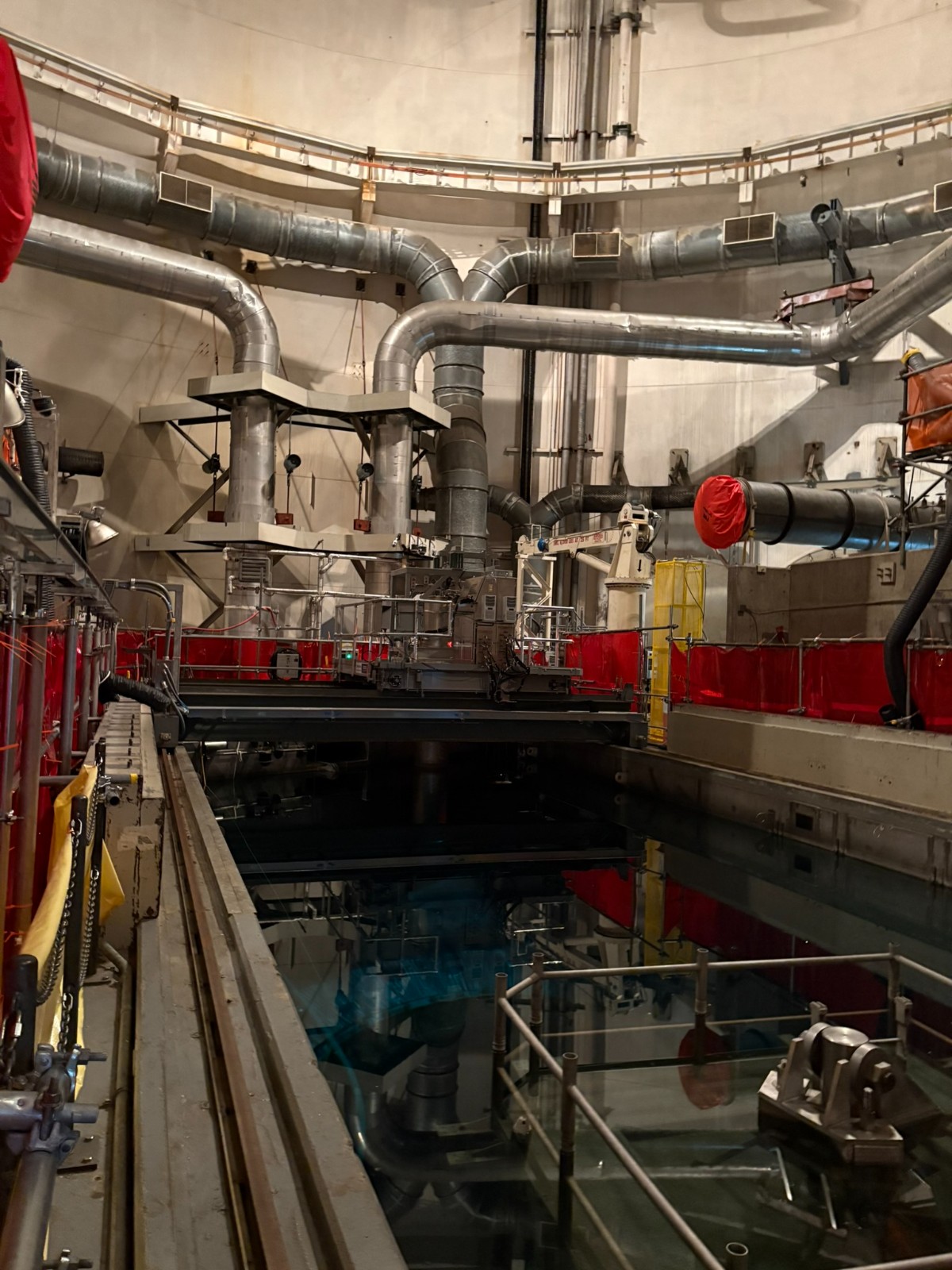
Palisades Nuclear Power Plant Restart Suspended Due to Fuel Assembly Issue
The Palisades Nuclear Power Plant in Covert Township, Michigan, encountered a problem during fuel loading operations, causing its ongoing restart process to be suspended. The 50-year-old nuclear power plant, located along the shore of Lake Michigan, had previously been planned to become the first decommissioned nuclear power plant in the United States to be restarted. Holtec, the operator of the nuclear power plant, confirmed that while loading radioactive fuel rods into the reactor, a fuel assembly unexpectedly tilted after being released by the handling device and became stuck in a non-vertical position. Due to this situation, the reactor is currently...
2026-09-23
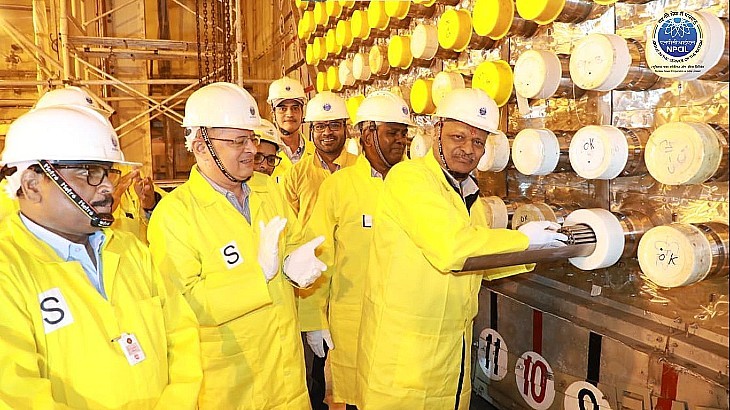
Fuel loading begins at Unit 8 of Rajasthan Nuclear Power Station
At 3:18 PM on September 19, 2026, initial fuel loading (IFL) began at Unit 8 of the Rajasthan Atomic Power Project Units 7 & 8 (RAPP-7&8) of the Nuclear Power Corporation of India Limited (NPCIL), located at Rawatbhata in Rajasthan. It is understood that the Rajasthan Atomic Power Station (RAPS) 7&8 consists of two indigenous 700 MW Pressurized Heavy Water Reactor (PHWR) units. The initial fuel loading of Unit 8 marks an important step toward first criticality and subsequent start of power generation. The unit is expected to begin commercial operation in the current financial year...
2026-09-22

National Nuclear Safety Administration Issues the Guidelines for Ecological Environment Impact Assessment of Magnetic Confinement Fusion Devices
To implement the regulatory requirements for fusion devices under the Ecological Environment Code of the People's Republic of China and the Atomic Energy Law of the People's Republic of China, and to improve China's regulatory framework for radiation safety supervision of fusion devices, the Ministry of Ecology and Environment's National Nuclear Safety Administration recently officially issued the Guidelines for Ecological Environment Impact Assessment of Magnetic Confinement Fusion Devices (hereinafter referred to as the Guidelines). The Guidelines were compiled by the Nuclear and Radiation Safety Center of the Ministry of Ecology and Environment, drawing on relevant domestic and international regulations and standards, and incorporating the construction and operation characteristics and environmental impact features of China's fusion devices. They aim to standardize and guide the ecological environment impact assessment of fusion devices throughout their entire life cycle...
2026-09-20