
Search Results
Keyword:commissioning

South Korea's KNR System Develops Heavy-Duty Bipedal Robot for Nuclear Facility Decommissioning Applications
South Korean robotics company KNR System recently announced the completion of the lower-body development and basic locomotion verification for its large-scale industrial "super-humanoid" robot. The robot's leg structure can support loads of up to 3 tons and move at a speed of 3 to 4 kilometers per hour. The company plans to release the full model by the end of 2026 and has already initiated whole-body system integration work. KNR System is developing a super-humanoid robot design. Image source: KNR System According to reports, the newly developed robot legs stand approximately 2.9 meters tall, with a maximum load capacity of 3 tons and a dual-arm payload of 600 kilograms. Each side is equipped with 12 joints, utilizing 10,000 Nm-class high-output hydraulic rotary actuators...
2026-09-07

Rosenergoatom Advances Bilibino NPP Decommissioning Preparation in Chukotka
In late August 2026, a delegation led by Alexander Shutikov, Director General of Rosenergoatom, conducted a working visit to the Chukotka Autonomous Okrug, traveling to the two nuclear-related towns of Bilibino and Pevek for a series of meetings on the further management of Bilibino NPP, the operation of the Pevek Floating Nuclear Thermal Power Plant, and regional energy security. In Bilibino, Shutikov met with Evgeny Safonov, Head of the Bilibino Municipal District Administration. The parties discussed current and long-term regional projects supported by Rosatom, including progress on the construction of the new "Orbit" ski base.
2026-09-06
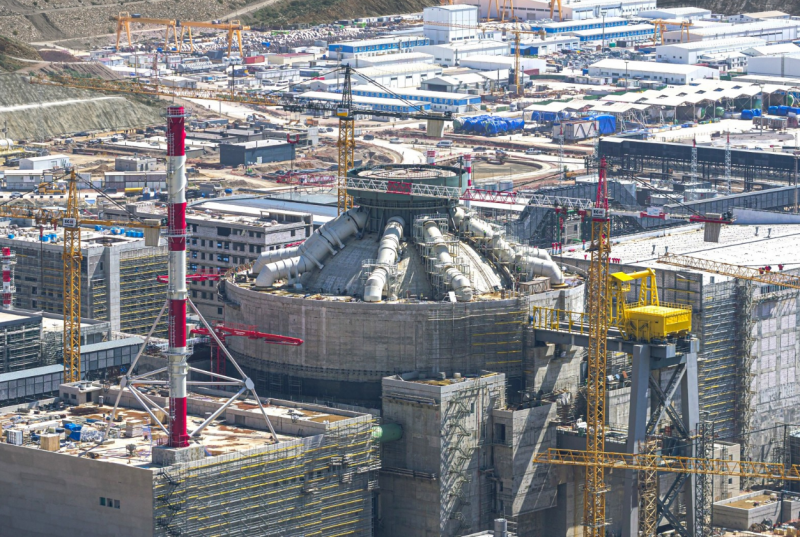
Pre-commissioning WANO Peer Review Launched at Türkiye's Akkuyu Nuclear Power Plant
The planning phase of the pre-commissioning peer review by the World Association of Nuclear Operators Moscow Centre (WANO-MC) has been launched at the Akkuyu Nuclear Power Plant (NPP) site in Türkiye. The plant, being constructed by Rosatom, is the first nuclear power plant under construction in Türkiye. This mission focuses primarily on Unit 1 of the Akkuyu NPP. Upon completion of the review, the World Association of Nuclear Operators (WANO) will conduct an independent assessment of the operational readiness of the unit's systems, equipment, and operating personnel, providing a reference for the subsequent safe operation of the unit. The review is led by Wang Tingkui, head of the WANO-MC Crew Performance Observation (CPO) and peer review team. According to...
2026-09-04
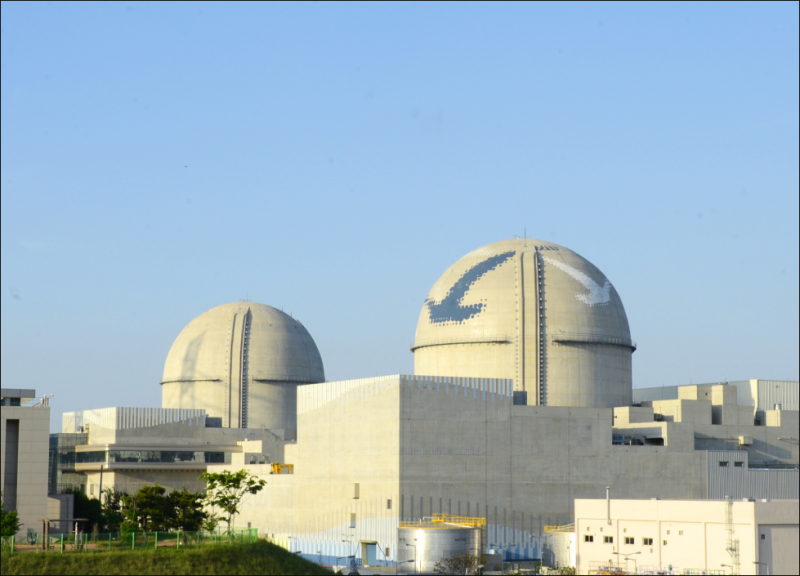
Cause Identified for Automatic Shutdown of Unit 3 at Shin-Kori Nuclear Power Plant in South Korea
The Nuclear Safety and Security Commission (NSSC) of South Korea reported on the 4th that it has completed its investigation into the automatic shutdown of Unit 3 at the Shin-Kori nuclear power plant during commissioning tests on the 11th of last month, and has approved the resumption of commissioning tests for the unit. The investigation confirmed that the direct cause of the incident was an operator error in inputting parameters during the process of restoring reactor power after the tests. According to the investigation findings, at the time of the incident, while setting the parameters for the turbine control valve position limiter, the operator mistakenly entered a value intended to limit the upper opening limit of the valve as a value in the valve closing direction. This limiter is used to prevent a rapid increase in the amount of steam entering the turbine for power generation within a short period. After the parameter error, the unit experienced an interruption in power output at approximately 80% power level, followed by an automatic shutdown.
2026-09-04
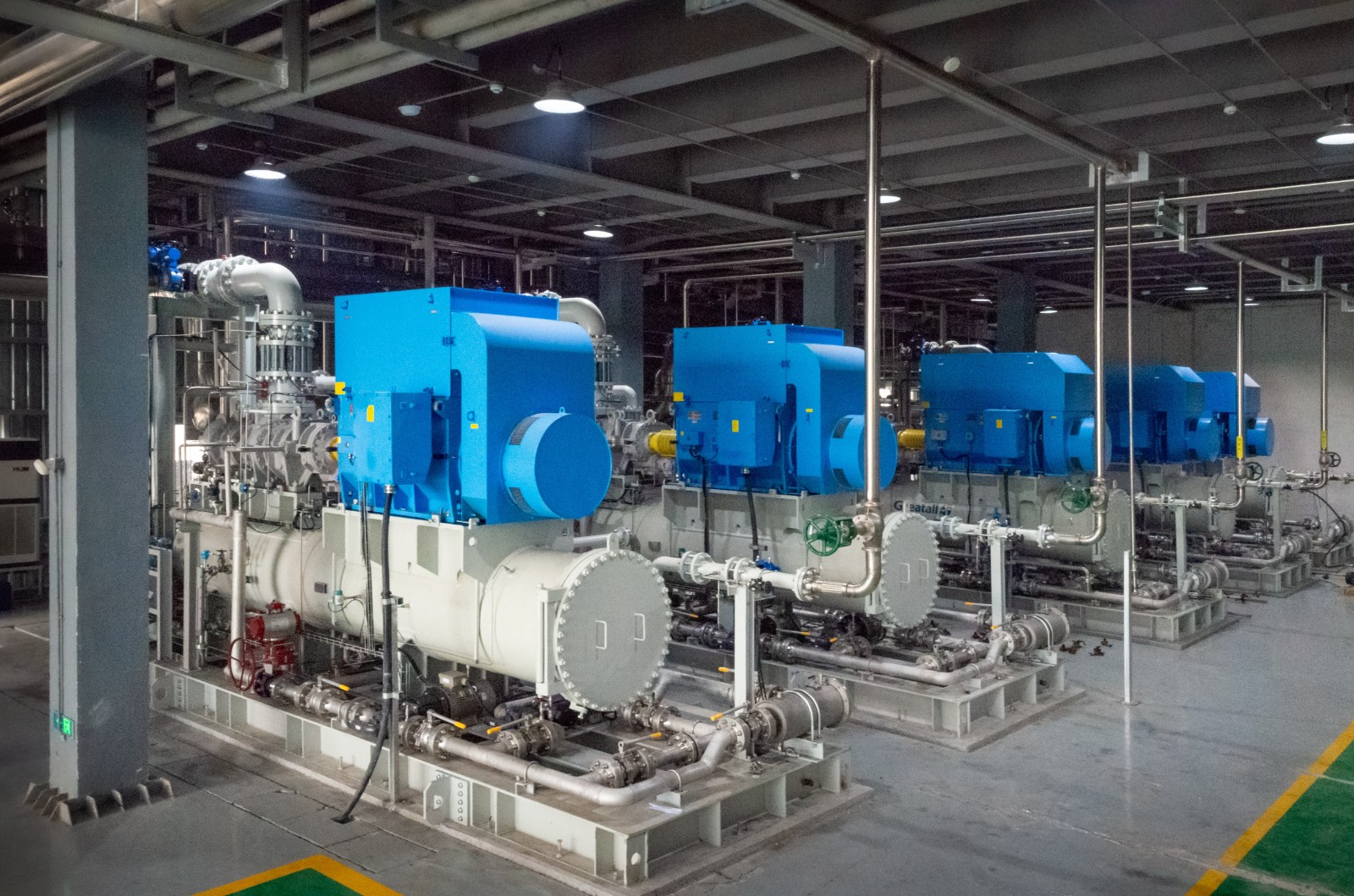
Commissioning of the CRAFT Cryogenic System 6 kW@4.5 K Helium Refrigerator Successfully Completed
Recently, significant progress has been made in the construction of the helium refrigeration system on the CRAFT magnet platform. The on-site commissioning and performance testing of the main body of the CRAFT cryogenic system 6 kW@4.5 K helium refrigerator have been successfully completed, with all indicators meeting the design acceptance requirements. The commissioning work focused on systematic verification of the cold box refrigeration performance, liquefaction capacity, control system, safety interlocks, and the operating status of key cryogenic equipment. During the acceptance tests, the helium refrigerator completed 12 hours of continuous stable operation under design conditions, achieving a refrigeration capacity of 6 kW@4.5 K + 50 K@GHe. In addition to design conditions, the project team also conducted performance tests under helium liquefaction conditions, with relevant temperature, pressure,...
2026-09-03
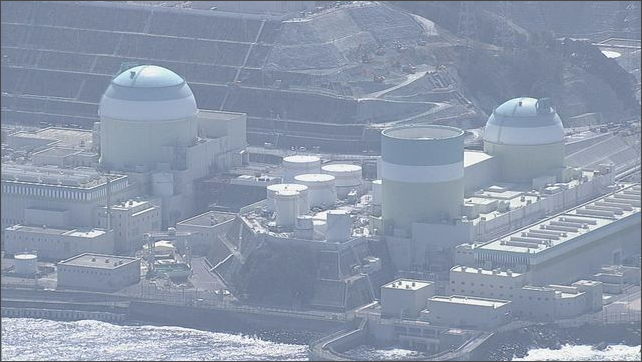
Second Phase of Decommissioning for Unit 1 of Japan's Ikata Nuclear Power Plant Approved by Prefectural Committee
The Environmental Safety Management Committee for the Ikata Nuclear Power Plant in Ehime Prefecture, Japan, held a meeting in Matsuyama City on September 2 to discuss plans by Shikoku Electric Power to proceed with the second phase of decommissioning for Unit 1 of the Ikata Nuclear Power Plant. The unit, located in Ikata-cho, Ehime Prefecture, is currently in the process of being decommissioned. The decommissioning of Unit 1 at the Ikata Nuclear Power Plant has been divided into four main phases. Shikoku Electric Power had previously conducted prior consultations with Ehime Prefecture and Ikata-cho regarding the transition to the next phase, obtained local consent, and submitted relevant applications to Japan's Nuclear Regulation Authority (NRA). In July of this year, the NRA approved the application...
2026-09-03
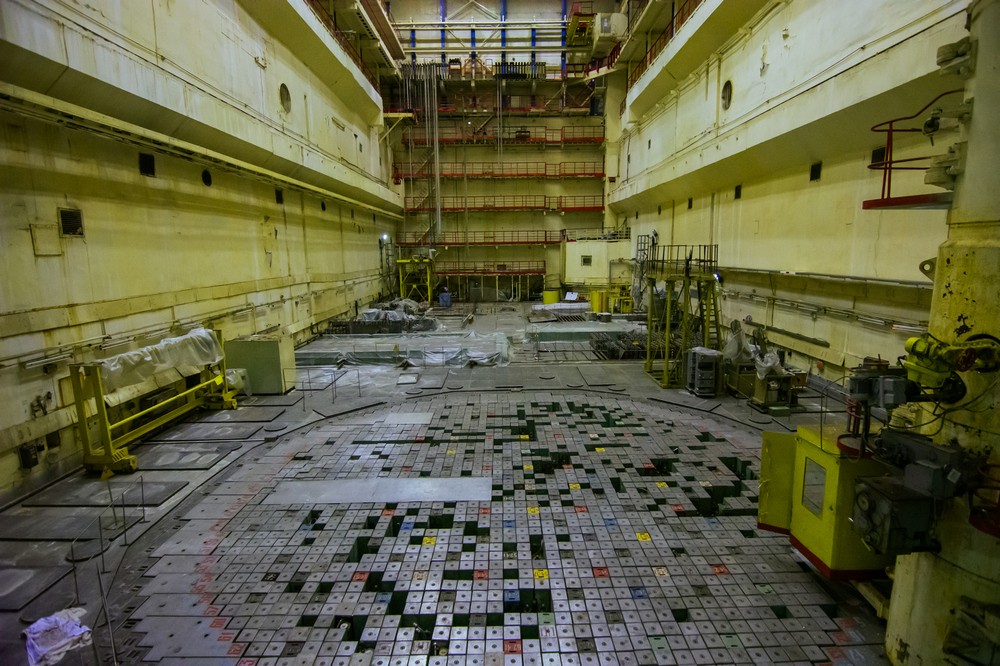
Chornobyl NPP Advances Phase 2 of Decommissioning
The decommissioning of the Chornobyl Nuclear Power Plant (ChNPP) is currently in the second of four phases, with the primary task being the final shutdown and decommissioning preparation of Reactors 1, 2, and 3. To date, ChNPP staff are advancing on-site preparation work within the protected area of the first-stage units. Among these, site preparation for Unit 2 is 94% complete, while Unit 1 stands at 44%. Related work includes dismantling systems and components within the protected area, removing thermal insulation and combustible materials, stripping electrical, signal, and control cables, and sealing wall penetrations, mounting holes, and process openings at the boundary between the protected and controlled areas, as well as installing fire-resistant panels and fire barriers on wall openings and ventilation ducts within the protected area.
2026-09-02
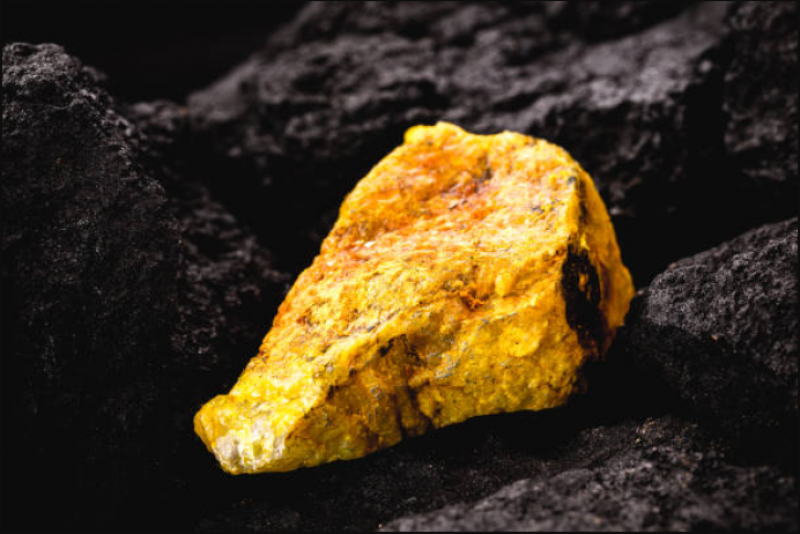
U.S. Proposes Clearer Groundwater Protection Standards for In-Situ Uranium Recovery Sites
The U.S. Nuclear Regulatory Commission (NRC) on September 1 proposed a rule aimed at establishing clearer groundwater protection standards for communities surrounding in-situ uranium recovery sites, while streamlining the process for extending decommissioning deadlines for radioactive materials facilities and nuclear reactors, reducing redundant administrative steps without compromising safety. The rule addresses two aspects under NRC oversight. First, it proposes risk-informed regulatory standards for protecting drinking water near in-situ uranium recovery facilities, designed to guard against both radiological and non-radiological contamination. In-situ uranium recovery is a method of uranium extraction that involves injecting solution into uranium-bearing ore bodies to dissolve underground uranium resources and pump them to the surface for recovery. Second, it proposes to simplify the process for facility owners to apply for extensions of decommissioning deadlines. The NRC stated that current time requirements are relatively rigid and may lead to premature license termination; the proposed changes aim to reduce applicant costs, improve regulatory efficiency, and provide clearer expectations for communities and facility operators.
2026-09-02
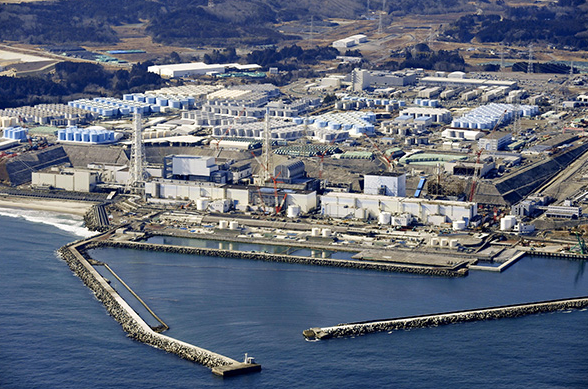
Japan Plans to Introduce Physical AI into Fukushima Daiichi Nuclear Power Station Decommissioning
The Japanese government and Tokyo Electric Power Company (TEPCO) are preparing to introduce Physical AI technology into the decommissioning operations at the Fukushima Daiichi Nuclear Power Station to enhance the autonomous operational capabilities of robots in high-radiation environments. This technology enables artificial intelligence to autonomously control robots based on on-site conditions, performing tasks such as inspection, data collection, and cleanup. To advance this effort, an advisory organization involving the government, businesses, universities, and research institutions is planned to be established within the year, with discussions centered on technology development, equipment application, and on-site verification. The organization is expected to be led by relevant government ministries and TEPCO, and will include AI startups, robot manufacturers, and university researchers.
2026-09-01
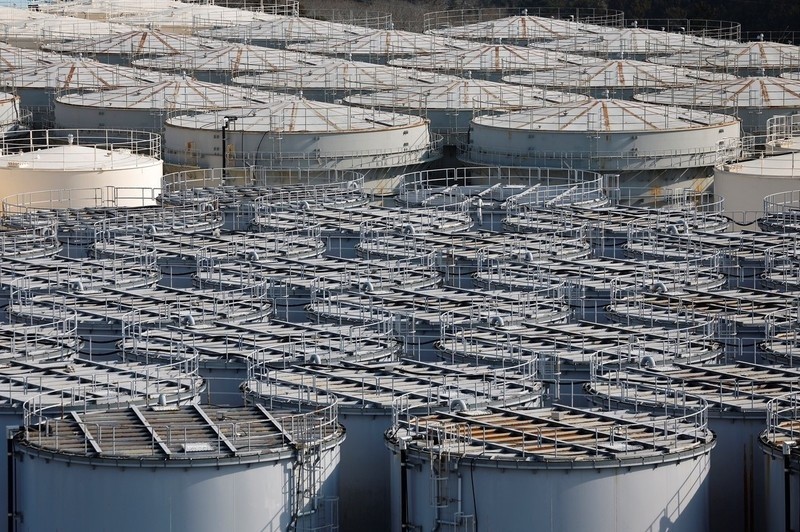
Fukushima Daiichi Nuclear Power Station begins 23rd discharge of treated nuclear-contaminated water
At 11:29 on August 31, Fukushima Daiichi Nuclear Power Station began its fifth discharge of treated nuclear-contaminated water in fiscal year 2026 and the 23rd overall. The operation is scheduled to last 19 days, concluding on September 18, with an estimated discharge of approximately 7,800 tonnes of nuclear-contaminated water diluted with seawater, equivalent to the capacity of about 8 storage tanks. The total tritium content is estimated at approximately 1.2 trillion becquerels. The reactors of Units 1 to 3 at Fukushima Daiichi still contain nuclear fuel that melted and solidified during the accident, known as fuel debris. Groundwater and rainwater that come into contact with this fuel debris form contaminated water. Since the discharge of treated nuclear-contaminated water began in August 2023, Fukushima Daiichi has cumulatively released approximately 173,000 tonnes, equivalent to about 173 storage tanks' capacity.
2026-09-01

German Chancellor Links High Electricity Prices to Hasty Nuclear Phase-Out
German Chancellor Friedrich Merz stated that Germany's current high electricity prices are partly attributable to the hasty closure of nuclear power plants. He believes that Germany exited nuclear energy without adequate alternative solutions and now has to bear higher costs for subsequent energy supply arrangements. In an interview, Merz said that the closure of Germany's nuclear plants was not his responsibility, and "if it were up to me, I would not have done this." He noted that the decision has already been made, and the current government cannot change the established facts nor provide a legal guarantee for grid electricity prices over the next 15 years. Merz also mentioned that the impact of the Iran conflict is one of the factors driving up electricity prices. In terms of electricity...
2026-08-31
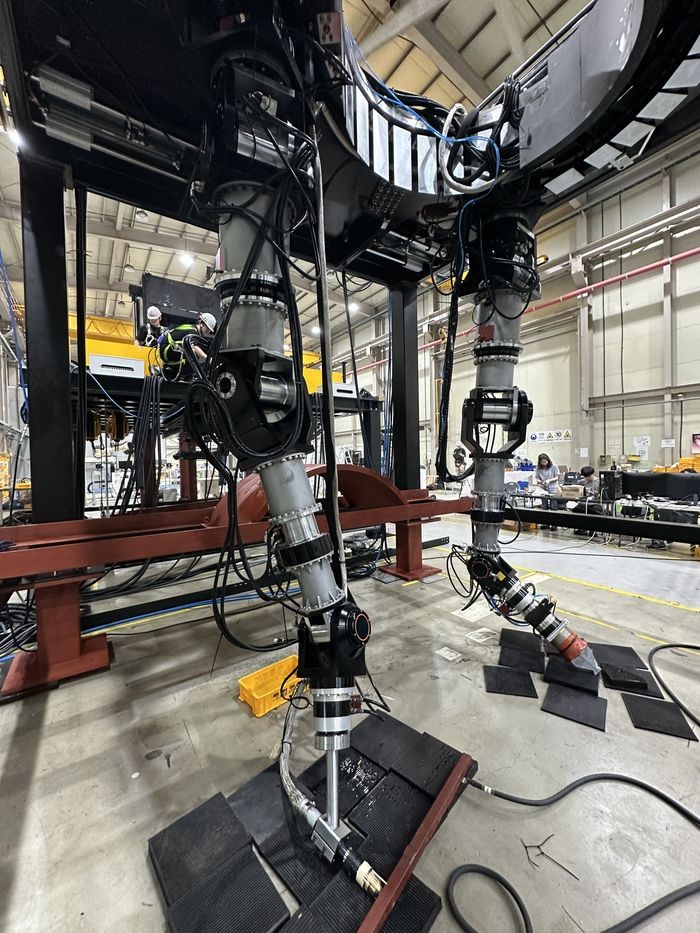
South Korea's KNR Systems Completes Development of Robotic System for PHWR Decommissioning
KNR Systems announced on August 31 that it has completed the development of a platform system for remote cutting and dismantling of radioactive structures in Pressurized Heavy Water Reactors (PHWR), with final delivery scheduled to commence in September this year. The system originates from a government-commissioned PHWR decommissioning demonstration project. The project, valued at approximately 2.8 billion KRW, was awarded in January last year, with a development period of about seven months. Upon delivery, the equipment will be installed at the Heavy Water Reactor Decommissioning Technology Center of the Korea Research Institute of Decommissioning (KRID) in Gyeongju, for use in PHWR decommissioning demonstrations. Compared with light water reactors, PHWRs have more complex internal structures and typically higher levels of radioactive contamination, making dismantling operations more challenging.
2026-08-31
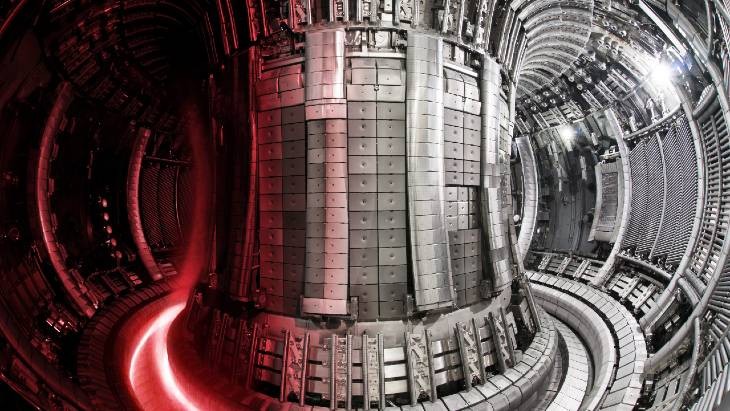
UK JET Decommissioning Project to Trial Asset-Based Decommissioning Approach
The JET Decommissioning and Repurposing (JDR) project recently announced that it will trial an asset-based decommissioning approach in three areas of the JET facility during the next phase of work. These areas were once part of the power supply infrastructure during JET plasma operations. This trial work will support the overall development of the Culham Campus and, in conjunction with the Strategic Investment and Development for Energy and AI (STRIDE) programme, facilitate land remediation to create conditions for the installation of a fourth supergrid transformer. JDR has signed a contract with Ramco UK to undertake the relevant trial work. JDR Engineering Integration Manager Steve...
2026-08-28
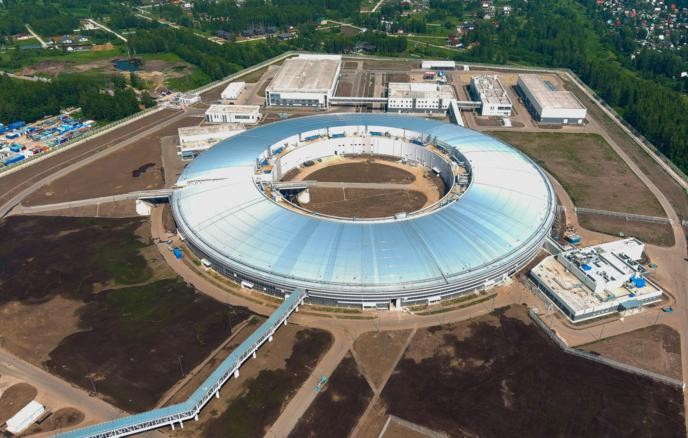
First Seven Experimental Stations of Russia's SKIF Synchrotron Planned for Commissioning in Summer 2027
The first seven scientific experimental stations at the Siberian Circular Photon Source (SKIF) shared center, located near Novosibirsk, Russia, are planned to begin beam testing in August 2027. According to the center's relevant official, all experimental station equipment has been fully installed, and experts are currently conducting commissioning work. Construction of the SKIF synchrotron was completed in June 2026. Once the project becomes operational, it will utilize synchrotron radiation to help researchers observe the internal structure of matter, obtaining high-precision data on material structure and behavior, which can serve fundamental research and related industrial R&D. As planned, the Budker Institute of Nuclear Physics of the Siberian Branch of the Russian Academy of Sciences will launch beam operation in the main storage ring in September...
2026-08-28
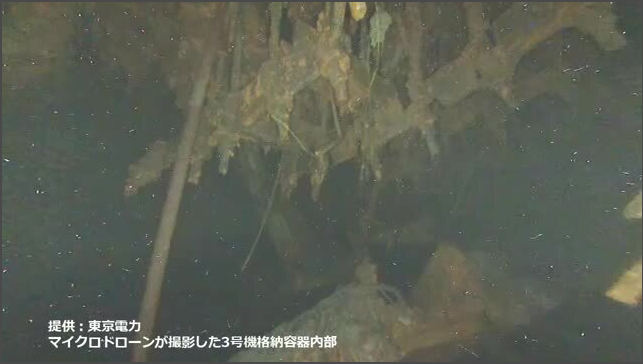
Hole of about 3 meters confirmed at bottom of reactor pressure vessel of Unit 3 at Fukushima Daiichi Nuclear Power Station
Tokyo Electric Power Company (TEPCO) announced on August 27 that a hole approximately 3 meters in diameter has been confirmed at the bottom of the reactor pressure vessel of Unit 3 at the Fukushima Daiichi Nuclear Power Station. The pressure vessel is a steel container that held nuclear fuel before the accident, with a cylindrical shape and a diameter of about 5.5 meters. This is the first time since the core meltdown accident at Units 1 to 3 of the Fukushima Daiichi Nuclear Power Station in 2011 that the specific size and shape of such a hole have been confirmed on the pressure vessel. The hole is believed to be related to the falling of melted nuclear fuel during the 2011 accident. After the accident, the containment vessel of Unit 3 has maintained a relatively high water level for an extended period, and access routes into the containment vessel are limited. TEPCO previously used a micro drone measuring approximately 12 centimeters per side...
2026-08-28