
Search Results
Keyword:cooling system
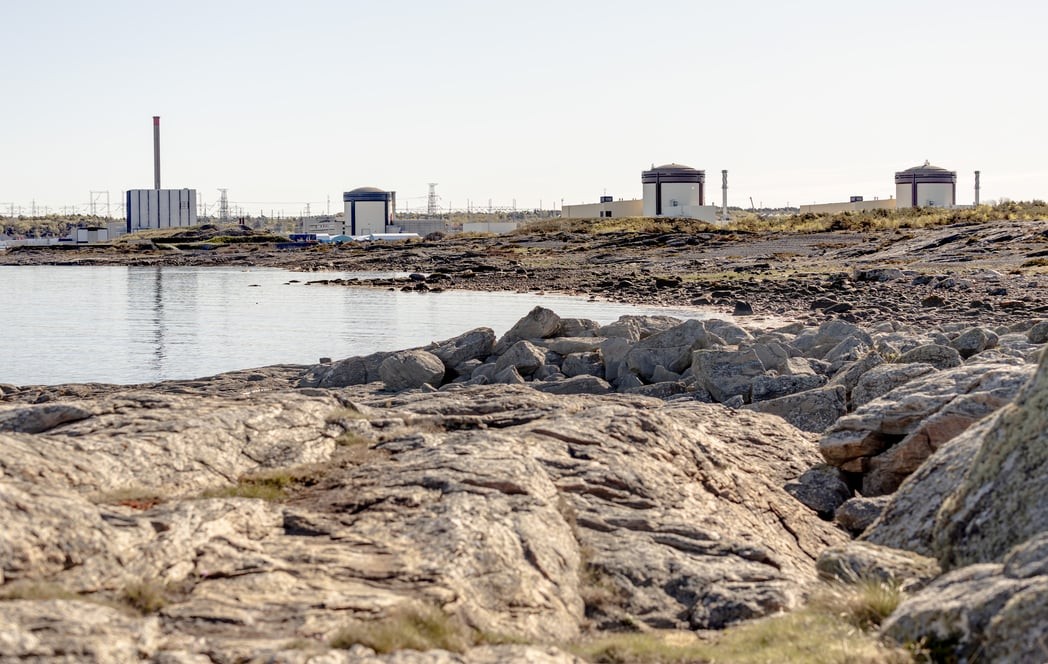
Planned outage at Sweden's Ringhals Unit 4 extended to November 30
The planned maintenance outage at Unit 4 of Sweden's Ringhals nuclear power plant will be extended to November 30 due to the need for additional cleaning work on site. During the planned maintenance outage at Ringhals Unit 3, inspectors discovered rubber residue in parts of the component cooling system. The rubber residue originated from leaking valves within the system. The cleaning work is a preventive measure aimed at avoiding reduced cooling performance or component damage. Sven-Anders Andersson stated that the valve replacement work had originally been scheduled for the coming years, but the rubber degradation exceeded expectations. He said: "We deeply regret the extended outage, but safety and equipment condition remain our top priorities."
2026-09-09
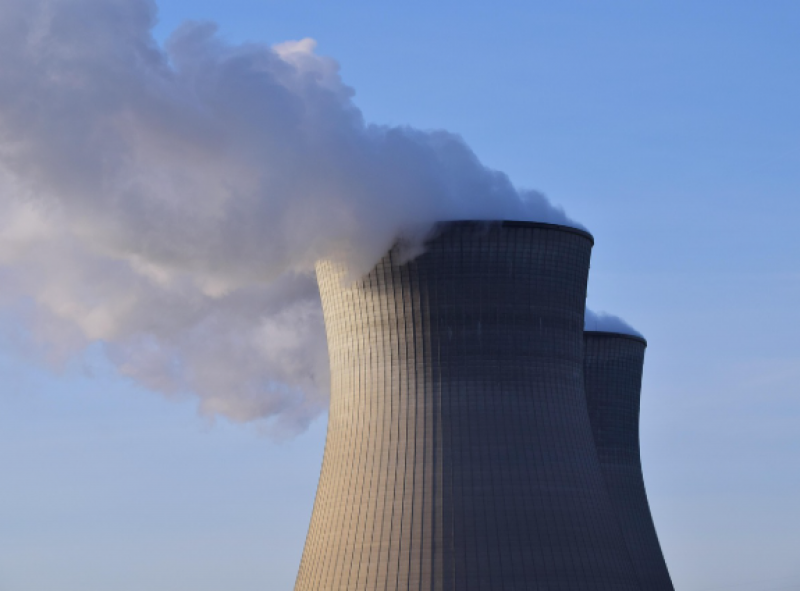
U.S. Think Tank Recommends European Nuclear Power Adjust Cooling Configurations to Address High Temperatures and Drought
The U.S. Boston-based think tank Clean Air Task Force (CATF) recently stated that extreme heat and drought are placing new pressure on Europe's energy infrastructure, with nuclear power plant operations also affected. The organization believes the nuclear industry needs to place greater emphasis on climate resilience in energy planning and assess the impact of different cooling configurations on long-term plant operations. CATF noted that for nuclear power plants, temperature changes, water resource availability, environmental conditions, and related regulatory requirements over the coming decades could all affect unit operations. The selection of cooling schemes for nuclear power plants should be determined based on site-specific conditions, including local water resource availability, environmental regulations, geographical conditions...
2026-09-03

NuScale Completes First Manufacturing of Boron Carbide Pellets for SMR Safety Component in the U.S.
NuScale Power and MillenniTEK recently announced that they have successfully manufactured the first batch of boron carbide pellets for NuScale's passive emergency core cooling system (ECCS). This component will be used in NuScale's small modular reactor (SMR) technology and is one of the dedicated components in its reactor safety system. According to reports, in nuclear power plants employing NuScale technology, when the emergency core cooling system is activated, the boron carbide pellets dissolve into the reactor coolant, helping to control and maintain core reactivity at safe levels without operator intervention. This manufacturing effort is considered a key advancement in NuScale's preparation for commercial deployment, involving the validation of dedicated safety components and associated manufacturing processes.
2026-09-02
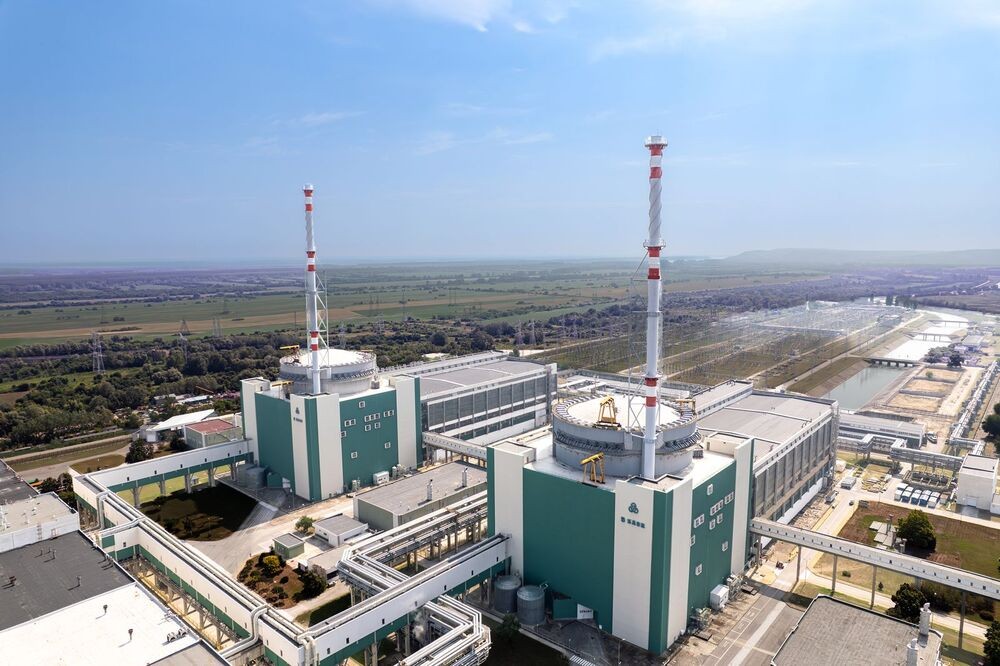
Bulgarian Environmental Groups Demand Public Review of Water Engineering Project Near Kozloduy Nuclear Power Plant
WWF Bulgaria has called for the prompt public disclosure of the technical plans and final design selection for the proposed hydraulic structures near the Kozloduy Nuclear Power Plant, as well as for public discussions to be organized before construction work begins in the Danube riverbed. The organization stated that the purpose of the proposed project is to raise local water levels during prolonged droughts and historically low Danube water levels, ensuring the stable operation of the Kozloduy Nuclear Power Plant's cooling system. The organization has sent an open letter to Bulgaria's Minister of Energy, Minister of Transport and Communications, and Minister of Environment and Water, raising these demands. WWF Bulgaria noted that the Danube is an international waterway, and any engineering intervention involving the riverbed requires careful assessment of environmental, socio-economic, hydro-morphological, and transboundary impacts. Given the complexity of the factors involved in the project, relevant analyses, model results, and design justifications should be made public in a timely manner and subjected to transparent public discussion.
2026-08-27
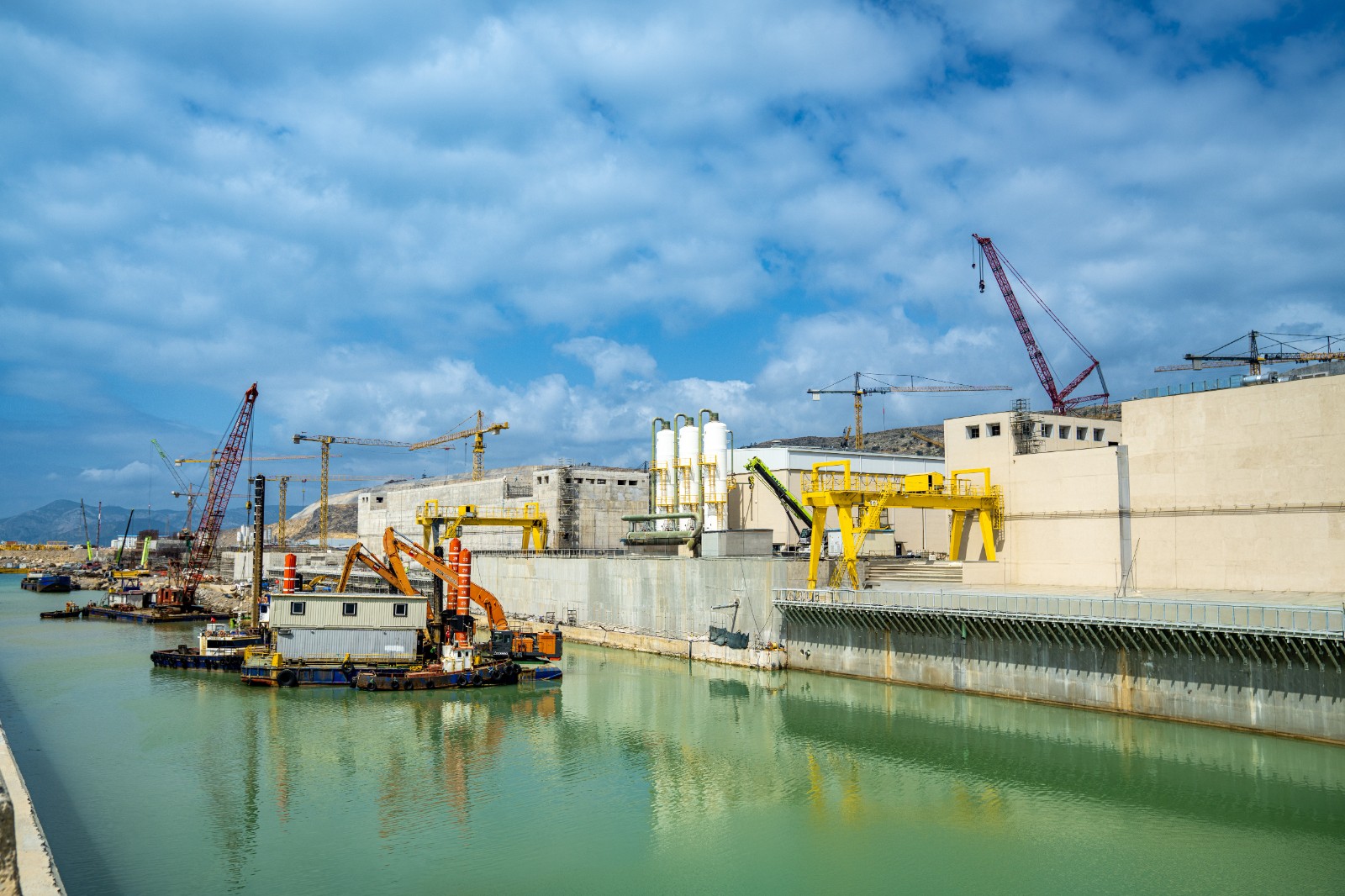
Akkuyu NPP Unit 2 Completes Installation of Four Main Pump Sets
The four main pump sets of the technical water supply system at the onshore pumping station of Unit 2 at Turkey's Akkuyu Nuclear Power Plant have been installed. Specialists from TITAN-2 Holding completed the installation, marking new progress in the construction of the turbine island cooling system for this unit. These large centrifugal pumps will be used to deliver seawater to the condenser cooling system of the turbine units. Once the unit is in operation, the continuous and stable operation of the pump sets will directly affect the cooling efficiency of the turbine hall equipment and influence the operational stability of the turbine units. According to reports, these pump sets are among the larger pump equipment at the nuclear power plant, with each pump standing as tall as a five-story building. The equipment is arranged in a tiered layout, with the pump bodies...
2026-08-19
Bulgaria's Kozloduy NPP Addresses Challenges of Low Danube River Water Levels
Bulgaria's Ministry of Energy stated on August 16 that the Kozloduy NPP is currently operating as planned. In response to the persistently rare low water levels in the Danube River, the plant has further studied and implemented preventive arrangements based on existing technical and organizational measures to ensure stable unit operation under complex hydrological conditions. The Bulgarian Ministry of Energy stated that the Kozloduy NPP has established a dedicated working group to evaluate various options for ensuring the plant's normal operation, with a focus on facilities related to the riverbank pumping station. The working group is continuously optimizing the riverbank pumps, reactor unit cooling systems, spent fuel storage facilities, and the overall water...
2026-08-17
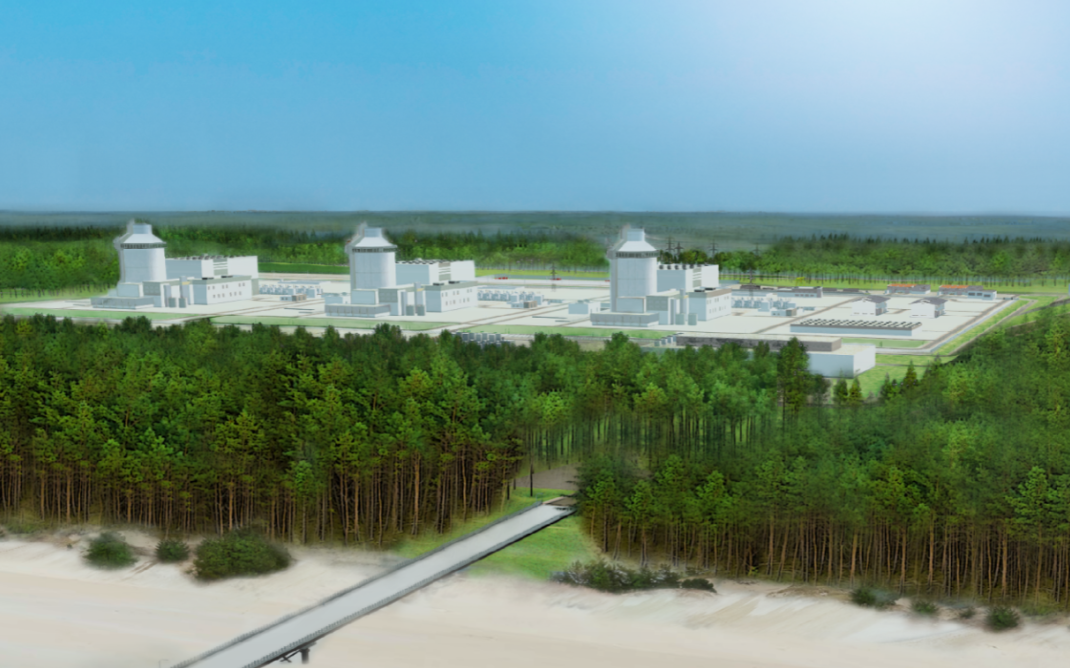
Rising River Water Temperatures in Europe Constrain Nuclear Power Operations, Poland's First Nuclear Power Plant Turns to Baltic Sea for Cooling Water
Persistent high temperatures, droughts, and low river water levels across Europe are turning nuclear power plant cooling issues from a purely engineering topic into a real risk affecting the stability of electricity supply. Experience in countries such as France and Switzerland shows that when river water temperatures are too high or flow rates are insufficient, nuclear power plants—even with generating capacity available—may be forced to reduce output or temporarily shut down due to environmental restrictions. In 2022, France's nuclear power generation fell by 22% year-on-year, and during recent summer heatwaves, rising water temperatures in rivers such as the Seine and the Rhône have repeatedly led to restrictions on related units. The core of this issue is not just whether there is enough water, but also whether the water is cold enough. Traditional river-dependent cooling systems...
2026-08-13
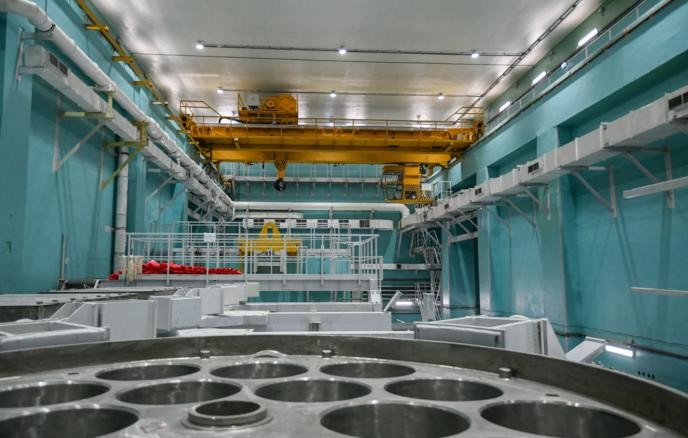
International Team Determines Critical Safety Parameter Ranges for Magnetic Liquid Cooling Systems
South Ural State University (SUSU) recently announced that researchers from its Polytechnic Institute, in collaboration with colleagues from Moscow and Baghdad, have determined the safe and unsafe ranges of the Hartmann number and Brinkman number in magnetic liquid cooling systems. Based on this, they developed a computer program to optimize the operation of high-power heat exchangers in devices such as supercomputers and nuclear reactors. According to the introduction, this research focuses on two key parameters in magnetohydrodynamics: the Hartmann number characterizes the resistance exerted by a magnetic field on fluid motion, while the Brinkman number reflects the internal heat generated by the fluid due to viscous effects and electrical resistance. The researchers noted that under specific conditions, a strong magnetic field does not necessarily...
2026-08-13
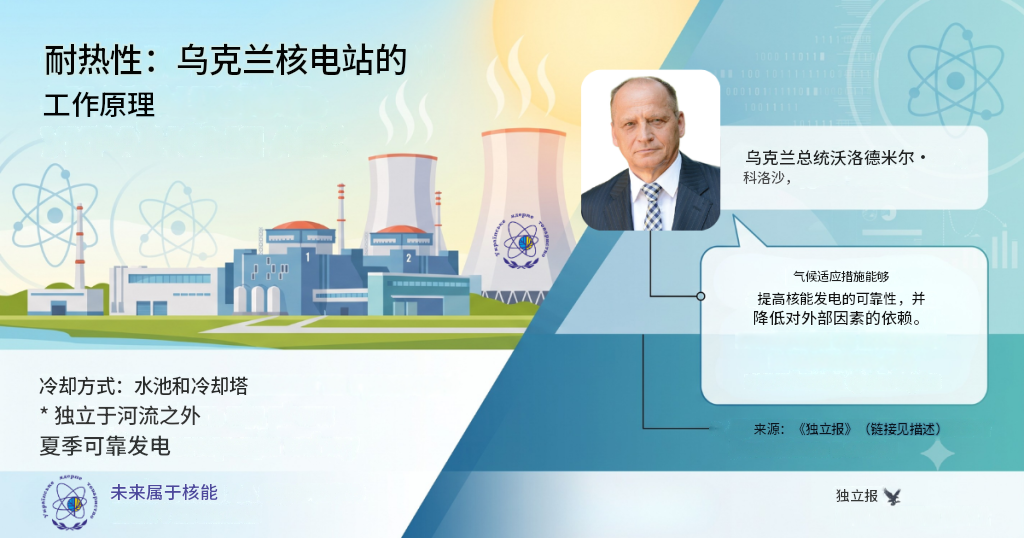
Europe's High Temperatures and Droughts Impact Nuclear Power Operations, Ukrainian Expert Says Climate Adaptation Tied to Energy Independence
Recent prolonged high temperatures, droughts, and falling river levels across Europe have put pressure on the operation of some nuclear power plants that rely on river water for cooling. Nuclear facilities in France, Hungary, Romania, and Slovenia have successively experienced power reductions or shutdowns, forcing some countries to ease supply pressure through electricity imports and adjusted consumption arrangements. Katie Huff, a professor of nuclear engineering at the University of Wisconsin-Madison, stated that the impact of climate change on nuclear power operations is mainly reflected in two aspects: first, droughts lower river levels, making it difficult for plants to obtain sufficient cooling water; second, when air and water temperatures are high, nuclear plants face stricter restrictions on discharging warm water into rivers to avoid further affecting the aquatic environment.
2026-08-11
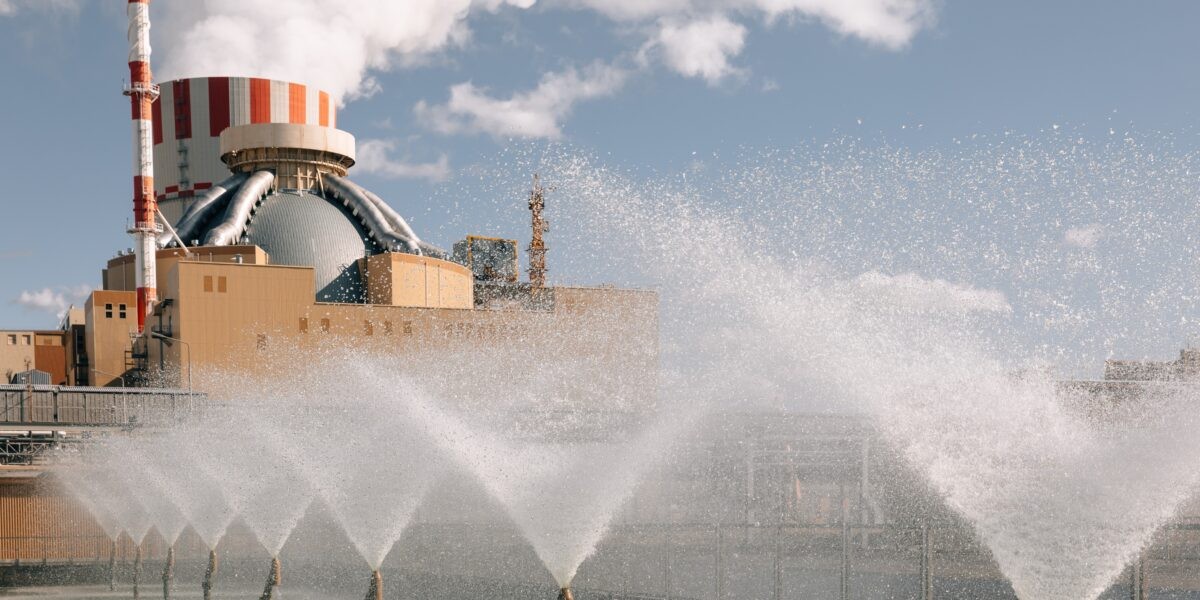
Rosatom Says Russian Nuclear Plants Operate Stably During Summer Heat
In response to recent operational pressures faced by foreign nuclear power plants due to high temperatures and low water levels, Alexey Likhachev, CEO of Rosatom, stated that Russian nuclear power plants are operating normally during the summer peak electricity demand period, with stable power generation. Likhachev said that hot weather does require nuclear plant operators to pay more attention to the condition of cooling systems, but for Russian nuclear plants, this is a normal seasonal factor. Russian nuclear power plants have incorporated significant climate fluctuations, including extreme weather scenarios, into their design and operational phases. He stated that Rosatom has experience in...
2026-08-09
Russian nuclear power plants generate 129.6 billion kWh of electricity this year
Alexey Likhachev, CEO of Rosatom, recently stated that since the beginning of this year, Russian nuclear power plants have generated a cumulative total of 129.6 billion kWh of electricity, exceeding the target set by the Federal Antimonopoly Service of the Russian Federation by 7.8%. Likhachev noted that Russia is currently in its summer peak electricity consumption period, and nuclear power plants across the country are operating normally overall, with stable power generation and all safety requirements being met. He stated that hot weather does require operating entities to pay greater attention to cooling and heat reduction measures, but this is a seasonal factor that must be addressed in nuclear power plant operations. He pointed out that Russian nuclear power plants have fully considered different climatic conditions during their design and operation phases...
2026-08-08
Bulgarian Energy Minister to Inspect Unit Operations at Kozloduy Nuclear Power Plant
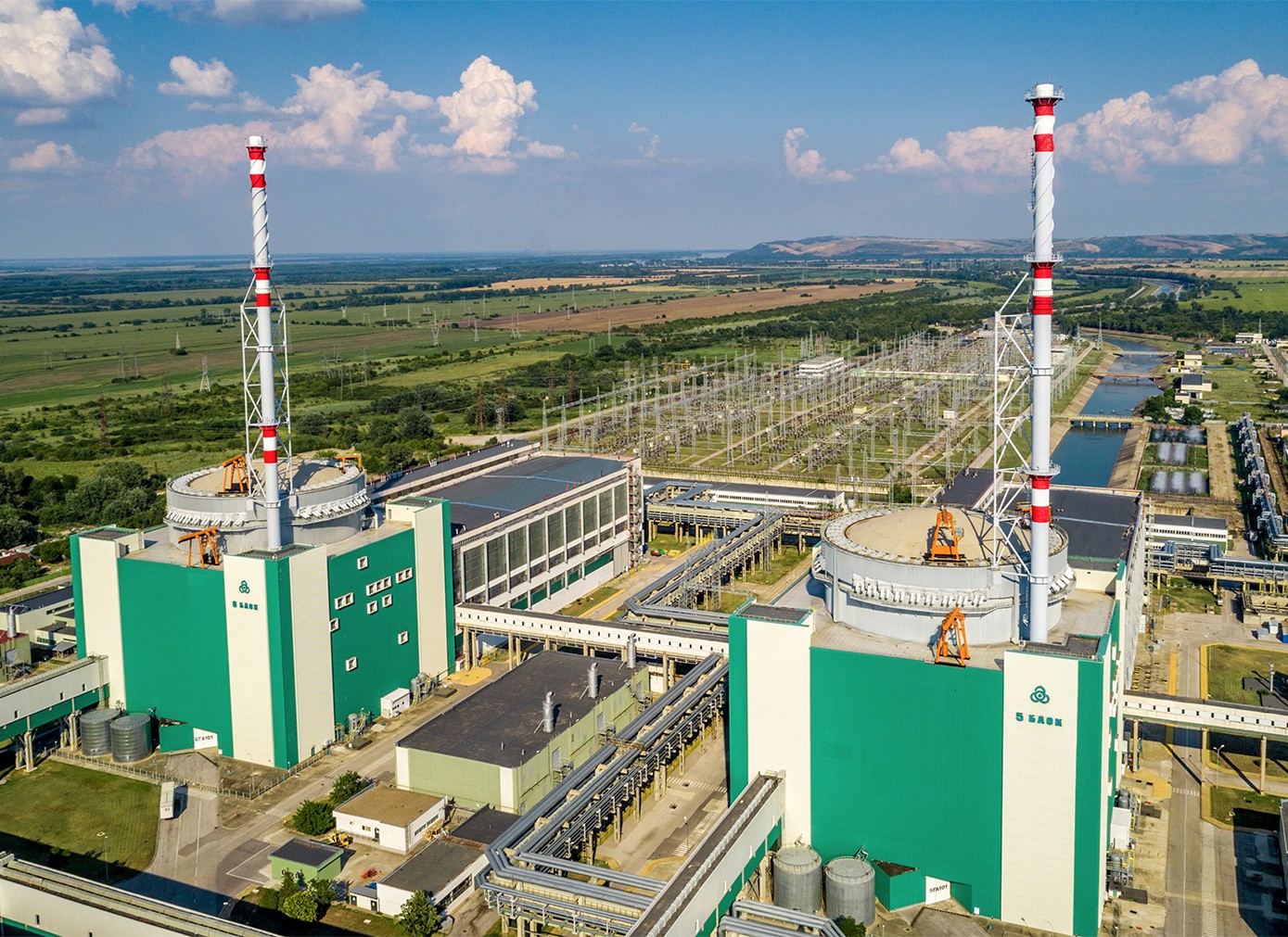
Bulgaria's Ministry of Energy announced on August 3 that Energy Minister Iva Petrova will visit the Kozloduy Nuclear Power Plant on August 4. Experts from the Ministry of Energy, along with representatives of the management of Bulgarian Energy Holding (BEH) and the Electricity System Operator (ESO), will accompany her. According to the Bulgarian Ministry of Energy, the visit will focus on understanding the current operational status of Units 5 and 6 at the Kozloduy Nuclear Power Plant, assessing the impact of the abnormally low Danube River water level on plant operations, and reviewing measures taken by the Ministry to ensure the security of Bulgaria's electricity system. On August 2, the Bulgarian Ministry of Energy stated that despite the Danube River water level dropping to a historic low, the two nuclear units at the Kozloduy Nuclear Power Plant...
2026-08-04