
Search Results
Keyword:food safety

IAEA Launches Research Project on Edible Insects and Novel Food Safety
As demand for alternative protein sources grows, the International Atomic Energy Agency recently launched a five-year coordinated research project focusing on potential safety risks associated with the production, processing, and consumption of edible insects and other novel foods, while promoting the application of nuclear, isotopic, and related analytical techniques in food safety testing. Edible insects are gaining increasing attention. Data show that more than 2,000 species of edible insects are known globally, with approximately 2 billion people regularly consuming insects; at least 113 countries currently consume one or more insect species. In Africa, Asia, the Pacific region, and Latin America, insects have long been part of the diet for certain populations. As...
2026-09-03

Electron Beam Processing Can Reduce Poultry Pathogens, Study Shows Turkey Meat Quality Remains Well Preserved
A study on electron beam treatment of poultry meat products shows that electron beam irradiation has the potential to reduce the risk of foodborne pathogens in poultry while preserving meat quality as much as possible. The paper, titled "Effects of Electron Beam (eBeam) Treatment on the Texture and Sensory Attributes of Chicken and Turkey Meat Batters," was published in the journal Poultry Science. Electron beam is a non-thermal processing technology that uses high-energy electrons to cause irreversible damage to pathogen DNA or RNA, making it difficult for bacteria to replicate. Like X-rays and gamma rays, electron beam has been approved by the U.S. Food and Drug Administration for cold pasteurization that does not rely on heating. The research team used the electron beam irradiation facility at Texas A&M University...
2026-08-26

IAEA Launches Research Project on Edible Insects and Novel Foods Safety
As global demand for alternative protein sources rises, the International Atomic Energy Agency has recently launched a five-year coordinated research project focusing on assessing safety risks associated with edible insects and other novel foods during production, processing, and consumption. The project will be implemented through the Joint FAO/IAEA Centre of Nuclear Techniques in Food and Agriculture, utilizing nuclear techniques, isotope techniques, and related detection methods to analyze chemical, biological, and physical hazards in food. Currently, more than 2,000 species of edible insects are known globally, and approximately 2 billion people regularly consume insects. In Africa, Asia, the Pacific region, and Latin America, insects have long been part of the diet in some communities...
2026-08-20

New National Standard GB/T 18525.1-2026 — The Red Beans and Mung Beans You Eat May Have Been
Starting December 1, 2026, a new national standard concerning food safety on your dining table will officially take effect — Recently, the State Administration for Market Regulation and the Standardization Administration of China issued the 2026 No. 23 National Standard Announcement, among which the "Irradiation Technology for Agricultural Products — Part 1: Legumes and Their Products" (GB/T 18525.1-2026) is particularly noteworthy. This standard, led by the Institute of Food Science and Technology, Chinese Academy of Agricultural Sciences, will officially take effect on December 1, 2026, replacing the old standard (GB/T 18525.1-2001) that has been in use for over 20 years. When hearing the word "irradiation," many people's first reaction is: "Is it safe?" "Will food become radioactive after being irradiated..."
2026-08-13
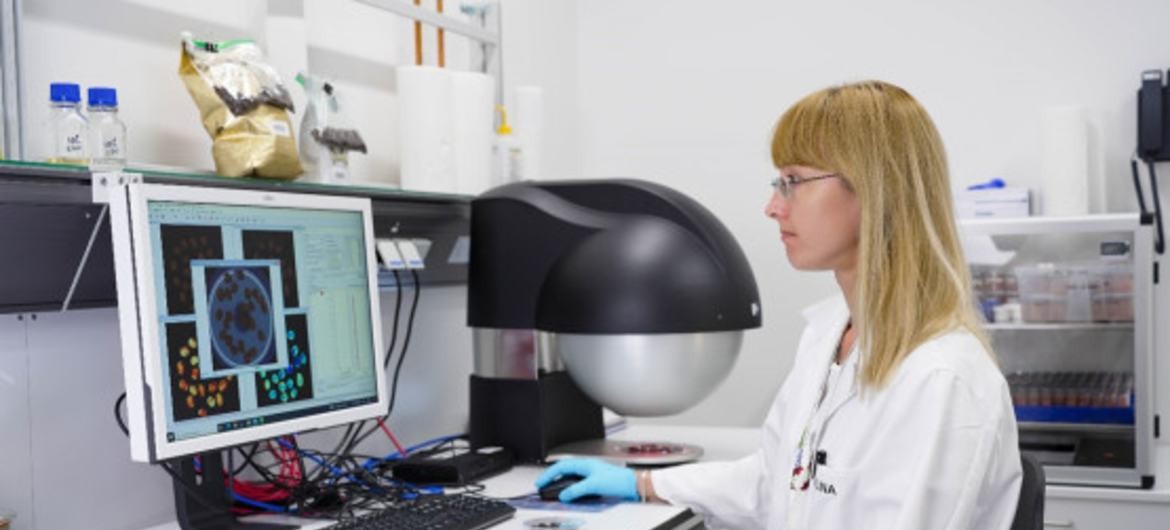
60th Anniversary of the Joint FAO/IAEA Centre: Nuclear Techniques Continue to Serve Global Agriculture and Food Safety
In 2024, the Joint FAO/IAEA Centre of Nuclear Techniques in Food and Agriculture marks its 60th anniversary. Established in 1964 through a partnership between the Food and Agriculture Organization of the United Nations and the International Atomic Energy Agency, the Centre primarily promotes the application of nuclear science and related technologies in food security, agricultural production, and sustainable environmental development. Over the past 60 years, the Joint Centre has carried out work in areas including pest control, plant breeding and genetics, soil and water management, animal production and health, and food safety and quality control. Its Agriculture and Biotechnology Laboratories have long undertaken tasks in technology development, capacity building, and technology transfer,...
2024-12-27
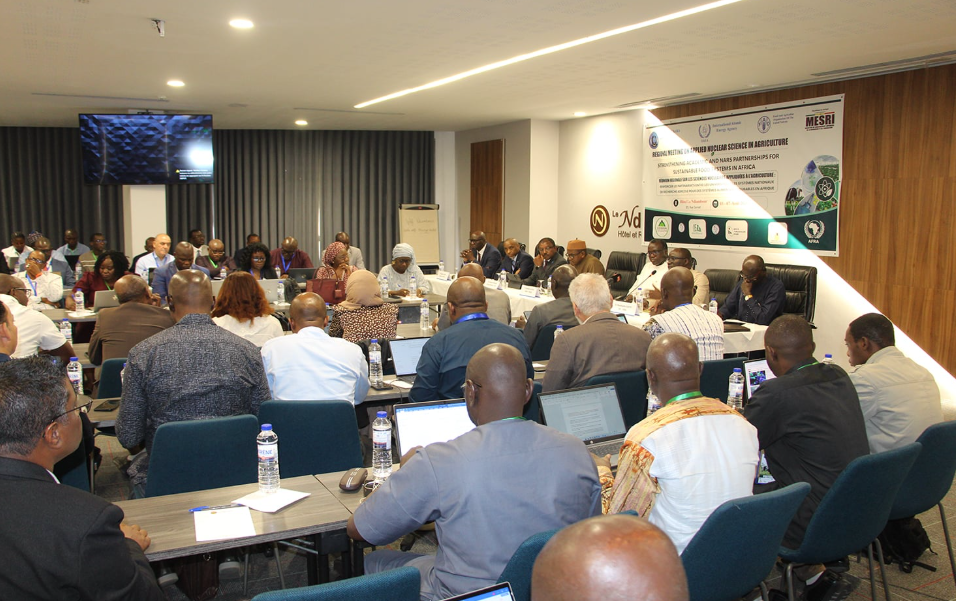
Senegal Seeks to Leverage Nuclear Energy to Boost Agricultural Productivity
Senegal is actively exploring the use of nuclear technology to enhance agricultural productivity. Facing numerous agricultural challenges, the country believes that nuclear science applications can effectively improve crop cultivation, soil health, and aquaculture, among other areas, with particular attention focused on the regional conference on nuclear science applications in agriculture held in Dakar from August 3 to 7. The event, organized by the Plant Biotechnology Laboratory led by Professor Diaga Diouf at UCAD University in collaboration with the International Atomic Energy Agency (IAEA), is part of the Atoms4Food initiative launched in 2023. The conference brought together university presidents, faculty deans, directors of national agricultural research centers, and other experts and scholars in related fields,...
2026-08-05
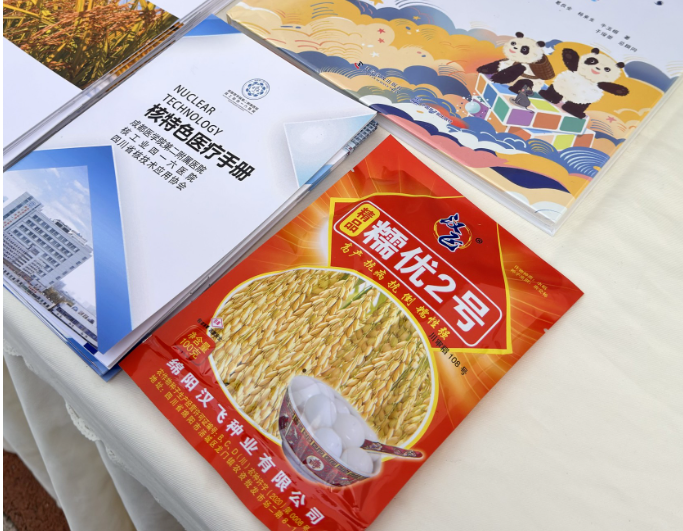
Nuclear Technology Bolsters Food Safety: Sichuan Institute of Atomic Energy Promotes Irradiated Food via "Three Rural Services" Outreach
Recently, during a provincial-level "Three Rural Services" (bringing culture, science/technology, and healthcare to rural areas) demonstration event in Sichuan, the Sichuan Institute of Atomic Energy showcased "irradiated lemon-flavored chi
2026-07-27
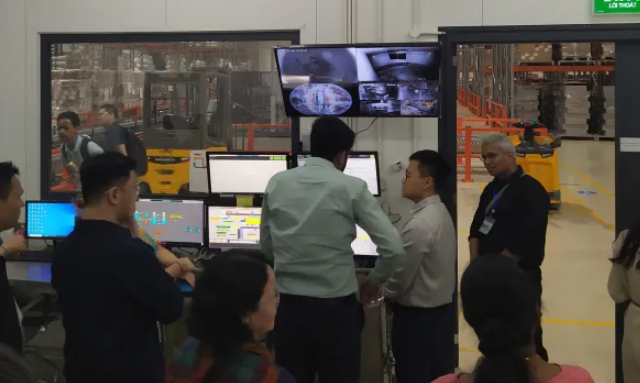
New Advances in Food Irradiation Technology Help Enhance Food Safety and International Trade
The International Atomic Energy Agency (IAEA) states that recent advances in food irradiation technology are helping countries enhance food safety, reduce food losses, and facilitate the international trade of agricultural products. At an international sy
2026-07-27