
Search Results
Keyword:lutétium-177
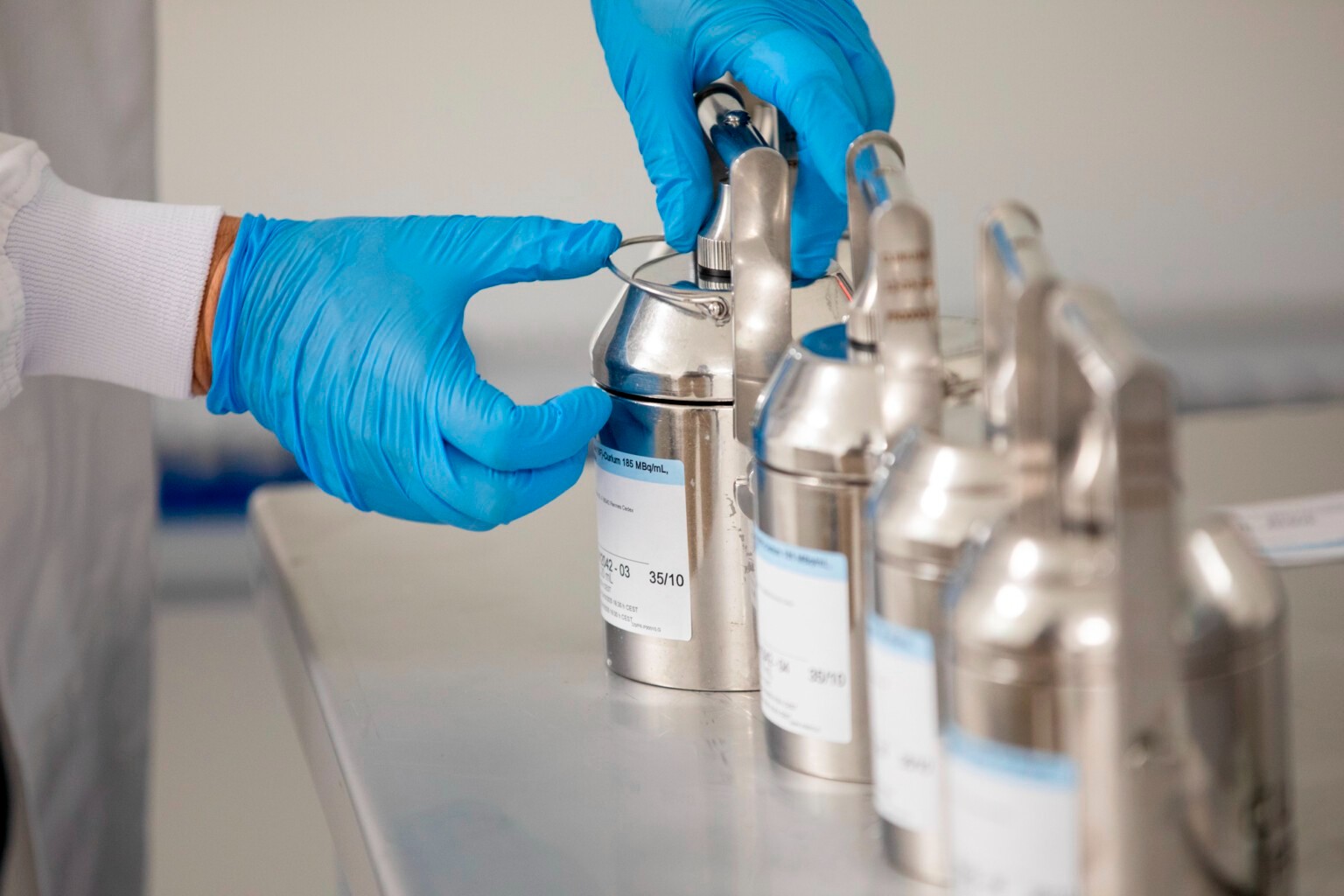
Curium's Lutetium-177 Injection Approved by FDA for Treatment of Gastroenteropancreatic Neuroendocrine Tumors
Radiopharmaceutical company Curium recently announced that its developed lutetium-177 (Lu-177) dotatate injection (trade name: Bexlutry) has received formal approval from the U.S. Food and Drug Administration (FDA). The drug is indicated for the treatment of somatostatin receptor-positive adult gastroenteropancreatic neuroendocrine tumors (GEP-NETs). The specific indication scope includes various neuroendocrine tumors occurring in the adult foregut, midgut, and hindgut. Bexlutry is an advanced radioligand therapy whose mechanism of action lies in its ability to specifically bind to somatostatin receptors highly expressed on the surface of such tumors. Through this precise binding, the drug can deliver...
2026-09-16

Alpha-9 Oncology Initiates Phase 1 Clinical Trial of GRPR-Targeted Radiotherapy, First Patient Dosed
Alpha-9 Oncology, a U.S. clinical-stage radiopharmaceutical company, recently announced that the first patient has been dosed in its Phase 1 clinical trial evaluating two GRPR-targeted radiopharmaceuticals. The study involves the actinium-225-labeled compound 225Ac-A9-0642 and the lutetium-177-labeled compound 177Lu-A9-0631, primarily enrolling patients with breast cancer and other solid tumors, with data expected to be released by the end of 2027. According to the company, both 225Ac-A9-0642 and 177Lu-A9-0631 target the gastrin-releasing peptide receptor (GRPR). GRPR is considered a solid tumor-associated target with potential clinical value in breast cancer and other solid tumors. 225Ac-A9-0642 is Alpha-9's first actinium-225 GRPR-targeted compound to enter clinical evaluation...
2026-09-09

Defence Therapeutics Expands Radiopharmaceutical R&D Program to Evaluate Alpha and Beta Emitter Applications
MONTREAL, Quebec, Canada — Biotechnology company Defence Therapeutics Inc. recently announced the expansion of its radiopharmaceutical R&D program to include α and β radioisotopes in its evaluation scope, further validating the application potential of its proprietary Accum® technology in precision oncology. Defence Therapeutics is a publicly traded biotechnology company developing next-generation oncology treatments centered on its Accum® precision drug delivery platform. The company stated that the Accum® technology is designed to facilitate the entry of drug payloads into the intracellular compartment, thereby improving delivery efficiency. This expansion of the radiopharmaceutical program...
2026-09-01
![Novartis Files Localized Production Application in China for Lutetium [177Lu] Vipivotide Tetraxetan](https://www.cinie.net/uploadfile/2026/0720/20260720045541907.png)
Novartis Files Localized Production Application in China for Lutetium [177Lu] Vipivotide Tetraxetan
On August 24, information on the website of the Center for Drug Evaluation (CDE) of China's National Medical Products Administration showed that Novartis' nuclear medicine product Lutetium [177Lu] Vipivotide Tetraxetan had a localized production application submitted in China. On the same day, two indications for the drug were proposed for priority review, and the relevant review matters may correspond to this localized production application. Lutetium [177Lu] Vipivotide Tetraxetan, namely 177Lu-PSMA-617, is a radioligand therapy (RLT) drug acquired by Novartis following its acquisition of Endocyte. The drug consists of a small-molecule compound targeting prostate-specific membrane antigen (PSMA) conjugated to the therapeutic radionuclide Lutetium-177. Upon entering the bloodstream, the drug binds to prostate cancer cells expressing PSMA, and...
2026-08-25
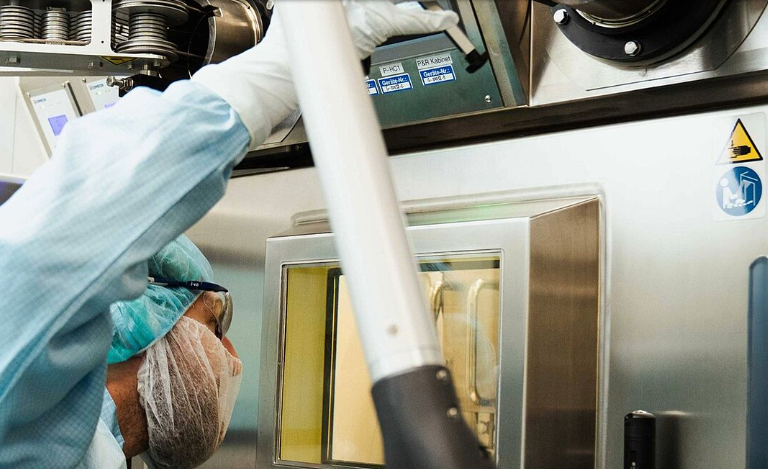
Akiram Therapeutics and ITM Sign Lutetium-177 Supply Agreement to Support Radiopharmaceutical Development for Solid Tumors
Akiram Therapeutics, a Swedish clinical-stage biotechnology company, and ITM Isotope Technologies Munich SE, a German radiopharmaceutical biotechnology company, recently announced the signing of a supply agreement. Under the agreement, ITM will supply no-carrier-added lutetium-177 (nca Lu-177) to Akiram to support the clinical development of its targeted antibody-radionuclide conjugate, 177Lu-AKIR001 (AKIR001). AKIR001 is Akiram's lead radiopharmaceutical candidate, currently being investigated in clinical studies for the treatment of CD44v6-expressing solid tumors. The candidate combines the therapeutic radioisotope nca Lu-177 with a proprietary antibody targeting CD44v6. CD...
2026-08-20
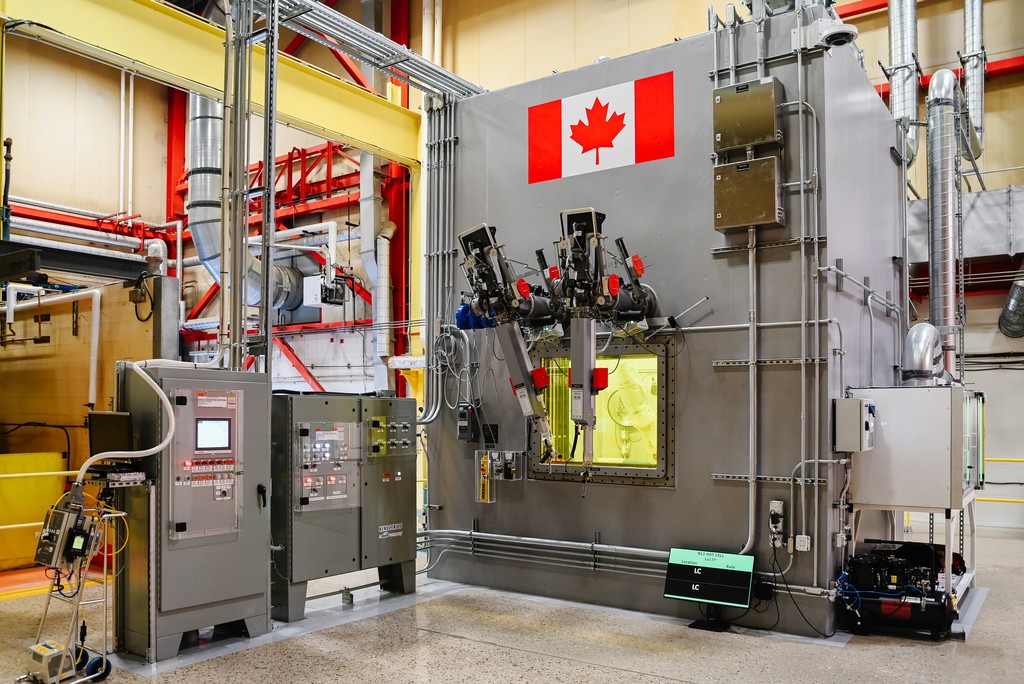
Canada Approves Bruce Power Hot Cell Facility Operations, Strengthening Lutetium-177 Medical Isotope Supply Chain
Bruce Power has recently received approval from the Canadian Nuclear Safety Commission to operate its on-site hot cell facility for target carrier removal (TCR) work, a critical step in the production process of the medical isotope lutetium-177 (Lu-177). Lu-177 is used in the treatment of prostate cancer and is increasingly applied in targeted therapies for precision medicine. Under the approval, Bruce Power can perform the relevant processing steps on site, further streamlining the isotope production process, reducing transportation requirements, while helping to enhance operational safety, lower emissions, and strengthen Ontario's capabilities in the global medical isotope supply chain. The hot cell facility was completed earlier this year...
2026-08-20
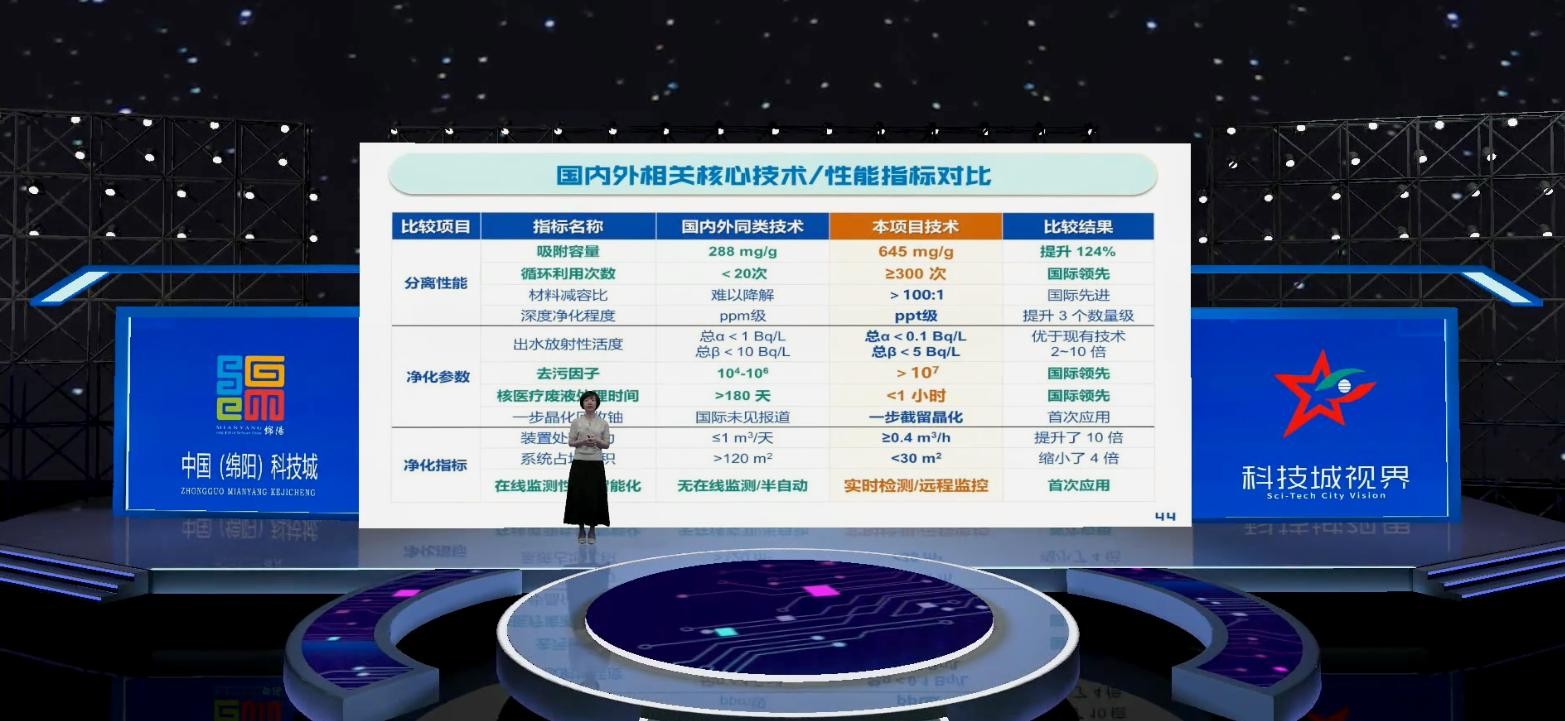
Southwest University of Science and Technology Releases Medical Radioactive Waste Treatment Technology Covering Liquid, Gas, and Solid Waste Management
On August 10, the Mianyang Science and Technology City Strategic Development Research Center held an online innovation achievement release conference, unveiling a medical radioactive waste treatment technology developed by the School of National Defense Science and Technology / School of Nuclear Science and Technology at Southwest University of Science and Technology. The technology targets radioactive contaminants including liquid waste, off-gas, and solid waste generated during nuclear medicine diagnosis and treatment, offering a full-chain comprehensive treatment solution. The conference attracted 87,000 experts in the nuclear medicine field, departmental representatives, and enterprise users. With the rapid development of the domestic nuclear medicine industry, insufficient radioactive waste disposal capacity has gradually become a key issue facing the industry's safe expansion. Relevant data show that over 96% of nuclear medicine departments nationwide are constrained by decay tank capacity...
2026-08-13
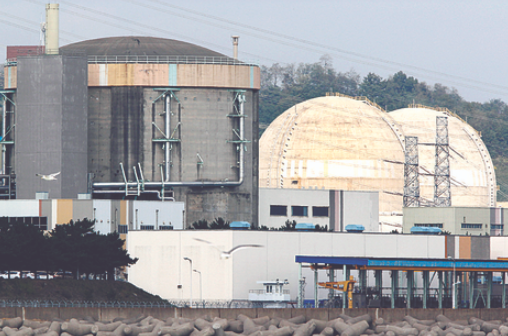
South Korea Advances First Domestic Commercial Production of Lu-177 Using Wolsong Heavy Water Reactors
Korea Hydro & Nuclear Power (KHNP) plans to use the heavy water reactors at the Wolsong Nuclear Power Plant to produce, for the first time domestically, the radioisotope lutetium-177 (Lu-177) for cancer treatment. Currently, South Korea relies entirely on imports for this material, which imposes cost pressures and supply instability on local radiopharmaceutical companies such as Cellbion and FutureChem. Industry experts generally believe that domestic production will help build a diversified supply chain and shorten transportation times. The primary goal of this plan is to achieve commercial production of Lu-177, with pilot production expected in 2028 and full-scale production commencing in 2031. Subsequently, KHNP will expand production to include cobalt...
2026-08-06
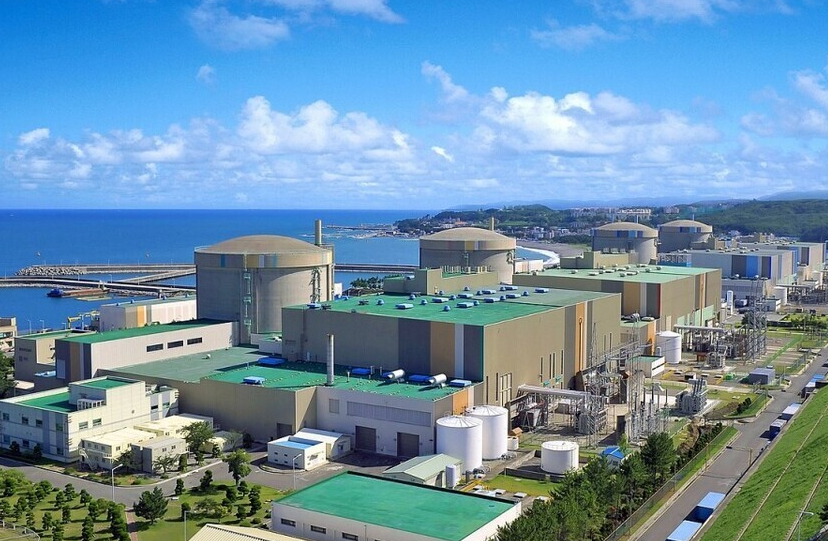
South Korea advances plan to produce medical isotopes using nuclear power plants, with lutetium-177 targeted for commercial production in 2031
South Korea is advancing plans to industrialize the production of radioisotopes using nuclear power plants, with the medical isotope lutetium-177 (Lu-177) designated as the first commercial target product. Korea Hydro & Nuclear Power stated that it plans to prioritize the commercialization of Lu-177 production, with the potential to later expand the product range to include isotopes such as cobalt-60, tritium-3, and helium-3. Lu-177 is a therapeutic radioisotope widely used in the global radiopharmaceutical market, applicable in radiopharmaceuticals for diseases such as prostate cancer and neuroendocrine tumors. Previously, South Korea relied entirely on imports for its Lu-177 supply. Due to its half-life of approximately 6.6 days, the entire process from production and transportation to drug preparation and patient administration...
2026-08-06
US FDA Approves Pluvicto Expanded Indication for Treatment of PSMA-Positive Metastatic Hormone-Sensitive Prostate Cancer
On July 31, 2026, Novartis announced that the U.S. Food and Drug Administration (FDA) has approved Pluvicto® (lutetium Lu 177 vipivotide tetraxetan) in combination with an androgen receptor pathway inhibitor (ARPI) for the treatment of patients with prostate-specific membrane antigen (PSMA)-positive metastatic androgen pathway modulation-naive/sensitive prostate cancer. This disease is commonly referred to as metastatic hormone-sensitive prostate cancer (mHSPC). The approval is based on results from the Phase III PSMAddition trial. The study showed that compared with standard of care alone, namely ARPI combined with androgen deprivation therapy (ADT), Pluvicto plus standard of care reduced the risk of disease progression or death by...
2026-08-03
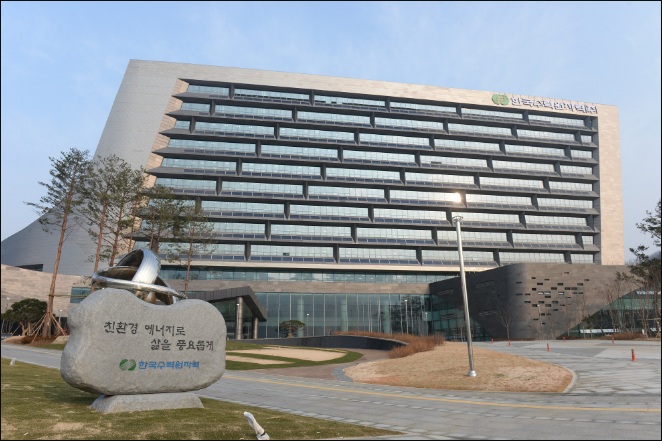
South Korea Plans to Establish Radioisotope Commercialization Company, Targeting Trial Production in 2028
According to sources inside and outside the South Korean government on July 31, Korea Hydro & Nuclear Power (KHNP) and relevant departments including the Ministry of Economy and Finance plan to discuss the establishment of a special purpose company (SPC) for radioisotope commercialization. The company is proposed to be set up as a subsidiary of KHNP, with domestic private enterprises, including pharmaceutical companies, expected to participate in investment. Under the current plan, the South Korean government will determine the specific investment structure and business plan through inter-departmental consultations this year, and strive to complete the company's establishment by 2027. Subsequently, the relevant parties will push forward facility construction to produce radioisotopes using nuclear power plants, with the goal of commencing trial production in 2028. Radioisot...
2026-08-01