
Search Results
Keyword:nuclear
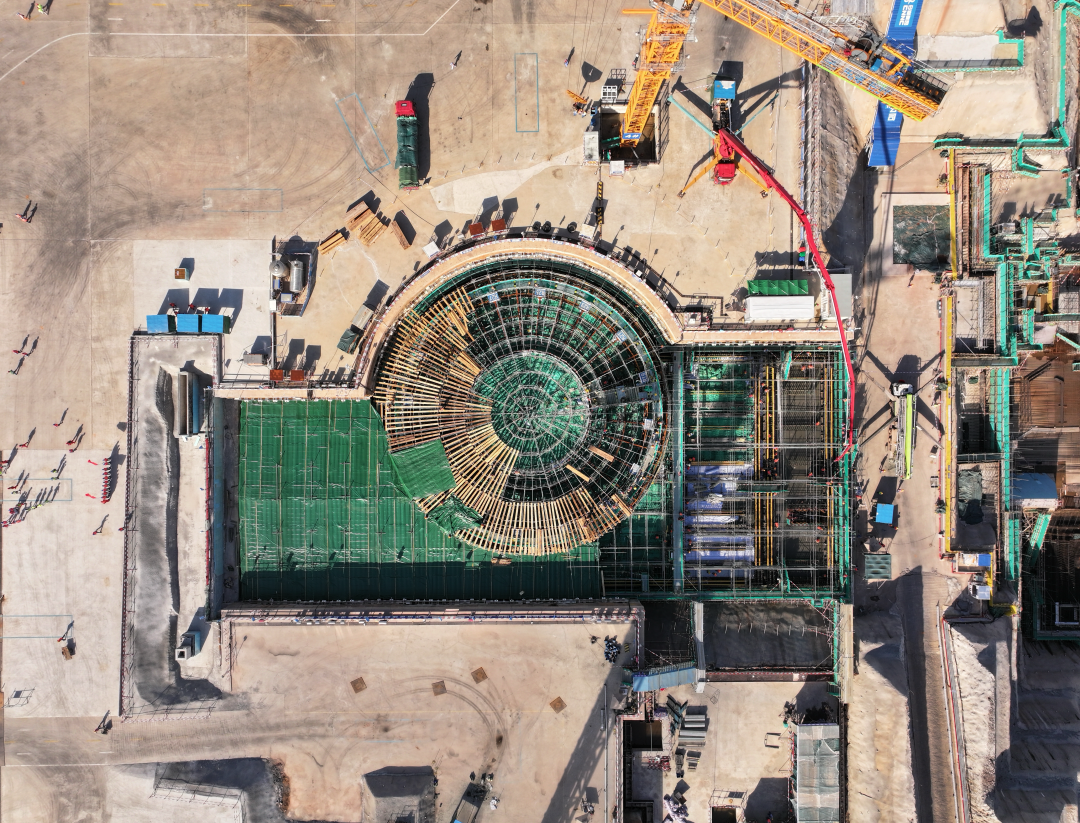
The first concrete pouring for the nuclear island of Unit 2 of State Power Investment Corporation (SPIC) Guangxi Bailong Nuclear Power Project was successfully completed.
The first concrete pouring for the nuclear island of Unit 2 of SPIC Guangxi Bailong Nuclear Power Project was completed at 16:07 on September 30, after 69 hours and 40 minutes of continuous work. A total of 6,732.5 cubic meters of concrete was used for this pouring, marking another important milestone for the project after the FCD achievement for the nuclear island of Unit 1. Phase I of the Bailong Nuclear Power Project plans to build two CAP1000 nuclear power units. These two units adopt independently designed and domestically manufactured Generation III passive nuclear power technology, with each unit having a capacity of up to 1.25 million kilowatts. At present, Unit 1 has entered the construction and installation stage, and the steel containment vessel bottom head, CA20, CV1R, CA01...
2026-09-30
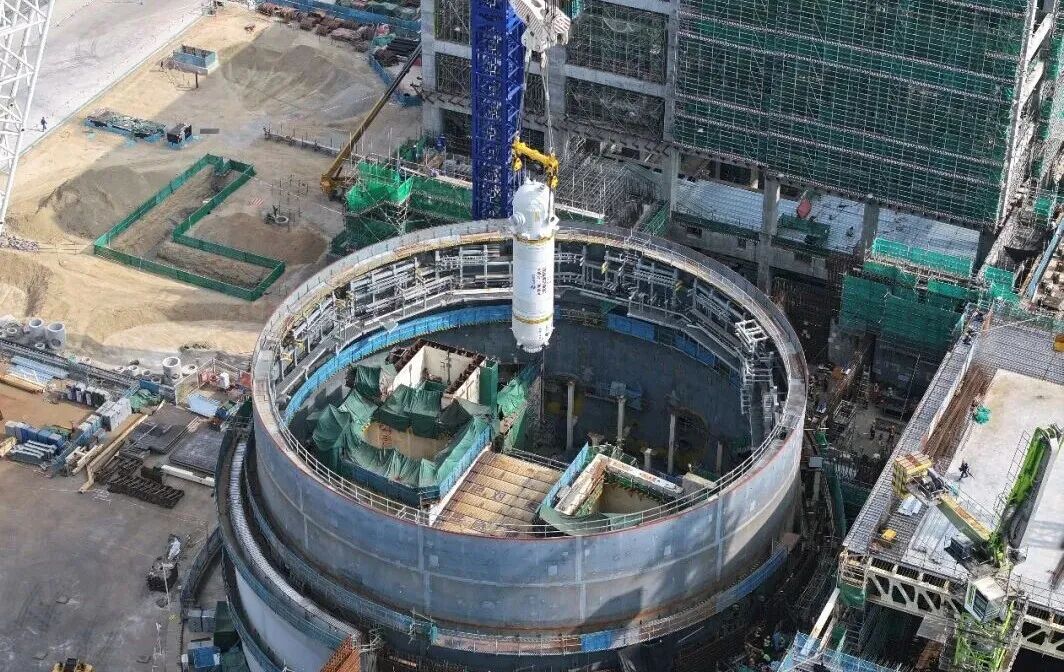
Pressurizer of Lufeng Nuclear Power Unit 1 Successfully Hoisted into Place
On September 30, the pressurizer of Lufeng Nuclear Power Unit 1, constructed by China Nuclear Industry 23 Construction Co., Ltd., was successfully hoisted into place. The success of this hoisting marks major progress in the installation of the primary circuit main equipment in the nuclear island of Lufeng Nuclear Power Unit 1, laying a solid foundation for the subsequent surge line welding, system equipment installation, and commissioning work. The pressurizer is a core main equipment of the nuclear island reactor coolant system and a Class 1 nuclear safety equipment. It undertakes the tasks of pressure regulation and overpressure protection for the primary circuit system and is key equipment for ensuring the safe and stable operation of the reactor. This equipment is a vertical cylindrical pressure vessel with a body height of more than ten meters and a total hoisting weight of over one hundred tons. It is installed in the pressurizer compartment of the CA01 module, with stringent design and manufacturing standards...
2026-09-30
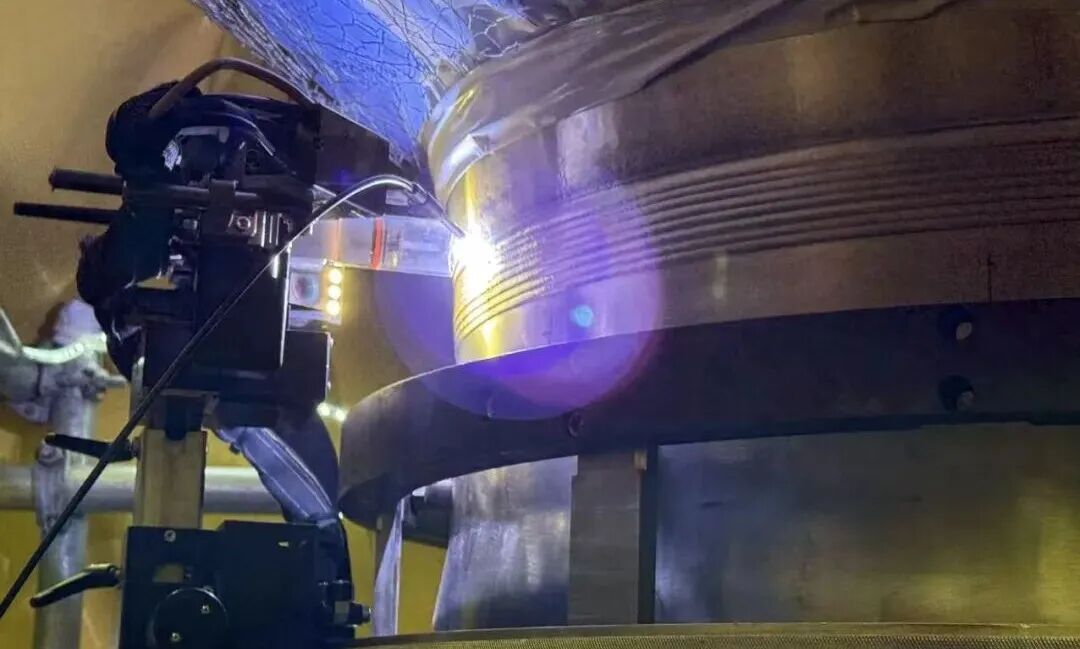
Main Coolant Piping Welding of Lufeng Nuclear Power Unit 6 Successfully Completed
On September 28, the main coolant piping welding of the nuclear island of Lufeng Nuclear Power Unit 6 was successfully completed. All non-destructive testing of the main coolant piping was finished, with the first-pass qualification rate of radiographic testing (RT)/ultrasonic testing (UT) reaching 100%, laying a solid foundation for subsequent key milestones such as nuclear loop flushing and cold functional testing. Facing the high standards of main coolant piping welding, the project department strictly implemented nuclear safety supervision and control requirements, carried out precondition verification across all dimensions of personnel, machines, materials, methods, and environment, established a main coolant piping welding control zone, strictly controlled the working environment including temperature, humidity, and cleanliness, and ensured stable and controllable welding conditions. The project team fully drew on the main coolant piping welding experience of Unit 5, formulated a special plan and implemented full-process management, and through digital monitoring means throughout the entire welding process, tracked key parameters such as welding deformation and temperature in real time, refined the process disclosure, in-process inspection, and quality acceptance procedures for each weld joint, and applied the work style of "strict, cautious, meticulous, and pragmatic" to every welding operation and every weld seam, ensuring the successful completion of the main coolant piping welding of Unit 6.
2026-09-30
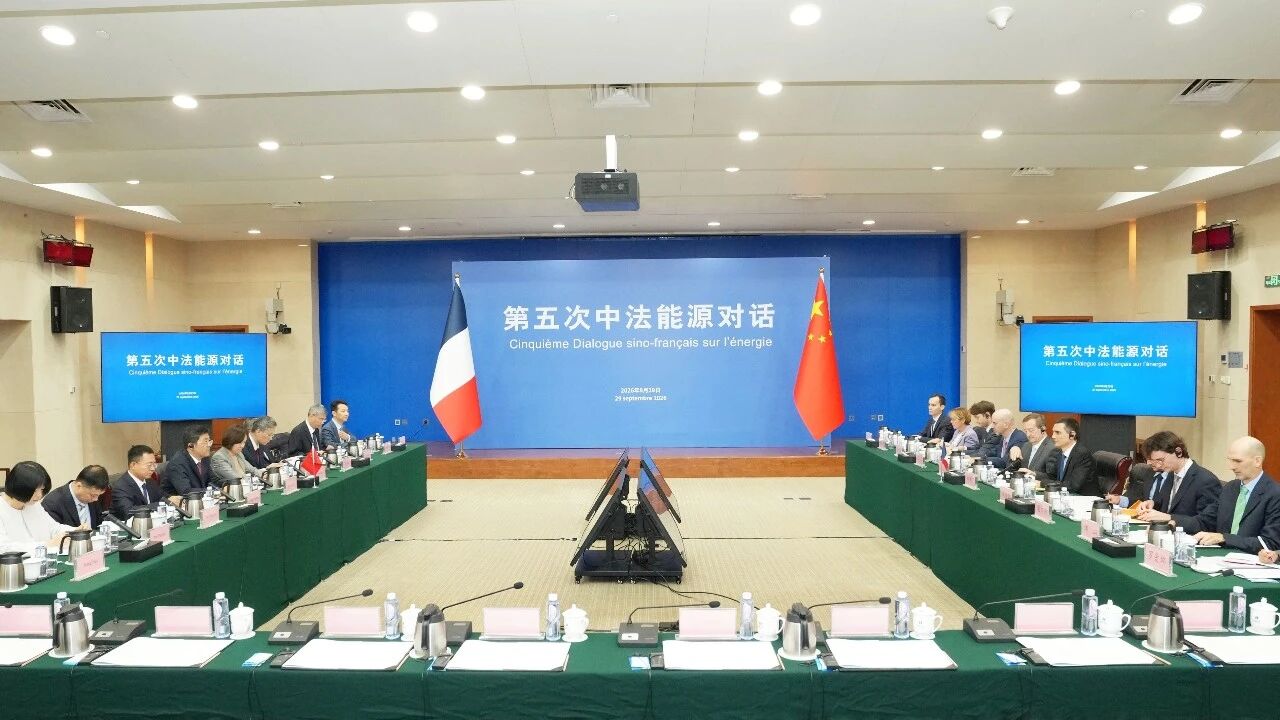
The Fifth China-France Energy Dialogue Held in Beijing
On September 29, He Yang, Deputy Administrator of China National Energy Administration, and Cedric Brier, Director General of the Directorate General for Energy and Climate of France, co-chaired the Fifth China-France Energy Dialogue in Beijing. The two sides conducted in-depth exchanges on policies concerning energy transition, energy security, and electrification, and fully exchanged views on practical cooperation in renewable energy, energy storage and hydrogen energy, civil nuclear energy, and other fields. Both sides emphasized that China-France energy cooperation started from civil nuclear energy and gradually expanded to multiple fields including oil and gas, renewable energy, energy technology innovation, and green and low-carbon transition, forming a cooperation pattern featuring complementary advantages, mutual benefit and win-win results, and long-term stability. Both sides are willing to uphold high-level consensus, leverage their respective advantages, tap into cooperation potential, innovate cooperation models, and push China-France energy cooperation to continue to deepen and upgrade, injecting new momentum into the sustained and healthy development of the China-France comprehensive strategic partnership, and contributing China-France wisdom and strength to promoting global energy security and green development.
2026-09-30
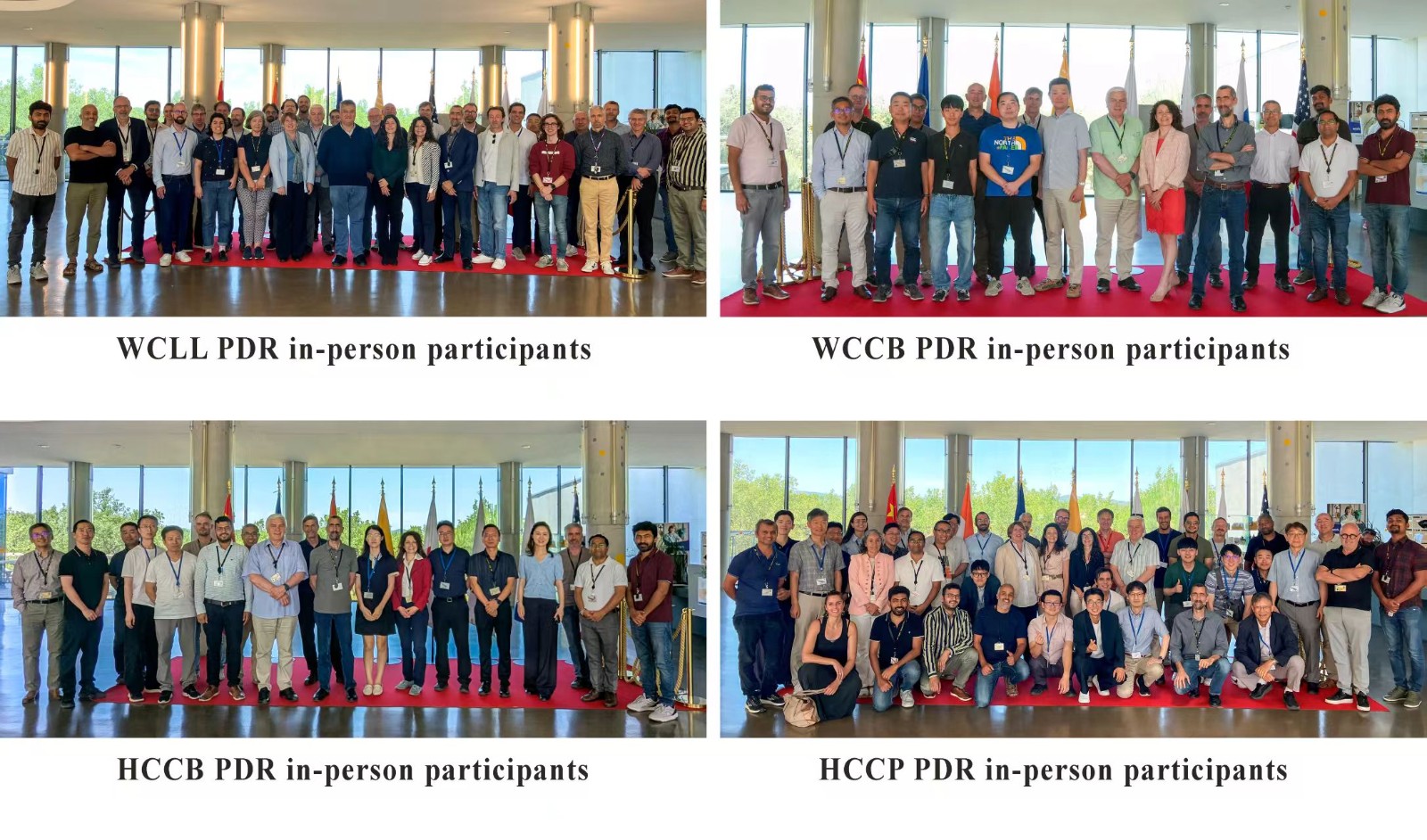
All Four ITER Test Blanket Module (TBM) Conceptual Designs Pass Preliminary Design Review
Recently, the ITER Organization officially completed the Preliminary Design Review (PDR) of four Test Blanket Module (TBM) conceptual designs. The four blanket system technical designs led by China, the EU, Japan, and Korea — core ITER member parties — all passed independent review to high standards, marking that "tritium breeding and energy extraction validation," one of ITER's three major engineering goals, has fully entered the final engineering implementation phase, providing critical engineering pathway support for the next-generation fusion demonstration reactor (DEMO) to achieve commercial tritium self-sufficiency. In the blueprint for magnetic confinement fusion power generation, deuterium-tritium (D-T) fusion reactions...
2026-09-30
The Chinese Academy of Sciences launches the "Scientific Frontier Extreme Breakthrough Program": the first batch deploys major tasks such as "new element synthesis," relying on large scientific facility clusters to push the limits of nuclear physics and materials science
On September 29, the Chinese Academy of Sciences held a press conference in Beijing, announcing the official launch of the Scientific Frontier Extreme Breakthrough Program and unveiling the first batch of launched projects. The program is based on the advantages of national major science and technology infrastructure clusters and a comprehensive disciplinary institutional framework, launching a systematic scientific expedition in the directions of the extremely macroscopic, extremely microscopic, extreme conditions, and extreme comprehensive interdisciplinarity (the "four extremes"). Zhou Qi, Vice President of the Chinese Academy of Sciences, stated that the program aims to break the traditional single-point breakthrough model through the open and combined use of major science and technology infrastructure and the deep empowerment of artificial intelligence (AI for Science), building a systematic research paradigm for tackling key problems in the context of great power competition. In the released layout of the "four extremes" breakthrough tasks, the first...
2026-09-30
MOST Sets the Pathway for Hard-Core Science and Technology Breakthroughs in the "15th Five-Year Plan": Comprehensive and Systematic Deployment of Major Basic Research on Controlled Nuclear Fusion to Solidify the Foundation of Future Strategic Energy
At the series-themed press conference on "Getting Off to a Good Start in the '15th Five-Year Plan'" held by the State Council Information Office, the Ministry of Science and Technology officially released the top-level design and core breakthrough roadmap for building a science and technology powerhouse over the next five years. When outlining the layout for major science and technology breakthroughs and original innovation, Minister of Science and Technology Yin Hejun explicitly emphasized that, in strengthening the strategic depth of basic research, China will closely anchor itself to the frontiers of the global energy revolution and, centering on underlying scientific bottlenecks in key fields such as energy and materials, comprehensively and systematically deploy major basic research tasks including controlled nuclear fusion (Controlled Nuclear Fusion), so as to seize the future...
2026-09-30
CAS Ion Completes RMB 600 Million First-Round Financing, Fusion-Derived Technology Industrialization Enters a New Stage
Recently, CAS Ion completed its first round of market-oriented equity financing, with a total amount of RMB 600 million. This round of financing was jointly participated in by CMBI, Wanneng Capital, Qianhai Ark, CITIC Construction Investment Capital, China-Belgium Fund, SMIC Juyuan, Oriental Fortune Capital, Xi'an High-Tech Investment, Ginkgo Valley Capital, Jinju Investment, Wofu Venture Capital, and Hua'an Jiaye. CAS Ion, in accordance with its own business development pace, coordinated and determined the scale of this round of fundraising, and completed all processes including project matching, due diligence interviews, agreement signing, and capital delivery within 3 months. This financing received an enthusiastic market response, with numerous investment institutions actively expressing investment intentions, fully confirming the capital market's recognition of the company's core technology, industrialization capability, and long-term growth...
2026-09-30
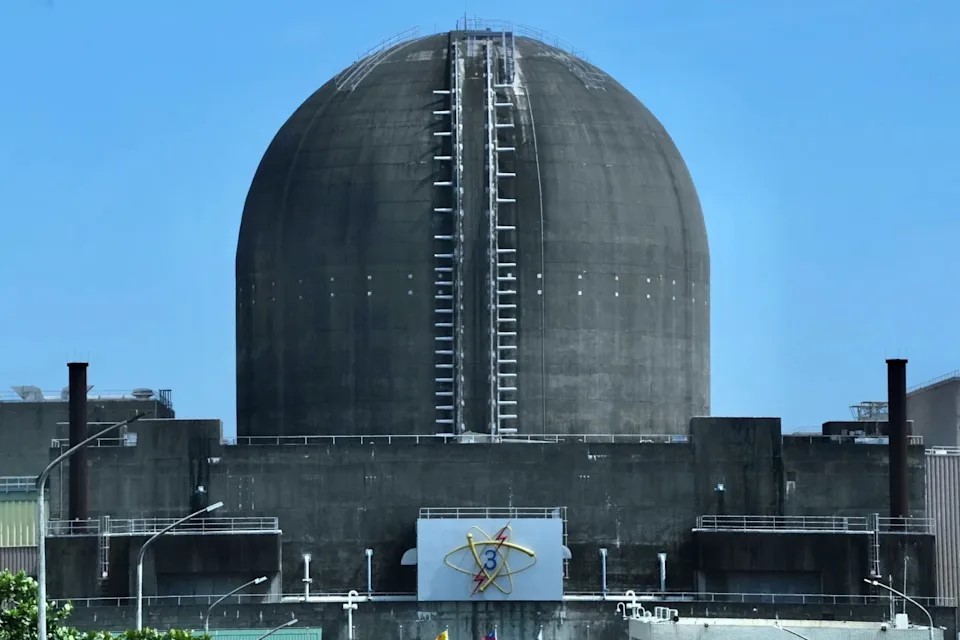
Taiwan's Nuclear Safety Commission Completes Compliance Review of Maanshan Nuclear Power Plant "Restart Plan"
On September 24, 2026, the Nuclear Safety Commission of the Taiwan region of China officially completed and approved the review of the restart plan for the Maanshan Nuclear Power Plant (the Third Nuclear Power Plant). The Nuclear Safety Commission (referred to as the NSC), Taiwan's nuclear safety regulatory body, officially announced the completion and approval of the review of the restart plan submitted by Taiwan Power Company (Taipower) for the Maanshan Nuclear Power Plant (the Third Nuclear Power Plant). This move marks a key step for the Maanshan Nuclear Power Plant units in the contest between decommissioning and shutdown versus evaluation for life extension. However, the NSC emphasized that this approval only represents recognition of the plan's content at the current stage. For the units to actually restart, they must still pass multiple stringent engineering self-inspections, on-site reviews, and statutory approval procedures. The NSC...
2026-09-30

Netherlands to Acquire 70% Stake in Borssele Nuclear Power Plant
The Dutch government has reached an agreement to acquire a 70% stake in EPZ, the operator of the Borssele NPP. These shares will be purchased from the Province of Zeeland and its subordinate municipalities. The acquisition aims to ensure the long-term continued operation of the existing nuclear power plant. It is understood that the Borssele Nuclear Power Station (Dutch: Kerncentrale Borssele) is the only commercial nuclear power plant still in operation in the Netherlands. It is located near the town of Borssele in the province of Zeeland in the southwestern Netherlands and is operated by the Dutch utility EPZ. The Borssele Nuclear Power Plant has a net electrical output of 485 megawatts (MWe), uses pressurized water reactor (PWR) technology...
2026-09-30
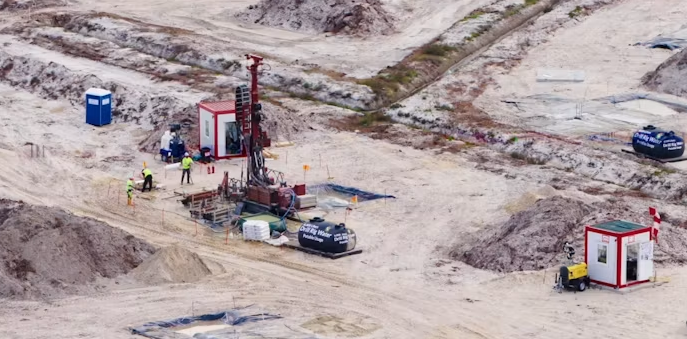
Bechtel and Westinghouse Consortium Formally Signs EPC Turnkey Contract for Poland's First Nuclear Power Plant, Construction Scheduled to Begin in 2027
A consortium comprising U.S. engineering giant Bechtel and nuclear technology supplier Westinghouse Electric Company has formally signed an Engineering, Procurement, and Construction (EPC) contract with Poland's state-owned nuclear power company Polskie Elektrownie Jądrowe (PEJ) to advance the construction of Poland's first-ever commercial nuclear power plant. The nuclear project is located in Choczewo on the Baltic Sea coast in the Pomerania province of northern Poland. PEJ officially stated that the site is planned to host 3 Westinghouse AP1000 Generation III+ advanced pressurized water reactor units, with a designed total installed capacity of 3750 megawatts (3750 MWe), and the first unit is expected...
2026-09-30
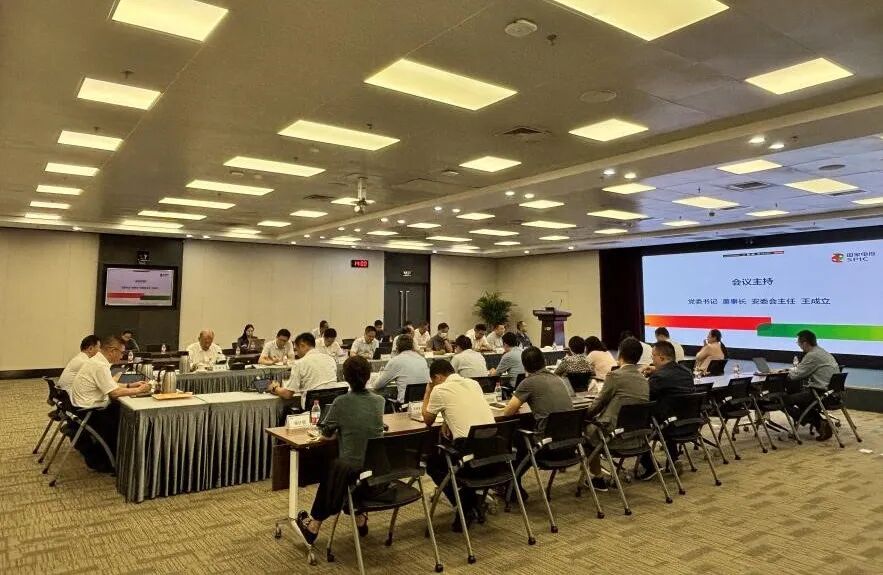
State Nuclear Electric Power Planning Design & Research Institute Co., Ltd. convened the first Party Committee (enlarged) meeting of 2026 and the second meeting of the 2026 Safety Production and Emergency Management Committee
On September 28, State Nuclear Electric Power Planning Design & Research Institute Co., Ltd. convened the first Party Committee (enlarged) meeting of 2026 and the second meeting of the 2026 Safety Production and Emergency Management Committee. Guided by Xi Jinping Thought on Socialism with Chinese Characteristics for a New Era, the meeting thoroughly studied and implemented Xi Jinping Thought on Ecological Civilization and General Secretary Xi Jinping's important instructions and directives on safety production, fully implemented the relevant work requirements of the Group Company's Safety Production Deployment Enhancement and Third Quarter Safety Risk Control Meeting, comprehensively reviewed the work of the first three quarters, scientifically assessed the current safety development situation, and arranged and deployed key tasks for safety production and ecological environmental protection in the next stage. Wang Chengli, Secretary of the Company's Party Committee, Chairman, and Director of the Safety Committee...
2026-09-30
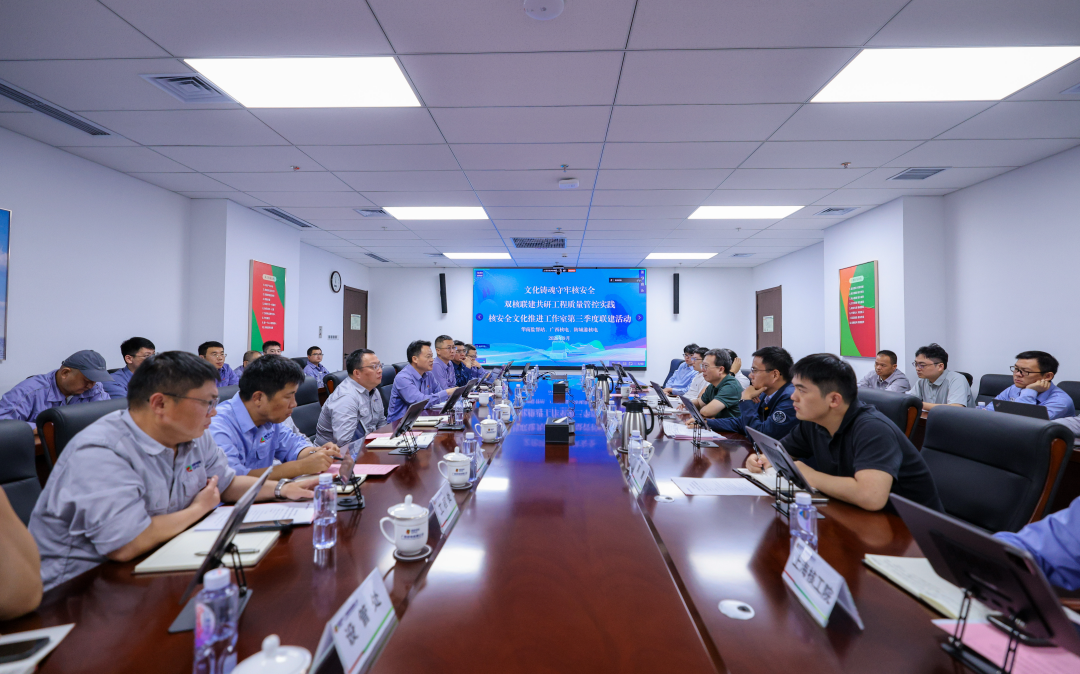
Guangxi Nuclear Power Holds the 2026 Third-Quarter Nuclear Safety Culture Promotion Studio Joint Exchange Activity
To cultivate a solid foundation for nuclear safety culture and promote the exchange and sharing of technical experience among regulatory authorities, owners, and all participating construction parties, the 2026 third-quarter Nuclear Safety Culture Promotion Studio joint exchange activity for the South China Nuclear and Radiation Safety Supervision Station of the Ministry of Ecology and Environment (hereinafter referred to as the "South China Supervision Station"), the Bailong Nuclear Power Project, and the Fangchenggang Nuclear Power Project was recently held at Guangxi Nuclear Power. The activity was chaired by Zheng Tao, head of the on-site supervision group for the Bailong Nuclear Power Project of the South China Supervision Station. Chen Rongda, director of the Third Nuclear Facility Supervision Division of the South China Supervision Station, Li Qiang, general manager of Guangxi Nuclear Power, and Hou Yousheng, general manager of Fangchenggang Nuclear Power, attended the activity, along with representatives from all participating construction units. All parties gathered together to focus on the cultivation and implementation of nuclear safety culture...
2026-09-30
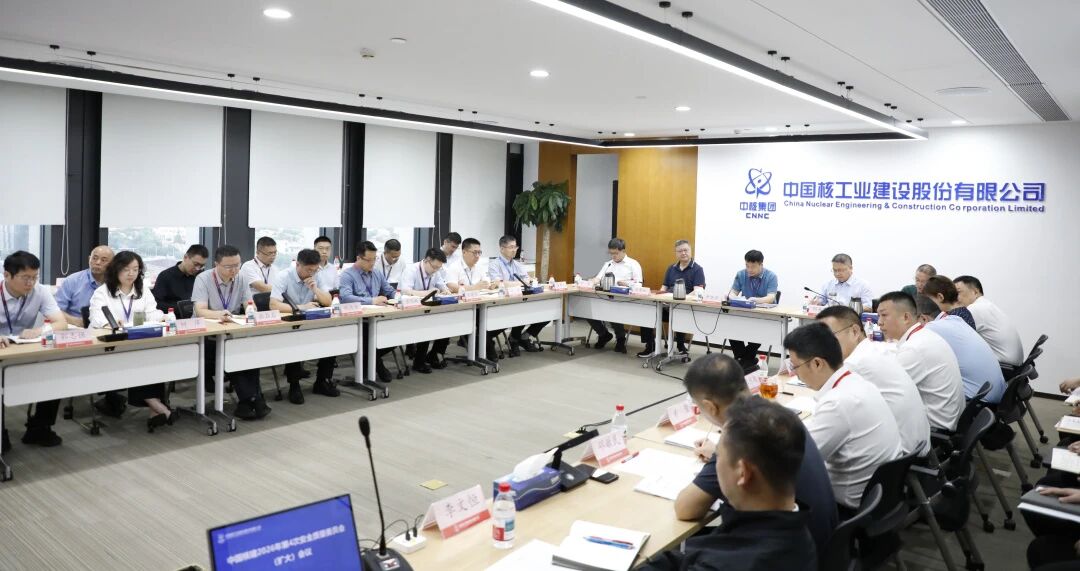
China Nuclear Engineering & Construction Group Co., Ltd. Holds the Fourth Safety Production and Quality Committee (Expanded) Meeting of 2026
On September 28, Yin Weiping, Secretary of the Party Committee and Chairman of the Company, and Director of the Safety Production and Quality Committee, presided over the fourth Safety Production and Quality Committee (Expanded) Meeting of 2026. The meeting heard the report on the Company's safety, environmental protection, and quality work in the third quarter, and in response to the current safety and quality management situation and risks, deployed and arranged key fourth-quarter safety and quality breakthrough tasks. The meeting pointed out that the Company currently faces a severe and complex situation in safety and quality, with heavy production and operation tasks in the fourth quarter compounded by seasonal construction risks. All cadres and employees must raise their political stance, maintain clear awareness, continue to firmly build the ideological defense line for safety and quality, and deeply understand the extreme importance and urgency of doing a good job in safety and quality work...
2026-09-30
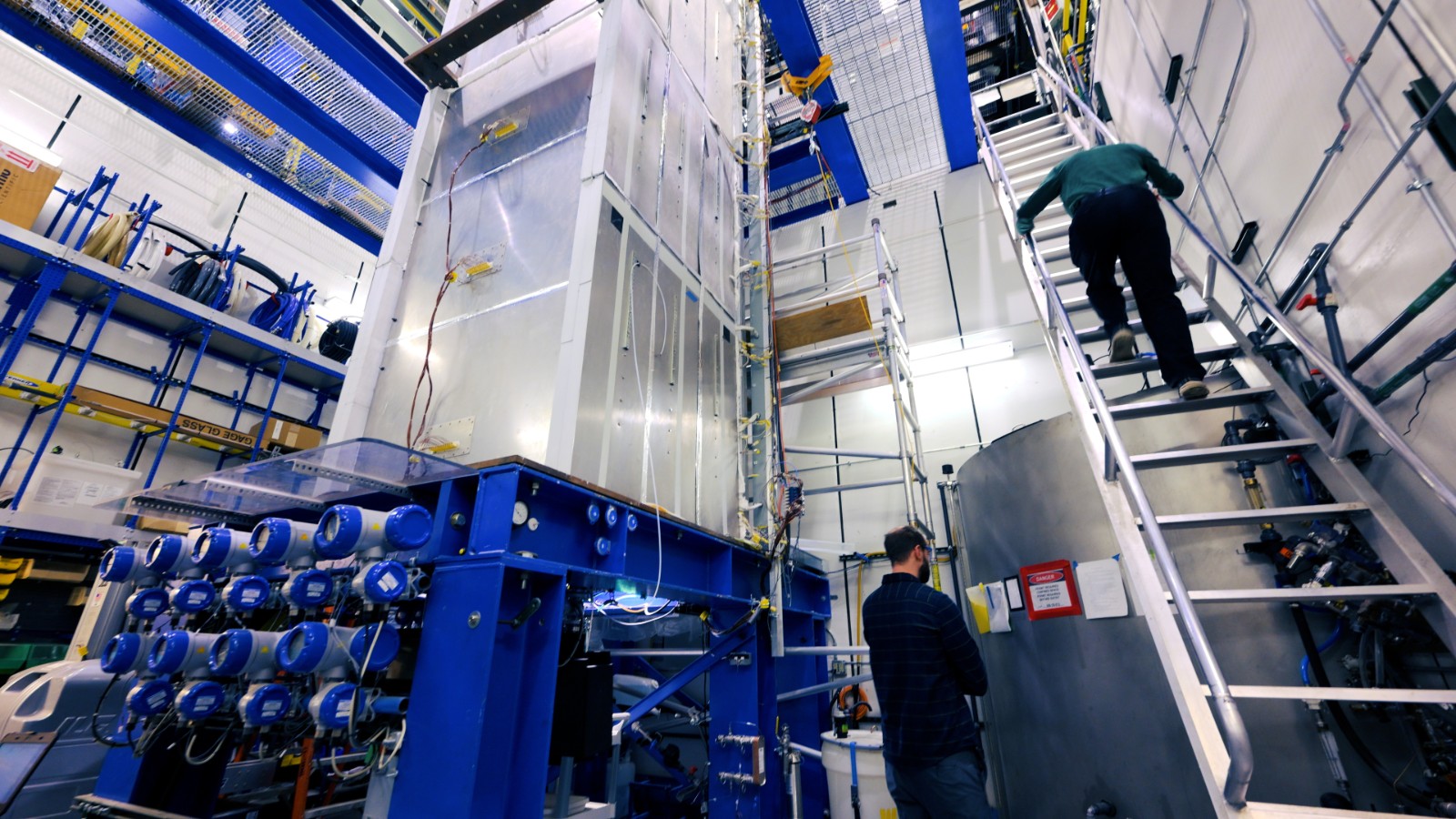
Argonne National Laboratory Achieves Latest Research Progress in Advanced Reactor Passive Safety, Revealing Flow Characteristics of Reactor Cavity Cooling System Using NSTF Facility
A research team at Argonne National Laboratory, under the U.S. Department of Energy (DOE), has achieved the latest research progress on passive shutdown decay heat removal mechanisms for next-generation advanced nuclear reactors. Under unplanned reactor shutdown or sudden emergency accident conditions, nuclear fuel continues to release decay heat. Ensuring continuous and reliable heat removal under complete power loss and without manual intervention is a core issue in the inherent safety design of Generation IV advanced reactors. The Argonne research team recently focused on the transient thermal-hydraulic response characteristics of key passive heat removal systems under realistic dynamic decay heat curves. This...
2026-09-30