
Search Results
Keyword:nuclear power plants
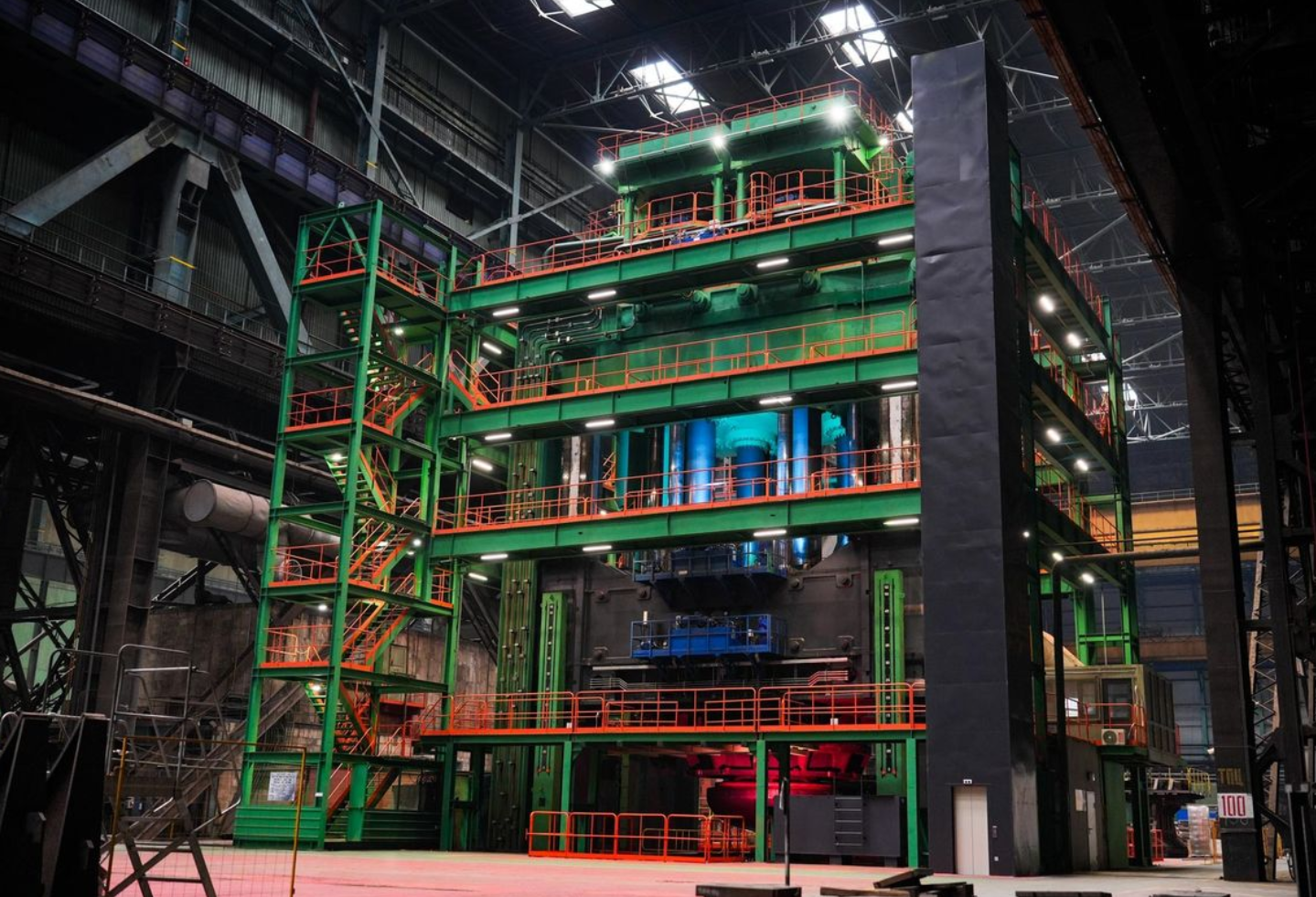
Modernization of the hydraulic blade stamping equipment for nuclear power plants at the Russian "Atom Machine" plant has been completed
On September 21, 2026, according to project information released by the Russian "Atom Machine" (Atom Machine, part of the Mechanical Engineering Division of the Russian State Atomic Energy Corporation "Rosatom"), the plant located in Volgodonsk (Волгодонск), Rostov Oblast, announced that its hydraulic blade stamping equipment for nuclear power plants, which is unique to date and has no equivalent in Russia, has completed modernization and successfully passed testing. It is understood that this hydraulic press with a force of up to 15,000 tonnes has now successfully passed all tests and is fully ready for production. This equipment was originally put into operation in 1980. In this modernization project, engineers not only...
2026-09-22
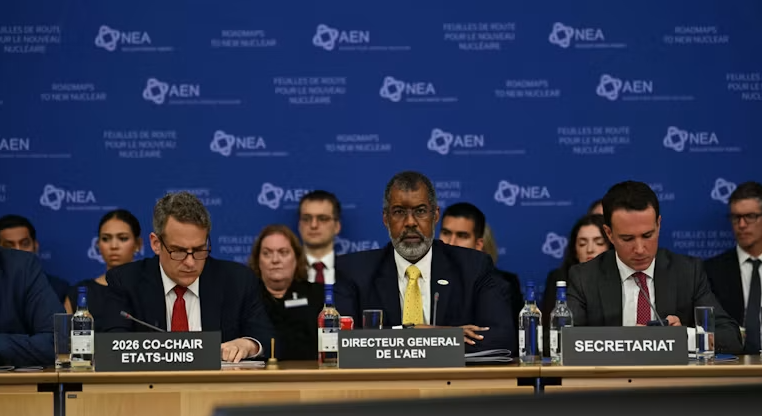
US and OECD Nuclear Energy Agency Call for Unified Regulatory Standards to Break the Vicious Cycle of Cost Overruns and Delays in New Nuclear Power Plants
The U.S. Department of Energy stated that it is engaged in close communication with partner countries, aiming to promote the unification of global nuclear power regulatory standards, thereby accelerating nuclear power capacity expansion and reducing construction costs. During the New Nuclear Roadmap conference organized by the OECD Nuclear Energy Agency (NEA) in Paris, U.S. Department of Energy Deputy Secretary James Danly emphasized to the media that countries should establish a unified regulatory mechanism. He pointed out that many countries have decades of mature experience in nuclear power regulation, and it would be very regrettable if unnecessary obstacles were placed on nuclear power development due to a lack of consistency in regulatory systems. The United States is currently actively promoting greater regulatory consensus among countries. The OECD Nuclear Energy Agency...
2026-09-18
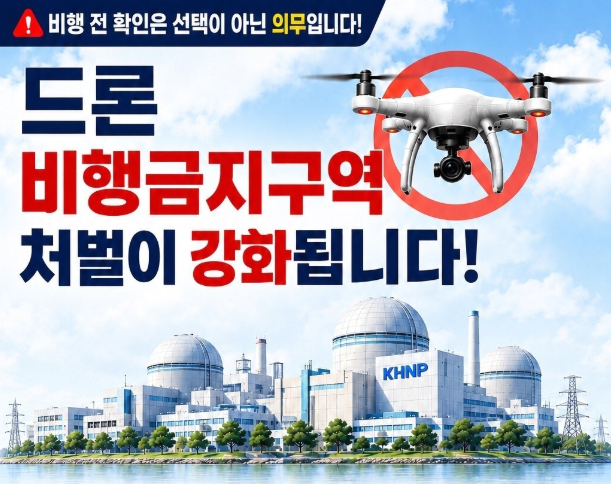
South Korea Strengthens Drone Control Around Nuclear Power Plants, Illegal Flights to Trigger Criminal Law
Korea Hydro & Nuclear Power (KHNP) stated on September 14 that it will further strengthen its response to unauthorized drone flights within no-fly zones around nuclear power plants. It is understood that under the revised Aviation Safety Act, the penalty for unauthorized operation of ultralight flying devices (drones, etc.) within no-fly zones has been significantly raised from the previous "fine of up to 3 million won (administrative fine)" to "imprisonment of up to 1 year or a fine of up to 10 million won." According to statistics from the Nuclear Safety and Security Commission of South Korea, from 2021 to August of last year, a total of 699 illegal drone incidents were detected near nuclear power plants across South Korea, of which 284 cases could not identify the operators...
2026-09-14
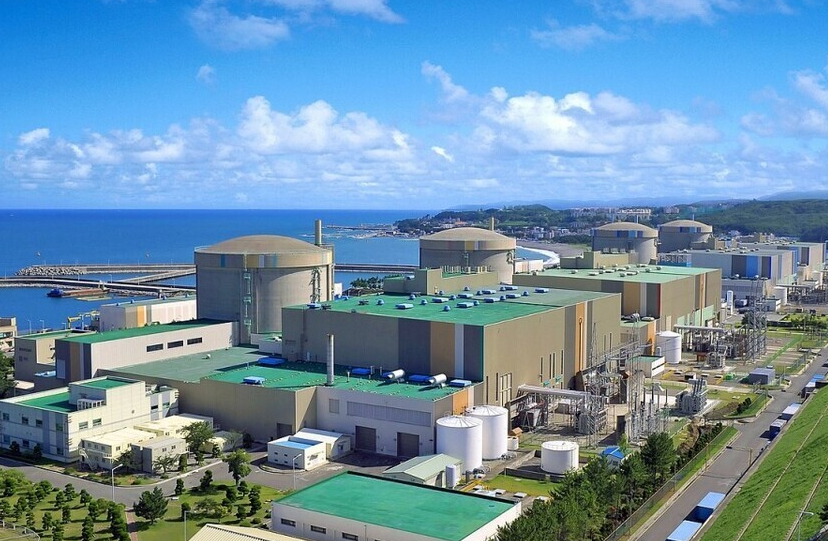
South Korea Conducts First Joint Radiation Emergency Exercise Involving Two Nuclear Power Plants Simultaneously
The Nuclear Safety and Security Commission (NSSC) of South Korea announced on September 10 that South Korea held the 2026 National Joint Radiation Disaster Prevention Exercise, simulating a radioactive material release accident at the Wolsong Nuclear Power Plant in Gyeongju, North Gyeongsang Province, and the simultaneous entry into a radiation emergency state at the Hanul Nuclear Power Plant in Uljin County, North Gyeongsang Province. Approximately 2,000 people participated in the exercise, including relevant South Korean central government departments, local governments, specialized agencies, relevant operating organizations, local organizations, and nearby residents. This exercise set up a compound disaster scenario of simultaneous radiation emergencies at multiple nuclear power plants for the first time. The exercise assumed that...
2026-09-12
China Attends the Launch Meeting of the IAEA's "Application of Technology License for At-Sea Nuclear Energy (ATLAS)" Initiative
Recently, the launch meeting of the International Atomic Energy Agency (IAEA)'s "Application of Technology License for At-Sea Nuclear Energy (ATLAS)" Initiative was held in Washington, D.C., the United States. The meeting was organized by the IAEA and hosted by the U.S. government, with approximately 600 representatives attending, including senior government officials, leaders from the nuclear and maritime industries, and technical experts from more than 50 countries and international organizations. Officials from the Ministry of Ecology and Environment (National Nuclear Safety Administration), the China Atomic Energy Authority, and the Nuclear and Radiation Safety Center of the Ministry of Ecology and Environment attended the meeting. The ATLAS Initiative aims to promote the development and deployment of civil nuclear-powered ships and floating nuclear power plants by establishing a global framework that integrates nuclear safety, nuclear security, and nuclear safeguards. At the opening of the meeting...
2026-09-11
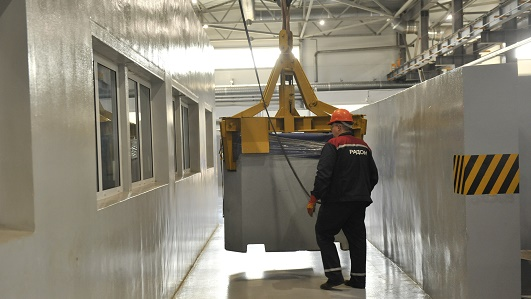
Russia's RADON advances pre-disposal work on radioactive waste at multiple sites
The Russian federal state unitary enterprise RADON is advancing multiple pre-disposal work activities for radioactive waste to reduce existing inventories and transfer compliant waste to the national operator FSUE NO RAO for final disposal. The work falls under special measures within the federal targeted program for nuclear and radiation safety (FTP NRS-2). The radioactive waste accumulated at RADON facilities remains under continuous monitoring and control to meet safety requirements. At the facility of RADON's Northwest Regional Branch in Sosnovy Bor, Leningrad Oblast, the retrieval, sorting, and pre-disposal preparation of federally owned radioactive waste has been completed. Between 2014 and 2018, this batch of waste was in...
2026-09-10
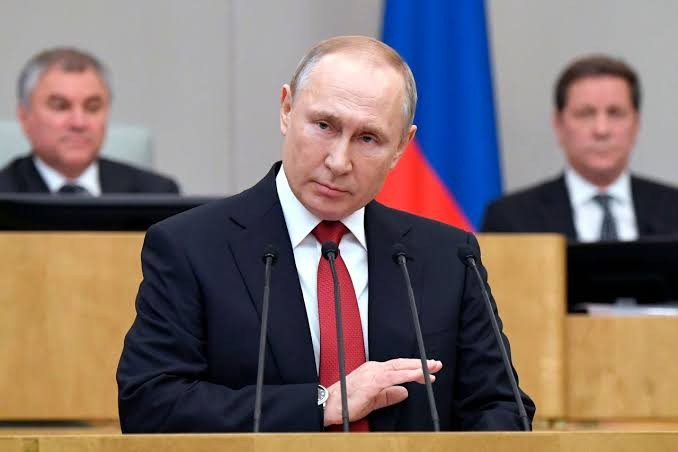
Indian, Russian Leaders to Meet Ahead of BRICS Summit; Talks on New Nuclear Power Plants on Agenda
Kremlin spokesman Dmitry Peskov confirmed on September 8 that Indian Prime Minister Narendra Modi and Russian President Vladimir Putin will meet this Friday, ahead of the 18th BRICS Leaders' Summit scheduled for September 12-13 in New Delhi. Peskov stated that Russia is awaiting negotiations with India on new nuclear power plants. He also noted that the two leaders maintain close contact and are able to discuss sensitive issues in bilateral relations in an open and constructive manner. The Indian side has not yet issued an official statement regarding the bilateral meeting between Modi and Putin. India holds the presidency of the 2026 BRICS Summit. This year's summit will be held at the India Exposition Centre in New Delhi under the theme "Building Resilience, Innovation, Cooperation, and Sustainable Development." During the summit, participants will exchange views on shared priorities and related global and regional issues.
2026-09-09
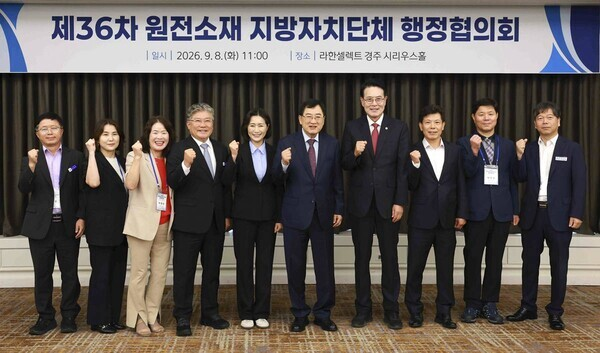
Five Korean Local Governments Discuss Improvements to On-Site Storage Facilities at Nuclear Power Plants
On September 8, 2026, Gyeongju City announced that the 36th Administrative Meeting of Local Governments Hosting Nuclear Power Plants was held in Gyeongju that day. Heads of local governments from five regions hosting nuclear power plants—Gyeongju City, Gijang County in Busan, Ulju County in Ulsan, Yeonggwang County in South Jeolla Province, and Uljin County in North Gyeongsang Province—attended the meeting. Photo of the administrative meeting of local governments hosting nuclear power plants held in Gyeongju on the 8th. Photo provided by Gyeongju City Government. The meeting discussed topics including current issues with on-site storage facilities within nuclear power plant premises, improvement of support systems for areas surrounding nuclear power plants, and joint response mechanisms among local governments. Participants noted that some issues faced by nuclear power plant host regions share common characteristics, requiring collaboration among local governments to ensure relevant opinions are reflected in government policies and systems.
2026-09-09

South Korea and Westinghouse Electric Plan to Advance Cooperation on 8 Nuclear Power Plants in the U.S.
According to a September 9 report by South Korean media, South Korea and the United States are coordinating an investment cooperation plan to build up to 8 large-scale nuclear power plants in the U.S., with a total project scale of approximately $120 billion, equivalent to about 161 trillion Korean won. Korea Hydro & Nuclear Power (KHNP) and U.S.-based Westinghouse Electric Company (WEC) are expected to collaborate on the project. The report said the preliminary plans under discussion include: at least 2 of the 8 nuclear power plants using the Korean-designed APR1400 reactor, with the remaining units likely adopting Westinghouse AP1000 technology. Specific site selection, construction entities, operational arrangements, final reactor types...
2026-09-09
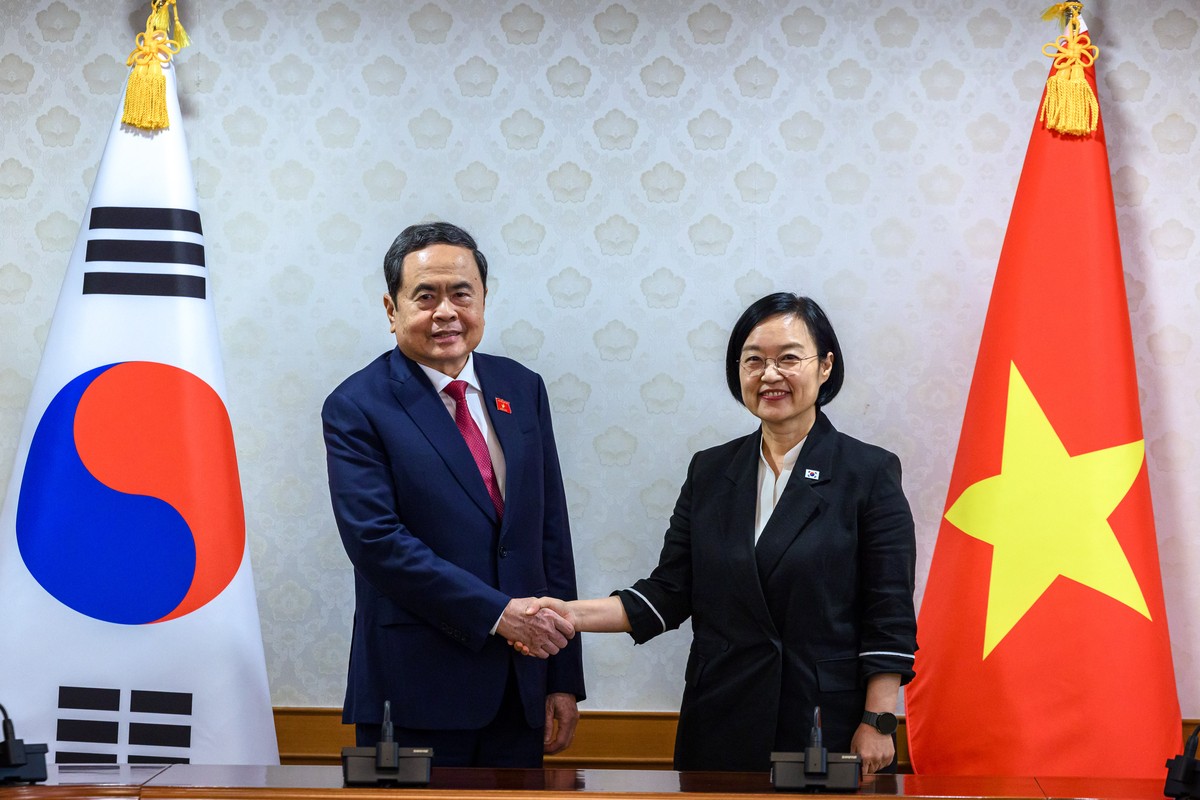
South Korea Calls on Vietnam to Support Korean Companies' Participation in Nuclear Power Plant Projects
According to the South Korean Prime Minister's Office, the Prime Minister recently met with the Chairman of the Vietnamese National Assembly, who was on an official visit to South Korea, at the Seoul Government Complex, where the two sides exchanged views on bilateral relations and ways to expand cooperation. The South Korean side expressed its hope to promote the continued development of the comprehensive strategic partnership between the two countries. During the talks, South Korea specifically requested that the Vietnamese National Assembly continue to pay attention to and support the resolution of difficulties faced by Korean energy companies operating in Vietnam, while creating favorable conditions for Korean companies to participate in infrastructure projects in Vietnam, including high-speed railways and nuclear power plants. The Vietnamese side stated that the Vietnamese National Assembly is continuously improving its legal and policy framework to create a better investment environment and welcomes Korean companies to pay attention to Vietnam's infrastructure...
2026-09-08
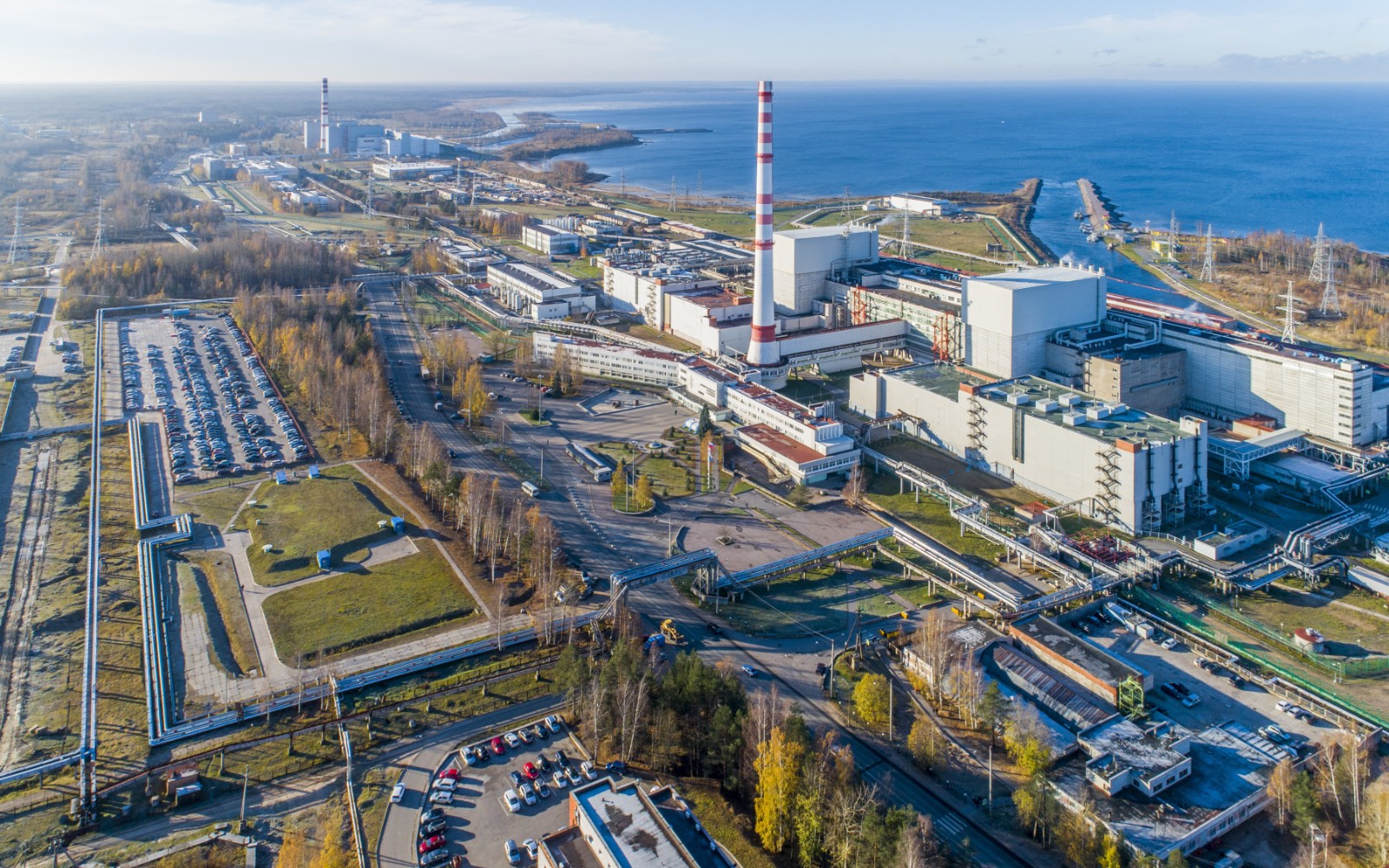
Russian nuclear power plants generated 149.1 billion kWh of electricity in 2026 as of September 7
Rosenergoatom, a subsidiary of Russia's State Atomic Energy Corporation (Rosatom), recently stated that as of September 7, Russian nuclear power plants had generated a cumulative total of 149.1 billion kWh of electricity in 2026. This output exceeds the target set for the same period by the Federal Antimonopoly Service (FAS) by 6.73%. Data previously released by the Federal State Statistics Service (Rosstat) shows that from January to July this year, electricity generation at Russian nuclear power plants increased by 2.2% year-on-year, reaching 126 billion kWh. In 2025, Russian nuclear power plants generated a total of 218.35 billion kWh for the full year. Alexey Likhachev, Director General of Rosatom, stated that the company plans to exceed the government's electricity generation target for the full year of 2026. The target is no less than 214 billion kWh.
2026-09-08
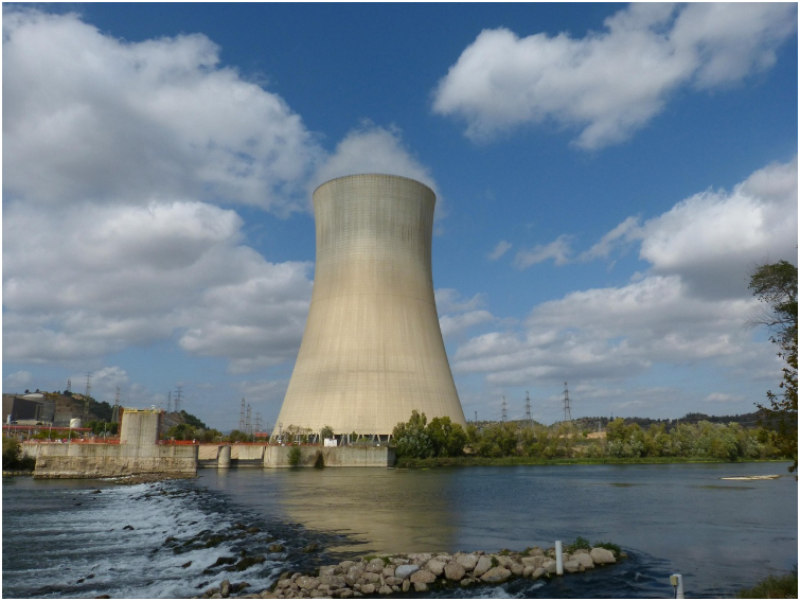
Korea and U.S. reportedly in talks to jointly build 8 large-scale nuclear power plants in the U.S.
According to the South Korean government and political figures on September 7, South Korea and the United States are in the final stages of discussions on a plan to jointly build up to 8 large-scale nuclear power plants in the U.S. The plan is seen as one of the follow-up projects under the Korea-U.S. investment arrangement in the U.S. Sources say the U.S. side had proposed allocating $120 billion of the $200 billion investment commitment to the construction of 8 nuclear power plants within the framework of investment in the U.S. An additional $150 billion in shipbuilding-related investment falls outside that commitment. However, the South Korean government reportedly did not accept the proposal to directly specify the exact investment amount, instead preferring to use general wording such as "jointly building 8 nuclear power plants" in relevant documents to preserve room for further coordination...
2026-09-08

Türkiye continues negotiations with multiple countries on new nuclear power plants
Turkish Minister of Energy and Natural Resources Alparslan Bayraktar stated that Türkiye's negotiations on new nuclear power plants have not yet been completed, and the country remains in contact with Russia, China, Canada, South Korea, and others, with no agreements signed for the relevant projects. Bayraktar said Russia is interested in participating in the Sinop and Thrace nuclear power plant projects and hopes to leverage the experience and human resources accumulated in the Akkuyu nuclear power plant project. In addition to Russia, Türkiye is also in negotiations with Canada, China, and South Korea on other nuclear power projects. He stated that beyond the Akkuyu plant, Türkiye plans to build eight more reactors...
2026-09-07
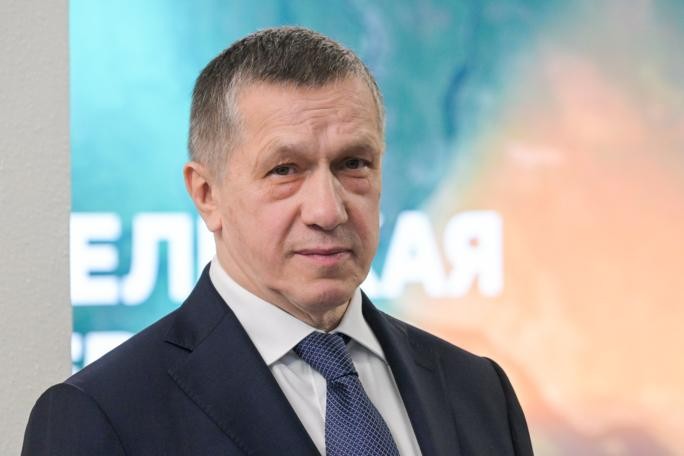
Russia Says Small Nuclear Power Plants Can Improve Energy Supply in Remote Areas
Russian Deputy Prime Minister and Presidential Plenipotentiary Envoy to the Far Eastern Federal District Yuri Trutnev said on September 3 during the Eastern Economic Forum (EEF) that deploying small nuclear power plants in remote areas of Russia, including the Arctic region, is expected to significantly change the local energy consumption structure and supply methods. Trutnev said that remote areas, especially the Arctic region, have a real demand for stable energy supply, and low-power nuclear power plants can play a role in these areas. He stated that Russia has begun constructing and deploying relevant facilities. Trutnev...
2026-09-04
Russia Says It Is Advancing Construction of Small Nuclear Power Plants
Russian President Vladimir Putin stated at the plenary session of the Eastern Economic Forum (EEF) that Russia holds a unique position in the construction of small nuclear power plants, with related projects not merely in the planning and discussion stage but already entering actual construction. Putin said at the meeting that Russia is the only country in the world that is not only discussing the necessity and feasibility of developing small-scale nuclear power but is also taking action to build it. He noted that currently, no other country besides Russia has undertaken similar construction. ...
2026-09-04