
Search Results
Keyword:nuclear power plants
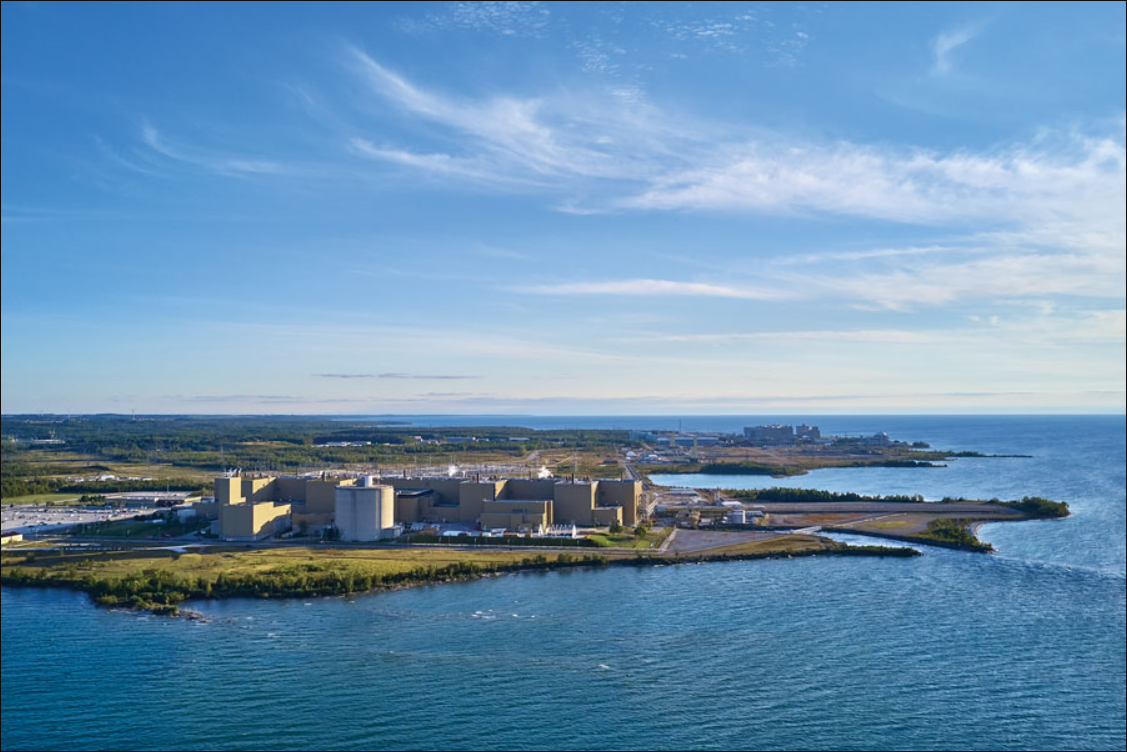
Canada Approves Power Uprate for Bruce A and B Nuclear Power Plants
The Canadian Nuclear Safety Commission (CNSC) announced on August 24 that it has decided to amend the licensing basis for the Bruce A and B nuclear power plants, approving an increase in the intermediate power operating levels of the two plants. The Bruce A and B nuclear power plants are located in Kincardine, Ontario, Canada, on the eastern shore of Lake Huron, and are operated by Bruce Power. Under the revised licensing basis, Bruce Power may increase the maximum operating power of the Bruce A plant to 95.5% of full power and the Bruce B plant to 96% of full power. Previously, the Bruce A plant was authorized to operate at a maximum power of...
2026-08-26
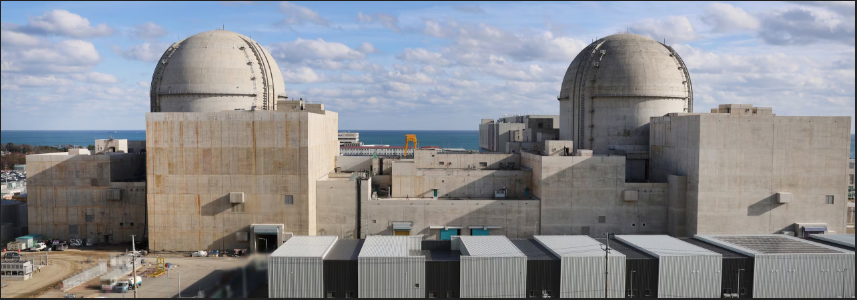
South Korea's Ulju County Seeks to Streamline Procedures for Support Projects Around Nuclear Power Plants
Ulju County, Ulsan Metropolitan City, South Korea, announced on August 26 that it will propose simplifying the procedures for implementing support projects in areas around power plants at the administrative meeting of local governments hosting nuclear power plants to be held next month, and will push for institutional adjustments to expand the scope of support for electricity bill subsidy projects. According to the Enforcement Decree of South Korea's Act on Support for Areas Around Power Plants, basic support projects for areas around power plants include profit-generating projects, public and social welfare projects, education projects, resident welfare support projects, investment attraction support projects, electricity bill subsidy projects, and other support projects. The first institutional improvement proposal put forward by Ulju County this time is to simplify the procedures for using basic support funds generated during the construction of small-capacity power plants.
2026-08-26
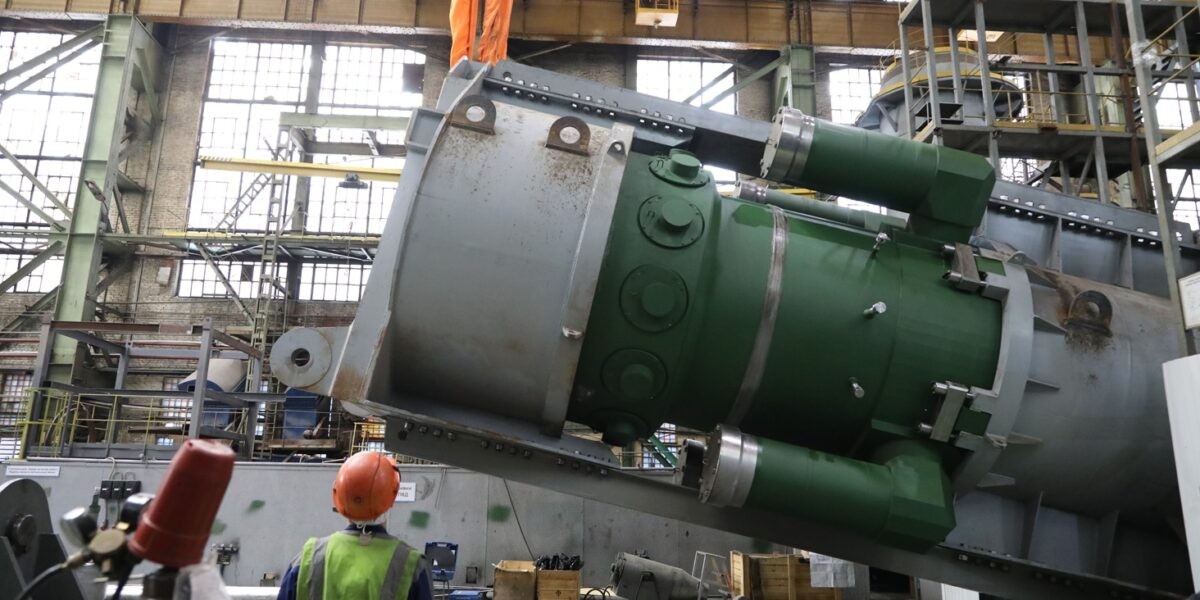
Russia has manufactured 15 RITM-200 reactors
Alexey Likhachev, CEO of Rosatom, presented plans for constructing nuclear power plants of various capacities at a nuclear energy development meeting, with small-capacity nuclear power systems being one of the key topics. According to the presentation, Russia has manufactured 15 RITM-200 reactors to date, with another 13 under construction. The RITM-200 is Russia's new-generation marine reactor, primarily used in Project 22220 nuclear-powered icebreakers. The most recent reactor equipment has been delivered to the nuclear-powered icebreaker Leningrad. Rosatom is developing small nuclear power plant solutions based on the RITM-200, covering both land-based and marine applications...
2026-08-25
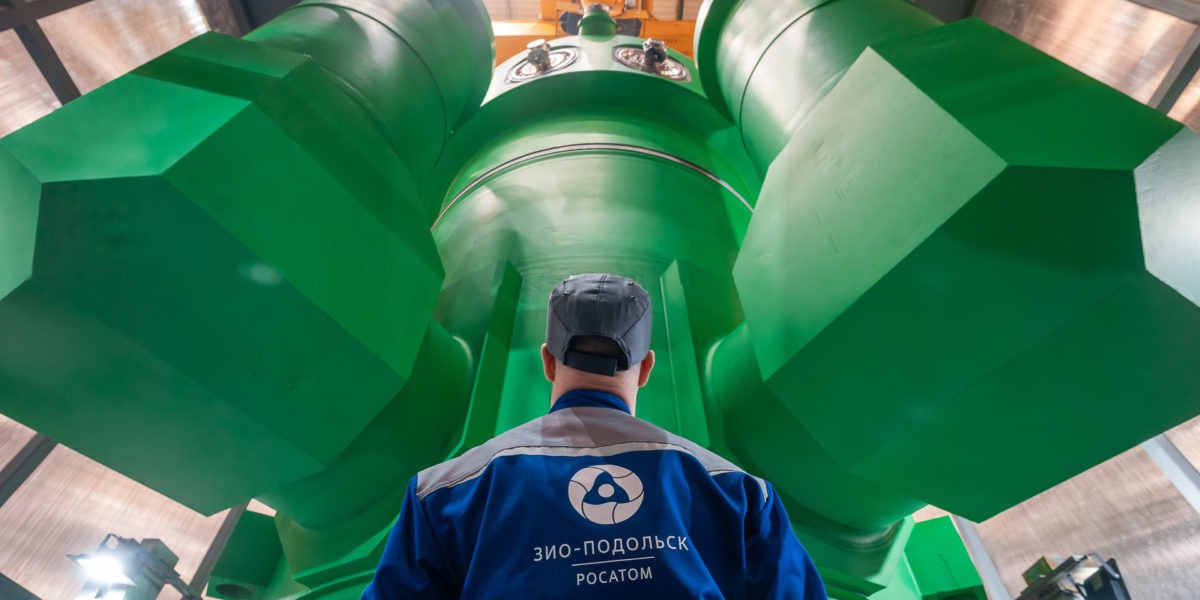
Russia Plans to Update Regulatory Framework for Advanced Nuclear Technologies
Alexey Likhachev, Director General of Rosatom, stated at a presidential meeting that the pace of nuclear technology development is outpacing the adaptability of the existing technical regulatory system, making it necessary to update relevant federal laws and regulations. Likhachev believes that regulatory adjustments should align with the development of advanced nuclear technologies, but without compromising regulatory independence or introducing additional safety risks. He proposed drawing on internationally accepted practices by conducting regulatory assessments at an early stage of projects, meaning regulators would engage in communication with developers before formal license applications are submitted, so as to resolve potential disputes before project construction begins...
2026-08-25

South Korea Reviews Plans for New Nuclear Units and 20-Year License Extensions
The South Korean government is reviewing plans to build new nuclear power units and extend the operating license periods of existing nuclear plants to address mid- to long-term electricity demand growth driven by semiconductor industry clusters in Yongin and the Honam region. The Ministry of Climate, Energy and Environment submitted a written response to the National Assembly on the 24th, stating that during the revision of the 12th Basic Plan for Electricity Supply and Demand, it will review whether to include new nuclear power plants in the plan, taking into account factors such as electricity supply-demand necessity, construction schedules, regional acceptance, and suitability of nuclear plant sites. The ministry stated that after the draft of the relevant work is published, it will also undergo procedures including National Assembly deliberation, public hearings, strategic environmental impact assessment, and climate change impact assessment.
2026-08-25
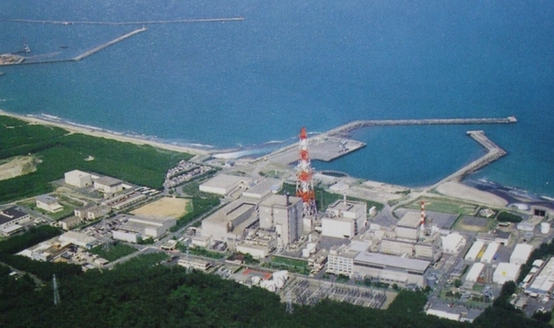
No abnormalities detected at multiple nuclear power plants after earthquake in Ibaraki Prefecture, Japan
At around 2 a.m. on August 23, an earthquake struck the southern part of Ibaraki Prefecture, Japan, with a maximum seismic intensity of 5-lower observed in parts of Ibaraki Prefecture, Tokyo Metropolis, Saitama Prefecture, and Chiba Prefecture. The Japanese government subsequently established a liaison office at the Crisis Management Center of the Prime Minister's Official Residence. Japanese Prime Minister Sanae Takaichi stated that relevant departments have been instructed to verify the damage situation and promptly release accurate information to the public. The earthquake posed no risk of tsunami. Japan Atomic Power Company (JAPC) stated that a seismic intensity of 3 was observed in the area where the Tokai Daini Nuclear Power Plant is located in Tokai Village, Ibaraki Prefecture. The unit is currently shut down, and as of now...
2026-08-24
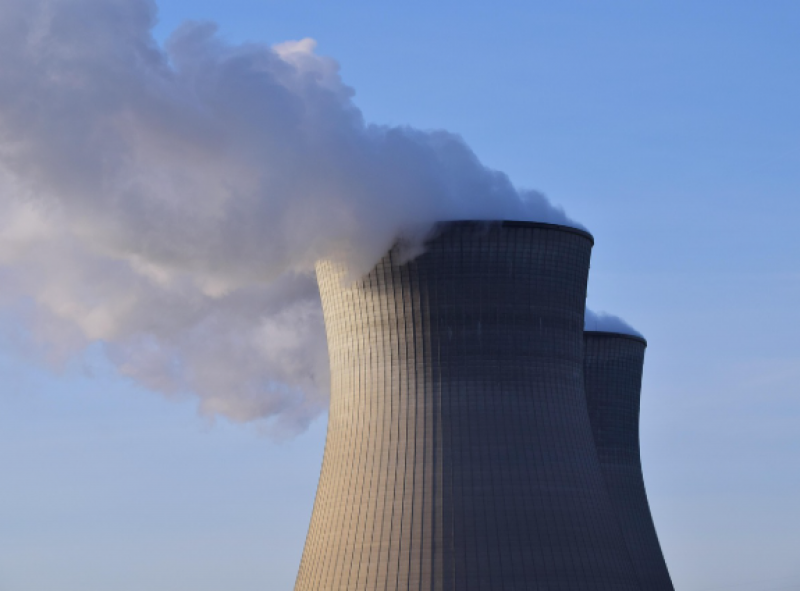
Uzbekistan Approves Radiation Accident Emergency Procedures for Nuclear Power Plants
Uzbekistan has approved radiation accident emergency procedures for nuclear power plants, specifying the handling procedures when nuclear power plants face the threat of or actually experience radiation accidents. The document was approved by the Industrial, Radiation and Nuclear Safety Committee under the Cabinet of Ministers, registered with the Ministry of Justice, and entered into force on August 20. The procedures apply to the siting, design, construction and operation stages of nuclear power plants, covering the conditions for activating emergency states, radiation dose rate criteria, operational information reporting processes, and requirements for emergency rescue organizations. According to the procedures, the emergency states of nuclear power plants are divided into two levels: emergency preparedness and emergency condition. When the former is activated, it generally means that the safe operation limits or conditions of the nuclear power plant have been exceeded, while the ionizing radiation dose rate has reached the corresponding threshold. If external natural or man-made events such as earthquakes, explosions, fires, or floods occur at the site and affect safety-related systems or safe operating conditions, an "emergency preparedness" state may also be declared.
2026-08-22

Indonesia Holds Meeting with Russia on Regulatory Framework for Floating Nuclear Power Plants
On August 18-19, Russian and Indonesian agencies held working meetings in Jakarta to discuss the development of a regulatory framework for Indonesia's nuclear energy program, covering licensing, regulatory, and safety requirements for the implementation of floating nuclear power plant projects. Deputy Chairman of the Federal Service for Environmental, Technological and Nuclear Supervision (Rostekhnadzor) Alexey Ferapontov, the head of Indonesia's Nuclear Energy Regulatory Agency (BAPETEN), representatives of Rosatom, and representatives of Indonesia's Ministry of Transportation attended the meetings. The discussions focused on cooperation prospects between the two countries' regulatory bodies in the context of developing Indonesia's nuclear energy program...
2026-08-21
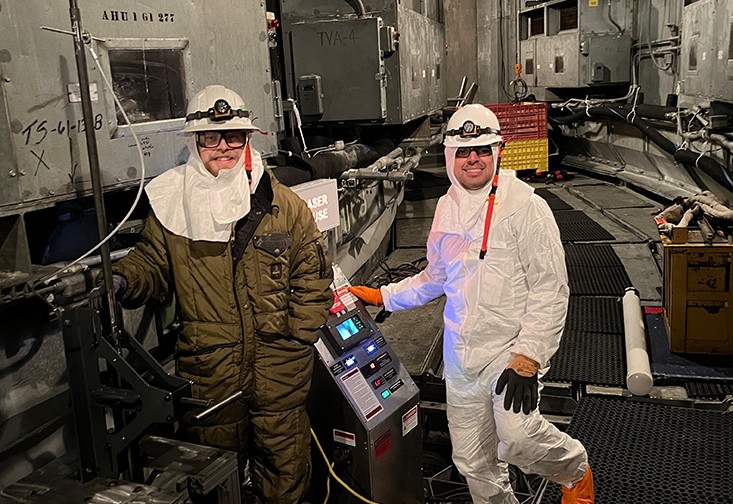
U.S. University Develops Laser De-icing Technology for Nuclear Power Plant Safety System Maintenance
An engineering team at the University of South Florida has developed a customized laser de-icing technology to address the issue of ice basket adhesion in the maintenance of critical safety systems at nuclear power plants. After four years of research, design, and testing, the technology has completed field testing at two nuclear power plants operated by the Tennessee Valley Authority (TVA). Developed jointly by Ahmed Vaselbehagh, Professor of Mechanical and Aerospace Engineering at the University of South Florida, and postdoctoral researcher Ty Hagan, the technology is primarily aimed at ice condenser systems used in certain nuclear power plants in the United States, Japan, and Finland...
2026-08-21
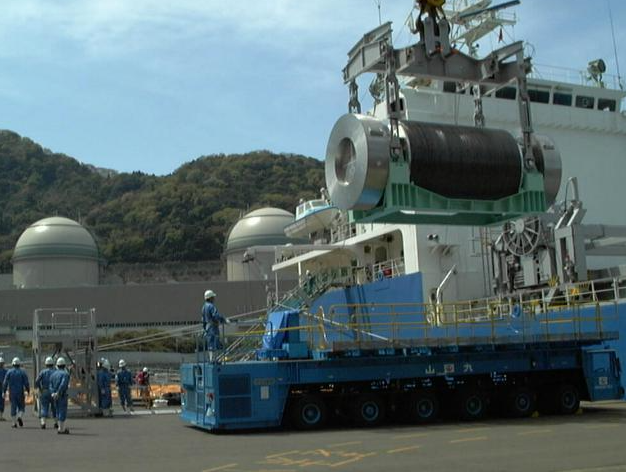
Kansai Electric's Dry Cask Storage Project for Spent Fuel at Three Fukui Nuclear Plants Accelerates
Kansai Electric Power Company (KEPCO) plans to construct dry cask storage facilities for spent fuel at the sites of its three nuclear power plants in Takahama, Oi, and Mihama in Fukui Prefecture, Japan, and the local approval process for the project has recently accelerated. According to local arrangements, in addition to regulatory review, the project requires prior consent from the Fukui Prefectural Government and the towns where the nuclear plants are located. The Nuclear Regulation Authority (NRA) of Japan has completed safety reviews of the dry cask storage facility plans for the Takahama and Mihama nuclear power plants, while the plan for the Oi plant remains under review. Takahama Town Mayor Hisakatsu Nishijima...
2026-08-20
Atomic Canyon, in partnership with EPRI, INPO, and NEI, Launches NIVA, a Virtual Assistant for the North American Nuclear Industry
Atomic Canyon, a company developing artificial intelligence tools for the nuclear energy industry, announced on August 18 that the Nuclear Industry Virtual Assistant (NIVA) has transitioned from the pilot phase to full deployment and will be rolled out to nuclear power plants across North America. The platform was developed by Atomic Canyon in collaboration with the Institute of Nuclear Power Operations (INPO), the Electric Power Research Institute (EPRI), and the Nuclear Energy Institute (NEI), and is available to commercial nuclear power plants that are members of these organizations. NIVA is positioned as an AI platform dedicated to the nuclear power industry, primarily designed to help nuclear professionals find, integrate, and apply industry knowledge more quickly across complex workflows involving technical, regulatory, and operational management tasks.
2026-08-19
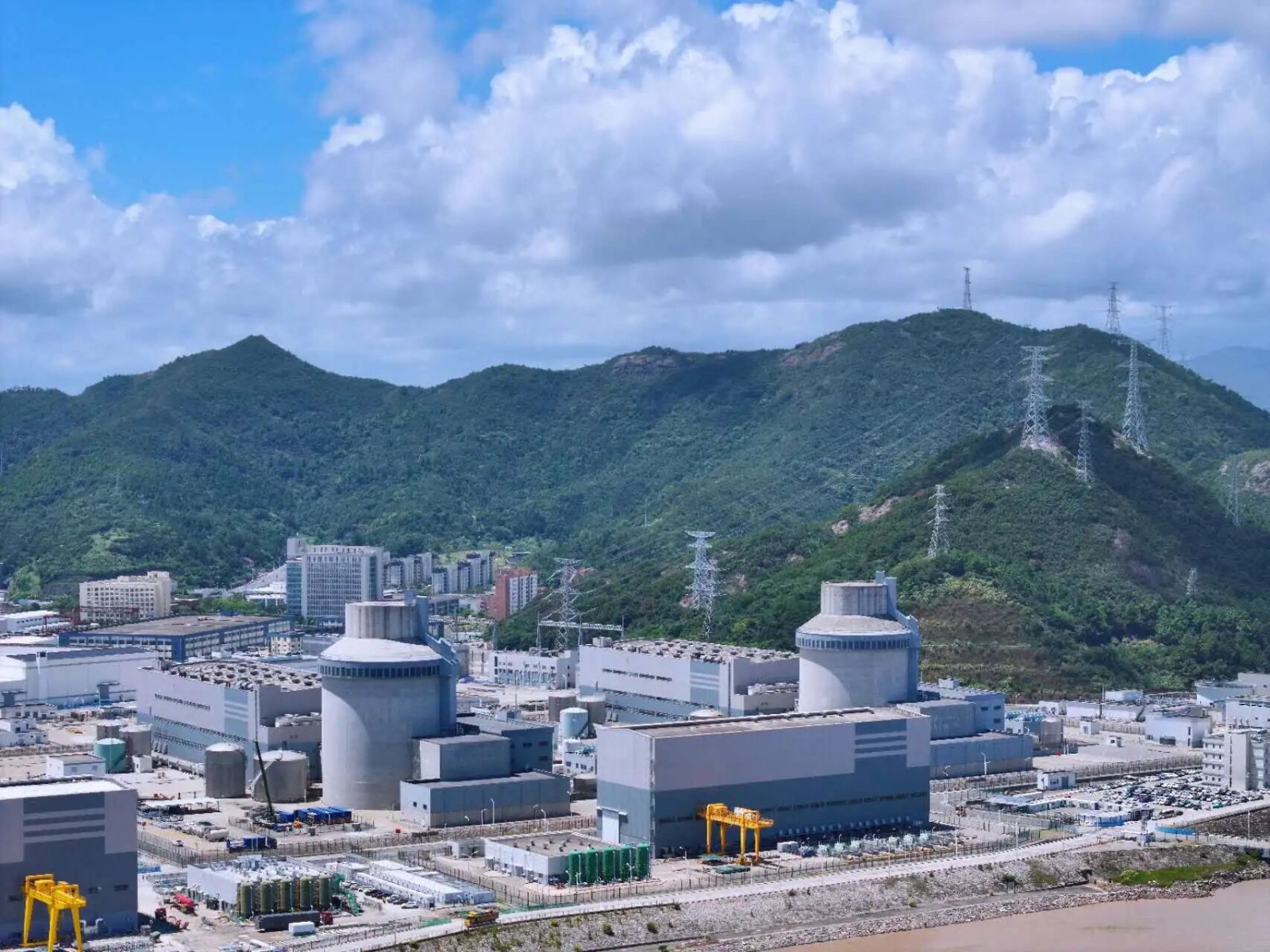
What "Hardcore" Technologies Lie Behind the Nuclear Power Plants Inspected by the Minister of Ecology and Environment?
From August 14 to 15, Huang Runqiu, Minister of Ecology and Environment, conducted a research tour on ecological and environmental protection work in Lishui, Taizhou, and Ningbo cities of Zhejiang Province. Actively, safely, and orderly developing nuclear power is an important measure for building a clean, low-carbon, safe, and efficient energy system and for achieving carbon peak and carbon neutrality. Huang Runqiu visited the Sanmen Nuclear Power Plant in Taizhou, going deep into the main control room of the operating unit and the nuclear island building of the unit under construction, to learn in detail about the operating status and construction progress of the nuclear power units, and to express gratitude to the on-site supervision personnel of the East China Nuclear and Radiation Safety Supervision Station. Ensuring the construction quality of nuclear power units is crucial to enhancing the safety level of nuclear power plants. Huang Runqiu then visited the Jinqimen Nuclear Power Plant in Ningbo, where he inspected the nuclear island foundation area to review the construction progress of the plant and engaged in on-site exchanges with nuclear safety supervision personnel.
2026-08-18
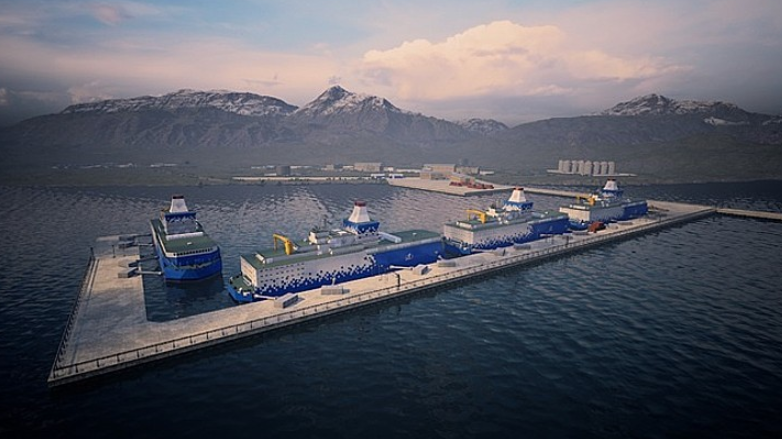
Rosatom Plans Four More Floating Nuclear Power Plants to Strengthen Energy Layout in the Arctic and Far East
Rosatom plans to build four additional floating nuclear power plants. This move indicates that Russia continues to regard small-scale nuclear energy and offshore floating nuclear power platforms as key solutions for energy supply in remote areas, particularly for the Arctic, the Far East, and resource development zones that are difficult to cover with traditional power grids. The core advantage of floating nuclear power plants lies in their deployment flexibility, providing relatively stable electricity and heat to coastal towns, port facilities, mining projects, and industrial bases. Compared with reliance on diesel, coal, or long-distance power transmission, floating nuclear power plants can reduce fuel transportation pressure and enhance energy security for large projects in remote areas. For...
2026-08-14
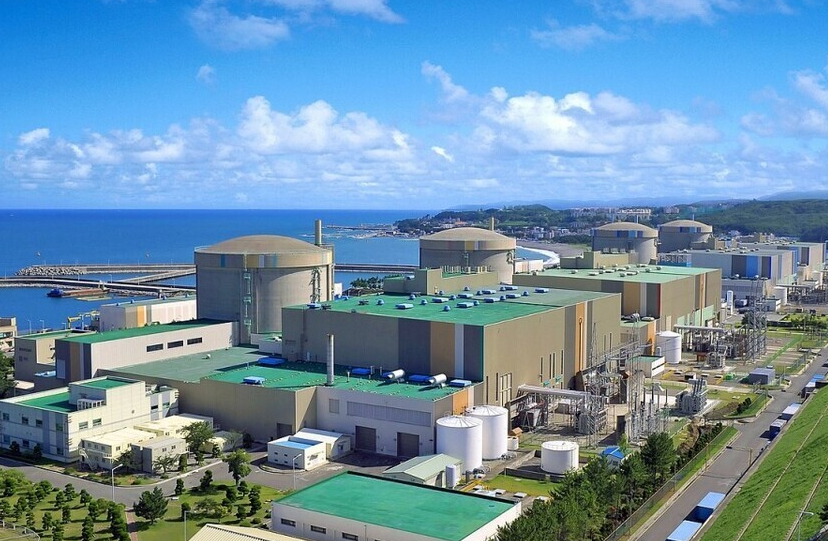
Cooling seawater temperature at South Korean nuclear power plants approaches design limit
South Korean Climate, Energy and Environment Minister Kim Sung-hwan said on August 11 that due to recent rises in seawater temperature, the temperature of seawater used for cooling at South Korean nuclear power plants has approached the design limit. The government is working with Korea Hydro & Nuclear Power (KHNP) to study countermeasures such as adjusting the location of water intake points. Kim Sung-hwan made the remarks on the same day while answering a question from lawmaker Park Ji-hye at a plenary session of the National Assembly's Climate, Energy, Environment and Labor Committee, stating that the temperature of seawater used for cooling at nuclear power plants has recently approached the limit, and that KHNP and the government are closely monitoring the situation. He said nuclear power plants cannot be easily shut down over this issue...
2026-08-12
U.S. Moves to Relax Oversight of Small Maritime Nuclear Reactors, Promoting Civilian Floating Nuclear Energy Applications
The U.S. government is pushing to remove or simplify regulatory barriers to deploying civilian nuclear reactors on floating platforms and vessels, aiming to pave the way for small modular reactors to enter maritime shipping and offshore energy applications. The relevant topics will be highlighted during the International Atomic Energy Agency's ATLAS initiative event from August 26 to 27, with the U.S. also planning to showcase reactor technologies suitable for waterborne operations. The day prior, the U.S. will host an industry day, inviting nuclear and maritime sector companies to present their solutions. This move reflects the strategic importance the U.S. energy sector places on small modular reactors. Compared to traditional large-scale nuclear power plants, small modular reactors emphasize high energy density,...
2026-08-12