
Search Results
Keyword:nuclear power plants
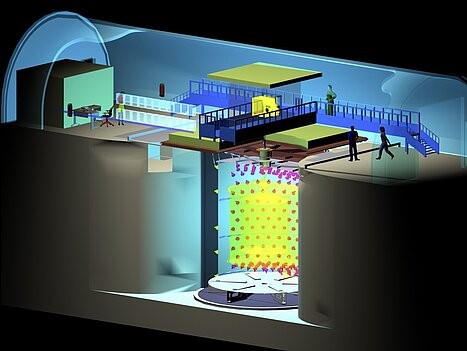
Antineutrinos Detected for the First Time in Spent Fuel Elements
Even after a nuclear reactor has been shut down, the radioactive fuel continues to emit a faint stream of antineutrinos. The Double Chooz collaboration, led by scientists from the Max Planck Institute for Nuclear Physics (MPIK), has succeeded for the first time in measuring this elusive signal, opening up new prospects for reactor monitoring, nuclear safety, and control procedures. The Double Chooz detector. Image credit: Double Chooz collaboration. The research team conducted these measurements at the Chooz nuclear power plant in northern France. The Double Chooz detector is located approximately 400 meters underground, in close proximity to two reactor cores. Inside, the detector contains more than 30 cubic meters of liquid scintillator material...
2026-08-04

Adani Group Proposes Two Nuclear Power Plants in India's Odisha State
The Adani Group has submitted a proposal to the Government of Odisha to build two nuclear power plants in the state, with a planned total installed capacity of 5,600 MW and an estimated investment of approximately ₹1.5 trillion. The proposal is seen as a significant move to expand private sector participation in India's civil nuclear energy sector. According to disclosures, Subrat Tripathy, President of Business Development at Adani Ports and Special Economic Zone, led a delegation to meet Odisha's Deputy Chief Minister and Energy Minister Kanak Vardhan Singh Deo in Bhubaneswar...
2026-08-03
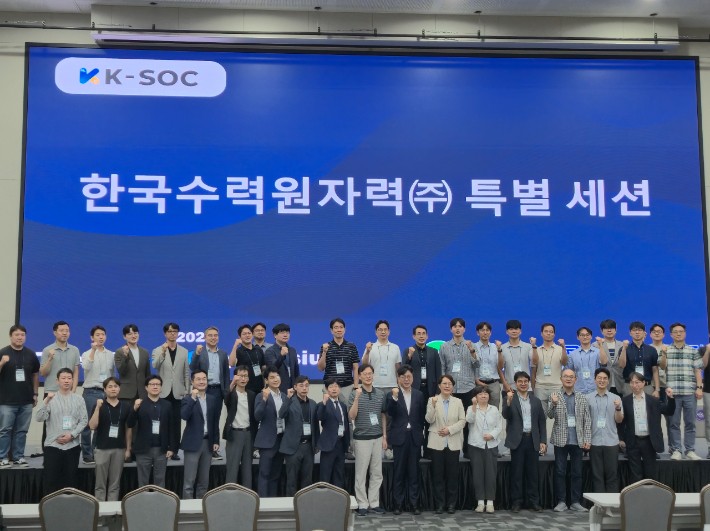
KHNP Unveils Research Findings on High-Temperature Steam Electrolysis Demonstration Planning Integrated with Nuclear Power Plants
Korea Hydro & Nuclear Power (KHNP) recently participated in the 3rd K-SOC Symposium, hosted by the Korean Ceramic Society and held at OSCO in Cheongju on July 23. During the event, KHNP held a special session on high-temperature steam electrolysis, engaging in discussions with experts from industry, academia, and research institutions on technology development directions and demonstration deployment strategies. The K-SOC Symposium is a major academic event in the field of solid-state ion engineering in South Korea, held every three years, covering topics such as materials, cells, stacks, systems, and processes for solid oxide batteries. At this special session, KHNP presented the preliminary findings of its self-conducted study on the demonstration planning of high-temperature steam electrolysis integrated with nuclear power plants...
2026-08-02
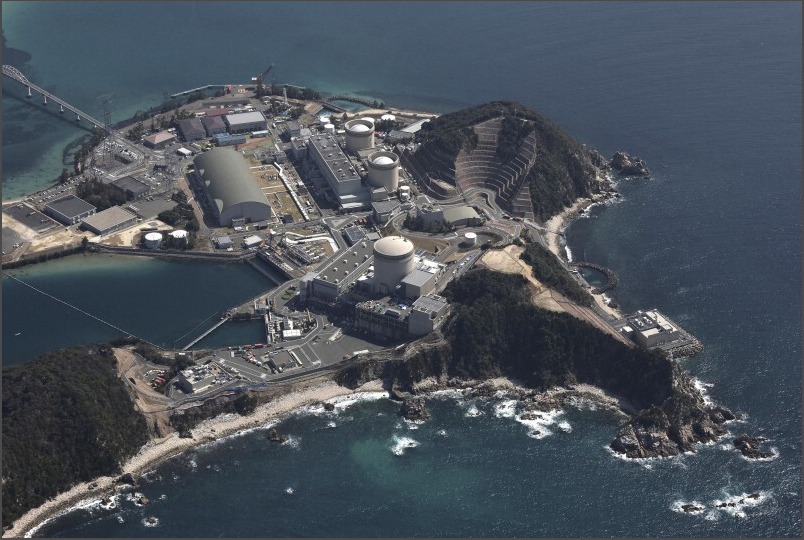
Japan aims to rebuild up to 5 retired nuclear power plants by the 2040s
The Japanese government held a ministerial meeting on nuclear power on July 31 and decided to rebuild up to 5 retired nuclear power plants by the 2040s. This is the first time since the Fukushima Daiichi nuclear accident that the Japanese government has set a specific numerical target for nuclear plant reconstruction. Kansai Electric Power Company's Mihama Nuclear Power Plant Japanese Prime Minister Takaichi Sanae stated at the meeting that to steadily advance nuclear power investment, the Takaichi cabinet will continue to promote nuclear energy policy. According to the direction set at the meeting, Japan plans to rebuild 2 to 5 nuclear power plants by the 2040s, with a total installed capacity of approximately 2.2 million to 5.5 million kilowatts; by the 2050s, the reconstruction scale will expand to 11 to 14 plants, with a total installed capacity of approximately 12.7 million to 16 million kilowatts. The Japanese government plans to...
2026-08-01
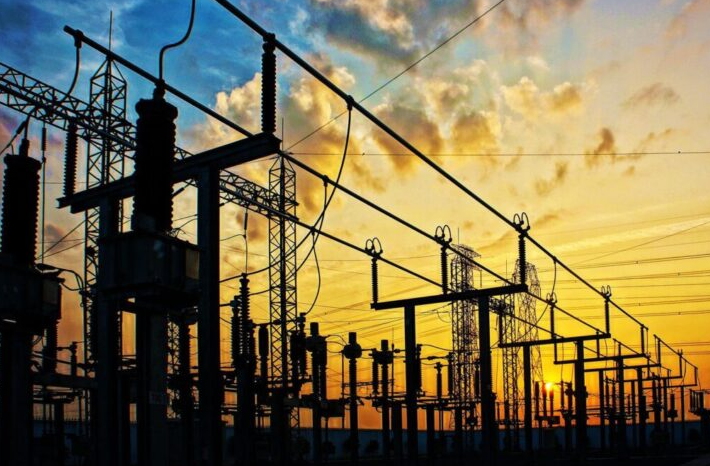
Ukraine's Nuclear Power Plants Generate 26.8 Billion kWh in First Half of Year
On July 29, Ukraine's national nuclear energy company Energoatom reported that from January to June 2026, the country's nuclear power plants generated a cumulative 26.8201 billion kWh (26.82 TWh), an increase of 163.1 million kWh compared to the same period in 2025. Nuclear power continues to serve as the backbone of Ukraine's electricity system baseload, with its share exceeding 67% during certain periods between 2019 and 2025 (according to data from Ukraine's National Energy and Utilities Regulatory Commission, NKREKP), supporting system stability amid repeated attacks on the power grid during wartime. Data shows that from 2019 to 2025, the share of electricity generated by Ukraine's nuclear power plants even exceeded 67% of the country's total energy output during certain periods. This stable power supply capability remains effective in maintaining the stable operation of the energy system even as Ukraine's energy sector faces persistent challenges...
2026-07-31

South Korea Confirms Operating Nuclear Power Units Unaffected by Strong Earthquake in Kyushu, Japan
Following the strong earthquake in the Kyushu region of Japan, related aftershock signals have been detected in southern South Korea. The Nuclear Safety and Security Commission (NSSC) of South Korea stated that inspections confirmed all operating nuclear power units within the country remain unaffected. The NSSC noted that after the earthquake, inspections were conducted on all 27 operating nuclear power units, including the Kori Nuclear Power Plant in Busan and the Wolseong Nuclear Power Plant in Gyeongju, with no significant abnormalities or safety issues found. Korea Hydro & Nuclear Power (KHNP) also stated that no reports of damage to nuclear facilities have been received so far. The NSSC will continue to monitor the operational status of nuclear power plants to respond to potential subsequent aftershocks....
2026-07-31
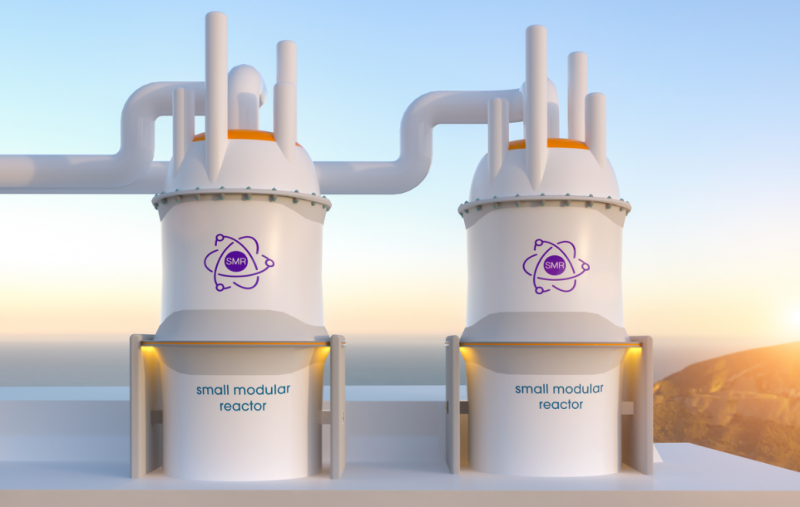
Japan Atomic Industrial Forum Chairman: Overseas SMR Projects Help Sustain Supply Chain, but Japan Still Needs to Build New Nuclear Plants
Hideki Masui, Chairman of the Japan Atomic Industrial Forum (JAIF), stated on May 31 that Japanese companies are playing a significant role in global small modular reactor (SMR) projects through design and equipment supply, but the long-term maintenance and development of Japan's nuclear technology base ultimately requires the construction of new nuclear power plants domestically. At a regular press conference, Masui reviewed international developments in the SMR field. He noted that approximately 30 countries currently use nuclear energy, and about 20 countries are studying the deployment of SMRs in some form. Projects involving Japanese companies include GE Vernova Hitachi Nuclear Energy's BWRX-300 and NuScale Power's VOYGR SMR, whi...
2026-06-06
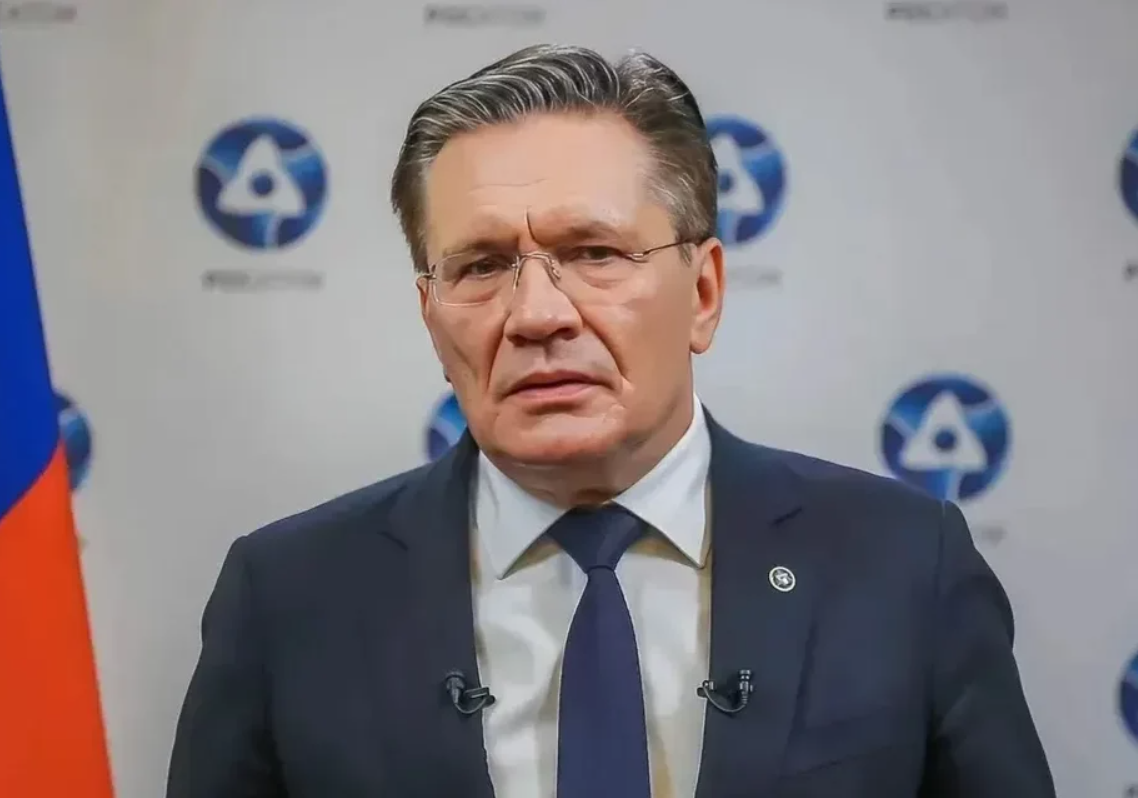
Rosatom Says Small Nuclear Power Development Requires Regulatory Reform
Rosatom Director General Alexey Likhachev said on July 5 that if Russia hopes to maintain its global leadership in the small nuclear power market, nuclear regulations and standards also need to keep pace with technological changes, particularly by revisiting the licensing and approval process for small nuclear power plants. In an article published in the Rosatom Corporate Newspaper, Likhachev stated that small nuclear power plants are expected to become a significant new form of energy in the coming decades, but their deployment still faces considerable regulatory challenges. Due to the relative novelty of such facilities to regulators, approval approaches tend to be cautious. He believes that accelerating the licensing and construction process while ensuring safety has become a task of national importance.
2026-07-06
World Nuclear Association expects global large-scale nuclear power construction spending to peak between 2041 and 2045
The World Nuclear Association (WNA) expects global nuclear power industry spending to reach a phased peak between 2041 and 2045. At 2025 prices, approximately $1 trillion will be directed toward the construction of large nuclear power plants during this period. Sama Bilbao y León, Director General of the World Nuclear Association, stated that investment interest in the nuclear energy sector has significantly increased, with 50 countries having formulated relatively specific nuclear energy development plans. She believes that implementing these plans will require substantial financial support, with the required investment scale far exceeding current levels. According to the Association's estimates, in addition to large nuclear power plant construction, approximately $450 billion will be allocated globally to small modular reactor projects between 2041 and 2045, along with $84 billion for extending the operational lifetimes of existing reactors.
2026-07-30
Japan's Nuclear Regulation Authority to Revise Seismic Review Guidelines for Nuclear Power Plants
Following the exposure of Chubu Electric Power Co., Inc.'s alleged tampering with data related to earthquake assumptions at the Hamaoka Nuclear Power Plant in Shizuoka Prefecture, Japan's Nuclear Regulation Authority (NRA) has decided to revise certain seismic review guidelines for nuclear power plants to strengthen prevention of similar misconduct. At a regular meeting held on July 29, the NRA decided to proceed with revisions to the guidelines concerning seismic assumption reviews. Previously, the review process primarily focused on the calculation results submitted by nuclear power plant operators. The revision will extend the scope of verification to include the calculation process and the data used therein, in order to prevent companies from intentionally selecting, adjusting, or manipulating data.
2026-07-30
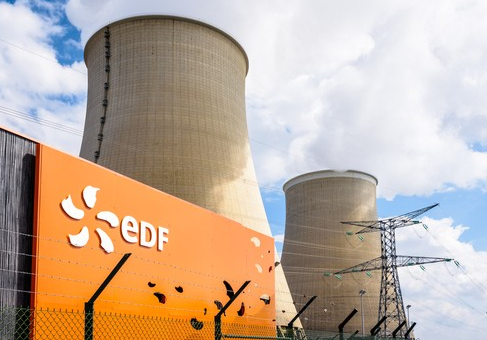
Two UK nuclear power plants approved for life extension until March 2030
EDF Energy and Centrica announced on July 22 that the operational lives of the Heysham 1 and Hartlepool nuclear power stations in the UK will be extended by another two years, until March 2030.Located in northern England, the Heysham 1 and Hartlepool nucl
2026-07-23