Registration
REGISTER FOR THE CONFERENCE
Registration
REGISTER FOR THE CONFERENCE
 Apply to Exhibit
APPLICATION FOR EXHIBITION
Apply to Exhibit
APPLICATION FOR EXHIBITION
 Sponsorship
SPONSORSHIP APPLICATION
Sponsorship
SPONSORSHIP APPLICATION

"China Nuclear Power Development Report (2026)": China's Total Scale of Operating and Approved-Under-Construction Nuclear Power Units Ranks First in the World
On August 6, the National Energy Administration released the "China Nuclear Power Development Report (2026)". As of the end of 2025, China had a total of 112 nuclear power units in operation and approved for construction, with a total installed capacity of 125 million kilowatts, ranking first in the world. Among them, 59 units were in operation with an installed capacity of 62.48 million kilowatts, ranking third globally; 53 units were approved and under construction with a capacity of 62.93 million kilowatts, maintaining the world's largest nuclear power engineering construction scale for 19 consecutive years. The report shows that during the "14th Five-Year Plan" period, China newly approved 46 nuclear power units with a total capacity of 54.5 million kilowatts, and newly commissioned 11 units with a capacity of 12.45 million kilowatts. In 2025, China commissioned one new nuclear power unit, namely Unit 2 of the "Guohe One" demonstration project; and approved the construction of 10 new nuclear power units with a total capacity of 12.1 million kilowatts, involving Units 5 and 6 of Zhejiang Sanmen, Units 5 and 6 of Shandong Haiyang, Units 1 and 2 of Fujian Xiapu, Units 3 and 4 of Guangdong Taishan, and Units 5 and 6 of Guangxi Fangchenggang...
2026-08-06

CGN and Shandong Provincial People's Government Sign Strategic Cooperation Agreement
2026-08-06
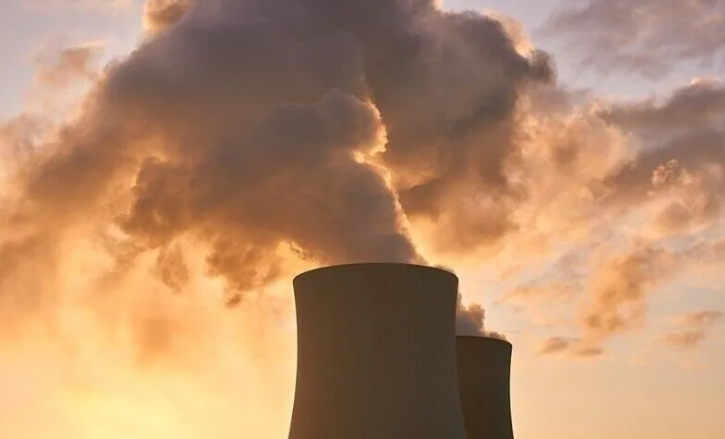
World Nuclear Association: Global Nuclear Power Investment Must Reach $250 Billion Annually to Support Tripling of Installed Capacity by 2050
2026-08-06
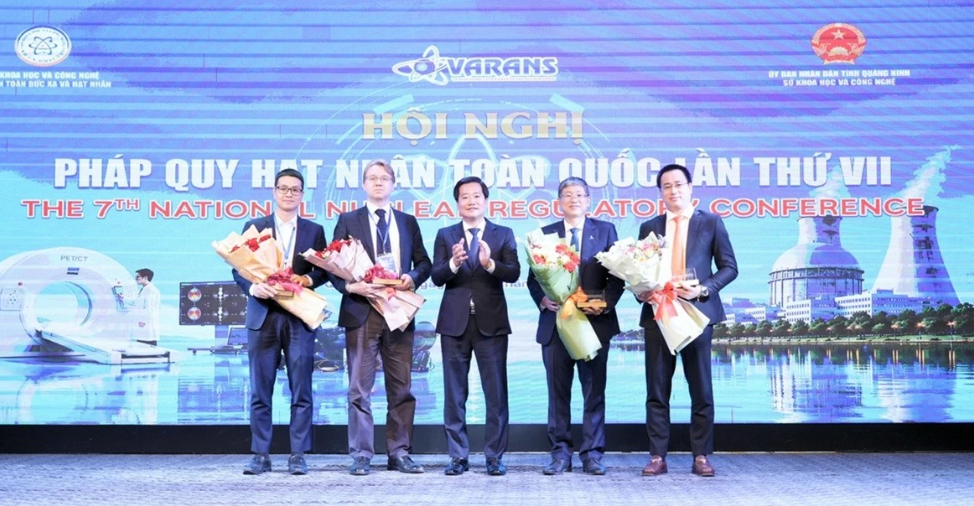
Petrovietnam Calls for Synchronized Regulation and Development in Ninh Thuan 2 Nuclear Power Project
2026-08-06
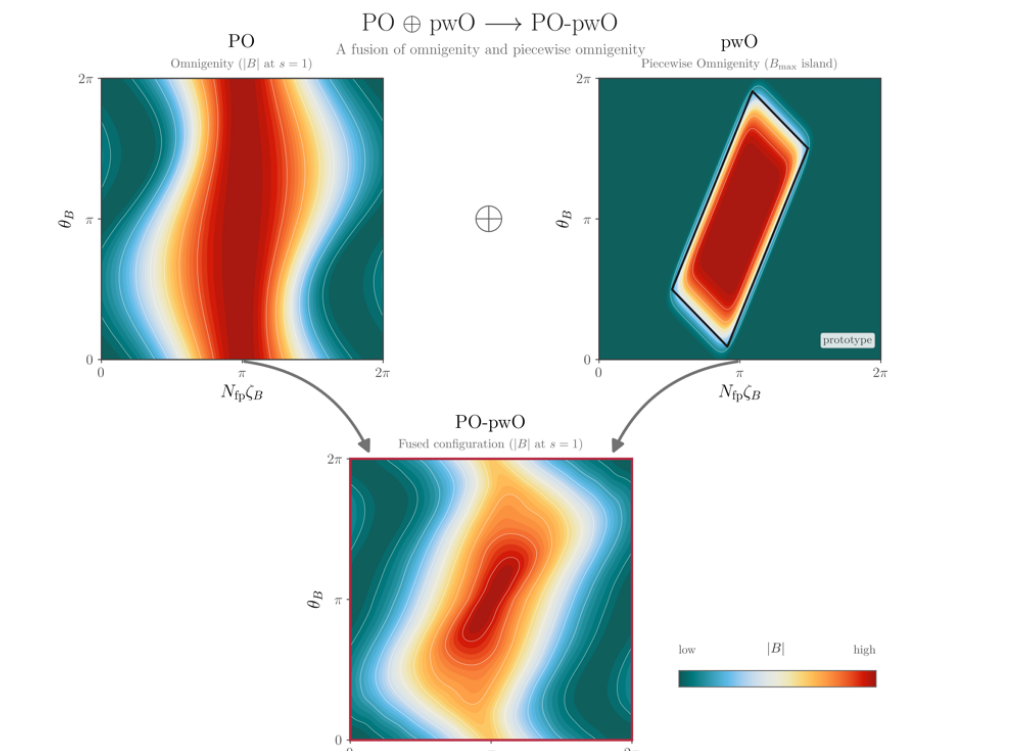
Department of Plasma Physics and Fusion Engineering at the University of Science and Technology of China Proposes New Three-Dimensional Magnetic Field Configuration for Stellarators
2026-08-06

UK Energy - Nuclear joins World Association of Nuclear Operators
2026-08-06

South Korea Moves to Legislate Advance Ordering Rules for Key Nuclear Equipment
2026-08-06
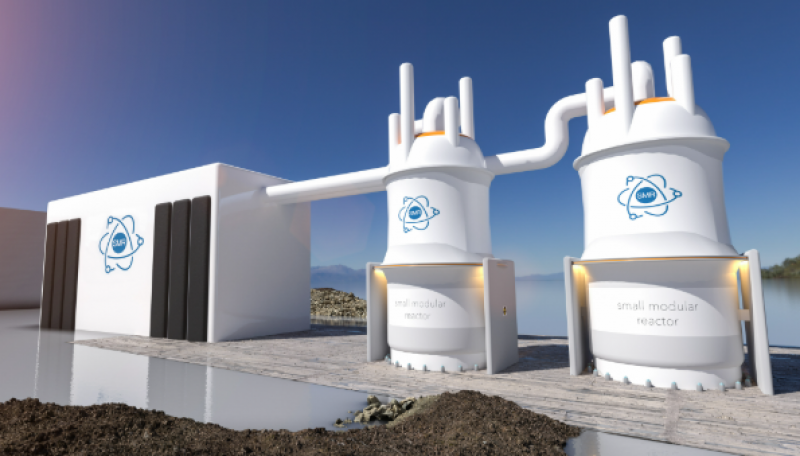
Changwon City Advances SMR Industry Support System
2026-08-06
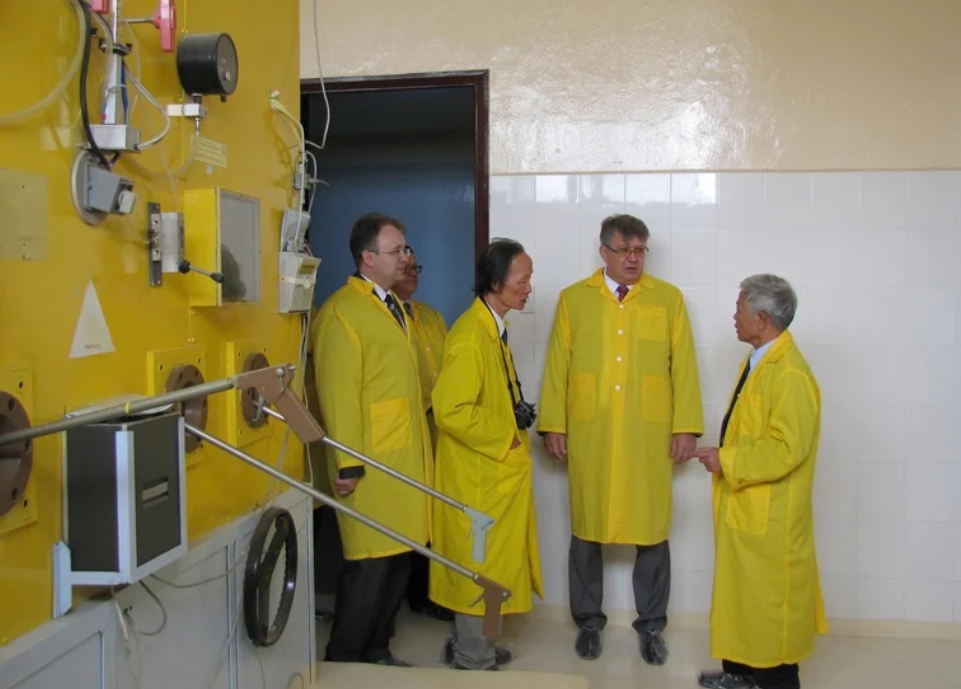
Vietnam Issues 470 International Nuclear Energy Standards Covering the Full Chain of Nuclear Power Plants, Research Reactors, SMRs, and Radiation Protection
2026-08-06
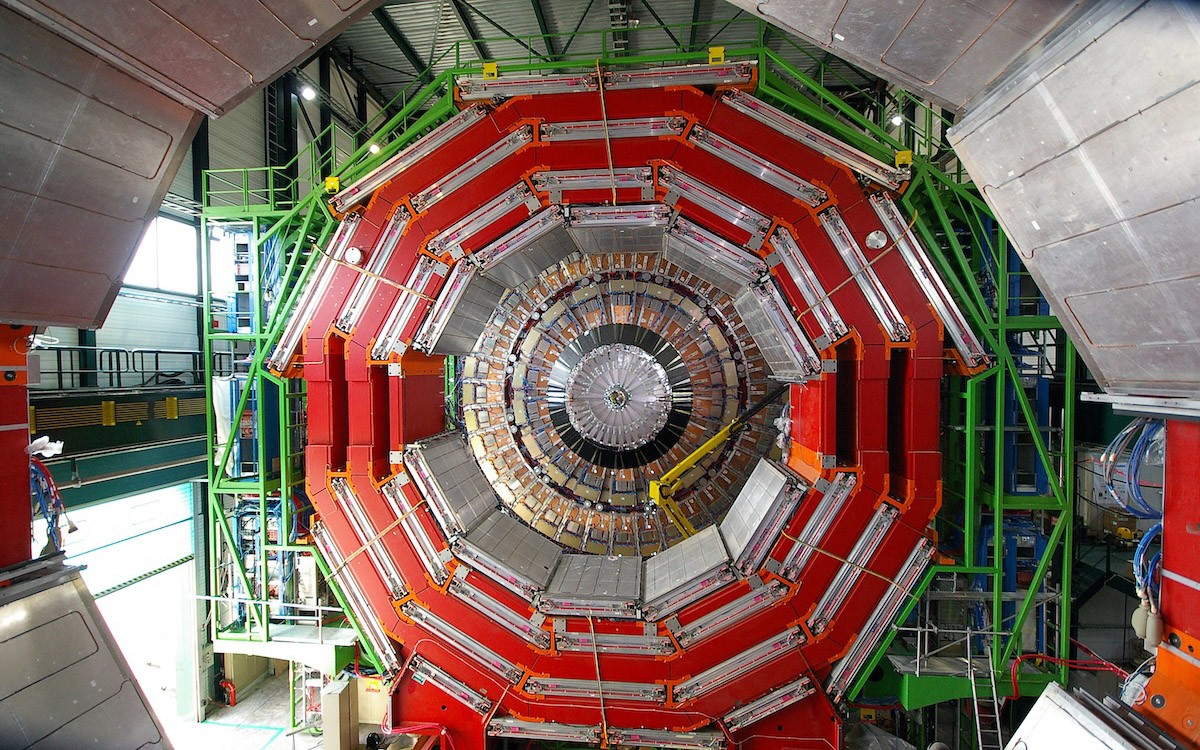
A particle detector development project led by the University of Kansas has recently received funding from the U.S. Department of Energy's Established Program to Stimulate Competitive Research (DOE EPSCoR). The project, funded at $1 million, will be used to design and build two High-Luminosity Zero Degree Calorimeters (HL-ZDC) for the Compact Muon Solenoid experiment (CMS) at CERN's Large Hadron Collider (LHC). The four-year project is co-led by Michael Murray, professor in the Department of Physics and Astronomy at the University of Kansas, and Christophe Royon, distinguished professor at the University of Kansas. Murray also serves as the project lead for the CMS High-Luminosity Zero Degree Calorimeter upgrade...
2026-08-06
On August 6, Beijing time, the international collaboration of the Beijing Spectrometer III experiment (BESIII) at the Beijing Electron-Positron Collider announced at the International Conference on High Energy Physics (ICHEP 2026) held in Brazil, in the form of a special plenary report: after 15 years of sustained research, the BESIII experiment has established a complete chain of evidence proving the existence of glueballs, unraveling the mystery that has puzzled the academic community for nearly half a century. This discovery not only provides a decisive validation of the theory of quantum chromodynamics, but also demonstrates the existence of a completely new form of matter—matter composed purely of force. Atomic nuclei are composed of protons and neutrons, which in turn are composed of quarks. Gluons mediate the strong interaction between quarks...
2026-08-06
August 5, 2026, an international review led by the International Atomic Energy Agency showed that the Bahamas has room for further improvement in strengthening cancer treatment services. The review provided a roadmap for the country to improve coordination of cancer services, reduce diagnostic and treatment waiting times, and enhance patient outcomes. Princess Margaret Hospital in Nassau, Bahamas (Image: Pelow Media/Adobe Stock) The imPACT review was conducted jointly by the International Atomic Energy Agency, the World Health Organization/Pan American Health Organization, and the International Agency for Research on Cancer, at the request of the Bahamas Ministry of Health and Wellness, focusing on assessing the country's cancer control capacities and needs. From June 9 to 11, the expert team visited...
2026-08-06
A nuclear medicine imaging study conducted by a Japanese research team has shown that many adults who experience psychotic symptoms such as hallucinations and delusions for the first time after age 40 have abnormal protein deposits in the brain associated with Alzheimer's disease and other neurodegenerative disorders. The study included 37 patients with late-onset psychosis and 47 age-matched healthy controls. The researchers used the amyloid PET tracer ^11C-PiB and the tau protein PET tracer ^18F-florzolotau to assess the accumulation of β-amyloid and tau proteins in the participants' brains. The results showed that among patients with late-onset psychosis, β-amyloid positivity...
2026-08-06
Thor Medical ASA announced on August 5 that it has completed the first customer delivery of high-purity thorium-228 (Th-228) from its AlphaOne production facility at the Herøya industrial park. This marks the first customer shipment following the facility's production start announced last week, and signifies AlphaOne's entry into the commercial supply phase. Thor Medical CEO Jasper Kurth stated that commercial production represents the beginning of the company's industrial-scale manufacturing, and the first customer delivery demonstrates the company's transition from capacity building to serving customers through its first industrial-scale facility. The company stated that as production capacity gradually ramps up, it will continue to meet the growing demand for high-purity isotopes in the targeted alpha therapy field...
2026-08-06
Quantum X Labs Inc. recently announced that its subsidiary, Nuclear Quantum, has proposed a new solution to a bottleneck in computational simulations for the nuclear industry, attempting to introduce quantum computing into nuclear particle transport prediction to support compute-intensive scenarios such as nuclear medicine system design. According to reports, traditional particle transport simulations play an important role in nuclear medicine system design, but they often require substantial computational resources and involve long runtimes, impacting R&D and optimization efficiency. The technology proposed by Nuclear Quantum aims to transform physical transport models into quantum circuits, enabling particle propagation and random walk dynamics to be directly represented and simulated within a quantum computing framework...
2026-08-06
Leonardo DRS announced on August 4 that it has signed an agreement to build a new facility in Brookfield, Connecticut, U.S., to expand and consolidate its naval electric power systems operations. The project aims to increase production capacity, support key U.S. Navy-related programs, and provide space and infrastructure for the company's future growth in the nuclear energy sector. According to the company's disclosure, the new facility is located at 120 Park Ridge Road in Brookfield, covering approximately 141,087 square feet. Once completed, the facility will consolidate operations currently spread across three locations in Danbury and Bethel, Connecticut. The facility is expected to be operational in early 2027, with partial occupancy potentially available by late 2026 if final design and tenant fit-out work proceed smoothly.
2026-08-06