Registration
REGISTER FOR THE CONFERENCE
Registration
REGISTER FOR THE CONFERENCE
 Apply to Exhibit
APPLICATION FOR EXHIBITION
Apply to Exhibit
APPLICATION FOR EXHIBITION
 Sponsorship
SPONSORSHIP APPLICATION
Sponsorship
SPONSORSHIP APPLICATION
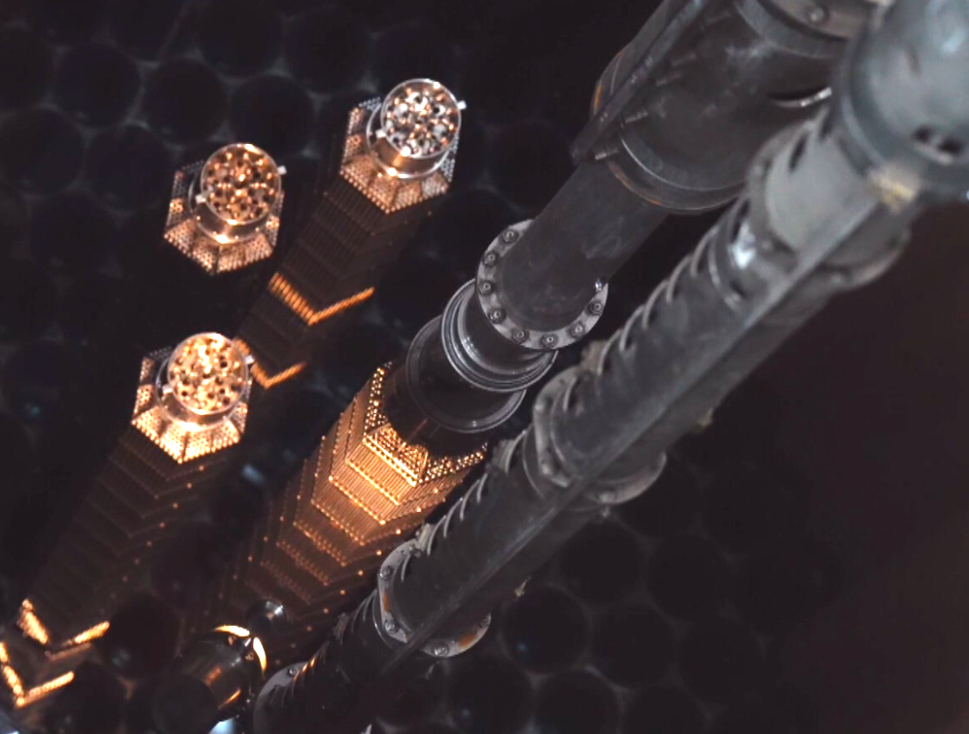
Fuel Loading Completed for Tianwan Nuclear Power Plant Unit 7, Entering Commissioning Phase with Nuclear Fuel
On August 18, with the completion of core loading correctness verification and the commencement of protective tube assembly reinstallation, the first nuclear fuel loading work for Unit 7 of the Tianwan Nuclear Power Plant in Lianyungang, Jiangsu Province, was successfully concluded, marking the entry into the commissioning phase with nuclear fuel. This laid a solid foundation for subsequent reactor criticality, grid connection, and commercial operation of the unit. Fuel loading is a key milestone in the entire lifecycle of nuclear power plant construction and a critical starting point for the unit's operation with nuclear fuel. Unit 7 of the Tianwan Nuclear Power Plant is the first VVER-1200 Generation III nuclear power unit to be constructed in China, and this fuel loading also marks the first-ever fuel loading for a VVER-1200 type nuclear power unit in China. The loading process commenced on the 12th and was fully completed by the 18th, with a total of 163 nuclear fuel assemblies loaded.
2026-08-18
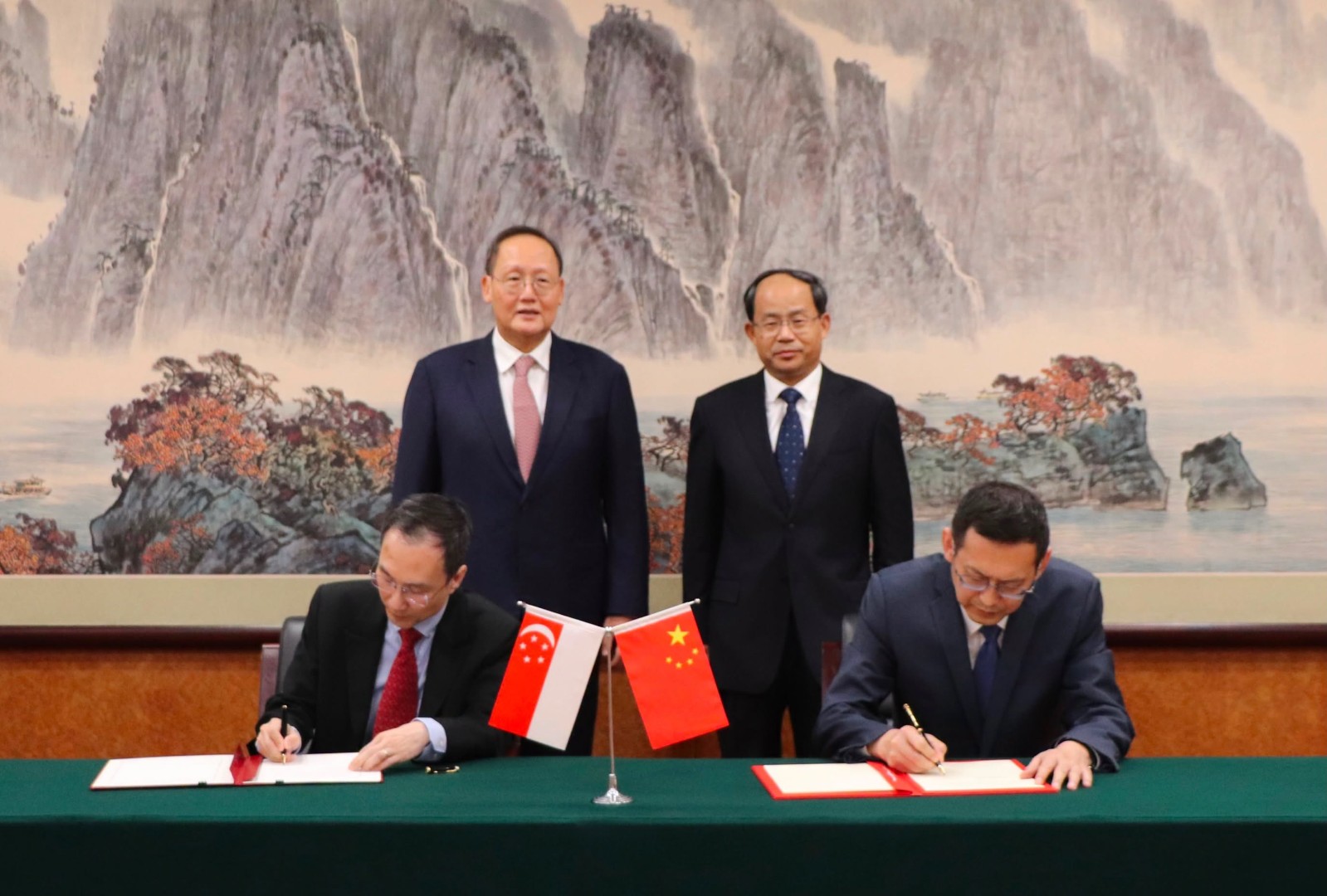
China and Singapore Sign Memorandum of Understanding on Cooperation in Peaceful Uses of Nuclear Technology
2026-08-18
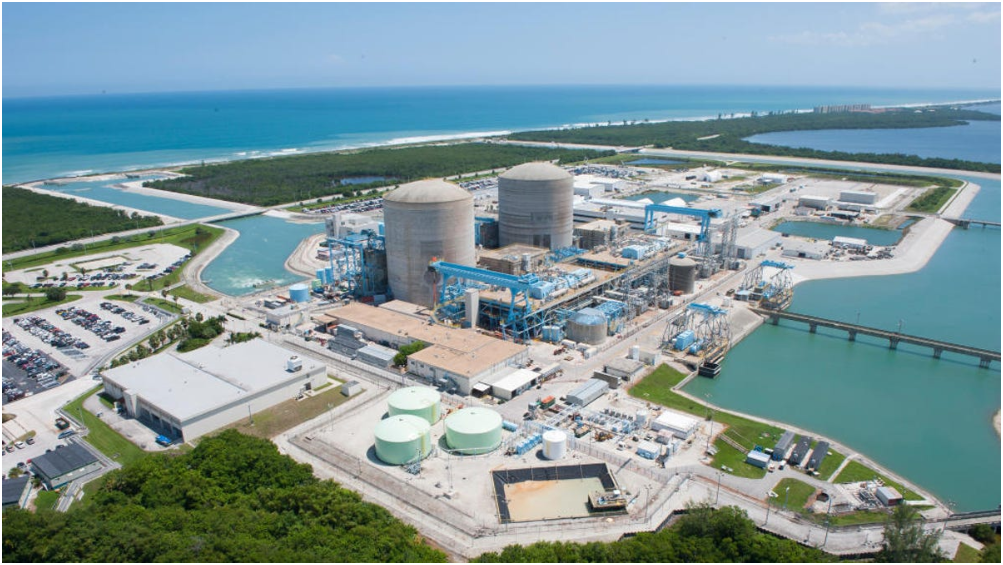
St. Lucie Nuclear Power Plant Unit 1 Returns to Full Power After Control Rods Unexpectedly Dropped into Reactor Core
2026-08-18

Gyeongju City, South Korea, Promotes Cooperation with Uzbekistan in Nuclear Power and Water Resources
2026-08-18

South Korea's Gyeongbuk East Coast Nuclear Power Belt Proposed as National AI Training Center
2026-08-18

Rostov NPP Transfers New Specialized Firefighting Vehicle to Fire Department
2026-08-18

Rosatom Public Council holds expanded meeting in Novovoronezh
2026-08-18
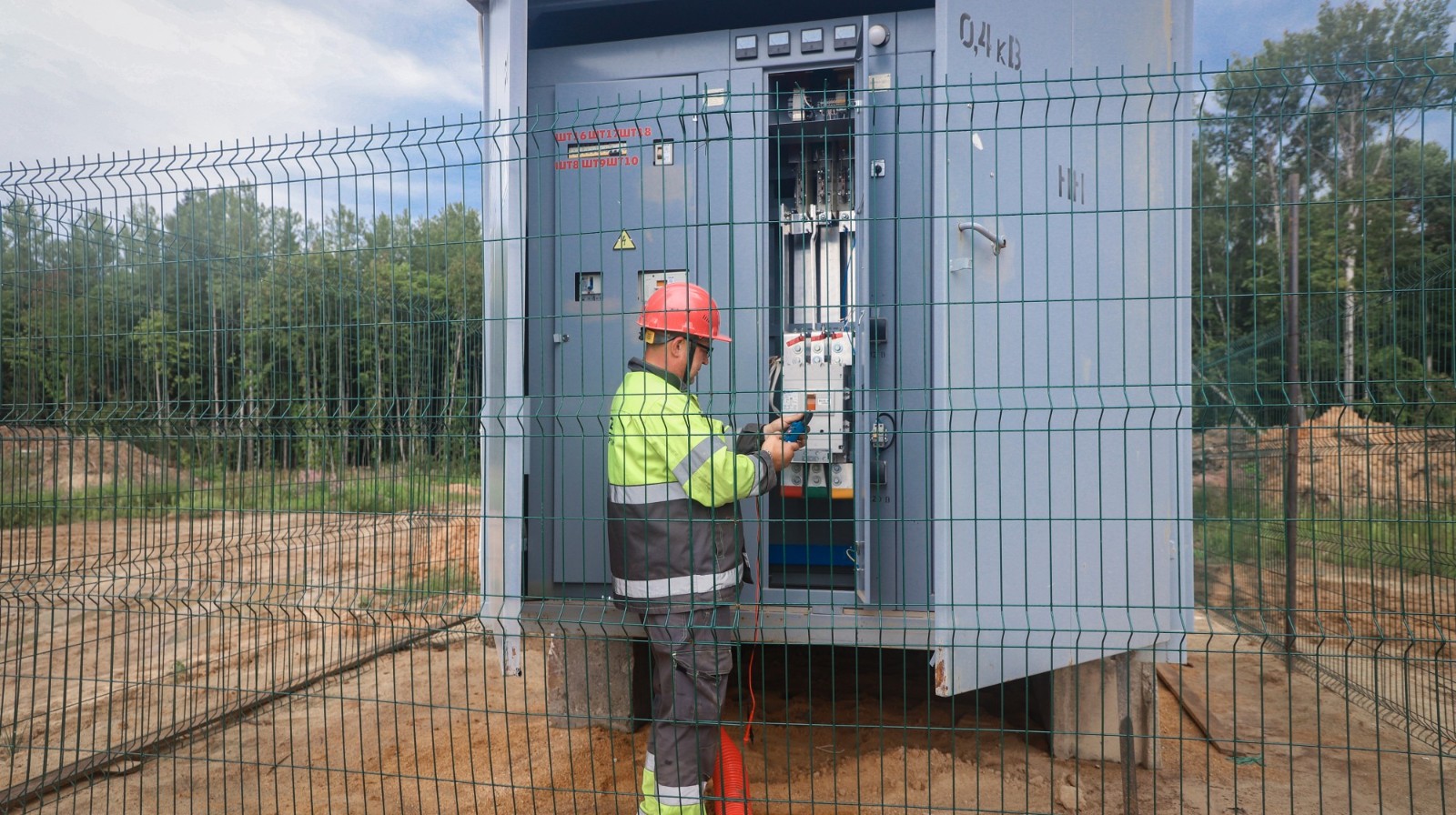
First Power Transmission Line Commissioned at Smolensk NPP-2 Construction Site
2026-08-18

Fresh nuclear fuel delivered for Reactor 1 of the Akademik Lomonosov floating nuclear power plant
2026-08-18
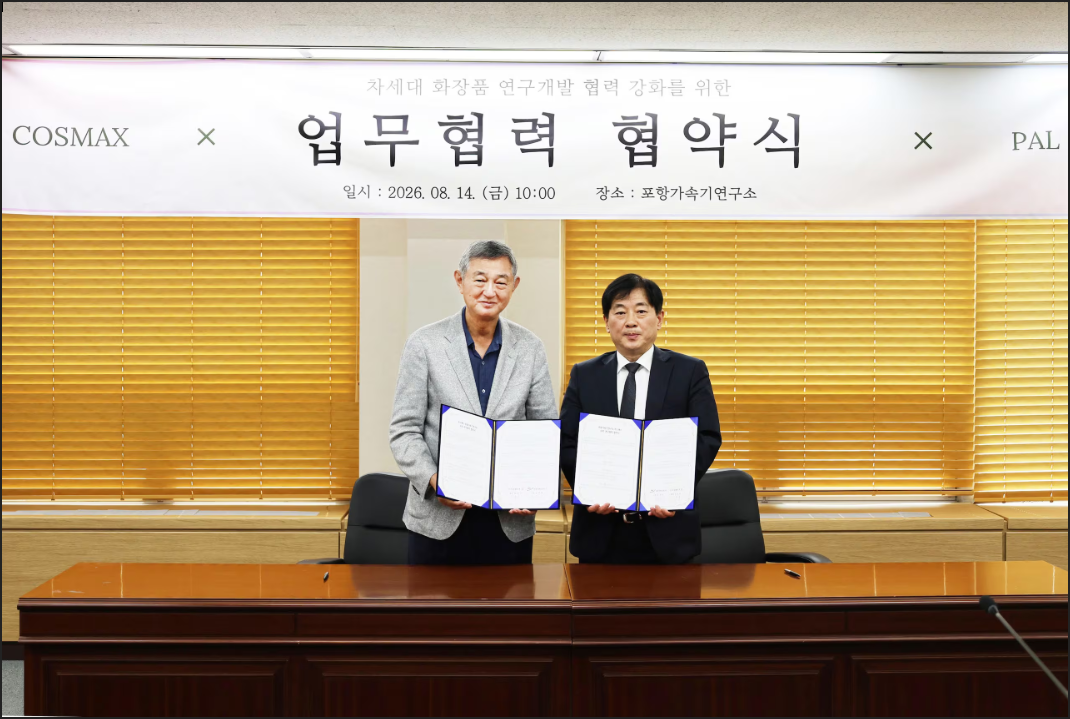
COSMAX, a global cosmetics ODM company, announced on the 18th that it has signed a memorandum of understanding with the Pohang Accelerator Laboratory (PAL) in Korea to conduct cosmetics R&D using advanced scientific and technological infrastructure such as the synchrotron radiation accelerator. At the MOU signing ceremony held at the Pohang Accelerator Laboratory, COSMAX Group Chairman Lee Kyung-soo (left) poses with PAL Director Kim Jae-young. / Photo provided by COSMAX. According to reports, the Pohang Synchrotron Radiation Accelerator (PLS-II) operated by the Pohang Accelerator Laboratory generates light more than 10 billion times brighter than sunlight, enabling atomic-scale analysis of nanoscale material structures. Currently, the facility has been used for microstructural research across multiple industrial fields, including new drugs, semiconductors, and new materials.
2026-08-18
On August 17, the team of Professor Liu Chen and Professor Wang Jian from the Department of Radiology at Southwest Hospital of Army Medical University, in collaboration with Professor Long Zhiliang's team from the Faculty of Psychology at Southwest University, systematically revealed for the first time the micro-level molecular pathological mechanisms underlying macroscopic brain network decoupling in patients with spinocerebellar ataxia type 3 (SCA3) by integrating multimodal magnetic resonance imaging technology with high-resolution micro-biological atlases. This provides a novel perspective and objective imaging targets for resolving the clinical-radiological dissociation challenge in clinical diagnosis and treatment. The findings were published in the internationally leading journal in the field of movement disorders under the title "Putaminal Structure-Function Decoupling as an Early Candidate Imaging Biomarker for Motor Severity in Spinocerebellar Ataxia Type 3."
2026-08-18
Ideon Technologies, a global subsurface detection muon tomography company, is participating in an international research consortium to conduct the world's first high-resolution muon imaging experiment driven entirely by a laser plasma accelerator. The experiment aims to use a compact accelerator to produce muon beams on demand for non-destructive high-resolution imaging, with applications targeting mineral production, critical infrastructure, cargo inspection, medical imaging, semiconductors, nuclear security, and space radiation testing. Consortium members include the University of Texas at Austin, the Extreme Light Infrastructure - Nuclear Physics (ELI-NP) facility team, Heinrich Heine University Düsseldorf, Helmholtz-Zentrum Dresden-Rossendorf, ELI-Beamlines, and Tau Systems.
2026-08-18
Recently, researchers at the University of Science and Technology of China (USTC), in collaboration with Lu Zhengtian and Xia Tian from the Hefei National Laboratory, realized a cold-atom comagnetometer using optical quantum control methods. The research team co-trapped two ytterbium isotopes in the same optical trap and synchronously measured their spin precession, achieving a magnetic field noise suppression factor exceeding 30,000. This achievement establishes a spin sensing platform with micron-scale spatial resolution, providing a new avenue for studying spin-dependent short-range interactions. The related research, titled "Cold-atom comagnetometry via optical control of spin states," was published in Nature Photonics on August 17.
2026-08-18
Experts from the Moscow Institute of Physics and Technology and the Joint Institute for Nuclear Research have proposed a compact Siberian snake magnetic field device design for Russia's NICA collider. The device employs a transverse magnetic field, aiming to maintain proton spin direction during acceleration to a maximum of 13.5 GeV and control polarization orientation during experiments. Related numerical simulations of proton polarization show that this design can effectively suppress beam depolarization. Russia's NICA accelerator complex — Moscow Institute of Physics and Technology press office In an accelerator, proton beams travel along a closed orbit, and particle spins precess around a specific rotation axis. When the beam reaches certain energies, spin may resonate with periodic perturbations in the ring structure, causing beam depolarization; without dedicated control measures, the beam polarization state required for experiments would be difficult to maintain.
2026-08-18
An international research team led by the US Facility for Rare Isotope Beams (FRIB), with participation from Lawrence Livermore National Laboratory (LLNL) and other institutions, recently published findings in Nature that explain a long-standing question in nuclear physics: why some atomic nuclei emit anomalously high numbers of low-energy gamma rays. Image: FRIB Gamma rays are a type of electromagnetic radiation. Excited atomic nuclei release gamma rays during radioactive decay, gradually returning to lower, more stable energy levels. Over the past few decades, scientists have discovered that certain nuclei exhibit a low-energy enhancement phenomenon, where the number of low-energy gamma rays emitted exceeds expectations. However, this phenomenon is not universal, and its occurrence is theoretically difficult to predict.
2026-08-18
The Libyan Atomic Energy Establishment recently proposed a plan to restore and restart the Tajoura nuclear research reactor for the production of medical radioisotopes. The establishment stated that this initiative aims to support the diagnosis and treatment of diseases and tumors, while reducing dependence on imports of relevant isotopes. Radioisotopes are essential materials in nuclear medicine, serving as tracers in medical imaging to help track organ function and detect certain diseases and tumors; some isotopes are also used in radiotherapy targeting specific tissues. According to the Libyan Atomic Energy Establishment, the Tajoura reactor has a rated thermal power of 10 megawatts and holds potential for producing various medical isotopes, including...
2026-08-18