Registration
REGISTER FOR THE CONFERENCE
Registration
REGISTER FOR THE CONFERENCE
 Apply to Exhibit
APPLICATION FOR EXHIBITION
Apply to Exhibit
APPLICATION FOR EXHIBITION
 Sponsorship
SPONSORSHIP APPLICATION
Sponsorship
SPONSORSHIP APPLICATION
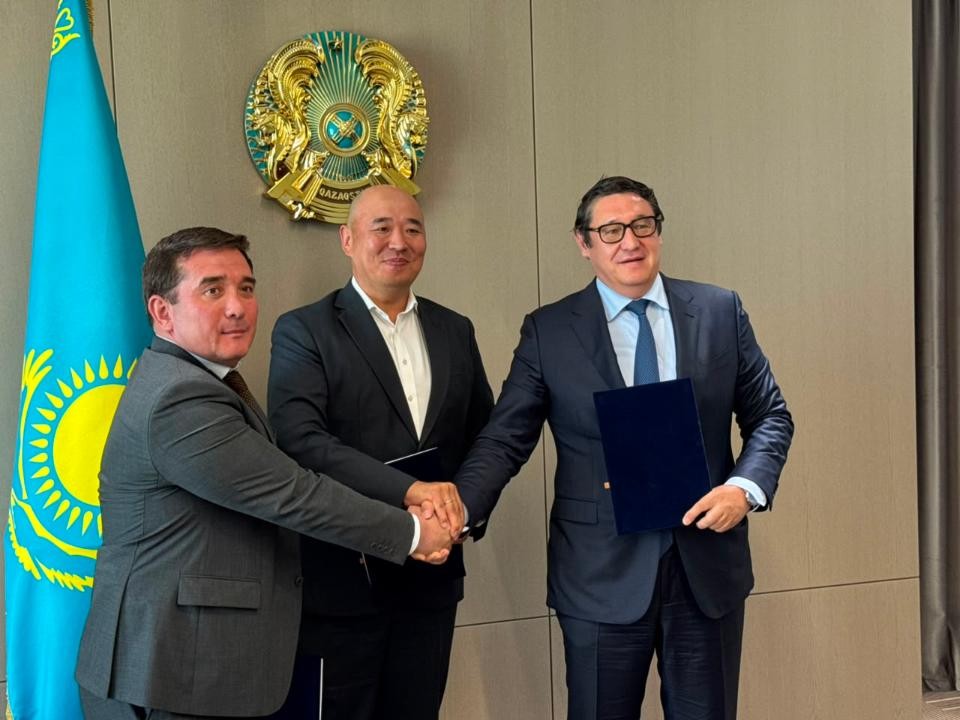
Kazakhstan Signs Memorandum of Cooperation on Atomic Industry Development
The Atomic Energy Agency of the Republic of Kazakhstan, Atameken National Chamber of Entrepreneurs of Kazakhstan, and the Atomic Industry Development Association (AIDA) have signed a Memorandum of Understanding and Cooperation, planning to jointly promote the development of the national atomic energy industry, expand industrial collaboration, and attract local enterprises to participate in major infrastructure projects. The memorandum was signed by Almasadam Satkaliyev, Chairman of the Atomic Energy Agency of the Republic of Kazakhstan, and the Chairman of the Presidium of the Atameken National Chamber of Entrepreneurs...
2026-08-18

Bylor JV completes fire safety rectification at Hinkley Point C nuclear power station
2026-08-18

UK Atomic Energy Authority spins out Singular Machines
2026-08-18

Egypt Clarifies Safety Concerns over Dabaa Nuclear Power Plant: Project Implemented in Accordance with International Nuclear Safety Standards
2026-08-18

Finland's Olkiluoto 3 unit reduces power output due to main coolant pump fault
2026-08-18
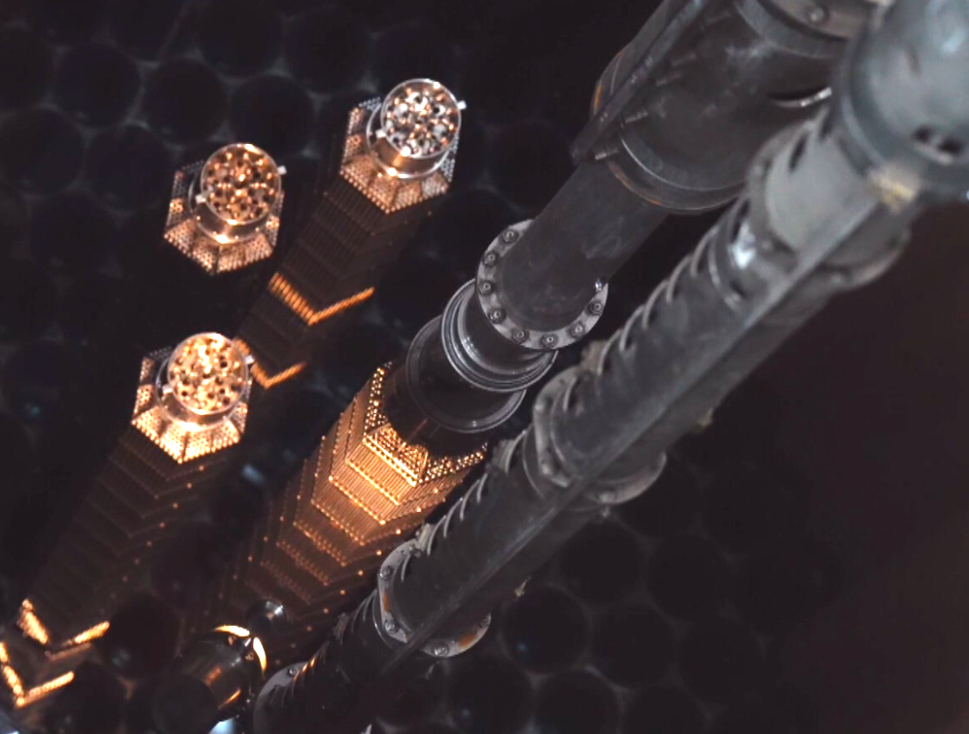
Fuel Loading Completed for Tianwan Nuclear Power Plant Unit 7, Entering Commissioning Phase with Nuclear Fuel
2026-08-18
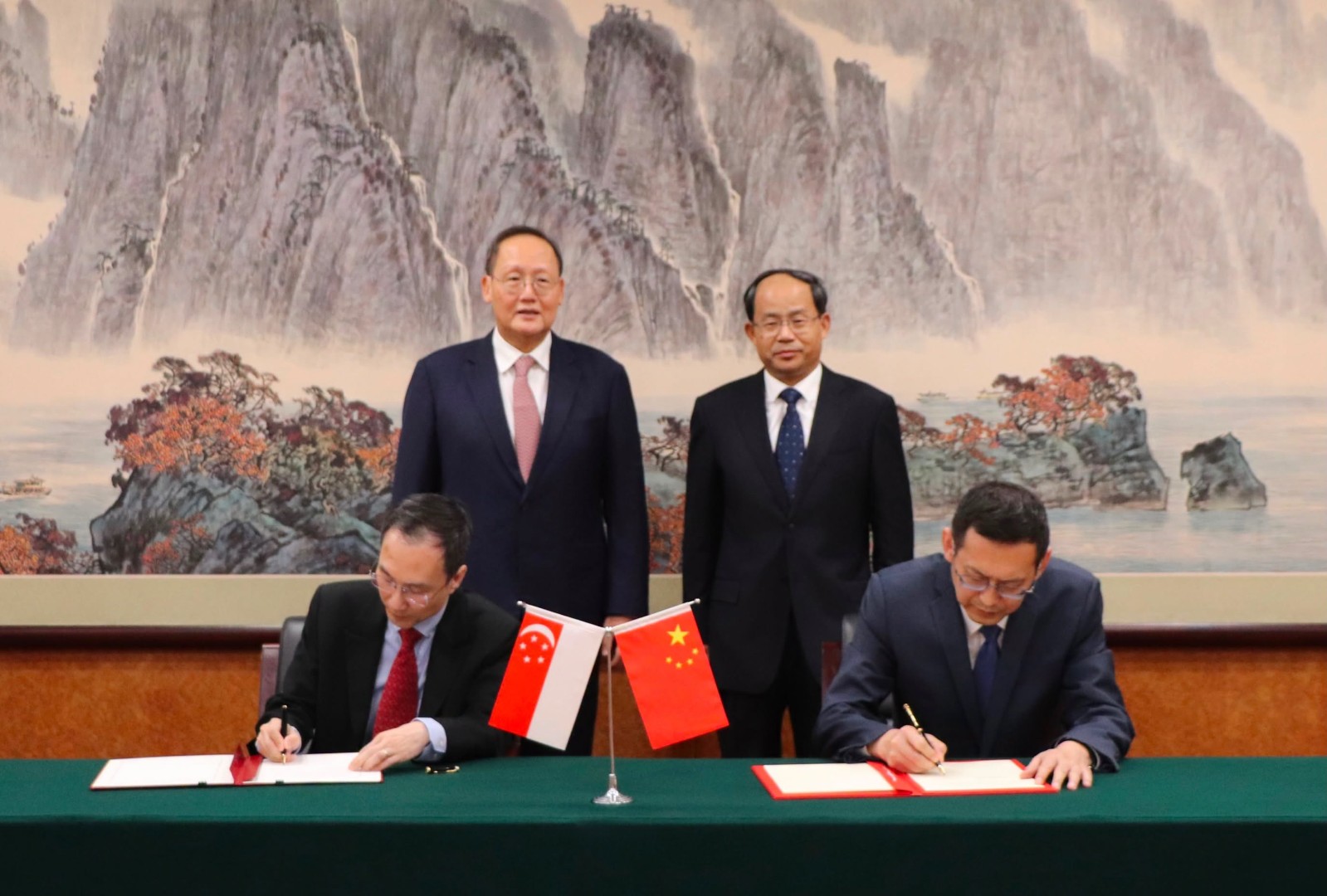
China and Singapore Sign Memorandum of Understanding on Cooperation in Peaceful Uses of Nuclear Technology
2026-08-18

St. Lucie Nuclear Power Plant Unit 1 Returns to Full Power After Control Rods Unexpectedly Dropped into Reactor Core
2026-08-18

Gyeongju City, South Korea, Promotes Cooperation with Uzbekistan in Nuclear Power and Water Resources
2026-08-18
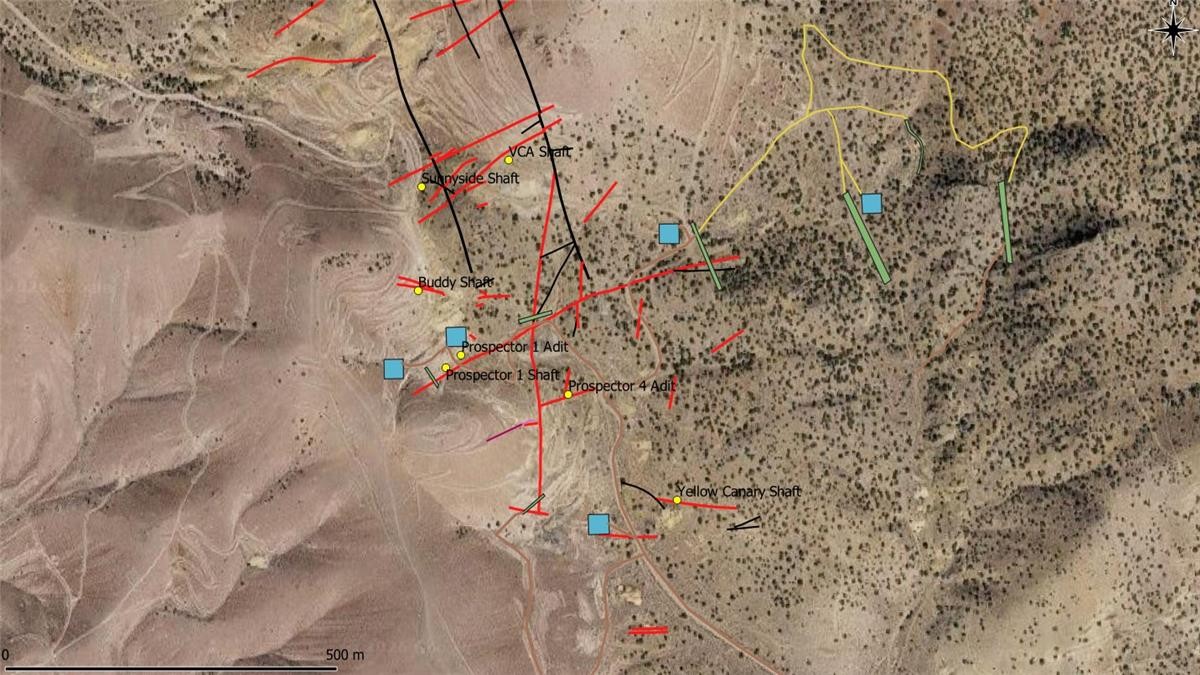
Terra Clean Energy Corp. recently announced that it has received the relevant permit from the Utah Division of Oil, Gas and Mining under the Utah Department of Natural Resources to carry out planned exploration work at its wholly-owned Marysvale Uranium Project. Under the approved work plan, the company will construct 5 drill pads to support subsequent diamond core drilling, and excavate 7 exploration trenches to expose and evaluate known uranium-bearing outcrops. Terra stated that this permit represents a significant milestone in advancing this historic uranium project. The trenching work will help the company's technical team map mineralized structures, collect samples, and validate existing geological interpretations. The results will...
2026-08-18
The Institute of Nuclear Physics (INP) of Kazakhstan is progressively expanding the applications of radioisotopes and radiation technologies, with related products already used in cancer diagnosis and treatment, industrial production, and scientific research. Institute Director Sayabek Sakhiyev stated that radioisotope and radiopharmaceutical production is one of the institute's key applied activities, covering the full chain from scientific research and research reactor operation to radiochemical technology development and medical applications. Currently, INP produces three main categories of radiopharmaceuticals: sodium iodide I-131 for thyroid disease treatment, Mo-99/Tc-99m related products for radionuclide diagnostics, and...
2026-08-18
A research team from institutions including the Helmholtz-Zentrum Dresden-Rossendorf in Germany has demonstrated an ultra-compact plasma photocathode injection scheme integrated into a hybrid plasma wakefield accelerator on the DRACO laser facility. The study utilized a 150 TW-class laser system to drive a laser wakefield accelerator (LWFA), generating high-peak-current electron beams, which in turn drove a subsequent particle beam wakefield accelerator (PWFA), completing the generation and acceleration of witness electron beams within millimeter-scale plasma structures. Plasma wakefield accelerators can produce accelerating fields far exceeding those of conventional radiofrequency linear accelerators, but how to obtain high-quality, high-brightness electron beams in compact devices...
2026-08-18
COSMAX, a global cosmetics ODM company, announced on the 18th that it has signed a memorandum of understanding with the Pohang Accelerator Laboratory (PAL) in Korea to conduct cosmetics R&D using advanced scientific and technological infrastructure such as the synchrotron radiation accelerator. At the MOU signing ceremony held at the Pohang Accelerator Laboratory, COSMAX Group Chairman Lee Kyung-soo (left) poses with PAL Director Kim Jae-young. / Photo provided by COSMAX. According to reports, the Pohang Synchrotron Radiation Accelerator (PLS-II) operated by the Pohang Accelerator Laboratory generates light more than 10 billion times brighter than sunlight, enabling atomic-scale analysis of nanoscale material structures. Currently, the facility has been used for microstructural research across multiple industrial fields, including new drugs, semiconductors, and new materials.
2026-08-18
On August 17, the team of Professor Liu Chen and Professor Wang Jian from the Department of Radiology at Southwest Hospital of Army Medical University, in collaboration with Professor Long Zhiliang's team from the Faculty of Psychology at Southwest University, systematically revealed for the first time the micro-level molecular pathological mechanisms underlying macroscopic brain network decoupling in patients with spinocerebellar ataxia type 3 (SCA3) by integrating multimodal magnetic resonance imaging technology with high-resolution micro-biological atlases. This provides a novel perspective and objective imaging targets for resolving the clinical-radiological dissociation challenge in clinical diagnosis and treatment. The findings were published in the internationally leading journal in the field of movement disorders under the title "Putaminal Structure-Function Decoupling as an Early Candidate Imaging Biomarker for Motor Severity in Spinocerebellar Ataxia Type 3."
2026-08-18
Ideon Technologies, a global subsurface detection muon tomography company, is participating in an international research consortium to conduct the world's first high-resolution muon imaging experiment driven entirely by a laser plasma accelerator. The experiment aims to use a compact accelerator to produce muon beams on demand for non-destructive high-resolution imaging, with applications targeting mineral production, critical infrastructure, cargo inspection, medical imaging, semiconductors, nuclear security, and space radiation testing. Consortium members include the University of Texas at Austin, the Extreme Light Infrastructure - Nuclear Physics (ELI-NP) facility team, Heinrich Heine University Düsseldorf, Helmholtz-Zentrum Dresden-Rossendorf, ELI-Beamlines, and Tau Systems.
2026-08-18
Recently, researchers at the University of Science and Technology of China (USTC), in collaboration with Lu Zhengtian and Xia Tian from the Hefei National Laboratory, realized a cold-atom comagnetometer using optical quantum control methods. The research team co-trapped two ytterbium isotopes in the same optical trap and synchronously measured their spin precession, achieving a magnetic field noise suppression factor exceeding 30,000. This achievement establishes a spin sensing platform with micron-scale spatial resolution, providing a new avenue for studying spin-dependent short-range interactions. The related research, titled "Cold-atom comagnetometry via optical control of spin states," was published in Nature Photonics on August 17.
2026-08-18