
Search Results
Keyword:-

Philippine Steel Plant in Davao Raided: Radioactive Isotopes Detected in Finished Rebar and Multiple Materials at the Facility
On August 14, Philippine authorities conducted a raid on Davao Mighty Steel Corp., a steel manufacturing plant located in Barangay Ilang, Bunawan District, Davao City. The operation followed an investigation launched by the National Bureau of Investigation (NBI) after receiving reports that the company was involved in the production and sale of substandard steel rebar, with the scope of the investigation subsequently expanding after radioactive isotopes were detected in commercially sold DMS rebar. The operation was led by the National Bureau of Investigation, with the participation of the Presidential Anti-Organized Crime Commission (PAOCC), and was supported by the Philippine Nuclear Research Institute (PNRI), the Philippine Air Force, the Philippine Coast Guard's Chemical, Biological, Radiological and Nuclear emergency response units, the Coast Guard Special Operations Group, and the Army's 10th Infantry Division.
2026-08-15

Bill Gates Visits South Korea to Promote TerraPower Small Modular Reactor Cooperation
Bill Gates recently held a series of intensive meetings in South Korea with government agencies, financial institutions, and nuclear power industry chain companies, discussing the commercialization of TerraPower's small modular reactor (SMR), supply chain development, and global market expansion. Gates is the founder of TerraPower, which is advancing a next-generation small modular reactor project based on sodium-cooled fast reactor technology. Korea Eximbank (KEXIM) President Hwang Ki-yeon said on the 14th that he had met with Gates, and the two sides discussed financial cooperation plans needed for SMR commercialization and global market entry. Korea Eximbank plans to provide Terra...
2026-08-15
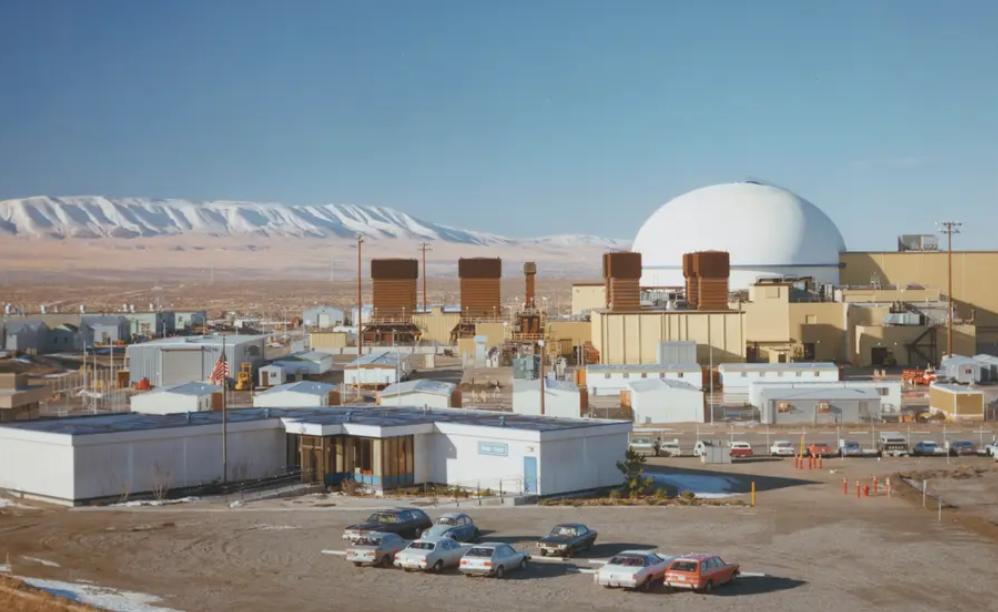
U.S. nuclear company TerraPower partners with Korean firms to advance Natrium advanced nuclear deployment in America
U.S. nuclear company TerraPower, backed by Bill Gates, is accelerating the commercialization of its advanced nuclear reactors. The company announced on August 14 that it has reached cooperation agreements with South Korea's Hyundai Engineering & Construction and SK Innovation, aiming to advance the deployment of up to eight 345 MW Natrium reactors in the U.S. nuclear expansion. The first plant is expected to be completed by 2030, a timeline that underscores the urgency of deploying next-generation nuclear technology in the United States. Under the agreement, Hyundai Engineering & Construction has been selected as the engineering, procurement, and construction contractor for up to eight future Natrium reactor projects. The cooperation arrangement also includes related financing guarantee mechanisms, intended to enhance project bankability and reduce uncertainties in the early stages of large-scale construction. TerraPower President and CEO Chris Levesque stated that this marks a new phase of international cooperation with leading Korean institutions, reflecting the growing reliance of advanced nuclear projects on cross-border supply chains and engineering capabilities.
2026-08-15
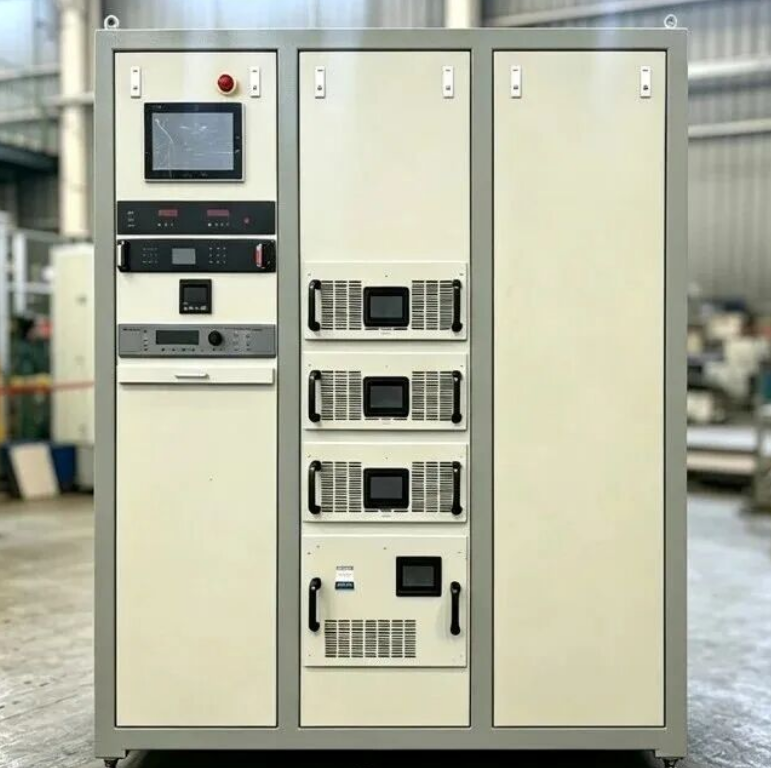
CNNC Innovation Multi-functional Surface Modification Device Shipped and Delivered
On August 14, 2026, the multi-functional surface modification device developed by CNNC Innovation (Chengdu) Technology Co., Ltd. (hereinafter referred to as "CNNC Innovation") was officially shipped and delivered. This multi-functional surface modification device utilizes CNNC Innovation's proprietary high-energy metal ion source, gas ion source, and supporting single-stage pulsed magnetron source power supply and DC-superimposed pulsed bias power supply. It can perform ion implantation surface modification, metal surface alloying, non-metal surface metallization, auxiliary heating, and other process operations. It can simultaneously achieve gas ion source cleaning and auxiliary deposition treatment. Through the DC-superimposed pulsed bias power supply, directional plasma functionality can be realized, which accelerates deposition efficiency while effectively suppressing abnormal arc discharge and improving film quality.
2026-08-15
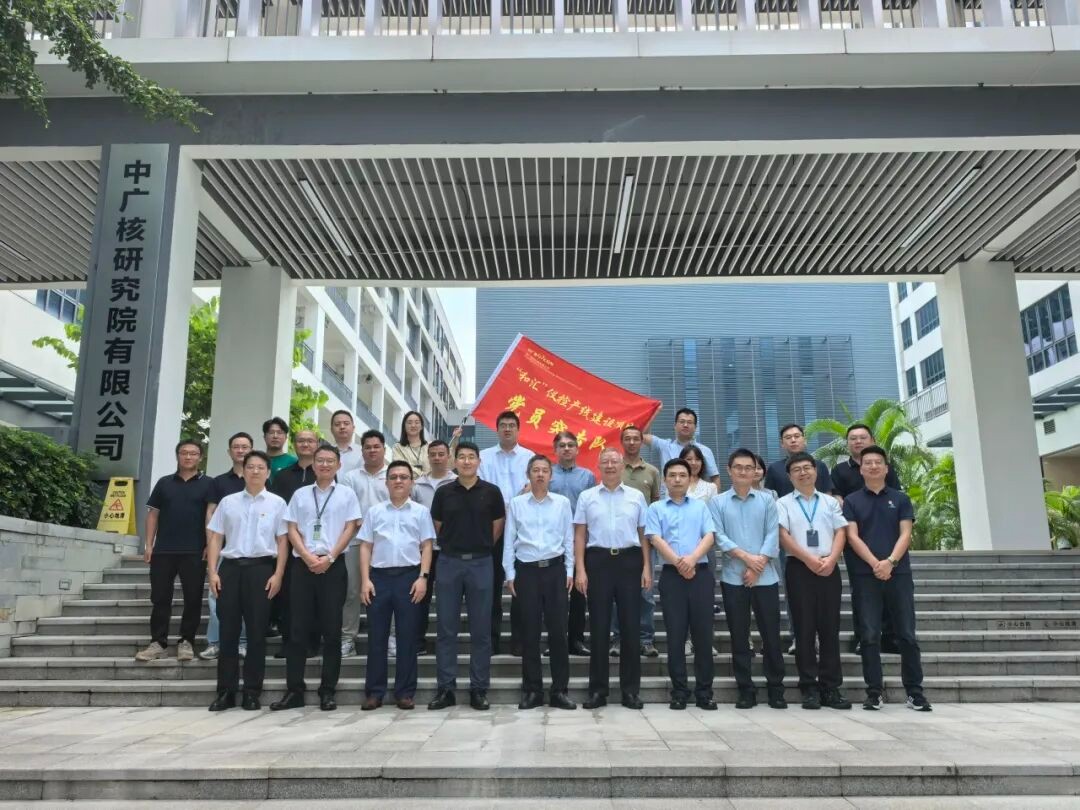
CGN Research Institute Launches "Hehui" I&C Production Line Construction to Advance Domestic Autonomy of High-End Nuclear Power Equipment
Recently, CGN Research Institute held the kickoff meeting for the Hehui I&C production line construction project in Shenzhen, marking new progress in infrastructure and capacity building for the Hehui brand. The project will serve the domestic autonomy of high-end nuclear power equipment, provide support for ensuring the construction progress of nuclear power projects and meeting the safe operation needs of operating units, and help enhance the resilience and competitiveness of China's nuclear power industry chain. The meeting clarified the overall project planning, construction objectives, key milestones, and responsibilities of all parties, established the project management system, and deployed near-term key tasks. The meeting required all parties involved in the construction to increase resource investment, strengthen safety and quality management, strictly enforce technical review, uphold integrity standards, and ensure the production line is commissioned on schedule with high quality...
2026-08-15
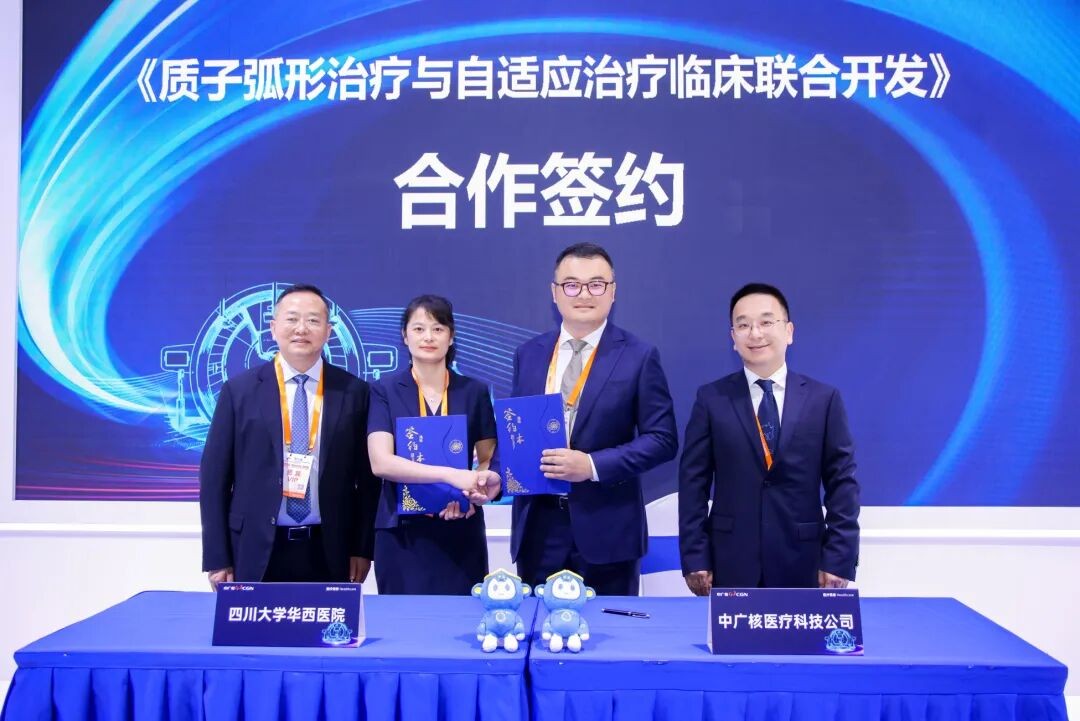
CGN Medical and West China Hospital of Sichuan University Sign Proton Therapy Innovation Technology Cooperation Agreement
On August 14, the 32nd China International Medical Instruments and Equipment Exhibition & Technology Exchange Conference (China-Hospeq 2026) opened at the China National Convention Center in Beijing. CGN Medical was invited to exhibit under the theme of "Precision Radiotherapy · Nuclear Medicine Empowerment," showcasing achievements in the healthcare sector including the Hezhi® proton therapy system and the Hejia® germanium-gallium generator. The exhibits covered radiotherapy solutions, new medical isotopes, SiPM chips for molecular imaging, radiation protection, and medical device sterilization. On the first day of the exhibition, representatives from relevant departments and institutions visited the CGN Medical booth, learning about CGN's product layout and technological progress in the nuclear medicine field, and showing interest in its efforts in the domestic substitution of high-end medical equipment...
2026-08-15
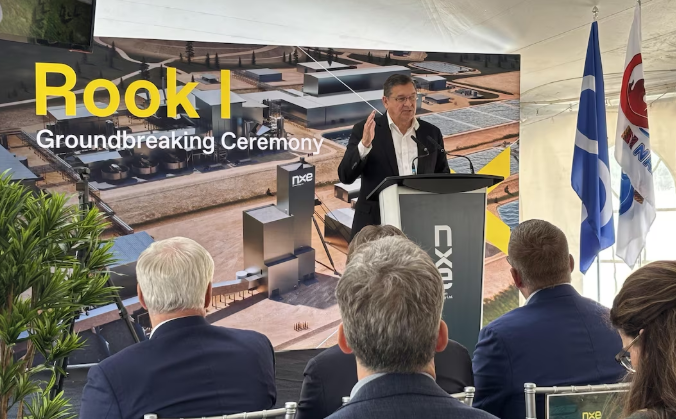
Canada's Rook 1 Uranium Mine Breaks Ground, Could Contribute One-Fifth of Global Uranium Production
The Rook 1 uranium mine project in northern Saskatchewan, Canada, has officially commenced construction. The project, advanced by NexGen Energy, is located south of the Athabasca Basin, approximately 130 kilometers north of La Loche. Saskatchewan Premier Scott Moe, former Canadian Prime Minister Stephen Harper, Secretary of State for Rural Development Buckley Belanger, and local Indigenous representatives attended the groundbreaking ceremony. The total project investment is approximately CAD 2.2 billion, with an expected construction period of four years. External infrastructure work has already begun, shaft sinking is planned for 2027, and the on-site runway will be expanded to 1,780 meters. Rook 1 is regarded as one of the world's largest uranium mine projects. NexGen estimates...
2026-08-14
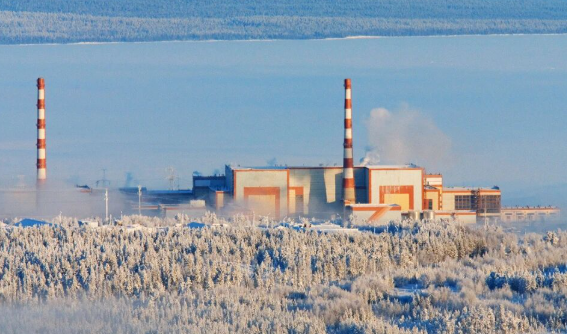
Long-term radiation environment at Kola NPP remains under control: gamma dose rates within natural background levels, 15 permanent observation stations operating since 1972
Long-term monitoring results from the external radiation monitoring group at Russia's Kola Nuclear Power Plant show that gamma radiation dose rates around the plant site have consistently remained within natural background radiation levels, with radionuclide concentrations matching background values, indicating a sound radiation environment with no differences from surrounding areas. The station's radiation safety department collects surface water samples from the discharge canal monthly, with monitoring coverage encompassing all elements including the atmosphere, snow cover, bottom sediments, food products, algae, berries, mushrooms, and caged fish. The monitoring architecture consists of two tiers: 15 permanent environmental observation stations have been in continuous operation since before the commissioning of the first reactor unit in 1972; 13 ASKRO automated radiation environment monitoring system stations provide real-time ground-level gamma dose rate data, which is transmitted directly to the Rosenergoatom crisis center and integrated into the national unified radiation monitoring network. Approximately 200,000 cubic meters of air are drawn weekly through air filtration units to capture radionuclides, with volumetric activity of radioactive iodine also measured. A mobile radiological laboratory performs on-site spectrometric analysis. Annually, about 1,200 environmental samples are collected from around the plant site and delivered to the Polyarnye Zori laboratory, where well water samples analyzed by Canberra spectrometers yield "zero nuclide" results, with samples retained for one year for potential re-analysis. Biological samples are processed using the ashing method, and instrument sensitivity is sometimes insufficient to even detect any signal from the plant's impact.
2026-08-14
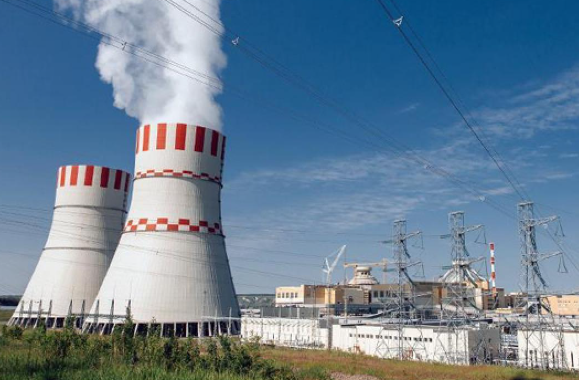
Turkey's Nuclear Regulatory Authority (NDK) Relaxes Certification Requirements for Testing of Short-Cycle Equipment
Turkey's Nuclear Regulatory Authority (NDK) has recently adjusted testing requirements for equipment related to nuclear facilities, providing flexibility for equipment with a production cycle of less than 15 days. According to the decision published in the Official Gazette, under specific conditions, when such equipment undergoes certain tests, testing laboratories will no longer be required to hold specific accreditation for the corresponding test methods. This adjustment applies to the supply chain under the framework of the Regulation on Authorization of Nuclear Facilities. When the NDK, suppliers, or subcontractors are unable to provide a laboratory accredited for the relevant test methods, the original accreditation prerequisite may be waived for the testing of such equipment. This indicates that the regulatory authority, while ensuring quality control of nuclear facility equipment, has also left operational leeway for the testing process of short-cycle production equipment.
2026-08-14

Russia Plans to Build Small Nuclear Power Plant in Kyrgyzstan, Land-Based Icebreaker Reactor in Focus
Rosatom's plan to promote the construction of a small nuclear power plant in Kyrgyzstan is centered around discussions on the RITM-200N reactor design. With a power output of approximately 55 MW, this reactor is the land-based version of the RITM-200 reactor used in Russia's new generation of nuclear-powered icebreakers. Several Russian nuclear-powered icebreakers currently operate on the same technological platform, which serves as the primary basis for Russia to demonstrate its maturity and reliability. The project first entered public discussion in January 2022. At that time, Kyrgyzstan's energy authorities stated that if a nuclear power plant were to be built, its installed capacity should be no less than 300 MW, reflecting the country's practical concerns over power shortages and energy security...
2026-08-14

Finnish family-owned company Halton Group secures major order for UK's Sizewell C nuclear power project
Finnish family-owned company Halton Group has secured a significant order for the UK's Sizewell C nuclear power project, and will supply related equipment or systems for the construction of this large-scale nuclear power plant. The project has an installed capacity of 3.2 gigawatts, with the order value reaching the tens of millions of euros level. For an industrial company from Finland, this is not only a major breakthrough in a single project, but also demonstrates its competitiveness in the supply chain of high-demand energy infrastructure. Sizewell C is one of the key projects advancing the UK's new generation of nuclear power construction. Against the backdrop of Europe's energy structure adjustment and rising demand for low-carbon electricity, large-scale nuclear power plants have once again become an option for multiple countries to ensure power security and meet emission reduction targets.
2026-08-14
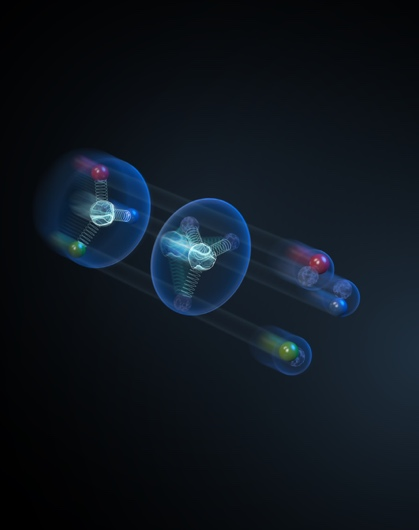
USTC Team Participates in STAR Experiment, Discovering Possible "Y"-Shaped Gluon Junction Inside Nucleons
The University of Science and Technology of China, together with Kent State University and Brookhaven National Laboratory, played a leading role in the STAR international collaboration. Through precise measurements of net baryon number and net charge in high-energy nucleus-nucleus collision experiments, they discovered an exotic structure inside nucleons that may overturn fundamental understanding of nucleon internal structure. In the early morning of August 14, the results were published online in the journal Science under the title "Tracking the baryon number with nuclear collisions." Nucleons are the fundamental particles that make up the material world, carrying more than 99% of the mass of the visible matter in the universe. Understanding the internal structure of nucleons is of paramount importance for understanding the fundamental constituents and fundamental interactions of the material world.
2026-08-14
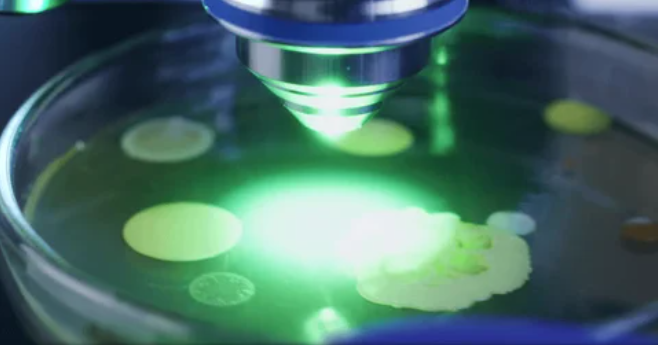
Russian Scientists Develop Bioluminescent Bacterial Bioassay for Screening Safe Low-Dose Radiation Levels in Animals
Russian researchers have developed a rapid bioassay method based on bioluminescent bacteria that can be used to assess safe dose ranges of ionizing radiation for animals, providing an early screening tool for low-dose radiation applications in livestock farming. The study involved researchers from the Institute of Biophysics of the Siberian Branch of the Russian Academy of Sciences, Siberian Federal University, and Krasnoyarsk State Agrarian University. The research team noted that low-dose ionizing radiation ranging from tens to hundreds of milligrays (mGy) may activate a series of physiological processes in animals, including metabolism, growth, and biomass accumulation; however, if the dose exceeds the safe range, it may cause physiological...
2026-08-14

Russian Researchers Find Low-Energy Electron Beam and X-Ray Treatment of Wheat Seeds Can Increase Yields
Researchers from the D.V. Skobeltsyn Institute of Nuclear Physics at Lomonosov Moscow State University, in collaboration with the Faculty of Physics and the Faculty of Chemistry of Lomonosov Moscow State University, as well as the Siberian Federal Scientific Centre of Agro-BioTechnologies of the Russian Academy of Sciences, have found that pre-sowing treatment of wheat seeds with low-energy electron beams and X-rays can help increase crop yields and enhance plant resistance to diseases. The study focused on the wheat variety Novosibirskaya 29 and included laboratory experiments, two consecutive years of field trials, and computer modeling. The results showed that a dose range of 5 to 15 Gy is suitable as a pre-sowing irradiation treatment parameter for wheat seeds. According to Moscow State University...
2026-08-14
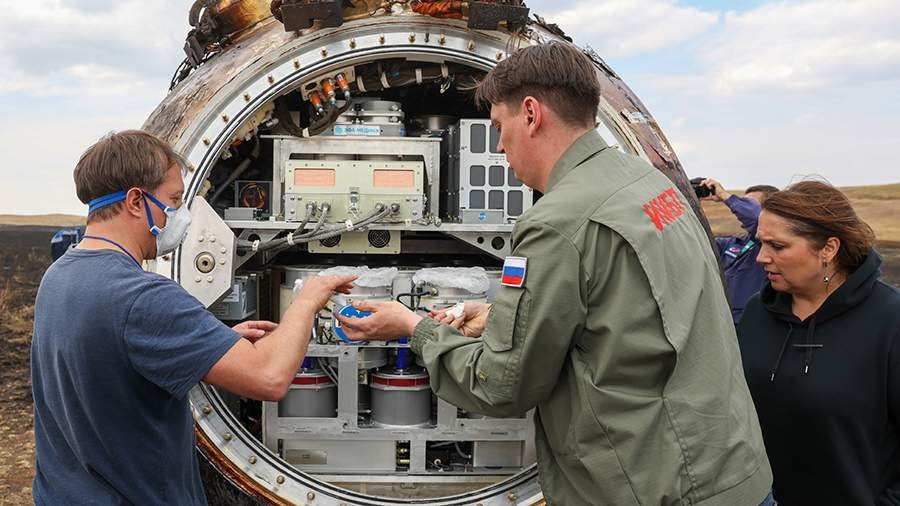
Russia's Bion-M 3 spacecraft planned for launch in 2030 to study effects of cosmic radiation on living organisms
Russia plans to launch the new Bion-M 3 spacecraft in 2030 to study the effects of cosmic radiation on living organisms under conditions similar to deep space. Vladimir Sychev, a senior official at the Institute of Biomedical Problems of the Russian Academy of Sciences, presented the plan at a meeting of the Presidium of the Russian Academy of Sciences' Space Council on August 4. Sychev stated that cosmic rays, solar proton events, and their effects on the human body are critical issues that must be understood when planning long-term interplanetary crewed missions. Participants have endorsed the draft scientific research program for the spacecraft's flight testing. According to the plan, Bion-M 3 will be placed into a polar orbit at an altitude of approximately 800 kilometers...
2026-08-14