
Search Results
Keyword:1
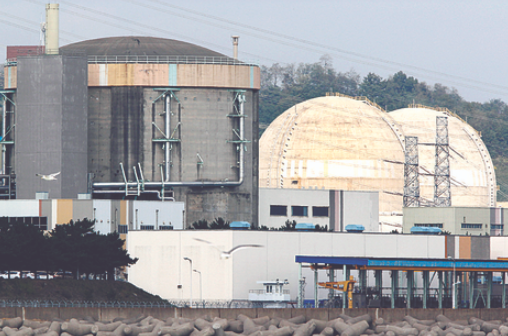
South Korea Advances First Domestic Commercial Production of Lu-177 Using Wolsong Heavy Water Reactors
Korea Hydro & Nuclear Power (KHNP) plans to use the heavy water reactors at the Wolsong Nuclear Power Plant to produce, for the first time domestically, the radioisotope lutetium-177 (Lu-177) for cancer treatment. Currently, South Korea relies entirely on imports for this material, which imposes cost pressures and supply instability on local radiopharmaceutical companies such as Cellbion and FutureChem. Industry experts generally believe that domestic production will help build a diversified supply chain and shorten transportation times. The primary goal of this plan is to achieve commercial production of Lu-177, with pilot production expected in 2028 and full-scale production commencing in 2031. Subsequently, KHNP will expand production to include cobalt...
2026-08-06

Japanese PET Study Suggests Late-Onset Psychosis May Be Linked to Neurodegenerative Pathology
A nuclear medicine imaging study conducted by a Japanese research team has shown that many adults who experience psychotic symptoms such as hallucinations and delusions for the first time after age 40 have abnormal protein deposits in the brain associated with Alzheimer's disease and other neurodegenerative disorders. The study included 37 patients with late-onset psychosis and 47 age-matched healthy controls. The researchers used the amyloid PET tracer ^11C-PiB and the tau protein PET tracer ^18F-florzolotau to assess the accumulation of β-amyloid and tau proteins in the participants' brains. The results showed that among patients with late-onset psychosis, β-amyloid positivity...
2026-08-06
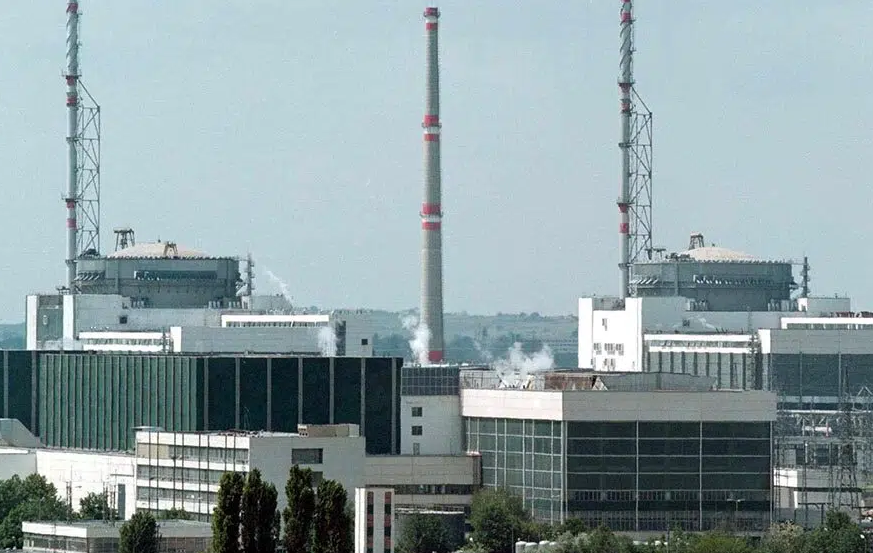
Bulgaria's Kozloduy Units 5 and 6 VVER-1000 Continue Stable Power Generation
Bulgaria's Ministry of Energy confirmed on August 4 that Units 5 and 6 (both VVER-1000) at the Kozloduy Nuclear Power Plant remain stably connected to the grid despite record-low Danube River water levels and an ongoing heatwave. Professional assessments indicate that even if the river level continues to decline at the current rate, no power reduction will be required for the next three weeks. Bulgarian authorities have confirmed that they maintain continuous contact with relevant institutions in Serbia and Romania to coordinate and monitor the situation on the Danube waterway. The stable operation of the Kozloduy Nuclear Power Plant comes at a time when neighboring operators along the Danube have been forced to reduce output or cease operations. Due to the sharp drop in water levels and rising river water temperatures, Hungary has had to significantly reduce power output and shut down the Paks Nuclear Power Plant, which supplies more than 40% of the country's electricity.
2026-08-06
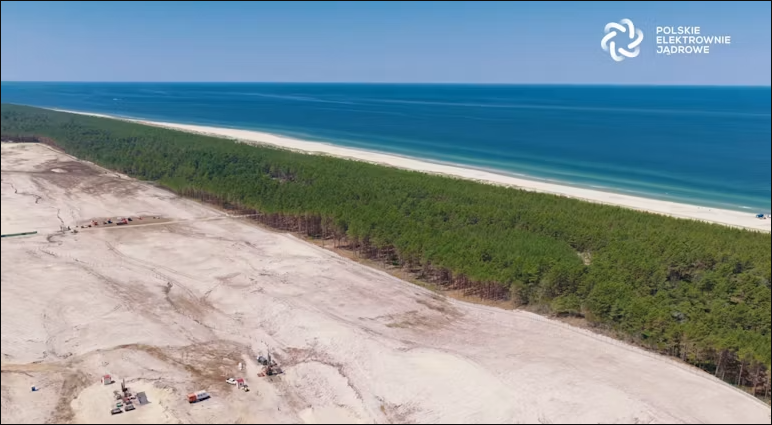
Site Handover for Poland's First Commercial Nuclear Power Plant to Bechtel
New progress has been made in the construction of Poland's first commercial nuclear power plant. The Lubiatowo-Kopalino site in the Pomerania region of northern Poland has been handed over to Bechtel of the United States, and earthworks at the project site are underway. Polskie Elektrownie Jądrowe (PEJ), Poland's state-owned project company, stated that Bechtel has replaced PEJ as the site coordinator for the project. Under the Polish government's earlier arrangement, the nuclear power plant will feature three Westinghouse Electric Company AP1000 pressurized water reactor units. In 2023, Westinghouse Electric Company and Bechtel formed a consortium to jointly advance project implementation. The nuclear power plant is sited in the Lubiatowo-Kopalino area along the Baltic Sea coast in Poland.
2026-08-06
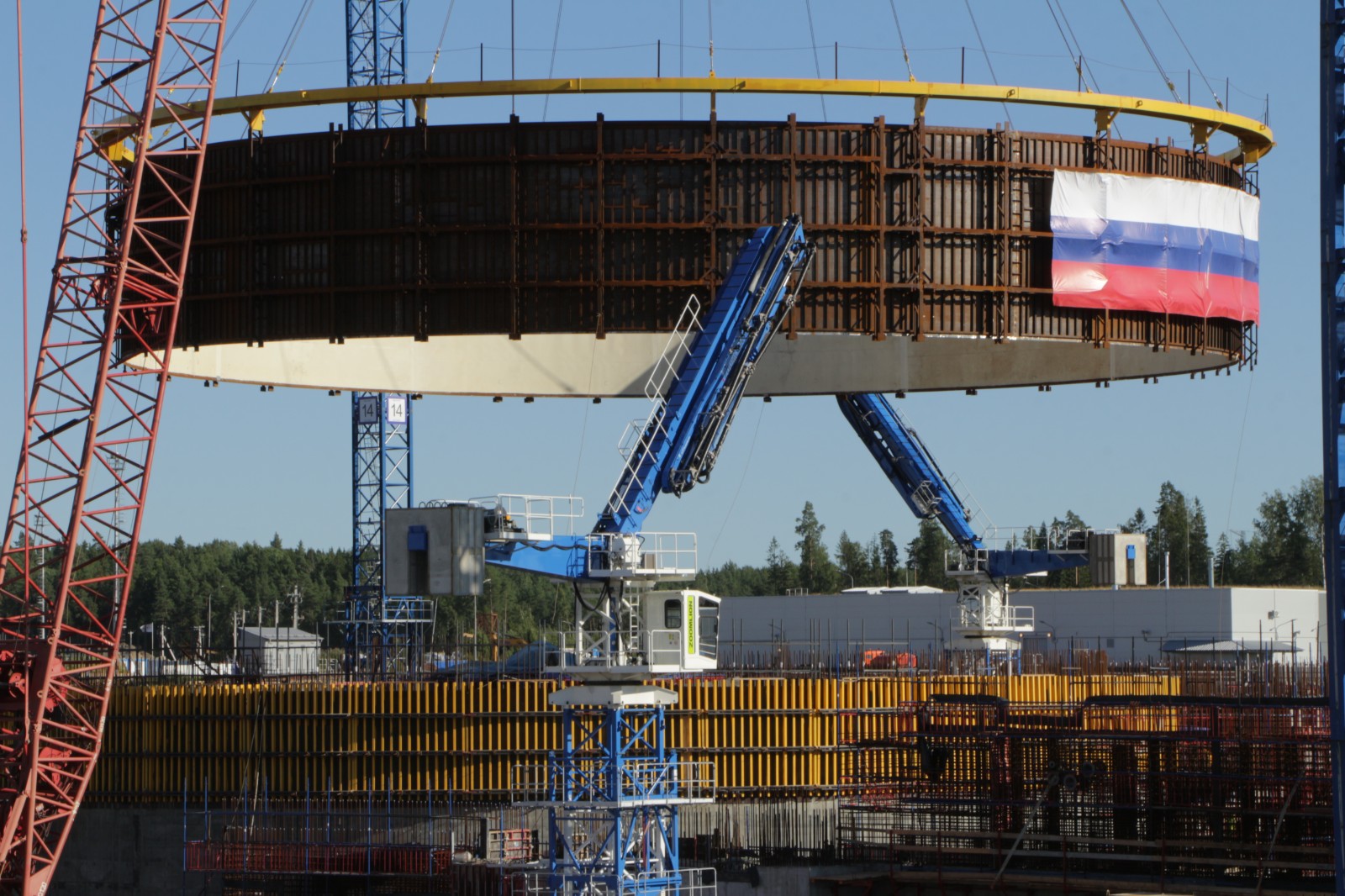
Construction of inner containment begins at Unit 4 of Leningrad Nuclear Power Plant II
Construction of the inner containment of the reactor building at Unit 4 of the Leningrad Nuclear Power Plant II in Russia has commenced. The unit features a VVER-1200 reactor, and the inner containment is a key component of the unit's passive safety system, as well as part of the plant's confinement safety system. Construction workers have installed the first tier of vertical sealed steel liner to its design position. The steel structure weighs approximately 97 tonnes, and the lifting and positioning operations were carried out using a heavy crawler crane, with the entire installation process lasting about 7 hours. The contractor, TITAN-2 Holding Company, stated that the preparatory work took several months, including component fabrication, protective coating application, on-site assembly and welding, and structural quality inspection...
2026-08-06
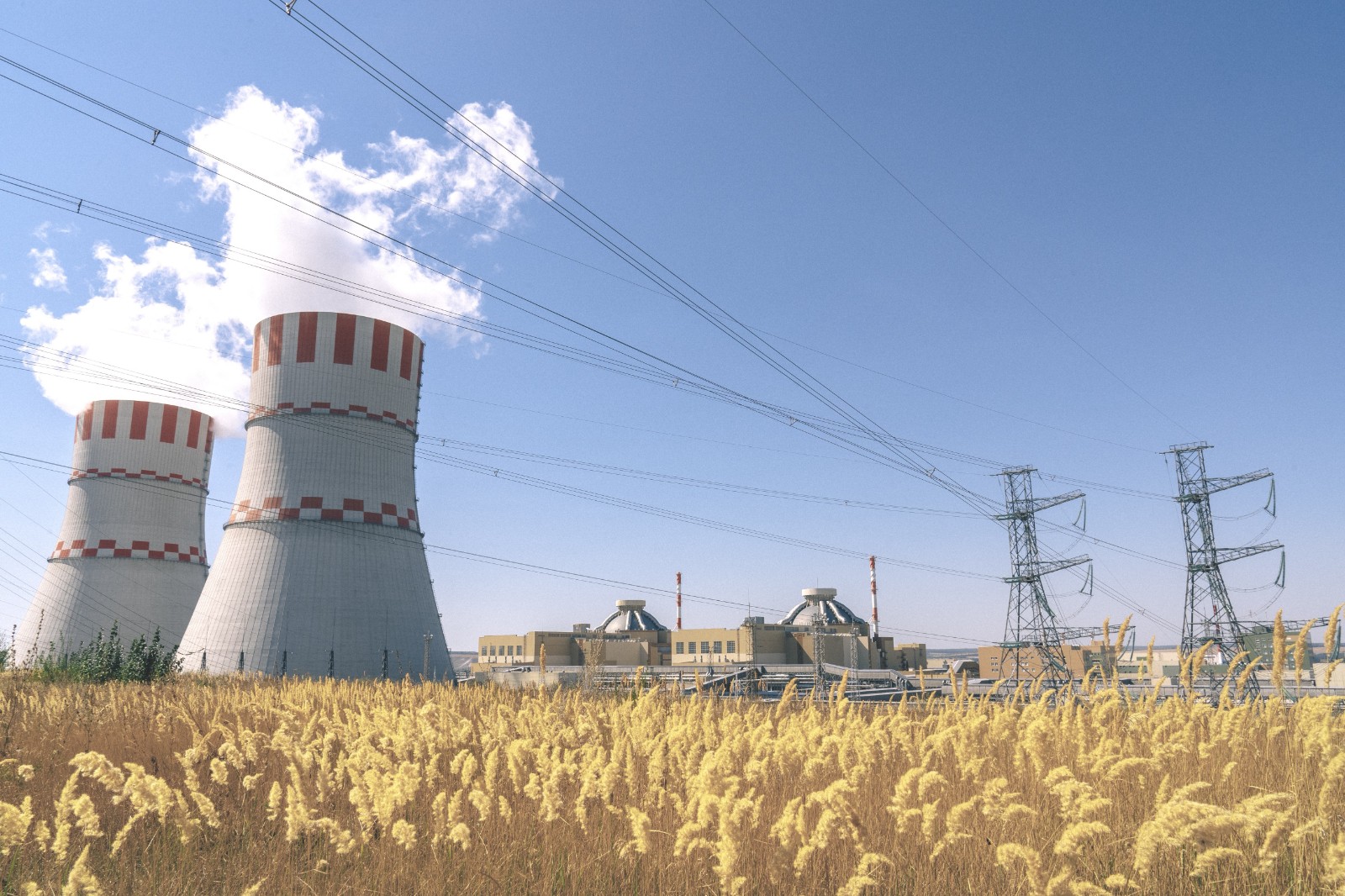
Novovoronezh NPP Unit 6 Exceeds 79 Billion kWh in a Decade of Operation
Since Unit 6 of Russia's Novovoronezh Nuclear Power Plant was first connected to the grid in 2016, it has delivered over 79 billion kWh of electricity to the Unified Energy System of Russia. The unit is the world's first Generation III+ nuclear power unit equipped with a VVER-1200 reactor, and also the first new nuclear unit built from scratch in Russia under the NPP-2006 project. The Novovoronezh NPP currently operates four units, namely Units 4, 5, 6, and 7. Unit 6 accounts for 31.2% of the plant's total electricity generation from operating units. The unit entered commercial operation in February 2017. Its construction began in 2007, with about 200 contracting organizations involved in the project. Russia...
2026-08-06

First American Nuclear Company (FANCO) Receives DOE Funding to Accelerate Advanced Nuclear Reactor Development
First American Nuclear Company (FANCO) has received two Rapid Turnaround Experiment (RTE) awards from the U.S. Department of Energy's Office of Nuclear Energy, enabling the company to leverage specialized national laboratory research capabilities to support the development of its EAGL-1 small modular reactor. These awards were granted during the FY2026 RTE selection cycle, which evaluates proposals based on technical superiority, feasibility, and relevance to DOE's nuclear energy programs. The program provides researchers with free access to radiation testing, post-irradiation examination facilities, and technical expertise. FANCO-approved research projects include a study on the effects of extrusion temperature on FeCrAl-ODS alloys in liquid metal fast...
2026-08-06

Two Advanced Materials Research Projects by 1st American Nuclear Co. Supported by U.S. Department of Energy Nuclear Science User Facilities Program
1st American Nuclear Co. (FANCO) announced on August 3 that two research proposals submitted by its scientists have been selected for support under the Nuclear Science User Facilities (NSUF) program of the U.S. Department of Energy Office of Nuclear Energy. Both selected projects come from the NSUF Fiscal Year 2026 Rapid Turnaround Experiment (RTE) review cycle, with research focused on next-generation reactor materials and fuel-related issues. The NSUF Rapid Turnaround Experiment program is open to nuclear energy researchers and primarily provides irradiation testing, post-irradiation examination capabilities, and related technical support...
2026-08-06
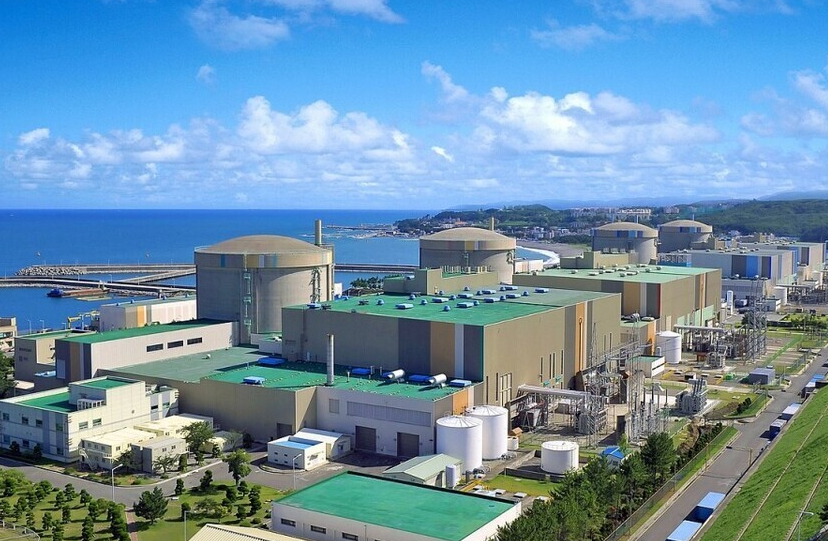
South Korea advances plan to produce medical isotopes using nuclear power plants, with lutetium-177 targeted for commercial production in 2031
South Korea is advancing plans to industrialize the production of radioisotopes using nuclear power plants, with the medical isotope lutetium-177 (Lu-177) designated as the first commercial target product. Korea Hydro & Nuclear Power stated that it plans to prioritize the commercialization of Lu-177 production, with the potential to later expand the product range to include isotopes such as cobalt-60, tritium-3, and helium-3. Lu-177 is a therapeutic radioisotope widely used in the global radiopharmaceutical market, applicable in radiopharmaceuticals for diseases such as prostate cancer and neuroendocrine tumors. Previously, South Korea relied entirely on imports for its Lu-177 supply. Due to its half-life of approximately 6.6 days, the entire process from production and transportation to drug preparation and patient administration...
2026-08-06
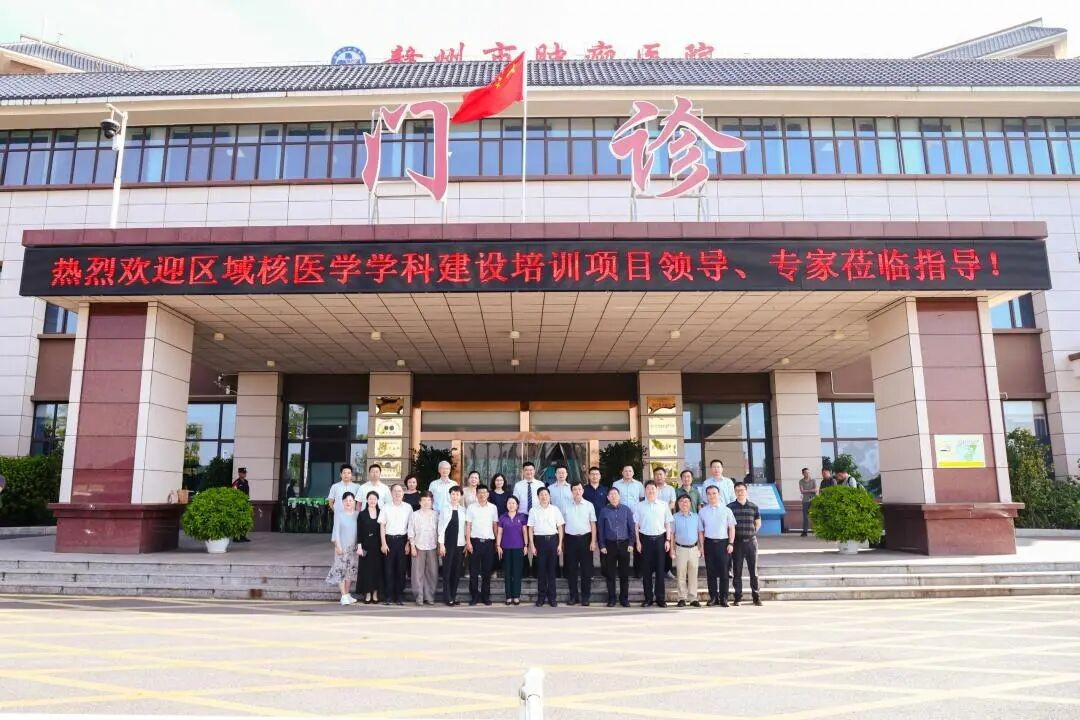
CNNC & CIR Co-sponsors Regional Nuclear Medicine Department Development Training Program (Ganzhou Session) and Ganzhou Cancer Hospital High-Quality Nuclear Medicine Diagnosis and Treatment Project Launched Simultaneously
Recently, the Regional Nuclear Medicine Department Development Training Program (Ganzhou Session) and the Ganzhou Cancer Hospital High-Quality Nuclear Medicine Diagnosis and Treatment Project were launched simultaneously at Ganzhou Cancer Hospital. An expert panel from the Nuclear Medicine Branch of the Chinese Medical Association, along with representatives from CNNC & CIR and Atom High-Tech, visited the hospital for research and exchange. More than 200 medical staff from medical institutions at various levels across Jiangxi Province attended the event. The launch ceremony was moderated by Yang Chuansheng, Director of the Nuclear Medicine Department at Ganzhou Cancer Hospital. Fu Wei, Deputy Director of the Ganzhou Municipal Health Commission; Wang Jing, Chair of the Nuclear Medicine Branch of the Chinese Medical Association; and Huang Xingwei, Party Secretary of Ganzhou Cancer Hospital, attended and delivered speeches. Wang Jing stated that nuclear medicine plays a vital supporting role in the precise diagnosis and treatment of major diseases such as cancer, and that promoting the standardized development of regional nuclear medicine at the city and county levels is conducive to channeling high-quality medical resources to the grassroots and enhancing primary healthcare service capabilities.
2026-08-06
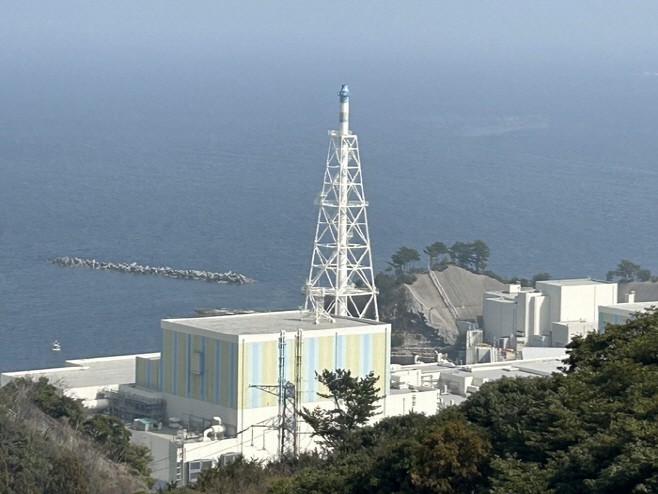
Shimane Nuclear Power Station Unit 2 scheduled inspection completion date moved up to September 16
Chugoku Electric Power Co., Inc. announced on August 5 that the schedule for the 18th periodic utility inspection of Shimane Nuclear Power Station Unit 2 has been revised, with the inspection completion date moved up from September 17, 2026 to September 16, and the power generation resumption date moved up from August 19 to August 18. Shimane Nuclear Power Station Unit 2 is a boiling water reactor unit with a rated electrical output of 820 MW. The unit was shut down on February 9, 2026 and entered its 18th periodic utility inspection. The reason for this adjustment is that, during the reactor start-up preparation work, the procurement of the nitrogen gas source used to fill the reactor containment vessel was completed earlier than planned, allowing the related work to be advanced accordingly...
2026-08-05
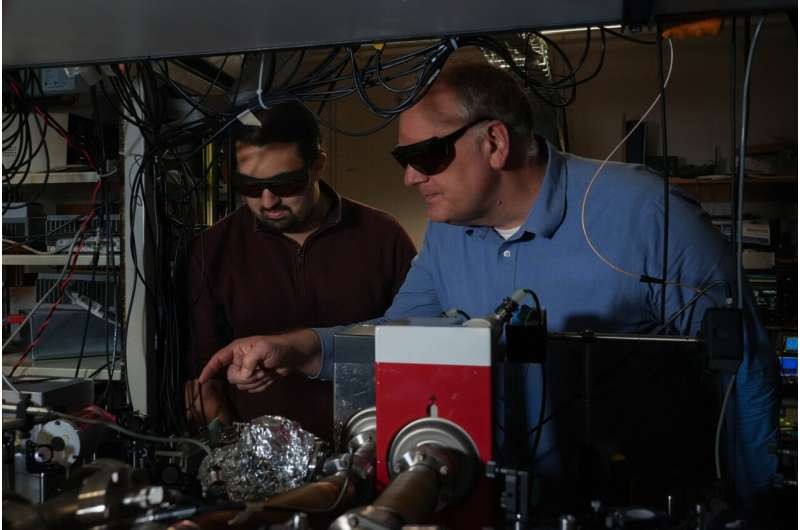
Colorado State University produces first ultracold neutral plasma with electron temperature below 1 kelvin
Researchers at Colorado State University have, for the first time, produced an ultracold neutral plasma by combining laser cooling techniques with strong magnetic fields. Measurements show that the electron temperature in this plasma is less than 1 kelvin above absolute zero, making it one of the lowest electron temperatures ever measured in a plasma. The research was published in Physics of Plasmas. The new method proposed in the paper helps test plasma theories under more controllable experimental conditions and improve computational models of plasma behavior in extreme environments. The researchers believe this achievement could contribute to future fusion energy...
2026-08-05

India's cumulative nuclear power generation surpasses 1 trillion units (1000 BU), NPCIL sets historic milestone
Nuclear Power Corporation of India Limited (NPCIL) announced on August 4 that cumulative nuclear power generation since the start of commercial operations has exceeded 100 billion kilowatt-hours (1000 Billion Units, equivalent to 1 trillion kWh) for the first time. The company stated that this milestone marks a significant achievement on India's path toward clean and sustainable energy, corresponding to avoiding approximately 860 million tonnes of CO₂ emissions—equivalent to approximately taking 187 million gasoline and diesel passenger vehicles off the road for a full year, or nearly the total annual greenhouse gas emissions of a single industrialized nation such as Germany or Japan. NPCIL data shows that electricity generated through nuclear power has effectively avoided substantial greenhouse gas emissions. Nuclear energy is recognized as one of the low-carbon and reliable energy sources, playing a critical role in addressing climate change...
2026-08-05
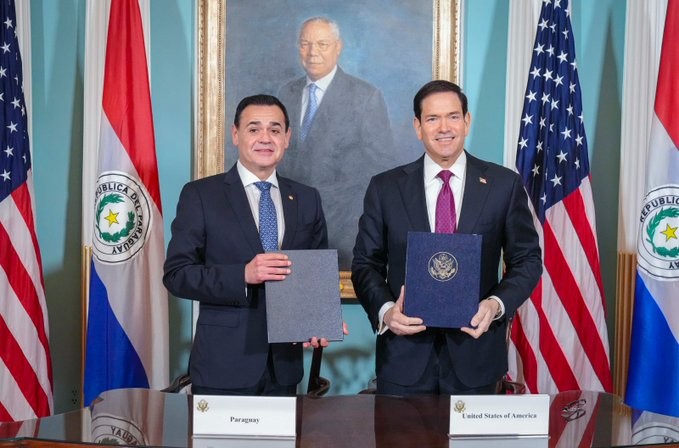
U.S. and Paraguay Sign Civil Nuclear Energy Cooperation Agreement
U.S. Secretary of State Marco Rubio and Paraguayan Foreign Minister Ruben Ramirez Lezcano signed a strategic civil nuclear energy cooperation memorandum of understanding in Washington on August 4. According to relevant information, the two sides signed what is commonly referred to as the "123 Agreement," which establishes the basic framework for bilateral cooperation in the field of civil nuclear energy. The 123 Agreement originates from Section 123 of the U.S. Atomic Energy Act, passed in 1954. This provision authorizes the United States to transfer civil nuclear technology for energy or scientific purposes to partner countries under specific conditions. As a prerequisite, the recipient country must comply with International Atomic Energy...
2026-08-05
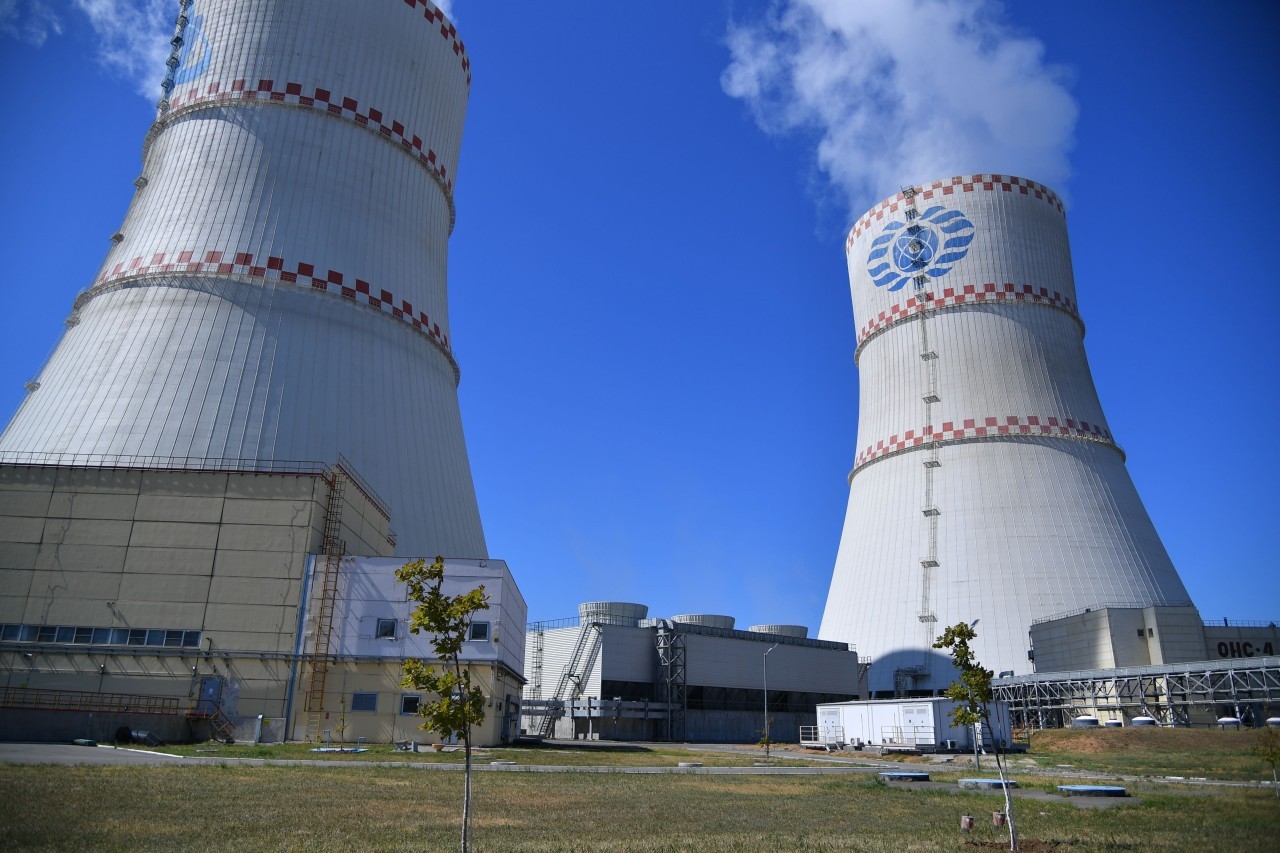
Rostov NPP Completes Preparations for Summer Peak Load
Russia's Rostov NPP has completed a series of preparations for the summer peak load period to cope with abnormally high temperatures in southern Russia and the growth in summer electricity demand, ensuring stable power supply. Located on the shore of the Tsimlyansk Reservoir, Rostov NPP is one of Russia's southernmost nuclear power plants and is part of the power division of Rosatom. The plant operates four VVER-1000 pressurized water reactor units, with each unit generating approximately 25 million kWh of electricity per day. Nuclear power accounts for more than 70% of electricity production in Rostov Oblast and approximately 30% of the unified power system of southern Russia. To cope with the high temperatures...
2026-08-05