
Search Results
Keyword:5
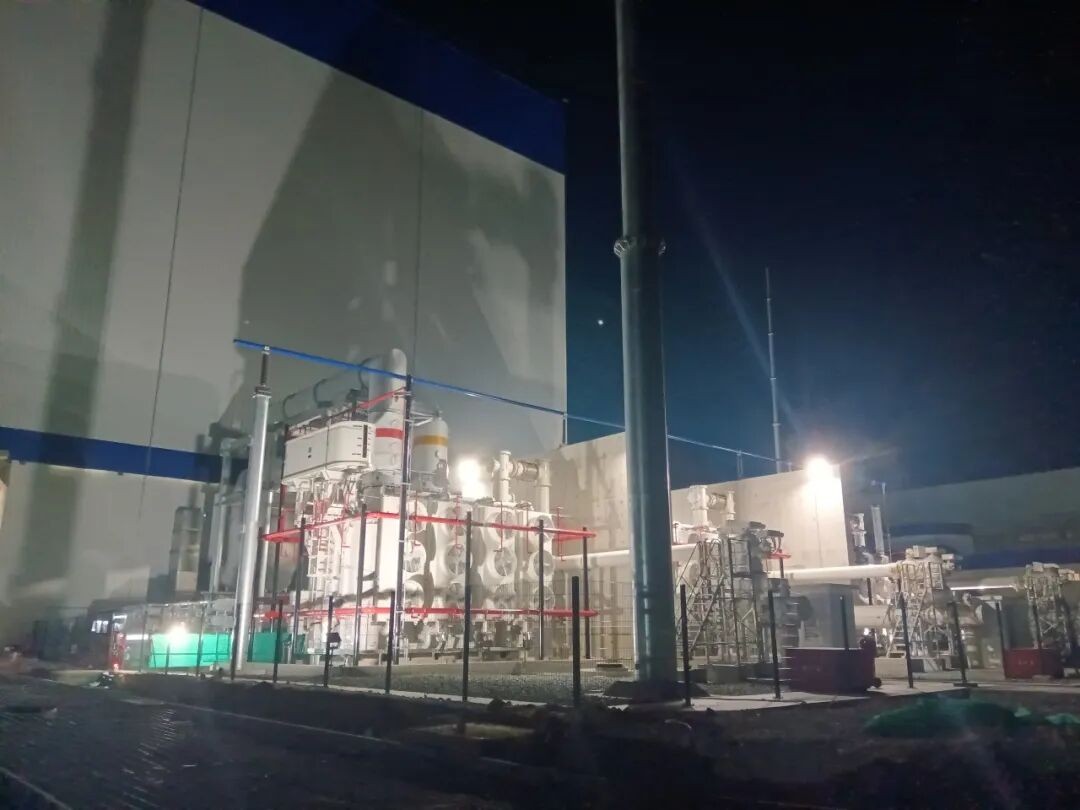
Hainan Changjiang Nuclear Power Unit 4 500kV Reverse Power Transmission Successfully Completed
On August 19, 2026, the 500kV reverse power transmission of Unit 4 of the Hainan Changjiang Nuclear Power Phase II Project was successfully completed, marking another major milestone in the engineering construction of the unit. The 500kV reverse power transmission operation lasted approximately 15 hours. Throughout the power receiving process, equipment operated stably, all parameter indicators were excellent, protection devices acted accurately without error, and system live switching proceeded smoothly, fully achieving the established goal of successful power reception on the first attempt. The realization of this milestone fully verified that the design, manufacturing, and installation quality of the 500kV main switchyard, main transformers, high-voltage auxiliary transformers, and related auxiliary systems of Unit 4 all met the required standards. The Hainan Project Department of CNNC Engineering coordinated design, procurement, construction,...
2026-08-21
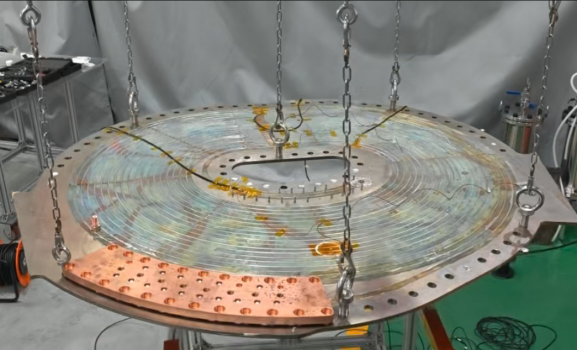
SuperMag New Energy Achieves Milestone Progress in Development of 25 T-Class High-Temperature Superconducting Toroidal Field Model Magnet
Recently, SuperMag New Energy has achieved two milestone progresses in the development of its 25 T-class high-temperature superconducting toroidal field model magnet: following the completion of R&D and testing of the first panel-type high-temperature superconducting single pancake coil, the company has initiated batch manufacturing of panel-type single pancake coils; meanwhile, the self-developed 24 cm² low-resistance detachable joint has completed prototype fabrication and performance testing in the liquid nitrogen temperature range, with an equivalent joint resistance of approximately 33 nΩ. These two progresses correspond to two critical aspects: stable manufacturing of single pancake coils and low-loss interconnection of multiple units. The project has advanced from the single-component process validation stage toward multi-pancake manufacturing and model magnet system integration. The single pancake coil is not an ordinary component in the model magnet, but rather a fundamental unit integrating conductor, panel structure, insulation, electrical connection, and testing interfaces. Each single pancake requires independent manufacturing and inspection, and also serves as the foundation for subsequent multi-pancake stacking, magnet excitation, and cryogenic operation.
2026-08-21
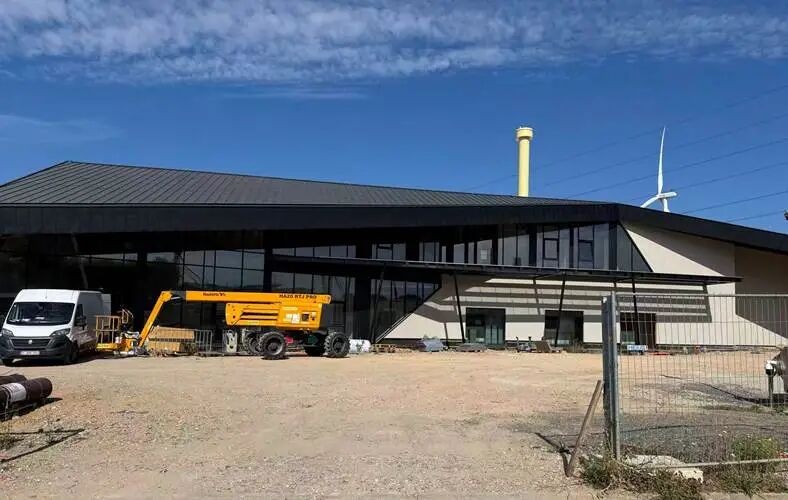
Full-Life Technologies Completes Construction of Belgian Radiopharmaceutical Production Facility and Initiates Accelerator Commissioning
Full-Life Technologies (hereinafter referred to as "Full-Life"), a privately held, fully integrated, clinical-stage international radiopharmaceutical therapy company, announced on August 20 that its radiopharmaceutical production facility in Gembloux, Belgium, has completed construction and received authorization to commence accelerator commissioning and enter the initial ramp-up phase. (Full-Life Technologies Belgium Radiopharmaceutical Production Facility) This milestone marks a significant step forward in Full-Life's vertically integrated radioisotope production capabilities moving toward formal operational status. With the completion of facility construction, the company has entered the next phase of operational preparation, including accelerator installation, phased commissioning, and validation of critical safety and operational systems.
2026-08-20

South Korea plans to build an innovative self-developed fusion reactor by 2035
Yang Hyeong-ryeol, head of the fusion sector of the K-Moonshot project at the Korea Institute of Fusion Energy (KFE), recently stated that South Korea plans to complete the construction of an independently developed innovative fusion reactor by 2035 and strives to complete power generation demonstration by 2039. He said that nuclear fusion is an extremely challenging technical endeavor, but once a breakthrough is achieved, it will have broad driving effects on the energy, industrial, and technological systems. Yang Hyeong-ryeol, project director of South Korea's Moonshot program, said nuclear fusion is often called an artificial sun because it generates energy by simulating the energy production process inside the sun. Against the backdrop of rapid expansion of AI applications, rising electricity demand, and increasing global pressure for carbon reduction, the commercialization of fusion energy is attracting growing attention from more countries and enterprises. The South Korean government has listed nuclear fusion, along with small modular reactors and renewable energy, as key future technology directions, and hopes to advance the commercialization of fusion energy through public-private partnerships.
2026-08-20
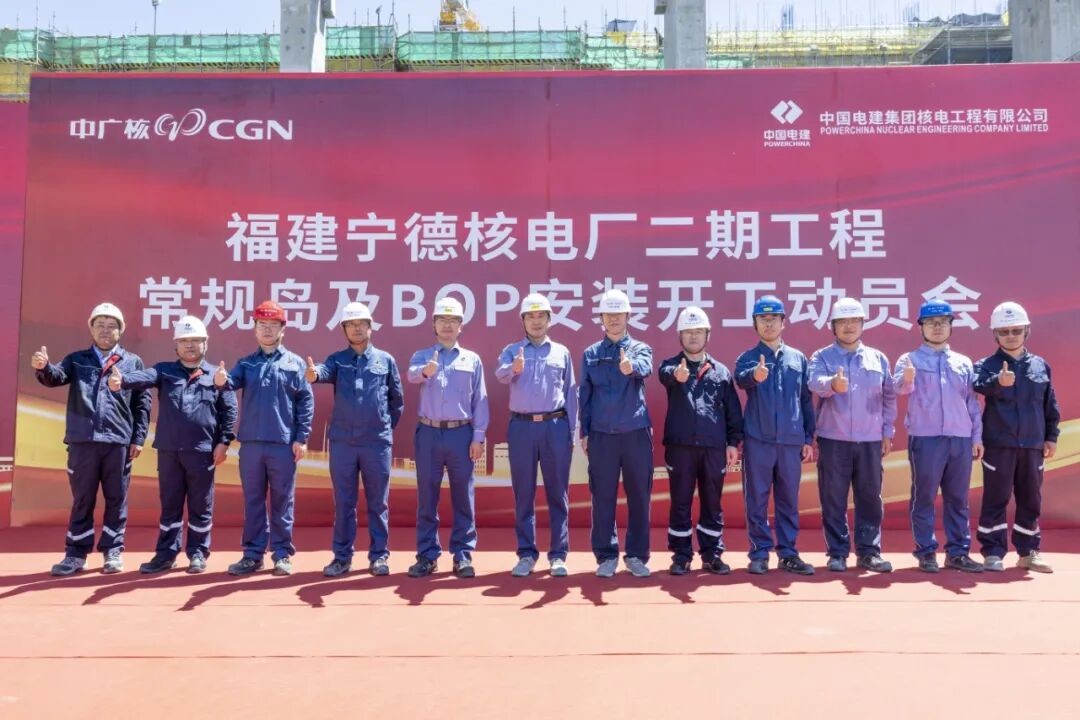
Construction of Conventional Island and BOP Installation for Units 5 & 6 of Fujian Ningde Nuclear Power Plant Launched
On the morning of August 18, the conventional island and BOP installation works for Units 5 & 6 of CGN Fujian Ningde Nuclear Power Plant were officially launched, marking the transition of the conventional island and BOP works of the Ningde Phase II project from the civil construction stage to the installation stage. This laid a solid foundation for the orderly advancement of key project tasks, including the main-line construction of the turbine generator units and the scaling-up of piping works for major process systems. As the core works for energy conversion and plant-wide utility support, the conventional island and BOP systems directly determine the construction quality, operational stability, and commissioning timelines of the units. They serve as critical support for ensuring safe and stable power generation and fulfilling the role of clean energy supply, and are of great significance to the high-quality completion and commissioning of the Phase II project...
2026-08-19
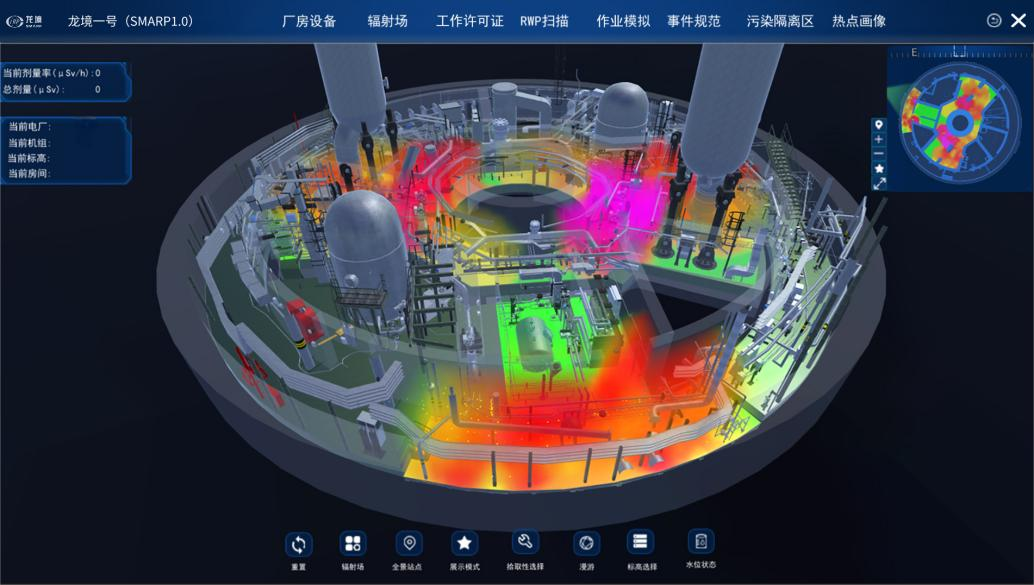
CIRP's "Dragon Realm" Series Advances Digital Upgrade of Radiation Protection for Nuclear Facilities
The Dragon Realm series is a digital radiation protection system product independently developed by CIRP (China Institute for Radiation Protection), refined over more than a decade of accumulation, based on the on-site radiation protection needs of nuclear facilities. It integrates radiation field visualization, real-time monitoring, and intelligent management and control, providing core technical support for the digital transformation of radiation protection in nuclear facilities. Dragon Realm One focuses on "seeing." It recreates the radiation environment of nuclear facilities in three-dimensional digital form, integrating scene roaming and operational simulation to make radiation risks perceivable and tangible, providing an intuitive basis for protection decision-making. Radiation field visualization: establishes a mapping relationship between dose rate and color in the radiation field, achieving 3D visualization of the radiation field. Simulation roaming: supports...
2026-08-18
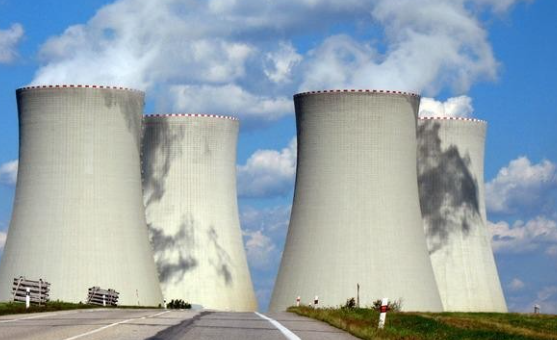
Morocco Conducts 18 Expert Missions with IAEA in 2025, Civil Nuclear Cooperation Expands to African Level
Morocco's cooperation with the International Atomic Energy Agency is shifting from mere technical assistance to more active participation in regional capacity building. In 2025, Moroccan experts completed 18 international expert missions under the IAEA Technical Cooperation framework, with the agency's assistance to Morocco reaching €1.17 million in the same year. This indicates that Morocco has established a certain foundation in nuclear science, nuclear technology applications, and regulatory capabilities, and is beginning to play a more significant role in Africa's nuclear technology cooperation network. The National Center for Energy, Nuclear Science and Nuclear Technology in Rabat was granted the status of IAEA Collaborating Centre in September 2024, with a cooperation cycle covering 2025 to...
2026-08-15
Function Health Secures $450 Million in Funding to Expand Laboratory Testing and Medical Imaging Platform
U.S. health technology company Function Health recently secured $450 million in growth funding from General Catalyst's Customer Value Fund. The company stated that the funds will be used to expand user coverage of its testing and medical imaging platform. Function Health launched as a beta version in 2023, with a platform integrating laboratory testing, medical imaging, and health data analytics services. Its membership includes over 160 laboratory tests, with testing scheduled twice a year, and annual plans starting at $365. Testing coverage encompasses cardiovascular health, hormones, thyroid and kidney function, inflammation, nutritional levels, and certain cancers...
2026-08-16
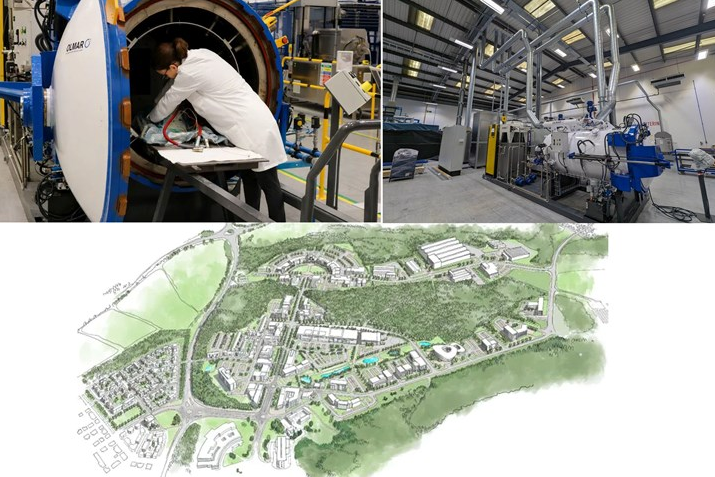
Lucideon Plans £500 Million UK CMC Manufacturing Facility to Strengthen Aerospace, Defense, and Nuclear Supply Chains
UK materials science consultancy Lucideon plans to build a manufacturing and R&D facility for ceramic matrix composites (CMCs) at Keele University Science Park, with total project investment expected to exceed £500 million over the next 7 to 10 years. The plan aims to address the UK's capability gap in high-temperature ceramics and industrial-scale CMC manufacturing, serving key industries such as aerospace, defense, and nuclear energy, while enhancing the UK's autonomy and competitiveness in the global advanced materials supply chain. Ceramic matrix composites, consisting of ceramic fibers reinforcing a ceramic matrix, can withstand ultra-high temperatures, thermal shock, and mechanical impact, while offering weight reduction advantages over metallic materials, driving growing demand in high-performance engines, thermal protection...
2026-08-16
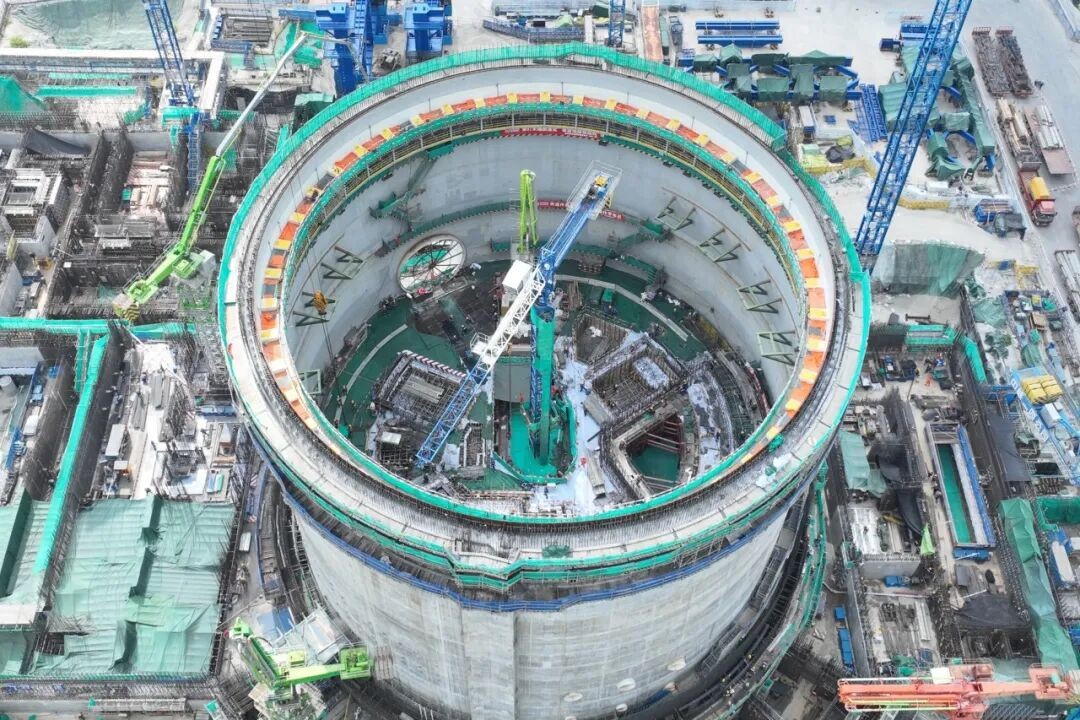
Concrete Placement of the 16.5m Slab in the Reactor Building of Unit 4 at Zhangzhou Nuclear Power Plant Successfully Completed
At 21:58 on August 13, the concrete placement of the 16.5m slab in the internal structure of the reactor building of Unit 4 at Zhangzhou Nuclear Power Plant was successfully completed, with safety and quality under control throughout the process, laying a solid foundation for subsequent key path milestones such as crane availability and inner dome lifting. As the core load-bearing structure within the reactor building, the 16.5m slab of the internal structure serves as the critical support platform for the introduction, positioning, and installation of subsequent large-scale core equipment. The engineering structure features key challenges including large construction volume, staggered elevation differences, modular structural rebar installation, and high-precision installation of owner-supplied items, imposing extremely high requirements on overall construction organization, safety, and quality control. The total concrete volume placed this time was 2,297 cubic meters, with a continuous placement duration of 30.5 hours.
2026-08-15
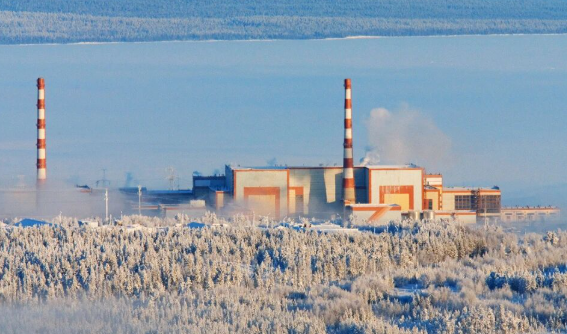
Long-term radiation environment at Kola NPP remains under control: gamma dose rates within natural background levels, 15 permanent observation stations operating since 1972
Long-term monitoring results from the external radiation monitoring group at Russia's Kola Nuclear Power Plant show that gamma radiation dose rates around the plant site have consistently remained within natural background radiation levels, with radionuclide concentrations matching background values, indicating a sound radiation environment with no differences from surrounding areas. The station's radiation safety department collects surface water samples from the discharge canal monthly, with monitoring coverage encompassing all elements including the atmosphere, snow cover, bottom sediments, food products, algae, berries, mushrooms, and caged fish. The monitoring architecture consists of two tiers: 15 permanent environmental observation stations have been in continuous operation since before the commissioning of the first reactor unit in 1972; 13 ASKRO automated radiation environment monitoring system stations provide real-time ground-level gamma dose rate data, which is transmitted directly to the Rosenergoatom crisis center and integrated into the national unified radiation monitoring network. Approximately 200,000 cubic meters of air are drawn weekly through air filtration units to capture radionuclides, with volumetric activity of radioactive iodine also measured. A mobile radiological laboratory performs on-site spectrometric analysis. Annually, about 1,200 environmental samples are collected from around the plant site and delivered to the Polyarnye Zori laboratory, where well water samples analyzed by Canberra spectrometers yield "zero nuclide" results, with samples retained for one year for potential re-analysis. Biological samples are processed using the ashing method, and instrument sensitivity is sometimes insufficient to even detect any signal from the plant's impact.
2026-08-14
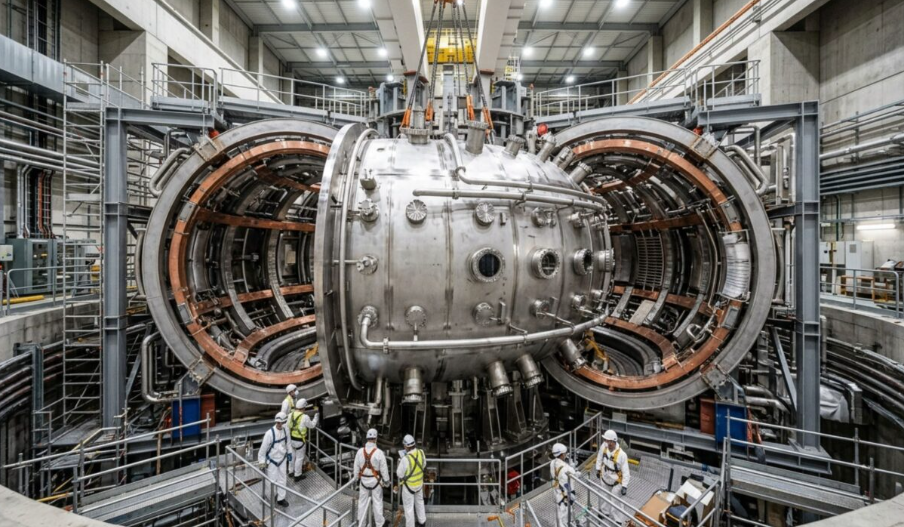
ITER Tokamak Advances Assembly in France, Fusion Experiment Targets 150 Million Degree Celsius Plasma
The ITER tokamak being assembled in southern France is one of the most closely watched large-scale experimental devices in global nuclear fusion research. The machine weighs approximately 23,000 tonnes in total and adopts a donut-shaped toroidal structure, using strong magnetic fields to confine high-temperature plasma, with the goal of replicating on Earth the conditions for fusion reactions that occur inside stars. Its plasma volume is approximately 830 cubic meters, far exceeding previous tokamak devices, and it is therefore expected to validate the key physics and engineering technologies required for future commercial fusion reactors. ITER adopts the toroidal tokamak structure because charged particles can move along toroidal paths under strong magnetic fields, thereby minimizing direct contact with the device's inner walls...
2026-08-14
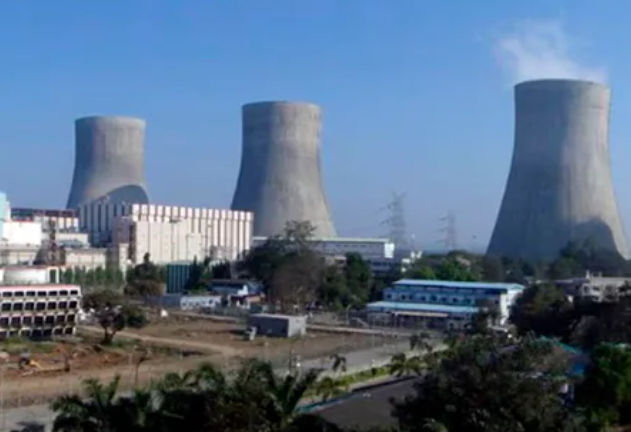
Indian Government Approves INR 133.55 Billion Equity Funding for 6 Nuclear Power Projects Under Construction
To advance nuclear power construction and meet growing electricity demand, the Indian central government has approved equity funding of INR 133.55 billion (approximately RMB 13.355 billion) for six nuclear power projects under construction, with all funds fully disbursed. This information was disclosed by Dr. Jitendra Singh, Minister of State for Atomic Energy, in a written reply to the Rajya Sabha. Singh noted that multiple technical, supply chain, and global situation factors have caused project delays: significant design modifications required under new safety standards following the Fukushima nuclear accident in Japan; delays in supply of critical equipment; and the impact of the COVID-19 pandemic on construction progress. In addition, disrupted equipment supplies from Russia, financial difficulties faced by contractors after the pandemic, complex geological conditions, and a shortage of skilled workers have also slowed project momentum. The Russia-Ukraine conflict and ongoing geopolitical tensions in West Asia have further affected supply chains.
2026-08-14
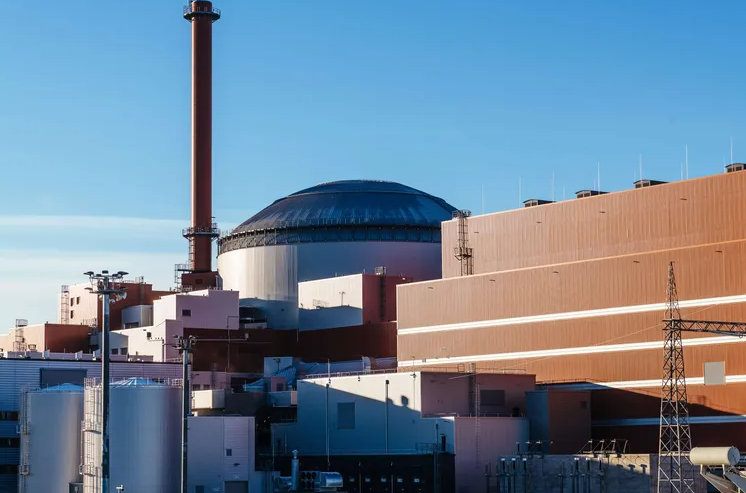
Finland's Olkiluoto 3 nuclear reactor reduces output by 450 MW due to fault
Finland's largest nuclear reactor, Olkiluoto 3 (OL3), is currently operating at a reduced power level of approximately 300 MW. The unit's normal net power output is around 1,600 MW, and its generation accounts for about 14% of Finland's total electricity demand. According to Teollisuuden Voima (TVO), as reported by Tekniikka & Talous, the power reduction is due to a fault in one of the reactor-side circulation pumps. The damaged circulation pump has been repaired and is under monitoring, and the power level of Unit 3 is expected to return to normal on August 18. The circulation pump's function is to circulate cooling water through the reactor core. Meanwhile, Olkiluoto 2 has also been operating at a reduced power level of approximately 155 MW since mid-July...
2026-08-14
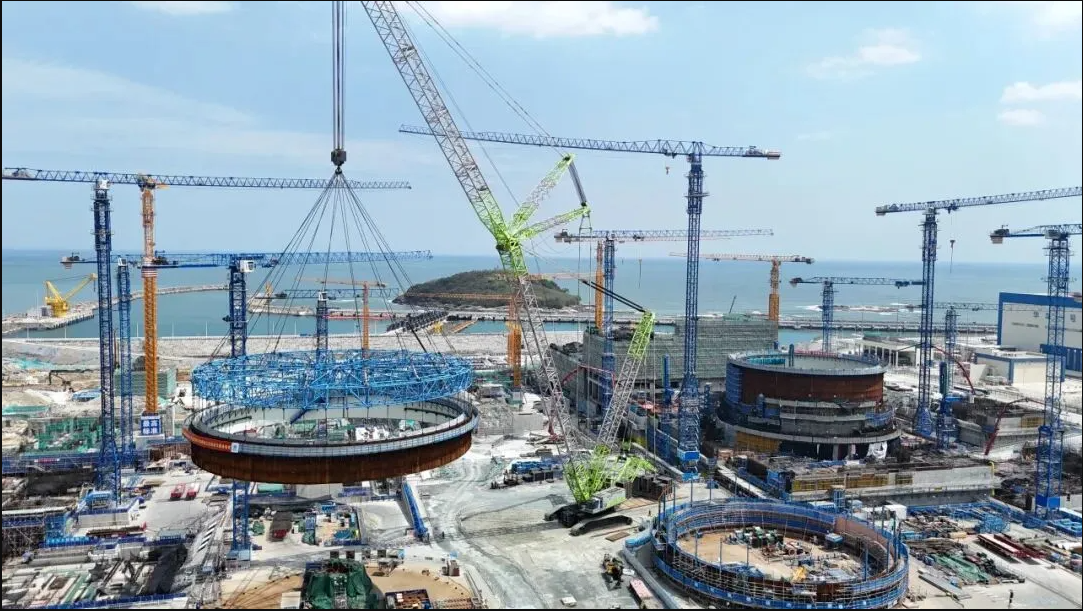
Module 5 of Containment Steel Liner Successfully Lifted at Unit 3 of Guangdong Taipingling Nuclear Power Plant
On August 10, the construction of Unit 3 at CGN's Guangdong Taipingling Nuclear Power Plant reached a critical milestone. A Zoomlion 2,000-tonne crawler crane, serving as the core lifting main force, successfully completed the precise positioning of Module 5 of the containment steel liner. This lifting operation involved significant technical challenges and demanding working conditions. The steel liner Module 5 weighed nearly 280 tonnes, with a component diameter of 45 meters, a height of nearly 6 meters, and a wall thickness of only 6 millimeters, making it a typical ultra-large thin-walled flexible component. The module's lateral windward area exceeded 300 square meters, making it susceptible to wind-induced sway during lifting, which imposed extremely high requirements on the crane's operational stability, control precision, and heavy-load adaptability. The Zo...
2026-08-14