
Search Results
Keyword:AI
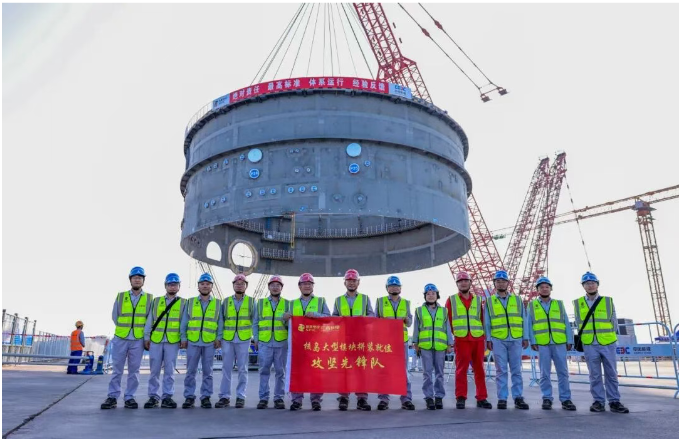
Steel Containment Vessel Ring 1 of Unit 1 at Guangxi Bailong Nuclear Power Plant Successfully Hoisted into Place
At 11:38 on August 16, after 4 hours and 01 minutes of continuous and stable operation, the steel containment vessel ring 1 (CV1R) of the nuclear island of Unit 1 at Guangxi Bailong Nuclear Power Plant was successfully hoisted into place. This hoisting marks another successful installation of a key module following the CVBH and CA20 modules for Unit 1 of Bailong Nuclear Power Plant, signifying a critical breakthrough in the construction of the main structure of the nuclear island of Unit 1. The steel containment vessel consists of five major modules: the bottom head, the intermediate cylindrical shell (rings 1 to 3), and the top head, serving as the third physical safety barrier of the reactor. The CV1R hoisted this time is the core component with the largest volume and heaviest weight among the five major components of the steel containment vessel, measuring approximately 15.5 meters in height and up to 39.6 meters in maximum inner diameter, integrating equipment...
2026-08-17
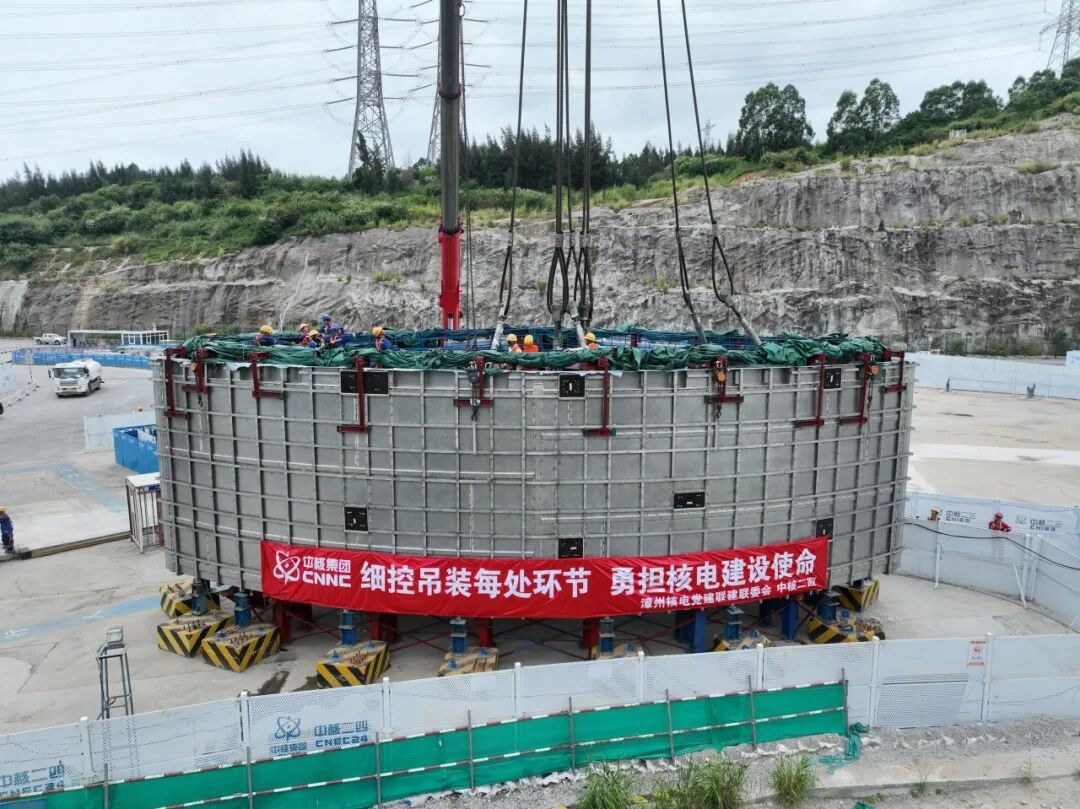
Successful Hoisting of Module 3 of the Passive Containment Cooling Water Tank for Unit 4 of Zhangzhou Nuclear Power Plant
On August 15, the hoisting of Module 3 of the passive containment cooling water tank in the reactor building of the nuclear island of Unit 4 at Zhangzhou Nuclear Power Plant was successfully completed, with the entire hoisting process being safe and quality-controlled. The passive containment cooling water tank is an important component of the passive part of the containment cooling water injection system. With a total height of 22.02 meters, it features a non-uniform cross-section in an approximately fan-shaped structure and is planned as three integral modules. Module 3, hoisted this time, had a total lifting weight of approximately 132.8 tons and a height of 5.84 meters, and was positioned using a 2000-ton-class crawler crane. As the crane slowly lifted the module, through a series of precise operations including hook lifting, boom slewing, crane traveling, and luffing, Module 3 was smoothly placed onto Module 2 of the passive containment cooling water tank, with the entire process proceeding seamlessly...
2026-08-17
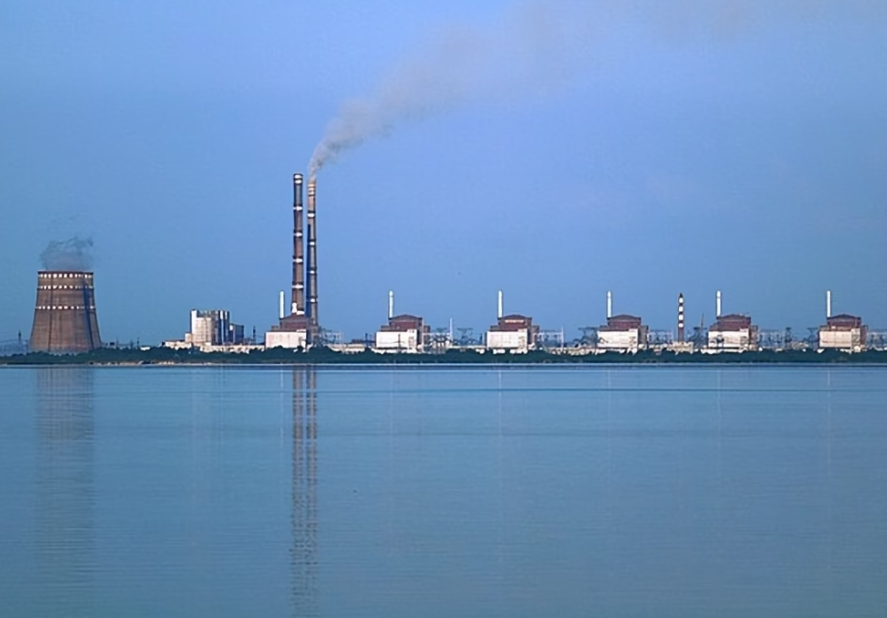
Repeated Power Outages at Zaporizhzhia Nuclear Power Plant Raise Concerns over Equipment Aging and Safety Risks
August 13 news, the issue of repeated interruptions to the external power supply at the Zaporizhzhia Nuclear Power Plant continues to draw attention. Relevant data shows that since February 2022, the plant has experienced 26 power outages, 14 of which occurred in the first 8 months of 2026. The Zaporizhzhia Nuclear Power Plant is the largest nuclear power plant in Europe. Once the external power supply is interrupted, the plant must switch to backup power to maintain the operation of essential safety systems. Frequent switching of power supply modes not only increases operational pressure but also poses additional risks to nuclear safety and radiation safety. Relevant parties have stated that signs of equipment aging at the Zaporizhzhia Nuclear Power Plant are intensifying, with the condition of diesel generator sets being particularly concerning. The backup diesel generator sets are generally...
2026-08-15
Energoatom and the E.O. Paton Electric Welding Institute of the National Academy of Sciences of Ukraine Sign Scientific and Technical Cooperation Agreement
On August 13, Pavlo Kovtoniuk, head of Ukraine's national nuclear energy company Energoatom, and Ihor Kryvtsun, director of the E.O. Paton Electric Welding Institute of the National Academy of Sciences of Ukraine, signed a scientific and technical cooperation agreement. Under the agreement, the two parties will integrate scientific research and engineering technical resources to provide technical support for the safe operation of nuclear power units and other nuclear energy facilities, and will cooperate in areas such as extending the service life of reactor installations and the feasibility study and implementation of new nuclear power unit projects...
2026-08-15
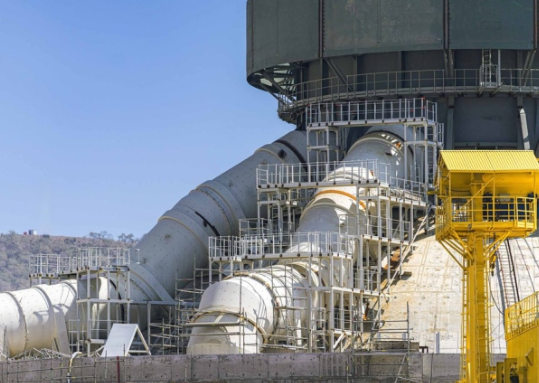
Akkuyu Nuclear Power Plant: Türkiye's Gateway to the Nuclear Supply Chain and a Platform for Long-Term Technology Acquisition
On August 15, Professor Şer Ergun, Head of the Nuclear Engineering Department at Hacettepe University, commented on the commissioning progress of the Akkuyu Nuclear Power Plant in Mersin Province, emphasizing the project's strategic and technical significance for Türkiye. She noted that the VVER-1200 technology used at Akkuyu is operational in multiple countries worldwide, and Türkiye is seizing this opportunity to operate modern reactor technology while accumulating nuclear knowledge and experience and strengthening international cooperation through collaboration with other VVER-1200 user countries. She also stressed that Turkish engineers should actively participate in similar projects. Ergun stated that Akkuyu's value should not be assessed solely from the perspective of power generation, but also from its contribution to the nuclear technology ecosystem. The project provides...
2026-08-16
Chinese Team Achieves Full Technical Chain Integration in Wall Treatment for the World's Largest "Artificial Sun"
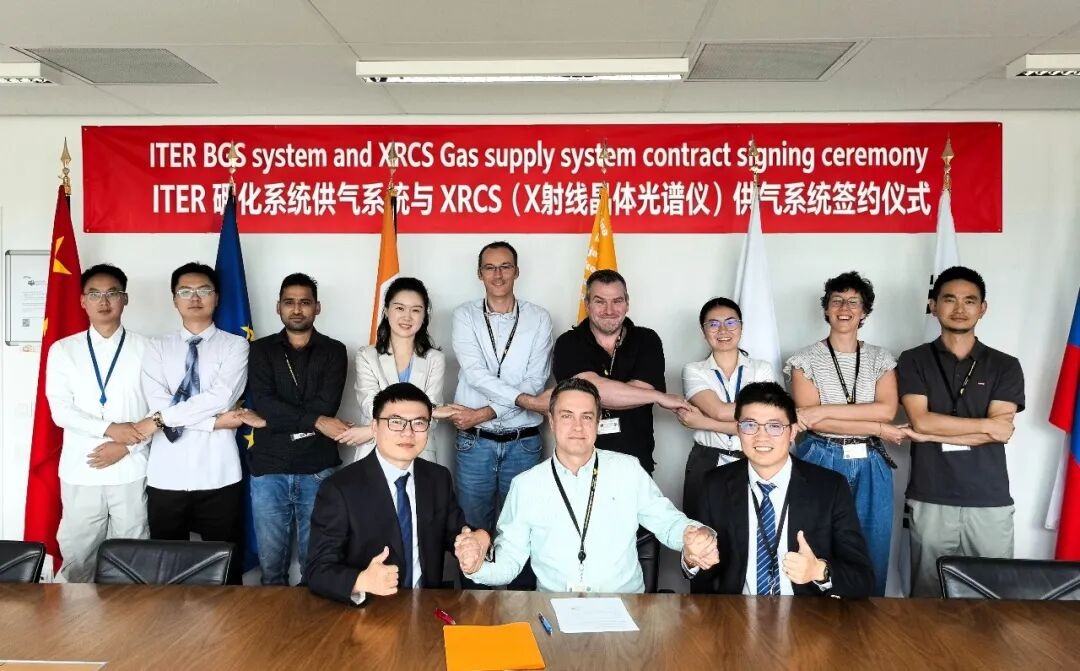
Recently, the team from the Southwestern Institute of Physics under the China National Nuclear Corporation (CNNC) has made significant progress in the wall treatment technology of the International Thermonuclear Experimental Reactor (ITER): not only successfully passing the Delta Final Design Review (Delta FDR) for the supplementary design of the Glow Discharge Cleaning (GDC) system permanent electrode project, but also, leading and jointly with CNI23, winning the bid and signing contracts in France for the design and manufacture of the boronization system and the X-ray Crystal Spectrometer (XRCS) gas supply system. This marks a new expansion of the Chinese team's core technology in ITER wall treatment, extending the scope from the original glow discharge cleaning to boronization wall treatment, achieving a full technical chain from impurity removal to surface pre-treatment...
2026-08-15
SPIC Haiyang Nuclear Power Unit 3 Hot Functional Test Successfully Completed
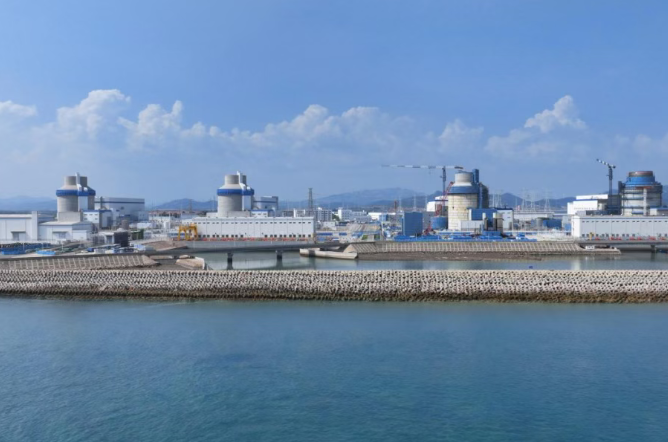
At 17:30 on August 13, the hot functional test (HFT) of Unit 3 at SPIC Shandong Nuclear Power Haiyang Nuclear Power Plant was successfully completed, laying a solid foundation for subsequent fuel loading and first grid connection of the unit. ▲Aerial view of Shandong Nuclear Power Haiyang Nuclear Power Plant. The hot functional test is the most critical non-nuclear comprehensive verification phase before nuclear fuel loading, often referred to as the "final exam" or "mock exam" before a nuclear power plant officially generates electricity. By executing a series of tests simulating actual operating conditions within the pressure and temperature ranges of normal reactor operation, it comprehensively verifies the reliability of nuclear island and conventional island systems and equipment under hot operating conditions, ensuring that relevant parameters meet design requirements. ▲On July 4, during the normal residual heat removal system (RNS) test at the heat-up platform of the hot functional test...
2026-08-15

Philippine Steel Plant in Davao Raided: Radioactive Isotopes Detected in Finished Rebar and Multiple Materials at the Facility
On August 14, Philippine authorities conducted a raid on Davao Mighty Steel Corp., a steel manufacturing plant located in Barangay Ilang, Bunawan District, Davao City. The operation followed an investigation launched by the National Bureau of Investigation (NBI) after receiving reports that the company was involved in the production and sale of substandard steel rebar, with the scope of the investigation subsequently expanding after radioactive isotopes were detected in commercially sold DMS rebar. The operation was led by the National Bureau of Investigation, with the participation of the Presidential Anti-Organized Crime Commission (PAOCC), and was supported by the Philippine Nuclear Research Institute (PNRI), the Philippine Air Force, the Philippine Coast Guard's Chemical, Biological, Radiological and Nuclear emergency response units, the Coast Guard Special Operations Group, and the Army's 10th Infantry Division.
2026-08-15
Lucideon Plans £500 Million UK CMC Manufacturing Facility to Strengthen Aerospace, Defense, and Nuclear Supply Chains
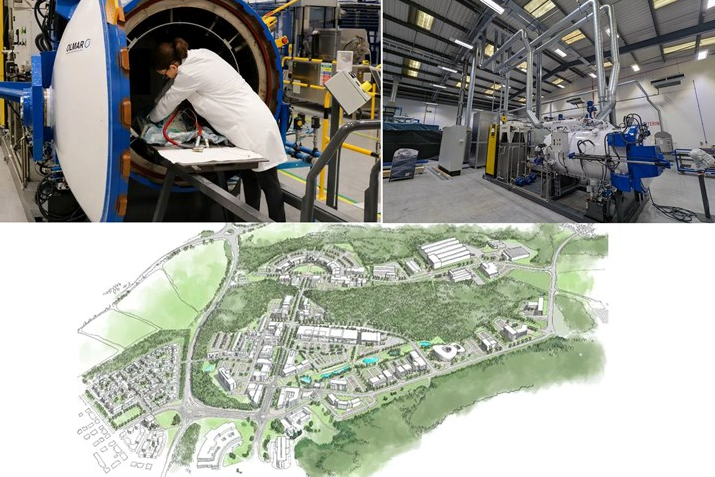
UK materials science consultancy Lucideon plans to build a manufacturing and R&D facility for ceramic matrix composites (CMCs) at Keele University Science Park, with total project investment expected to exceed £500 million over the next 7 to 10 years. The plan aims to address the UK's capability gap in high-temperature ceramics and industrial-scale CMC manufacturing, serving key industries such as aerospace, defense, and nuclear energy, while enhancing the UK's autonomy and competitiveness in the global advanced materials supply chain. Ceramic matrix composites, consisting of ceramic fibers reinforcing a ceramic matrix, can withstand ultra-high temperatures, thermal shock, and mechanical impact, while offering weight reduction advantages over metallic materials, driving growing demand in high-performance engines, thermal protection...
2026-08-16
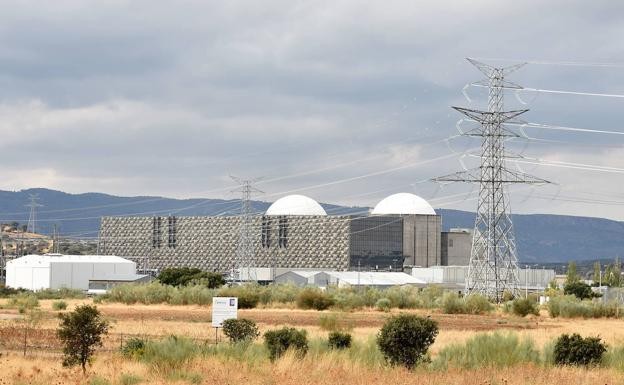
Spain Extends Almaraz Nuclear Power Plant Operation to June 2030
The Spanish government has issued an order in the official gazette extending the operation of the Almaraz nuclear power plant to June 2030. Under Spain's previously established nuclear phase-out schedule, the two units at Almaraz were originally slated to begin decommissioning in 2027 and 2028, respectively. The document indicates that this extension does not alter the decommissioning plans for Spain's other nuclear plants. Spain plans to gradually shut down its five domestic nuclear plants by 2035. However, some analysts believe that, influenced by actual decommissioning arrangements and power system demands, other nuclear plants may also receive life extensions in the future. In April of this year, a large-scale blackout occurred in Spain and Portugal, sparking external...
2026-08-15
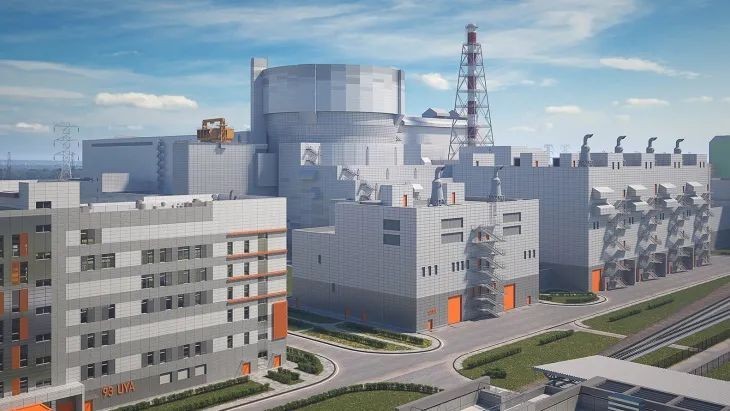
Hungary Plans to Sink Two Barges Near Paks Nuclear Power Plant to Raise Danube Water Level
Hungarian authorities plan to conduct controlled sinking of two giant barges, each about 80 meters long, in the river section near the Paks Nuclear Power Plant on August 14, aiming to raise the local water level of the Danube and ensure cooling water supply for the nuclear power units. According to European sources, after the two barges are sunk, the water level in the relevant river section is expected to rise by about 20 centimeters. Recently, persistent high temperatures across many parts of Europe have driven the Danube's water level to a low point, putting pressure on water intake and power generation along the river. The Paks Nuclear Power Plant is the only operating nuclear power plant in Hungary. Due to the low water level of the Danube, the plant's power output has dropped to about 25% of its installed capacity. Earlier this week, Hungarian authorities also announced plans to build a riverbed weir on the Danube. Under current expectations, the project could raise the water level in the relevant river section by about 1 meter.
2026-08-15
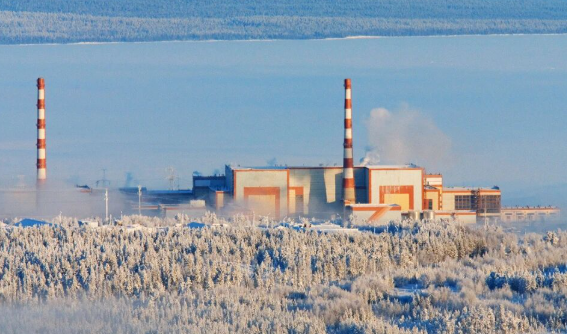
Long-term radiation environment at Kola NPP remains under control: gamma dose rates within natural background levels, 15 permanent observation stations operating since 1972
Long-term monitoring results from the external radiation monitoring group at Russia's Kola Nuclear Power Plant show that gamma radiation dose rates around the plant site have consistently remained within natural background radiation levels, with radionuclide concentrations matching background values, indicating a sound radiation environment with no differences from surrounding areas. The station's radiation safety department collects surface water samples from the discharge canal monthly, with monitoring coverage encompassing all elements including the atmosphere, snow cover, bottom sediments, food products, algae, berries, mushrooms, and caged fish. The monitoring architecture consists of two tiers: 15 permanent environmental observation stations have been in continuous operation since before the commissioning of the first reactor unit in 1972; 13 ASKRO automated radiation environment monitoring system stations provide real-time ground-level gamma dose rate data, which is transmitted directly to the Rosenergoatom crisis center and integrated into the national unified radiation monitoring network. Approximately 200,000 cubic meters of air are drawn weekly through air filtration units to capture radionuclides, with volumetric activity of radioactive iodine also measured. A mobile radiological laboratory performs on-site spectrometric analysis. Annually, about 1,200 environmental samples are collected from around the plant site and delivered to the Polyarnye Zori laboratory, where well water samples analyzed by Canberra spectrometers yield "zero nuclide" results, with samples retained for one year for potential re-analysis. Biological samples are processed using the ashing method, and instrument sensitivity is sometimes insufficient to even detect any signal from the plant's impact.
2026-08-14
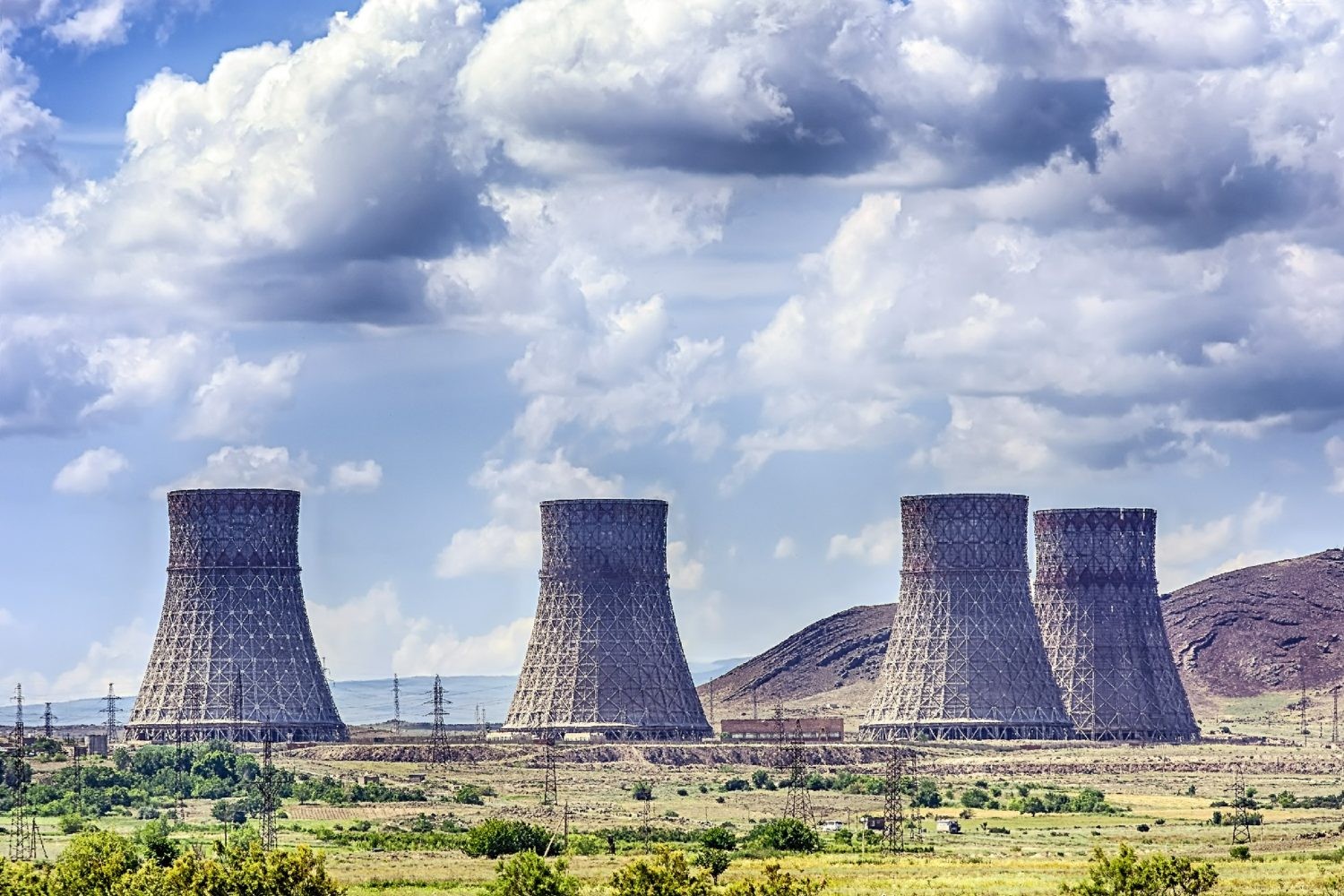
Armenia Responds to Claims of Metsamor NPP Closure: Operating License Valid Until 2036
In response to Azerbaijani President Ilham Aliyev's claims that the Metsamor Nuclear Power Plant is outdated and could pose a potential threat to the region, Arman Yeghoyan, a lawmaker from Armenia's ruling Civil Contract party, stated that the operating lifetime of a nuclear power plant is not unilaterally determined by the governments of neighboring countries. Yeghoyan noted that every nuclear power plant has an established operating period, and the Metsamor NPP is currently authorized to operate for a maximum term extending to 2036, information that has long been public. He also stated that the Armenian side has announced it is studying options for building a new nuclear power plant...
2026-08-14
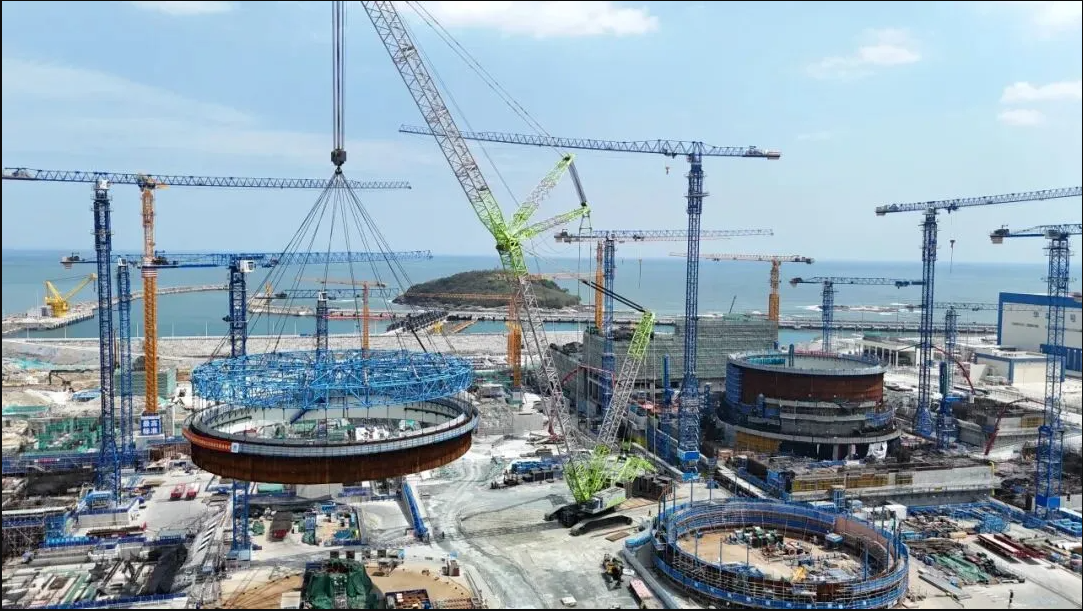
Module 5 of Containment Steel Liner Successfully Lifted at Unit 3 of Guangdong Taipingling Nuclear Power Plant
On August 10, the construction of Unit 3 at CGN's Guangdong Taipingling Nuclear Power Plant reached a critical milestone. A Zoomlion 2,000-tonne crawler crane, serving as the core lifting main force, successfully completed the precise positioning of Module 5 of the containment steel liner. This lifting operation involved significant technical challenges and demanding working conditions. The steel liner Module 5 weighed nearly 280 tonnes, with a component diameter of 45 meters, a height of nearly 6 meters, and a wall thickness of only 6 millimeters, making it a typical ultra-large thin-walled flexible component. The module's lateral windward area exceeded 300 square meters, making it susceptible to wind-induced sway during lifting, which imposed extremely high requirements on the crane's operational stability, control precision, and heavy-load adaptability. The Zo...
2026-08-14
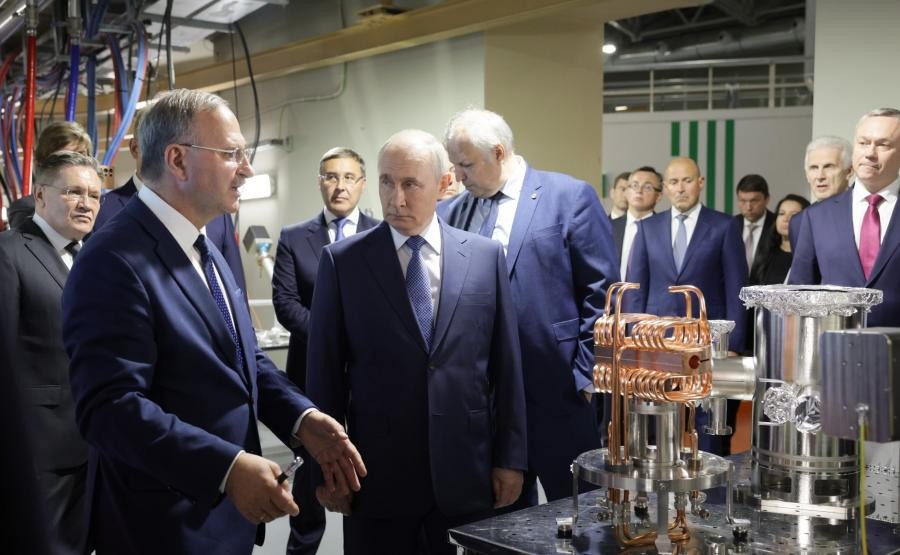
Russia's SKIF Synchrotron Radiation Facility Hailed as a Milestone for Russian Science
On August 13, Russian President Vladimir Putin visited the Koltsovo Science City in Novosibirsk to learn about the operating principles of the Siberian Circular Photon Source (SKIF), a shared-use center. This center is the first facility in a network of modern synchrotron radiation sources being built in Russia, with construction efforts incorporated into the national development program for synchrotron and neutron research and related research infrastructure, covering the period through 2030 and beyond. It was reported that SKIF, with its high-brightness, high-intensity X-ray beams, can serve high-level research in fields such as chemistry, physics, materials science, biology, geology, archaeology, and paleontology. Officials also noted that...
2026-08-14