
Search Results
Keyword:Al
UK Interim Report on Fission Materials Roadmap Highlights New-Generation Nuclear R&D Priorities
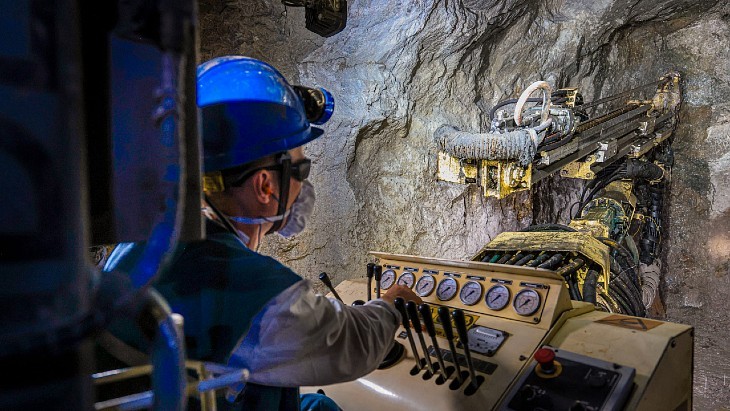
The UK National Nuclear Laboratory (UKNNL) and the Henry Royce Institute recently released the "UK Fission Materials Roadmap Interim Report." The report states that the UK needs to clarify as soon as possible the priority technology routes and operating environments for next-generation nuclear reactors, so as to concentrate materials research resources on key directions and support future nuclear power development. The report argues that the UK should decide within the next one to two years whether to build a domestic materials test reactor; within the next five years, the government should also establish a national materials archive to preserve irreplaceable irradiated material samples. The report also recommends making long-term funding commitments of at least five years for relevant research projects...
2026-07-31
Japan Atomic Industrial Forum Chairman: Overseas SMR Projects Help Sustain Supply Chain, but Japan Still Needs to Build New Nuclear Plants
Hideki Masui, Chairman of the Japan Atomic Industrial Forum (JAIF), stated on May 31 that Japanese companies are playing a significant role in global small modular reactor (SMR) projects through design and equipment supply, but the long-term maintenance and development of Japan's nuclear technology base ultimately requires the construction of new nuclear power plants domestically. At a regular press conference, Masui reviewed international developments in the SMR field. He noted that approximately 30 countries currently use nuclear energy, and about 20 countries are studying the deployment of SMRs in some form. Projects involving Japanese companies include GE Vernova Hitachi Nuclear Energy's BWRX-300 and NuScale Power's VOYGR SMR, whi...
2026-06-06
Russia says its nuclear power plant designs can adapt to construction requirements in seismically active regions
On June 25, Dmitry Ivanov, Chief Engineer of the Atomenergoproekt Integrated Design Institute under the engineering division of Rosatom, stated that Rosatom incorporates seismic requirements into its nuclear power plant designs, enabling relevant units to be constructed and operated in seismically unstable regions. Ivanov noted that Rosatom is currently building or overseeing the construction of nuclear power plants in Russia as well as in India, Bangladesh, Hungary, Egypt, Turkey, and Iran. The seismic impacts faced by different project sites vary, with some regions potentially experiencing higher seismic intensity. Drawing on experience from past projects, the company implements corresponding seismic resistance into nuclear power plant designs in accordance with regulatory document requirements to ensure safe plant operation.
2026-06-26

South Korean Presidential Office: Expanding Renewable Energy Does Not Mean Abandoning Nuclear Power; New Nuclear and SMR Projects Already Decided
On July 3, Kim Woo-chang, Secretary for National AI Policy at the South Korean Presidential Office, responded on a program to external concerns over the power supply capacity of the semiconductor cluster in the Honam region, stating that the southwestern region of South Korea already possesses sufficient renewable energy conditions, with further room for expansion in the future. Kim Woo-chang said that South Korea's power generation resources are generally concentrated in the southwestern region, the Busan–Ulsan–Gyeongnam area, and the vicinity of nuclear power plants in Gangwon-do; the Seoul metropolitan area and central regions such as Chungcheong-do rely primarily on transmission networks for electricity. Therefore, locating large-scale power-consuming projects near power sources is one of the realistic options. In response to whether renewable energy alone is sufficient to support the semiconductor industry...
2026-07-03

Rosatom Says Small Nuclear Power Development Requires Regulatory Reform
Rosatom Director General Alexey Likhachev said on July 5 that if Russia hopes to maintain its global leadership in the small nuclear power market, nuclear regulations and standards also need to keep pace with technological changes, particularly by revisiting the licensing and approval process for small nuclear power plants. In an article published in the Rosatom Corporate Newspaper, Likhachev stated that small nuclear power plants are expected to become a significant new form of energy in the coming decades, but their deployment still faces considerable regulatory challenges. Due to the relative novelty of such facilities to regulators, approval approaches tend to be cautious. He believes that accelerating the licensing and construction process while ensuring safety has become a task of national importance.
2026-07-06
Chinese Jinshui River study reveals seasonal variations affect nitrogen removal capacity of forest streams
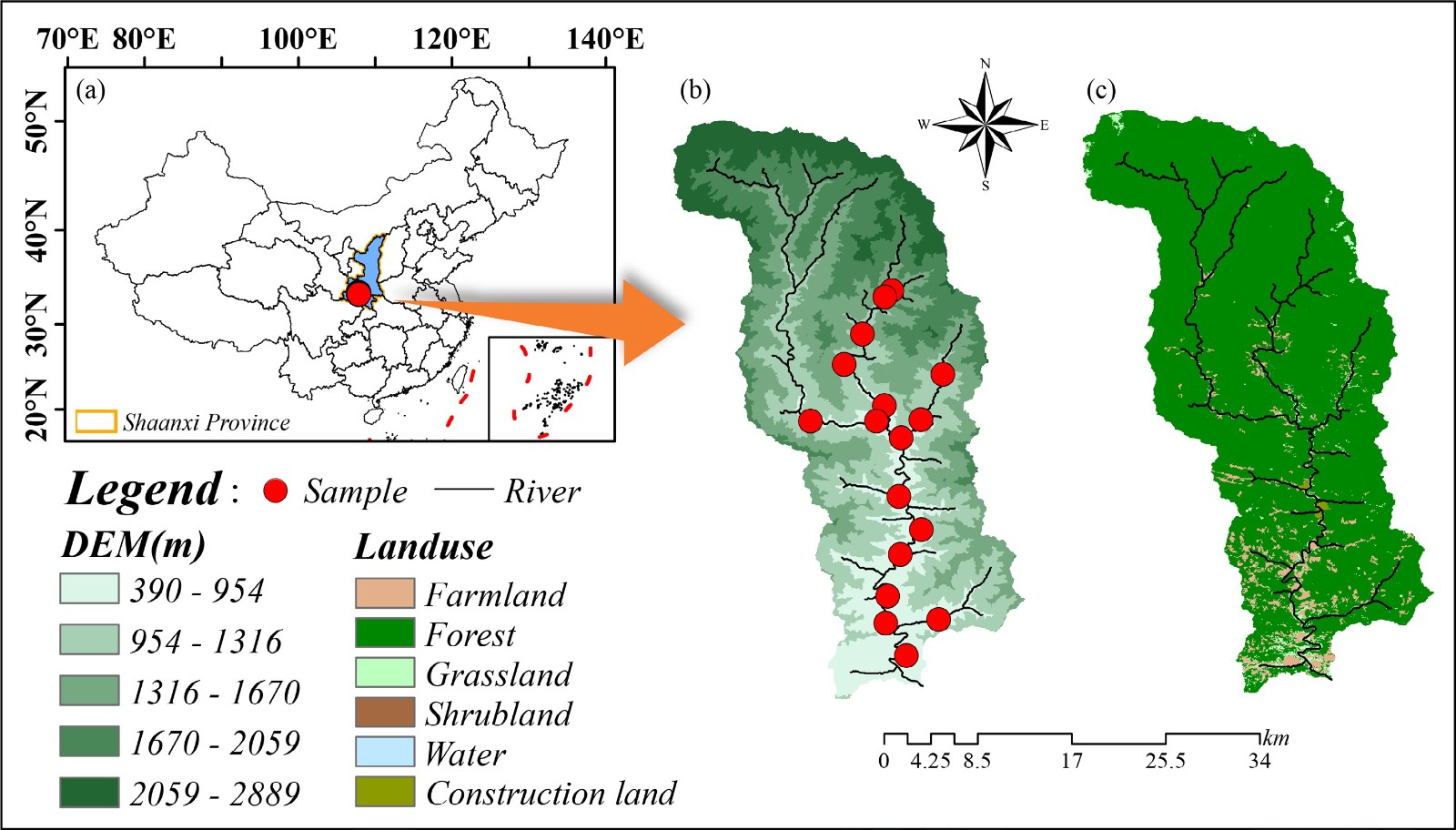
A new study shows that the capacity of forest streams to remove excess nitrogen varies with the seasons, influenced by different environmental factors in summer and winter respectively. This finding suggests that water quality management in forest watersheds needs to give greater consideration to seasonal differences. Figure 1. Location of study sites along the Jinshui River. (a) Watershed location; (b) Watershed topography and sampling point distribution; (c) Watershed land use types. Researchers focused on the Jinshui River in central China, analyzing water and surface sediment samples from 18 sites along forested riparian zones. The study combined nitrogen-15 isotope tracing, remote sensing monitoring, water and sediment chemical measurements, and microbial-based...
2026-07-31

U.S. Research Team Tracks Main Drivers of Global Methane Rise Using Stable Isotope Analysis
A research team from the U.S. National Oceanic and Atmospheric Administration Global Monitoring Laboratory and the University of Colorado has recently traced the sources of the rapid rise in global atmospheric methane since 2007 through high-precision methane concentration measurements and carbon and hydrogen stable isotope analysis. The findings show that over the past two decades, microbial emissions have been the primary factor driving the increase in methane concentrations, while fossil fuel-related methane emissions may have remained relatively stable overall. A methane molecule consists of one carbon atom and four hydrogen atoms, and methane from different sources differs in its carbon and hydrogen isotope composition. Researchers used this chemical fingerprint to distinguish methane sources: fossil fuel methane such as natural gas typically contains a relatively higher proportion of carbon-13, while methane produced by microbial processes in wetlands, landfills, livestock, and agricultural environments has a lower carbon-13 proportion, exhibiting a "lighter" isotopic signature. The proportion of deuterium in hydrogen isotopes also varies with the way methane is formed, providing a further basis for source identification.
2026-07-31

Mangoceuticals to Merge with Nuclea to Advance Morpheus Microreactor to Market
Mangoceuticals announced on July 30 that it has signed a definitive business combination agreement with advanced nuclear technology company Nuclea Energy Inc., aiming to bring the latter's Morpheus microreactor to the public capital markets. Nuclea was founded in August 2023 and is headquartered in Mississauga, Ontario, Canada, focusing on the development of lead-cooled, factory-fabricated micro-modular reactors. Under the agreement, a newly formed subsidiary of Mangoceuticals will merge with Nuclea, and the combined company will operate as an indirect wholly owned subsidiary of Mangoceuticals. Upon completion of the transaction, holders of Nuclea common shares will receive...
2026-07-31
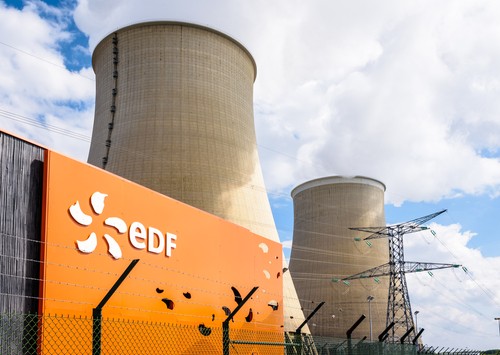
EDF plans to bring in investors for Nuward small modular reactor project by end of 2026
French utility EDF said on July 30 that it plans to bring in investors for its Nuward small modular reactor project by the end of 2026. The company stated that the related financing arrangements will be centered around European customers and industrial partners to support the development of a batch of initial reactors better aligned with user needs. Small modular reactors have not yet entered large-scale commercial production, but multiple companies worldwide are advancing the deployment of related technologies. Supporters believe that compared with traditional large nuclear power units, small modular reactors offer greater flexibility in deployment methods, application scenarios, and low-carbon energy supply. EDF is a state-owned French power company operating 57...
2026-07-31

ITER Organization Director-General Attends Aix Economic Forum to Discuss Complexity Management of Pioneering Strongly-Coupled Mega-Projects
From July 2 to 4, the Aix Economic Forum (Les Rencontres Économiques d’Aix) was held in Provence, France, under the annual theme "Navigating a World of Uncertainty." Pietro Barabaschi, Director-General of the ITER Organization, was invited to attend the forum, where he presented the ITER Project and its pivotal role in addressing future energy challenges. His remarks centered on two core themes—climate change and the energy crisis—covering topics such as mega-project management experience and the development of the global fusion industry. As the world's first fusion verification experimental reactor, ITER's core mission is to validate the engineering feasibility of fusion power generation, paving the way for subsequent demonstration fusion power plants...
2026-07-15
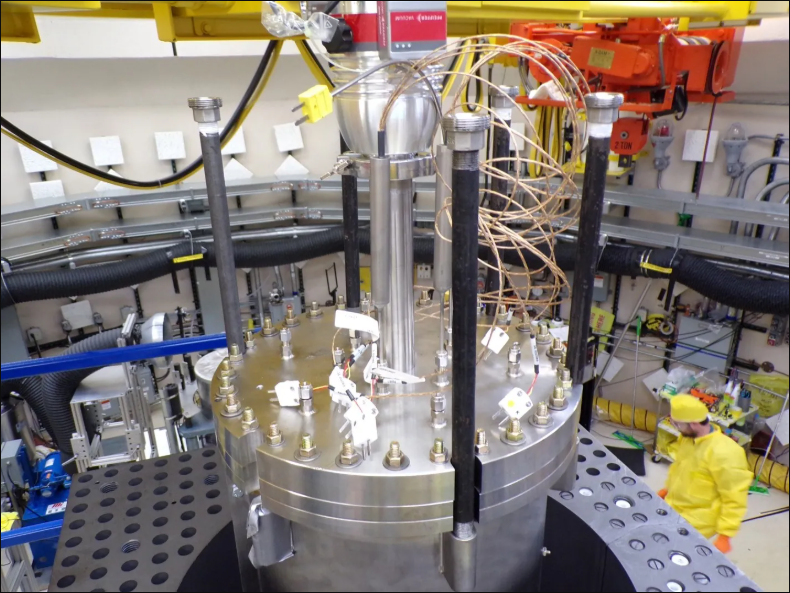
ZiaCore Microreactor Achieves Criticality in High-Temperature Zero-Power Experiment
Los Alamos National Laboratory announced on July 30 that its ZiaCore microreactor design has completed a high-temperature zero-power criticality proof-of-principle experiment at the National Criticality Experiments Research Center (NCERC) in Nevada, successfully achieving initial criticality. ZiaCore is an advanced nuclear energy microreactor design that uses low-enriched uranium dioxide fuel. The experiment lasted approximately four weeks from April to May this year, advancing the ZiaCore system to zero-power criticality under high-temperature conditions. According to the reactor design and verification process, zero-power criticality experiments can be used to validate the effectiveness of reactor physics designs, providing key benchmark data for subsequent engineering development.
2026-07-31
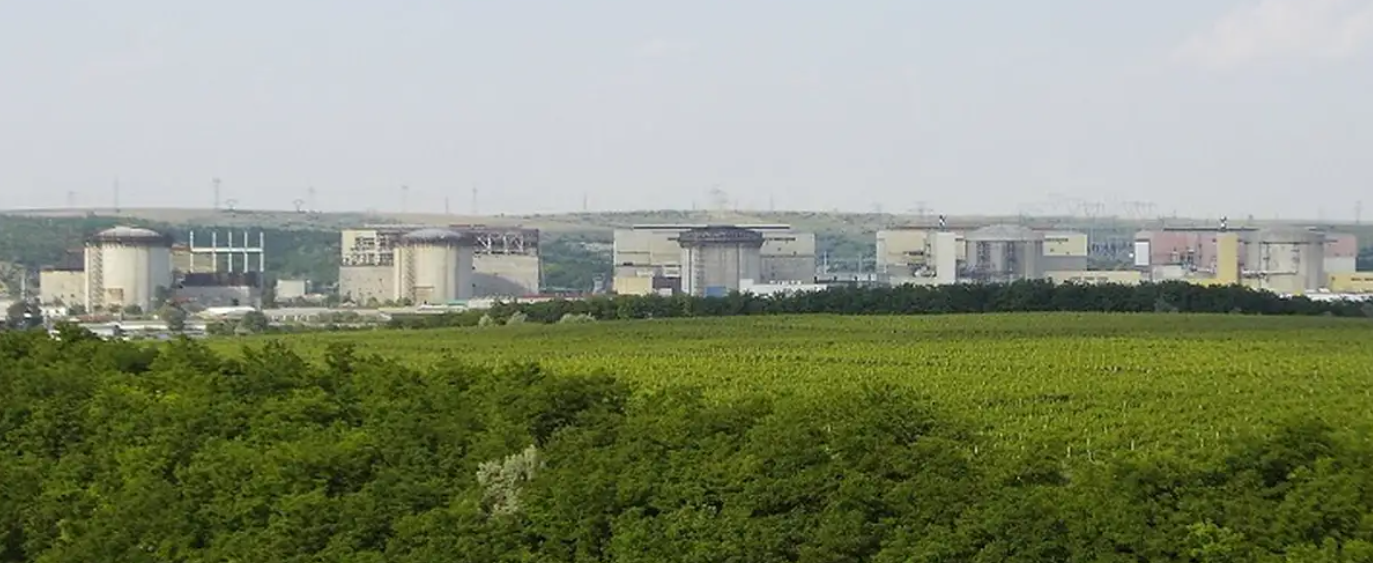
Unit 2 of Romania's Cernavoda Nuclear Power Plant not to shut down temporarily due to low Danube water level
Romania's National Nuclear Power Company (Nuclearelectrica) stated on July 30 that Unit 2 of the Cernavoda Nuclear Power Plant will continue to operate connected to the grid. Previously, the company had warned that the unit, located in Constanța County in southeastern Romania, might need to shut down due to the low water level of the Danube River. The company said that based on an operational analysis completed the previous night, experts believe the currently obtained relevant parameters allow Unit 2 to continue operating under safe conditions. Therefore, the unit will remain connected to Romania's national power system. Nuclearelectrica also stated that technical personnel will continuously monitor and analyze the plant's operating parameters. Given the subsequent hydrological forecasts for the Danube water level...
2026-07-31
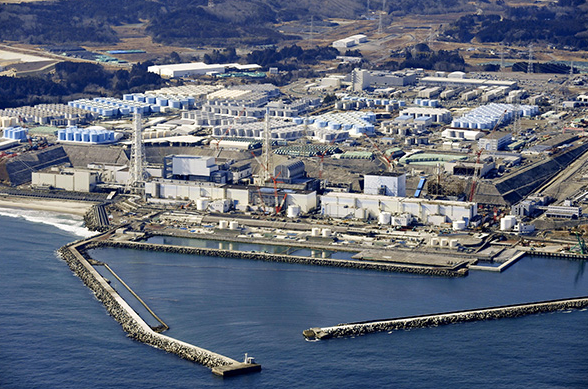
Third fuel debris retrieval test at Fukushima Daiichi Unit 2 postponed due to robotic arm malfunction
The robot used by Tokyo Electric Power Company (TEPCO) for the third experimental fuel debris retrieval at Fukushima Daiichi Nuclear Power Station Unit 2 malfunctioned during an on-site operational test, forcing the cancellation of the plan originally scheduled to start after July 2026 if all went well. The company stated it will reassess the relevant procedures. The malfunction occurred in part of the large robotic arm equipment used to collect fuel debris. During an operational test in the reactor building of Unit 2, TEPCO found an abnormality in one of the motors driving the robotic arm, causing the brake to fail to release and the arm to be unable to extend. The company is currently studying the replacement of the faulty motor. The third experimental retrieval plan was to use a large robotic arm...
2026-07-31
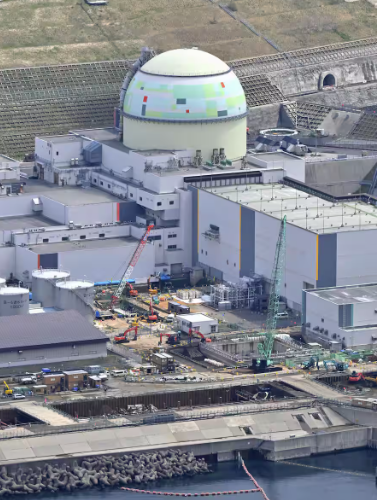
Restart of Tomari Nuclear Power Plant Unit 3 Delayed to After End of 2027
Hokkaido Electric Power Co. announced on July 30 that the restart of Unit 3 at the Tomari Nuclear Power Plant will be significantly delayed compared to earlier expectations, with the earliest possible date being the end of 2027 or later. Previously, the company had set a target of restarting as early as possible within 2027, but due to delays in the seawall construction project and the fact that the Nuclear Regulation Authority (NRA) has not yet completed its review of the relevant design and construction plans, the timeline for the unit's return to operation remains uncertain. Hokkaido Electric Power President Susumu Saito stated at a press conference that the seawall at the Tomari plant was originally scheduled for completion in the spring of 2027, but is now expected to be finished by mid-August 2027 due to additional work such as seismic reinforcement of the wharf and liquefaction countermeasures...
2026-07-31

Bulgarian Expert Says Belene NPP Restart Technically Feasible
Bulgarian energy expert Bogomil Manchev recently stated that the long-dormant Belene NPP project remains technically viable for restart. If Bulgaria and Ukraine jointly participate in financing and establish a co-ownership mechanism, the project could become a new nuclear power project built through bilateral cooperation. Manchev believes that Ukraine will still face significant electricity demand for a long period in the future. If funding can be secured for the project, Bulgaria could proceed with nuclear power plant construction at the original Belene site. His proposed options include joint financing and co-ownership by both countries, or Ukraine signing a long-term power purchase agreement to support project financing...
2026-07-23