
Search Results
Keyword:B
German BESSY II Research Reveals: Cesium Chloride Seed Layer Can Improve Quality of Perovskite-Silicon Tandem Solar Cells
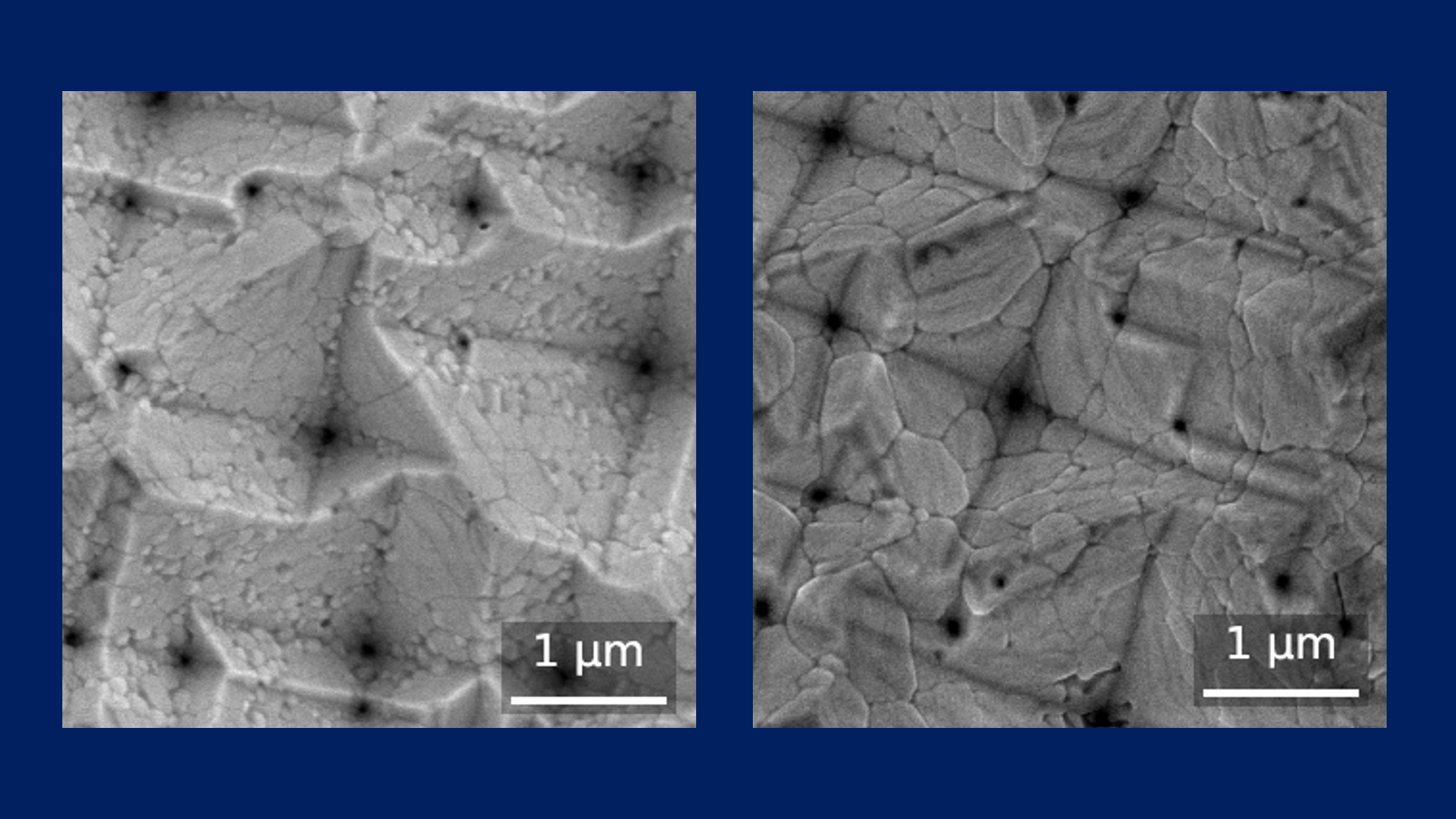
A team from the Helmholtz-Zentrum Berlin (HZB) in Germany used the BESSY II synchrotron radiation facility to conduct nanoscale analysis of perovskite-silicon tandem solar cells fabricated by evaporation methods, and proposed a new approach to improve the quality of perovskite thin films. The study shows that introducing a thin cesium chloride (CsCl) seed layer between the two sub-cells promotes uniform growth of the perovskite layer while reducing undesirable lead iodide deposition at the interface. The research demonstrates that the cesium chloride seed layer improves the growth of the evaporated perovskite layer and reduces the formation of lead iodide. Scanning electron microscopy images show that the perovskite layer grown without a seed layer (left image) consists of extremely fine crystallites...
2026-08-27

Tohoku University and Rigaku Establish Joint Research Institute for X-ray Metrology
Tohoku University and Rigaku Corporation, a subsidiary of Rigaku Holdings Group, recently announced that they established the "Rigaku-Tohoku University X-ray Metrology Co-Creation Research Institute Beyond The Limits" on August 1, 2026, and commenced joint research. The institute will operate for a period of three years, until July 31, 2029, with the possibility of extension based on research outcomes. According to the announcement, the new institute will focus on upgrading X-ray metrology technologies, establishing new measurement methods, and nurturing the next generation of researchers. As semiconductor devices continue to shrink in size while becoming increasingly multi-layered and multi-material in composition, manufacturing processes are growing more complex, driving rising demand for high-precision, non-destructive evaluation of materials and structures. Existing measurement methods face limitations in evaluating fine structures and precisely analyzing depth-direction structures, making the development of new approaches such as soft X-ray techniques an important direction.
2026-08-27
Huzhou, Zhejiang Launches Phase I "Drug-Device Combination" Clinical Trial for the Province's First BNCT System
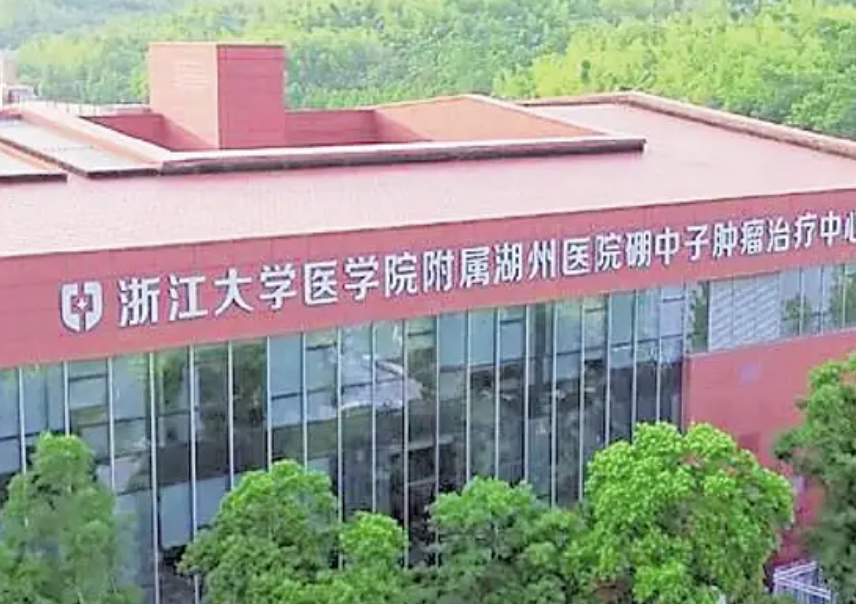
Recently, the Boron Neutron Tumor Treatment Center at Huzhou Hospital Affiliated to Zhejiang University School of Medicine has drawn attention with the introduction of the province's first Boron Neutron Capture Therapy (BNCT) system. Previously, the system had already initiated a Phase I BNCT drug-device combination clinical trial. According to the system developer, Huapeng Neutron Technology (Hangzhou) Co., Ltd., BNCT is a radiotherapy technique combining drugs and devices, with its core lying in the coordinated use of boron-containing drugs and neutron irradiation. After entering the human body, the boron-containing drug can be absorbed by tumor cells; subsequent neutron beam irradiation triggers a localized reaction to achieve targeted radiotherapy against tumor cells. Unlike conventional radiotherapy, which typically employs fractionated irradiation over a longer treatment course, BNCT emphasizes selective targeting of tumor cells, aiming to reduce damage to surrounding healthy tissues and lower radiotherapy-related side effects such as hair loss and immunosuppression.
2026-08-27

NSF Funds $30 Million Turbulence Research Center Focused on Predictive Modeling for Fusion Energy
The U.S. National Science Foundation (NSF) has established a new Science and Technology Center with a total funding of $30 million, focusing on the understanding and prediction of turbulence. The project targets application scenarios such as fusion energy, astrophysics, and hypersonic flight, aiming to tackle the challenges of cross-scale turbulence modeling and prediction in complex physical systems. Researchers and students from San José State University (SJSU) will participate in the related research. This is a three-dimensional simulated turbulent velocity field at the core collapse point of a massive star before a supernova explosion. Image credit: S. Couch, based on research by Fields and Couch published in The Astrophysical Journal, Volume 921, Page 28.
2026-08-27

Iran Says Nuclear Fusion to Become Priority in Nuclear Industry Development
At a national Government Week celebration ceremony held in Tehran, Mohammad Eslami stated that developing nuclear fusion is a priority direction for the future of Iran's nuclear industry. Iran needs to rely on its domestic capabilities, knowledge-based enterprises, and universities to drive progress in related fields. Eslami said that the innovation network of the Atomic Energy Organization of Iran (AEOI) is providing support for nuclear fusion activities, shifting related work from the technology demonstration stage further toward system development and capacity building. He also stated that the establishment of the Non-Destructive Testing (NDT) training center is an initiative to enhance industrial quality, promote technological advancement, and cultivate domestic professional expertise...
2026-08-27

Bangladesh Highlights Potential of Nuclear Technology for Maritime Applications at ATLAS Ministerial Meeting
On August 26, local time, Bangladesh's Minister of Science and Technology, Faqrul Mahbub Anam, stated at the 2026 Ministerial Launch of the Licensing of Atomic Technology for Marine Applications (ATLAS) held in Washington, D.C., USA, that Bangladesh is committed to responsible participation in the global nuclear dialogue and believes that emerging nuclear technologies hold significant potential in the field of maritime applications. Anam stated that in the face of challenges such as climate change, energy security, and growing energy demand, the importance of nuclear energy in reducing emissions and ensuring reliable energy supply is rising. Advanced nuclear technologies, including Small Modular Reactors (SMRs), can provide stable low-carbon electricity and support economic growth, poverty reduction...
2026-08-27
Bulgarian Environmental Groups Demand Public Review of Water Engineering Project Near Kozloduy Nuclear Power Plant
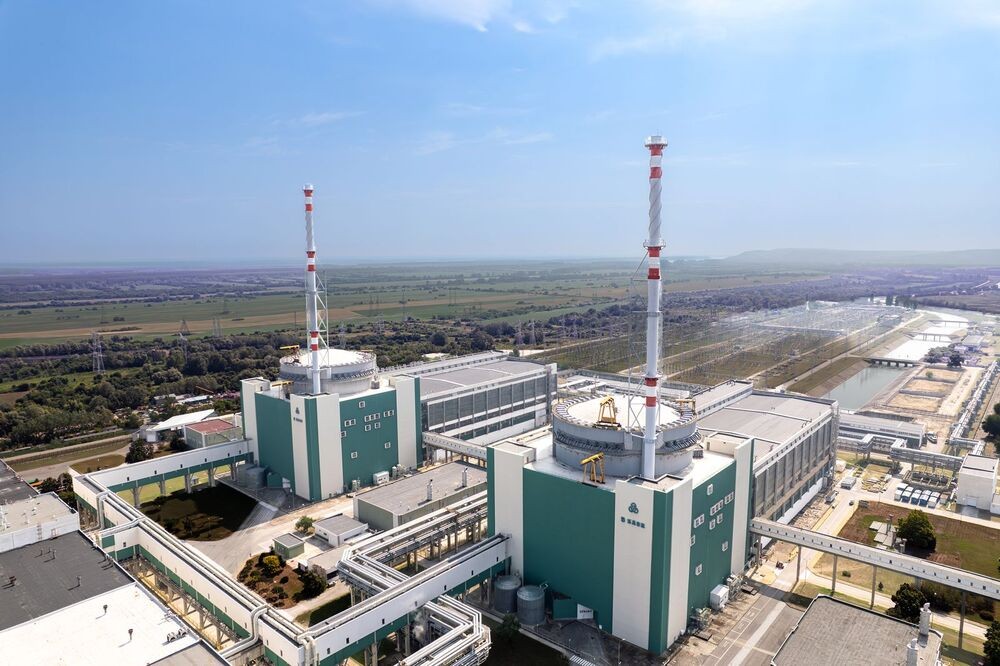
WWF Bulgaria has called for the prompt public disclosure of the technical plans and final design selection for the proposed hydraulic structures near the Kozloduy Nuclear Power Plant, as well as for public discussions to be organized before construction work begins in the Danube riverbed. The organization stated that the purpose of the proposed project is to raise local water levels during prolonged droughts and historically low Danube water levels, ensuring the stable operation of the Kozloduy Nuclear Power Plant's cooling system. The organization has sent an open letter to Bulgaria's Minister of Energy, Minister of Transport and Communications, and Minister of Environment and Water, raising these demands. WWF Bulgaria noted that the Danube is an international waterway, and any engineering intervention involving the riverbed requires careful assessment of environmental, socio-economic, hydro-morphological, and transboundary impacts. Given the complexity of the factors involved in the project, relevant analyses, model results, and design justifications should be made public in a timely manner and subjected to transparent public discussion.
2026-08-27

Malaysia Advances Nuclear Energy Workforce Planning Capacity Building
The International Atomic Energy Agency (IAEA) recently held a national workshop on nuclear energy human resource planning in Malaysia to help the country enhance its workforce forecasting and capacity building for existing and future nuclear applications. The workshop was held from 17 to 21 August 2026 over five days, with participants from MyPOWER Corporation, the Malaysian Nuclear Agency, regulatory bodies, national utilities, and academic and training institutions. The five-day workshop was held in Malaysia from 17 to 21 August 2026, with participants including representatives from MyPOWER Corp...
2026-08-27
Thailand Plans to Include Small Modular Reactors in Power Development Plan, Targeting 9 GW by 2050
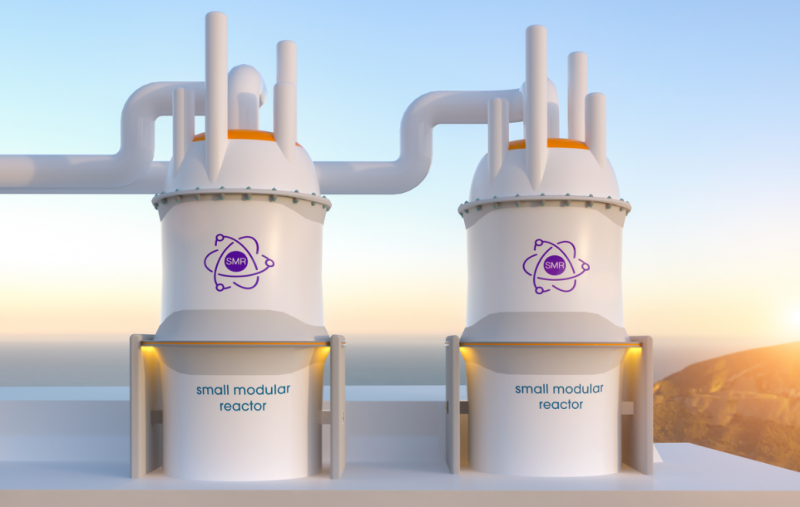
Thailand's new draft Power Development Plan (PDP) is expected to be released in September and enter the public consultation phase. All four power supply scenarios under discussion incorporate small modular reactors (SMRs) and large-scale energy storage systems, covering the planning period from 2026 to 2050. According to the draft's vision, Thailand plans to connect its first 300 MW-class small modular reactor to the national power grid by 2037, with nuclear power installed capacity reaching 9,000 MW by 2050. Based on a single-unit capacity of 300 MW, this target is roughly equivalent to approximately 30 reactors of similar scale, though the actual number may be adjusted depending on technology pathways and electricity demand. The main objectives of the new plan include reducing greenhouse...
2026-08-27

KHNP Advances Nuclear Process Heat-Based Hydrogen Production Ecosystem
Korea Hydro & Nuclear Power (KHNP) held a preparatory meeting in Daejeon on August 26 to establish an advisory body for building the Korean solid oxide cell industrial ecosystem, and discussed R&D strategic alliances and industry-academia-research cooperation frameworks. The collaboration will bring together industry, academia, and research institutions, including the Korea Institute of Ceramic Engineering and Technology (KICET). KHNP plans to use the advisory body as a platform to connect R&D, demonstration, and commercialization, promoting the self-reliance of Korean solid oxide cell (K-SOC) related technologies. According to the meeting agenda, KHNP will serve as the lead enterprise, proposing technology development directions needed for demonstration applications and commercialization; the Korea Institute of Ceramic Engineering and Technology will play a supporting role in supplying core industrial technologies.
2026-08-27

Hungary's Paks Nuclear Power Plant Resumes Full-Capacity Operation
Hungary's Paks Nuclear Power Plant has resumed full-capacity operation. Hungarian authorities announced that the plant, which had previously reduced output due to falling water levels in the Danube River, now has all four reactor units and eight turbines operating normally, with electricity generation restored to maximum levels. Located on the banks of the Danube approximately 100 kilometers south of Budapest, the Paks Nuclear Power Plant is Hungary's only nuclear power station. Previously affected by low water levels in the Danube, the plant's water intake conditions for system cooling were constrained, and three units were temporarily impacted with reduced power output. To improve water intake conditions, dike construction was initiated on the riverbed near the plant, with Hungarian experts using thousands of tons of rock and gravel to advance the work, which was completed ahead of schedule.
2026-08-27

UK's Babcock Adds Quest Global to Engineering Services Framework Including Nuclear Energy
Quest Global Engineering Services Limited announced on August 26 that it has been included in Babcock International Group's engineering services framework, further expanding engineering collaboration between the two companies in areas such as nuclear energy. Under the agreement, the engineering services framework has a term of five years. The two parties have been collaborating since 2023 across project areas including nuclear, marine, aviation, land, and mission systems. This inclusion in the framework is seen as part of Babcock's efforts to build closer, longer-term relationships with key suppliers. Gareth Watson, Quest Global's strategic business lead...
2026-08-27

AMPERA and Lawrence Livermore National Laboratory Collaborate to Develop Advanced Nuclear Fuel
AMPERA announced on August 26 that it has established a strategic partnership with Lawrence Livermore National Laboratory (LLNL), which operates under the U.S. Department of Energy (DOE) National Nuclear Security Administration (NNSA) system. The two parties will collaborate on next-generation advanced nuclear fuels, with a focus on applications such as compact nuclear energy systems and subcritical reactor platforms. Under the collaboration arrangement, the two parties will jointly advance the development of manufacturing processes related to tristructural isotropic (TRISO) fuel. Project objectives include improving the reliability, licensability, and scalability of fuel manufacturing,...
2026-08-27

France's n-Floating Floating Nuclear Power Project Receives Nearly One Million Euros in Funding
newcleo announced on August 26 that a consortium led by the company has been selected for a call for projects managed by Bpifrance, the French public investment bank, supporting the decarbonization of France's maritime sector. The consortium will advance research on a floating nuclear power solution called n-Floating, with the project receiving nearly one million euros in funding and an expected duration of approximately 18 months. The n-Floating project aims to validate the relevance and technical feasibility of a new floating nuclear power solution. Under the proposed concept, a non-self-propelled floating unit would carry multiple LFR-AS-200 reactors, each with an electrical output of 200 megawatts. LFR-AS-200 is one of the lead-cooled fast reactor technology lines developed by newcleo.
2026-08-27
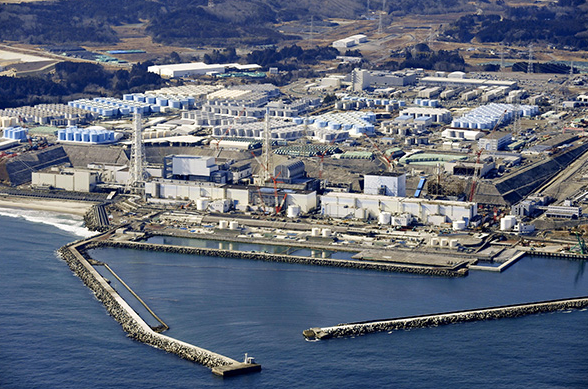
TEPCO replaces faulty motor of robotic arm at Fukushima Daiichi Unit 2
Tokyo Electric Power Company (TEPCO) began replacing the faulty motor of the robotic arm used for fuel debris retrieval trials at Unit 2 of the Fukushima Daiichi Nuclear Power Station on August 26. The robotic arm, approximately 22 meters long, is planned for use in the third fuel debris retrieval trial. During a previous operational inspection inside the reactor building of Unit 2, TEPCO found that the motor driving the robotic arm had malfunctioned, preventing the brake from releasing and the arm from extending. As the robotic arm is already installed on site, workers will enter the "front chamber" in front of the containment vessel to perform the replacement manually. The company stated that radiation levels in the work area will be strictly controlled to prevent workers from receiving excessive exposure. After this replacement, TEPCO will...
2026-08-27