
Search Results
Keyword:C
First Power Transmission Line Commissioned at Smolensk NPP-2 Construction Site
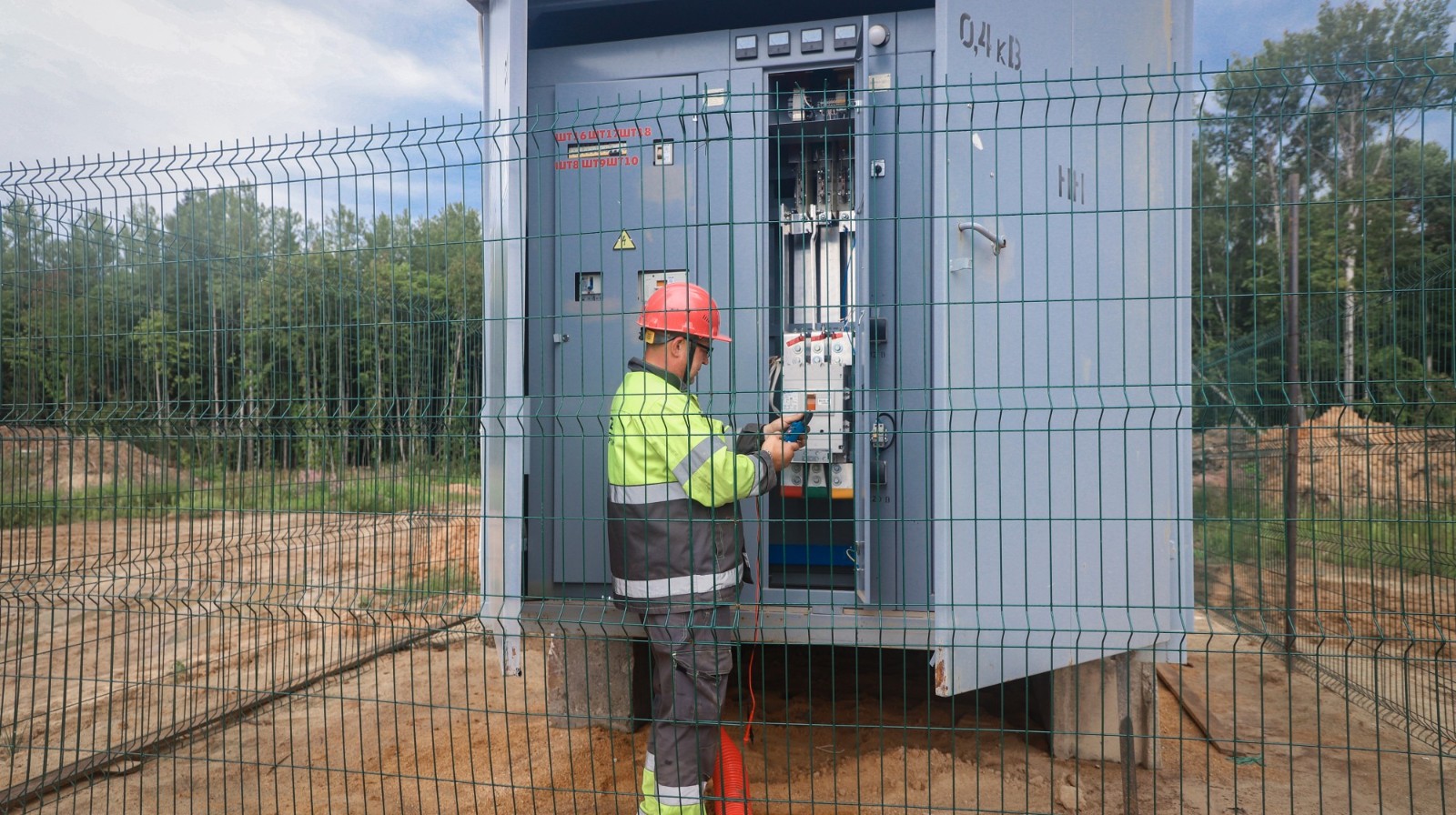
The first power transmission line has been commissioned at the construction site of Russia's Smolensk NPP-2. The line will provide stable power supply and round-the-clock lighting for the construction and installation base, freeing on-site work from natural daylight constraints. According to the project schedule, the construction site is currently connected to the 10 kV grid via a temporary scheme, with a switch to the permanent power supply system planned after the 110/10 kV permanent substation is put into operation. During construction, the contractor laid over 3 kilometers of cable and installed more than 60 transmission line towers under challenging weather conditions. During the construction phase of the installation base, stable power supply plays a fundamental role in project progress. The site needs to complete the construction of rebar module and rebar cage fabrication workshops on schedule, establishing a complete preparation flow from metal processing to finished component delivery. These components will be used directly in the subsequent construction of the main structures of the nuclear power units.
2026-08-18
What "Hardcore" Technologies Lie Behind the Nuclear Power Plants Inspected by the Minister of Ecology and Environment?
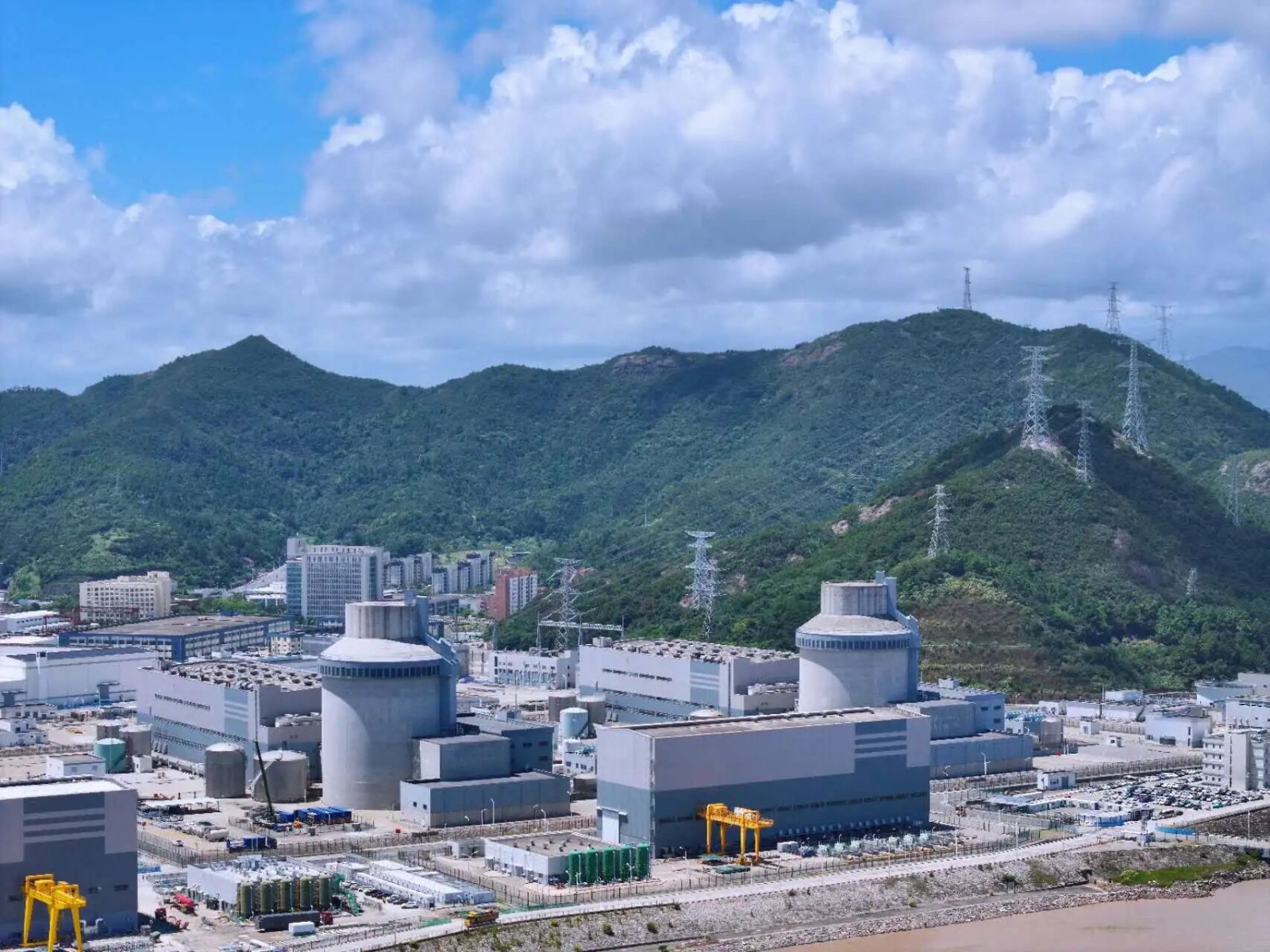
From August 14 to 15, Huang Runqiu, Minister of Ecology and Environment, conducted a research tour on ecological and environmental protection work in Lishui, Taizhou, and Ningbo cities of Zhejiang Province. Actively, safely, and orderly developing nuclear power is an important measure for building a clean, low-carbon, safe, and efficient energy system and for achieving carbon peak and carbon neutrality. Huang Runqiu visited the Sanmen Nuclear Power Plant in Taizhou, going deep into the main control room of the operating unit and the nuclear island building of the unit under construction, to learn in detail about the operating status and construction progress of the nuclear power units, and to express gratitude to the on-site supervision personnel of the East China Nuclear and Radiation Safety Supervision Station. Ensuring the construction quality of nuclear power units is crucial to enhancing the safety level of nuclear power plants. Huang Runqiu then visited the Jinqimen Nuclear Power Plant in Ningbo, where he inspected the nuclear island foundation area to review the construction progress of the plant and engaged in on-site exchanges with nuclear safety supervision personnel.
2026-08-18
China National Nuclear Power Deeply Studies and Practices the Ecological Environment Code, Undertaking the Historic Mission of Green and Low-Carbon Energy Transition
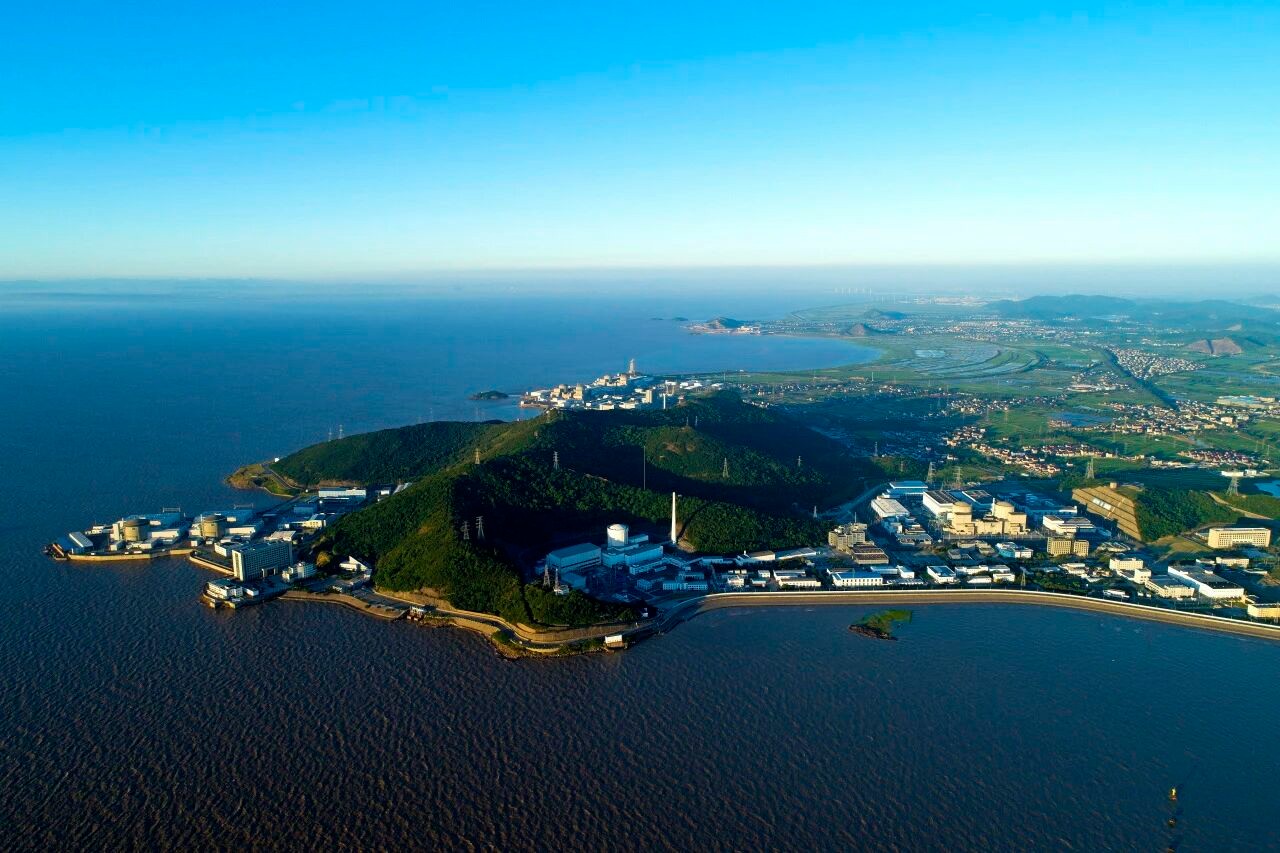
The Ecological Environment Code of the People's Republic of China (hereinafter referred to as the Ecological Environment Code) officially came into effect on August 15, 2026. The Ecological Environment Code is an important achievement in implementing Xi Jinping's Thought on Ecological Civilization and Xi Jinping's Thought on the Rule of Law. It is the second law in China named after a "Code" following the Civil Code of the People's Republic of China, providing solid legal safeguards and fundamental legal guidance for the construction of a Beautiful China. China National Nuclear Power Co., Ltd. (hereinafter referred to as China National Nuclear Power), as a main force in China's nuclear energy development and an important force in achieving the "dual carbon" goals, deeply implements the Ecological Environment Code, practices the concept of green development, contributes safe and clean energy, and empowers the construction of a Beautiful China...
2026-08-18
US FRIB Research Reveals Low-Energy Gamma-Ray Enhancement Originates from Nuclear Magnetic Transitions
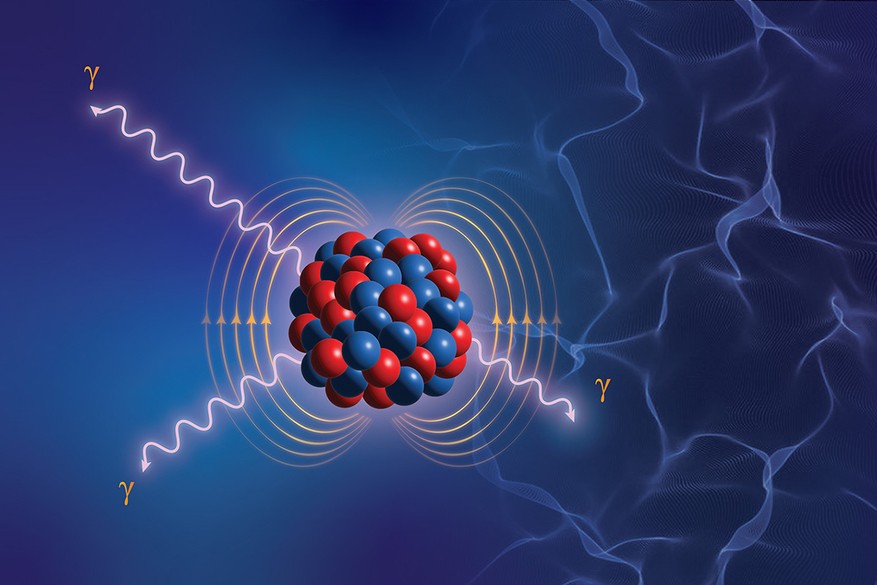
An international research team led by the US Facility for Rare Isotope Beams (FRIB), with participation from Lawrence Livermore National Laboratory (LLNL) and other institutions, recently published findings in Nature that explain a long-standing question in nuclear physics: why some atomic nuclei emit anomalously high numbers of low-energy gamma rays. Image: FRIB Gamma rays are a type of electromagnetic radiation. Excited atomic nuclei release gamma rays during radioactive decay, gradually returning to lower, more stable energy levels. Over the past few decades, scientists have discovered that certain nuclei exhibit a low-energy enhancement phenomenon, where the number of low-energy gamma rays emitted exceeds expectations. However, this phenomenon is not universal, and its occurrence is theoretically difficult to predict.
2026-08-18
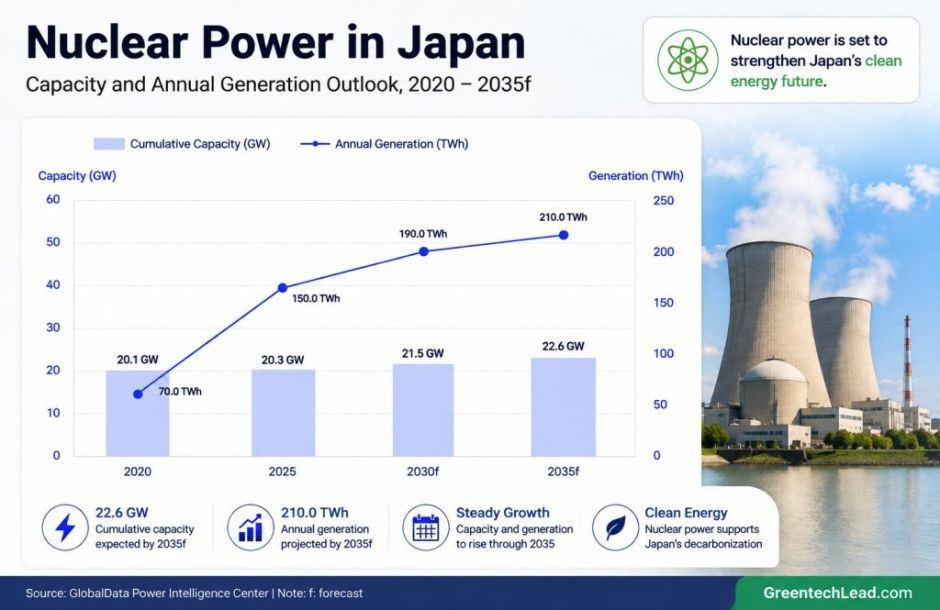
Japan's Nuclear Power Revival Enters Supply Chain Rebuilding Phase, with Spent Fuel and Engineering Capacity as Key Constraints
As Japan advances energy security, reduces dependence on fossil fuel imports, and expands low-carbon electricity supply, the focus of the country's nuclear power market is shifting from mere reactor restarts to a comprehensive supply chain rebuild covering manufacturing, operations and maintenance, life extension, fuel cycle, and waste management. GlobalData estimates Japan's nuclear power generation at 101.0 TWh in 2025 and projects it to increase to 123.3 TWh by 2035. Japan's policy target is to maintain nuclear power at approximately 20% to 22% of the electricity generation mix. Based on total annual electricity demand of approximately 1,050 TWh, a 20% nuclear share corresponds to about 210 TWh, while a 22% share corresponds to about 231 TWh. Compared with the 2025 nuclear generation figure of 101.0 TWh, the estimated gap is approximately 109 TWh to 130 TWh.
2026-08-18

Fresh nuclear fuel delivered for Reactor 1 of the Akademik Lomonosov floating nuclear power plant
The fuel division of Russia's State Atomic Energy Corporation (Rosatom) has delivered a batch of fresh nuclear fuel to Pevek, Chukotka Autonomous Okrug, for Reactor 1 of the Akademik Lomonosov floating nuclear power plant. The plant, which is part of Rosatom's power division, is currently the only operating floating nuclear power plant in the world. The fuel was produced by Machine-Building Plant Joint-Stock Company (MSZ JSC) in Elektrostal, Moscow Oblast. Prior to delivery to the plant, the fuel assemblies had undergone acceptance testing and technical inspections, and received certification from the Russian Maritime Register of Shipping, the authority responsible for acceptance certification of nuclear fuel for marine reactor units.
2026-08-18
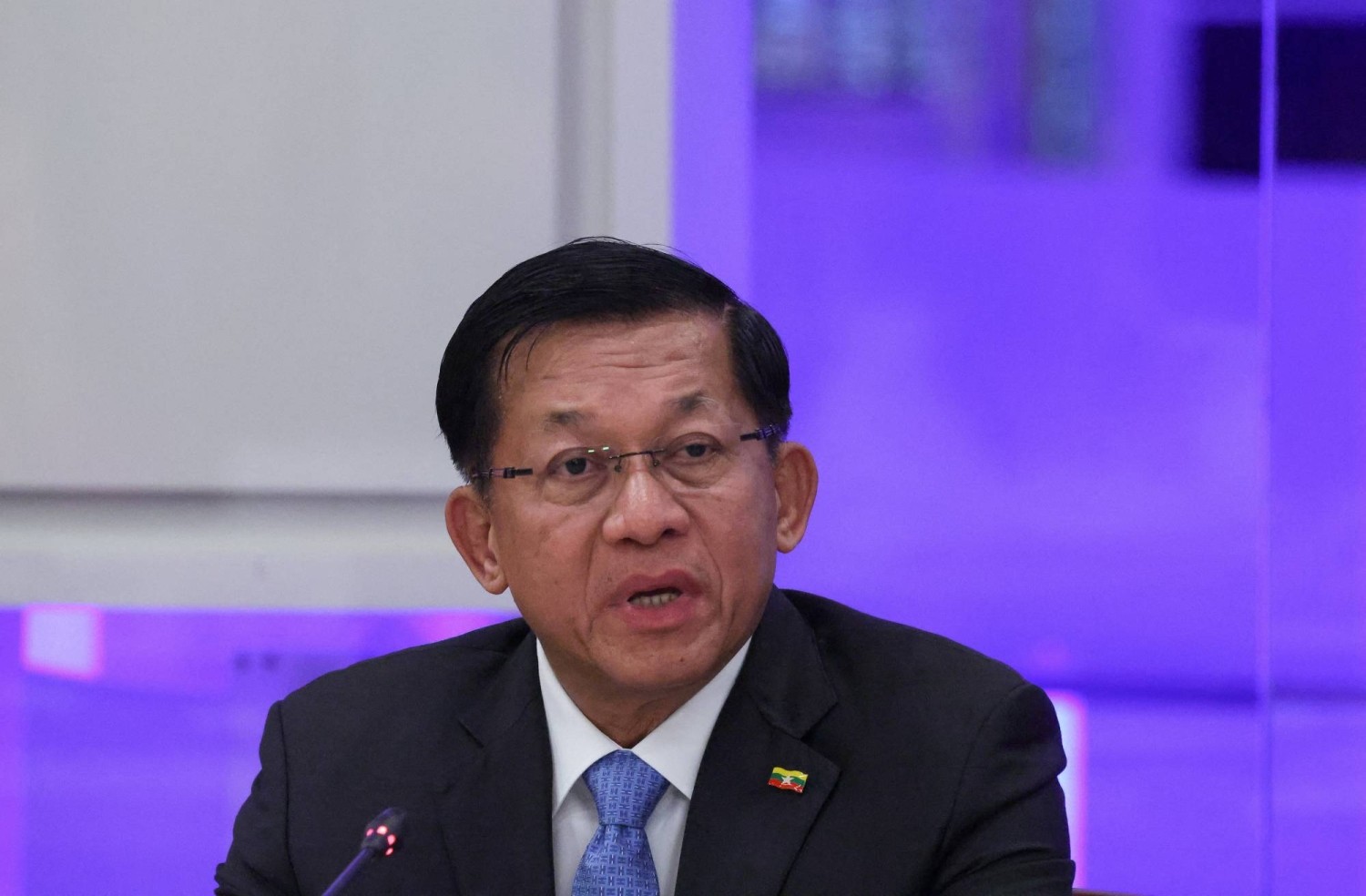
Myanmar Leader's Visit to Russia to Attend Bilateral Business Forum, Small Nuclear Power Plant Cooperation Draws Attention
According to Myanmar state media, Myanmar's leader Min Aung Hlaing departed for Russia on August 17 for an official visit. This is his first official visit to Russia since assuming the presidency in April this year, and the fifth country he has visited since taking office. Nuclear energy cooperation is one of the key areas in Myanmar-Russia economic, trade, and energy cooperation in recent years. In 2025, during formal talks between Min Aung Hlaing and Russian President Vladimir Putin in Moscow, the two countries signed an agreement to build a small nuclear power plant in Myanmar. Relevant reports did not disclose the project's installed capacity, site selection, technical route, or construction timeline. Russia...
2026-08-18
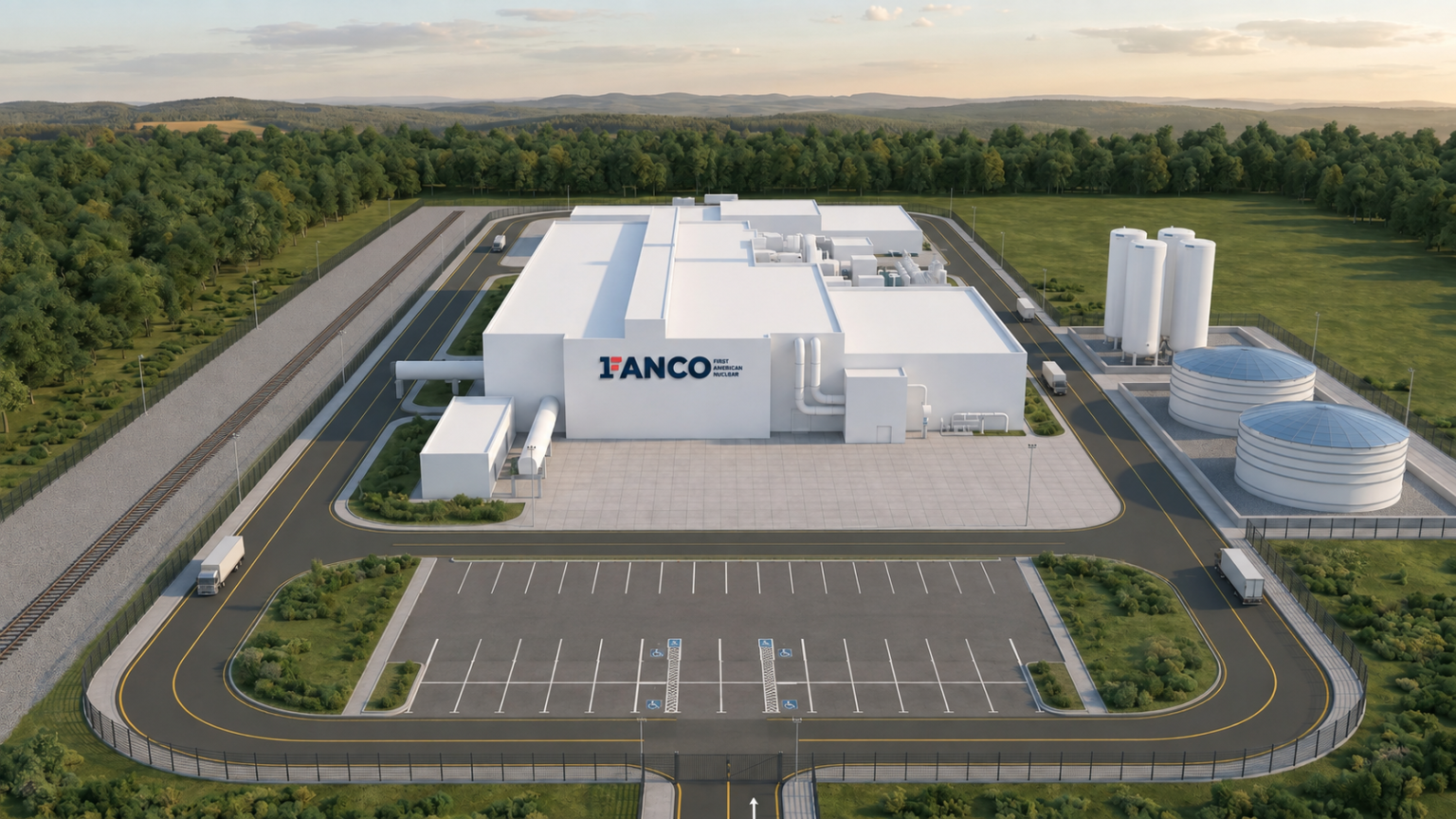
First American Nuclear Company's Regulatory Engagement Plan for Proposed HALEU Fuel Facility Accepted for Docketing by NRC
First American Nuclear Co. (FANCO) announced on August 17 that its regulatory engagement plan for the proposed Class II high-assay low-enriched uranium (HALEU) conversion and fuel fabrication facility has been accepted for docketing by the U.S. Nuclear Regulatory Commission (NRC). The facility will serve the company's EAGL-1 small modular reactor project currently under development. According to the company's disclosure, the NRC ADAMS accession number for the letter of intent is ML26222A181, and the NRC ADAMS accession number for the regulatory engagement plan is ML26222A177. This submission advances the pre-application regulatory engagement between FANCO and the NRC regarding the proposed ceramic fuel fabrication facility. The facility is planned to support the EAGL-1 lead-bismuth...
2026-08-18

Libya Plans to Restore Tajoura Research Reactor for Medical Isotope Production
The Libyan Atomic Energy Establishment recently proposed a plan to restore and restart the Tajoura nuclear research reactor for the production of medical radioisotopes. The establishment stated that this initiative aims to support the diagnosis and treatment of diseases and tumors, while reducing dependence on imports of relevant isotopes. Radioisotopes are essential materials in nuclear medicine, serving as tracers in medical imaging to help track organ function and detect certain diseases and tumors; some isotopes are also used in radiotherapy targeting specific tissues. According to the Libyan Atomic Energy Establishment, the Tajoura reactor has a rated thermal power of 10 megawatts and holds potential for producing various medical isotopes, including...
2026-08-18
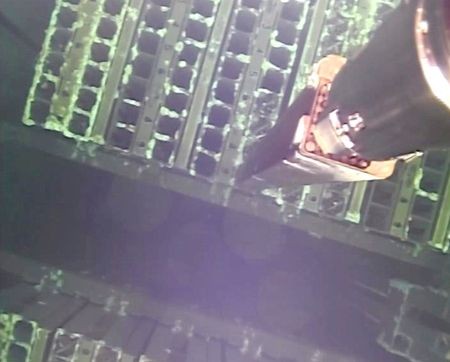
Removal of Highly Radioactive Spent Fuel Begins at Unit 2 of Fukushima Daiichi Nuclear Power Station
Tokyo Electric Power Company Holdings (TEPCO) said on August 17 that it has begun removing spent fuel assemblies with high radiation levels from the spent fuel pool of Unit 2 at the Fukushima Daiichi Nuclear Power Station in northeastern Japan, the site of a severe nuclear accident. Last month, TEPCO removed 28 unused nuclear fuel assemblies from the Unit 2 spent fuel pool. Compared with spent fuel, these unused fuel assemblies pose relatively lower risks. The company plans to complete the removal of spent fuel from Unit 2 by the end of fiscal year 2028. To date, the Unit 2 spent fuel pool contains a total of 587 spent fuel assemblies, of which TEPCO has completed the removal of...
2026-08-18
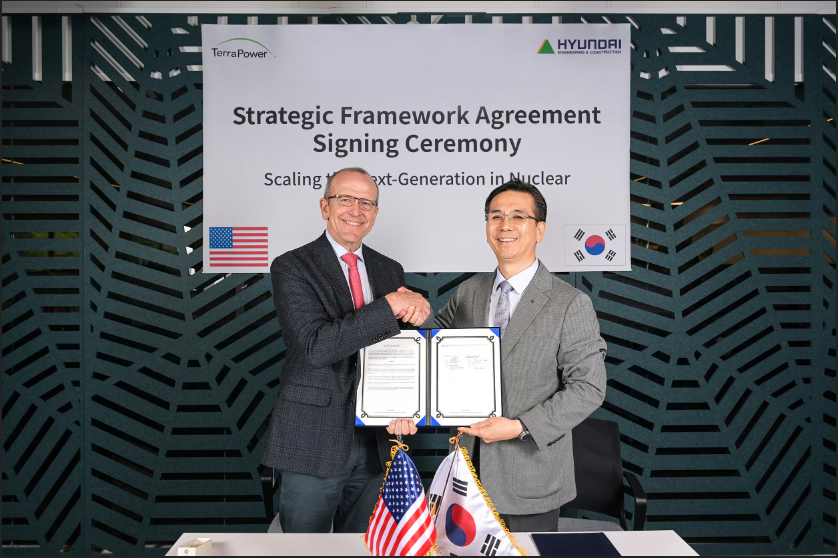
Hyundai E&C Signs Framework Agreement with TerraPower for Natrium Nuclear Power Plant Project
Hyundai Engineering & Construction announced on the 18th that it has signed a framework agreement with U.S. nuclear energy company TerraPower for the execution of the Natrium next-generation nuclear power plant project. Under the agreement, Hyundai E&C has been granted priority status to serve as the engineering, procurement, and construction (EPC) general contractor for up to eight additional Natrium nuclear units developed by TerraPower. The signing ceremony was attended by senior executives from both companies, including Hyundai E&C CEO Lee Han-woo and TerraPower CEO Chris Levesque. The two parties plan to expand cooperation in the nuclear energy sector and jointly explore new business opportunities...
2026-08-18
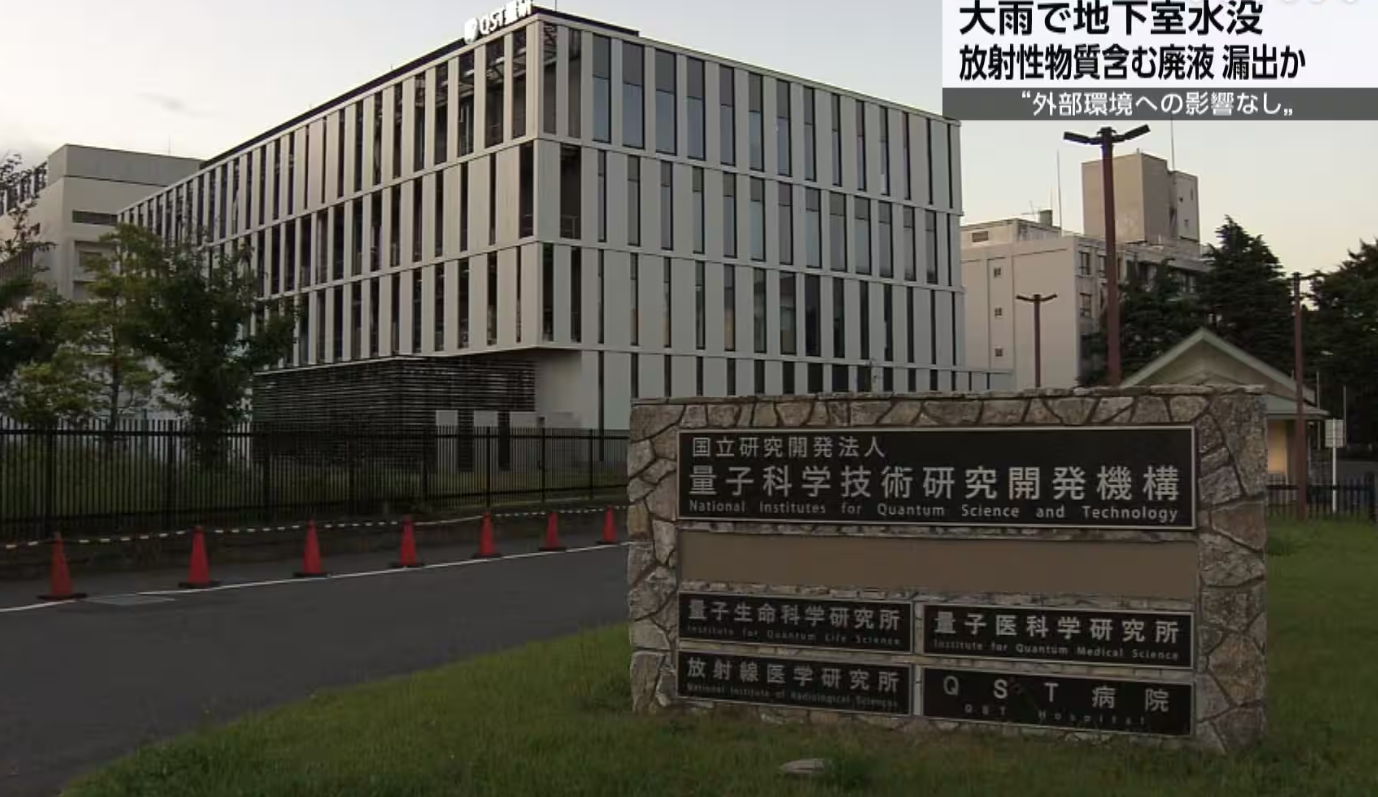
Radioactive liquid waste leak suspected at QST's underground facility in Chiba due to record rainfall
According to Japanese media reports, due to record-breaking rainfall in Chiba Prefecture, an underground facility of the National Institutes for Quantum Science and Technology (QST) in Chiba City was flooded, and radioactive liquid waste in underground storage tanks at the facility may have mixed with rainwater and leaked outdoors. QST stated that as of the 13th, an estimated 2,000 to 3,000 liters of liquid waste had accumulated in the relevant underground storage tanks. After investigating water bodies around the tanks, the institute confirmed that detected radioactive material concentrations were below standard values, and no environmental impact has been indicated so far. QST reported the incident to national and local governments the following day and plans to submit preventive measures to the Nuclear Regulation Authority of Japan.
2026-08-18
Safety measure costs after Japan's nuclear plant accident rise to at least 6.606 trillion yen
A survey of 11 Japanese electric power companies shows that the total cost of safety measures required for nuclear plants to meet new regulatory standards following the Fukushima Daiichi accident has reached at least 6.606 trillion yen. Affected by rising prices, this figure has increased slightly from the previous year. About half of the surveyed companies said that rising costs of materials, equipment, and construction have pushed up related expenses, and the total may continue to rise in the future. After the Fukushima Daiichi accident, Japan implemented new nuclear regulatory standards requiring plants to strengthen earthquake and tsunami protection and improve severe accident response measures. Related costs mainly include seawalls, emergency power supplies, filtered venting equipment, and...
2026-08-18
Multiple regions in Japan demand nuclear power operators strengthen safety management and information disclosure
On August 17, Keisuke Yokoo, the new chairman of Tokyo Electric Power Company (TEPCO), visited the Niigata Prefectural Government and met with Niigata Governor Hideyo Hanazumi. Yokoo assumed his post in June, becoming the first chairman of TEPCO to come from a financial institution. The meeting is seen as an arrangement for the new TEPCO management, following its official launch, to communicate with local governments on nuclear safety and trust rebuilding. Yokoo stated that, as the party responsible for the Fukushima Daiichi nuclear accident, TEPCO will always bear in mind that there is no end to safety and will continuously improve the safety level of its nuclear power plants. He also expressed his commitment to ensuring the safe operation of the Kashiwazaki-Kariwa Nuclear Power Plant. Hanazumi said at the meeting...
2026-08-18
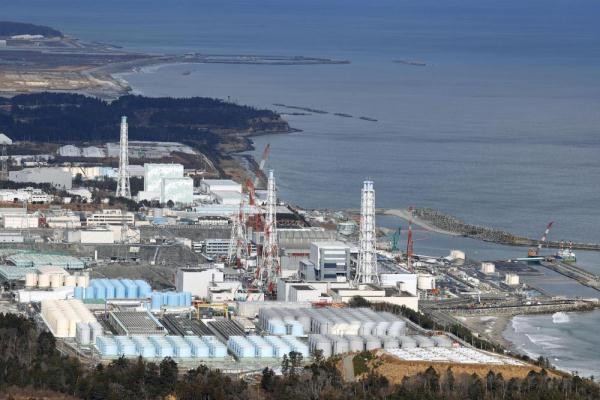
Fire alarm triggered for fifth time at Fukushima Daiichi Nuclear Power Station in August; no fire confirmed on site
At 7:14 a.m. on August 18, a fire alarm was triggered on the first basement floor of the turbine building of Unit 5 at the Fukushima Daiichi Nuclear Power Station. Tokyo Electric Power Company (TEPCO) stated that after fire department personnel arrived and conducted inspections, no fire was confirmed on site at 7:55 a.m. Readings from radiation monitoring stations around the plant showed no significant fluctuations. This was the fifth time a fire alarm had been triggered at the Fukushima Daiichi Nuclear Power Station since the beginning of August. Previously, related alarms had occurred on August 8 at the maintenance building for Units 5 and 6, on August 12 at the emergency diesel generator room for the high-pressure core spray system of Unit 6, on August 13 at the main administration building, and on August 15 at the southwest stairwell of the turbine building of Unit 5. After each of the above alarms was triggered, the fire department confirmed that no fire had occurred...
2026-08-18