
Search Results
Keyword:C
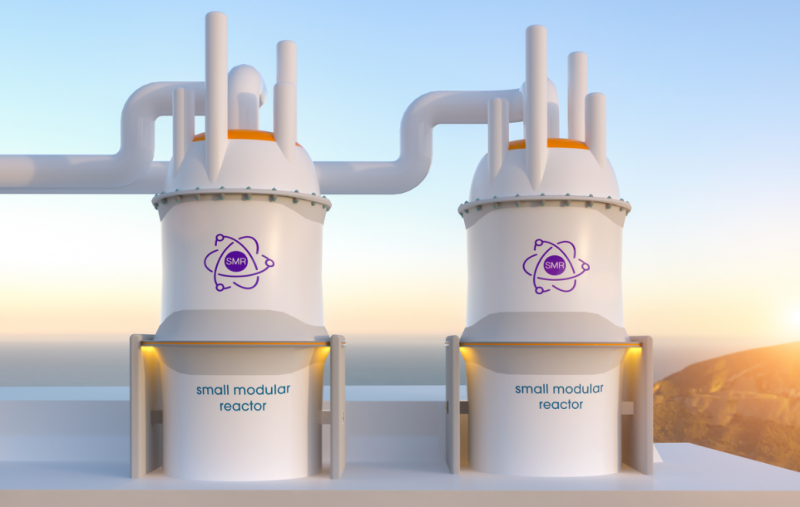
Small Modular Reactors Expected to Contribute One-Quarter of Global New Nuclear Capacity by 2050
According to data compiled by the World Nuclear Association (WNA), global nuclear power installed capacity is expected to reach 1,446 GWe by 2050. This projection is based on the continued operation of existing reactors and the implementation of announced nuclear power development targets by governments. Currently, global installed nuclear capacity stands at approximately 403 GWe. To achieve the above scale, an additional approximately 1,043 GWe of nuclear capacity will need to be added. Among this, Small Modular Reactors (SMRs) are expected to contribute about 260 GWe, accounting for roughly one-quarter of global new nuclear capacity. Factors driving nuclear power expansion are increasing. The rapid adoption of artificial intelligence applications has driven up electricity demand from data centers, and the accelerating electrification of transportation and industrial sectors has further elevated the importance of stable, low-carbon electricity supply. Meanwhile, energy security and net-zero emission targets are prompting more countries to reassess the role of nuclear energy in their energy mix.
2026-08-10
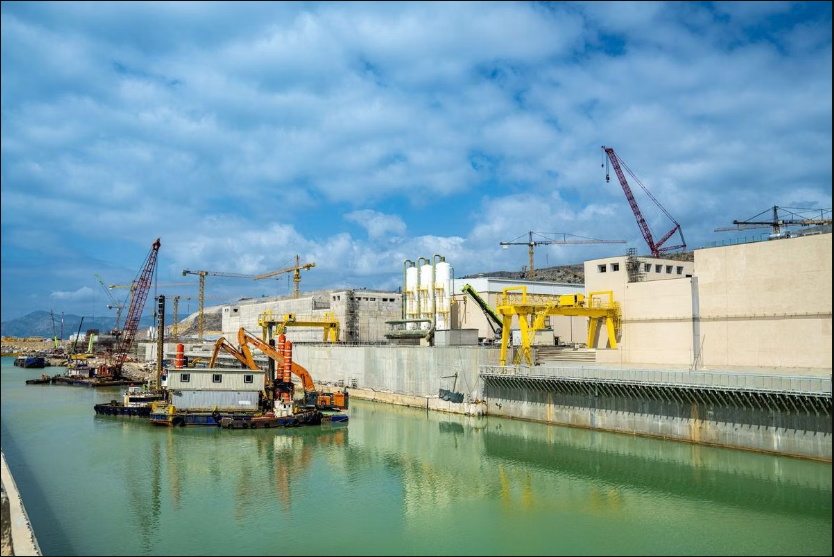
Installation of Passive Heat Removal System Completed for Unit 1 of Turkey's Akkuyu Nuclear Power Plant
Rosatom recently announced that the installation of the Passive Heat Removal System (PHRS) for Unit 1 of Turkey's Akkuyu Nuclear Power Plant has been completed. This means the unit is now equipped with a critical safety system and is ready for the commissioning phase. According to reports, the installed equipment includes approximately 90 components such as heat exchangers, guide vanes, air ducts, and electromagnetic devices, which were installed in stages in the reactor building dome area. The Passive Heat Removal System is one of the key safety systems of a nuclear power unit, designed to remove residual heat from the reactor core under specific operating conditions. The system consists of four independent channels, each corresponding to one steam generator...
2026-08-10
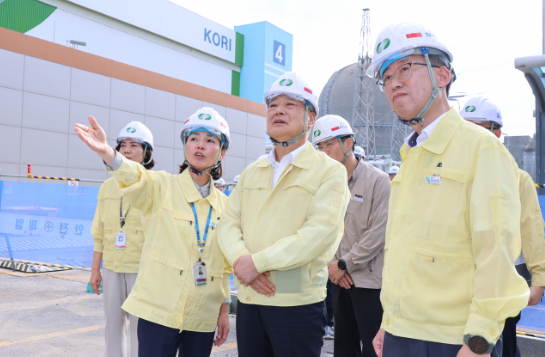
KHNP President Visits Kori Nuclear Power Plant, Pledges Stable Power Supply
Amid sustained heat waves driving up electricity demand, Kim Hoi-cheon, President of Korea Hydro & Nuclear Power (KHNP), recently conducted an on-site inspection at the Kori Nuclear Power Plant headquarters, focusing on the operational status of power generation facilities and frontline working conditions under high-temperature environments. The visit came as the South Korean government issued extreme heat warnings and strengthened its response posture, reflecting heightened attention to the stability of nuclear power as a baseload source in summer electricity supply. According to KHNP, Kim inspected work areas at the Kori plant that are vulnerable to high temperatures, reviewing employee health conditions, working environments, and the implementation of heat prevention and cooling measures. He also examined the operation of...
2026-08-10
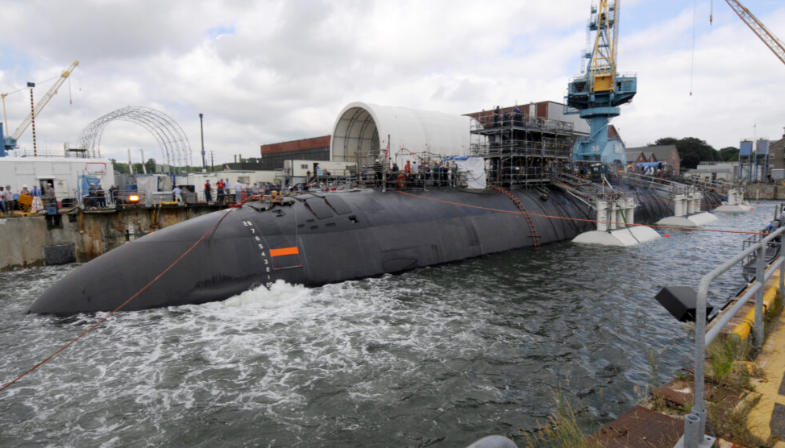
U.S. Navy Decommissions Nuclear Submarine USS San Juan; Kittery Shipyard in Maine Helped Extend Its Service Life
The U.S. Navy recently held a decommissioning ceremony for the USS San Juan, as the Los Angeles-class fast attack nuclear submarine officially departed the fleet at Naval Base Kitsap in Washington State after nearly four decades of service. Named after the capital of Puerto Rico, a U.S. territory, the San Juan was commissioned on August 6, 1988, and its decommissioning coinciding with its commissioning anniversary carries notable symbolic significance. The San Juan had an important connection with Portsmouth Naval Shipyard in Kittery, Maine. Approximately 15 years ago, the submarine entered the shipyard for a major engineering overhaul, completing critical overhaul work between 2010 and 2012. Photographs released by the U.S. Navy in 2011 showed shipyard workers completing the submarine's undocking one day ahead of schedule, reflecting the maintenance progress and shipyard support capabilities at the time.
2026-08-10
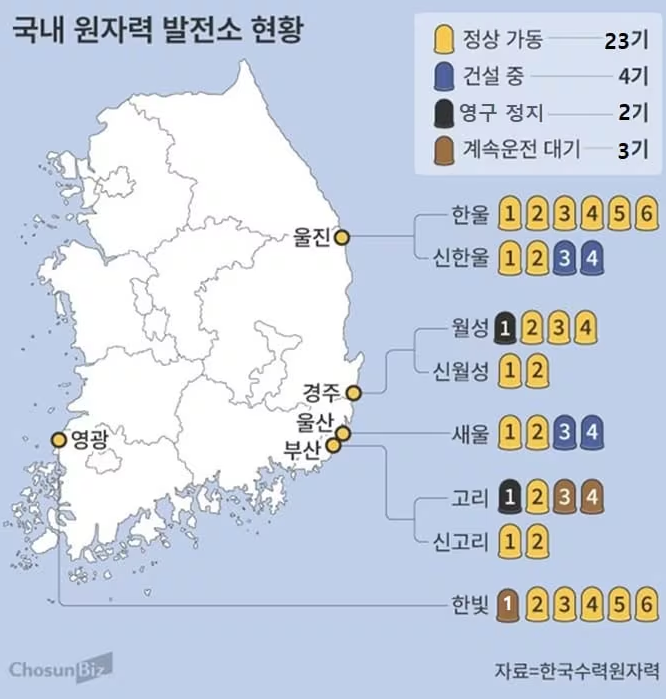
Sea Temperature Approaching Shutdown Threshold, Nuclear Power Belt on South Korea's East Coast Faces Load Reduction Pressure
Climate change is pushing nuclear power plants on South Korea's east coast toward new operational boundaries. South Korean nuclear plants generally rely on seawater as cooling water; after the heat generated by the reactor drives the turbine, seawater is needed to condense the steam back into water. Once the intake water temperature approaches or exceeds the design seawater temperature set by the equipment, heat exchange efficiency declines, affecting the heat dissipation capacity of key safety systems, and the plant must reduce load or even shut down in accordance with safety regulations. The area currently at greatest risk is around Uljin in North Gyeongsang Province. Data from the National Institute of Fisheries Science shows that nearshore surface seawater temperatures along parts of the east coast have approached 30°C, with multiple observation points near Uljin recording approximately 29.6°C to 30.2°C on the afternoon of August 7.
2026-08-10
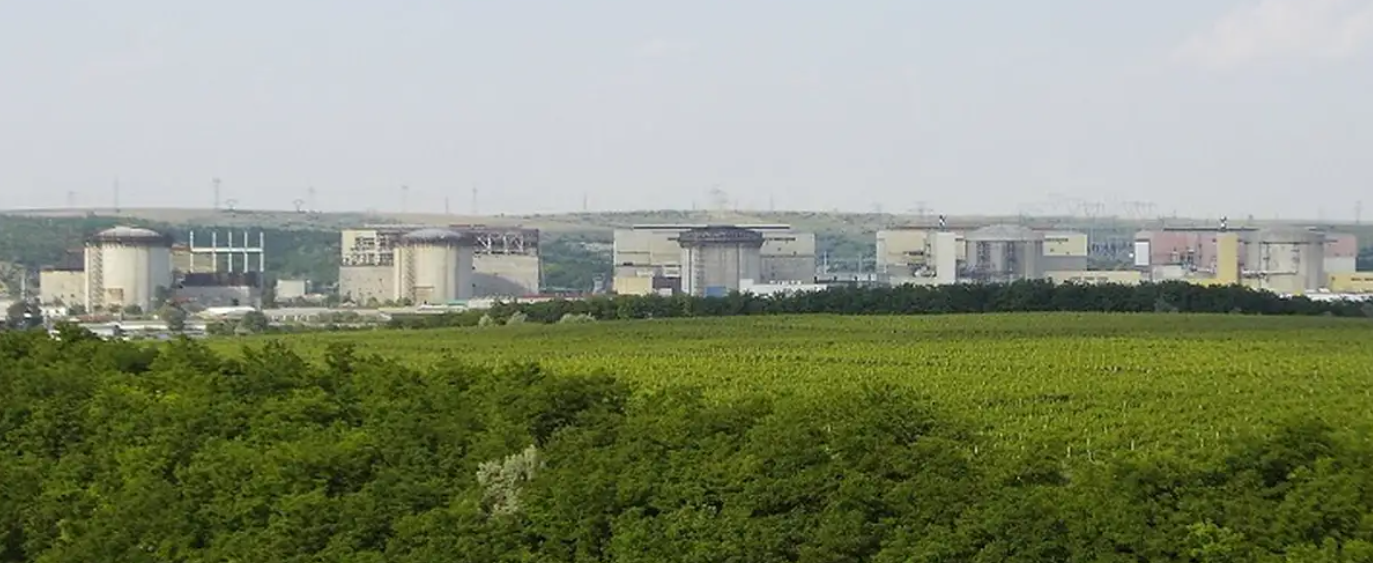
Unit 2 of Romania's Cernavoda Nuclear Power Plant to Operate for at Least 9 More Days
Unit 2 of Romania's Cernavoda Nuclear Power Plant is expected to continue operating for at least 9 more days. Romania's Acting Minister of Defense and Transport, Radu Miruță, stated that after blasting operations and the removal of underwater obstacles in the Danube River, the water level in the Cernavoda area rose by 4 centimeters over the past 24 hours. The previous day, the water level in the area had dropped by 3 centimeters. Recently, due to persistent drought, the Danube River's water level has fallen to historic lows, putting pressure on the plant's water intake and reactor cooling. To increase water supply in the river section near the Cernavoda Nuclear Power Plant, Romania last week implemented unconventional engineering measures, including blasting a rock formation in the Danube and sinking barges loaded with cargo to alter...
2026-08-10
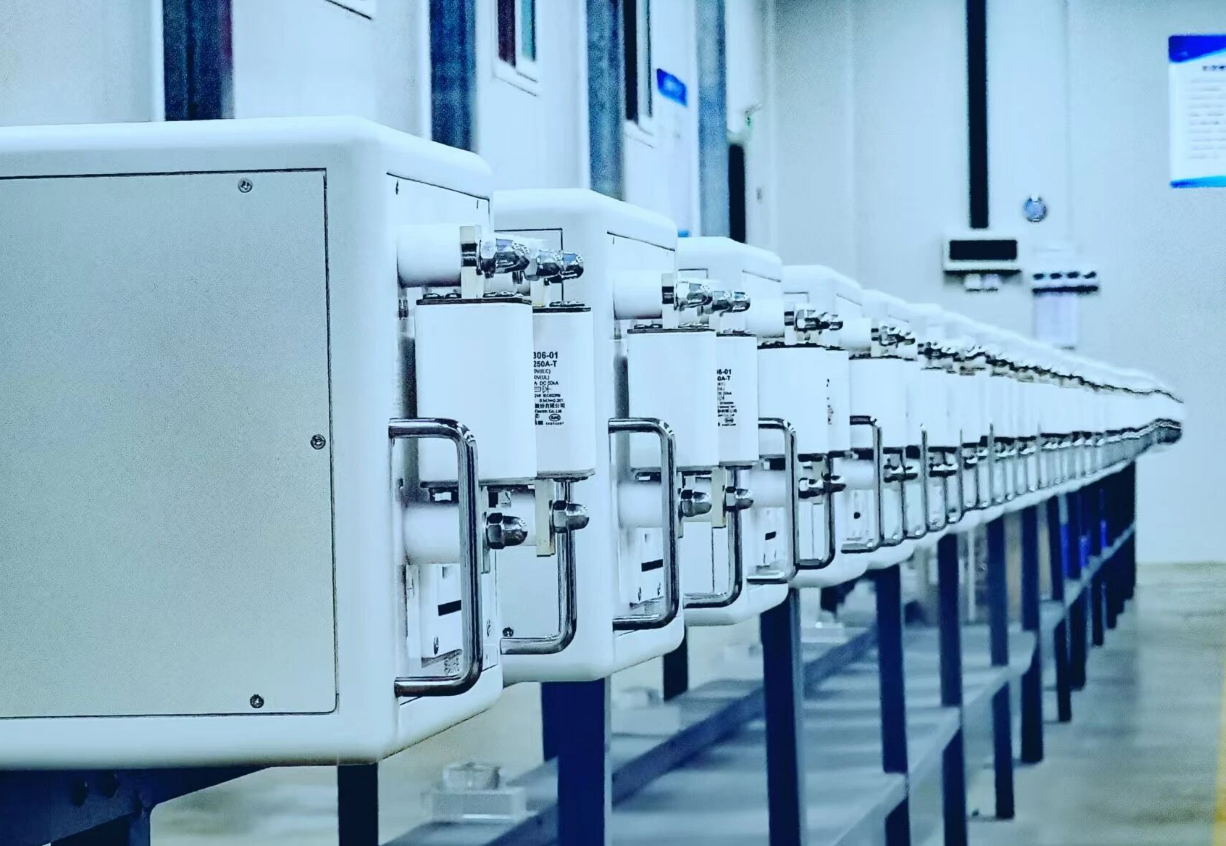
Cathode High-Voltage Power Supply for CFQS Device ECRH System Manufactured by CNNC Tongchuang Successfully Shipped
On August 3, the cathode high-voltage power supply for the Electron Cyclotron Resonance Heating (ECRH) system of China's first Quasi-Axisymmetric Stellarator (CFQS) device, manufactured by CNNC Tongchuang (Chengdu) Technology Co., Ltd., successfully passed factory acceptance and was officially shipped. The CFQS device is a major scientific and technological infrastructure project of Sichuan Province. The device adopts an advanced quasi-axisymmetric magnetic field configuration, combining the advantages of high confinement performance and steady-state operation. Under low-parameter operating conditions, the CFQS test platform confirmed that the quasi-axisymmetric magnetic field configuration can effectively reduce neoclassical transport losses in plasma and improve plasma confinement, marking the first international experimental verification of the superiority of the quasi-axisymmetric magnetic field configuration. Next, the CFQS stellarator...
2026-08-10

Chinese Team Wins One Gold and Three Silver Medals in First Participation at International Nuclear Science Olympiad
The 2026 International Nuclear Science Olympiad concluded on the evening of the 8th in Jeddah, a city in western Saudi Arabia. The Chinese team, participating for the first time, had four contestants win one gold and three silver medals, with overall results ranking among the top participating countries. The International Nuclear Science Olympiad, supported by the International Atomic Energy Agency, is the world's first international youth Olympiad themed on nuclear science. It aims to stimulate young people's interest in nuclear science, promote international youth exchange, and guide more young people into the fields of nuclear science and nuclear technology. The event was inaugurated in 2024, and this year's competition is the third edition, with teams from 19 countries participating. The eight-day event featured theoretical and practical examinations...
2026-08-10
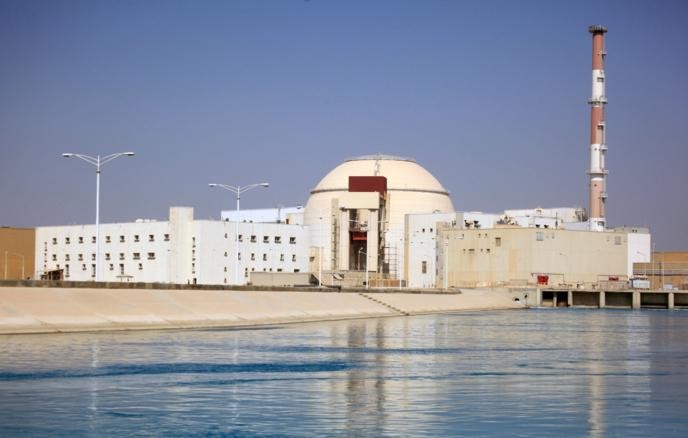
Rosatom Resumes Sending Specialists to Bushehr Nuclear Power Plant
Alexey Likhachev, Director General of Rosatom, stated on August 9 that the company has resumed sending specialists to the construction site of Iran's Bushehr Nuclear Power Plant, with the first batch of five engineering and technical personnel having arrived at the site and begun work. Likhachev said that with this batch in place, the total number of Russian specialists at the Bushehr project site has now increased to 25. The company plans to dispatch the next batch, numbering several dozen people, within the next two weeks, provided that the conflict between the United States and Iran does not escalate further. He indicated that under current arrangements, Rosatom plans to increase the number of personnel at the project site to 100 this autumn...
2026-08-10
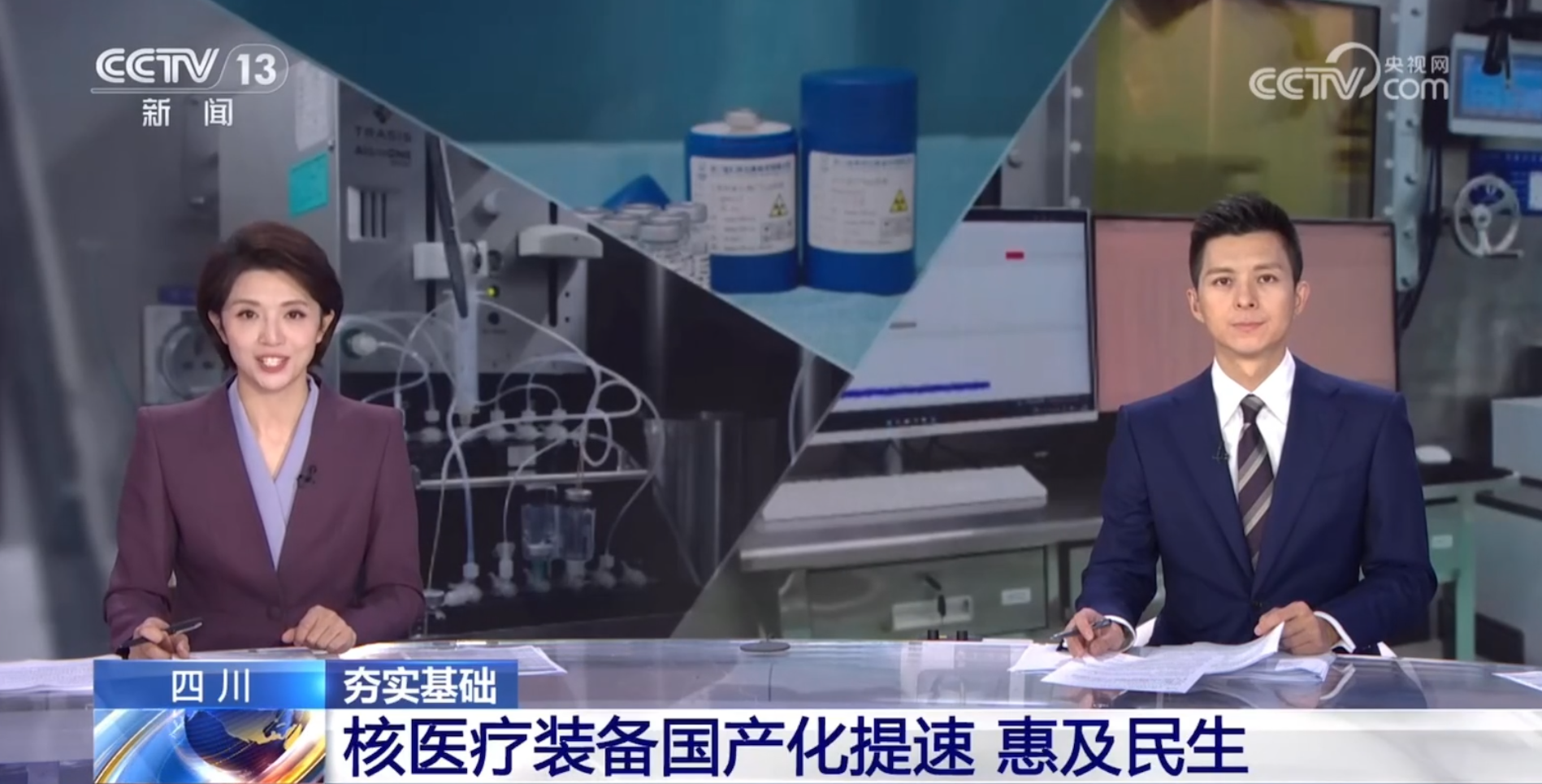
Consolidating Foundations·Sichuan: Accelerated Localization of Nuclear Medical Equipment Benefits the Public
On August 9, 2026, CCTV's "Morning News" program aired a feature titled "Consolidating Foundations·Sichuan: Accelerated Localization of Nuclear Medical Equipment Benefits the Public," reporting on Jiuyiyuan Company. Founded in February 2017, Sichuan Jiuyiyuan Particle Technology Co., Ltd. is a national high-tech enterprise integrating R&D, production, and services of high-end nuclear medical equipment, committed to providing overall solutions for radiopharmaceuticals. A cyclotron is a device that uses magnetic and electric fields to drive charged particles in a circular motion, repeatedly accelerating them via high-frequency electric fields during their movement. Low- and medium-energy cyclotrons applied in the medical field are devices that produce positron-emitting radionuclides, generating a variety of radionuclides that not only meet clinical PET/CT examination needs but also support the clinical positron drug and new drug development demands of the molecular imaging and precision medicine era. The report noted that core nuclear medicine equipment has long relied on imports, which is a key bottleneck constraining the development of nuclear medicine in China. In 2021, Jiuyiyuan successfully developed the first domestically produced medical cyclotron, breaking foreign technological monopoly. In June this year, the company launched the first domestically produced 30MeV multi-particle medium-to-high-energy cyclotron with fully independent intellectual property rights, with mass production planned for September, achieving internationally advanced product performance.
2026-08-10
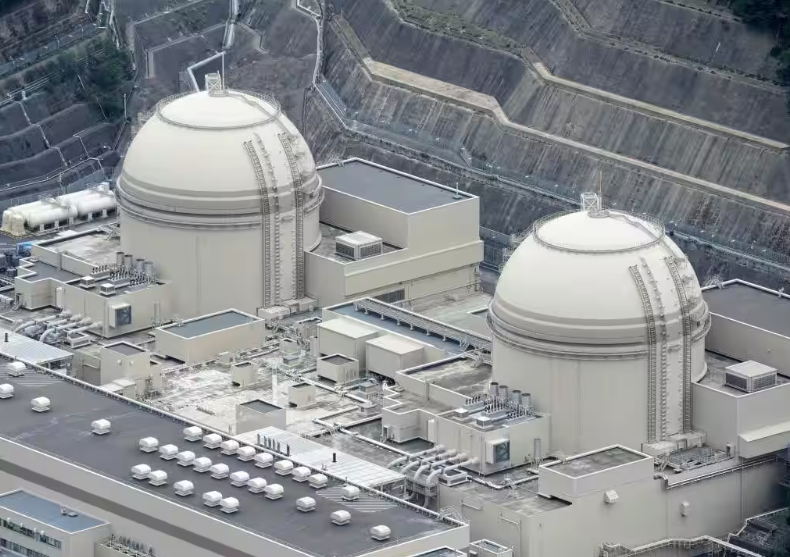
Unit 3 of Japan's Ohi Nuclear Power Plant Automatically Shuts Down
Kansai Electric Power Co. announced in the early hours of the 9th that Unit 3 of the Ohi Nuclear Power Plant, located in Ohi Town, Fukui Prefecture, Japan, automatically shut down during operation. The unit has a generating capacity of 1.18 million kilowatts. According to Kansai Electric Power, at around 23:56 on the 8th, an alarm was triggered at the unit, indicating that the generator had lost the conditions required to produce a magnetic field. Subsequently, the generator automatically stopped operating, and the reactor also automatically shut down. Preliminary information suggests that the anomaly may involve the exciter, a device used to establish the magnetic field for the generator. Kansai Electric Power stated that no radioactive material leakage occurred as a result of this incident, and there was no radiological impact on nearby personnel or the environment. The cause of the malfunction...
2026-08-10
"1455" System Officially Goes Live at SPIC Zhanjiang Nuclear Power
The "1455" project is the abbreviated name of the SPIC Group's "1455" World-Class Financial Management System Construction Project. Built on SAP ERP as its foundation, with treasury management as the breakthrough point and contracts as the main thread, the "1455" project adopts a strategy of "pilot rooms first, then full-scale rollout," leveraging digital and intelligent empowerment and value-driven approaches to comprehensively achieve business-finance integration and drive the Group's overall digital and intelligent transformation and upgrade. In accordance with the Group's unified deployment, on August 8, the "1455" system was officially launched at Zhanjiang Nuclear Power. The company's core business modules including finance, materials, projects, and contracts have been formally migrated to this platform for daily operations, marking a new milestone in the company's business-finance integration and digital management capabilities, injecting strong momentum for the Group's "balanced growth strategy" to take root and deliver results in Zhan...
2026-08-10

SPIC Archives Management Project Selected for National Archives Administration AI Application Pilot
On July 29, the National Archives Administration issued the "Notice on Announcing AI Application Pilot Projects." The archives management AI application pilot project submitted by State Power Investment Corporation (SPIC) stood out from 253 pilot projects and was successfully selected, thanks to its solid digitalization foundation for archives, clear AI integration implementation roadmap, and distinctive application scenarios characteristic of central energy enterprises, becoming an important practical vehicle for digital transformation of archives in central enterprises. In April this year, to safely, steadily, and orderly promote the application of AI in the archives industry, the National Archives Administration issued the "Notice on Carrying Out AI Application Pilot Work," requiring pilot efforts in five aspects: computing power, models, data, scenarios, and security...
2026-08-10
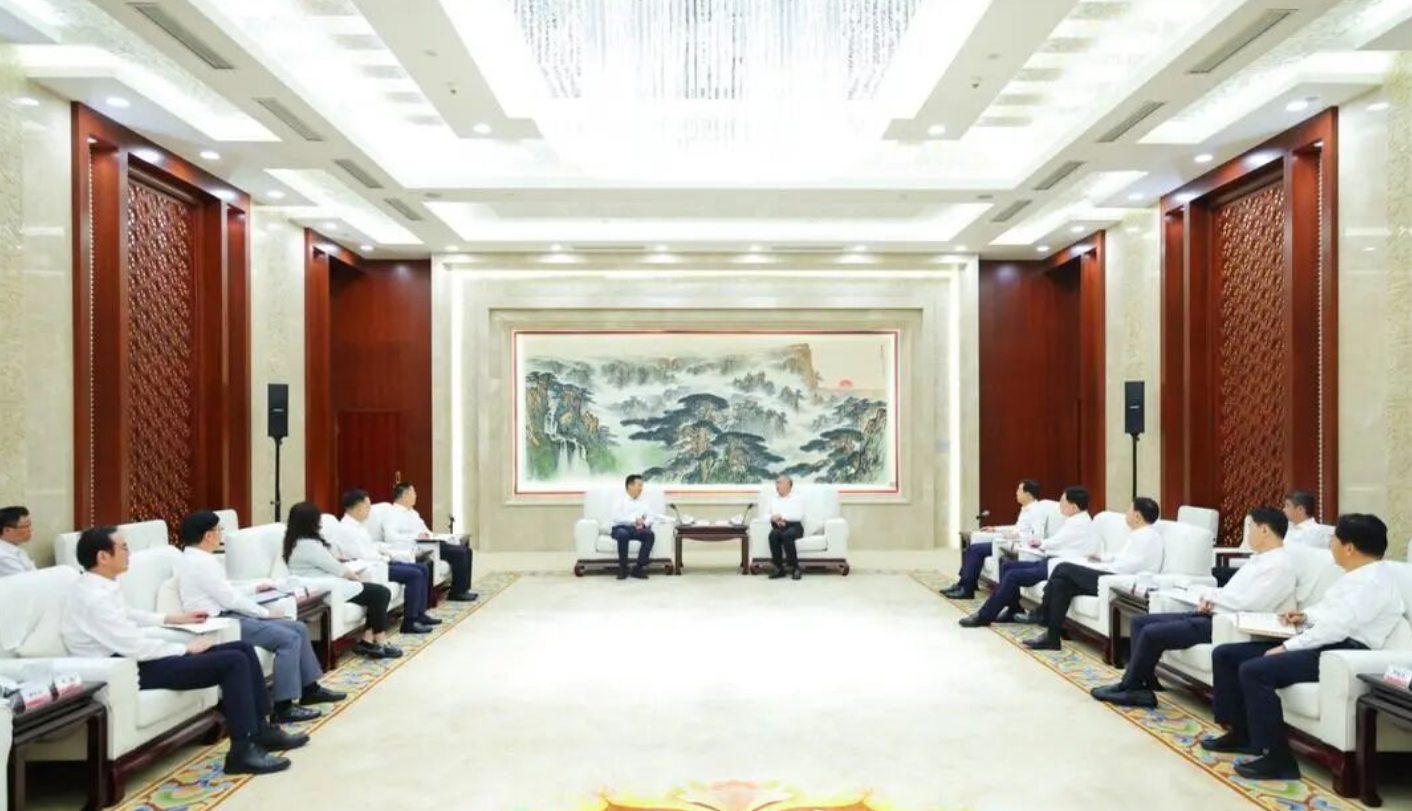
SPIC Signs Strategic Cooperation Agreement with Shandong Provincial Government
On August 7, SPIC and the Shandong Provincial Government signed a strategic cooperation agreement in Jinan. Prior to the signing, Liu Mingsheng, Secretary of the Party Leadership Group and Chairman of SPIC, held working talks with Lin Wu, Secretary of the Shandong Provincial Party Committee and Chairman of the Standing Committee of the Provincial People's Congress. Zhou Naixiang, Deputy Secretary of the Shandong Provincial Party Committee and Governor of the Province, together with Liu Mingsheng, witnessed the signing of the strategic cooperation agreement. Zhang Haibo, Member of the Standing Committee of the Shandong Provincial Party Committee and Executive Vice Governor, Shan Yi, Member of the Standing Committee and Secretary-General of the Provincial Party Committee, and Lu Hongzao and Chen Haibin, Members of the Party Leadership Group and Vice Presidents of SPIC, attended the events. Lin Wu, on behalf of the Shandong Provincial Party Committee and the Provincial Government, expressed gratitude to SPIC for its long-term strong support for Shandong's development and introduced the province's economic...
2026-08-10
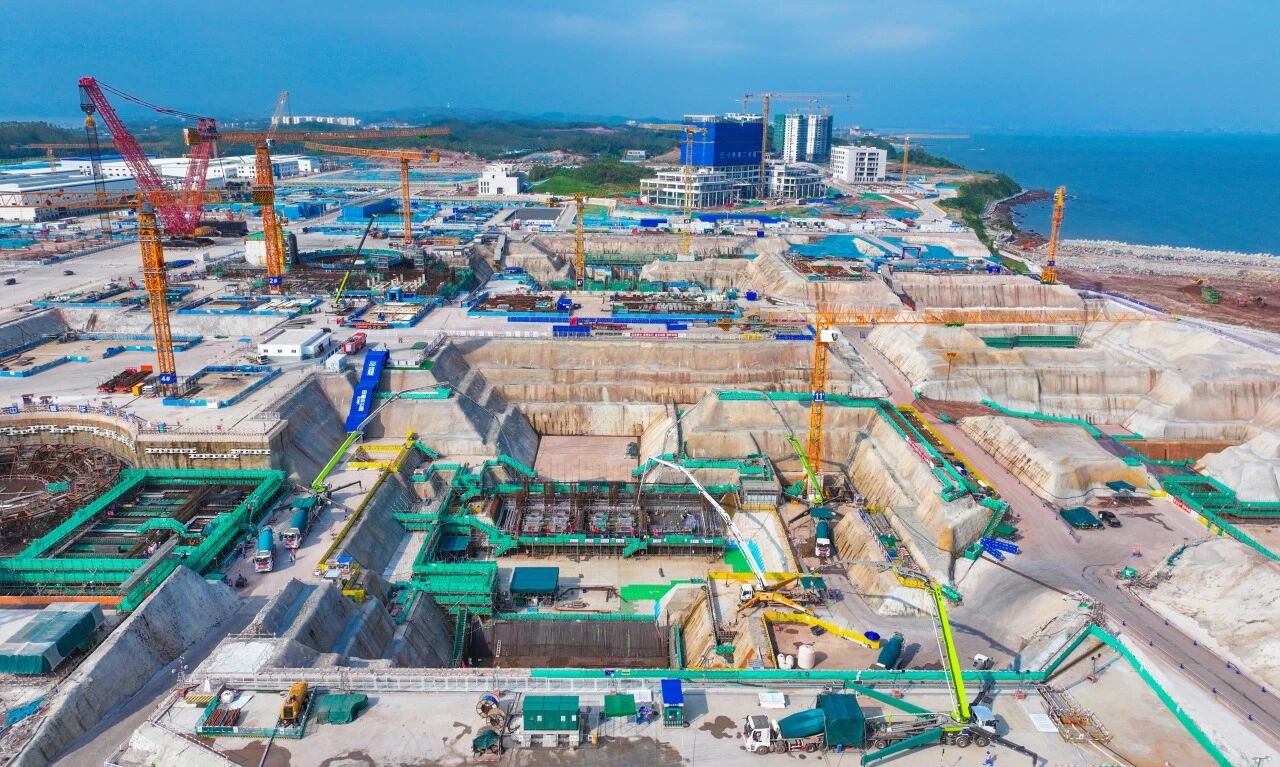
First Concrete Pour (FCD) Successfully Completed for the Conventional Island of Unit 2 at Guangxi Bailong Nuclear Power Plant
At 10:06 on August 9, after 38 hours and 46 minutes of continuous effort, the First Concrete Pour (FCD) for the conventional island of Unit 2 at the SPIC Guangxi Bailong Nuclear Power Plant was successfully completed, marking the full commencement of the main construction phase for the conventional island. The basement floor slab of the conventional island of Unit 2 adopts an integral raft foundation, divided into 9 construction zones using the sequence method. This concrete pour covered Zone 1, starting at 19:20 on August 7, with a cumulative pour of 1,732 cubic meters of concrete, conducted safely and orderly throughout the process. Since July, Typhoon Maysak directly struck Fangchenggang, bringing successive storms, followed by days of high temperatures at the Bailong nuclear site, posing significant challenges to on-site construction. In response...
2026-08-10