
Search Results
Keyword:C
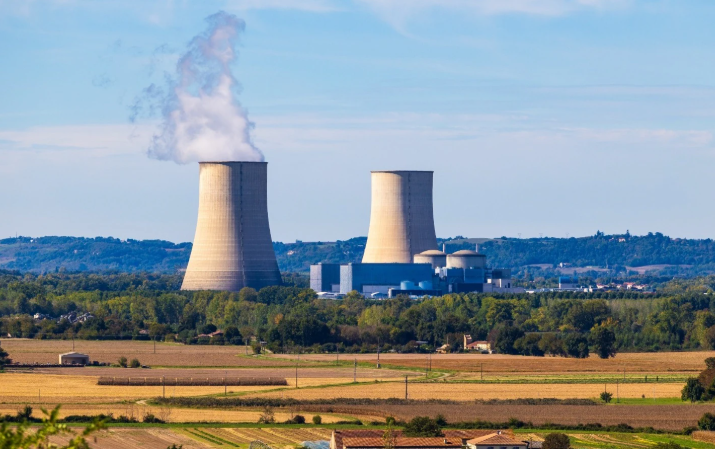
After only 4 days of restart, Unit 2 of France's Golfech Nuclear Power Plant shut down again due to Garonne River water temperature approaching limit
On the evening of August 8, French utility EDF (Électricité de France) once again shut down Unit 2 of the Golfech Nuclear Power Plant, just four days after the unit had been restarted. The direct cause of this shutdown was that the water temperature of the Garonne River was expected to reach 28°C on August 9, hitting the local operational limit. Since Unit 1 had already been taken offline for maintenance and fuel replacement, the closure of Unit 2 left both reactors at the Golfech plant simultaneously out of service, with the station temporarily ceasing power generation. Located in the Tarn-et-Garonne department of France, the Golfech Nuclear Power Plant was commissioned between 1991 and 1994, and features two 1,300 MW pressurized water reactor units. It draws cooling water from the Garonne River and dissipates heat through natural-draft cooling towers. According to EDF dat...
2026-08-10
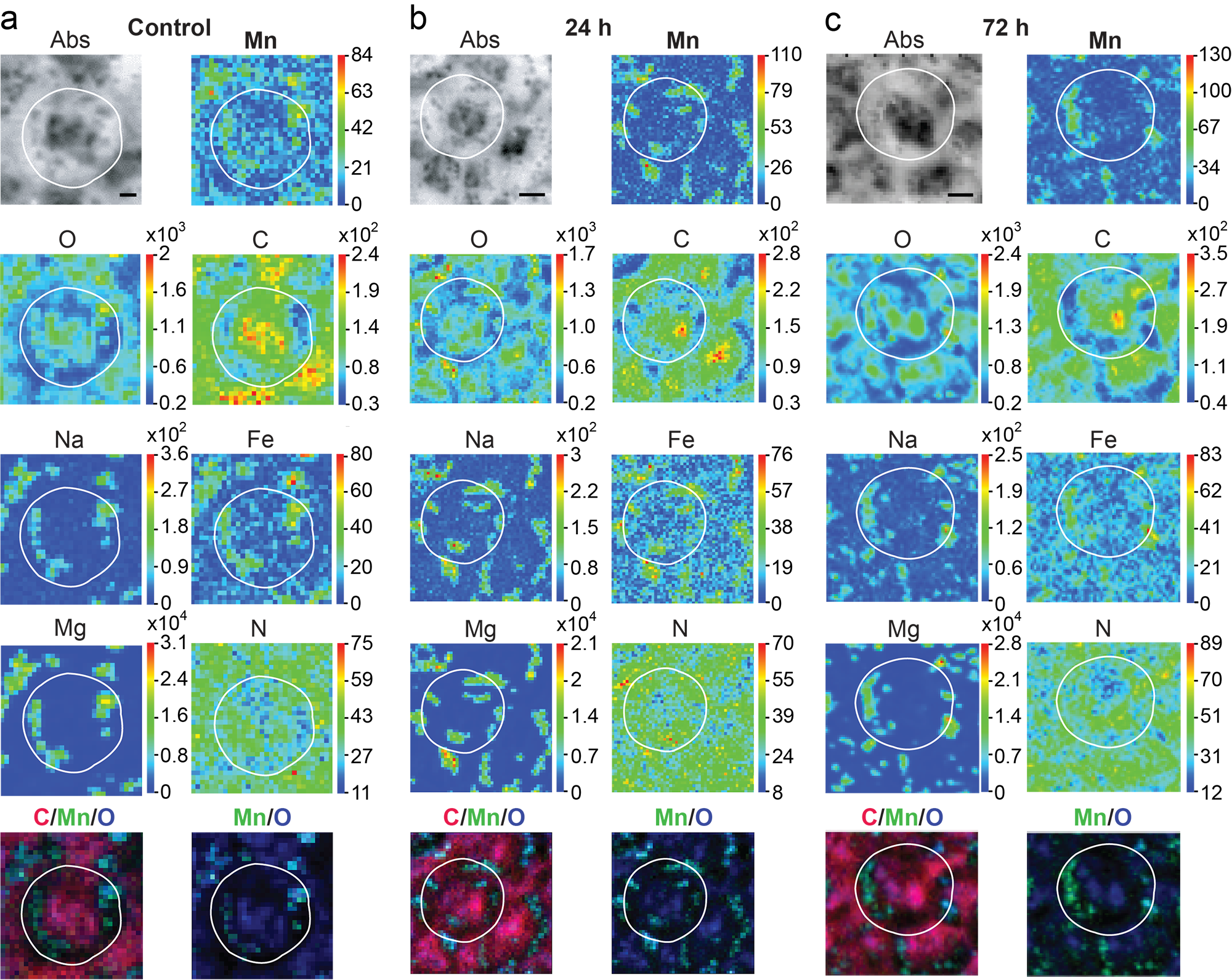
Synchrotron radiation reveals mechanism of acidophilic microalga PM01 tolerating high-concentration manganese
Researchers have used synchrotron radiation techniques to reveal the key mechanism by which an acidophilic green microalga survives in high-concentration manganese environments. The research subject is the acidophilic alga C. acidophila PM01, originally isolated from an acid mine drainage pond, which can survive at manganese concentrations up to 50 mM (approximately 2.75 g/L), making it one of the most manganese-tolerant microalgae reported to date. Manganese is a nutrient element required by organisms, but during processes such as mining, ore processing, and electrolytic manganese production, high concentrations of manganese can enter water bodies and cause pollution. In particular, manganese removal is difficult in acidic waters. Some microorganisms can adapt to such extreme environments, but their tolerance mechanisms still require fine analytical tools to elucidate...
2026-08-10

Honeycomb Materials Cross Over into Nuclear Energy: The Gill Corporation Enters the Radioactive Material Container Market
Basque Country-based company The Gill Corporation is applying its proven honeycomb structural material technology to the field of radioactive material containers, thereby entering the nuclear energy industry chain. The so-called honeycomb structure is typically known for its lightweight nature, high strength, impact resistance, and stable support, and has historically been used more in aerospace, transportation, or industrial composite applications; its current use in nuclear-related containers indicates that traditional high-performance materials companies are seeking new growth opportunities against the backdrop of the nuclear energy renaissance. The transport and storage of radioactive materials impose extremely high safety requirements on containers, which must not only account for mechanical strength, vibration resistance, and impact tolerance, but also meet long-term reliability, traceability, and stringent industry...
2026-08-10
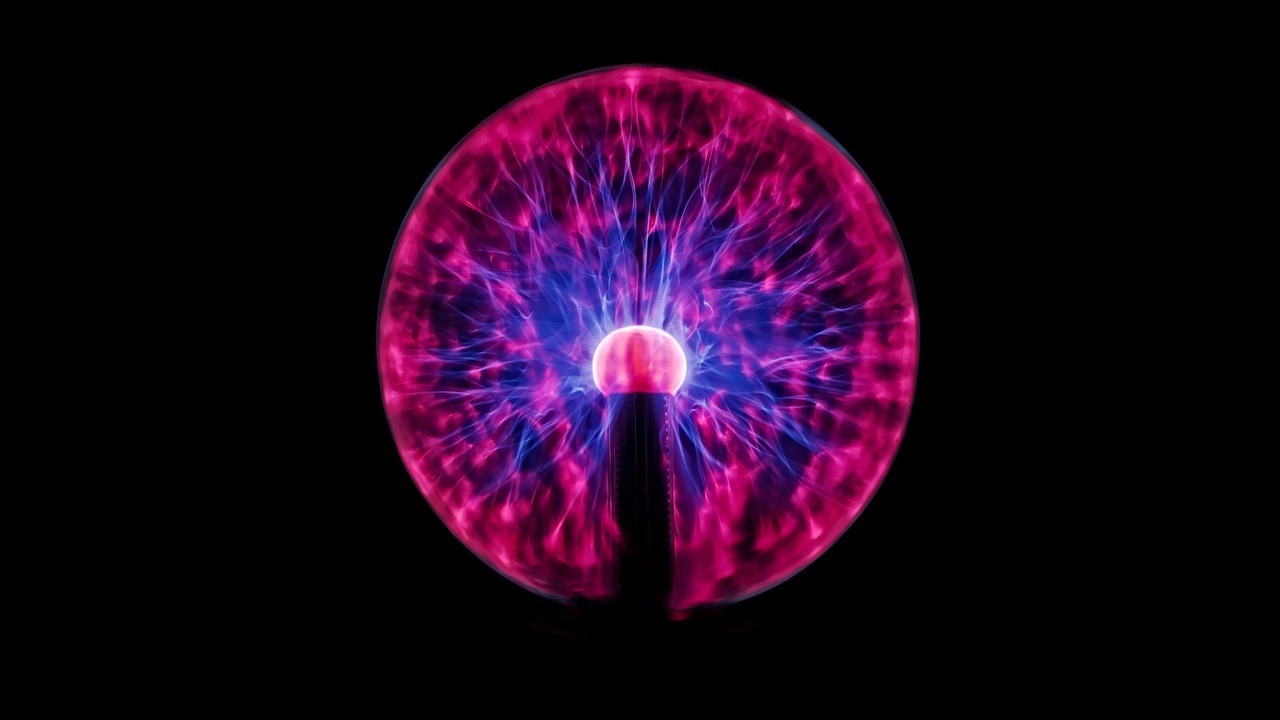
Russian University Proposes Rapid Simulation Method for Plasma Ion Parameters
Researchers from the HSE University and the Moscow Institute of Physics and Technology have developed a simple analytical method for calculating the behavior of heavy ions in helium under strong electric fields. The findings have been published in Physica Scripta. Plasma is a gas composed of charged particles such as electrons, negative ions, and positive ions, typically quasi-neutral and highly conductive. In addition to fluorescent lamps and welding arcs, plasma also exists in controlled nuclear fusion devices such as tokamaks. Atmospheric plasma jets can also be used for wound disinfection, work surface cleaning, and improving crop seed performance. In plasma jet research, scientists...
2026-08-10

DR Congo Government Responds to Research Allegations of "Uranium" in Cobalt Products, Announces Re-Testing and IAEA Consultations
The government of the Democratic Republic of the Congo (DRC) has recently responded to a study suggesting that its cobalt products may contain traces of uranium. The study, published in the journal *Nature Communications* on July 30, 2026, reported the presence of uranium traces in some exported cobalt hydroxide products from the DRC. As cobalt is a critical raw material in the global new energy battery supply chain, this claim quickly drew external attention to mineral product safety, environmental risks, and supply chain credibility. In an official statement released on August 7 by the Ministry of Communication and Media, the DRC government stated that the allegations should be understood within a scientific and geological context. The government emphasized that the natural co-occurrence of uranium in copper-cobalt deposits in Lualaba Province and Haut-Katanga Province is a geological phenomenon known for over a century, and is neither abnormal nor the result of artificial addition or deliberate manipulation. The government also noted that, under relevant International Atomic Energy Agency standards, if uranium exists only in trace amounts in ores or cobalt concentrates and is not specifically processed for uranium extraction, it should generally not be regarded as nuclear material.
2026-08-10
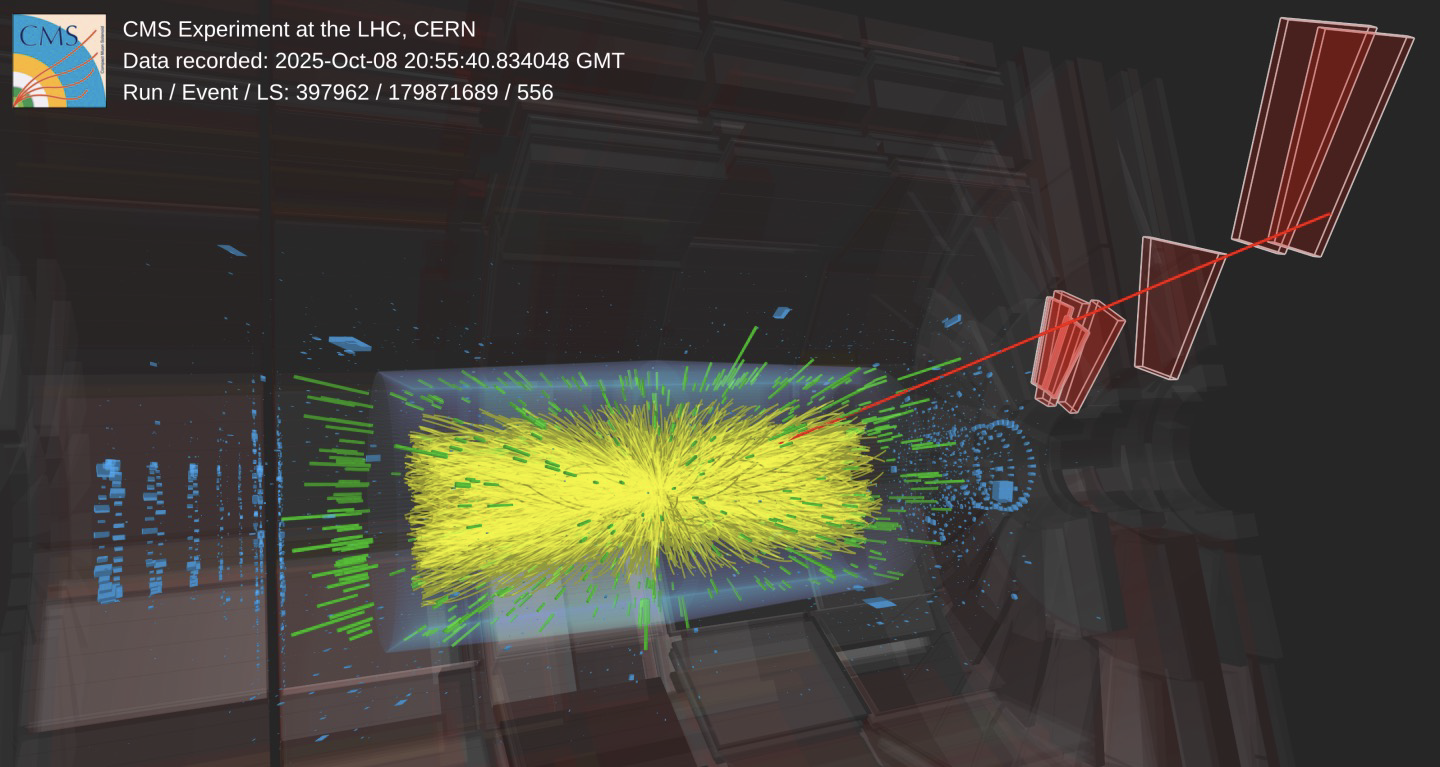
CMS completes high-pileup collision test, validating particle reconstruction algorithms for High-Luminosity LHC operation
In 2025, the Large Hadron Collider (LHC) conducted a dedicated test over several days to simulate high-intensity collision conditions closer to those expected during future operation of the High-Luminosity Large Hadron Collider (HL-LHC). The Compact Muon Solenoid (CMS) experiment team used this opportunity to test whether existing particle tracking, identification, and reconstruction software, along with a new class of machine learning methods, can adapt to the more complex collision conditions of the HL-LHC era. During LHC operation, each crossing of proton beams produces multiple proton–proton collisions simultaneously, a phenomenon known as pileup. The current Run 3 features approximately 65 simultaneous interactions, while the HL-LHC is expected to reach 140 to 200. To...
2026-08-10
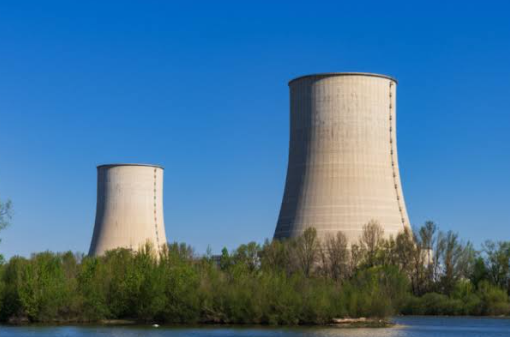
Germany's renewable energy summer generation approaches French nuclear power, may overtake it before 2030
French nuclear power has long been regarded as a key pillar of Europe's low-carbon electricity system, but the latest data shows that Germany's renewable energy generation is rapidly closing in on French nuclear power. According to the data, in January this year, Germany's combined renewable energy generation from solar, wind, and other sources totaled 22,854 GWh, while French nuclear power generated 36,838 GWh, about 61% higher. By July, however, the gap had narrowed significantly: French nuclear power generated 29,689 GWh, while Germany's renewable energy generated 26,501 GWh, with French nuclear power leading by only about 12%. This change is closely linked to summer heat. Nuclear power plants require large amounts of cooling water and are therefore typically built near coastlines or rivers. When river water levels are insufficient, or when discharged water temperatures exceed environmental limits, nuclear plants must reduce output or even shut down. The data mentions that French nuclear plants such as Golfech, Bugey, and Nogent-sur-Seine have already been affected. As heatwaves become more frequent, the cooling constraints on nuclear power in summer may become more pronounced, challenging the stability advantage of French nuclear output.
2026-08-10
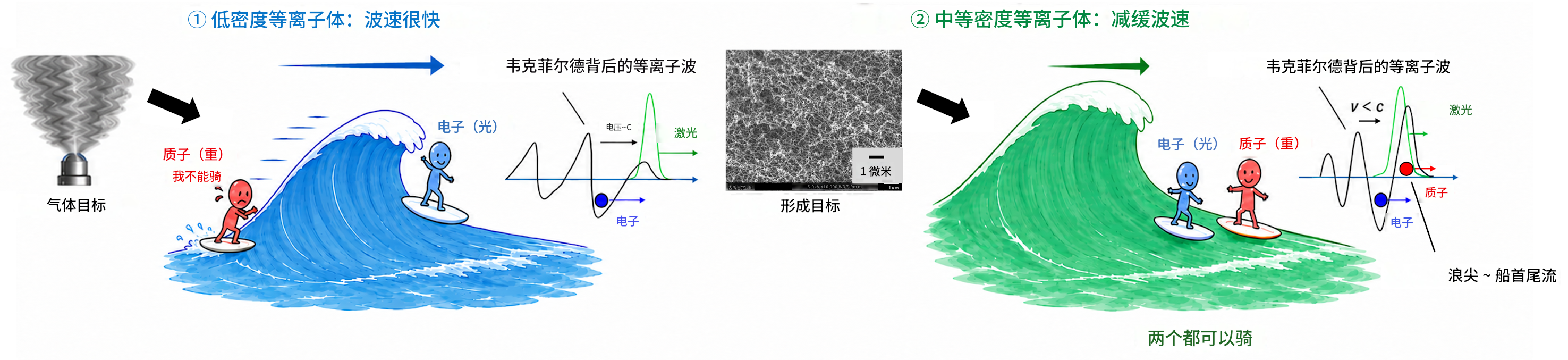
Japanese research team demonstrates ion wakefield acceleration for the first time, accelerating protons to a maximum of 60 MeV
Kyushu University, the National Institutes for Quantum Science and Technology (QST), and Osaka University recently announced jointly that the research team used high-intensity laser irradiation on a foam target to experimentally demonstrate the ion wakefield acceleration mechanism for the first time, providing a new experimental foundation for research on next-generation laser-driven ion accelerators. The results were published in *Communications Physics* on August 3, Japan time. According to the report, the research aims to reproduce physical processes similar to high-energy particle acceleration in space within a laboratory setting. Traditional high-energy accelerators typically require long acceleration tubes or large ring-shaped facilities, while the strong electric fields generated by plasma waves are considered promising for advancing accelerator miniaturization. However, compared with electrons, protons and ions...
2026-08-10
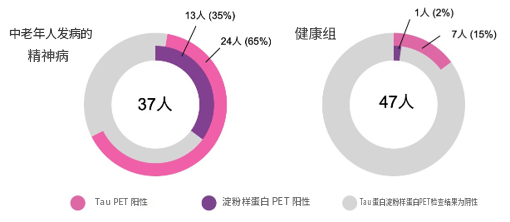
Japanese research team uses PET imaging to find tau protein pathology may be involved in onset of hallucinations and delusions in middle-aged and elderly
A research team comprising the National Institutes for Quantum Science and Technology (QST), Keio University, Kyoto University, Tokyo University of Science, and other institutions recently announced that researchers used PET imaging to observe tau protein pathology in the living brains of middle-aged and elderly psychiatric patients, and believe that such pathology may be related to psychiatric symptoms such as hallucinations and delusions that first appear after age 40. Proportion of positive tau PET and amyloid PET results Middle-aged and elderly psychosis generally refers to diseases in which psychiatric symptoms such as hallucinations and delusions first appear after age 40. Previous epidemiological studies and postmortem brain tissue studies have suggested that such symptoms may be related to neurodegenerative changes associated with dementia, but due to limited techniques for precise visualization and quantification of abnormal proteins in living brains, relevant evidence has long been insufficient.
2026-08-10

India Announces INR 26.75 Trillion in Investments This Fiscal Year, with INR 6.5 Trillion Planned for Nuclear Power
According to a report released by the Economic Research Department of India's Bank of Baroda, total announced investments in India reached INR 26.75 trillion between April 1 and August 5 of the 2026-2027 fiscal year. Amid persistent uncertainties in the global economic landscape, Information Technology-enabled Services (ITeS) emerged as the dominant investment destination, accounting for 56% of total proposed investments. The report stated that the ITeS sector announced investments of INR 14.98 trillion, with nearly 99% concentrated in data centers and artificial intelligence, involving 13 companies. This indicates that digital infrastructure and AI-related industries remain a strategic focus for Indian enterprises and capital allocation. By sector, investment announcements remain highly...
2026-08-10

U.S. Enhances Virginia-Class Nuclear Submarines
The recent U.S. efforts to enhance and reposition the Virginia-class nuclear submarines have focused primarily on expanding the platform's own capabilities. Certain batches of Virginia-class submarines are being reclassified from attack submarines (SSN) toward cruise missile submarines (SSGN), with the addition of the Virginia Payload Module (VPM) extending the hull and adding large-diameter vertical launch tubes, increasing the per-boat Tomahawk cruise missile payload from 12 to approximately 40, while also accommodating Conventional Prompt Strike hypersonic missiles and unmanned underwater vehicles. This modification directly fills the firepower gap left by the retiring Ohio-class SSGNs, positioning this submarine class as a covert, long-range conventional precision-strike node at sea. As nuclear-powered submarines, the Virgini...
2026-08-10
Radiation Environment Monitoring Technical Center of the Ministry of Ecology and Environment Visits Tibet to Conduct Research and Assistance on Radiation Environment Monitoring Capacity
Recently, in accordance with the work deployment of the Nuclear Facility Safety Supervision Department of the Ministry of Ecology and Environment (MEE), a team led by relevant officials from the Radiation Environment Monitoring Technical Center of the MEE visited the Radiation Environment Supervision Station of the Tibet Autonomous Region (hereinafter referred to as the Tibet Station) to conduct research, assistance, and technical guidance on radiation environment monitoring capacity. The working group was dispatched in batches to key cities including Lhasa, Nagqu, Shigatse, and Ngari, and systematically reviewed the current status of radiation monitoring capacity in the Tibet Autonomous Region through thematic seminars, on-site inspections, and hands-on training sessions. They conducted on-site assessments of the operation and maintenance challenges of the national-controlled radiation environment air automatic monitoring stations in Tibet, benchmarked against actual needs, identified shortcomings in capacity building, and implemented targeted measures to resolve bottlenecks in network operation. At the research symposium...
2026-08-10
South Korea Advances K-Moonshot Initiative, Nuclear Fusion and SMR Spacecraft Listed as Key Missions
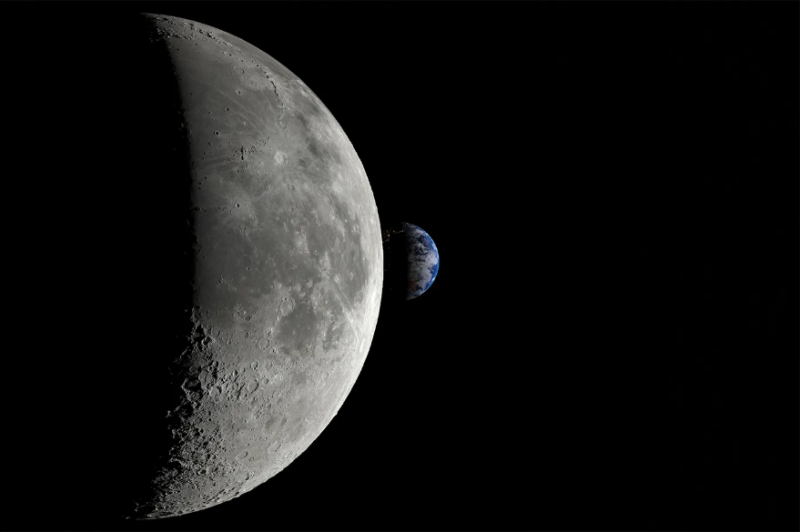
The South Korean government is accelerating the K-Moonshot initiative, seeking to tackle critical technologies that are difficult to break through via traditional research pathways through a national-level R&D organizational approach. Among these, nuclear fusion and small modular reactor (SMR) spacecraft have been included in 12 key missions, alongside new drug development, quantum technology, and artificial intelligence, all under the government's coordinated promotion. On August 10, Vice Minister Goo Hyuk-chae of the Ministry of Science and ICT (MSIT) met with the heads of the 12 mission projects and representatives of related institutions at the K-Moonshot Project Support Office in Sejong City to discuss next-stage implementation arrangements. The meeting focused on detailing...
2026-08-10
Taiwan's Nuclear Plant No. 3 safety inspection schedule extended to 2029, nuclear restart progress faces uncertainty
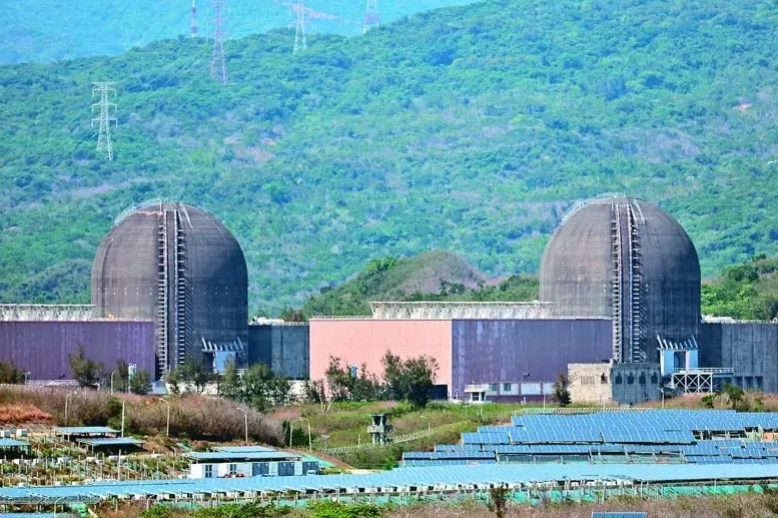
The latest report from the Audit Department shows that the actual progress of Taiwan's nuclear restart may be lower than expected by the public. Although the Ministry of Economic Affairs has determined that Nuclear Plant No. 2 and Nuclear Plant No. 3 are feasible for restart, and Taipower's restart plan for Nuclear Plant No. 3 has been submitted to the Nuclear Safety Commission for review, a gap has emerged in the progress of the critical self-conducted safety inspections. Although the five self-conducted safety inspection contracts for Nuclear Plant No. 3 have been awarded, the contract performance period may be extended to July 2029, casting uncertainty over the original goal of completing document review by the end of 2028. Nuclear Plant No. 3 is currently regarded as the plant with the best chance of advancing toward restart, but its restart process still must clear multiple hurdles including safety review, aging assessment, aging management, and related document review...
2026-08-10
South Korea Designates SMR as National Strategic Technology, Tax Incentives to Drive New Investment in Nuclear Supply Chain
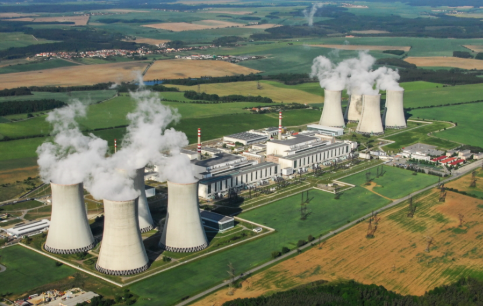
The South Korean government's inclusion of Small Modular Reactors (SMR) in its national strategic technology support scope signals that its energy and industrial policies are extending from traditional large-scale nuclear power plants to next-generation nuclear technologies. SMRs feature modular manufacturing, relatively shorter construction periods, and higher site flexibility, making them a key direction for South Korea in balancing energy security, low-carbon transition, and advanced manufacturing upgrades. This policy has gained support from South Korea's nuclear industry, with the key being that national strategic technology status typically entails tax credits and other incentives for corporate R&D, equipment investment, and related capital expenditures. For companies involved in nuclear equipment, castings and forgings, control systems, engineering design, and fuel-related businesses...
2026-08-10