
Search Results
Keyword:C
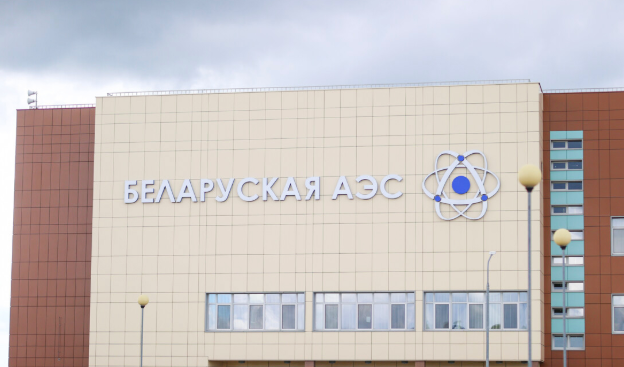
Belarus Plans Nuclear Expansion: BelAES Unit 3 and Second NPP in Mogilev Region to Advance in Parallel
Belarusian Energy Minister Denis Moroz recently stated that nuclear energy has become a strategic energy direction for Belarus, bearing on national energy security, economic growth, and technological sovereignty. Since the Belarusian Nuclear Power Plant was commissioned, it has helped the country reduce its dependence on imported natural gas, cumulatively replacing approximately 14.5 billion cubic meters of natural gas and saving over $600 million in budget funds. After assessing the multiplier effect of nuclear power on the economy, Belarus has decided to continue advancing its nuclear energy development. Moroz stated that the country has made a principled decision: on the one hand, to build a third unit at the Belarusian Nuclear Power Plant (BelAES) in Ostrovets, and on the other hand, to simultaneously study the plan for constructing a second nuclear power plant.
2026-08-09

U.S. Department of Energy Selects SHINE Technologies for Genesis Initiative, AI to Optimize Reprocessing of 95,000 Tons of Spent Nuclear Fuel
The U.S. Department of Energy has selected SHINE Technologies to participate in the Genesis mission, advancing the application of artificial intelligence in the nuclear industry. The core objective of the project is to develop an AI-assisted design system for engineers to plan more efficient spent fuel reprocessing facilities. The United States currently has approximately 95,000 tons of accumulated spent nuclear fuel, which has historically posed long-term storage and disposal challenges. The new approach seeks to recover still-valuable components from this material, reducing waste volume and improving resource utilization. The key to this project lies in transforming traditional engineering design methods. In the past, metrics such as throughput, final product quality, and waste volume in nuclear fuel reprocessing processes were typically evaluated separately...
2026-08-09
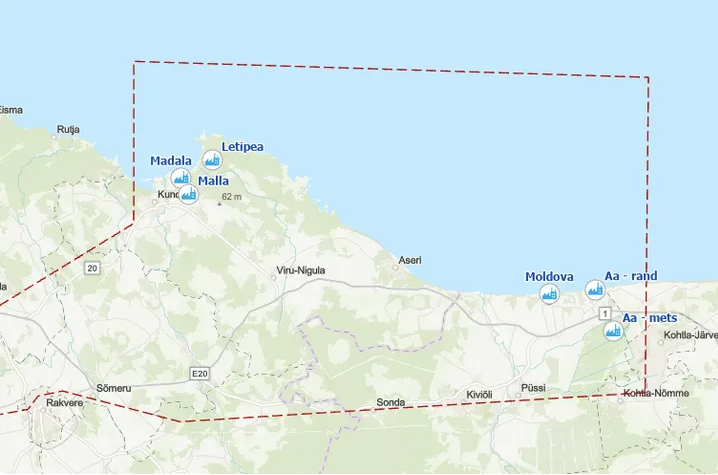
Estonia's Nuclear Power Plant Site Selection Enters New Phase, with All Six Candidate Locations on the Northern Coast
Estonia's special plan for building a nuclear power plant has entered a critical screening phase. Following the government's decision launched last spring, six potential sites have been identified, all located on Estonia's northern coast. Three of the sites are in Lääne-Viru County, and the other three are in Ida-Virumaa County, indicating that the northern coastal region has become a key focus area for nuclear power project development. The planning is being organized by Estonia's Ministry of Economic Affairs and Communications, with Fermi Energia AS being the company interested in the plan and its implementation. The two parties will introduce the candidate sites and the criteria for final site selection through public events in early August. Relevant information was already presented on Wednesday in Rakvere, indicating the project is moving from internal assessment toward public engagement.
2026-08-09

Low Danube Water Level Tests Bulgaria's Nuclear Operations, Energy Minister Says Kozloduy Plant Can Sustain Operations for About a Week and a Half
Bulgarian Energy Minister Iva Petrova said on August 7 that if the Danube River water level remains at its current level, the Kozloduy nuclear power plant can continue normal operations for about a week and a half. She described the situation facing the plant as difficult and dynamically changing, while emphasizing that the plant is currently operating stably with no direct failures affecting power generation. The Kozloduy nuclear power plant is a critical facility in Bulgaria's power system, and the high attention paid to Danube water level changes is mainly related to the cooling conditions required for plant operations. Persistently low water levels may increase operational dispatch pressure and require the energy sector to more frequently assess safety margins and subsequent response measures.
2026-08-08
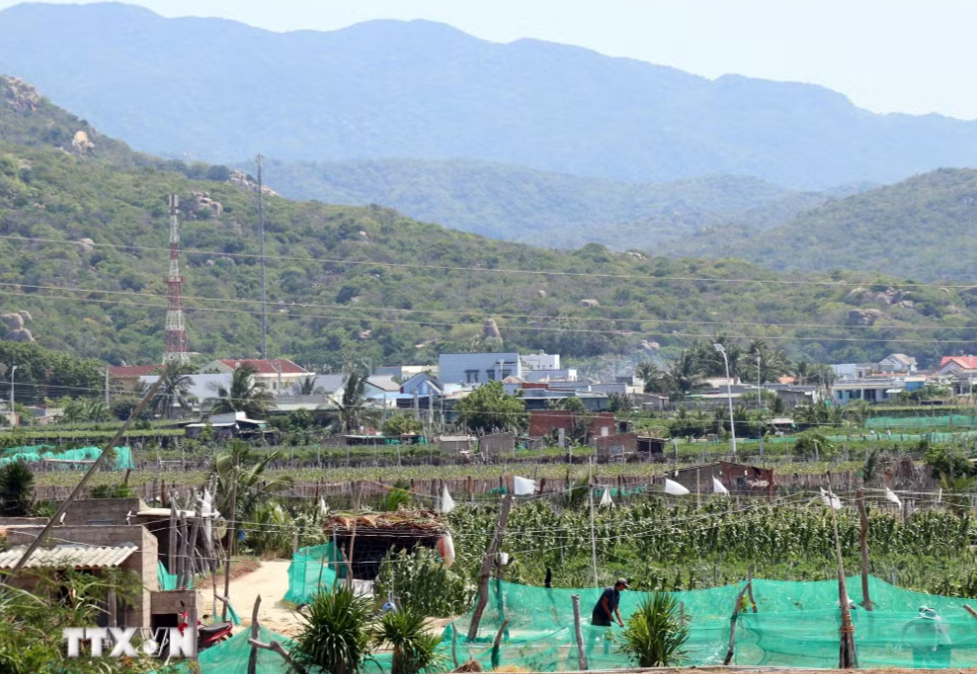
Land clearance obstacles hamper Vietnam's Ninh Thuan nuclear power project; Khanh Hoa province establishes task force to advance land handover
August 7, 2026, according to the Vietnam News Agency, Vietnam's Ninh Thuan 1 and Ninh Thuan 2 nuclear power plant projects are entering an accelerated construction phase, but land clearance, compensation, and resident resettlement remain the main bottlenecks affecting progress. In accordance with the requirements of the Vietnamese Prime Minister, Khanh Hoa province is responsible for advancing Component Projects 1 and 2 supporting the two nuclear power projects, namely land acquisition and site clearance, and resettlement work. Although the provincial government has repeatedly set clear land handover targets and timelines, in actual implementation, especially at the Ninh Thuan 1 nuclear power project located in Phuoc Dinh Commune, numerous complex issues continue to arise in planning, compensation, land ownership verification, and on-site handover, causing progress to fall short of expectations. The prominent contradictions of the Ninh Thuan 1 project...
2026-08-09
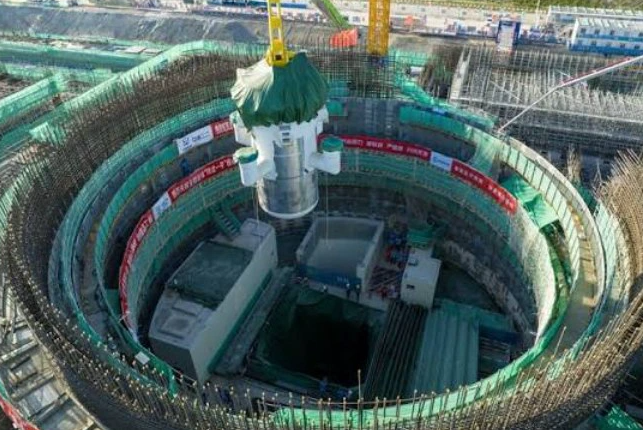
Russia Offers Brazil Nuclear Technology Cooperation and Small Modular Reactor Projects, Including Floating Nuclear Power Plants and Arctic/Antarctic Scientific Research
During his visit to Brazil, Nikolai Patrushev, aide to the Russian President and head of Russia's Maritime Board, proposed cooperation initiatives involving nuclear energy, scientific research, and maritime security to the Lula administration. This agenda indicates that Brazil continues to pursue a relatively autonomous diplomatic approach in its relations with major powers, while seeking to expand external cooperation space in areas such as energy transition, defense technology, and protection of maritime rights. In the nuclear energy sector, the Russian side focused on promoting small nuclear reactors and low-power nuclear technologies, including the Elena-M small nuclear power plant and floating offshore power generation units. The Russian side described these technologies as capable of long-term operation, relatively cost-effective...
2026-08-08

Russia Advances Rare Earth Extraction Technology Using Hyperaccumulator Plants, Plans Field Trials
August 7 news - Russian researchers have developed a technology for extracting rare earth metals using hyperaccumulator plants. The technology involves planting crops such as mustard, buckwheat, and sunflower at engineered landfill sites, allowing them to absorb metal elements from the soil and concentrate them in their biomass; after harvest, the plants are incinerated, and valuable elements are extracted from the ash. Mustard plantation. Photo: Pustovoit All-Russian Research Institute of Oil Crops. According to reports, under natural conditions in Russia, the relevant crops can be harvested two to three times per growing season. Estimates indicate that a single landfill site can yield up to 15 tons of rare earth metals annually. Currently, the laboratory has conducted tests using phosphogypsum waste from the Voskresensk and Balakovo areas, as well as loparite from the Lovozersky Mining and Processing Plant. The project plans to conduct field trials under real-world conditions this year, with pilot planting scheduled for next year.
2026-08-09
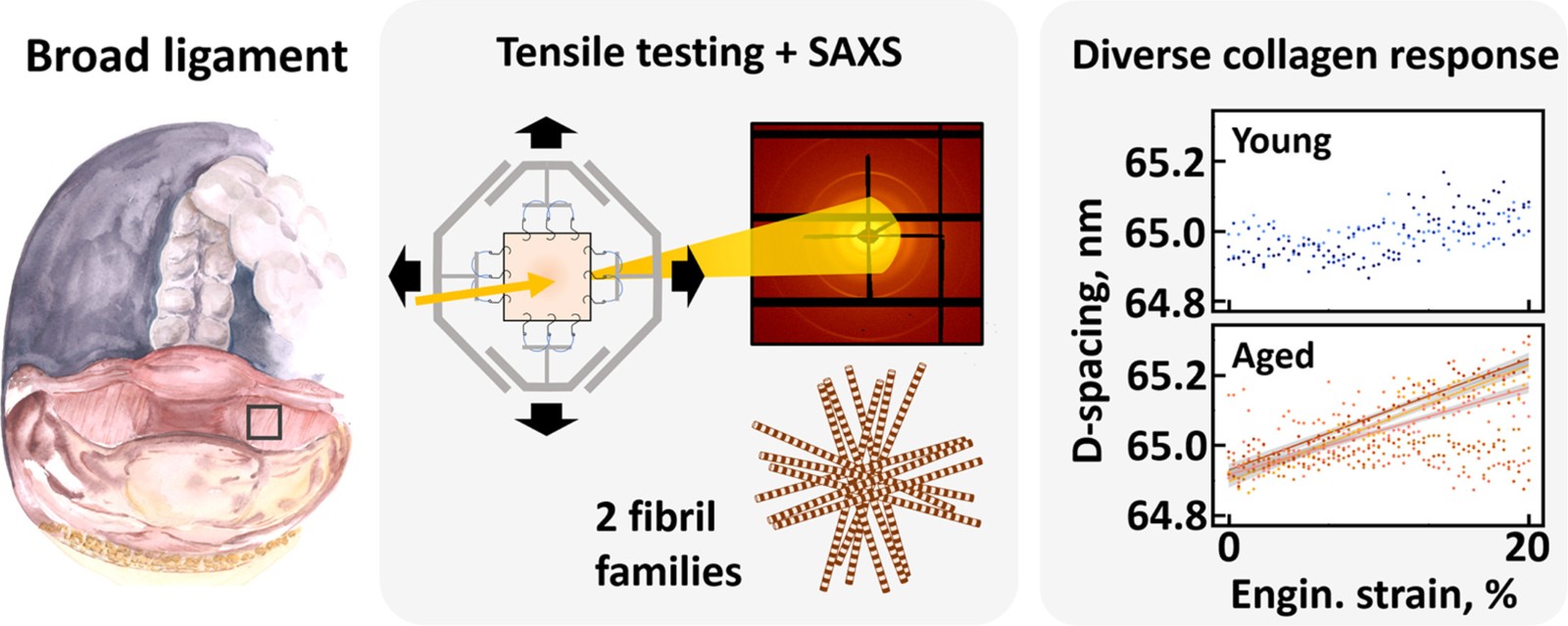
PETRA III Synchrotron Radiation Study Reveals New Clues to Aging Mechanisms of the Uterine Broad Ligament
Austrian and German research teams recently used the PETRA III facility at the German Electron Synchrotron (DESY) to conduct X-ray analysis of the broad ligament, an important ligament supporting the uterus, providing new biomechanical clues for understanding the mechanisms of pelvic organ prolapse. The findings were published in *Acta Biomaterialia*. Pelvic organ prolapse is a common but poorly understood issue in women's health, affecting approximately 40% of women, and predominantly occurring in the latter half of life. Medical researchers have previously speculated that age-related loosening of the ligaments surrounding the uterus may be a significant contributing factor to prolapse. The broad ligament connects the uterus to the pelvic wall, and its strength and elasticity primarily derive from collagen...
2026-08-09
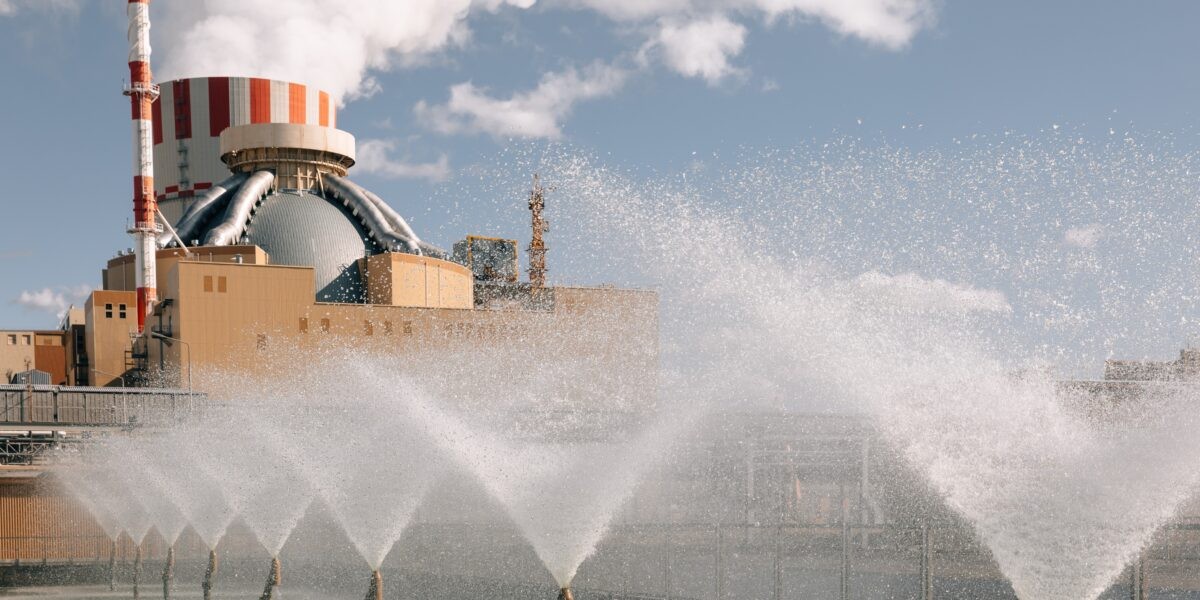
Rosatom Says Russian Nuclear Plants Operate Stably During Summer Heat
In response to recent operational pressures faced by foreign nuclear power plants due to high temperatures and low water levels, Alexey Likhachev, CEO of Rosatom, stated that Russian nuclear power plants are operating normally during the summer peak electricity demand period, with stable power generation. Likhachev said that hot weather does require nuclear plant operators to pay more attention to the condition of cooling systems, but for Russian nuclear plants, this is a normal seasonal factor. Russian nuclear power plants have incorporated significant climate fluctuations, including extreme weather scenarios, into their design and operational phases. He stated that Rosatom has experience in...
2026-08-09
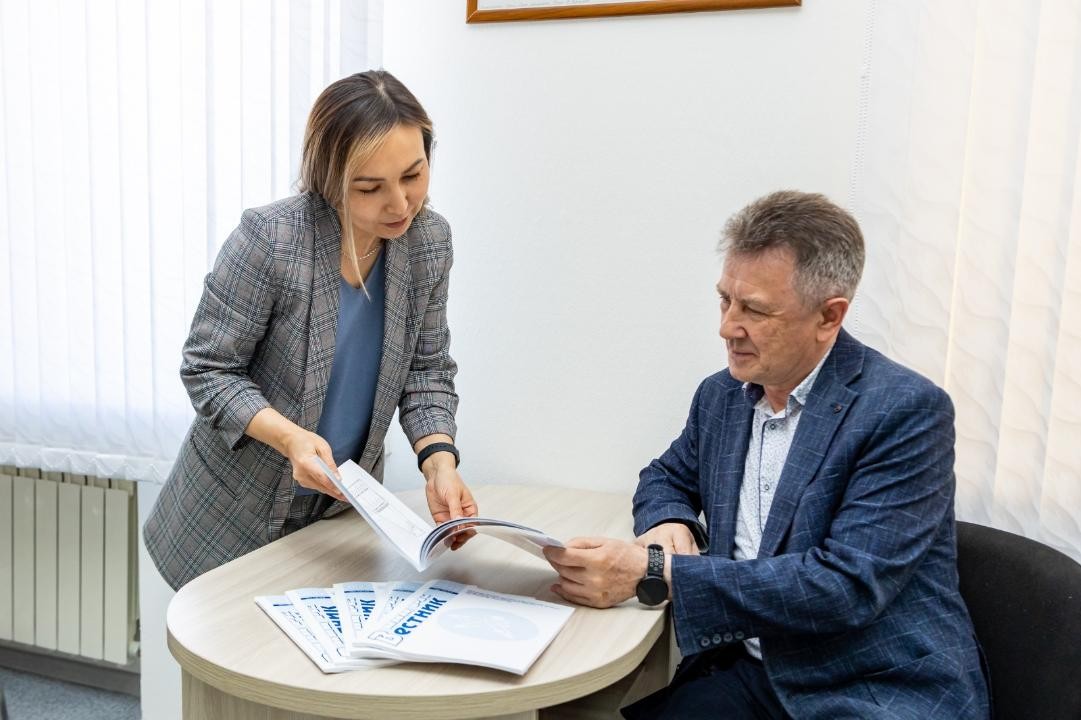
Kazakhstan's National Nuclear Center Advances Full-Chain Nuclear Talent Development
On August 7, the National Nuclear Center of the Republic of Kazakhstan (NNC RK) presented the status of its human resource development system in the field of atomic energy. Alua Mirzagazkyzy Kabdrakhova, scientific secretary of the center, stated that the modern nuclear energy industry is highly dependent on scientific research and engineering capabilities, and that talent development must begin with early career guidance and continue throughout higher education, research practice, and professional career development. According to the center's plan, nuclear talent development is first directed at secondary school students. The National Nuclear Center holds an annual summer school for young physicists and organizes student visits to research and technical facilities, helping high school students understand modern science,...
2026-08-09
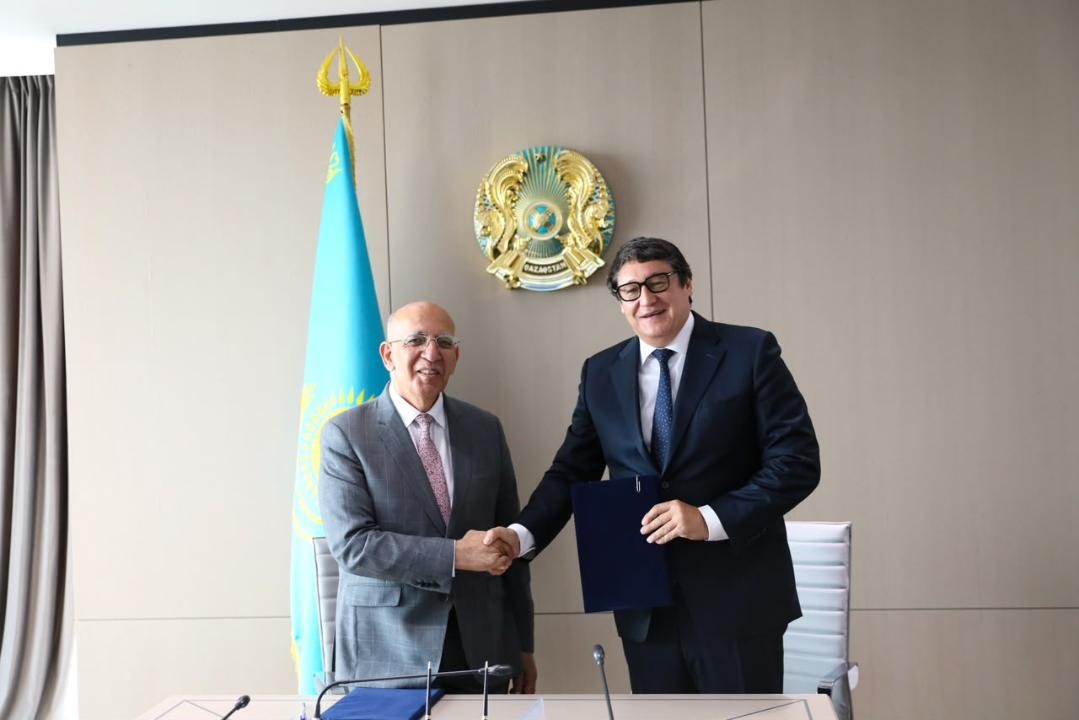
Kazakhstan Atomic Energy Agency and Nazarbayev University Sign Memorandum of Cooperation
On August 7, the head of Kazakhstan's atomic energy regulatory authority held formal talks with the President of Nazarbayev University, during which both parties exchanged views on the progress of existing cooperation and future directions for collaboration. During the talks, it was noted that representatives of Nazarbayev University have actively participated in the work of the agency's Scientific and Technical Committee, as well as in efforts to update forward-looking research in the nuclear energy field. Both sides agreed that research institutions and universities play a vital supporting role in the development of the nuclear energy industry, particularly in building research capacity and cultivating professional talent. Following the talks, the two parties signed a memorandum of cooperation. According to the document, the two sides will expand...
2026-08-08
Research Reactors Support Kazakhstan's Safe Nuclear Energy Development
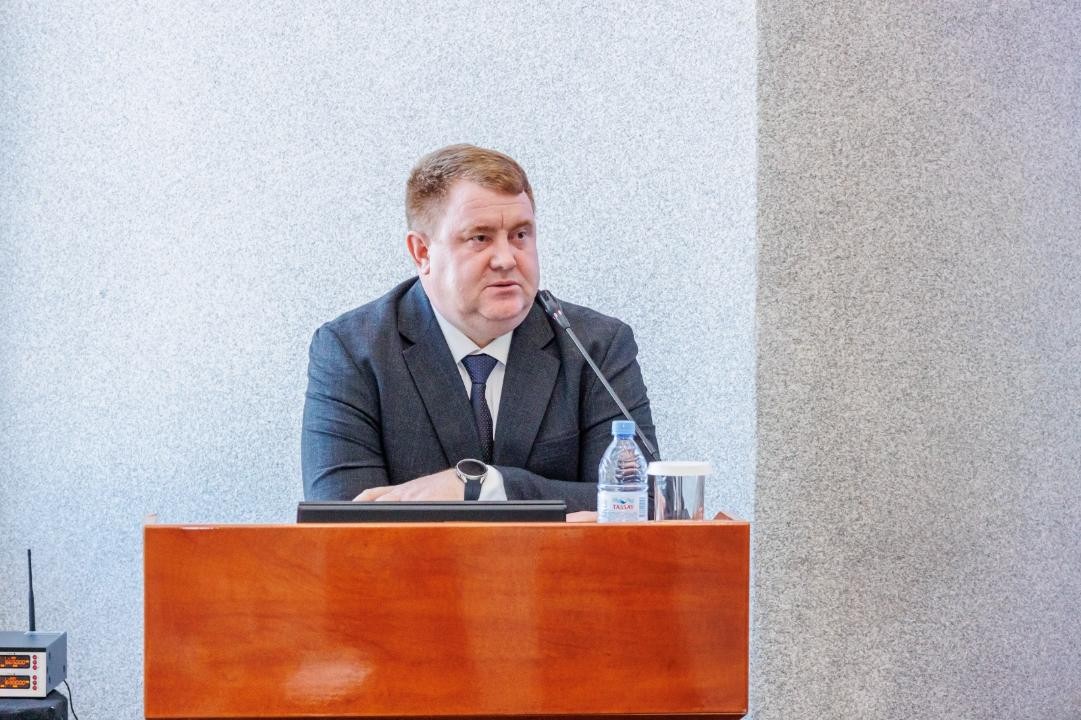
Against the backdrop of growing demand for low-carbon electricity, nuclear energy is being regarded by many countries as a key energy option. Kazakhstan is also advancing its own nuclear energy development. Equally critical to the construction of nuclear power plants is the long-term research, testing, and validation of nuclear fuel, structural materials, reactor operating conditions, and safety systems. Research reactors and experimental facilities are precisely the core platforms undertaking such work. Unlike power reactors, which primarily target electricity generation, research reactors are closer to specialized nuclear science laboratories. Researchers can study the behavior of nuclear fuel and structural materials, simulate different reactor operating states, including off-normal conditions, test new technologies, and validate engineering solutions subsequently used in nuclear...
2026-08-09
Paraguay says U.S. nuclear memorandum covers uranium exploration, energy cooperation heats up
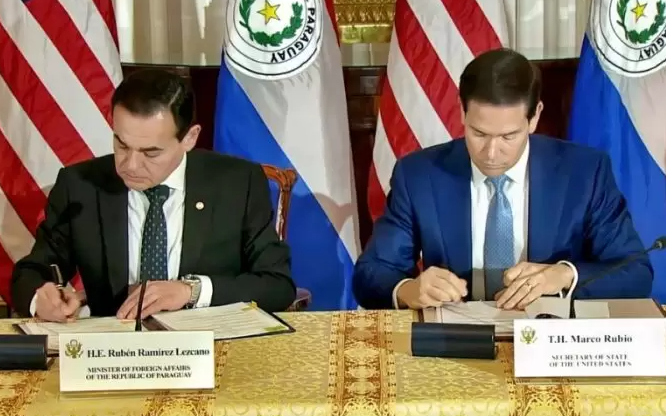
Paraguayan Vice President Pedro Alliana revealed that the memorandum of understanding on nuclear energy recently signed between Paraguay and the United States involves not only civil nuclear energy development but also cooperation related to uranium exploration. In discussing his meetings with U.S. Secretary of State Marco Rubio and Deputy Secretary of State Christopher Landau, he called the agreement a historic document, reflecting that bilateral relations are at an unprecedented stage of closeness. The recent engagement between Paraguay and the U.S. was not limited to nuclear energy issues but spanned multiple areas including bilateral cooperation, security, investment, and regional politics. Alliana stated that the U.S. side intends to strengthen investment in Paraguay's energy sector, with particular attention to...
2026-08-09

Another access control irregularity at Kashiwazaki-Kariwa Nuclear Power Station: exit gate fails to intercept unauthorized passage
Tokyo Electric Power Company (TEPCO) announced on August 7 that an irregularity related to access control occurred at the Kashiwazaki-Kariwa Nuclear Power Station. An operator improperly used his own ID card to allow a colleague who had left his ID card in the central control room to pass through the gate and exit. TEPCO stated that the access control system failed to display an error message at the time and was unable to prevent this unauthorized passage. According to disclosed information, the incident occurred during the exit process and involves management matters related to nuclear material protection. TEPCO has not yet publicly disclosed the specific date of the incident, the identities of the personnel involved, the detailed reasons why the system failed to trigger an alarm, or subsequent disciplinary actions and preventive measures. Kashiwazaki-Kariwa...
2026-08-08

Argentina and Ecuador Sign Six Cooperation Agreements, Including Peaceful Use of Nuclear Energy Cooperation
Argentine President Javier Milei and Ecuadorian President Daniel Noboa held a bilateral meeting at the Carondelet Palace in Quito on August 7, signing six cooperation agreements. The agreements cover trade, nuclear energy, air transportation, judicial cooperation, cyber defense, and marine resource protection, indicating that the two countries are attempting to establish a closer cooperation framework on security and economic issues. Energy and technological cooperation was also a key component of the meeting. The two sides signed a cooperation agreement on the peaceful use of nuclear energy, emphasizing the promotion of nuclear applications in civil fields through exchanges between scientific research institutions, technical cooperation, and joint research and development projects. Such cooperation helps enhance...
2026-08-08