
Search Results
Keyword:CERN
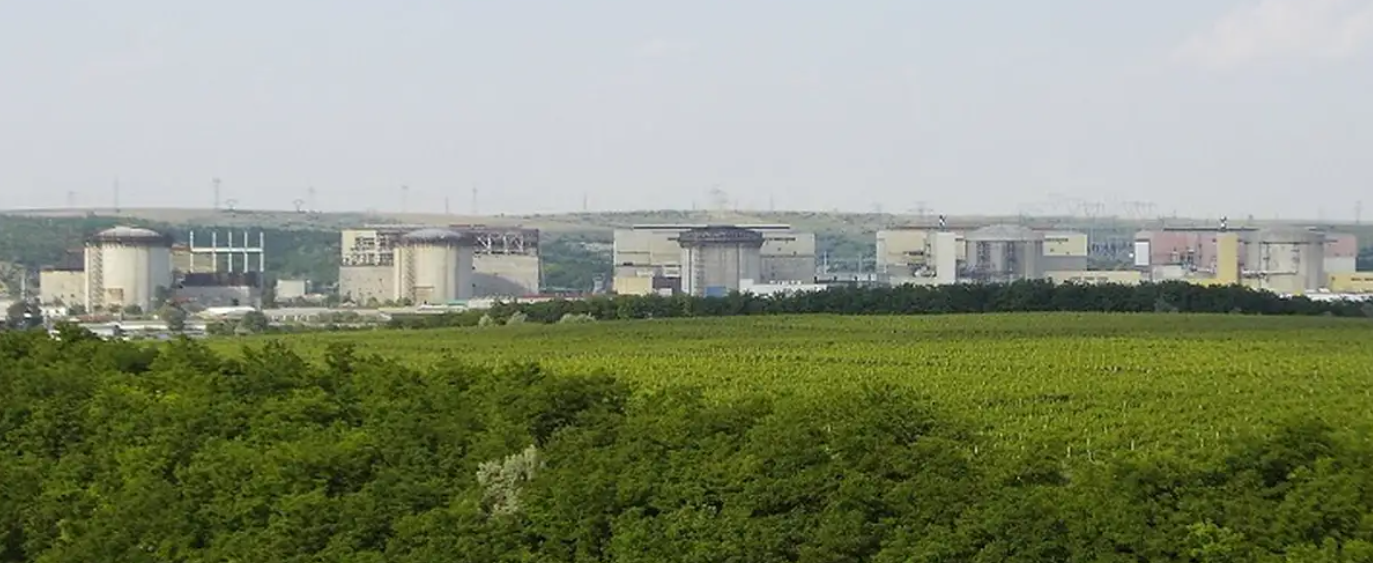
Cernavoda Nuclear Power Plant Fully Shut Down Due to Falling Danube River Water Levels
Due to the continuous decline of the Danube River water level, the two units of Romania's only nuclear power plant, the Cernavoda Nuclear Power Plant, have been successively shut down. To alleviate the pressure on electricity supply, Unit 4 of the Rovinari coal-fired cogeneration plant has been put into operation, adding approximately 330 megawatts of generating capacity to Romania's power system. Romania's nuclear power company (Nuclearelectrica) previously reported that due to the sharp decline in the Danube River water level, which affected the assurance of cooling water for the reactor, Unit 2 of the Cernavoda Nuclear Power Plant was shut down in a controlled manner on the morning of August 13. The company stated that the shutdown process was carried out in accordance with procedures. At the end of July this year, Unit 1 of the Cernavoda Nuclear Power Plant had already been shut down for the same reason...
2026-08-19
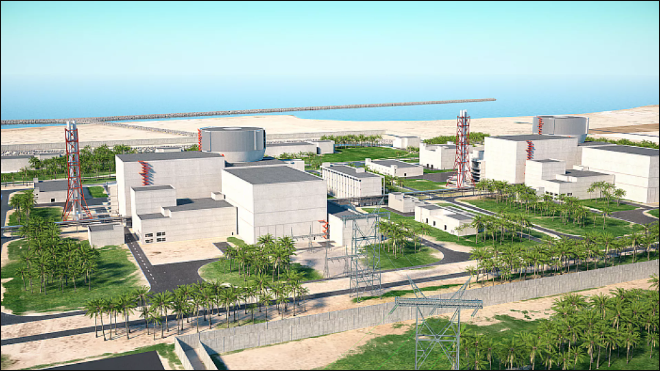
Egypt Clarifies Safety Concerns over Dabaa Nuclear Power Plant: Project Implemented in Accordance with International Nuclear Safety Standards
The Egyptian Cabinet Media Center recently issued a statement responding to questions regarding the application of safety standards during the implementation of the Dabaa Nuclear Power Plant project. The statement said that the circulating content failed to accurately and balancedly reflect the actual situation of the project, and directly extrapolated certain engineering observations into issues of project safety and implementation efficiency, lacking the necessary technical and regulatory context. The Egyptian Nuclear Power Plants Authority stated that the construction of the Dabaa Nuclear Power Plant is proceeding in accordance with international nuclear safety standards, with all civil, engineering, and installation works executed in compliance with international quality requirements and subject to continuous inspections by the Authority's monitoring and supervision teams. Relevant works may only proceed to the implementation phase after completing regulatory procedures and obtaining the necessary approvals from the Egyptian Nuclear and Radiological Regulatory Authority...
2026-08-18
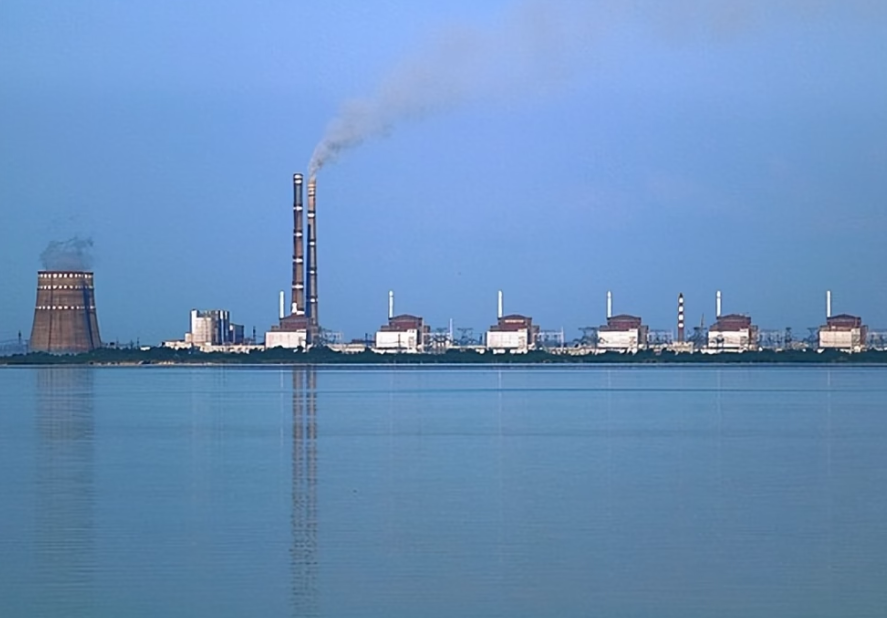
Repeated Power Outages at Zaporizhzhia Nuclear Power Plant Raise Concerns over Equipment Aging and Safety Risks
August 13 news, the issue of repeated interruptions to the external power supply at the Zaporizhzhia Nuclear Power Plant continues to draw attention. Relevant data shows that since February 2022, the plant has experienced 26 power outages, 14 of which occurred in the first 8 months of 2026. The Zaporizhzhia Nuclear Power Plant is the largest nuclear power plant in Europe. Once the external power supply is interrupted, the plant must switch to backup power to maintain the operation of essential safety systems. Frequent switching of power supply modes not only increases operational pressure but also poses additional risks to nuclear safety and radiation safety. Relevant parties have stated that signs of equipment aging at the Zaporizhzhia Nuclear Power Plant are intensifying, with the condition of diesel generator sets being particularly concerning. The backup diesel generator sets are generally...
2026-08-15
Unit 2 of Romania's Cernavodă Nuclear Power Plant shut down for at least 10 days due to falling Danube River water levels
Romeo Urjan, head of Romania's Cernavodă Nuclear Power Plant, said that due to the continuous decline of Danube River water levels, Unit 2 of the plant has been shut down since August 13 for at least 10 days. Romania's Ministry of Energy stated on August 12 that Unit 2 of the Cernavodă Nuclear Power Plant required a temporary shutdown. As planned, the shutdown operation began on the morning of August 13 and was completed before noon that day. Urjan stated that Danube River water levels are expected to continue declining over the next 10 days, so the plant currently has no plans to restart Unit 2. He emphasized that this shutdown is unrelated to nuclear safety issues or emergencies, with the main reason being...
2026-08-14

EIC and CERN Strengthen Cooperation to Advance International Scientific Exchange for the Electron-Ion Collider
August 12, 2026 - The collaboration between the Electron-Ion Collider (EIC) project and the European Organization for Nuclear Research (CERN) is deepening further. On May 28, CERN hosted a workshop themed around the EIC to introduce the project's scientific goals, construction progress, and future research opportunities to its international scientific community. Luisella Lari (right), Deputy Director for Strategic Partnerships of the Electron-Ion Collider (EIC) project, poses with Matthew Chalmers, organizer of the CERN lecture series, after delivering a talk titled "The Road to the Electron-Ion Collider" at CERN. Luisella Lari, senior scientist on the EIC project, delivered a talk titled "The Road to the Electron-Ion Collider" at the workshop.
2026-08-13
Romania's Cernavoda Nuclear Power Plant to Shut Down Due to Falling Danube River Levels
Romania's Ministry of Energy announced on the 12th local time that, due to current hydrological conditions, Unit 2 of the Cernavoda Nuclear Power Plant will undergo a controlled shutdown starting on the 13th. Cernavoda is Romania's only nuclear power plant, and this shutdown will mark the first time the plant has been completely taken offline since 2003. The Cernavoda plant has two units, with Unit 1 already shut down at the end of last month. The plant accounts for approximately one-fifth of Romania's electricity generation. Romanian authorities had previously taken engineering measures to delay the shutdown of Unit 2, including dredging relevant sections of the Danube River, blasting and removing underwater rock obstacles, clearing the riverbed, and sinking barges loaded with crushed stone into the river channel to adjust water flow conditions. These operations involved an investment of over 2 million euros.
2026-08-13
Romania's Cernavodă Nuclear Power Plant to Shut Down Completely Due to Low Danube Water Levels
Affected by persistent drought and low Danube water levels, the Cernavodă Nuclear Power Plant in Constanța County, southeastern Romania, is expected to be completely shut down within the next 48 hours. Sorin Lindasu, a representative of Romania's water utility company Apele Române, stated that based on current hydrological forecasts, the shutdown of the nuclear power plant is unavoidable and there is no other solution. On Tuesday local time, the Danube's flow rate at its Romanian estuary dropped to 1,370 cubic meters per second, below the previous historical low of 1,450 cubic meters per second. Meteorological forecasts indicate no significant rainfall in the Danube basin over the next five days. Cristian Bușoi, State Secretary of the Romanian Ministry of Energy...
2026-08-12
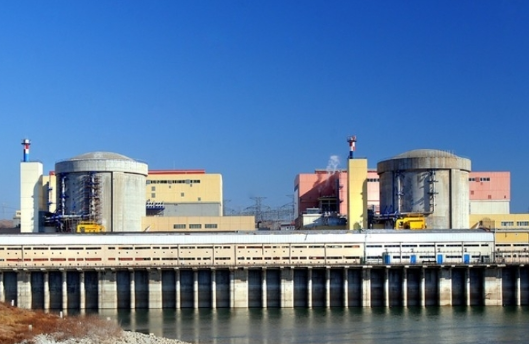
Romania Plans to Allocate 51 Million Lei for Danube Dredging to Ensure Operation of Cernavodă Nuclear Power Plant
The Romanian government will allocate 51 million lei for Danube River dredging works, an arrangement specifically highlighted as crucial to the Cernavodă Nuclear Power Plant. The Danube is not only an important shipping route for Romania but is also closely linked to the operation of energy infrastructure—river water depth, flow conditions, and water intake safety all affect the stable operation of coastal industrial and power facilities. The Cernavodă Nuclear Power Plant is a key asset in Romania's power system, and its operation requires stable water source conditions as cooling assurance. If the Danube experiences low water levels, sediment accumulation, or navigational obstructions, it could increase operational management pressure on the nuclear power plant and also affect the transport of fuel, equipment, and...
2026-08-11
Unit 2 of Romania's Cernavoda Nuclear Power Plant Still at Risk of Shutdown
Ionel Scrioșteanu, State Secretary of Romania's Ministry of Transport and Infrastructure, stated that Unit 2 of the Cernavoda Nuclear Power Plant is currently still in operation, but the risk of shutdown has not been eliminated. On August 8, Romanian authorities took emergency measures by sinking four fully loaded barges into the Danube River to raise local water levels, increasing the water intake into the plant's cooling water system to ensure the cooling needs of the reactor units. Scrioșteanu said on social media that the related actions have achieved positive results, allowing Unit 2 of the Cernavoda Nuclear Power Plant to continue operating...
2026-08-11
Unit 2 of Romania's Cernavoda Nuclear Power Plant to Operate for at Least 9 More Days
Unit 2 of Romania's Cernavoda Nuclear Power Plant is expected to continue operating for at least 9 more days. Romania's Acting Minister of Defense and Transport, Radu Miruță, stated that after blasting operations and the removal of underwater obstacles in the Danube River, the water level in the Cernavoda area rose by 4 centimeters over the past 24 hours. The previous day, the water level in the area had dropped by 3 centimeters. Recently, due to persistent drought, the Danube River's water level has fallen to historic lows, putting pressure on the plant's water intake and reactor cooling. To increase water supply in the river section near the Cernavoda Nuclear Power Plant, Romania last week implemented unconventional engineering measures, including blasting a rock formation in the Danube and sinking barges loaded with cargo to alter...
2026-08-10
Drought Lowers Danube Water Levels, Romania Plans to Restrict Industrial Power Use if Necessary
Romania's Acting Prime Minister Ilie Bolojan said after a cabinet meeting on August 6 that the government has developed a comprehensive risk prevention plan covering multiple risk scenarios, including earthquakes, public health events, and the current drought, with corresponding response measures clearly defined. Under the plan, Romania will establish a national operations center in the energy sector. Bolojan stated that the government will approve on August 7 measures by Transelectrica to take action when necessary: with 24 hours' prior notice, certain industrial users may be disconnected from the national grid. He also emphasized that power supply to ordinary citizens, apartments, and residential users will not be...
2026-08-07
University of Kansas Receives DOE Funding to Build New-Generation Detectors for CERN's Large Hadron Collider
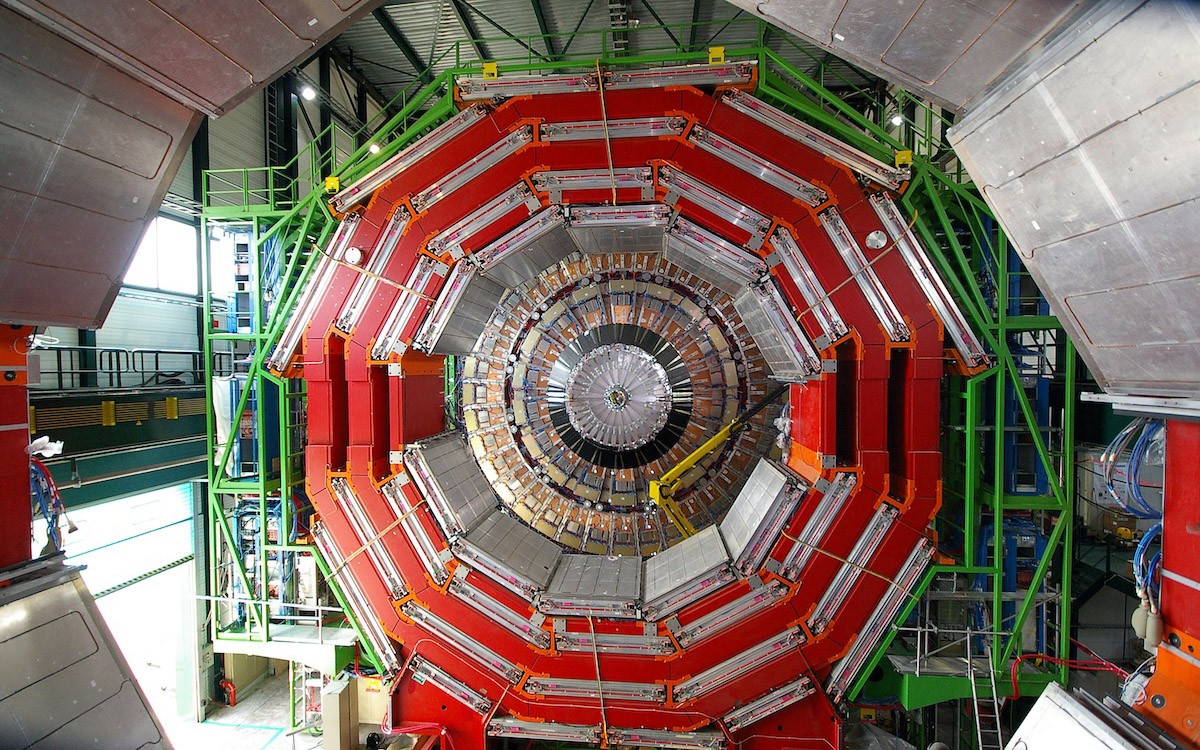
A particle detector development project led by the University of Kansas has recently received funding from the U.S. Department of Energy's Established Program to Stimulate Competitive Research (DOE EPSCoR). The project, funded at $1 million, will be used to design and build two High-Luminosity Zero Degree Calorimeters (HL-ZDC) for the Compact Muon Solenoid experiment (CMS) at CERN's Large Hadron Collider (LHC). The four-year project is co-led by Michael Murray, professor in the Department of Physics and Astronomy at the University of Kansas, and Christophe Royon, distinguished professor at the University of Kansas. Murray also serves as the project lead for the CMS High-Luminosity Zero Degree Calorimeter upgrade...
2026-08-06
Bulgaria's Kozloduy Units 5 and 6 VVER-1000 Continue Stable Power Generation
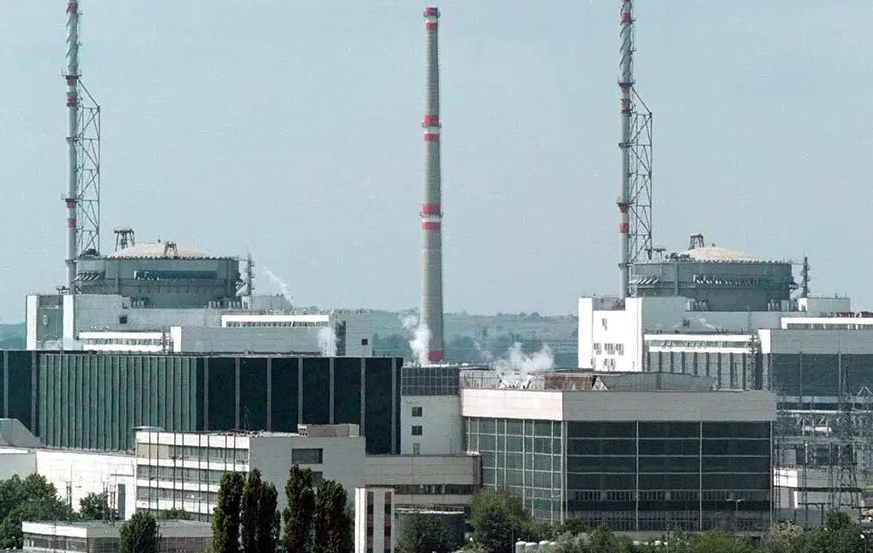
Bulgaria's Ministry of Energy confirmed on August 4 that Units 5 and 6 (both VVER-1000) at the Kozloduy Nuclear Power Plant remain stably connected to the grid despite record-low Danube River water levels and an ongoing heatwave. Professional assessments indicate that even if the river level continues to decline at the current rate, no power reduction will be required for the next three weeks. Bulgarian authorities have confirmed that they maintain continuous contact with relevant institutions in Serbia and Romania to coordinate and monitor the situation on the Danube waterway. The stable operation of the Kozloduy Nuclear Power Plant comes at a time when neighboring operators along the Danube have been forced to reduce output or cease operations. Due to the sharp drop in water levels and rising river water temperatures, Hungary has had to significantly reduce power output and shut down the Paks Nuclear Power Plant, which supplies more than 40% of the country's electricity.
2026-08-06
Romania postpones sinking barges to guide water flow, safeguarding cooling water supply for Cernavodă Nuclear Power Plant
Romania has recently taken emergency measures to address the impact of the persistently declining Danube River water level on the water supply to its nuclear power plant. On August 5 local time, Romanian authorities stated that four barges would be sunk in the Danube River to guide water flow into the water intake channel related to the cooling water supply of the Cernavodă Nuclear Power Plant. Cernavodă is Romania's only nuclear power plant. Affected by drought and the low water level of the Danube, the plant's water intake conditions are under pressure. On August 3, the Romanian military used approximately 180 kilograms of explosives to blast and clear a rock formation in the Danube riverbed, aiming to improve the water flow channel, ensure the cooling water source for units in operation, and prevent the nuclear units from being forced to shut down due to insufficient water supply...
2026-08-06
ÚJV Řež completes irradiation testing of cable samples for CERN, verifying material radiation resistance
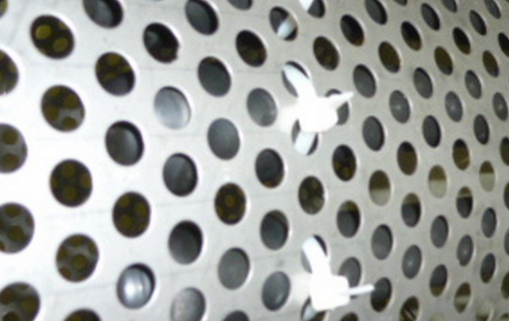
On August 3, the Radiation Chemistry and Environmental Qualification Department of ÚJV Řež stated that it had completed irradiation testing of cable samples for the European Organization for Nuclear Research (CERN) research team within a relatively short period, and submitted the test results required for subsequent research. The purpose of this testing was to confirm whether the relevant material samples could maintain reliable performance under high-radiation environments. ÚJV Řež has long been engaged in environmental qualification and cable lifetime management, with capabilities in radiation aging, thermal aging simulation, and testing of material mechanical and electrical properties. Through these tests, researchers can assess the tolerance limits of materials in harsh environments, providing a basis for equipment selection, operation and maintenance, and subsequent experiments...
2026-08-05