
Search Results
Keyword:COP
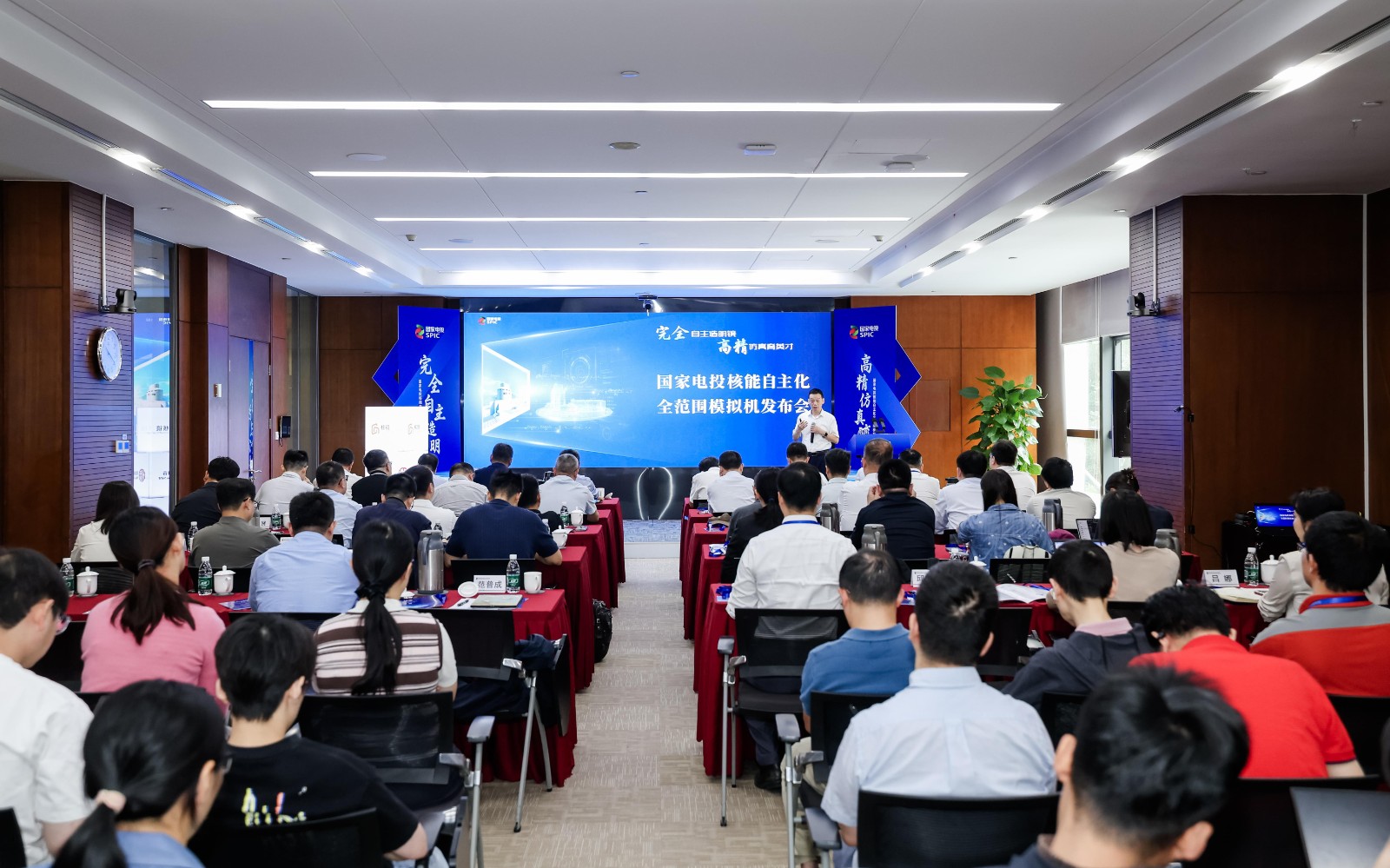
SPIC Releases Its First Fully Independent Full-Scope Simulator and Related Independent Technologies in Beijing
On September 28, SPIC released its first fully independent full-scope simulator and related independent technologies in Beijing, announcing that State Power Investment Corporation (SPIC) has mastered complete full-scope simulator R&D and supply capabilities. A full-scope simulator is like a mirror of a nuclear power plant; operators performing control actions in the full-scope simulator receive realistic feedback in real time. With the help of this "digital nuclear power plant without nuclear accident hazards," operators repeatedly hone their daily operational control and accident handling skills, becoming professionals who ensure the safe and efficient operation of real nuclear power plants. To ensure the training quality of main control room operators at nuclear power plants, the SPIC Central Research Institute took the lead, together with State Nuclear Power Automation System Engineering Company (SNPAS) and State Nuclear Power Demonstration Plant (SNPDP)...
2026-09-28

ZAP-X Gyroscopic Stereotactic Radiosurgery Platform Makes Its Australian Debut, Expanding Precision Non-Invasive Brain Radiotherapy
ZAP Surgical, the global leader in non-invasive robotic brain surgery, recently announced that GenesisCare will become the first cancer care provider in Australia to introduce the ZAP-X Gyroscopic Radiosurgery platform. Installation of the device is scheduled to begin this month at the GenesisCare center located at St Vincent's Hospital Sydney in New South Wales, with the first patients expected to receive treatment before the end of this year. The introduction of the ZAP-X platform will significantly enhance GenesisCare's neuro-oncology diagnostic and treatment capabilities in Sydney, providing it with dedicated stereotactic radiosurgery (SRS) services. Prior to this, patients receiving S...
2026-09-17

NASA's Chandra Telescope Discovers 84 Mysterious Supersoft X-ray Sources
NASA's Chandra X-ray Observatory recently announced that researchers using the observatory's publicly available observation data discovered 84 mysterious celestial objects known as supersoft X-ray sources in 6 galaxies. The related research was published in Nature Astronomy. Image credit: X-ray: NASA. These objects emit X-rays with unusually low energy and may be accompanied by strong high-energy ultraviolet radiation. The research team stated that the behavior of these objects is clearly different from previously observed known celestial bodies and may provide new clues for explaining the origin of Type Ia supernovae and the electron-stripping mechanism in the intergalactic medium. The 6 galaxies covered by this search include two spiral...
2026-09-10
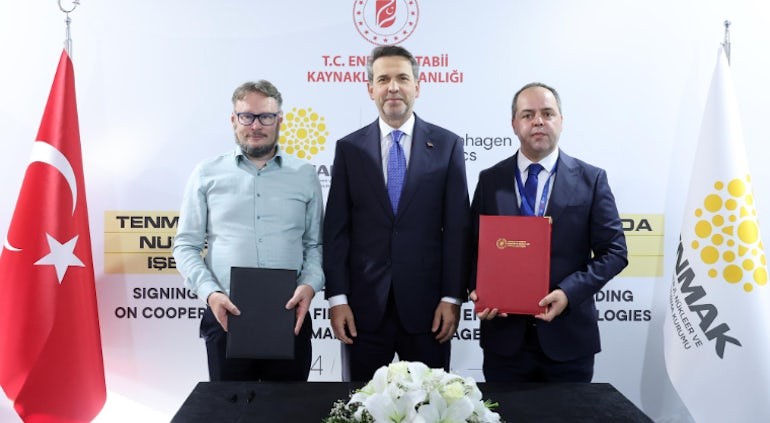
Turkey and Danish Developer Sign Memorandum of Understanding on Thorium-Based Molten Salt Reactor Research
On September 9, 2026, the Turkish Ministry of Energy stated that the Turkish Energy, Nuclear and Mining Research Institute (TENMAK) has signed a memorandum of understanding with Danish advanced reactor developer Copenhagen Atomics (CA), under which the two parties will conduct collaborative research on the application of thorium as a potential nuclear fuel for molten salt reactors. Tenmak and Copenhagen Atomics signed the memorandum of understanding on September 7. Photo courtesy of the Turkish Ministry of Energy and Natural Resources. The Turkish Ministry of Energy stated that the cooperation aims to advance research in areas related to thorium as a potential fuel for nuclear reactors, with a focus on assessing...
2026-09-10
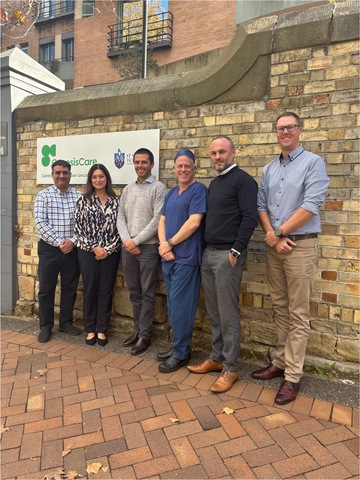
Australia's First ZAP-X Gyroscopic Radiosurgery Platform to Be Installed at St Vincent's Hospital Sydney
ZAP Surgical Systems has announced that GenesisCare will become the first cancer treatment provider in Australia to introduce the ZAP-X Gyroscopic Radiosurgery® platform. The device is expected to be installed this month at GenesisCare's center at St Vincent's Hospital in Sydney, New South Wales, with the first patients anticipated to begin treatment before the end of the year. The deployment of the ZAP-X platform will enhance GenesisCare's neuro-oncology treatment capabilities in Sydney, enabling it to deliver dedicated stereotactic radiosurgery (SRS). Previously, SRS patients were primarily treated using cobalt-60 systems and multi-purpose radiotherapy linear accelerators. The ZAP-X, in contrast, is a dedicated platform designed for non-inv...
2026-09-09
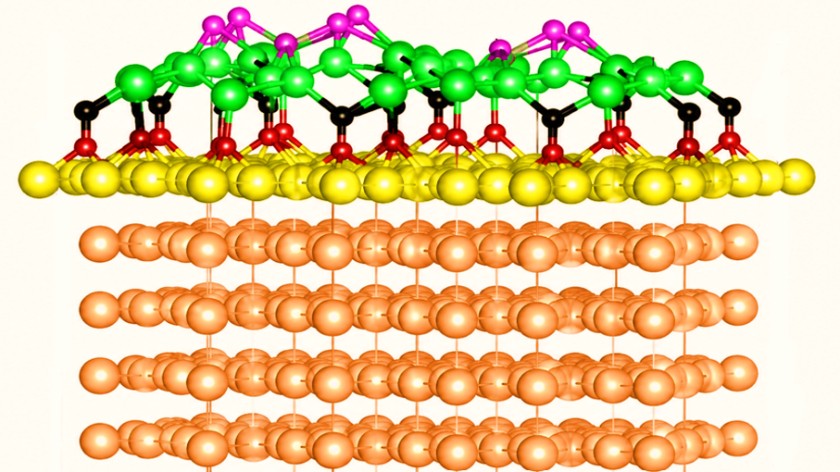
BESSY II reveals early-stage copper oxidation: providing evidence for catalyst development and corrosion research on nuclear waste final disposal containers
Germany's BESSY II synchrotron facility has recently provided new experimental insights into the early-stage oxidation process of copper surfaces. The study shows that before the formation of pure copper oxides, copper and oxygen atoms first form complex surface superstructures, such as "29"CuₓO. The chemical state of such structures has long been debated, and the findings are of reference value for catalyst research as well as for corrosion protection studies of copper containers used for radioactive waste final disposal. Before the formation of pure copper oxide, complex superstructures composed of copper and oxygen atoms emerge—such as "29"CuxO. HZB In everyday environments, copper surfaces gradually lose their red metallic luster and form a greenish oxide layer. This layer structure can slow further corrosion over an extended period. Regarding the initial stages of this process, the core question researchers focus on is: to what extent are copper atoms actually oxidized once oxygen enters the copper surface. Since conventional spectroscopic methods struggle to clearly distinguish between pure copper and partially oxidized surfaces, such oxidation states have previously been difficult to determine directly.
2026-09-07

Carbon Nanotubes Can "Remember" Their Initial Structure, Isotope Labeling Reveals Dynamic Growth Process
A study released on September 1 shows that carbon nanotubes can maintain their initial atomic structure in dynamically changing growth environments. The research team used digital isotope labeling technology to encode the elongation process of individual carbon nanotubes as sequences of different carbon isotope compositions, and read their growth history through Raman spectroscopy, thereby tracking the structural stability of nanotubes under conditions of temperature variation and catalyst evolution. The properties of carbon nanotubes are highly dependent on their atomic arrangement. The same material may exhibit metallic or semiconducting characteristics due to structural differences, so structural uniformity has always been a key issue for the large-scale application of carbon nanotubes. In floating catalyst chemical vapor deposition and other industrial production routes, catalyst particles experience constantly changing temperatures and gas compositions within the reactor and may undergo irreversible enlargement. Previously, direct evidence was lacking on whether individual carbon nanotubes could maintain their initial structure under such complex conditions.
2026-09-02
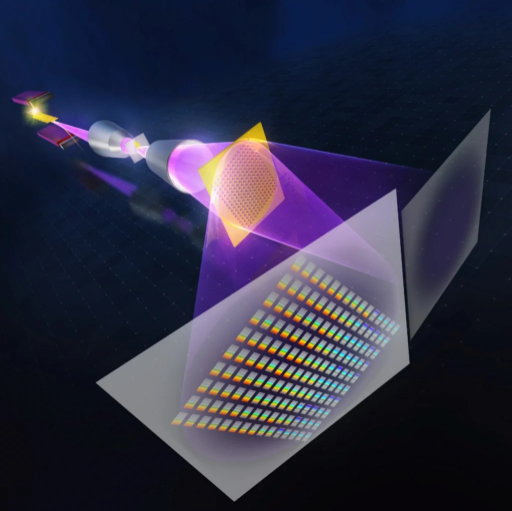
Japanese Team Achieves Femtosecond Soft X-ray Hyperspectral Microscopy, Simultaneously Acquiring Spatial and Energy Information with Single Pulse
On August 21, the Japan Science and Technology Agency, RIKEN, and the University of Tokyo announced that a research team comprising Assistant Professor Yoko Takeo and Associate Professor Takashi Kimura from the Institute for Solid State Physics at the University of Tokyo, Assistant Professor Satoru Egawa from the Research Center for Advanced Science and Technology at the University of Tokyo, and Team Leader Makina Yabashi from the RIKEN SPring-8 Center, among others, successfully developed and implemented a femtosecond soft X-ray hyperspectral microscope. The findings were published on August 20 in the U.S. scientific journal *Optica*. This technology utilizes a single soft X-ray pulse from an X-ray free-electron laser (XFEL) to simultaneously acquire soft X-ray spectra transmitted through different positions of a sample, enabling...
2026-08-31
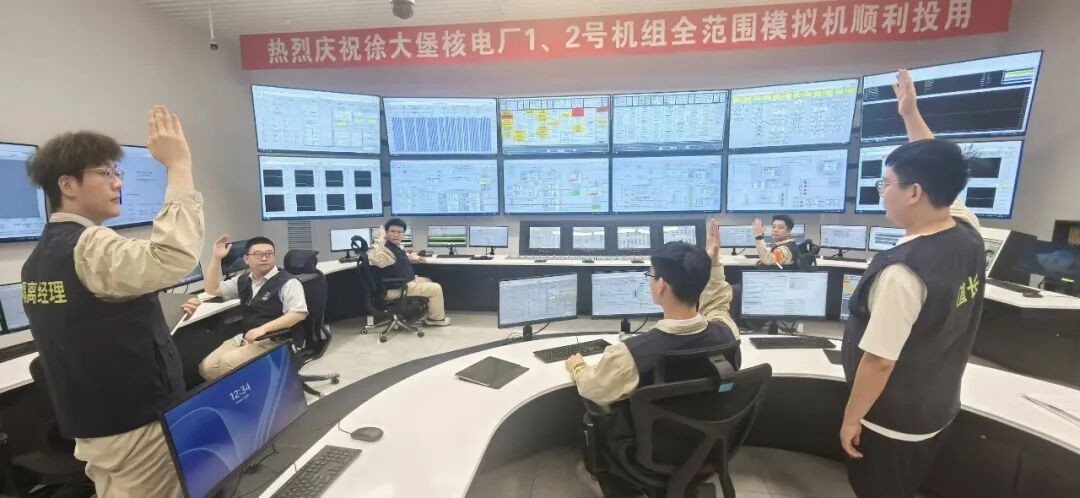
Training Launch for First Batch of Operators for Units 1 and 2 of Xudabao Nuclear Power Plant on Full-Scope Simulator
Recently, the first batch of operator training on the full-scope simulator for Units 1 and 2 of Xudabao Nuclear Power Plant was officially launched. The training program lasts 6 months, with 48 candidate Reactor Operators (ROs) and 24 candidate Senior Reactor Operators (SROs) participating. Centering on the five fundamental operator skills, the training conducts systematic hands-on exercises on the simulator platform, building a reserve of operations personnel for subsequent project construction and safe unit operation. The simulator for Units 1 and 2 can highly replicate the real working environment of the main control room and covers various operating conditions, making it an important platform for operations personnel to enhance their practical capabilities. The training is structured around five fundamental skills—close monitoring, precise control, conservative decision-making, teamwork, and knowledge mastery—integrating job conduct standards and team...
2026-08-27
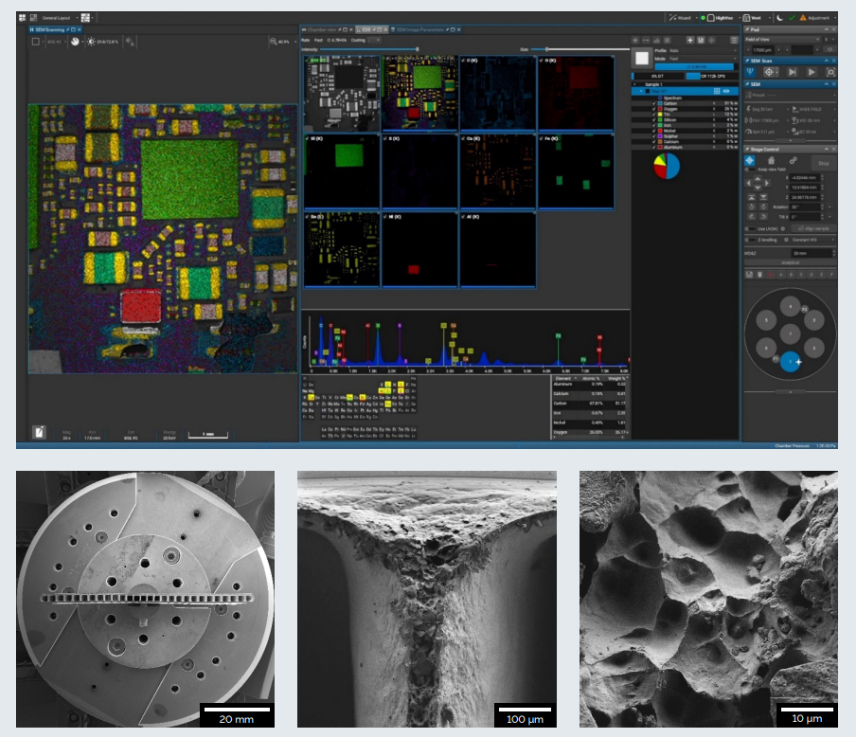
Tescan Launches MIRA XR Ultra-High-Resolution Scanning Electron Microscope for Materials Characterization and Failure Analysis Applications
Tescan recently launched the MIRA XR ultra-high-resolution scanning electron microscope system, targeting materials characterization needs in fields such as battery technology, metallurgy, and advanced materials science. Positioned between the Tescan MIRA and Tescan CLARA, the system aims to deliver higher resolution, enhanced surface sensitivity, and a more streamlined workflow, serving applications including R&D laboratories, industrial quality control, and failure analysis. According to reports, the MIRA XR employs BrightBeam™ technology and a single high-efficiency axial detector to improve surface signal acquisition under field-free imaging conditions, making it suitable for beam-sensitive materials and magnetic samples while reducing the need for sample preparation steps such as surface coating. The system also features an aperture-free column design that minimizes manual aperture selection and adjustment steps, allowing operators to focus more on sample observation and data analysis.
2026-08-26
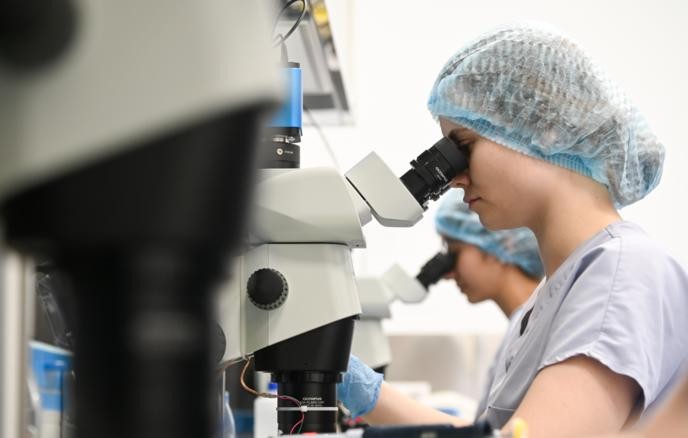
Rare Germanium Isotope Infrared Spectral Signatures Elucidated in Detail for the First Time
The press service of the Russian Ministry of Education and Science reported on August 25 that scientists from Tomsk Polytechnic University, in collaboration with an international research team, have for the first time conducted a detailed study of the infrared spectra of two rare germanium isotopes and identified characteristic spectral signatures that can be used to recognize the relevant isotopes in complex gas mixtures. The research team selected two highly enriched isotopes—germanium-72 and germanium-73—as the subjects of the study, recording their spectral information using a high-resolution Fourier transform spectrometer. This instrument is capable of resolving closely spaced spectral lines, providing the conditions for analyzing subtle spectral changes induced by isotopic substitution. The researchers stated that precise spectral data for different germanium isotopes remain relatively scarce in the scientific literature, and such data are of significant importance for identifying molecules in planetary atmospheres and for producing ultra-pure germanium isotopes for quantum technologies and modern electronics.
2026-08-26

Wiley Launches Spectroscopy Analysis API Portfolio in the U.S., Enabling Rapid Identification of Unknown Compounds
HOBOKEN, N.J. — Wiley recently announced the launch of its spectroscopy analysis Application Programming Interface (API) portfolio, opening its spectral data, analytical algorithms, and predictive models to laboratories, instrument vendors, and software platforms to help users identify and verify unknown compounds faster within their own workflows. According to the company, Wiley has long been building scientific reference databases, with its spectral data applied across pharmaceuticals, forensics, environmental science, chemistry, food, and materials. The newly launched API portfolio aims to integrate these databases and analytical tools into more modern software environments, enabling laboratories to incorporate high-quality spectral information directly into existing...
2026-08-20
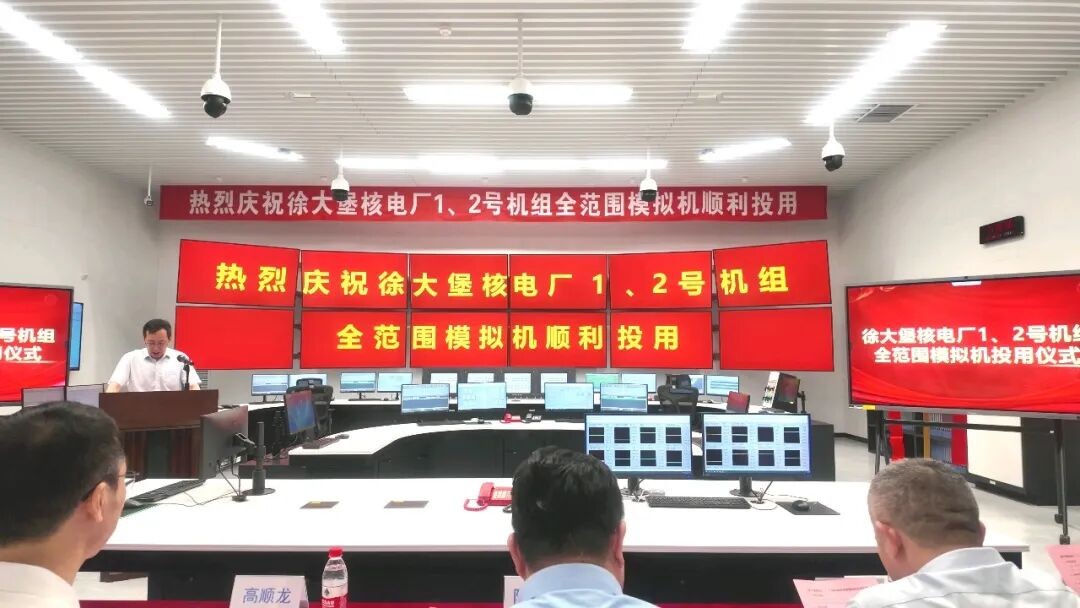
Full-Scope Simulator for Units 1 & 2 of Xudabao Nuclear Power Plant Officially Put into Operation
On August 19, the commissioning ceremony for the full-scope simulator of Units 1 & 2 of Xudabao Nuclear Power Plant was held in the simulator main control room. Chen Jin, Secretary of the Party Committee and Chairman of Liaoning Nuclear Power, and Zhang Xiong, General Manager and Deputy Secretary of the Party Committee, attended the ceremony. Gao Shunlong, Secretary of the Party Committee and Chairman of CNNC Wuhan, was invited to attend. The ceremony was presided over by Li Zhusan, Deputy General Manager of Liaoning Nuclear Power. At the ceremony site, attendees jointly watched a video reviewing the simulator construction process, and leaders from both sides jointly unveiled the plaque for the "CAP Simulator Training Center." Gao Shunlong stated that the commissioning of the simulator is an important milestone in project construction and also a brand-new starting point. CNNC Wuhan will make every effort to ensure simulator operation and maintenance support as well as optimization and upgrades, and will take this opportunity to expand the breadth and depth of cooperation with Liaoning Nuclear Power, jointly promoting high-quality project construction.
2026-08-20
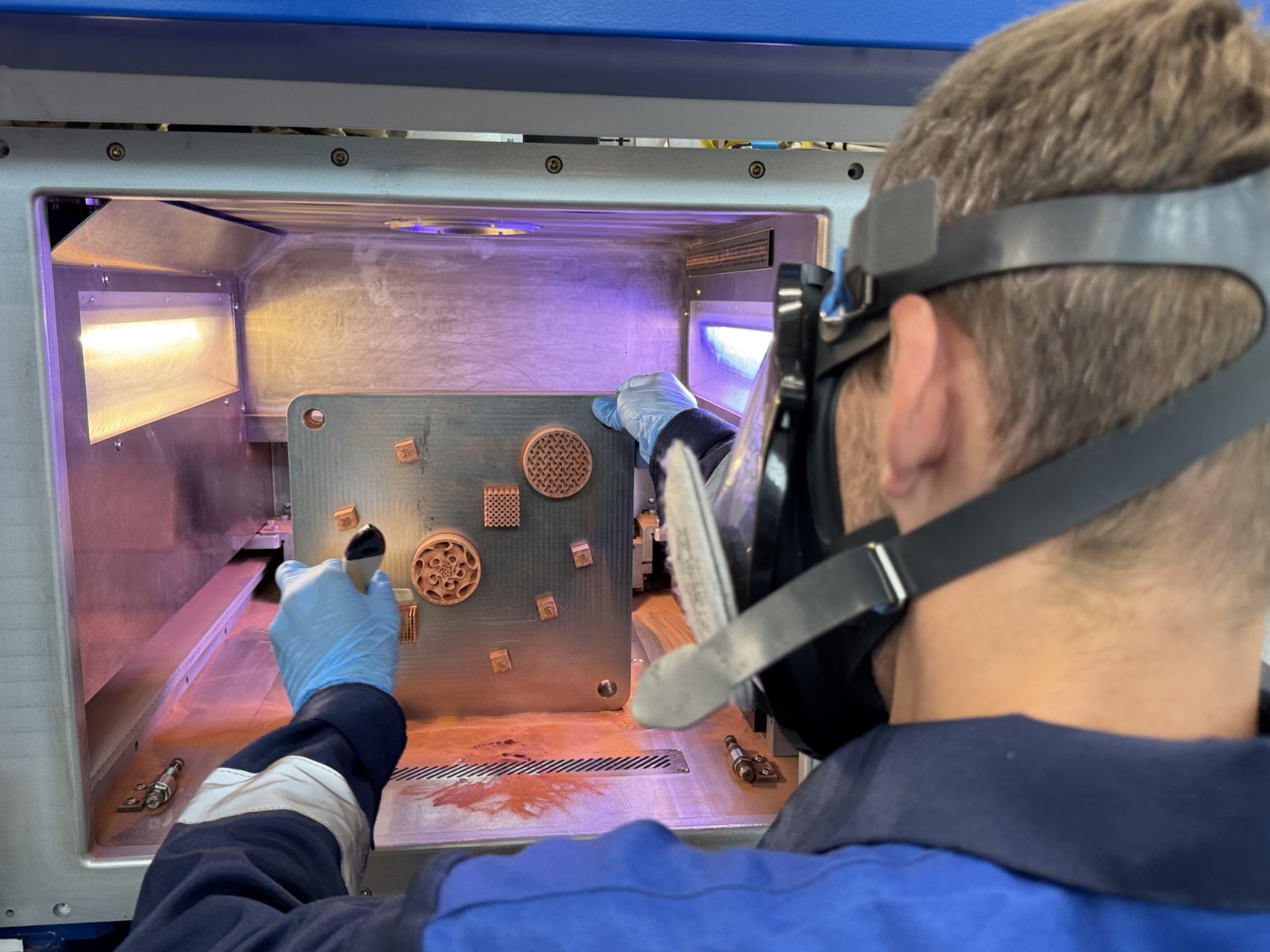
Rosatom masters 3D printing technology for copper and copper alloys
The additive manufacturing technology business division of Rosatom's Fuel Division recently announced that its experts have successfully manufactured products from copper and copper alloys using the RusMelt industrial 3D printer, marking progress in additive manufacturing with copper materials. According to reports, Rosatom had previously used selective laser melting (SLM) technology to produce metal 3D-printed equipment of various sizes, with commonly used materials including stainless steel, heat-resistant materials, and titanium. Due to copper's physical properties such as high thermal conductivity and high electrical conductivity, which also pose technical challenges for laser melting, its application in metal 3D printing has long been limited. The company's additive manufacturing technology center in Moscow...
2026-08-19
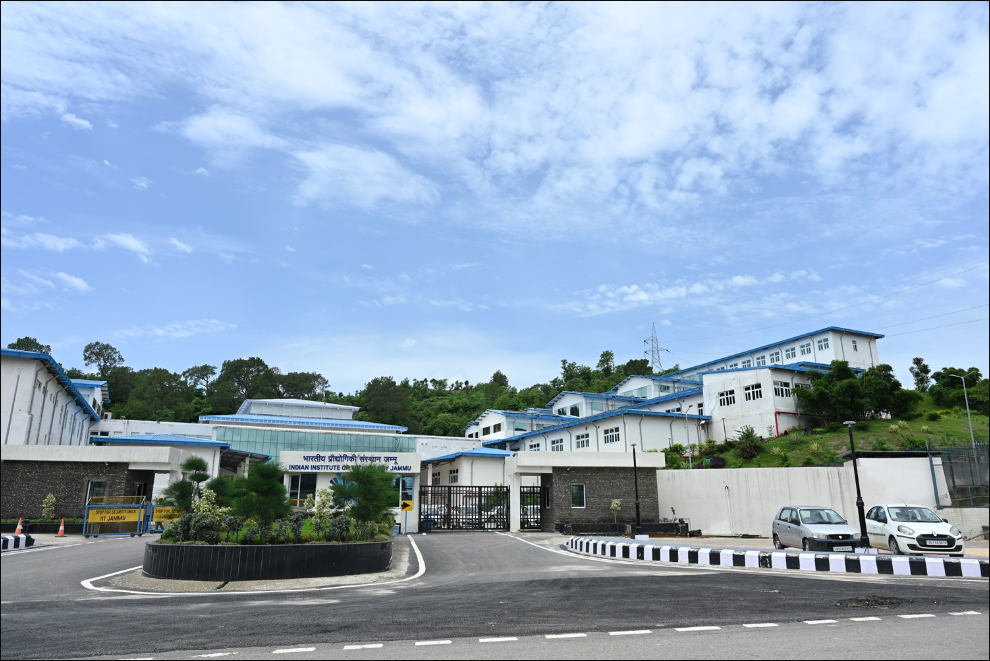
Indian research team uses supercomputer to track microscopic mechanisms of turbulence in dusty plasmas
Researchers at the Indian Institute of Technology Jammu (IIT Jammu), in collaboration with the Indian Institute of Technology Kanpur (IIT Kanpur), used supercomputer simulations to study the origin of chaos in dusty plasmas. By tracking the motion of millions of individual particles, the study revealed how turbulent energy is transferred from large-scale vortices to microscopic thermal motion of particles, providing a new computational perspective for nuclear fusion plasma research and astrophysical process analysis. Plasma is often referred to as the fourth state of matter. Unlike solids, liquids, and gases, atoms in plasma are ionized, forming a system composed of positively charged ions and negatively charged electrons. When tiny solid dust particles enter the plasma, these particles absorb electrons and become negatively charged, subsequently undergoing complex interactions with surrounding particles to form dusty plasma.
2026-08-19