
Search Results
Keyword:CT

Lightbridge Multi-Zone Fuel Element Granted Japanese Patent, Covering Fuel Assemblies and 3D Printing Manufacturing Methods
Advanced nuclear fuel technology company Lightbridge Corporation recently announced that its Japanese patent application for a multi-zone fuel element has been granted by the Japan Patent Office. The patent covers the fuel element design, fuel assemblies incorporating the design, and methods of producing the element via additive manufacturing, i.e., 3D printing. According to the disclosure, the patent involves a fuel rod composed of three layers of different materials. The thickness of the three layers can vary along the length of the fuel rod, thereby regulating fuel performance at different positions in the reactor to enhance reactor operating performance and safety margins. In addition to the fuel rod itself, the patent also covers fuel assemblies for mounting these fuel rods.
2026-09-02
NewHydrogen Files Third Patent Application for ThermoLoop Hydrogen Production Technology
NewHydrogen, Inc. recently announced that it has filed a third provisional patent application jointly with the University of California, Santa Barbara (UCSB) to protect developments related to its clean hydrogen production technology, ThermoLoop. The patent application is titled "Isothermal Chemical Looping Hydrogen Production." According to NewHydrogen, the application builds on two previous patents and covers the latest improvements to the ThermoLoop thermochemical water-splitting process, as well as novel material compositions discovered by the UCSB technical team. The process produces hydrogen by splitting water using thermal energy, combined with advanced solid-state materials and machine learning-driven materials discovery methods to improve efficiency and cost-effectiveness...
2026-09-02
Global Advanced Nuclear Energy Market Report Focuses on SMR and Fusion Development
The recently released "Global Advanced Nuclear Energy Market Report 2027–2047" shows that the global advanced nuclear energy industry is transitioning from concept validation and early-stage R&D to a new phase where project deployment, capital inflow, and supply chain development proceed in parallel. The report uses 2027 as the base year with a two-year baseline period to assess the development trajectory of the advanced nuclear energy market over the next 20 years. It covers small modular reactors (SMRs), nuclear fusion, and a range of emerging advanced nuclear technologies, including molten salt reactors, high-temperature gas-cooled reactors, lead-cooled fast reactors, sodium-cooled fast reactors, microreactors, advanced fuel cycles, integrated nuclear energy systems, and the application of artificial intelligence in nuclear power plant operations...
2026-09-02
Japan's Tomari Nuclear Power Plant Plans New Low-Level Radioactive Waste Processing Facility
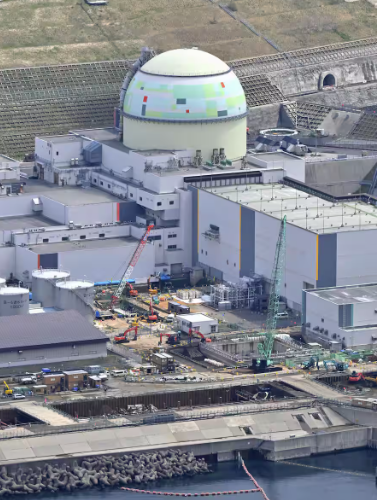
Hokkaido Electric Power Company (HEPCO) recently announced plans to construct a new low-level radioactive waste processing facility within the premises of the Tomari Nuclear Power Plant in Hokkaido, Japan, to handle approximately 12,000 drums of low-level radioactive waste currently stored on site. According to HEPCO, the new facility will sort waste such as paper and metal, reduce its volume through fine shredding or compression, and then solidify it by pouring mortar into the waste drums. After processing, the waste will undergo radioactivity level testing before being transported to the disposal center in Rokkasho Village, Aomori Prefecture. Previously, the Tomari plant had stored this type of waste in 200-liter drums without further processing. The proposed facility will have an annual processing capacity of over 1,000 drums, feature a three-story structure, and cover a total floor area of approximately 4,600 square meters.
2026-09-02
Japan's Onagawa Nuclear Power Station Unit 2 Plans to Replace Hydrogen Concentration Monitoring Equipment
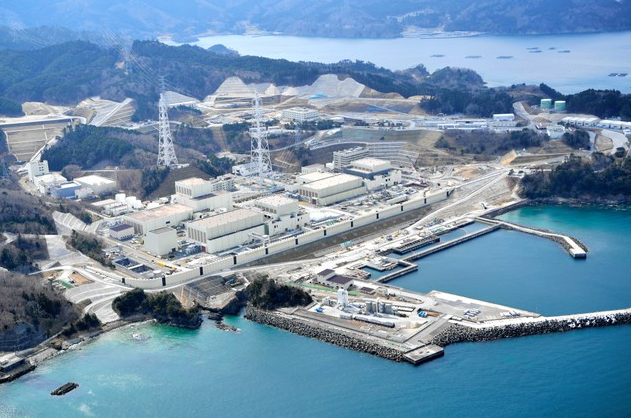
Tohoku Electric Power has consulted with Miyagi Prefecture, Ishinomaki City, and Onagawa Town in advance regarding a change to the method of monitoring hydrogen concentration inside the containment vessel under severe accident conditions at Unit 2 of the Onagawa Nuclear Power Station. The company plans to submit an application to amend the reactor installation license to the Nuclear Regulation Authority (NRA) of Japan on the 2nd. Unit 2 of the Onagawa Nuclear Power Station is located in Onagawa Town and Ishinomaki City, Miyagi Prefecture. Tohoku Electric Power previously installed a total of four hydrogen concentration detectors inside and outside the reactor containment vessel of this unit, intended to monitor changes in hydrogen concentration within the containment vessel in the event of a severe accident. In 2025, some of these detectors experienced malfunctions. In the same year...
2026-09-02
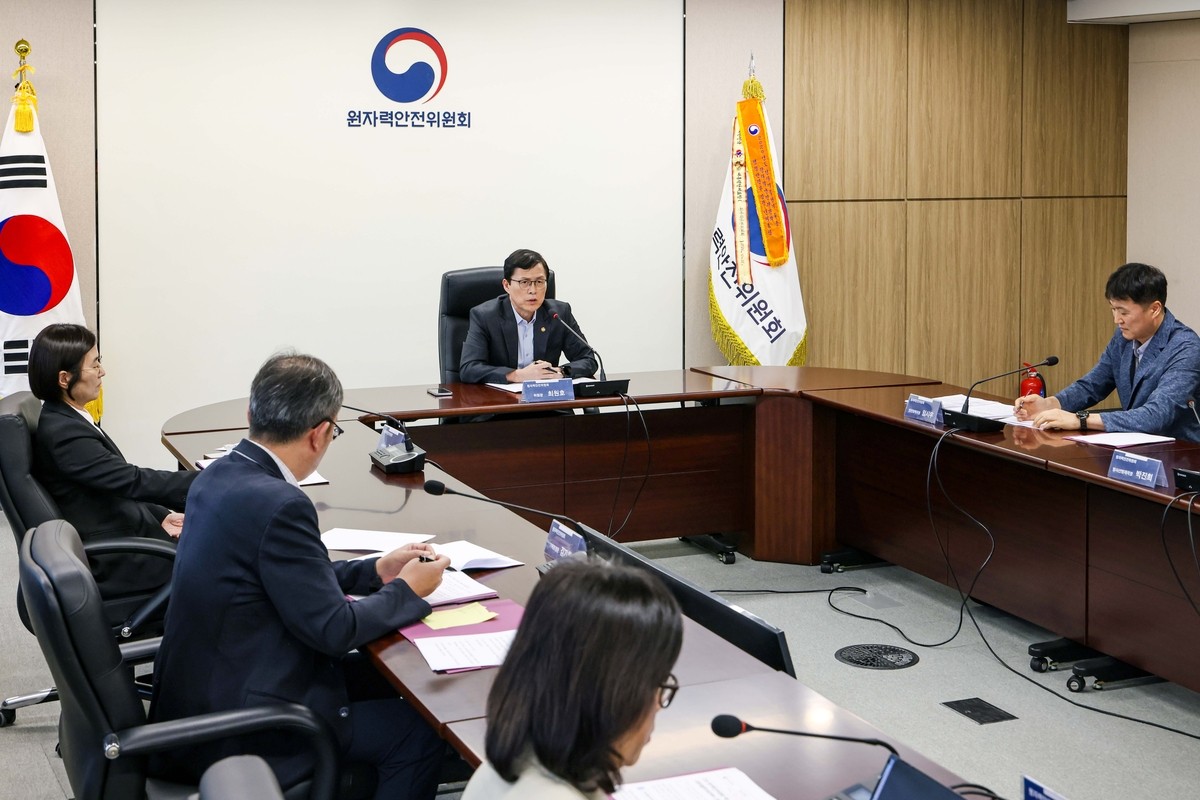
South Korea's Nuclear Safety Regulatory Budget for 2027 Rises to KRW 303 Billion
The Nuclear Safety and Security Commission (NSSC) of South Korea announced on September 1 that it has allocated KRW 303 billion for the 2027 budget, an increase of KRW 10.4 billion from this year. The new budget focuses on areas such as small modular reactor regulation, spent nuclear fuel safety, nuclear facility decommissioning review, environmental radiation monitoring, and nuclear safety information disclosure. Regarding small modular reactors, as non-light water reactor-type small modular reactor development projects aim to obtain licenses by the early 2030s, South Korea will invest KRW 8 billion in R&D to establish a new safety evaluation system. In addition, in line with the preliminary review system set to take effect in November this year, the government has allocated KRW 2.7 billion to conduct preliminary reviews of non-light water reactor-type small modular reactors expected to file applications next year. This system allows applicants to request regulatory review of reactor designs before formally submitting license applications.
2026-09-02

Putin Says Unit 1 of Turkey's Akkuyu Nuclear Power Plant Expected to Start in 2026
Russian President Vladimir Putin stated that he believes Rosatom can start Unit 1 of Turkey's Akkuyu Nuclear Power Plant as scheduled in 2026. According to relevant information, Putin arrived in Kyrgyzstan on August 31 to attend the Shanghai Cooperation Organization summit. On September 1, he held talks with Turkish President Recep Tayyip Erdogan. During the talks, the two sides mentioned cooperation in the energy sector, with the Akkuyu Nuclear Power Plant project being a key focus. Putin stated that the two countries' major joint projects are still progressing, including the well-known Akkuyu Nuclear Power Plant...
2026-09-02
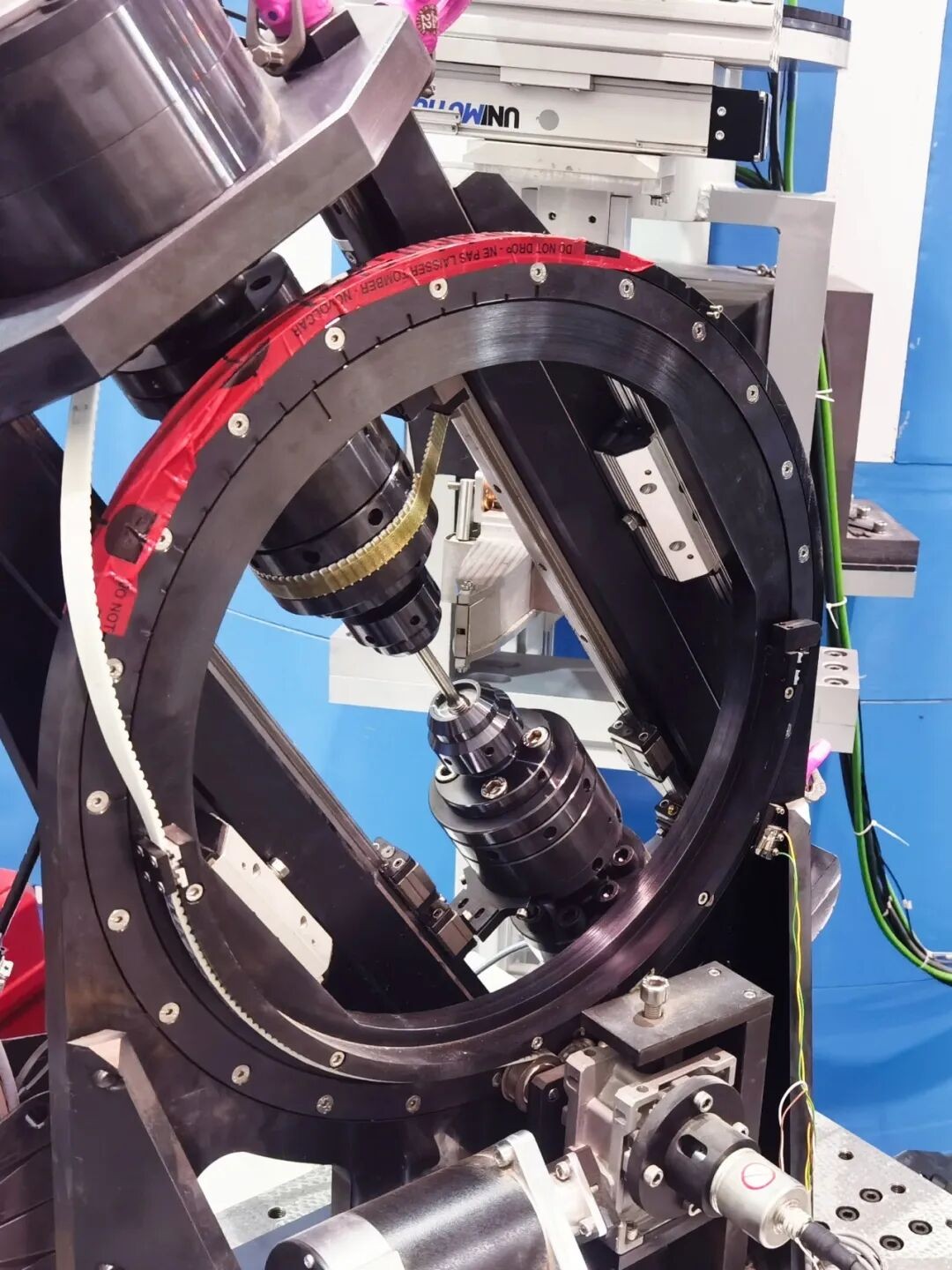
Major Breakthrough in Residual Stress Research on Key Aviation Materials in China
Nickel-based single-crystal superalloys are key materials for manufacturing turbine blades in aviation engines. Recently, the neutron scattering team from the Department of Nuclear Physics at the China Institute of Atomic Energy (CIAE) under CNNC, leveraging the Engineering Science Stress Spectrometer at the China Advanced Research Reactor (CARR), overcame technical challenges in residual stress measurement of single-crystal superalloys and established a precise three-dimensional residual stress testing method based on neutron diffraction. This provides an effective solution for residual stress assessment of critical aviation materials and lays a solid methodological foundation for the in-depth application of the CARR Engineering Science Stress Spectrometer in high-end manufacturing. During high-temperature heat treatment or service of nickel-based single-crystal superalloys...
2026-09-02
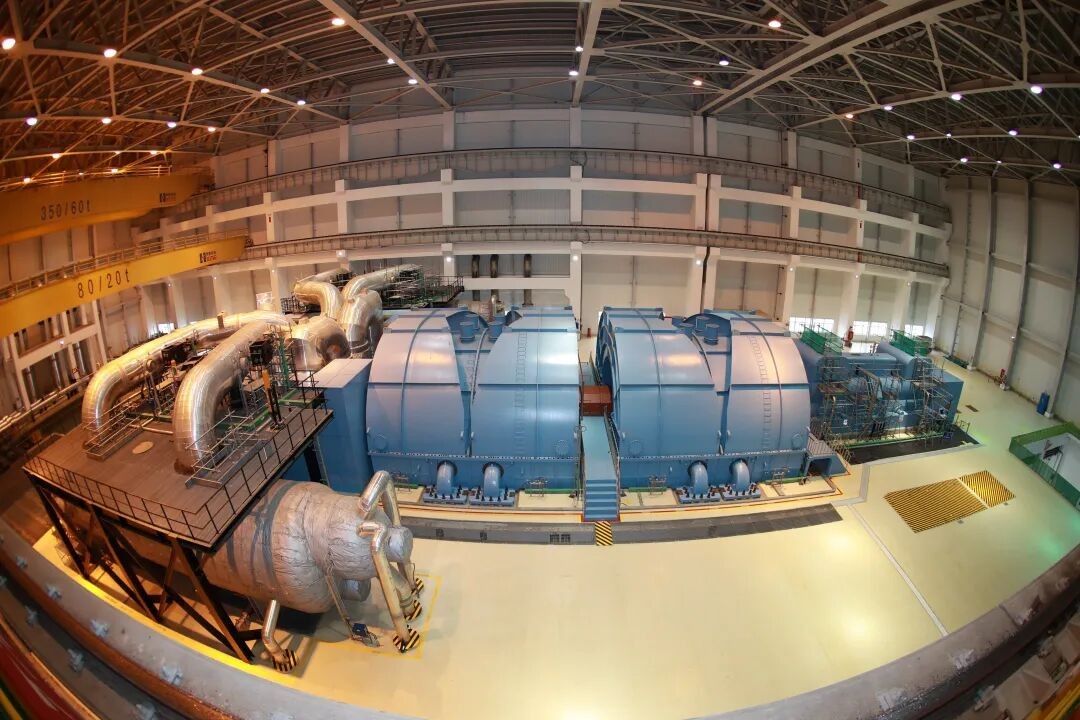
Dongfang Electric's Nuclear Generator Sealing Patent Wins China Patent Excellence Award
The China National Intellectual Property Administration recently announced the award decision for the 26th China Patent Award. Dongfang Electric Group won the China Patent Excellence Award for three patents, among which "a full-path sealing structure for turbine generators and its assembly method" has been applied to nuclear power generating unit-related projects, demonstrating its innovative achievements in key technologies for nuclear power equipment. The patent, applied to the world's first Hualong One nuclear power generating unit, proposes a full-path sealing structure that breaks through the traditional intermittent sealing approach, constructing a continuous, uninterrupted sealing surface. By proactively preventing hydrogen leakage in generators, it reduces the risk of hydrogen explosion at the source. The related technology has achieved large-scale application and has been successfully used in the national major science and technology project Guohé One...
2026-09-02

GE HealthCare's Photonova Spectra Photon-Counting CT Receives CE Mark, to Be Commercialized in Countries Recognizing CE Marking
On August 31, GE HealthCare announced that its advanced photon-counting computed tomography (PCCT) system, Photonova Spectra, has received CE marking. The system utilizes GE HealthCare's proprietary Deep Silicon™ detector technology. This certification will expand the system's availability in countries and regions that recognize the CE mark and pave the way for its clinical use. According to reports, Photonova Spectra is designed to address the growing patient volumes and increasing diagnostic complexity faced by healthcare institutions today, aiming to provide clinicians with clearer and more timely imaging information. Leveraging deep silicon detector technology, the system can acquire spectral and spatial imaging information in each scan...
2026-09-01
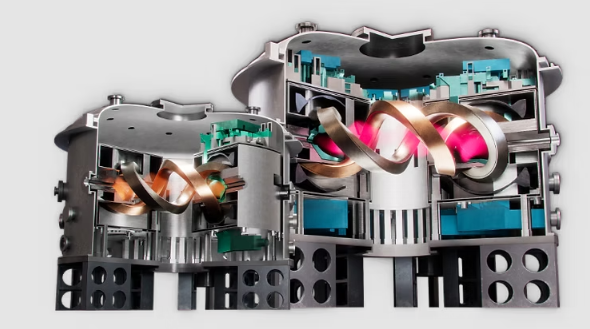
Japan's Helical Fusion Technology Selected as Candidate for METI's Fusion Demonstration Program
Helical Fusion Co., Ltd. has recently been selected as a final candidate for the fusion power demonstration project support program by Japan's Ministry of Economy, Trade and Industry (METI). The program aims to align with Japan's national fusion strategy, advancing fusion energy into the demonstration phase by the 2030s and building the technical foundation for subsequent commercialization. The left image shows Helix HARUKA, Helical Fusion's integrated demonstration device; the right image shows Helix KANATA, Helical Fusion's fusion test plant. Under the current arrangement, the program will provide approximately 60 billion yen in government funding over three years through 2028, supporting private-sector R&D across multiple fusion technology...
2026-09-01

U.S. Laboratory and Company Collaborate to Advance TRISO Thorium Fuel Development
Lawrence Livermore National Laboratory (LLNL) in the United States is collaborating with micro nuclear reactor startup AMPERA to advance next-generation reactor fuel development using novel metal particle manufacturing technology. The collaboration focuses on tristructural isotropic (TRISO) coated particle fuel, aiming to provide more durable fuel solutions for advanced reactors operating at higher temperatures and with longer service lifetimes. Small modular nuclear fission reactors are viewed as a distributed energy option deployable in remote areas, military installations, and industrial sites. Compared with traditional light-water reactors, some advanced reactors...
2026-09-01
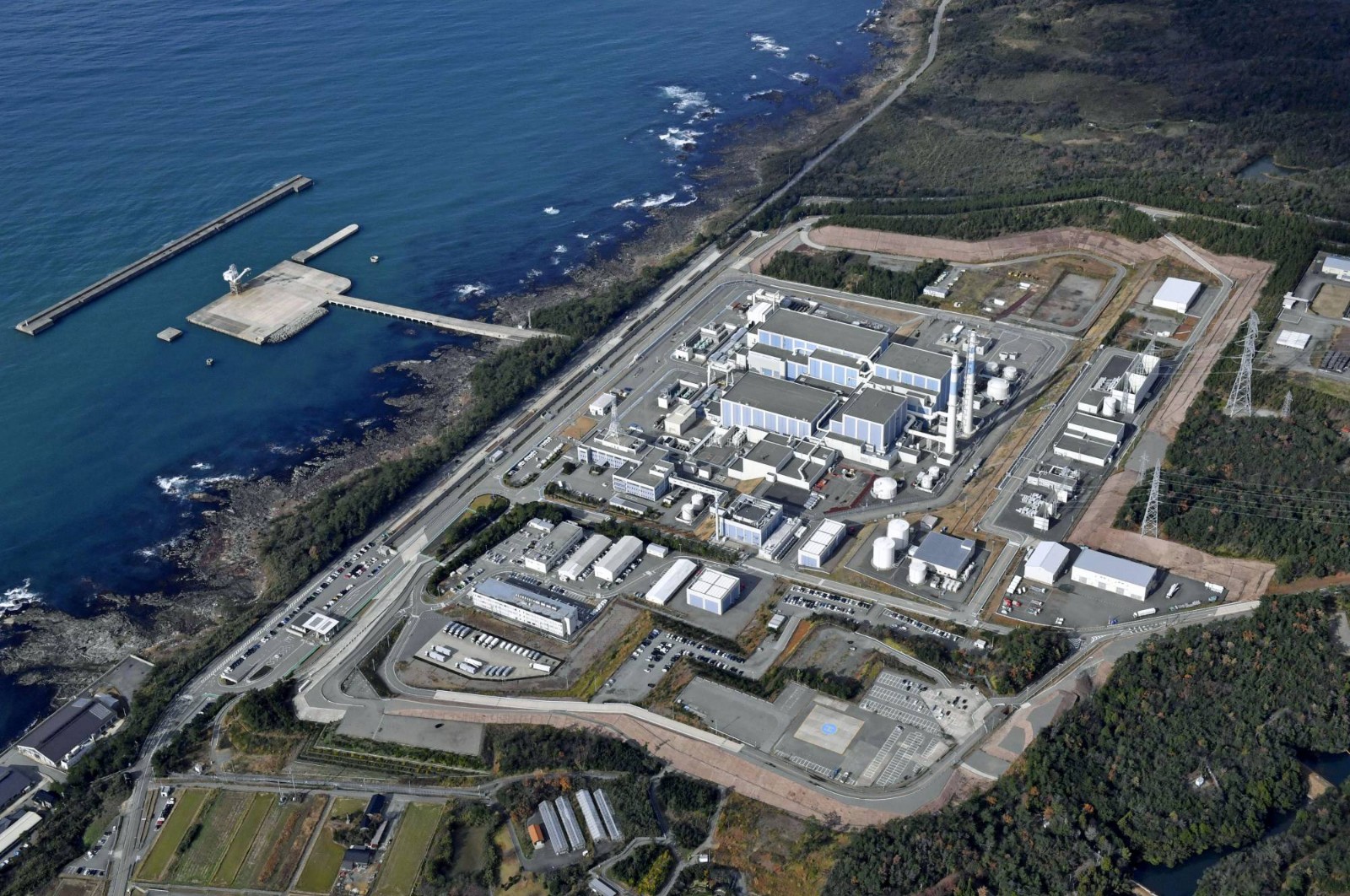
Hokuriku Electric Power Submits Revised Nuclear Disaster Prevention Business Plan for Shika Nuclear Power Station
Hokuriku Electric Power Company announced on August 31 that it has submitted revisions to the "Nuclear Operator Disaster Prevention Business Plan" for the Shika Nuclear Power Station to the Prime Minister of Japan and the Nuclear Regulation Authority for filing. The plan is formulated under Japan's Act on Special Measures Concerning Nuclear Emergency Preparedness, and primarily stipulates the operations required of nuclear power stations in nuclear disaster prevention, emergency response, post-nuclear-disaster response, as well as preventing the occurrence and escalation of nuclear disasters and promoting recovery efforts. Hokuriku Electric Power stated that consultations with Ishikawa Prefecture, Shika Town, and Toyama Prefecture have been completed for this revision. Under relevant Japanese laws and regulations, nuclear power...
2026-09-01
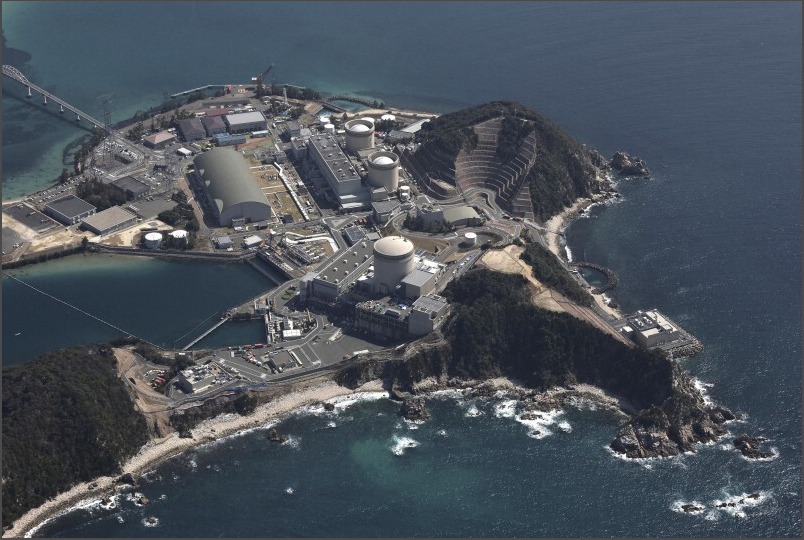
Japan's Mihama Nuclear Power Station Unit 3 Plans Grid Connection on September 15
Kansai Electric Power announced on September 1, 2026, that work related to the periodic inspection of Unit 3 at Japan's Mihama Nuclear Power Station is progressing as planned. Based on the progress of the inspection and the status of corrective measures for the steam leakage issue in the high-pressure turbine, the unit is scheduled to be connected to the grid on September 15. Unit 3 of Mihama Nuclear Power Station is a pressurized water reactor unit with a rated electrical output of 826 MW and a rated thermal output of 2,440 MW. On May 8 this year, the unit underwent a manual reactor shutdown after steam leakage was confirmed in the high-pressure turbine. From June 16, the unit entered its 29th periodic inspection. Kansai Electric Power stated that, in response to the steam leakage in the high-pressure turbine, the upper cylinder sealing cover has been replaced based on the results of the cause investigation, and multiple measures such as the development of relevant guidelines are being advanced.
2026-09-01

Manila Electric Company Advances Small Modular Reactor Feasibility Study in the Philippines
Manila Electric Company (Meralco) and its power generation arm, Meralco PowerGen Corporation (MGEN), have commissioned U.S. engineering firm Sargent & Lundy and its Philippine local partner, AMH Philippines Inc. (AMH), to conduct a comprehensive feasibility study on Small Modular Reactors (SMRs). MGEN announced on September 1 (local time) that the study is part of a $2.8 million technical assistance program provided by the U.S. Trade and Development Agency (USTDA). The program was officially announced in February 2026, with the goal of completing the study by the fourth quarter of 2027...
2026-09-01