
Search Results
Keyword:CT
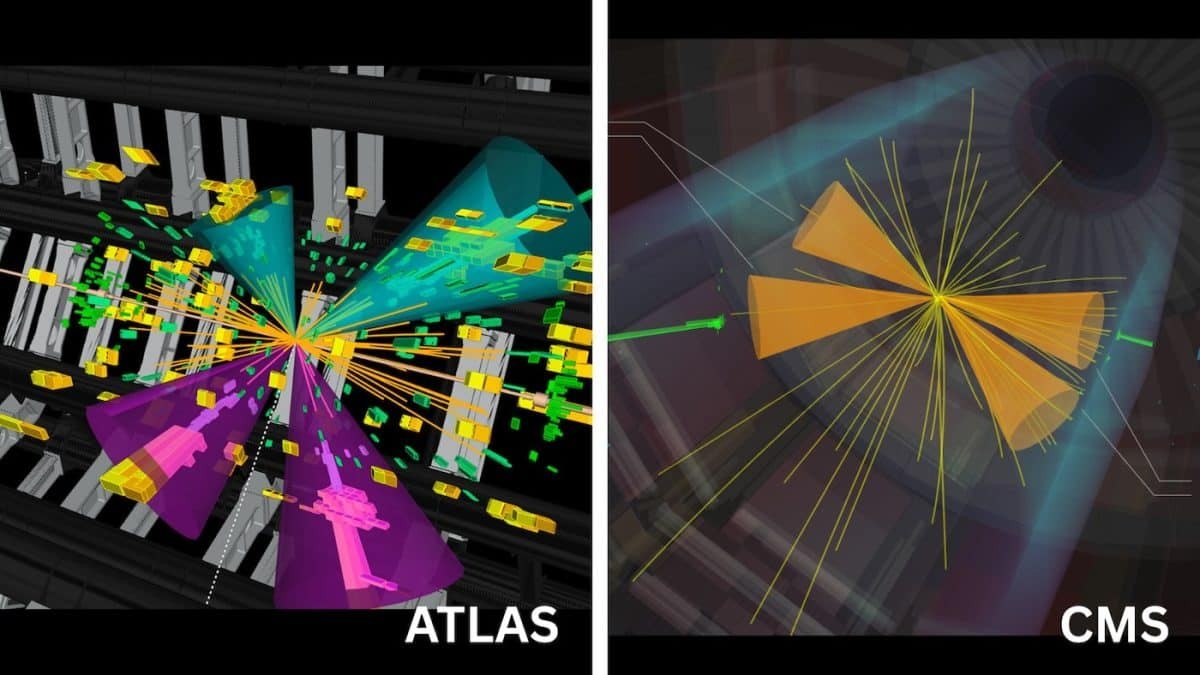
CERN Finds Statistical Hints of Higgs Boson Pair Production
Physics teams at CERN have recently found statistical hints of Higgs boson pair production in data analysis from the Large Hadron Collider. Researchers analyzed millions of collision results over eight years at the collider, with the findings presented at the ICHEP conference and published as two preprints. The figure shows schematic diagrams of events involving the production of two Higgs bosons as observed by ATLAS (left) and CMS (right) CERN The Higgs boson was discovered in 2012, and since then physicists have continuously measured its interactions with other elementary particles to test the Standard Model's explanation of the origin of mass. However, the self-interaction of the Higgs boson has not yet been directly observed.
2026-09-02

U.S. Proposes Clearer Groundwater Protection Standards for In-Situ Uranium Recovery Sites
The U.S. Nuclear Regulatory Commission (NRC) on September 1 proposed a rule aimed at establishing clearer groundwater protection standards for communities surrounding in-situ uranium recovery sites, while streamlining the process for extending decommissioning deadlines for radioactive materials facilities and nuclear reactors, reducing redundant administrative steps without compromising safety. The rule addresses two aspects under NRC oversight. First, it proposes risk-informed regulatory standards for protecting drinking water near in-situ uranium recovery facilities, designed to guard against both radiological and non-radiological contamination. In-situ uranium recovery is a method of uranium extraction that involves injecting solution into uranium-bearing ore bodies to dissolve underground uranium resources and pump them to the surface for recovery. Second, it proposes to simplify the process for facility owners to apply for extensions of decommissioning deadlines. The NRC stated that current time requirements are relatively rigid and may lead to premature license termination; the proposed changes aim to reduce applicant costs, improve regulatory efficiency, and provide clearer expectations for communities and facility operators.
2026-09-02
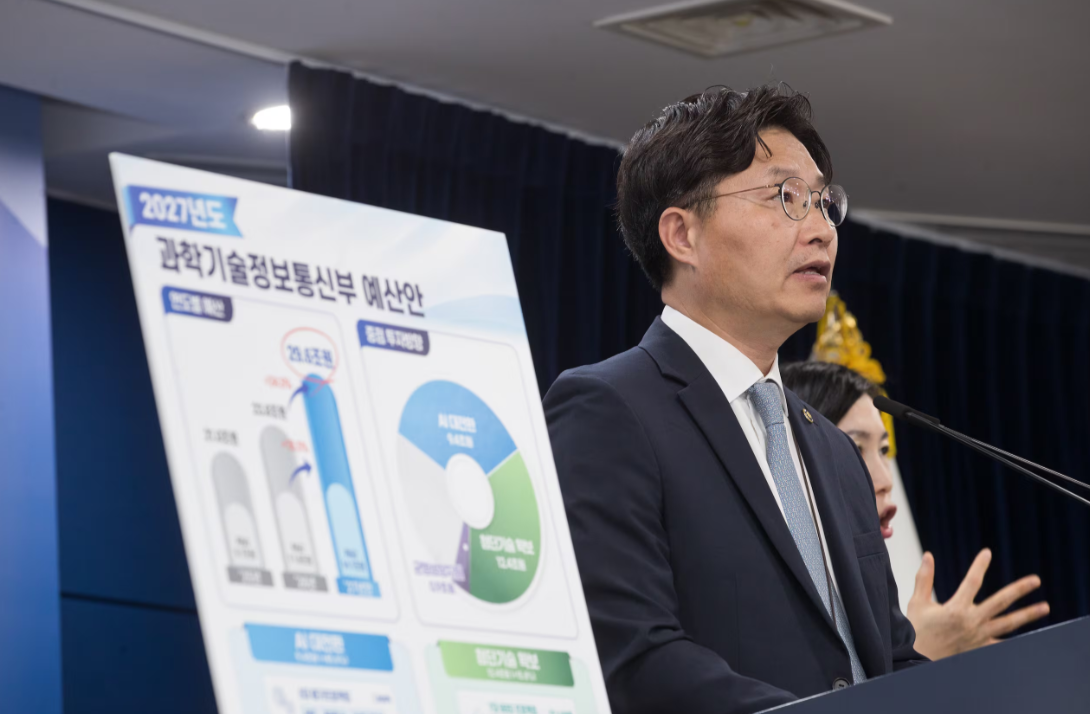
South Korea Plans to Increase R&D Investment in Nuclear Fusion and Small Modular Reactors
South Korea's Ministry of Science and ICT (MSIT) stated on September 1 that in the 2027 government budget proposal approved at a Cabinet meeting, the ministry's budget amounts to 29.6476 trillion Korean won, an increase of 24.5% compared to this year's supplementary budget. Of this, the R&D budget is planned to increase from 11.9 trillion won this year to 14.1 trillion won, accounting for 36% of the South Korean government's total R&D budget. In the science and technology sector, MSIT plans to invest 12.377 trillion won in R&D related to next-generation artificial intelligence and advanced technologies. In explaining the budget proposal, the ministry's First Vice Minister stated that in response to the growing electricity demand driven by AI development, South Korea will accelerate the development of future clean energy sources such as small modular reactors (SMRs) and nuclear fusion...
2026-09-02
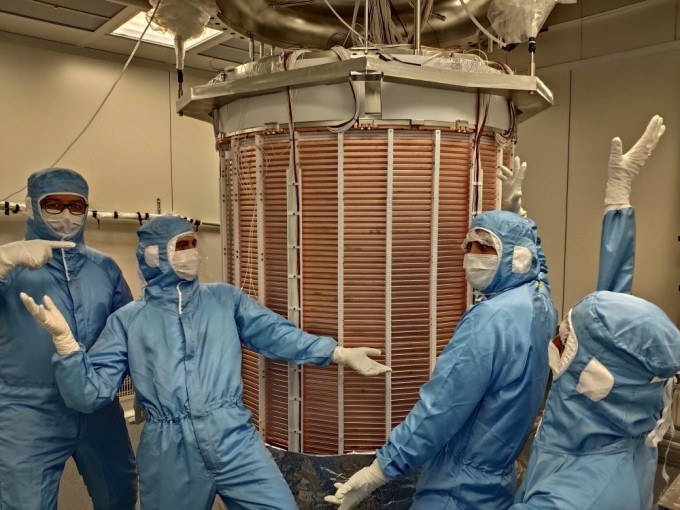
XENONnT Dark Matter Detector Captures Faintest Solar Neutrino Signal Ever Observed
September 1 news - The XENONnT dark matter detection experiment at the Gran Sasso National Laboratory in Italy has achieved new progress. The XENON collaboration research team announced that the detector has captured low-energy solar neutrino collision signals never observed before, lowering the neutrino detection energy threshold to approximately 17 kiloelectron-volts (keV). The research team's analysis indicates that the probability of the signal being merely a statistical fluctuation is less than one in a million. Neutrinos are elementary particles with no electric charge and extremely small mass, which can be produced in processes such as nuclear fusion reactions in the solar core, supernova explosions, and nuclear fission in reactors. Due to the extremely weak interaction between neutrinos and matter, vast numbers of neutrinos can pass through the Earth, which also makes detection...
2026-09-02

Busan, South Korea Secures 2027 Budget Support; Export-Oriented Research Reactor and Other Projects Included in Government Proposal
Busan Metropolitan City recently announced that multiple national projects aligned with its core development goals have been included in the South Korean government's 2027 budget proposal, including the Gadeok Island New Airport, a new export-oriented research reactor, a heavy ion accelerator, as well as industrial projects such as port artificial intelligence, naval vessel maintenance, repair and overhaul, and power semiconductors. Under the budget arrangement, the Gadeok Island New Airport construction project has secured 431.1 billion KRW in support. To enhance maritime and logistics competitiveness, the budget proposal also includes 7.35 billion KRW for a demonstration project on autonomous port cargo handling equipment, 36.4 billion KRW to support shipbuilding and shipping cooperation, 5 billion KRW to strengthen the global competitiveness of small and medium-sized shipbuilders in naval vessel maintenance, repair and overhaul, and an additional 24.9 billion KRW allocated for the development of a fishery products industrial cluster.
2026-09-02

Carbon Nanotubes Can "Remember" Their Initial Structure, Isotope Labeling Reveals Dynamic Growth Process
A study released on September 1 shows that carbon nanotubes can maintain their initial atomic structure in dynamically changing growth environments. The research team used digital isotope labeling technology to encode the elongation process of individual carbon nanotubes as sequences of different carbon isotope compositions, and read their growth history through Raman spectroscopy, thereby tracking the structural stability of nanotubes under conditions of temperature variation and catalyst evolution. The properties of carbon nanotubes are highly dependent on their atomic arrangement. The same material may exhibit metallic or semiconducting characteristics due to structural differences, so structural uniformity has always been a key issue for the large-scale application of carbon nanotubes. In floating catalyst chemical vapor deposition and other industrial production routes, catalyst particles experience constantly changing temperatures and gas compositions within the reactor and may undergo irreversible enlargement. Previously, direct evidence was lacking on whether individual carbon nanotubes could maintain their initial structure under such complex conditions.
2026-09-02
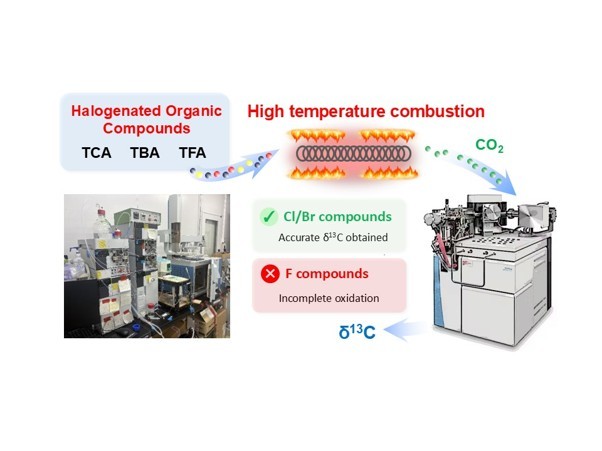
Japanese Team Develops High-Temperature, High-Pressure Isotope Ratio Analysis Method for Tracing Halogenated Pollutants
Researchers from Shibaura Institute of Technology (SIT) and the National Institute of Advanced Industrial Science and Technology (AIST) in Japan have collaboratively developed a customized high-temperature, high-pressure combustion interface for liquid chromatography-isotope ratio mass spectrometry (LC-IRMS), enabling carbon stable isotope ratio (δ¹³C) analysis of various halogenated organic compounds. The research findings were published online on August 2, 2026, and will appear in Volume 1421 of Analytica Chimica Acta, scheduled for release on November 1, 2026. Source of the new high-temperature, high-pressure LC-IRMS system: Professor Hiroto Kawashima, SIT, Japan. Halogenated organic compounds are widely present in disinfection byproducts, pesticides, refrigerants, and industrial chemicals, some of which exhibit persistence, bioaccumulation, and toxicity. Traditional environmental monitoring primarily relies on concentration measurements, which makes it difficult to directly provide information on pollutant sources and environmental transformation processes. δ¹³C analysis can offer clues for studying chemical sources, production processes, and environmental fate, but organic pollutants containing strong carbon—chlorine or carbon—fluorine bonds are difficult to fully oxidize under conventional LC-IRMS combustion conditions, limiting the application of this technique.
2026-09-02

Iran Still Denies IAEA Inspectors Access to Some Nuclear Facilities
A recent report shows that Iran has still not allowed International Atomic Energy Agency (IAEA) inspectors to access some of its nuclear facilities, including sites in Isfahan, Natanz, and Fordow that were previously damaged in airstrikes. The report states that the IAEA had previously detected over 440 kilograms of highly enriched uranium and nearly 8,600 kilograms of low-enriched uranium at these locations. Due to the current lack of sufficient information on the status and whereabouts of the relevant nuclear materials, IAEA Director General Rafael Grossi has expressed concerns over nuclear non-proliferation risks and called on Tehran to allow inspectors to access the facilities for verification as soon as possible. The report also mentions that inspectors...
2026-09-02
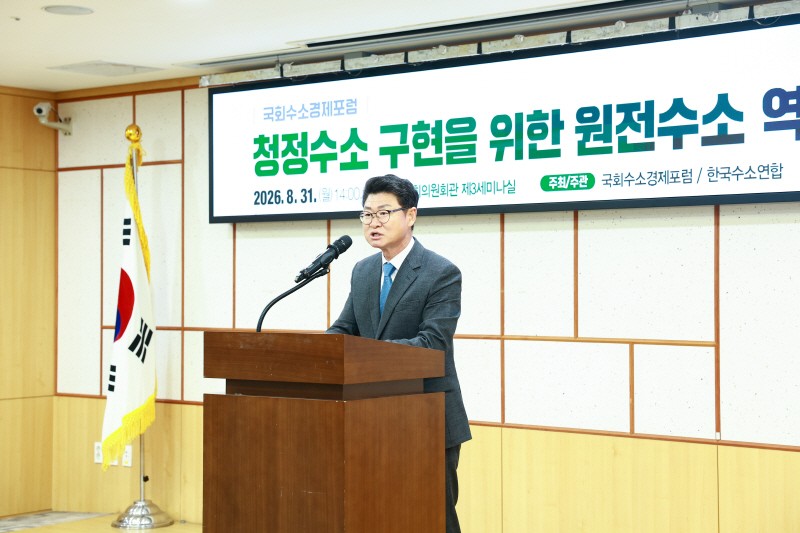
South Korea's Uljin Pushes Forward with Nuclear Hydrogen Industrial Complex Development
Uljin County in North Gyeongsang Province, South Korea, is seeking support from the National Assembly and the government to promote the construction of the Uljin Nuclear Hydrogen National Industrial Complex, with the goal of establishing the region as a clean hydrogen production hub through supporting policies such as stable power supply and hydrogen pipeline networks. On August 31, Uljin County Governor Hwang Ui-jo attended a nuclear hydrogen policy seminar held at the National Assembly Members' Office Building to present the progress of the Uljin Nuclear Hydrogen National Industrial Complex and the policy tasks required for developing the nuclear hydrogen industry. The seminar was hosted by the National Assembly Hydrogen Economy Forum, with participants from the National Assembly, government, local governments, industry, academia, and...
2026-09-02

Blykalla Establishes Advanced Nuclear Reactor Technology Center in Austin
Advanced nuclear technology company Blykalla announced it will establish a new technology center in Austin, Texas, to expand its engineering and reactor R&D operations in the United States. Located at 801 Barton Springs Road in Austin, the center will house engineering and reactor development teams to strengthen the company's local operations and advance collaboration with its U.S. partners, regulators, and stakeholders in the clean energy industry. Blykalla stated that the Austin technology center will serve as its U.S. hub for engineering and advanced nuclear reactor R&D. The company currently operates two complementary business centers in the U.S.—Austin and New York: Austin focuses on technology R&D and engineering...
2026-09-02
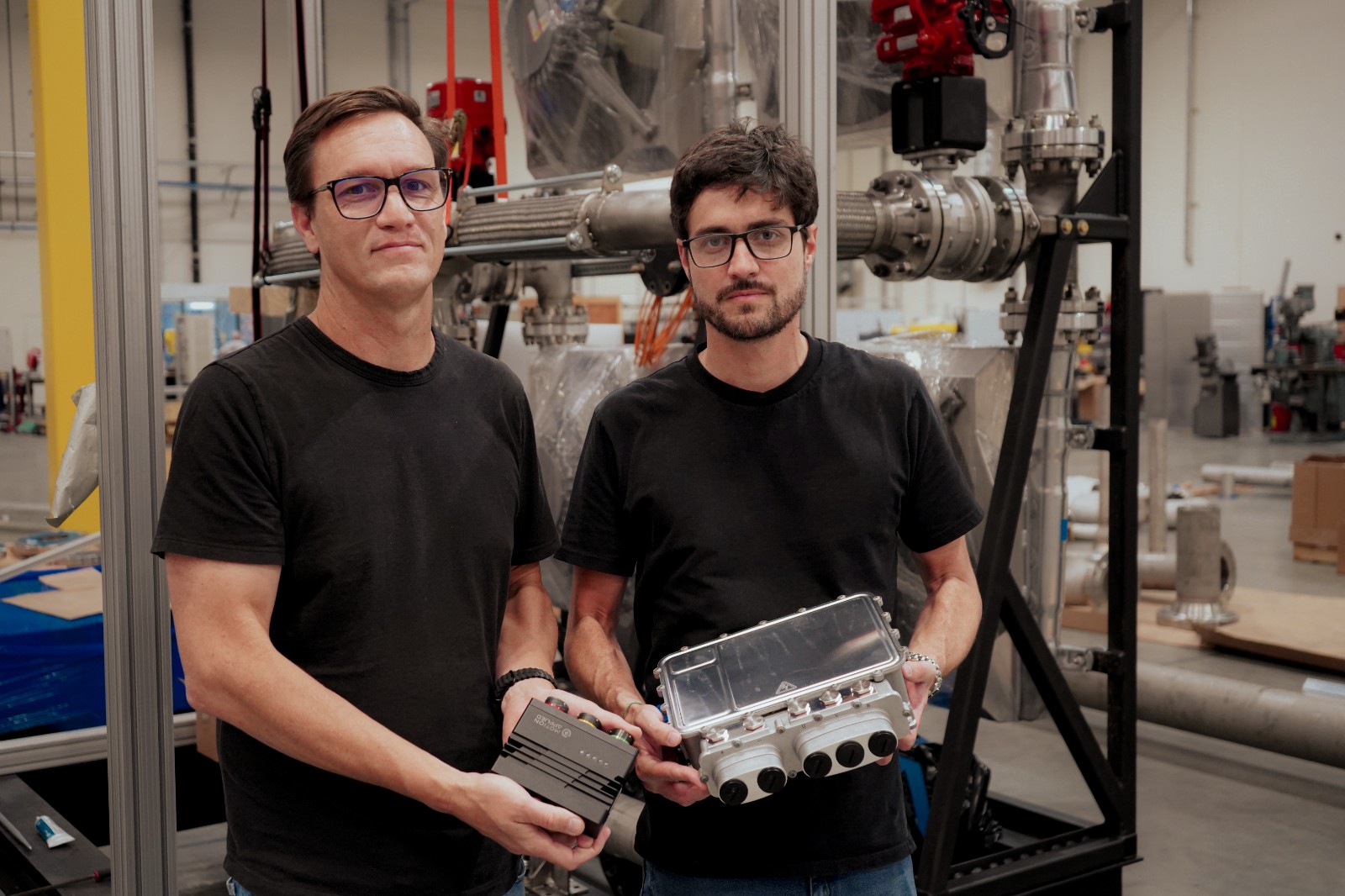
US Antares to Apply Racing Power Electronics to Microreactors
Antares, a US nuclear fission energy company, recently announced a partnership with UK technology supplier Motion Applied to deploy the latter's race-proven power electronics in its microreactor power conversion system. According to Antares, Motion Applied has long served motorsport and other demanding applications, accumulating expertise in high-performance electronics and electrification technologies. This collaboration will enable Antares to use more mature, production-grade hardware in its microreactor program, reducing the time and cost associated with developing dedicated power conversion equipment from scratch. Antares Chief Nuclear Officer Ri...
2026-09-02

US OSC Global and InfraShield Launch Advanced Reactor Cybersecurity Program
OSC Global and InfraShield recently announced the joint launch of the Janus Cyber program to provide cybersecurity support for developers planning to deploy advanced reactors at US military installations. The program will deliver integrated services covering nuclear regulation, US Department of War (DoW) authorization, and operational technology/industrial control system (OT/ICS) cybersecurity requirements. The two companies stated that advanced reactors operating in US military environments must simultaneously meet multiple requirements, including nuclear-sector cybersecurity regulation, military authorization, and industrial control system protection. Janus Cyber will coordinate...
2026-09-02

Amentum Selected for UK Grid Upgrade and Protection Projects
Amentum has announced that it has been selected by SSEN Transmission to undertake strategic roles under two UK energy framework agreements, providing digital and cybersecurity engineering services for UK grid upgrades. Under the arrangements, Amentum will serve as the sole supplier of high-end cybersecurity engineering services, contributing to the digitalization and security capability enhancement of the UK power grid. The services will focus on critical asset protection, digital capability expansion, operational data application, and security architecture development for grid operations. SSEN Transmission is the owner of the high-voltage transmission system in northern Scotland...
2026-09-02
Canadian Indigenous-led Transportable Nuclear Power Plant Project Planned for Early 2030s Operation
Pabineau First Nation, Eel River Bar First Nation, and Prodigy Clean Energy recently announced that they will advance an Indigenous-led new nuclear power project in Belledune, New Brunswick, Canada. Under the relevant exclusive agreements, the parties plan to deploy a full-size transportable nuclear power plant (TNPP) with a capacity of up to 50 megawatts within the traditional territories of Pabineau First Nation and Eel River Bar First Nation. The pilot project, intended to be owned by the First Nations, is primarily aimed at validating the logistics organization and op...
2026-09-02
NuScale Completes First Manufacturing of Boron Carbide Pellets for SMR Safety Component in the U.S.
NuScale Power and MillenniTEK recently announced that they have successfully manufactured the first batch of boron carbide pellets for NuScale's passive emergency core cooling system (ECCS). This component will be used in NuScale's small modular reactor (SMR) technology and is one of the dedicated components in its reactor safety system. According to reports, in nuclear power plants employing NuScale technology, when the emergency core cooling system is activated, the boron carbide pellets dissolve into the reactor coolant, helping to control and maintain core reactivity at safe levels without operator intervention. This manufacturing effort is considered a key advancement in NuScale's preparation for commercial deployment, involving the validation of dedicated safety components and associated manufacturing processes.
2026-09-02