
Search Results
Keyword:Danube
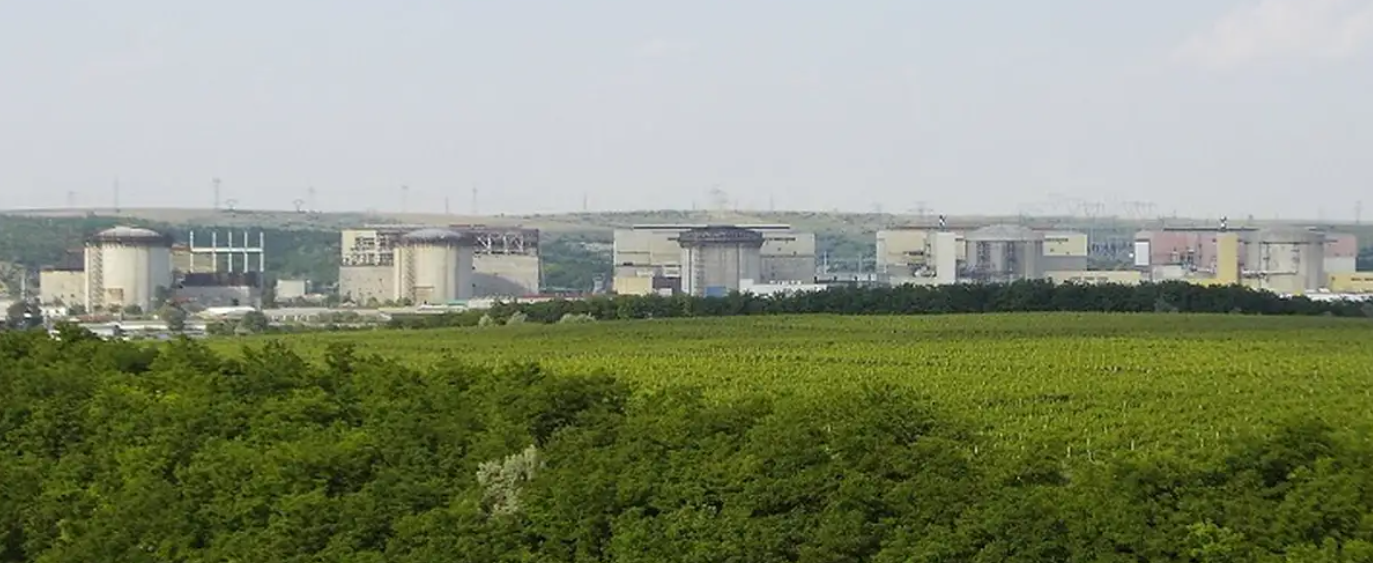
Drought Lowers Danube Water Levels, Romania Plans to Restrict Industrial Power Use if Necessary
Romania's Acting Prime Minister Ilie Bolojan said after a cabinet meeting on August 6 that the government has developed a comprehensive risk prevention plan covering multiple risk scenarios, including earthquakes, public health events, and the current drought, with corresponding response measures clearly defined. Under the plan, Romania will establish a national operations center in the energy sector. Bolojan stated that the government will approve on August 7 measures by Transelectrica to take action when necessary: with 24 hours' prior notice, certain industrial users may be disconnected from the national grid. He also emphasized that power supply to ordinary citizens, apartments, and residential users will not be...
2026-08-07
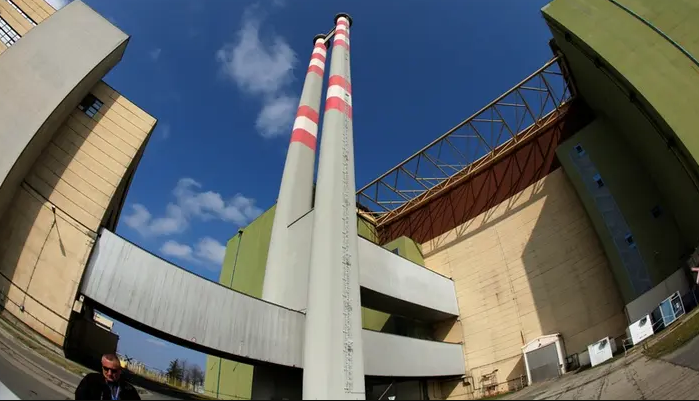
Hungary's Paks Nuclear Power Plant Avoids Full Shutdown as Danube Rises 2 cm, Now Operating at Only 240 MW
From the night of August 4 to the early morning of August 5, Hungary's Paks Nuclear Power Plant (about 100 km south of Budapest, commissioned in 1982, never fully shut down in its history) nearly disconnected from the grid due to low Danube water levels—3 of its 4 units had been sequentially shut down, leaving only one turbine operating at about 240 MW (normal output near 2,000 MW), supplying roughly half of Hungary's electricity. Hungarian Prime Minister Péter Magyar stated that the river level rose about 2 cm overnight, allowing the final unit's cooling to be maintained and averting the first full shutdown in 44 years; temperatures are still expected to exceed 40°C in the coming days, with cooling and rainfall only anticipated around Friday (approximately August 8). To alleviate energy pressure, Prime Minister Magyar thanked those who voluntarily...
2026-08-06
Romania postpones sinking barges to guide water flow, safeguarding cooling water supply for Cernavodă Nuclear Power Plant
Romania has recently taken emergency measures to address the impact of the persistently declining Danube River water level on the water supply to its nuclear power plant. On August 5 local time, Romanian authorities stated that four barges would be sunk in the Danube River to guide water flow into the water intake channel related to the cooling water supply of the Cernavodă Nuclear Power Plant. Cernavodă is Romania's only nuclear power plant. Affected by drought and the low water level of the Danube, the plant's water intake conditions are under pressure. On August 3, the Romanian military used approximately 180 kilograms of explosives to blast and clear a rock formation in the Danube riverbed, aiming to improve the water flow channel, ensure the cooling water source for units in operation, and prevent the nuclear units from being forced to shut down due to insufficient water supply...
2026-08-06

Low Danube Water Levels Impact Nuclear Power Plant Operations in Romania and Hungary
On August 4, amid persistently low Danube River water levels, Romania was rushing to build temporary dikes to divert more river water toward the Cernavodă Nuclear Power Plant to secure cooling water for its remaining operational reactor. Meanwhile, Hungary stated that the only still-operating turbine unit at the Paks Nuclear Power Plant was running in a safe condition. Both Hungary's Paks Nuclear Power Plant and Romania's Cernavodă Nuclear Power Plant rely on Danube River water for cooling. Recently, the Danube's water level dropped to historic lows, leading to a significant decline in nuclear power output in both countries. Budapest and Bucharest have had to increase electricity imports and call on residents and businesses to reduce consumption to ease grid pressure...
2026-08-05

Hungary's Paks Nuclear Power Plant may fully resume operations in about a week
Hungarian authorities stated that if weather forecasts hold true, rainfall in the Danube basin areas of Austria and Germany on Thursday will raise river water levels, and the Paks Nuclear Power Plant may fully resume operations in about a week. Hungarian Prime Minister Péter Magyar said on social media that if meteorological and hydrological calculations are accurate and significant precipitation occurs in the relevant Danube basin regions, water levels are expected to rise to the level required for plant operation. At that point, the turbines and units at the Paks Nuclear Power Plant can be restarted. Located along the Danube River in Hungary, the plant's unit operations are closely linked to river hydrological conditions...
2026-08-05
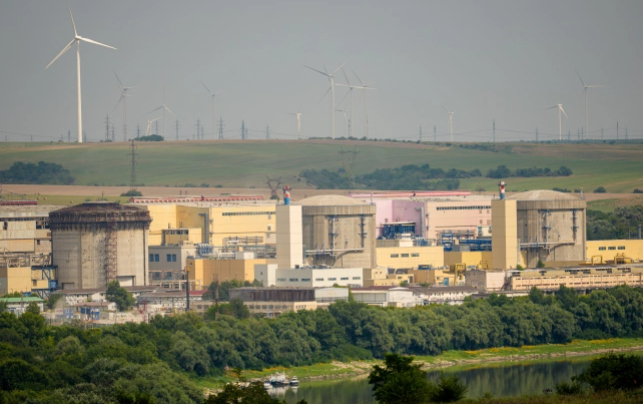
Unit 2 of Romania's Cernavoda Nuclear Power Plant can only operate for about 5 more days due to the continuously declining water level of the Danube River
Unit 2 of Romania's Cernavoda Nuclear Power Plant is expected to operate for only about five days due to the declining water level of the Danube River. Romeo Urjan, the plant's director, stated that if the Danube's water level continues to drop at a rate of 2 to 3 centimeters per day, Unit 2 will soon cease operation. Unit 1 has already been shut down due to insufficient water flow. Urjan emphasized that despite this, Unit 2 continues to operate within normal parameters, and nuclear safety is not under any threat. To alleviate the situation, relevant authorities are preparing to deploy four barges to divert more water to the plant, hoping to raise the water level by 7 to 8 centimeters, thereby extending the plant's operating time. Related...
2026-08-04
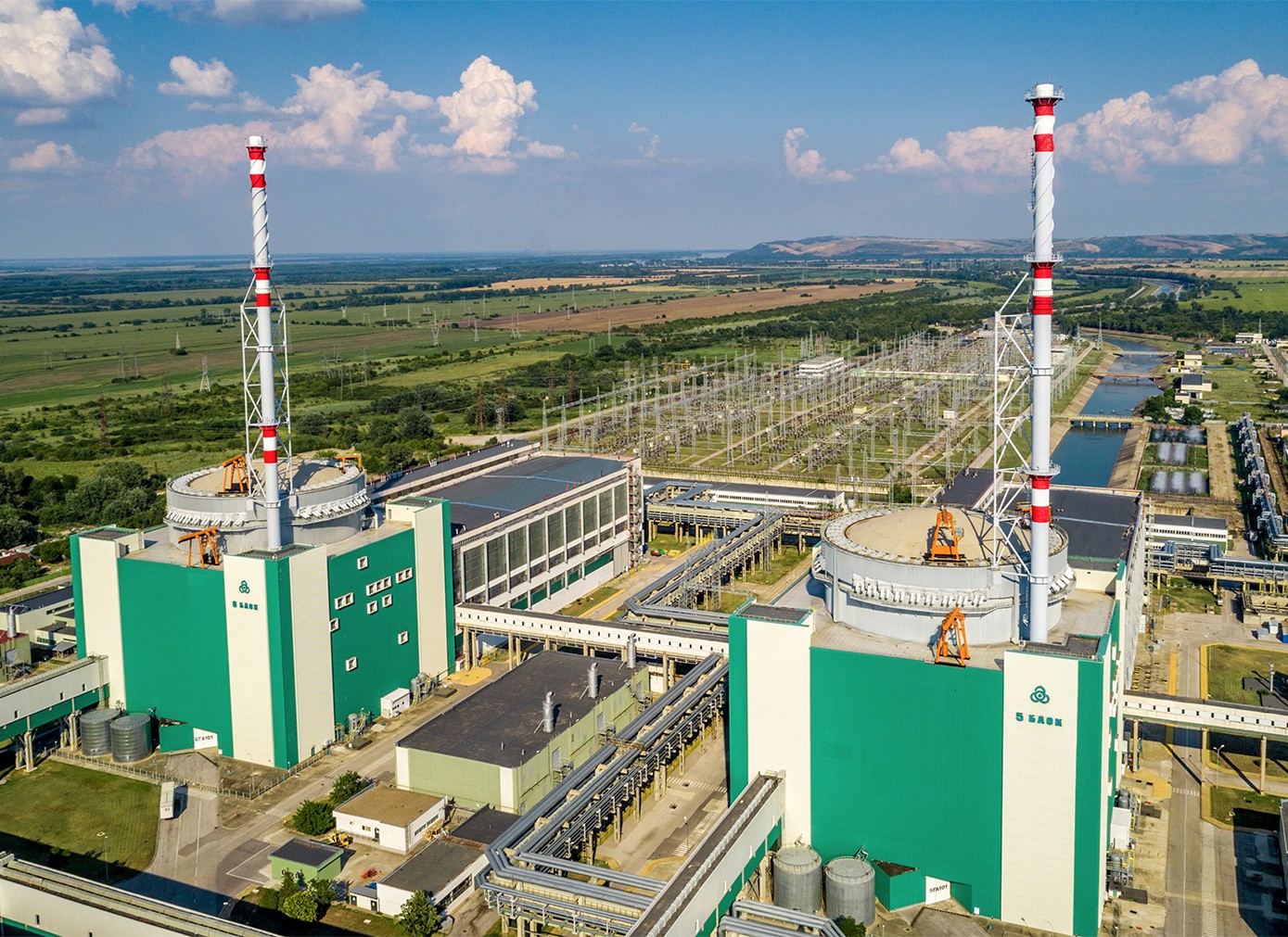
Bulgarian Energy Minister to Inspect Unit Operations at Kozloduy Nuclear Power Plant
Bulgaria's Ministry of Energy announced on August 3 that Energy Minister Iva Petrova will visit the Kozloduy Nuclear Power Plant on August 4. Experts from the Ministry of Energy, along with representatives of the management of Bulgarian Energy Holding (BEH) and the Electricity System Operator (ESO), will accompany her. According to the Bulgarian Ministry of Energy, the visit will focus on understanding the current operational status of Units 5 and 6 at the Kozloduy Nuclear Power Plant, assessing the impact of the abnormally low Danube River water level on plant operations, and reviewing measures taken by the Ministry to ensure the security of Bulgaria's electricity system. On August 2, the Bulgarian Ministry of Energy stated that despite the Danube River water level dropping to a historic low, the two nuclear units at the Kozloduy Nuclear Power Plant...
2026-08-04
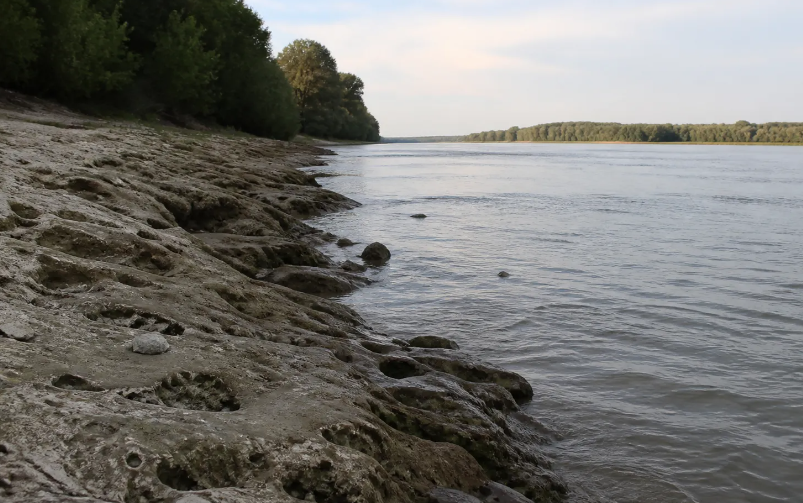
Romania Blasts Rocks in Danube to Secure Nuclear Power Plant Water Supply
Romania is conducting blasting operations on rocks in the Danube River to ensure the water supply for the Cernavodă Nuclear Power Plant. The Ministry of National Defense has launched related actions aimed at altering the river's flow, diverting part of the water from the Bala branch to the Old Danube branch. Initial blasting operations began on Sunday, involving over one hundred military personnel and sixteen pieces of military equipment. According to Navy Reserve Commander Marcel Neculae, the first two explosions failed to completely destroy the target rock, which proved harder than expected. Navy divers are currently assessing the blasting results, after which explosive charges will be gradually increased to continue the operation. Romania's water resources authority has also noted the complexity of the project and warned that it may not succeed.
2026-08-03
Danube Water Levels Continue to Drop, Putting Pressure on Romania's Cernavodă Nuclear Power Plant Operations
Romanian official Sorin Lindasu said on August 1 that if the Danube River water level continues to decline, the Cernavodă Nuclear Power Plant in Constanța County, southeastern Romania, may only be able to continue operating for 4 to 5 days. To ensure the water level required for continuous plant operation, relevant parties have begun implementing hydraulic engineering works on the Danube. Lindasu stated that the Danube water level is currently dropping at a rate of about 2 to 3 centimeters per day. A flow rate of 1,590 cubic meters per second has been recorded at the Baziaș inlet where the Danube enters Romanian territory, and this figure is expected to continue declining, potentially falling to about 1,450 cubic meters per second by August 7. Under these conditions, Cernavodă...
2026-08-03
Danube at Record Low, Hungary's Paks Nuclear Plant Faces First Full Shutdown in 44 Years
On August 2, Hungarian authorities stated that the Paks Nuclear Power Plant may halt electricity generation due to the Danube River dropping to a historic low. This is the country's only nuclear power plant, with an installed capacity of approximately 2 gigawatts, generating nearly half of Hungary's total electricity output. The Paks Nuclear Power Plant draws water from the Danube for cooling. Due to persistent high temperatures and insufficient rainfall, the Danube's water level has been continuously declining recently. Hungarian water authorities predict that the river, which flows from Germany to the Black Sea, will see further drops in water levels in the coming days. As of 18:37 GMT on August 2, the Paks Nuclear Power Plant's output was only slightly above 10% of its installed capacity. Péter M...
2026-08-03
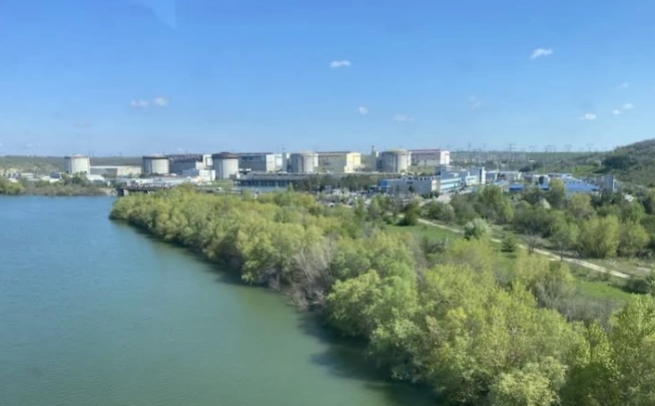
Romanian Army Deploys on the Danube to Protect Nuclear Power Plant Operations
The Romanian Ministry of National Defense announced that the Romanian Army has been mobilized to protect the operation of the Cernavodă Nuclear Power Plant and conduct hydrographic measurements on the Danube River. The Ministry stated that this measure was taken in response to the current critical situation on the Danube to ensure the safe operation of the nuclear power plant. The military action aims to obtain the technical data required for the construction of a mobile weir that will redirect a portion of the Danube's flow into the Old Danube. Naval forces are conducting measurements at kilometers 345 to 346 of the Danube, in the area where the Bala branch converges, to determine the parameters needed for implementing the weir. Military experts are analyzing the riverbed and water depth, and transmitting the collected data to the relevant administrative authorities. The Ministry emphasized that these measures...
2026-08-02
Romania Declares National State of Emergency for August Amid Decline in Power Generation
Romania's Acting Prime Minister and Energy Minister Ilie Bolojan announced on July 31 after a cabinet meeting that Romania would enter a national state of emergency in August due to a decline in power generation caused by drought. Bolojan stated that the drought has reduced water levels in rivers, with a notable decrease in the flow of the Danube River. The flow has dropped from over 4,000 cubic meters per second to 1,600 cubic meters per second. He said that as a result, the water level in the intake basin of the Cernavodă NPP has fallen, and Unit 1 of the plant had to be shut down recently. He also noted that Unit 2 of the Cernavodă NPP faces a high risk of shutdown. Should Unit 2 go offline, Romania's total...
2026-08-01
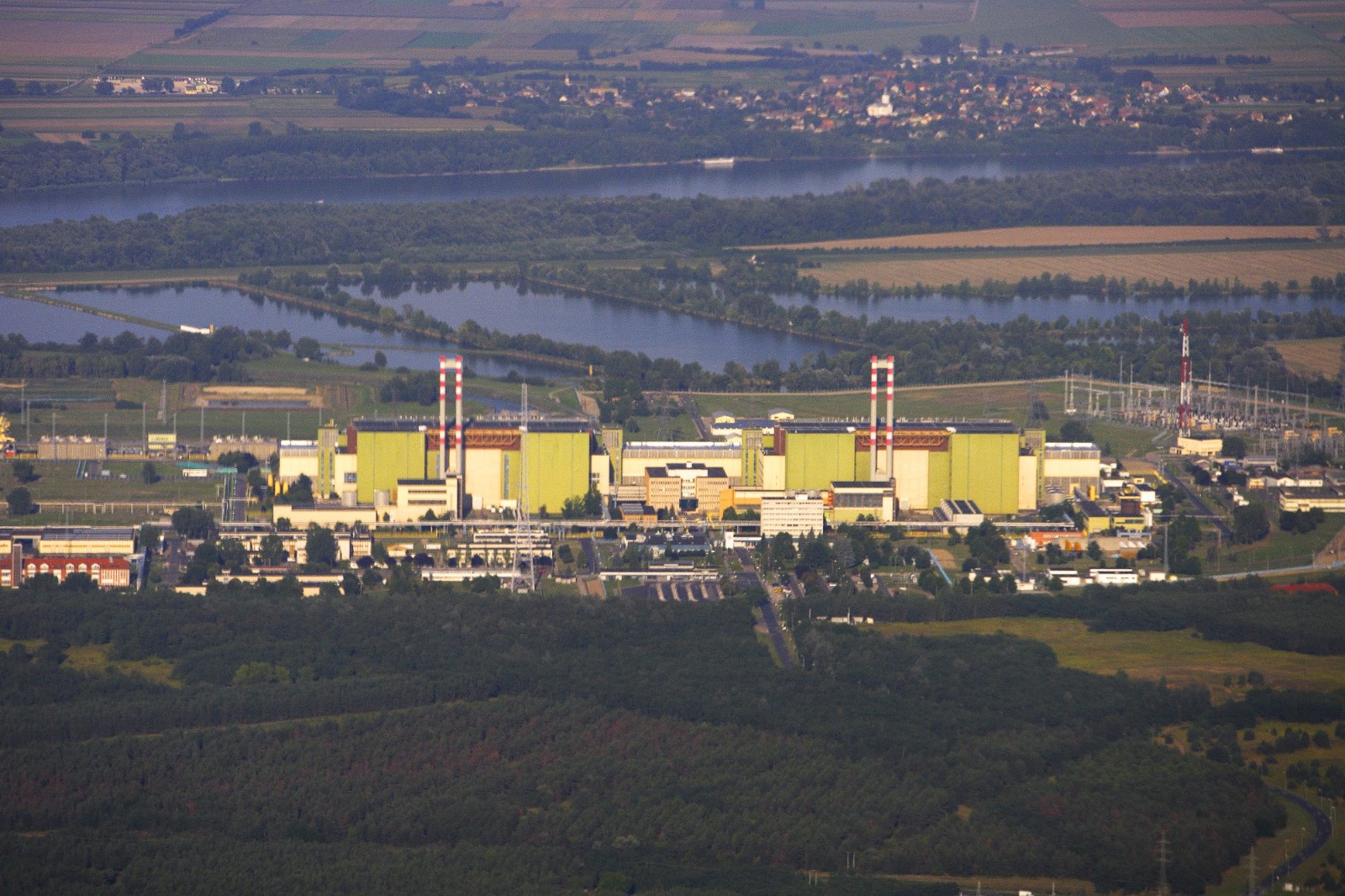
Danube water levels continue to decline, Unit 4 of Hungary's Paks Nuclear Power Plant reduces power output
Affected by persistent drought, water levels of the Danube in Hungary have dropped to low levels, impacting the operation of the Paks Nuclear Power Plant, which relies on Danube water for cooling. The plant's operator announced on July 31 that, due to a further drop in the water level at the Paks section to -126 cm, experts would reduce the power output of Unit 4 by 50% starting from 22:45 local time on July 31. The Paks Nuclear Power Plant is Hungary's only operating nuclear power plant, generating approximately half of the country's total electricity. Earlier announcements had mentioned that, due to the extremely low Danube water level, shutdowns of some units at the plant had become difficult to avoid. Peter Magyar stated on social media on July 30...
2026-08-01
Two Units of Kozloduy NPP Operating at Full Capacity as Scheduled
On July 30, Kozloduy NPP stated that its two units are currently operating at full capacity in accordance with the power generation plan. Affected by the persistently low water level of the Danube River, the plant established a special working group in early July and activated relevant response measures to ensure the safe and reliable operation of the units under conditions of prolonged river water level decline. Kozloduy NPP is maintaining close communication with the Executive Agency for Exploration and Maintenance of the Danube River to continuously track water level trends. Monitoring data from recent days show that the Danube River water level has dropped to its lowest in recent decades...
2026-07-31
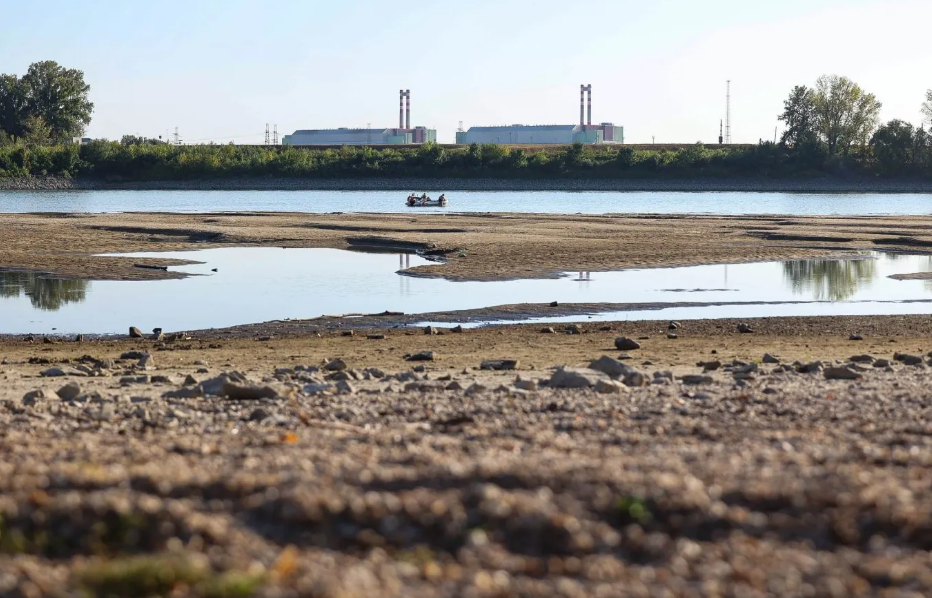
Hungary's Paks Nuclear Power Plant Faces Full Shutdown Due to Record Low Danube Water Level
Affected by persistent drought and high temperatures, the water level of the Danube River at the Budapest section dropped to 23 cm (fixed datum reading, a record low), restricting cooling water intake at the Paks Nuclear Power Plant. Starting Wednesday, July 29, Unit 3 was the first to be shut down; the operator, MVM Paks Nuclear Power Plant Ltd, subsequently stated on its official website that all four units would inevitably be disconnected within the next 24 to 72 hours, with power generation coming to a complete halt. MVM explained that the existing water volume of the Danube is still sufficient to cool the reactors, but the intake pumps can no longer draw water because the riverbed is exposed and the pump inlets are too far from the water surface—an equipment failure rather than an absolute shortfall in cooling water volume. To this end, the Hungarian side deployed 4 pumping barges and 2 floating cranes near the plant as an emergency measure, but with water levels expected to continue falling, a preventive full shutdown remains unavoidable.
2026-07-31