
Search Results
Keyword:EC
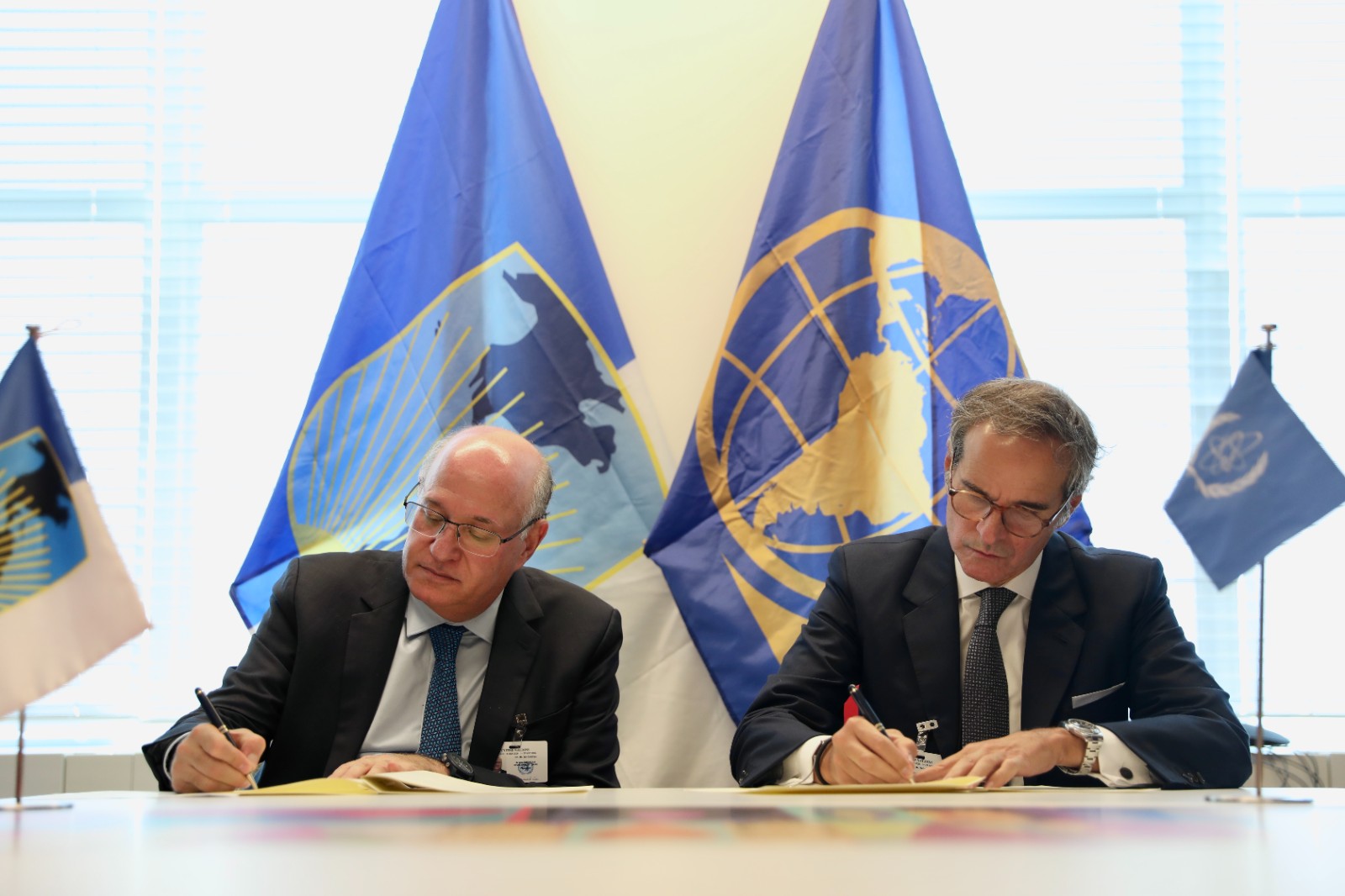
IAEA and IDB Sign Cooperation Agreement to Advance Nuclear Energy and Nuclear Technology for Sustainable Development in Latin America and the Caribbean
On September 24, 2026, on the margins of the United Nations General Assembly in New York, the International Atomic Energy Agency (IAEA) and the Inter-American Development Bank (IDB) formally signed a Memorandum of Understanding (MoU) on cooperation. The two sides aim to establish a long-term partnership to jointly advance in-depth cooperation in Latin America and the Caribbean in the safe, secure and sustainable use of nuclear energy and nuclear technology. This also represents an important step by the IAEA to expand its network of cooperation with multilateral development finance institutions in support of the global low-carbon clean transition. The memorandum was signed by...
2026-09-27
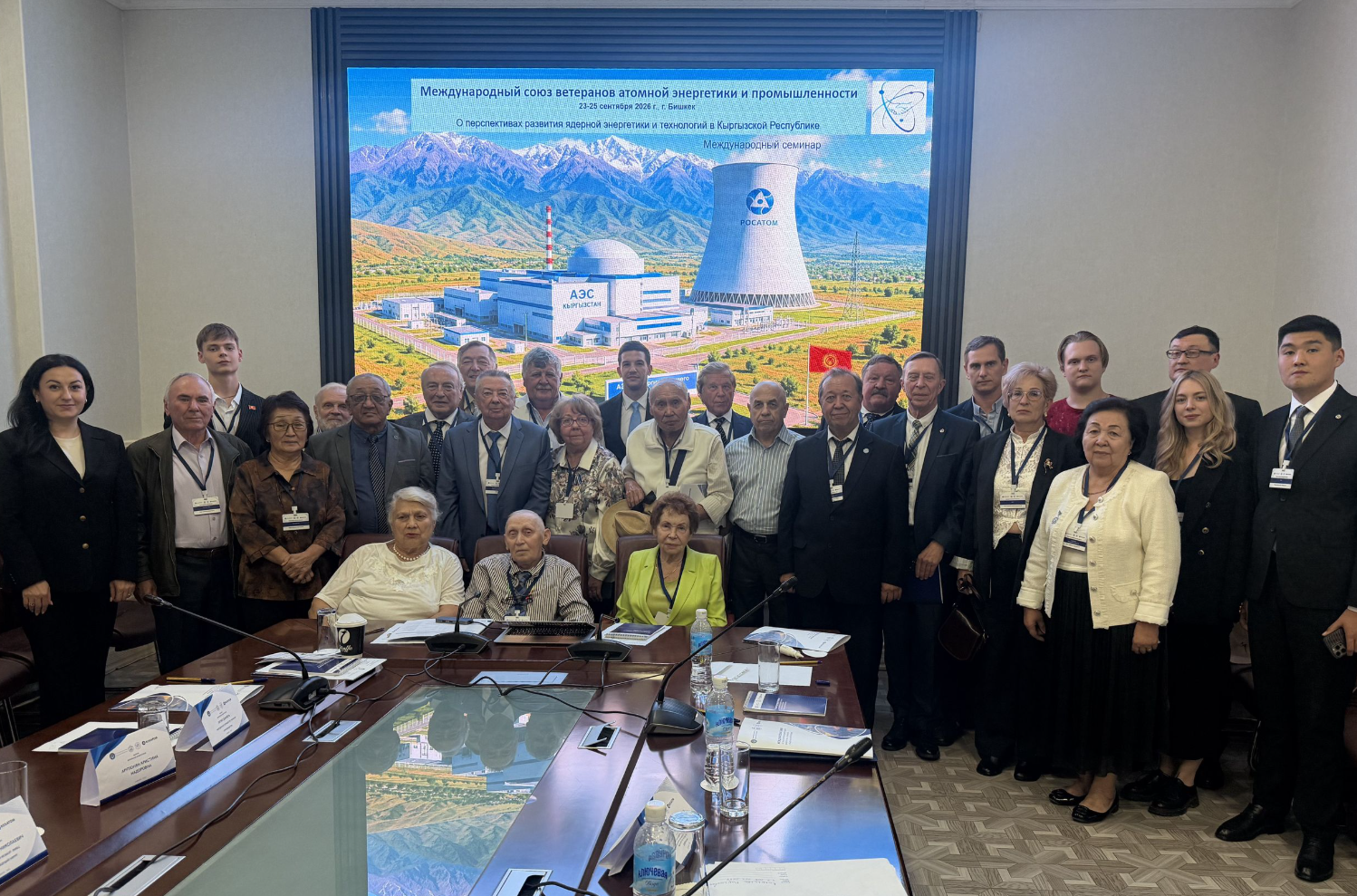
International Seminar of Veteran Nuclear Decommissioning Experts Held in Bishkek, Kyrgyzstan: Focusing on Central Asian Nuclear Energy Prospects and Cooperation on Kyrgyzstan's SMR Project
On September 24, 2026, with the joint support of Rosatom and the Council of Energy Veterans of the Kyrgyz Republic (Совет ветеранов энергетики Киргизской Республики), the International Seminar on the Prospects for the Development of Nuclear Energy and Nuclear Technologies in the Kyrgyz Republic, organized by the International Union of Veteran Experts in Nuclear Energy and Industry (МСВАЭП), was held in Bishkek, the capital of Kyrgyzstan. Senior experts in the nuclear and electric power industries from Kyrgyzstan, Russia, Kazakhstan, Tajikistan, Uzbekistan and other Central Asian countries...
2026-09-27

South China Regional Office Conducts Special Nuclear Safety Inspection on Fangchenggang Nuclear Power Plant in Response to Extreme Weather
Since 2026, the coastal area where Fangchenggang City, Guangxi Zhuang Autonomous Region, is located has experienced frequent extreme weather events. During the passage of Typhoon Maysak in July, the maximum gust measured on site at the Fangchenggang Nuclear Power Plant reached Force 9, with cumulative rainfall during the event reaching as high as 424.2 mm; in August, affected by the peripheral circulation of Typhoon Zitan, the area once again suffered sustained heavy wind and rain, with localized cumulative rainfall exceeding 300 mm. In response to the severe climatic situation of superimposed strong typhoons and short-duration heavy rainfall, the South China Regional Office of Nuclear and Radiation Safety Inspection of the Ministry of Ecology and Environment (hereinafter referred to as the South China Regional Office) recently took the initiative to...
2026-09-27
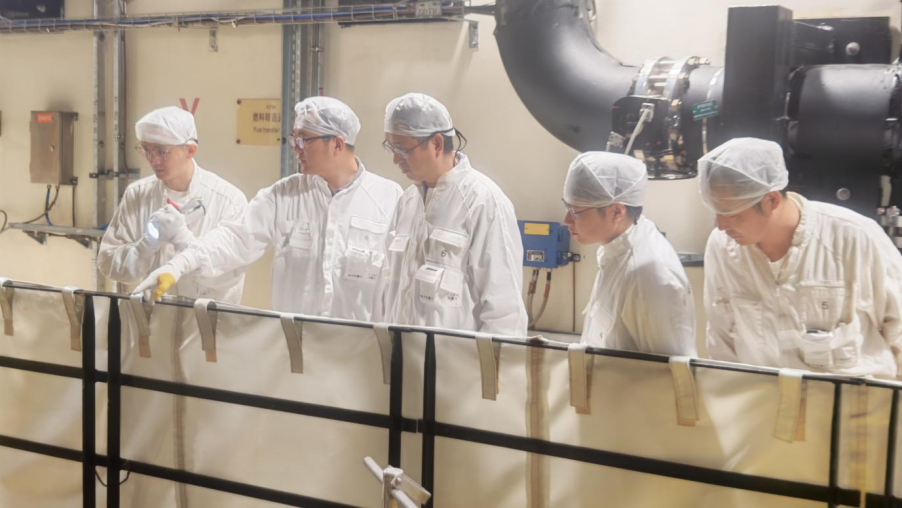
South China Regional Office completes pre-critical nuclear safety inspection for Yangjiang Nuclear Power Plant overhaul
From September 14 to 17, the South China Regional Office of Nuclear and Radiation Safety Supervision of the Ministry of Ecology and Environment (hereinafter referred to as the South China Regional Office) organized an inspection team to conduct a pre-critical nuclear safety inspection of Unit 5 of Yangjiang Nuclear Power Plant for its sixth refueling overhaul (Y506 overhaul). This inspection was jointly carried out by the Nuclear Facility Business Division and the newly established Operation Special Division, adopting an organizational model of two-division coordination and complementary expertise to systematically verify the safety status of the unit after refueling and before criticality, thereby safeguarding the critical juncture for the safe startup of the unit. The criticality of the unit after overhaul is a link in the nuclear safety management chain where risks are highly concentrated. With core refueling and loading completed, and maintenance, modification, and periodic testing items concluding in a concentrated manner, equipment status, personnel operations, and operational decisions converge at this point. The South China Regional Office closely focused on the core proposition of "whether the unit truly possesses the conditions for safe operation," concentrating on key contents such as operating limits and conditions, availability of safety-important items, confirmation of post-maintenance equipment status and periodic test results, closed-loop rectification of outstanding issues from the previous overhaul, and handling of abnormal conditions, insisting on item-by-item verification and one-by-one clearance to ensure that no doubts are carried forward and no loose ends are left.
2026-09-27
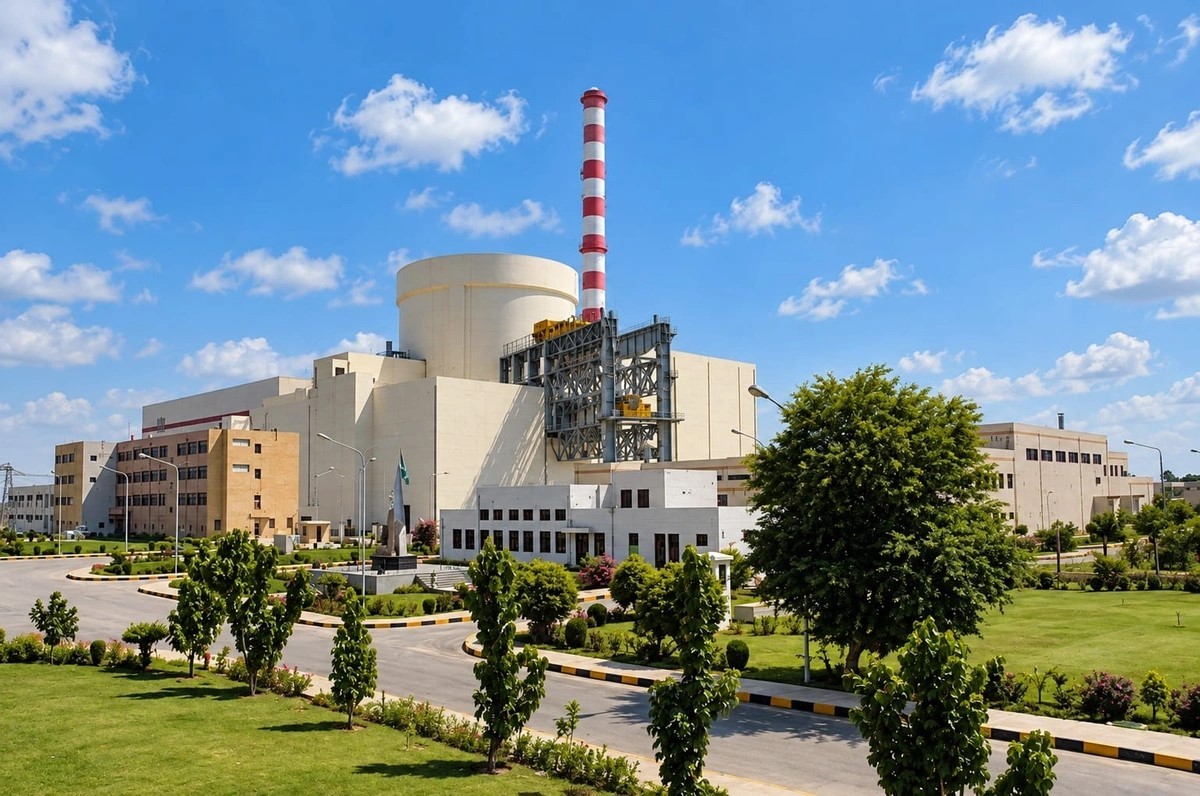
Chashma Nuclear Power Plant Unit 1 in Pakistan Sets a New Record of 427 Consecutive Days of Trouble-Free Operation
The Pakistan Atomic Energy Commission (PAEC) announced that Chashma Unit-1 (C-1) at the Chashma Nuclear Power Generating Station (CNPGS) near Mianwali in Punjab Province achieved 427 days of safe and uninterrupted continuous operation during its 18th fuel cycle. This achievement broke the previous record held by C-2 and C-4 units, setting a new historic high for the longest continuous safe operation period of a single unit in the history of Pakistan's nuclear power development. During this extended operating cycle, this 325-megawatt (MW) pressurized water reactor unit demonstrated...
2026-09-27
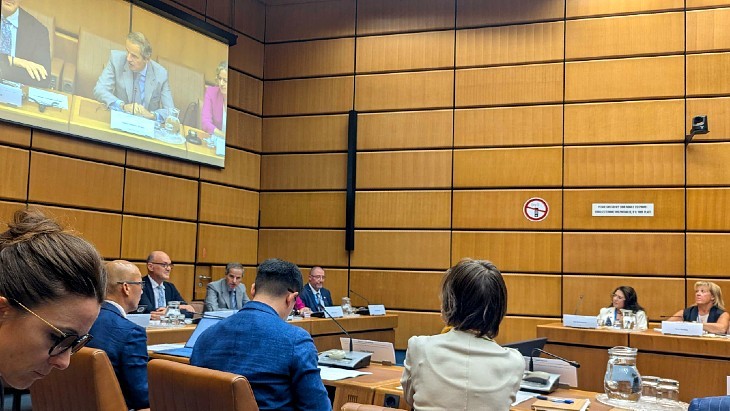
IAEA Releases White Paper on the Facilitation of the Safe and Secure Transport of Radioactive Material
During a side event of the 70th General Conference of the International Atomic Energy Agency (IAEA) held in Vienna, Austria, the IAEA Denial of Shipment Working Group officially released and distributed to Member States the White Paper on the Facilitation of the Safe and Secure Transport of Radioactive Material. The white paper puts forward a series of systematic policy recommendations aimed at effectively alleviating the long-standing predicament of denial of shipment or serious delay of shipment in the cross-border transport of radioactive material that has long plagued nuclear power plants, hospitals, industrial non-destructive testing facilities, and scientific research institutions worldwide...
2026-09-27
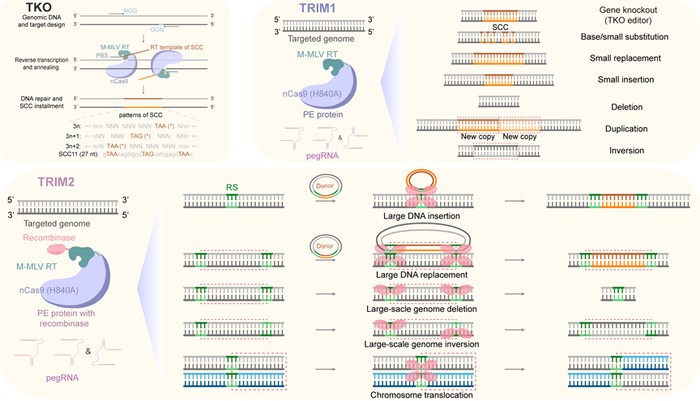
Institute of Genetics and Developmental Biology, CAS Develops TKO and "All-in-One" TRIM Genome Editing System, Achieving "One-Stop" Precise Pyramiding of Complex Crop Traits
In the process of modern agricultural crop breeding, although a large number of elite alleles have been successively sequenced and identified, how to rapidly and precisely pyramid them into a single variety has always faced the technical bottleneck of multi-generational crossbreeding and repeated experimental optimization. The research team at the Institute of Genetics and Developmental Biology, Chinese Academy of Sciences (CAS) has successfully tackled this challenge by developing a precise gene knockout tool TKO and an all-in-one composite genome editing system TRIM (Targeted Replacement, Insertion and Mutagenesis), opening up a new pathway for one-stop targeted improvement of complex agronomic traits. Targeting...
2026-09-24

Hangyang Share and Hangzhou Turbine Technology Jointly Invest in Startorus Fusion to Accelerate the Commercialization of Multi-Stroke Magnetic Reconnection Fusion
Two domestic high-end manufacturing listed companies, Hangyang Share (002430.SZ) and Hangzhou Turbine Technology (300277.SZ), have issued a joint investment announcement, declaring their joint capital contribution to acquire equity in commercial nuclear fusion innovation enterprise Shanghai Startorus Fusion Technology Co., Ltd. (Startorus Fusion). According to the investment agreement, Hangyang Share and Hangzhou Turbine Technology will each contribute RMB 50 million, each acquiring a 0.66% equity stake in Startorus Fusion; the remaining investors will jointly contribute RMB 720 million, collectively subscribing to a 9.45% equity stake. This capital injection further boosts capital attention on the domestic commercial controlled nuclear fusion industry. Startorus Fusion was established in 2021...
2026-09-24
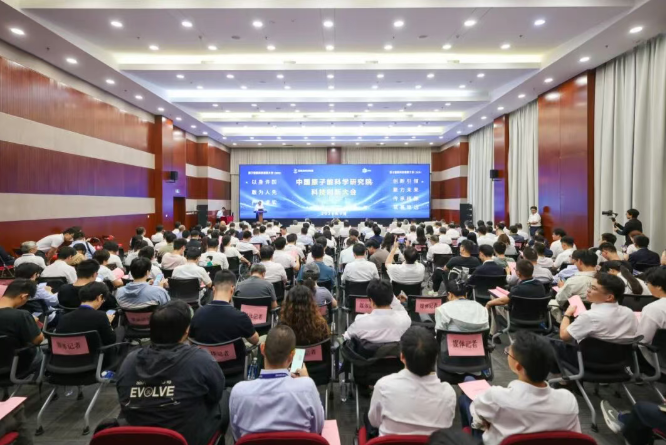
China Institute of Atomic Energy Holds 2026 Science and Technology Innovation Conference, Releases Three Independently Developed Scientific and Technological Achievements: Industrial Software, Radiation-Resistant Robot, and Monitoring Watch
On September 23, China Institute of Atomic Energy (CIAE) of China National Nuclear Corporation (CNNC) officially convened the 2026 Science and Technology Innovation Conference, systematically planning and coordinating key tasks for nuclear basic research and original innovation. The conference brought together Sun Changpu, Ye Guoan, Liu Weiping, and Li Jun, academicians of the Chinese Academy of Sciences; Hu Shilin, Wang Hualin, and Su Guanghui, academicians of the Chinese Academy of Engineering; as well as representatives from research and industrial units including CNNC and Aerospace Software. Three independently developed innovative scientific and technological achievements were released on site: the Yundian Product Data Management System N-PDM, the Anluan-R Radiation-Resistant Inspection Robot, and the Antai-W1 Smart Radiation Monitoring Watch...
2026-09-24
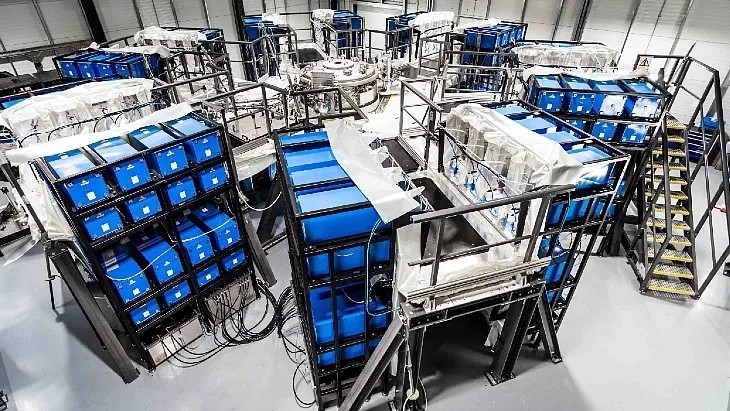
First Light Fusion's Low-Cost Fusion Compression Technology Achieves Experimental Validation, Driving Source Cost Expected to Drop by an Order of Magnitude
UK commercial fusion innovator First Light Fusion has announced that its independently developed pulse power facility M3 (M3 pulse power facility) has successfully completed a series of proof-of-principle experiments, formally validating the core fuel compression physics mechanism of its proprietary fusion pathway FLARE (Fusion via Low-power Assembly and Rapid Excitation). The experiments confirmed that, relying on a precisely designed Multi-layered liner, fusion fuel can be effectively compressed to a high-density state using a driver with a more streamlined configuration and lower peak power. The core design logic of the FLARE technology pathway...
2026-09-24
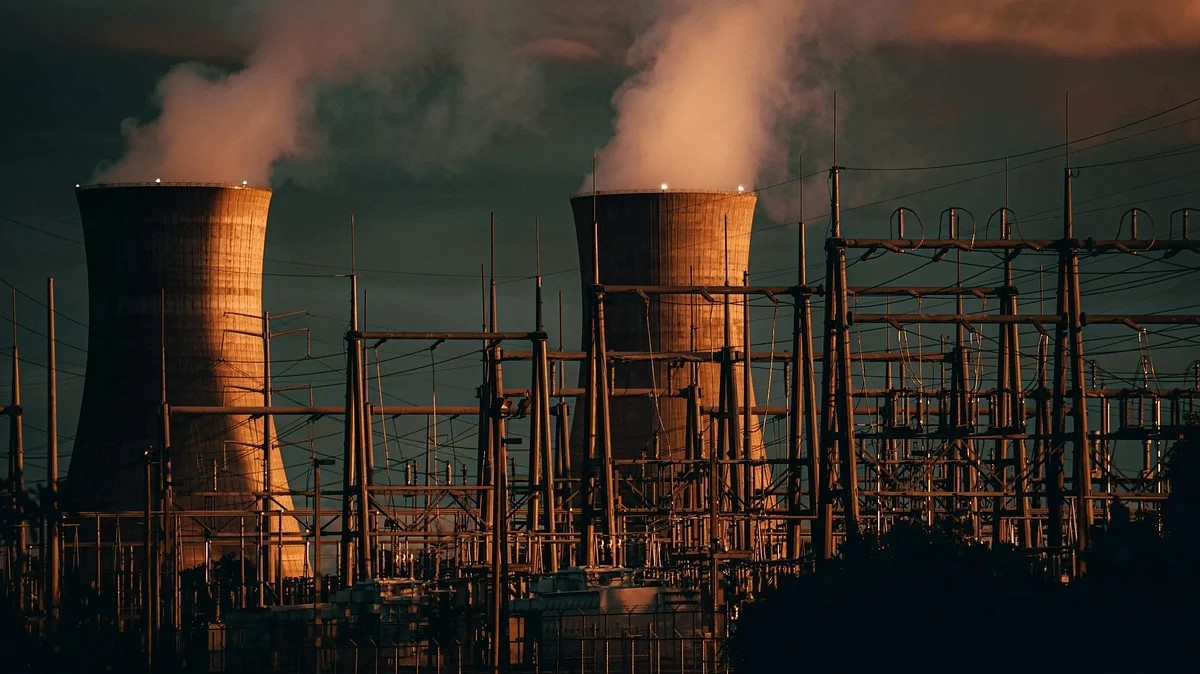
US Senate Weighs $50 Billion Nuclear Energy Integrated Campus Plan, Aiming to Link Advanced Reactors, Waste Recycling, and AI Computing Centers
The Senate Committee on the Environment and Public Works held a hearing on Wednesday to examine a federal plan totaling $50 billion. The plan proposes funding the construction of three regional future Nuclear innovation campuses, using abundant zero-carbon energy supply to attract heavy manufacturing and computing centers to cluster there, while also building radioactive waste storage and disposal facilities within the campuses in a coordinated manner. At the committee hearing, the American Nuclear Society Nuclear Waste Policy Task Force...
2026-09-24
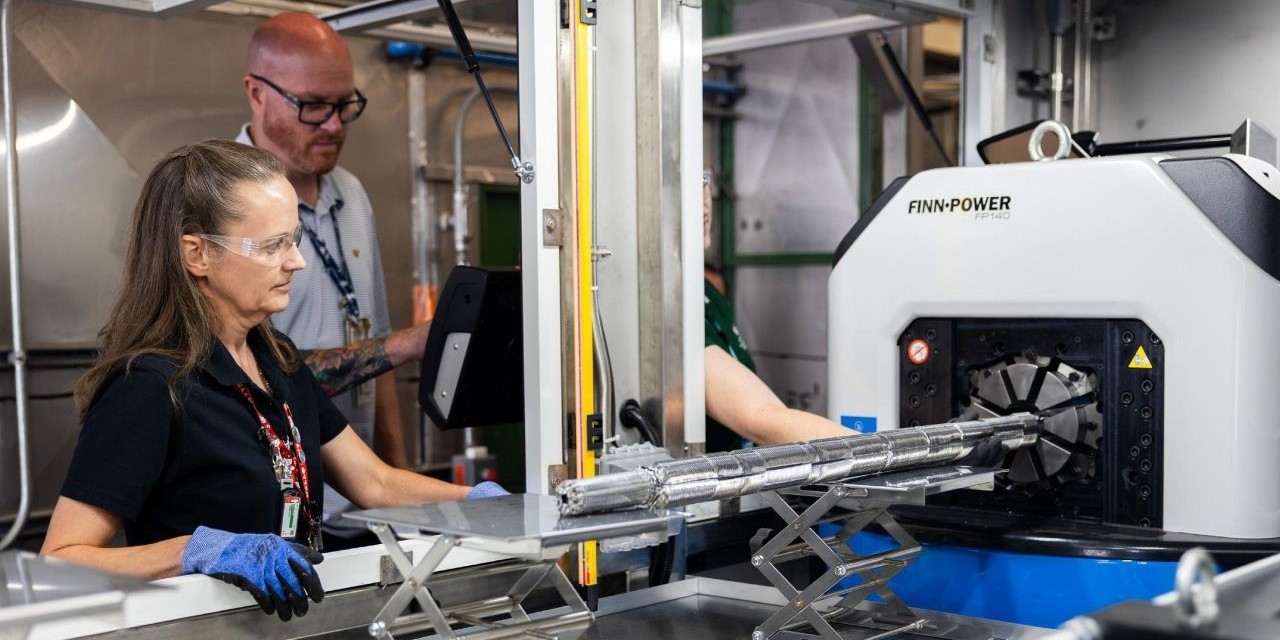
Idaho National Laboratory Moran Test Bed Completes Deployment Preparation for Spent Fuel Decladding Skid
A mobile skid dedicated to processing and stripping spent nuclear fuel cladding has been officially declared ready for operation at the Idaho National Laboratory (INL) Moran Nuclear Fuels Test Facility. The fabrication of this skid system was funded by the Athena Initiative launched in 2022 under the National Nuclear Security Administration (NNSA) Nonproliferation Stewardship Program, aimed at providing critical research support for the United States' nonproliferation strategy.
2026-09-24
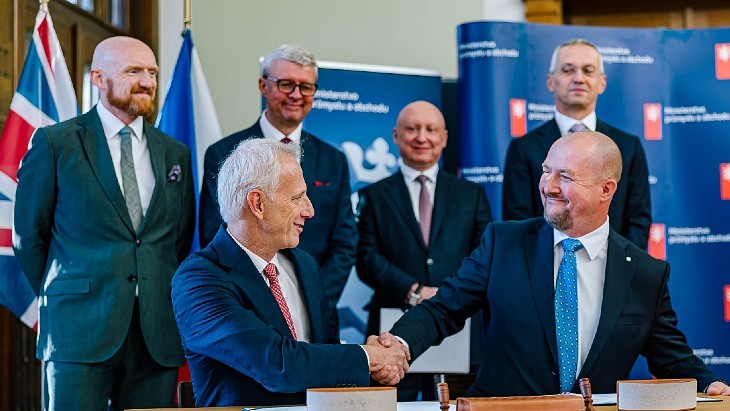
Škoda JS of the Czech Republic to Supply Control Rod Drive Mechanisms for Rolls-Royce SMR
Czech nuclear engineering equipment manufacturer Škoda JS has signed a binding strategic cooperation agreement with Rolls-Royce SMR, confirming that it will serve as a core supplier to manufacture and supply Control Rod Drive Mechanisms (CRDMs) for the Small Modular Reactor (SMR) designed and developed by Rolls-Royce. The control rod drive mechanism is the central nervous system and a key safety-class component that ensures the safe operation of a nuclear reactor, directly responsible for regulating reactor power output and rapidly inserting control rods under abnormal or accident conditions to achieve safe shutdown...
2026-09-24

Ethiopia Plans to Join Forces with Russia to Accelerate the Construction of Its Nuclear Power Project
Alexey Likhachev, Director General of Rosatom State Atomic Energy Corporation (Госкорпорация «Росатом» / Rosatom), stated that Ethiopia (Эфиопия / Ethiopia) is actively seeking to accelerate the development of its nuclear power industry. Likhachev noted that the two sides had previously reached a preliminary cooperation agreement, but before formally launching the construction of the nuclear power plant project, multiple statutory and technical preparatory procedures in the early preparation stage still need to be completed. Ethiopian Prime Minister Abiy Ahmed Ali (Абий Ах...
2026-09-24
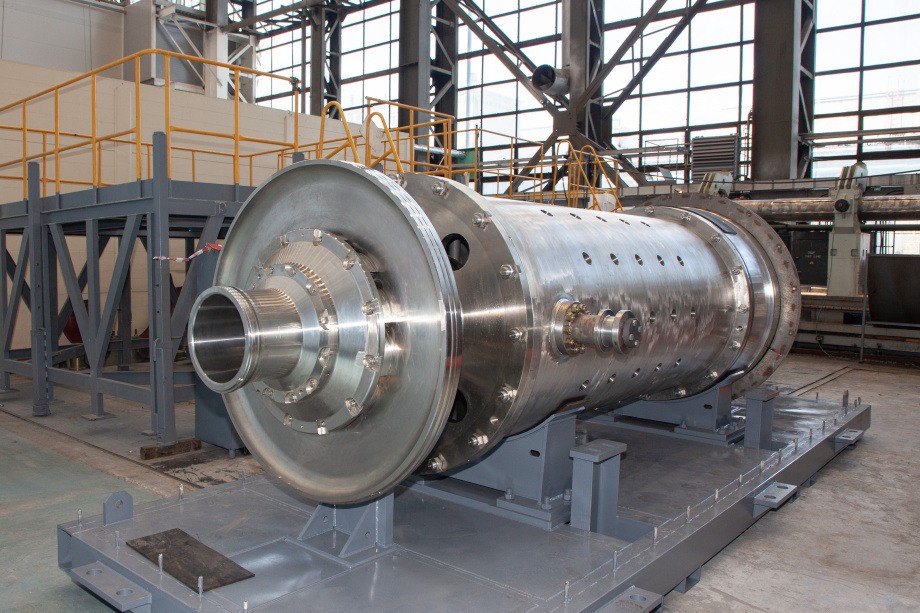
Afrikantov Experimental Design Bureau of Mechanical Engineering Completes Manufacture and Delivery of MBIR Fast Reactor Primary Coolant Circulation Pumps
The machine-building division of Rosatom State Atomic Energy Corporation (Госкорпорация «Росатом» / Rosatom), Afrikantov Experimental Design Bureau of Mechanical Engineering (АО «ОКБМ Африкантов» / OKBM Afrikantov), has completed the manufacture and delivery of the primary coolant circulation pumps (Главные циркуляционные насосы, ГЦН) for the multi-purpose fast neutron research reactor (МБИР / MBIR). As core equipment of the reactor facility, these circulation pumps will be responsible for driving the coolant to circulate within the reactor core...
2026-09-24