
Search Results
Keyword:ESS

Vylor and Belgium-based Rainbow Crops Enter Strategic Partnership to Combine AI and Multiplex Gene Editing for Maize Complex Stress Tolerance Traits
Agricultural technology innovation company Vylor and Belgian agricultural biotechnology startup Rainbow Crops announced the establishment of a deep R&D collaboration. The two parties will deeply integrate Artificial intelligence (AI) algorithm-assisted design with high-throughput Multiplex gene editing technology, leveraging Rainbow Crops' proprietary Trait Foundry trait discovery and validation platform, focusing on abiotic environmental stresses such as heat damage, extreme drought, and waterlogging, to screen and validate highly climate-adaptive maize hybrid germplasm materials. The core process pipeline of this cross-border collaboration will combine AI-assisted trait prediction, multiplex multi-locus...
2026-09-24
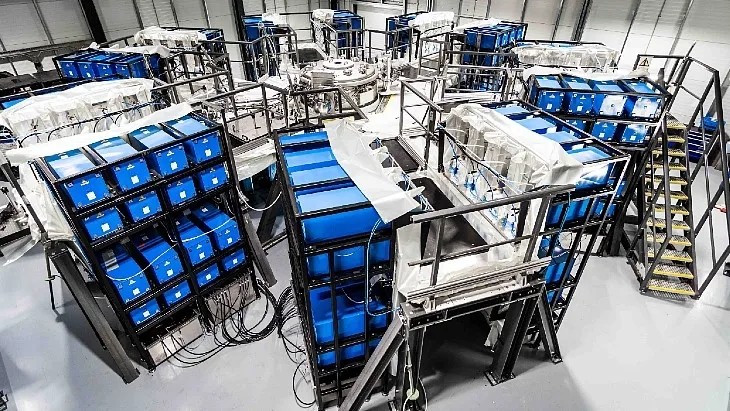
First Light Fusion's Low-Cost Fusion Compression Technology Achieves Experimental Validation, Driving Source Cost Expected to Drop by an Order of Magnitude
UK commercial fusion innovator First Light Fusion has announced that its independently developed pulse power facility M3 (M3 pulse power facility) has successfully completed a series of proof-of-principle experiments, formally validating the core fuel compression physics mechanism of its proprietary fusion pathway FLARE (Fusion via Low-power Assembly and Rapid Excitation). The experiments confirmed that, relying on a precisely designed Multi-layered liner, fusion fuel can be effectively compressed to a high-density state using a driver with a more streamlined configuration and lower peak power. The core design logic of the FLARE technology pathway...
2026-09-24
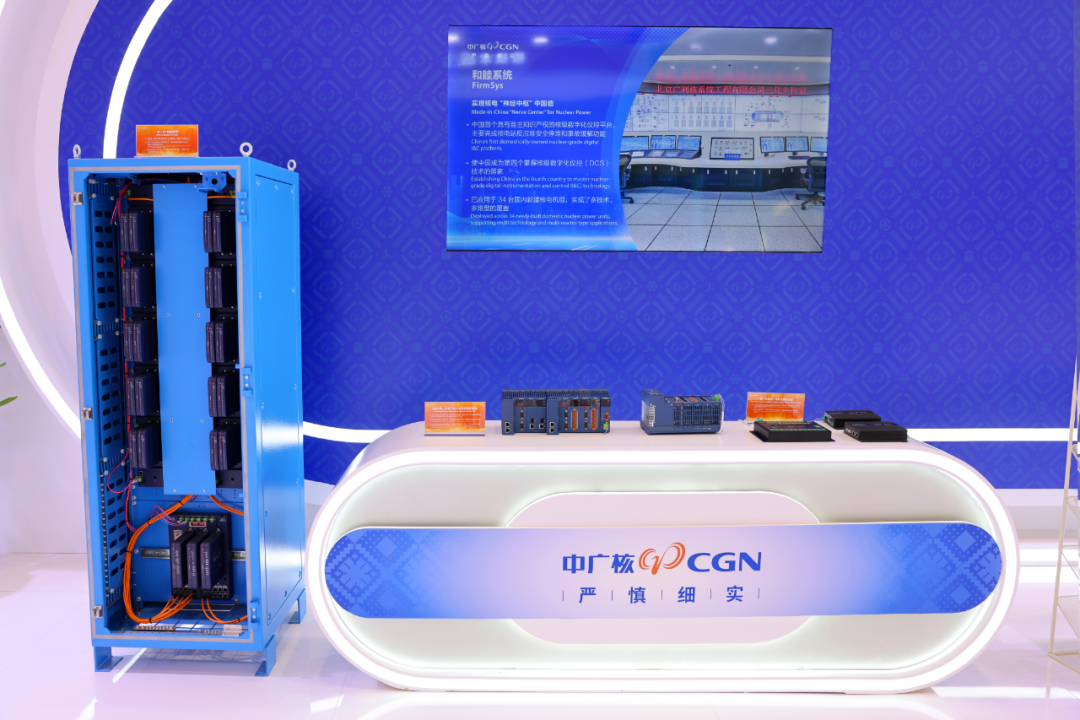
New Generation "Harmony System" and Other Technological Achievements Debut at the 23rd China-ASEAN Expo
At the five-day 23rd China-ASEAN Expo and China-ASEAN Business and Investment Summit, CGN showcased its innovative achievements in nuclear power, new energy, and digitalization under the theme "Smart Nuclear Powers Free Trade, Green Electricity Connects ASEAN." At the exhibition, CGN Digital Technology highlighted its independently developed Harmony System series products and their applications in the new energy sector, and used virtual reality technology to give visitors the opportunity to tour nuclear power plants. The Harmony System is hailed as the "nerve center" and "brain" of nuclear power plants. It is China's independently developed nuclear safety-class digital instrumentation and control system, and has now been widely applied to 34 nuclear power units nationwide, covering second- to fourth-generation nuclear power reactor types and technologies. Through the comprehensive iterative upgrading of the Harmony System, CGN Digital Technology has equipped it with a smarter, safer, and more economical "super intelligent brain," aiming to provide digital and intelligent empowerment for the full-cycle production and operation of nuclear power plants.
2026-09-22
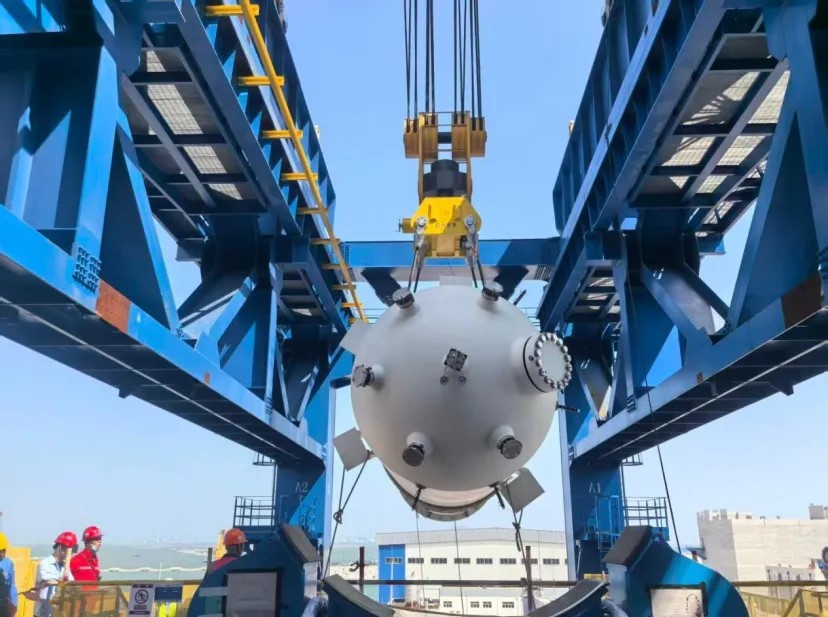
The pressurizer of Unit 3 of the Zhangzhou Nuclear Power Plant has been hoisted into place.
At 19:03 on September 20, the pressurizer of Unit 3 of the Zhangzhou Nuclear Power Plant was hoisted into place. During this pressurizer hoisting operation, the pressurizer was horizontally lifted to the +16.5m platform by a gantry crane, transported and towed by a heavy-duty vehicle into the reactor building, then turned and erected by the polar crane, and finally hoisted into place. The pressurizer is one of the core main equipment items of the nuclear island reactor coolant system, and its main function is to undertake primary loop pressure control and overpressure protection, among other duties. When the temperature and pressure inside the reactor fluctuate, the pressurizer can maintain the temperature and pressure inside the reactor within a safe range by adjusting the flow rate and temperature of the coolant water, thereby ensuring the safe and stable operation of the reactor. At the same time, the pressurizer is crucial for ensuring the power generation efficiency of the unit and maintaining stable operation, and is key equipment for the safe operation of nuclear power units.
2026-09-21
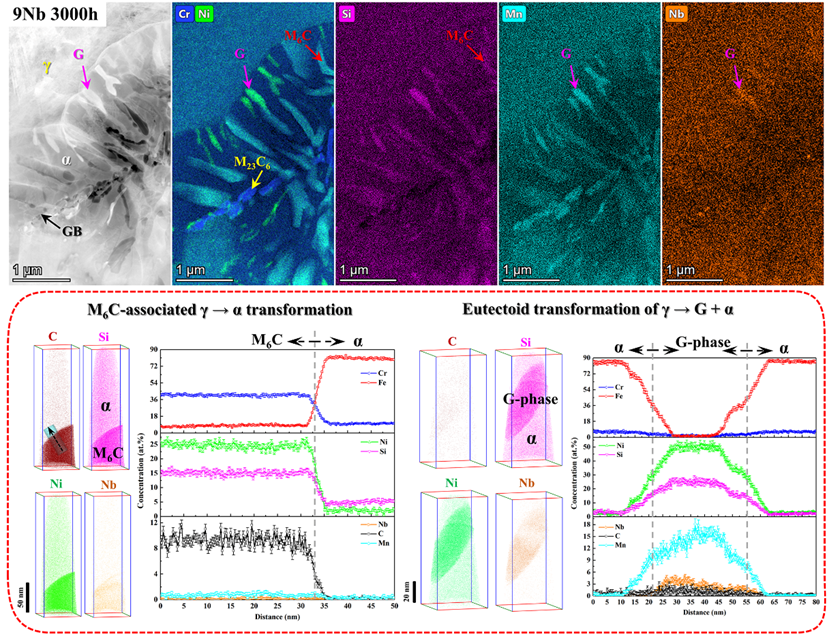
New Progress in Research on Microstructural Stability of High-Silicon Austenitic Steels for Lead-Cooled Fast Reactors
The lead-cooled fast reactor is an important reactor type in the fourth-generation nuclear energy system, and its structural materials need to withstand harsh service environments such as high temperature, irradiation, and liquid lead-bismuth corrosion over the long term. High-silicon austenitic stainless steel possesses excellent lead-bismuth corrosion resistance and is an important candidate structural material for core equipment such as the reactor vessel and internals of lead-cooled fast reactors. However, Si addition significantly alters the phase precipitation mechanism during high-temperature service and induces austenite decomposition, affecting the long-term microstructural stability of the material. Recently, the Special Alloys Research Department of the Institute of Metal Research, Chinese Academy of Sciences, in collaboration with the Department of Mechanical Engineering of The Hong Kong Polytechnic University, building on prior work that revealed Si-induced austenite decomposition behavior in high-silicon austenitic steels and the resulting mechanical...
2026-09-21
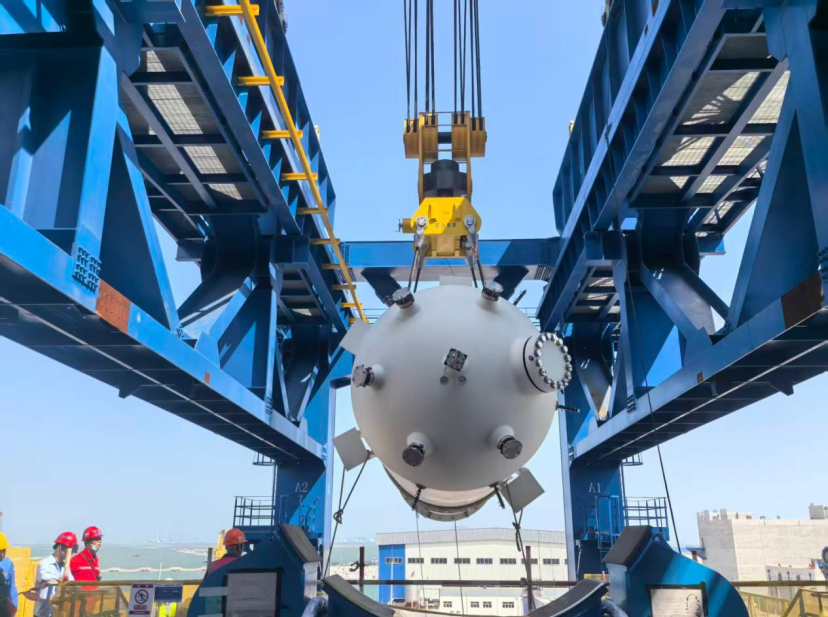
Pressurizer of Zhangzhou Nuclear Power Unit 3 Hoisted into Place
At 19:03 on September 20, the pressurizer of Zhangzhou Nuclear Power Unit 3 was hoisted into place. During this pressurizer hoisting operation, the pressurizer was horizontally lifted to the +16.5m platform by a gantry crane, transported by a heavy-duty vehicle into the reactor building, then turned and erected by the polar crane, and finally hoisted into place. The pressurizer is one of the core main equipment items of the nuclear island reactor coolant system, and its main functions include primary loop pressure control and overpressure protection. When the temperature and pressure inside the reactor fluctuate, the pressurizer can maintain the temperature and pressure within the reactor in a safe range by adjusting the flow rate and temperature of the coolant water, ensuring the safe and stable operation of the reactor. At the same time, the pressurizer is...
2026-09-21
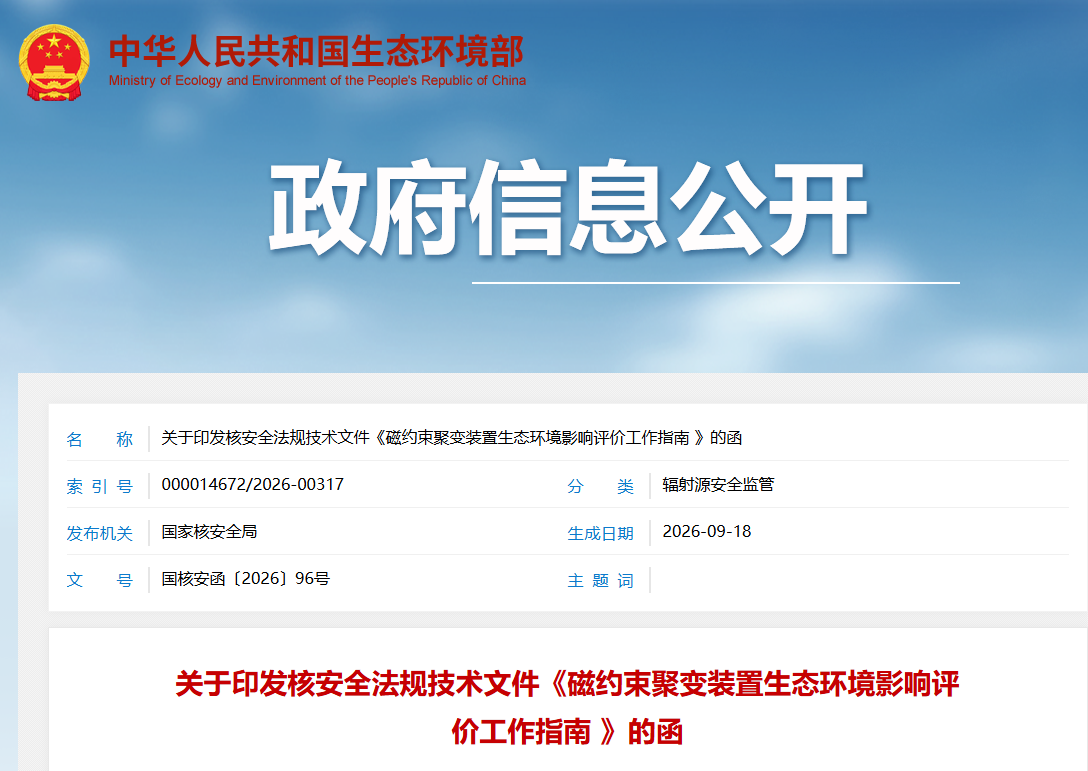
National Nuclear Safety Administration Issues the Guidelines for Ecological Environment Impact Assessment of Magnetic Confinement Fusion Devices
To implement the regulatory requirements for fusion devices under the Ecological Environment Code of the People's Republic of China and the Atomic Energy Law of the People's Republic of China, and to improve China's regulatory framework for radiation safety supervision of fusion devices, the Ministry of Ecology and Environment's National Nuclear Safety Administration recently officially issued the Guidelines for Ecological Environment Impact Assessment of Magnetic Confinement Fusion Devices (hereinafter referred to as the Guidelines). The Guidelines were compiled by the Nuclear and Radiation Safety Center of the Ministry of Ecology and Environment, drawing on relevant domestic and international regulations and standards, and incorporating the construction and operation characteristics and environmental impact features of China's fusion devices. They aim to standardize and guide the ecological environment impact assessment of fusion devices throughout their entire life cycle...
2026-09-20
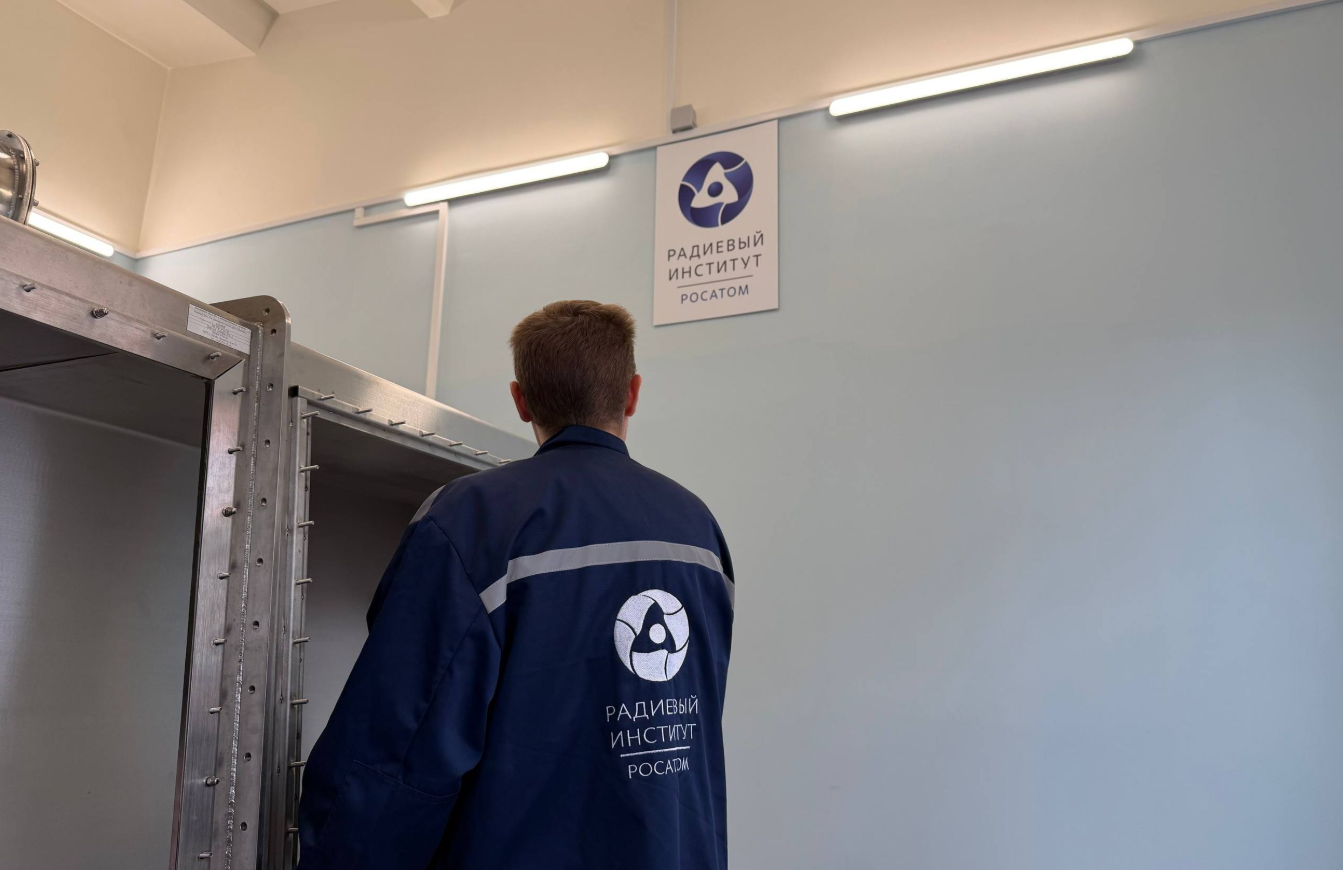
Rosatom Establishes New Laboratory to Test Molten Salt Reactor Spent Fuel Reprocessing Technology
The first production site of the Khlopin Radium Institute, part of Rosatom's research division, is completing the construction of a new laboratory that will be dedicated to testing the processing and reprocessing technology for spent nuclear fuel (SNF) from molten salt reactors (JSR/MSR). In the first phase of facility testing, it is planned to synthesize simulated fuel compositions based on lithium fluoride and beryllium fluoride, with added simulants of fission products and plutonium; subsequently, the technology will be validated on models, and ultimately practical application will be carried out on the basis of the research molten salt reactor (IZHSR) being built in Zheleznogorsk. The related construction, installation, and commissioning work is planned for completion by the end of 2026, and to prepare for...
2026-09-18
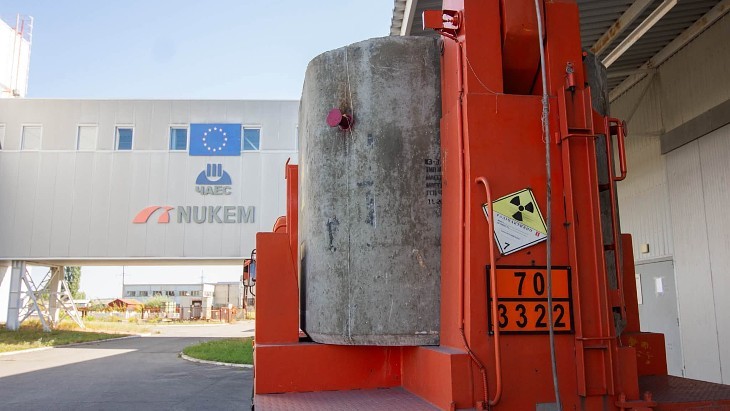
First Batch of Radioactive Waste Transported from New Chernobyl Waste Processing Facility
The Industrial Complex for Solid Radwaste Management (ICSRM) at the Chernobyl Nuclear Power Plant has officially shipped out seven containers of low- and intermediate-level radioactive waste after completing waste processing. This batch of waste has been transferred to the specially equipped Near-Surface Disposal Facility for Solid Radioactive Waste (ENDSF) for final disposal. The Industrial Complex for Solid Radwaste Management officially began operations in May this year after obtaining a license from the State Nuclear Regulatory Inspectorate of Ukraine. The new complex is primarily used to process solid radioactive waste accumulated during the operation of the Chernobyl Nuclear Power Plant, which has been stored in the solid radioactive waste storage facility since 1978. Chernobyl...
2026-09-18
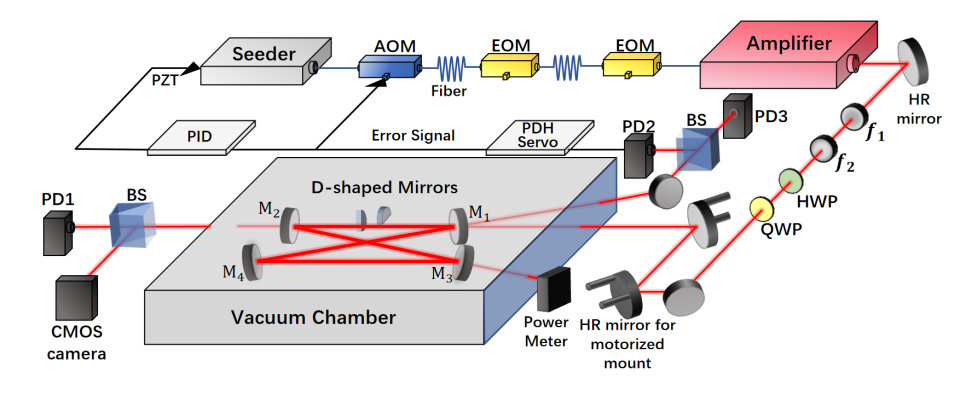
Professor Yan Lixin's Research Group in the Department of Engineering Physics at Tsinghua University Collaborates to Achieve a Beyond-Megawatt Average Power Laser Optical Enhancement Cavity
Recently, the research group of Professor Yan Lixin from the Department of Engineering Physics at Tsinghua University, in collaboration with the team of Professor Fabian Zomer from IJCLab at Université Paris-Saclay, France, published important progress in the field of high-finesse optical enhancement cavities. The research team achieved a four-mirror bow-tie optical cavity with an average laser power exceeding 1 megawatt and its stable operation at the Tsinghua University Accelerator Laboratory, with a maximum intracavity average power of 1.15 MW, while maintaining an excellent Gaussian fundamental mode. This is the first published work internationally on an optical enhancement cavity with an intracavity average laser power reaching the megawatt level, which will lay a solid foundation for important applications such as the development of steady-state microbunching (SSMB) extreme ultraviolet light sources, quantum electrodynamics (QED) vacuum nonlinearity detection, ion beam photoneutralization for magnetic confinement fusion, and the development of future inertial confinement fusion reactors.
2026-09-18

Rwanda Plans to Introduce Nuclear Technology to Boost Agricultural Production and Address Climate Change
Armand Zingiro, Minister of State in Rwanda's Ministry of Infrastructure, stated at the 70th General Conference of the International Atomic Energy Agency (IAEA) held in Vienna that the government is exploring the use of nuclear and isotope technologies to improve agricultural productivity, ensure food security, and enhance capacity to address climate change. The conference was held from September 14 to 18, and Zingiro led the Rwandan delegation to attend the meeting. Zingiro pointed out that Rwanda fully recognizes the enormous potential of nuclear and isotope technologies in the fields of agriculture and food security. The application of nuclear technology in agriculture is mainly reflected in improving crop yields, controlling...
2026-09-17
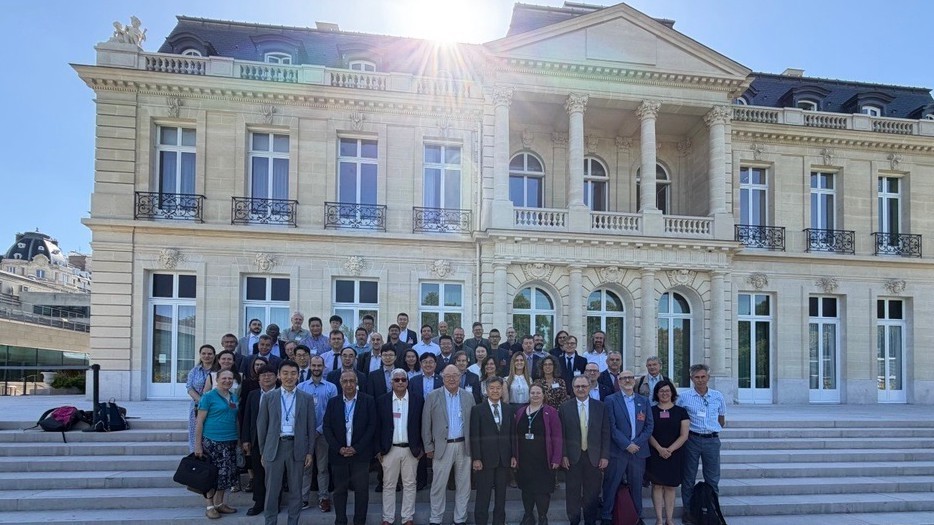
Focusing on Nuclear Safety Assessment and Future Strategic Priorities, the OECD Nuclear Energy Agency's Working Group on Accident Analysis and Management (WGAMA) Holds Its 29th Annual Meeting
The Working Group on Accident Analysis and Management (WGAMA), a subsidiary body of the Committee on the Safety of Nuclear Installations (CSNI) of the OECD Nuclear Energy Agency (OECD/NEA), held its 29th Annual Meeting from September 7 to 9, 2026, at the OECD Conference Centre in Paris, France. Sixty-one delegates from 21 countries, as well as the International Atomic Energy Agency (IAEA) and the European Commission (EC), attended the meeting. Participants included experts from regulatory bodies, technical support organizations, research institutions, industry, and international organizations, who jointly assessed current activities, approved new projects, and discussed future strategic priorities in the field of accident analysis and management. As an international platform advancing the technical basis for nuclear reactor safety assessment, WGAMA at this meeting...
2026-09-17
CNNC 404 Overcomes Krypton Isotope Technical Challenges, Multiple Krypton Isotope Thickness Sources Achieve "Fully Domestic Production"
It was learned from China National Nuclear Corporation (CNNC) that CNNC 404 Co., Ltd., a subsidiary of CNNC, has achieved a breakthrough in the field of radioisotope technology, marking China's leap from reliance on imports to fully domestic production of krypton isotope thickness sources. It is understood that krypton isotopes, as important radioisotopes, are widely used in industrial thickness measurement, instrument and meter calibration, tracer monitoring, and other fields, and are particularly indispensable in quality control for high-end manufacturing such as new energy batteries, specialty papermaking, and thin films. In this instance, CNNC 404 successfully developed multiple specifications of krypton isotope thickness source products with independent intellectual property rights, capable of matching the needs of different industrial thickness measurement application scenarios, which has provided solid support for the sustainable and high-quality development of China's high-end...
2026-09-17
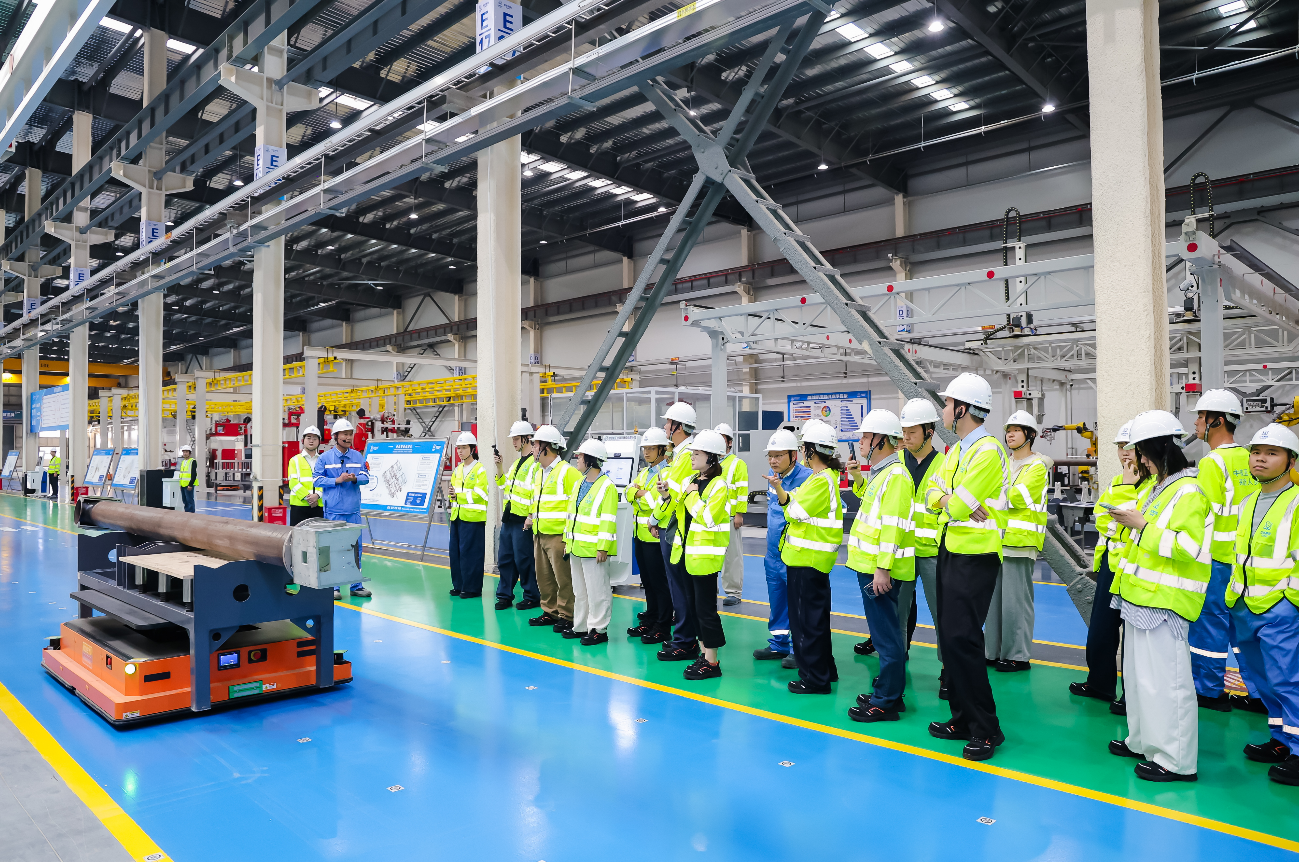
The "Hualong One Independent Innovation Journey" themed interview event was successfully held in Lüsigang, Qidong, Jiangsu
On September 14, the "Hualong One Independent Innovation Journey" themed interview event was held in Lüsigang, Qidong, Jiangsu. Hualong One is China's third-generation pressurized water reactor nuclear power technology with fully independent intellectual property rights. It is known as the "national calling card" of nuclear power and a major national heavy equipment, marking that China's nuclear power technology has entered the world's first tier. As one of the important industrial platforms of CNNC for laying out intelligent manufacturing and cultivating new quality productive forces, the Heneng Intelligent Manufacturing Qidong Intelligent Manufacturing Base carries the important mission of transforming the nuclear industry's cutting-edge manufacturing capabilities into the field of high-end civil equipment. The base covers an area of approximately 311 mu, with plans to build 7 core production lines, supported by intelligent unmanned warehousing, and can provide intelligent inspection...
2026-09-17

Terrestrial Energy Submits Graphite Topical Report to U.S. Nuclear Regulatory Commission, Advancing Integrated Molten Salt Reactor Licensing Process
Terrestrial Energy, a leading company in fourth-generation molten salt reactor technology, announced on September 10 that it has submitted the Graphite Topical Report to the U.S. Nuclear Regulatory Commission (NRC). The submission of this report is intended to establish a solid regulatory certification basis for the application of nuclear-grade graphite—a core component of the IMSR core unit—in commercial power plants, marking an important step in the company's commercialization process. The IMSR reactor is a graphite-moderated molten salt reactor. Although graphite has a relatively long history of application in the nuclear power field, regulators require independent performance verification for each specific reactor design to ensure safety and reliability. This submission...
2026-09-16