
Search Results
Keyword:Environmental Monitoring

Director of the Division of Radiation, Transport and Waste Safety, Department of Nuclear Safety and Security, IAEA, Van den Howe, Visits the Nuclear and Radiation Safety Center of the Ministry of Ecology and Environment
On September 8, 2026, Ms. Hildegard Van den Howe, Director of the Division of Radiation, Transport and Waste Safety, Department of Nuclear Safety and Security, International Atomic Energy Agency (IAEA), visited the Nuclear and Radiation Safety Center of the Ministry of Ecology and Environment (hereinafter referred to as the Center). Chai Guohan, Director of the Center, and heads of relevant departments participated in the exchange activities. At present, cooperation between the Center and the IAEA is continuously deepening. Since being designated by the IAEA in May 2023 as the world's first Collaborating Center for Nuclear and Radiation Safety, the Center has, relying on this platform, successfully hosted high-level activities such as the Nuclear and Radiation Safety Leadership Workshop, the ANSN Regional Workshop, and multiple international training sessions, with the platform's clustering and radiation effects becoming increasingly prominent. The Center has always been a trusted partner of the IAEA.
2026-09-11
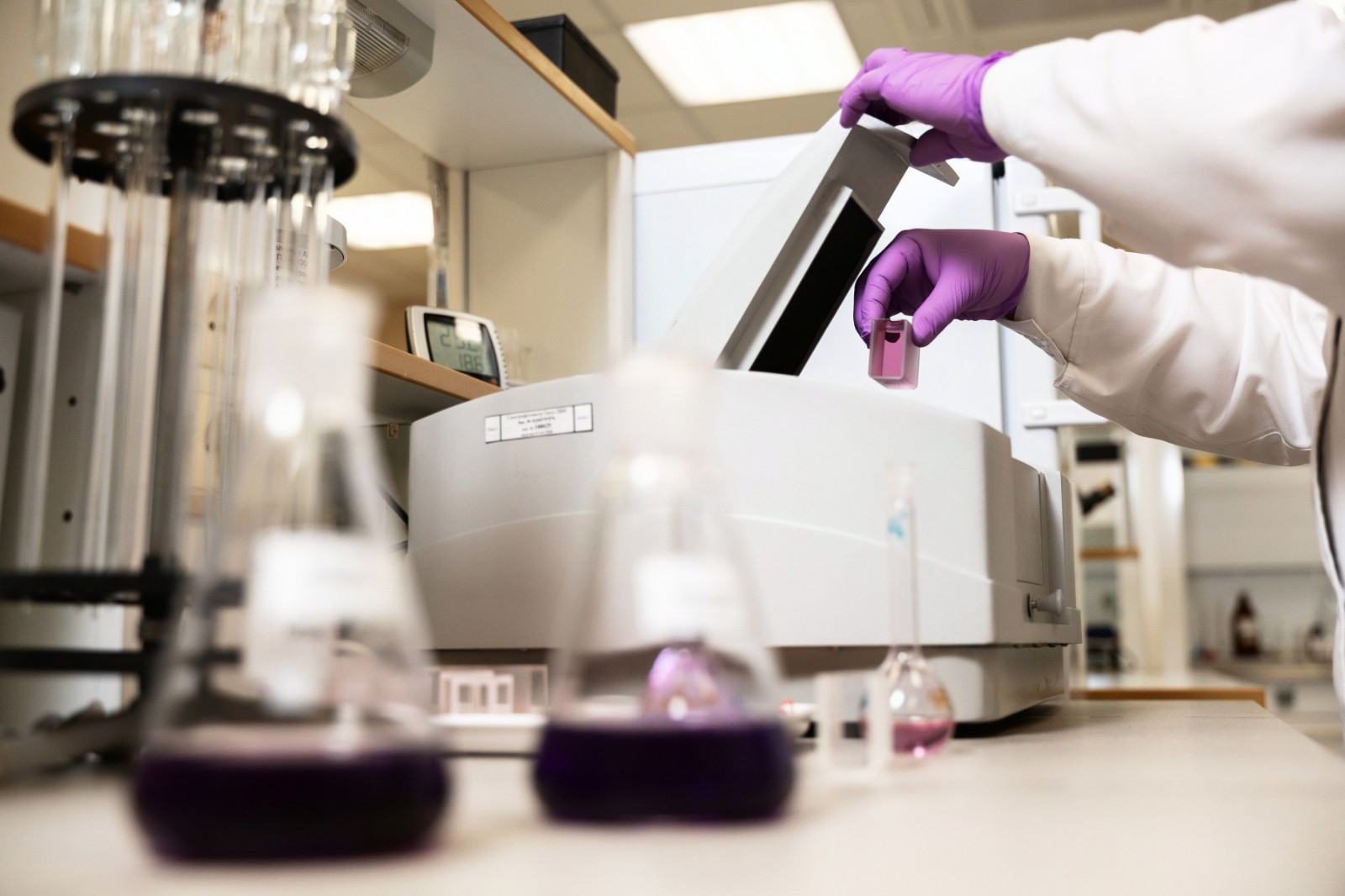
Environmental Monitoring Laboratory of Russia's Kola NPP Completes Interlaboratory Comparison Tests
The production environmental monitoring laboratory of the environmental protection department at Russia's Kola Nuclear Power Plant (Kola NPP) has recently completed interlaboratory comparison tests and received the corresponding certificate and conclusion documents for participation in the proficiency testing program. The comparison tests demonstrated that the laboratory's chemical analysis results meet the requirements and that the relevant measurement data are reliable. In June 2026, the Kola NPP production environmental monitoring laboratory received wastewater and natural water samples. Laboratory personnel were required to determine the concentrations of 8 target indicators within permissible error limits. The test results showed that the laboratory completed the specified tasks and the measurement results met the requirements. Natalya Smirnova, head of the Kola NPP production environmental monitoring laboratory...
2026-08-30
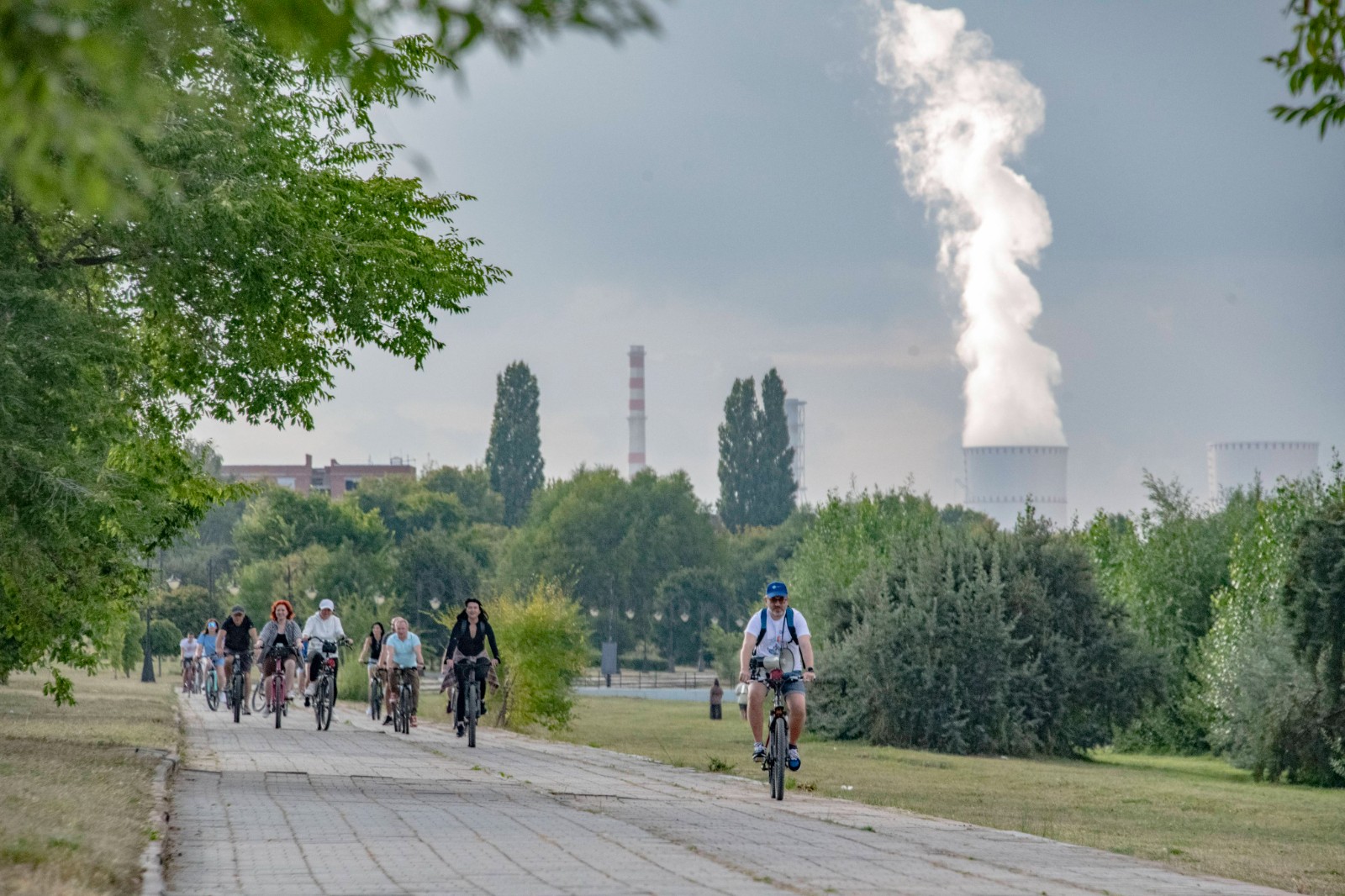
Russia's Kursk Nuclear Power Plant Releases Annual Environmental Report
Russia's Kursk Nuclear Power Plant recently presented its annual environmental report to local residents in the city of Kurchatov. This year's presentation adopted a cycling event format for the first time, with participants including local residents, city Duma deputies, and relevant personnel, held in the area of Warm Coast Park. The Kursk Nuclear Power Plant is part of Rosenergoatom, the power generation division operator of Russia's state nuclear corporation Rosatom. The plant stated that the event route was specially designed to allow participants to learn about environmental protection data during the ride and directly observe the environmental conditions in the area surrounding the plant. Kursk...
2026-08-28
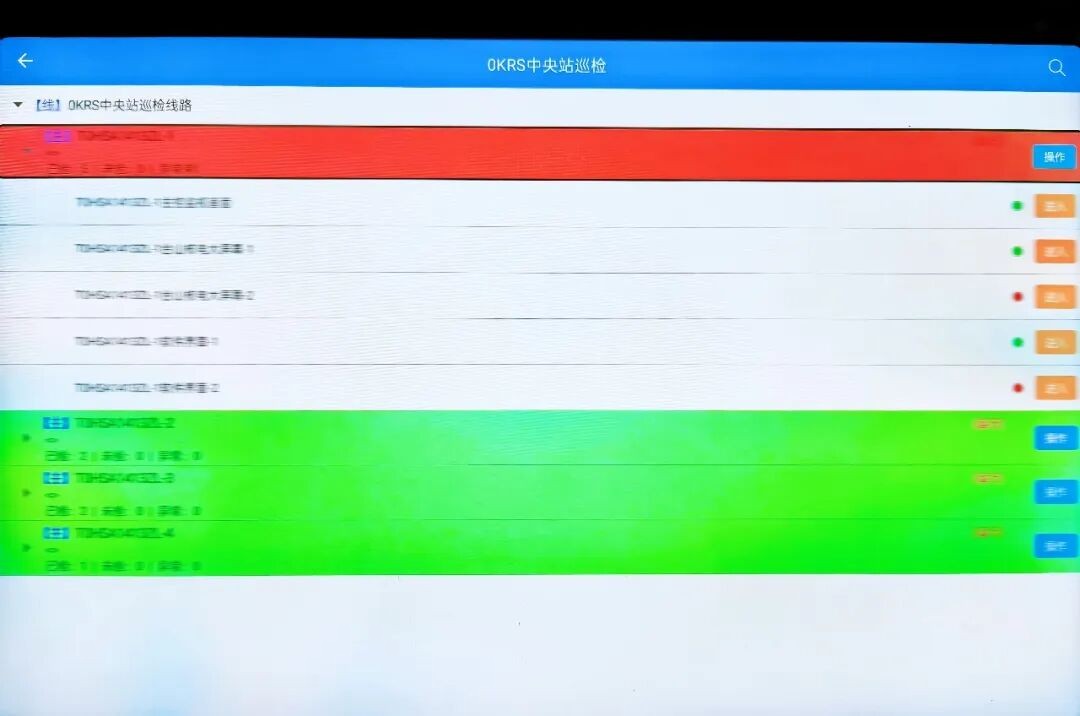
Taishan Nuclear Power Achieves Full-Process Digitalization for Two Major Environmental Monitoring Inspections
Recently, the central station inspections of the Plant Environment and Meteorological Monitoring System (KRS) and the Hydrological and Water Quality Monitoring System (YSI) buoy inspections at Taishan Nuclear Power Plant have officially entered full-process digital operation, with all related inspection tasks integrated into the GFIS (Taishan Inspection Data Monitoring System) for online workflow, marking the end of the paper-based inspection sheet era. In the central station equipment room of the environmental laboratory, inspectors can complete online data entry and upload via mobile office devices after verifying data accuracy. △Inspection interface Previously, these two inspection tasks relied on paper-based recording, with inspection data manually transcribed on site and handed over offline for review, making real-time verification and sharing of information impossible. The mountains of paper forms not only made data retrieval time-consuming and laborious but also hindered equipment operation and maintenance quality assessments. Driven by the company's digital transformation initiative, these two inspection tasks have now embarked on the path of digitalization.
2026-08-24

Russia's Novovoronezh NPP Publishes 2025 Environmental Safety Report
Russia's Novovoronezh Nuclear Power Plant recently released its 2025 environmental safety report to the public. The presentation of the report was arranged during navigation activities on the Don River, with participation from plant representatives, representatives of the Russian Ecological Society, personnel from relevant public institutions of Voronezh Oblast, environmental experts, journalists, and bloggers. The report focuses on the plant's impact on the surrounding environment and monitoring activities. According to Novovoronezh NPP, the plant conducts monthly water quality inspections at 24 control points along the Don River, most of which are located within urban areas. During the event, staff also demonstrated the water sampling process from the Don River at the plant's dedicated pier...
2026-08-23
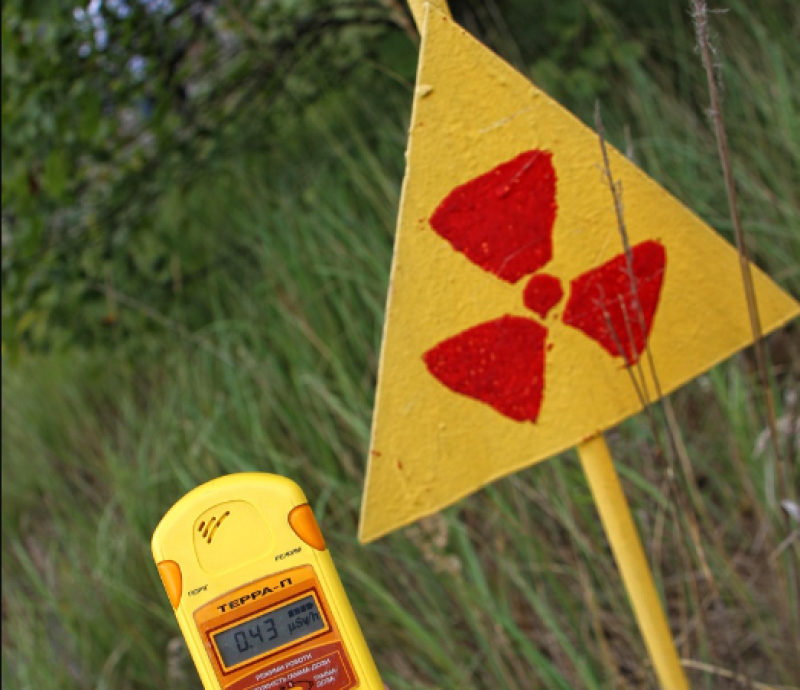
22 Atmospheric Radiation Automatic Monitoring Stations in Shaanxi Operate Stably, with National-Controlled Stations Achieving 99.9% Data Acquisition Rate
In recent years, Shaanxi Province has continuously strengthened the construction of its radiation environmental monitoring network. The 22 atmospheric radiation automatic monitoring stations across the province, including 12 national-controlled stations and 10 provincial-controlled stations, have maintained stable operation. These stations utilize high-pressure ionization chambers, ultra-high-flow aerosol samplers, gamma spectrometers, and other equipment to conduct continuous monitoring of atmospheric instantaneous gamma dose rates, aerosol samples, and gamma radionuclides. Relevant data are transmitted in real time to the system platform of the Shaanxi Provincial Nuclear and Radiation Safety Supervision Station. According to reports, Shaanxi has gradually established an automatic station operation and maintenance management system featuring strong organization, closed-loop responsibility, funding guarantees, standardized procedures, and digital-intelligent empowerment. In 2023, the 5-minute data acquisition rate of Shaanxi's 12 national-controlled stations reached 99.9%, ranking third nationwide.
2026-08-21
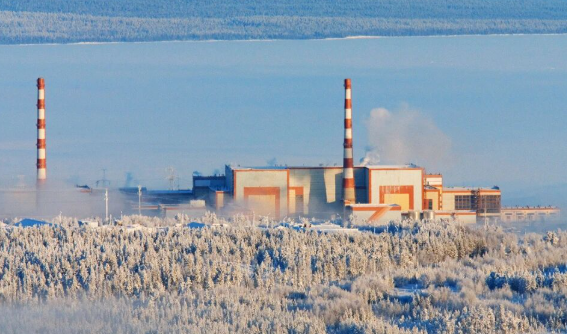
Long-term radiation environment at Kola NPP remains under control: gamma dose rates within natural background levels, 15 permanent observation stations operating since 1972
Long-term monitoring results from the external radiation monitoring group at Russia's Kola Nuclear Power Plant show that gamma radiation dose rates around the plant site have consistently remained within natural background radiation levels, with radionuclide concentrations matching background values, indicating a sound radiation environment with no differences from surrounding areas. The station's radiation safety department collects surface water samples from the discharge canal monthly, with monitoring coverage encompassing all elements including the atmosphere, snow cover, bottom sediments, food products, algae, berries, mushrooms, and caged fish. The monitoring architecture consists of two tiers: 15 permanent environmental observation stations have been in continuous operation since before the commissioning of the first reactor unit in 1972; 13 ASKRO automated radiation environment monitoring system stations provide real-time ground-level gamma dose rate data, which is transmitted directly to the Rosenergoatom crisis center and integrated into the national unified radiation monitoring network. Approximately 200,000 cubic meters of air are drawn weekly through air filtration units to capture radionuclides, with volumetric activity of radioactive iodine also measured. A mobile radiological laboratory performs on-site spectrometric analysis. Annually, about 1,200 environmental samples are collected from around the plant site and delivered to the Polyarnye Zori laboratory, where well water samples analyzed by Canberra spectrometers yield "zero nuclide" results, with samples retained for one year for potential re-analysis. Biological samples are processed using the ashing method, and instrument sensitivity is sometimes insufficient to even detect any signal from the plant's impact.
2026-08-14

Akkuyu Nuclear Power Plant Launches Environmental Monitoring System, Recording Ecological Data to Build a "Digital Memory"
On August 10, the Akkuyu Nuclear Power Plant under construction in Mersin Province announced that its deployed high-tech environmental monitoring system has been put into operation, which will digitally record and track ecological environment changes around the plant site. The operator stated that the system not only serves the plant's own environmental compliance but also sets a new standard for environmental management in Türkiye. In terms of marine ecological monitoring, the modern chemical analysis laboratory activated on site is monitoring seawater quality in real time, regularly measuring multiple parameters such as water temperature, salinity, dissolved oxygen levels, and fish diversity. Through these data, the plant's impact on the marine ecosystem will be transparently documented. Particularly noteworthy...
2026-08-12
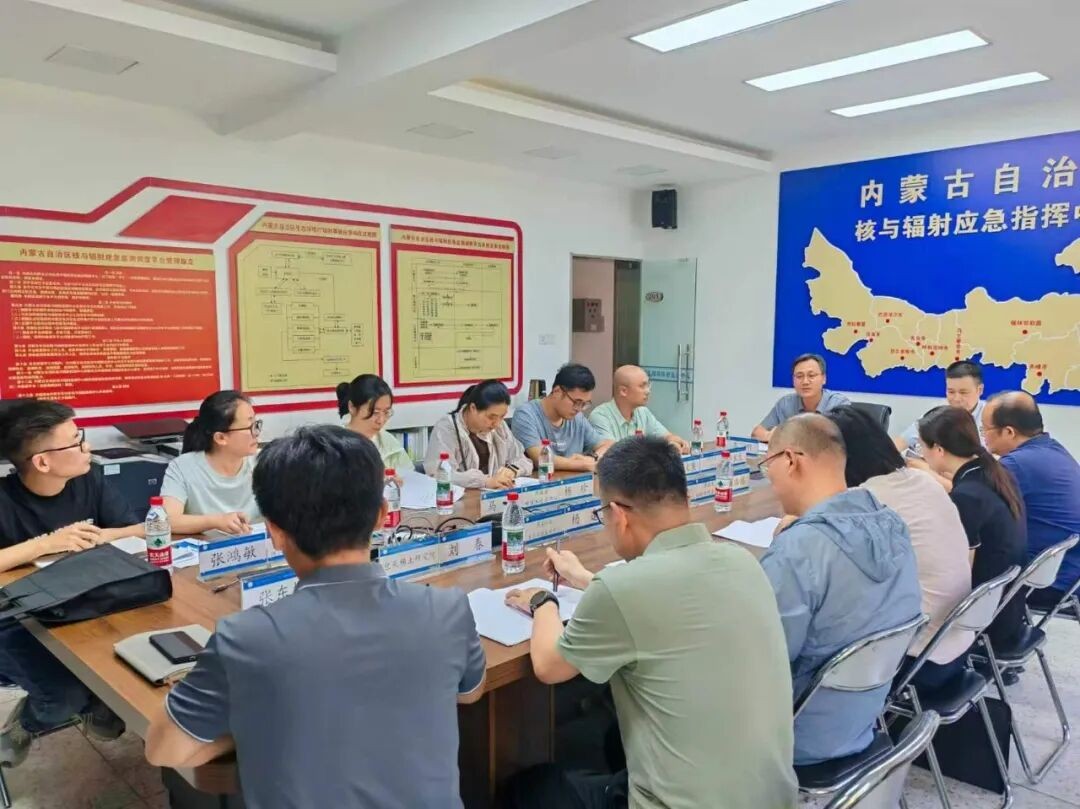
Inner Mongolia Nuclear and Radiation Monitoring Center Organizes Standard Pre-Research Exchange Meeting
In accordance with the arrangement of the radiation monitoring standard pre-research project, the Inner Mongolia Nuclear and Radiation Monitoring Center (hereinafter referred to as the Inner Mongolia Center) undertakes the pre-research task for the standard "Determination of Total Uranium and Thorium in Soil and Sediment - Inductively Coupled Plasma Mass Spectrometry." To standardize the inter-laboratory method validation process and ensure the smooth progress of the validation work, the Inner Mongolia Center recently organized a standard pre-research method validation exchange meeting in Baotou City, attended by experts from the Radiation Environmental Monitoring Technical Center of the Ministry of Ecology and Environment for on-site guidance. Seven laboratories from across the country participated in this validation exchange meeting, including provincial-level radiation environmental monitoring institutions and laboratories in the nuclear industry, nuclear technology applications,...
2026-08-11
Meeting of the New Academic Committee of the Key Laboratory of Radiation Environmental Monitoring of the Ministry of Ecology and Environment Held in Beijing
Recently, the meeting of the new academic committee of the Key Laboratory of Radiation Environmental Monitoring of the Ministry of Ecology and Environment (hereinafter referred to as the Key Laboratory) was successfully held in Beijing. Experts from multiple domestic universities, research institutes, and leading industry enterprises gathered together to discuss the construction, scientific and technological innovation, and the 15th Five-Year Plan development of the Key Laboratory. The Radiation Environmental Monitoring Technical Center of the Ministry of Ecology and Environment, the supporting institution of the Key Laboratory, attended the meeting. The meeting first announced the appointment documents for the new academic committee and held a certificate awarding ceremony. In his address, the main responsible person of the Radiation Environmental Monitoring Technical Center congratulated the establishment of the new academic committee and expressed gratitude to the experts who have long supported the construction of the Key Laboratory...
2026-08-11
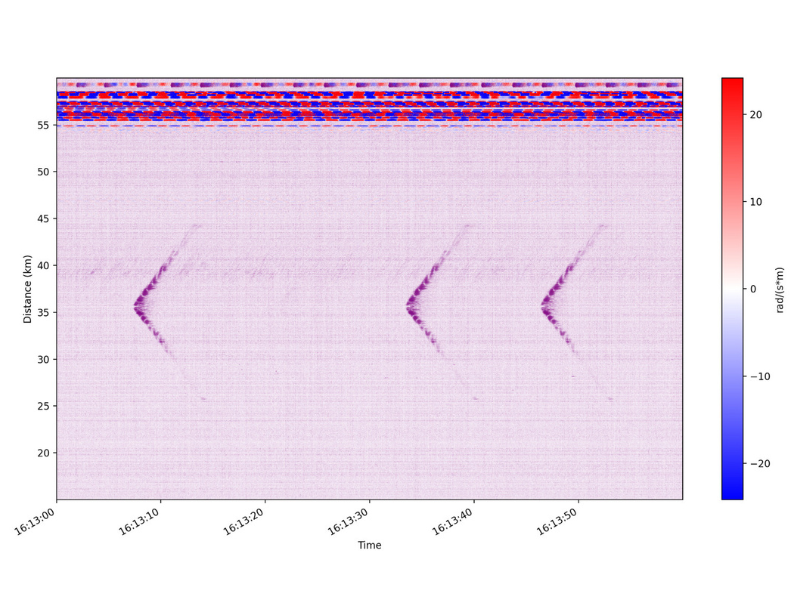
Italian Neutrino Telescope Undersea Network Captures Fin Whale Songs
August 5 news, after months of silence, fin whale songs have once again been recorded in the southern Ionian Sea. This observation was jointly completed by multiple experiments connected to the underwater infrastructure of the Southern National Laboratory of the Italian National Institute for Nuclear Physics (LNS-INFN), involving three projects: ITINERIS, LOWNOISER, and VONGOLA. The related work was carried out with the participation of LNS-INFN and the Sicilian Center for Nuclear Physics and Structure of Matter (CSFNSM). The detection occurred in late winter. At that time, the eastern Mediterranean region was affected by strong anthropogenic noise from a long-term geophysical survey of offshore oil and gas resources, and only weeks had passed since the transit of Hurricane Harry. Researchers identified fin whale signals amid the complex acoustic background...
2026-08-09
Radiation Monitoring Technical Center of the Ministry of Ecology and Environment Conducts On-Site Certification Assessment in Southwest China in Chengdu
To further improve the national certification assessment for radiation monitoring personnel, the Radiation Environmental Monitoring Technical Center of the Ministry of Ecology and Environment recently organized an on-site certification assessment for radiation monitoring institutions in Southwest China in Chengdu, Sichuan Province. A total of 52 technical personnel from three institutions participated in the assessment: the Southwest Nuclear and Radiation Safety Supervision Station of the Ministry of Ecology and Environment (hereinafter referred to as the Southwest Supervision Station), the Tibet Autonomous Region Radiation Environment Supervision Station (hereinafter referred to as the Tibet Radiation Station), and the Sichuan Provincial Radiation Environment Management and Monitoring Center Station (hereinafter referred to as the Sichuan Radiation Station). The assessment team strictly controlled the assessment process in accordance with the provisions of the "Implementation Rules for Certification Assessment of Radiation Environmental Monitoring Technical Personnel." The assessment...
2026-08-05
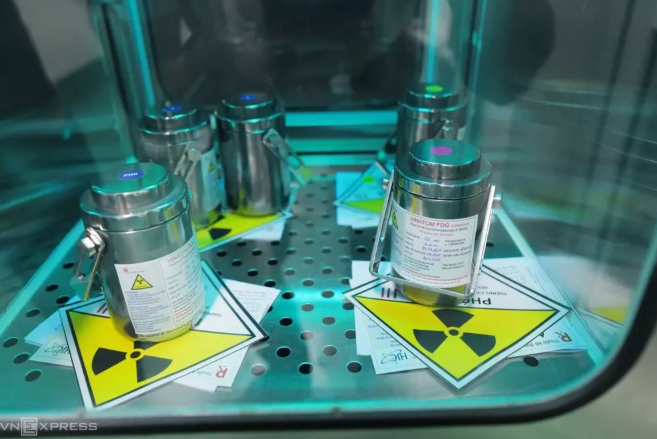
Vietnam to Develop 88 National Standards and 6 National Regulations Supporting Nuclear Power and Atomic Energy Applications from 2026–2030
Vietnam will develop standards and regulations for nuclear power development to support the construction of future nuclear power plants and advancements in atomic energy applications. To align with this goal, the country plans to establish 88 national standards and 6 national regulations during the period from 2026 to 2030, covering key areas such as nuclear power plant safety, radiation safety, environmental monitoring, and related equipment. These standards will reference existing practical experience from the International Atomic Energy Agency (IAEA), the International Organization for Standardization (ISO), and the International Electrotechnical Commission (IEC), and will be periodically reviewed and adjusted based on project progress and actual management needs. The development of these standards is carried out in four phases, each with clearly defined focal objectives...
2026-08-05
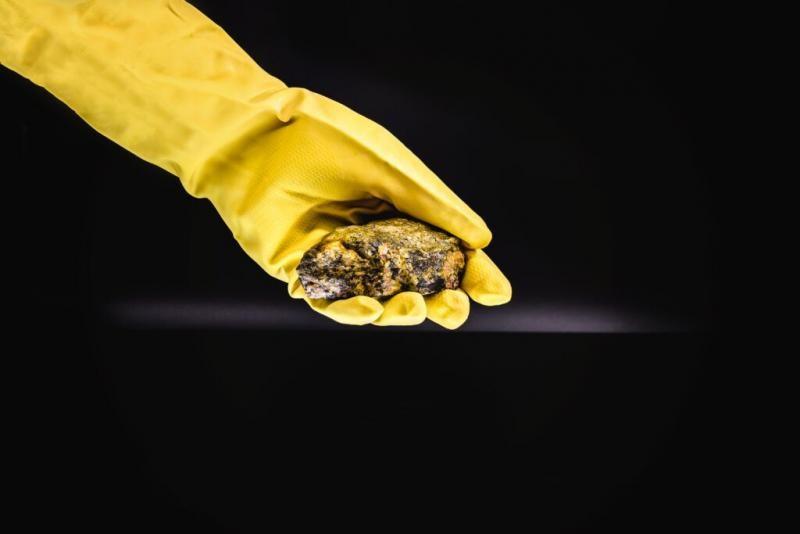
North China Regional Office of Nuclear and Radiation Safety Supervision under the Ministry of Ecology and Environment Conducts Supervisory Radiation Environmental Monitoring at Tongliao Uranium Industry
To further strengthen the radiation environmental monitoring management of uranium mining and metallurgy facilities, consolidate the primary responsibility of enterprises for radiation environmental monitoring, and fortify the radiation environmental safety defense line of uranium mining and metallurgy facilities, the North China Regional Office of Nuclear and Radiation Safety Supervision under the Ministry of Ecology and Environment (hereinafter referred to as the North China Regional Office) recently organized and carried out supervisory radiation environmental monitoring work at CNNC Tongliao Uranium Industry Co., Ltd. (hereinafter referred to as Tongliao Uranium Industry). Personnel from the Nuclear and Radiation Monitoring Center of Inner Mongolia Autonomous Region were simultaneously dispatched to collaborate on the work. This monitoring work strictly adhered to the standard requirements of the "Regulations on Radiation Environmental Monitoring for Uranium Mining and Metallurgy" and the regulatory requirements of "three full coverages" in radiation environmental monitoring, closely focusing on the rad...
2026-08-01

U.S. Research Team Tracks Main Drivers of Global Methane Rise Using Stable Isotope Analysis
A research team from the U.S. National Oceanic and Atmospheric Administration Global Monitoring Laboratory and the University of Colorado has recently traced the sources of the rapid rise in global atmospheric methane since 2007 through high-precision methane concentration measurements and carbon and hydrogen stable isotope analysis. The findings show that over the past two decades, microbial emissions have been the primary factor driving the increase in methane concentrations, while fossil fuel-related methane emissions may have remained relatively stable overall. A methane molecule consists of one carbon atom and four hydrogen atoms, and methane from different sources differs in its carbon and hydrogen isotope composition. Researchers used this chemical fingerprint to distinguish methane sources: fossil fuel methane such as natural gas typically contains a relatively higher proportion of carbon-13, while methane produced by microbial processes in wetlands, landfills, livestock, and agricultural environments has a lower carbon-13 proportion, exhibiting a "lighter" isotopic signature. The proportion of deuterium in hydrogen isotopes also varies with the way methane is formed, providing a further basis for source identification.
2026-07-31