
Search Results
Keyword:FIRST

Deep Fission Details 'One-Mile-Deep PWR' Roadmap at Canaccord Conference, Targeting First Commercial Operation by End of 2027
On August 11, Deep Fission (FISN) unveiled a differentiated nuclear commercialization pathway at Canaccord Genuity's 46th Annual Growth Conference: rather than reinventing nuclear fission technology, the company aims to deploy mature pressurized water reactors in underground boreholes approximately one mile deep. CEO Liz Muller emphasized that the core approach is to change where reactors are deployed, not to adopt an entirely new reactor physics model. Given that PWR technology has been used in commercial nuclear power for decades, the company hopes to shorten the validation cycle by leveraging mature technology and avoid the new fuel, new material, and new design licensing hurdles faced by some advanced nuclear projects. According to the company's plan...
2026-08-12
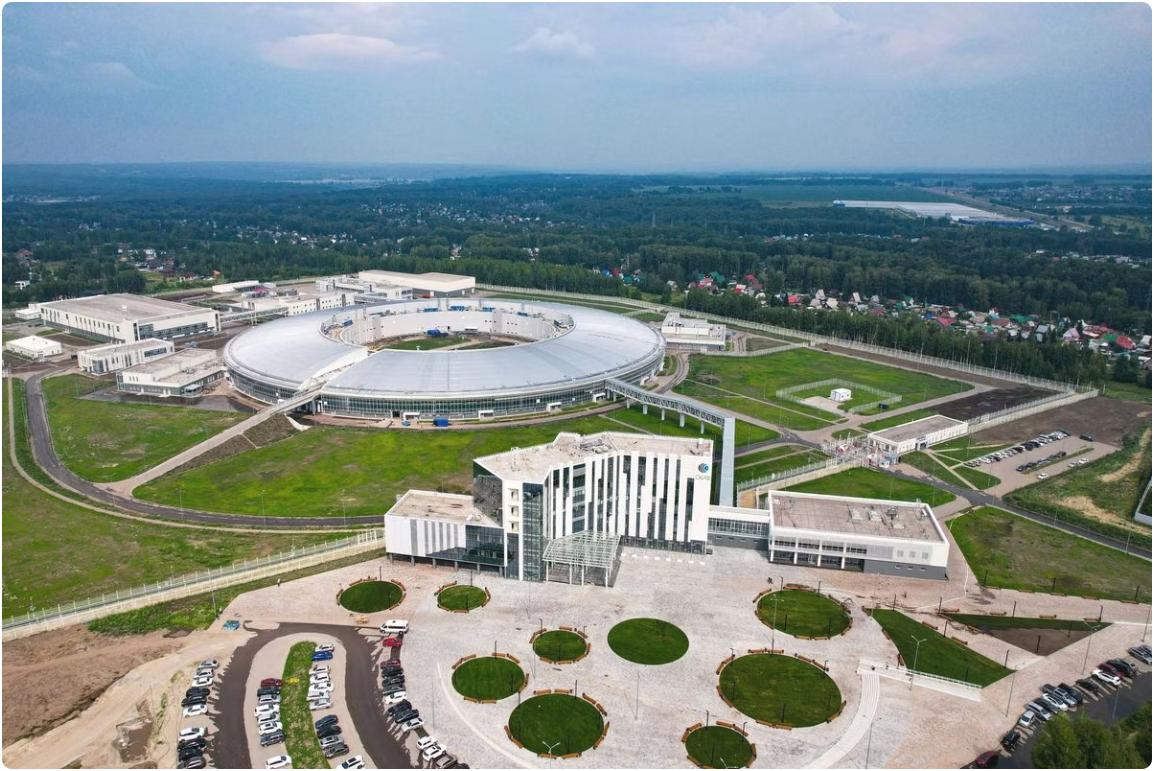
First batch of experimental stations at Russia's Siberian Circular Photon Source expected to be operational by end of 2026
On August 11, Russian President Vladimir Putin stated at a meeting of the Council for Science and Education that the first research stations of the Siberian Circular Photon Source (SKIF) synchrotron are expected to be commissioned by the end of 2026. At the meeting, Putin noted that the Siberian Circular Photon Source is currently one of the world's most powerful particle accelerators, with some parameters being unique, capable of helping researchers conduct in-depth studies of the structure of matter at the atomic and molecular levels. He also stated that Russia needs to accelerate the development of future technologies, concentrate efforts on priority tasks, and make more efficient use of national strategic scientific resources, including research institutions, advanced digital computing resources, and unique biological resources. The Siberian Circular Photon...
2026-08-12

First Integrated Hoisting of Nuclear Island Steel Liner Module 5 with Attached Electrical and Instrumentation Cable Tray System within CGN
At 15:30 on August 10, 2026, with the successful positioning of Steel Liner Module 5 in the reactor building of Unit 3, the attached electrical and instrumentation (E&I) cable tray system was simultaneously placed, marking the successful completion of the first "Five-ization" installation project for Module 5 attached E&I cable trays within China General Nuclear Power Group (CGN). Traditional nuclear power Module 5 construction adopts a serial mode of "structure first, installation second, commissioning last." The E&I construction for Module 5 of Unit 3 at Taipingling Phase II innovatively adopted an integrated scheme of "prefabrication-installation-integral hoisting." E&I construction was advanced to the module assembly stage, changing the traditional on-site dispersed work method. Through prefabrication of steel materials in workshops, delivery to the site for welding and installation, a large amount of high-altitude, cross-operational...
2026-08-12
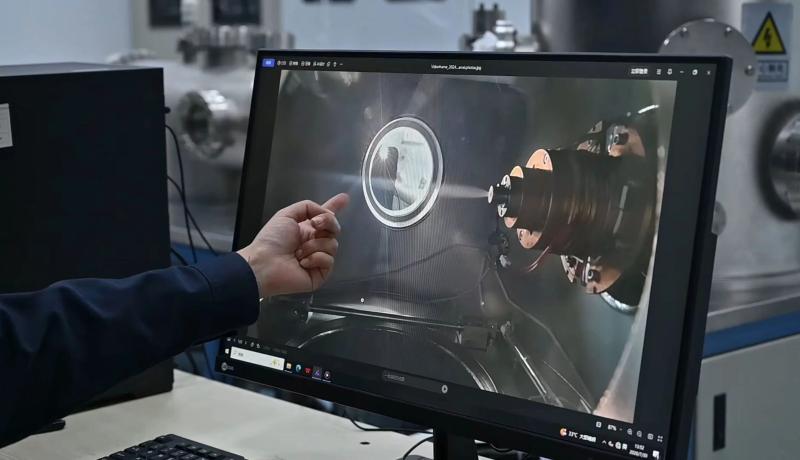
Unanimously Approved! China's First ISO International Standard in the Field of Fusion Fueling Officially Released
On August 10 local time, the international standard ISO 19991:2026, "Fusion Technology — Experimental Magnetic Confinement Fusion Facilities — Ultrasonic Molecular Beam Injection Fueling Technology for Fusion Devices," formulated by China, was officially released. Earlier, during the final voting process, all 12 countries, including France, Germany, and Russia, cast affirmative votes. This is the first ISO international standard in the field of fusion fueling and the second ISO international standard in the fusion field led by the Southwestern Institute of Physics (SWIP) under the China National Nuclear Corporation (CNNC). Ultrasonic molecular beam injection fueling technology is a key fuel supply technology for controlled nuclear fusion devices. This technology, an advanced fusion fueling technology originally developed by China, forms high-speed, directional molecular beams through adiabatic gas expansion. It features high speed, strong directionality, relatively high fueling efficiency, and low particle recycling, significantly enhancing the fuel control capability of fusion devices. It has been applied to more than ten magnetic confinement fusion experimental devices both domestically and internationally.
2026-08-11
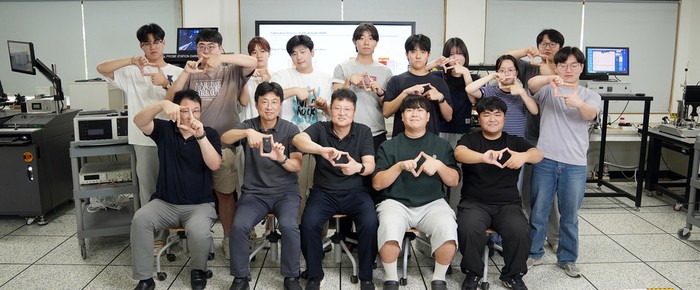
Korean Research Team First to Quantitatively Reveal Radiation Degradation Mechanisms in Gallium Arsenide Semiconductors
A semiconductor research team in Korea has recently succeeded, for the first time in the country, in quantitatively identifying the performance degradation mechanisms of gallium arsenide (GaAs) compound semiconductors under radiation environments. Gallium arsenide is regarded as a key material for next-generation aerospace, aviation, and defense systems, and the findings contribute to understanding the impact of high-energy radiation on the reliability of compound semiconductor devices. The research was led by Professor Kim Min-soo and Professor Hwang Hyun-jun from the Department of Semiconductor Engineering, in collaboration with the Advanced Radiation Research Center at the Korea Atomic Energy Research Institute and WaveTrack Corporation. The research team noted that communication and power equipment aboard low-Earth-orbit satellites or detectors, when exposed to high-energy radiation environments over extended periods, may experience...
2026-08-11
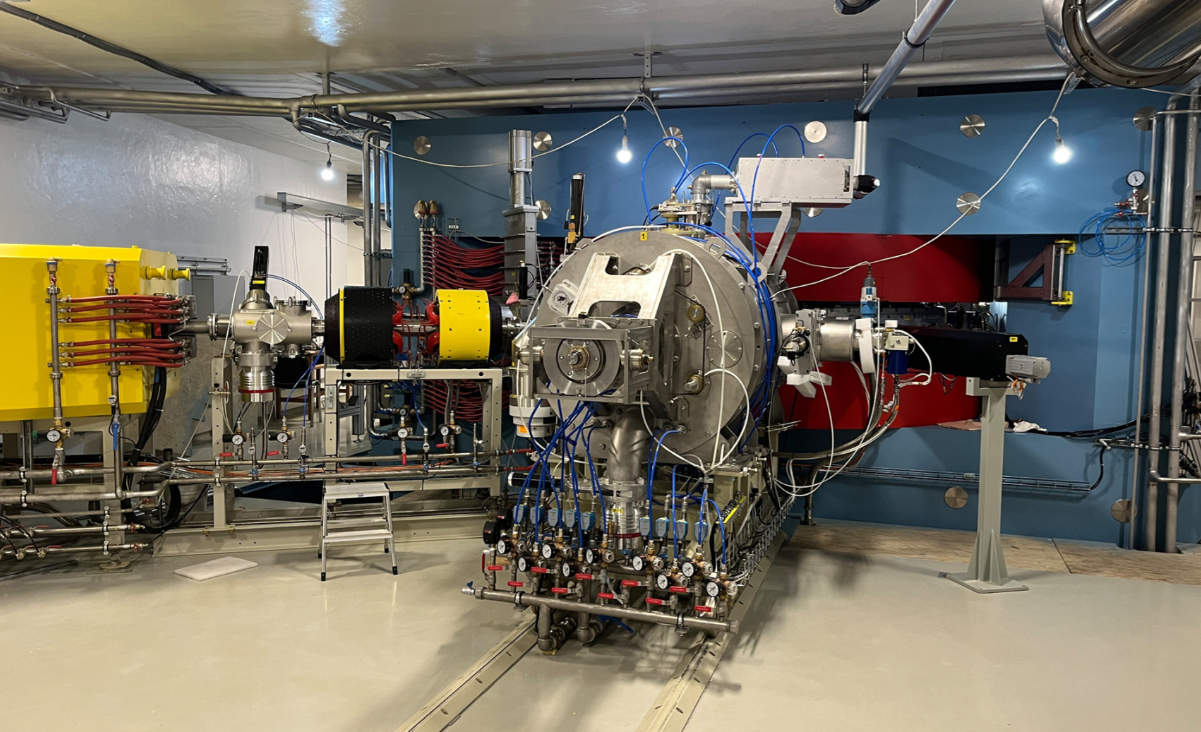
First Heavy Ion Beam Obtained at DC-140 Accelerator of the Joint Institute for Nuclear Research in Dubna, Russia
The Flerov Laboratory of Nuclear Reactions at the Joint Institute for Nuclear Research (JINR) in Dubna, Russia, has completed the construction of the DC-140 accelerator complex and obtained an accelerated heavy ion beam for the first time during commissioning on August 4. This achievement marks significant progress in the JINR applied technology development program and signifies that a new ion beam platform designed to meet scientific and industrial needs for decades to come has entered its critical commissioning phase. The DC-140 project was launched in 2020 to replace the existing U-200 and IC-100 cyclotron complex. The new facility is designed to address a wide range of fundamental and applied research needs, including solid-state physics, radiation materials science, material surface modification, and track membrane production...
2026-08-11
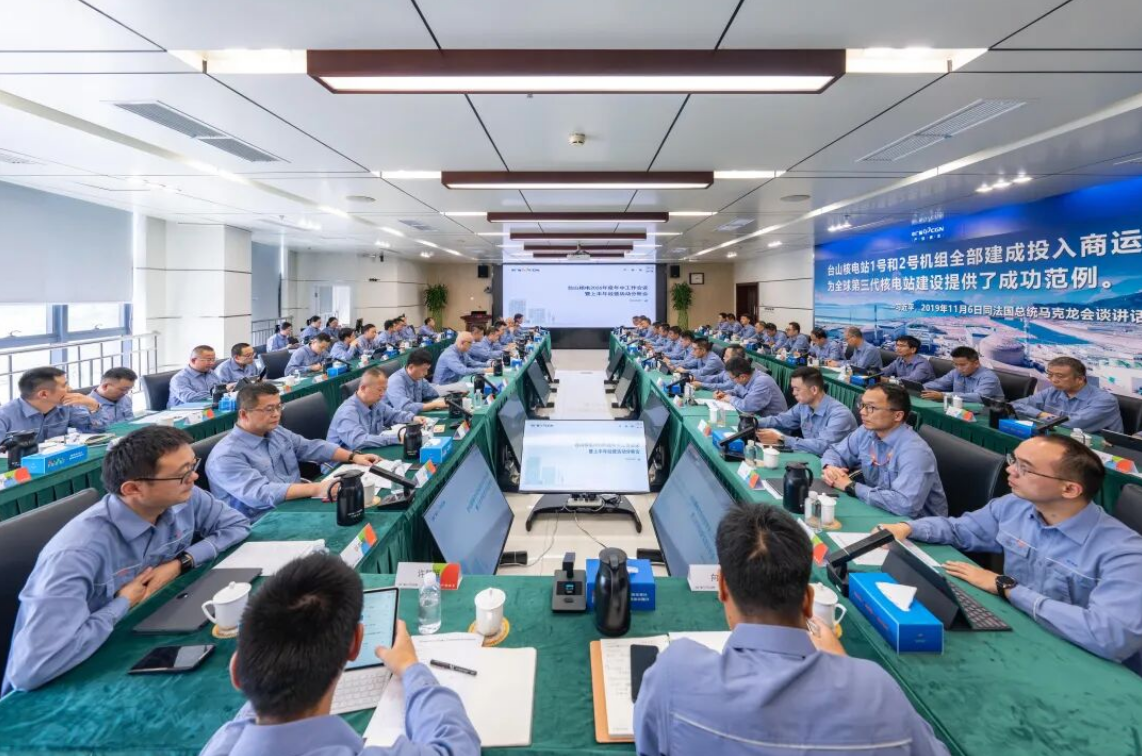
Taishan Nuclear Power Holds 2026 Mid-Year Work Conference and First-Half Business Operation Analysis Meeting
On August 5, Taishan Nuclear Power held its 2026 Mid-Year Work Conference and First-Half Business Operation Analysis Meeting to thoroughly study and implement the spirit of General Secretary Xi Jinping's important instructions, convey and implement the spirit of CGN Group's Mid-Year Work Conference and First-Half Business Operation Analysis Meeting, summarize the company's first-half business performance, analyze the current situation and challenges, and arrange key tasks for the second half of the year. Liu Dan, Secretary of the Company Party Committee and Chairman of the Board, attended and delivered a speech. Shu Liang, Deputy Secretary of the Company Party Committee, Director, and General Manager, presided over the meeting. Members of the company's leadership team reported on their progress in leading key initiatives. Shu Liang conveyed the spirit of the Group's Mid-Year Work Conference and First-Half Business Operation Analysis Meeting and reported on the first-half business performance...
2026-08-10

Two IPP studies reveal edge turbulence mechanisms in fusion plasmas from first principles
On August 10, 2026, two research teams at the Max Planck Institute for Plasma Physics (IPP) independently published findings that, for the first time, explain key phenomena in the extremely thin edge layer of fusion plasmas starting from fundamental physics equations. Both papers were published in Physical Review Letters, with one highlighted as an editor's suggestion. For stable operation of a fusion power plant, two requirements must be met simultaneously: on the one hand, the plasma at temperatures of around 100 million degrees Celsius must be effectively confined to achieve fusion ignition conditions; on the other hand, the generated heat must be distributed over a sufficiently large area to prevent damage to the device walls from excessive local heat loads. Whether this conflict can be resolved depends largely on a region only a few centimeters thick at the plasma edge.
2026-08-10

Belarusian NPP safe operation period may be extended to 100 years, with first spent fuel to be shipped to Russia for reprocessing in 2034
Stanislav Levitsky, head of the Rosatom representative office in Belarus, stated on the "Economic Environment" program of Belarusian TV Channel One that Belarusian nuclear energy development is backed by comprehensive safety assurances. He emphasized that while nuclear facilities can indeed have serious consequences if mismanaged, under the existing risk control system and modern technological support at the Belarusian NPP, nuclear power can become a low-cost, stable, and safe energy source. Levitsky believes that amid intense competition in the energy sector, some irresponsible players may use information tactics to create anxiety and attempt to provoke panic among the public...
2026-08-10
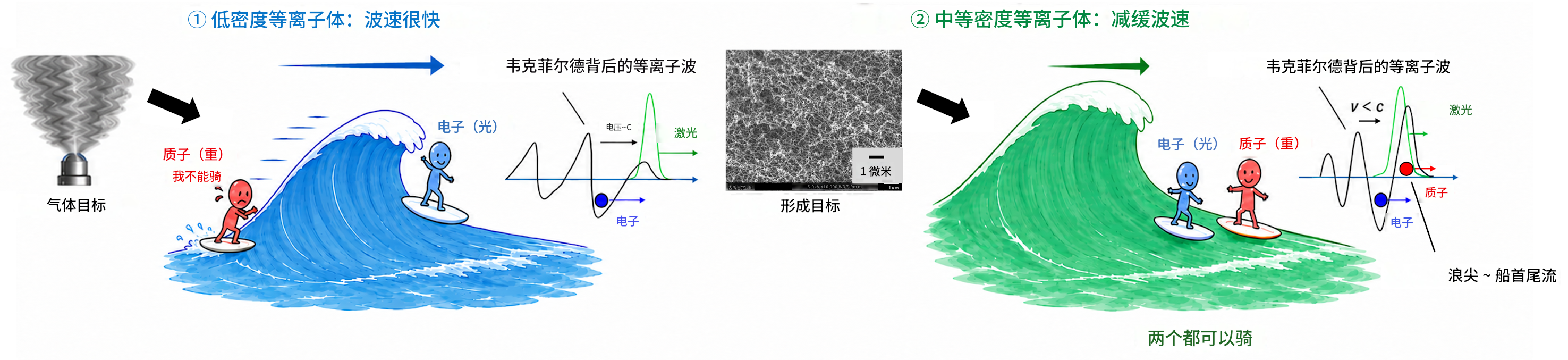
Japanese research team demonstrates ion wakefield acceleration for the first time, accelerating protons to a maximum of 60 MeV
Kyushu University, the National Institutes for Quantum Science and Technology (QST), and Osaka University recently announced jointly that the research team used high-intensity laser irradiation on a foam target to experimentally demonstrate the ion wakefield acceleration mechanism for the first time, providing a new experimental foundation for research on next-generation laser-driven ion accelerators. The results were published in *Communications Physics* on August 3, Japan time. According to the report, the research aims to reproduce physical processes similar to high-energy particle acceleration in space within a laboratory setting. Traditional high-energy accelerators typically require long acceleration tubes or large ring-shaped facilities, while the strong electric fields generated by plasma waves are considered promising for advancing accelerator miniaturization. However, compared with electrons, protons and ions...
2026-08-10

Chinese Team Wins One Gold and Three Silver Medals in First Participation at International Nuclear Science Olympiad
The 2026 International Nuclear Science Olympiad concluded on the evening of the 8th in Jeddah, a city in western Saudi Arabia. The Chinese team, participating for the first time, had four contestants win one gold and three silver medals, with overall results ranking among the top participating countries. The International Nuclear Science Olympiad, supported by the International Atomic Energy Agency, is the world's first international youth Olympiad themed on nuclear science. It aims to stimulate young people's interest in nuclear science, promote international youth exchange, and guide more young people into the fields of nuclear science and nuclear technology. The event was inaugurated in 2024, and this year's competition is the third edition, with teams from 19 countries participating. The eight-day event featured theoretical and practical examinations...
2026-08-10
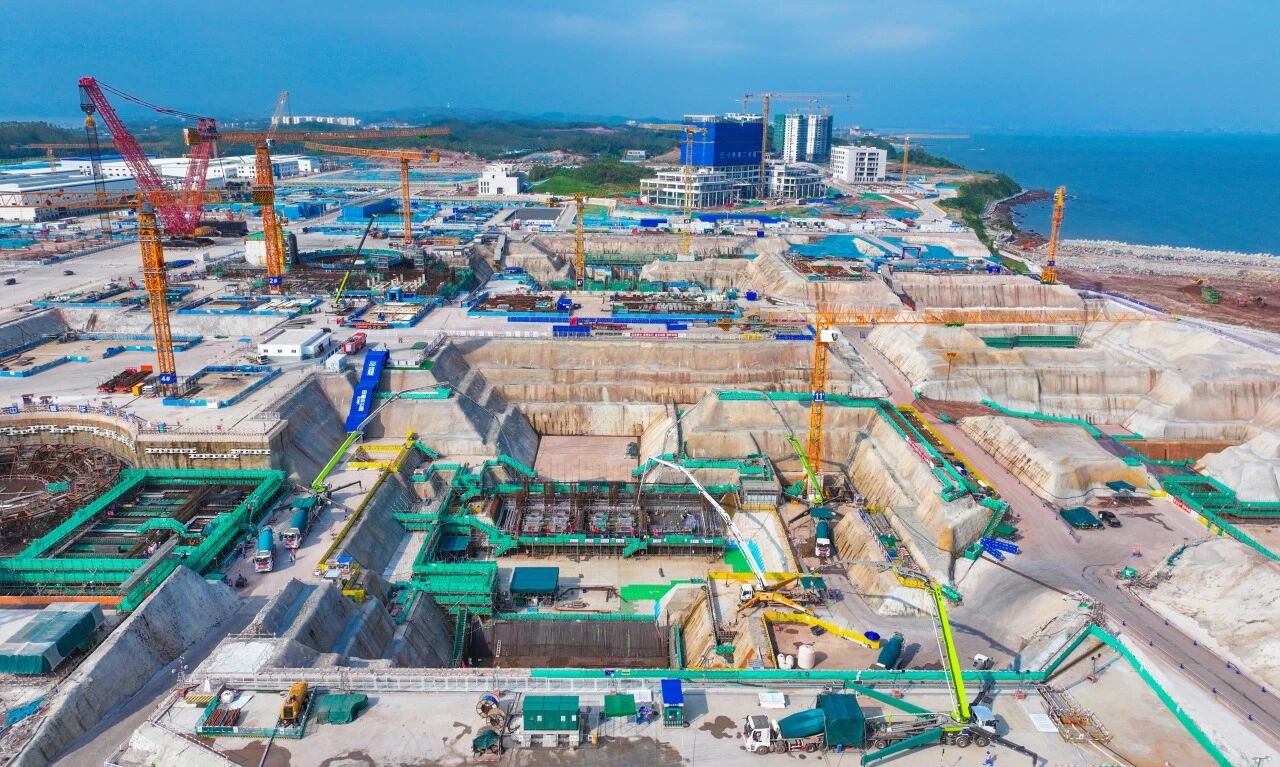
First Concrete Pour (FCD) Successfully Completed for the Conventional Island of Unit 2 at Guangxi Bailong Nuclear Power Plant
At 10:06 on August 9, after 38 hours and 46 minutes of continuous effort, the First Concrete Pour (FCD) for the conventional island of Unit 2 at the SPIC Guangxi Bailong Nuclear Power Plant was successfully completed, marking the full commencement of the main construction phase for the conventional island. The basement floor slab of the conventional island of Unit 2 adopts an integral raft foundation, divided into 9 construction zones using the sequence method. This concrete pour covered Zone 1, starting at 19:20 on August 7, with a cumulative pour of 1,732 cubic meters of concrete, conducted safely and orderly throughout the process. Since July, Typhoon Maysak directly struck Fangchenggang, bringing successive storms, followed by days of high temperatures at the Bailong nuclear site, posing significant challenges to on-site construction. In response...
2026-08-10
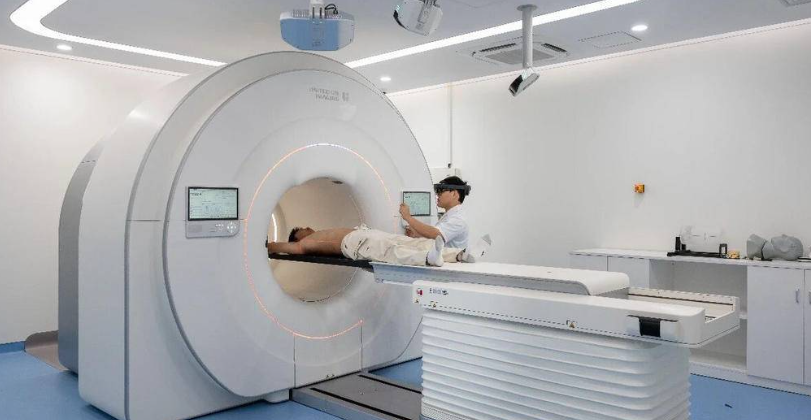
Jiangsu's First uLinac HalosTx Integrated Ring-Gantry CT Linac Enters Clinical Use
On August 7, the first uLinac HalosTx integrated ring-gantry CT linear accelerator in Jiangsu Province was officially put into clinical use at the Third Affiliated Hospital of Nanjing Medical University (Changzhou Second People's Hospital). The system integrates a diagnostic-grade CT scanner and a ring-gantry accelerator on a single platform, shifting regional tumor radiotherapy from the traditional step-by-step positioning approach to a same-platform real-time model. Radiotherapy is one of the important modalities for cancer treatment. In the conventional split-system radiotherapy workflow, patients typically need to be transported between the CT room and the treatment room, and treatment plans are mostly formulated based on static images acquired beforehand. In cases such as tumor regression or changes in patient weight, previous images may not fully reflect the actual condition on the day of treatment...
2026-08-08

Russia's First Domestic 3D Scanner Helix Included in National Product Registry, Rosatom Completes Additive Manufacturing Technology Chain
The Russian Ministry of Industry and Trade has included the first domestically produced 3D scanner, the RangeVision Helix, in the Unified Register of Russian Electronic Products and the confirmed register of Russian-made industrial products. The registration was carried out in accordance with Russian Government Resolutions No. 878 and No. 719. Thus, the Helix has become the first and currently the only 3D scanner in Russia to be included in the aforementioned national registers. The RangeVision Helix was developed and manufactured by RangeVision, an additive manufacturing partner of Rosatom. Since 2025, the company has become the only Russian 3D scanner manufacturer included in Rosatom's additive manufacturing ecosystem...
2026-08-08
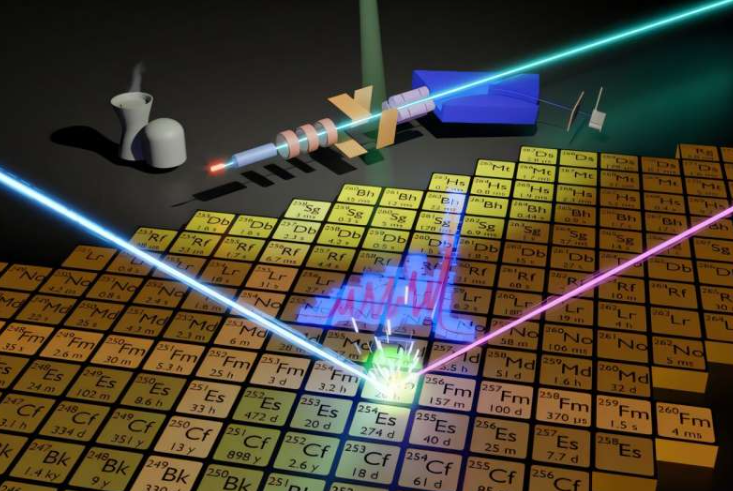
Laser spectroscopy reveals for the first time the precise nuclear shape of fermium-255, offering new clues in the search for superheavy elements
An international research team has, for the first time, precisely determined the nuclear structure of the actinide fermium-255, confirming that its nucleus exhibits a pronounced prolate deformation, similar to a rugby ball. The study, published in *Physical Review Letters*, was conducted in collaboration with 18 institutions, including Johannes Gutenberg University Mainz in Germany, the Helmholtz Institute Mainz, and the University of Gothenburg in Sweden. The findings not only correct several unreasonable nuclear property values in previous standard data tables but also provide crucial experimental validation for modern nuclear theory models. Fermium is a synthetic heavy element that does not exist in nature. Fermium-255 contains 100 protons and 155 neutrons, making its experimental production extremely challenging. The research team...
2026-08-08