
Search Results
Keyword:Kazakhstan

U.S. and European Nuclear Fuel Markets Accelerate Adjustment, with Canada and Kazakhstan Remaining Leading Uranium Supply Sources
Annual reports recently released by the U.S. Energy Information Administration and the European Supply Agency show that the global nuclear fuel supply landscape in 2025 continues to be shaped by geopolitical and energy security factors. Canada remains the most important source of uranium for utility nuclear power operators in the United States and the European Union, followed closely by Kazakhstan, underscoring the two countries' central role in the Western nuclear fuel supply chain. Meanwhile, both the United States and the European Union are focusing on concerns over supply source concentration, dependence on Russian-related supplies, and security assurance issues arising from future growth in nuclear power demand. In the U.S. market, owners and operators of civilian nuclear power plants procured 46.9 million pounds U3O8e of uranium deliveries from domestic and foreign suppliers in 2025...
2026-08-12
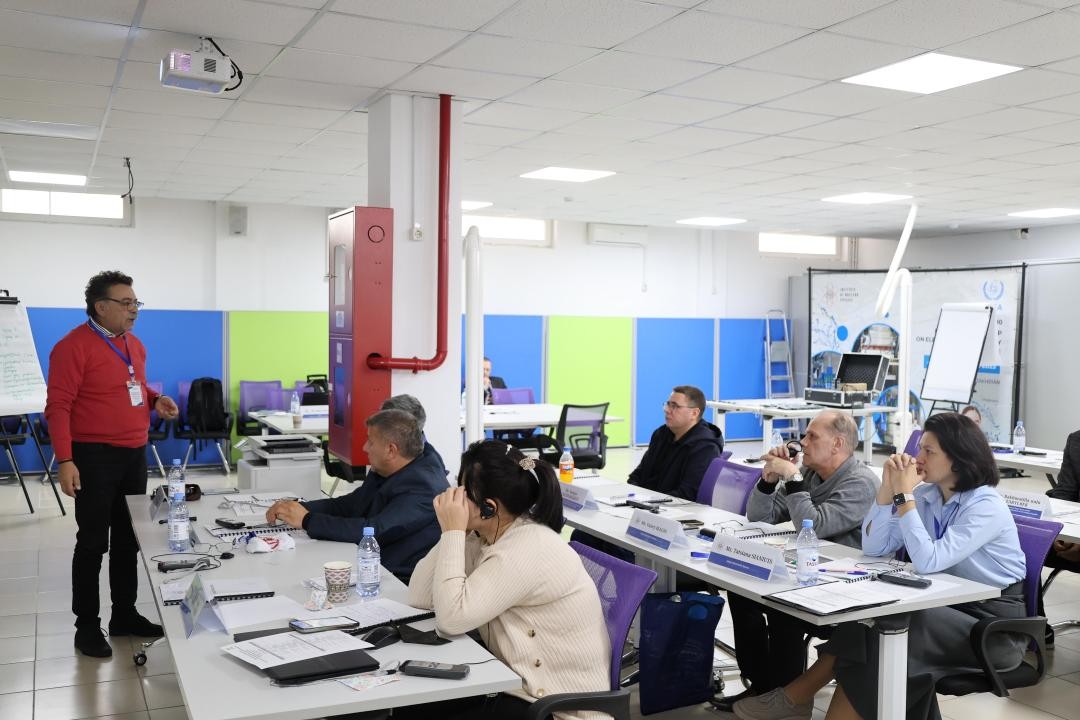
Kazakhstan Strengthens Radiation Safety Monitoring and Nuclear Power Talent Development
Kazakhstan is improving its safety system in the field of nuclear energy and ionizing radiation source utilization, focusing on radiation monitoring, protective measures, and professional personnel training. Ionizing radiation technologies are now widely used in disease diagnosis and treatment, scientific research, product quality inspection, medical device sterilization, geophysical operations, and other fields, and their application simultaneously requires strict implementation of radiation safety management systems. In Kazakhstan, national policy and regulation in the field of atomic energy utilization are the responsibility of the Atomic Energy Agency (AEA) of the Republic of Kazakhstan, while supervision and inspection of atomic energy utilization facilities are carried out by its subordinate Committee for Atomic and Energy Supervision and Control. Current regulations stipulate licensing of related activities, registration and control of ionizing radiation sources...
2026-08-11
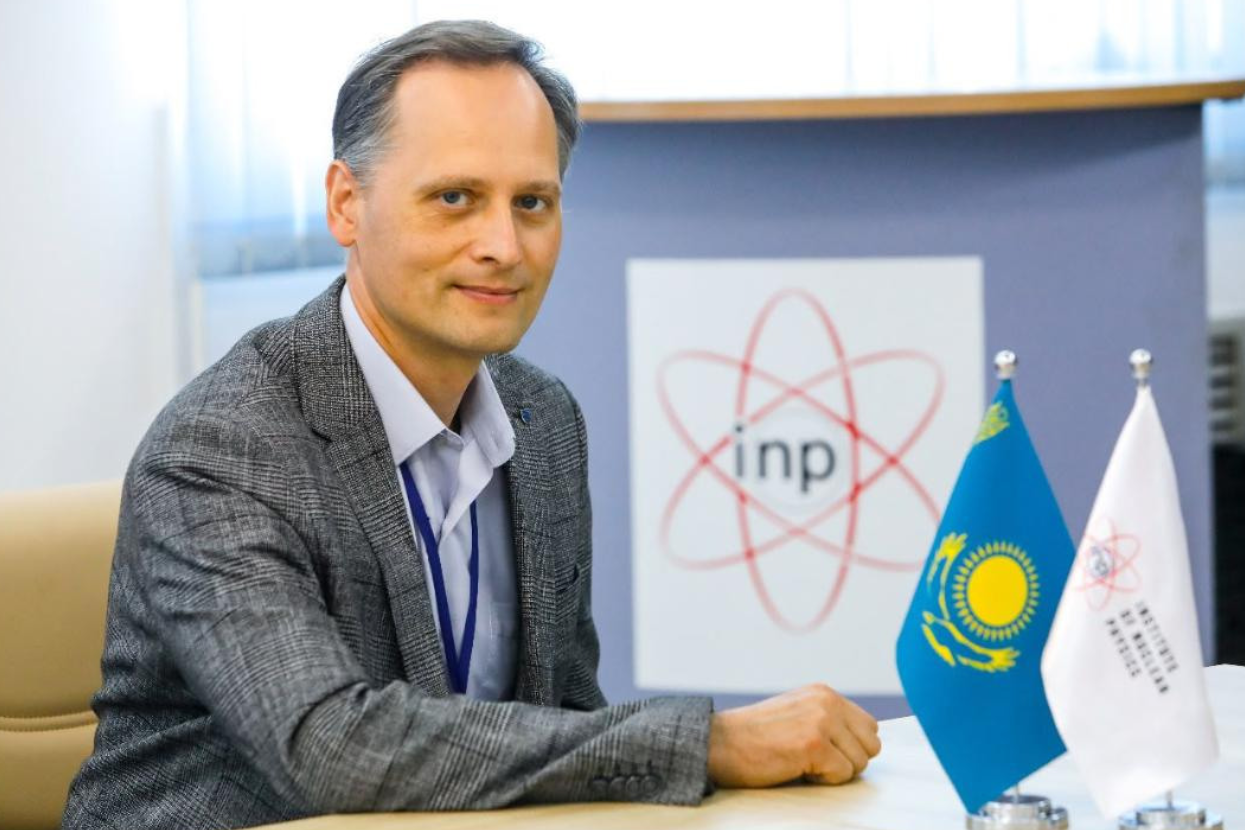
Kazakh scholars call for integrated radioecological monitoring system in border regions amid Central Asian nuclear power development
As energy demand continues to grow in Central Asian countries, nuclear power is becoming an important direction in regional energy policy. Kazakhstan has decided to build its own nuclear power plant, while neighboring countries such as Uzbekistan are also advancing or preparing similar projects. Nuclear energy is regarded as a key option for ensuring electricity supply and reducing greenhouse gas emissions, but its development cannot be limited to the construction of power plants alone. It must be accompanied by a comprehensive ecological and radiation safety assurance system, particularly in areas where cross-border impacts may exist. Although modern nuclear power plants are designed in accordance with strict international safety standards, environmental monitoring cannot be predicated on the probability of accidents. The impact of large industrial facilities on the surrounding environment requires...
2026-08-10
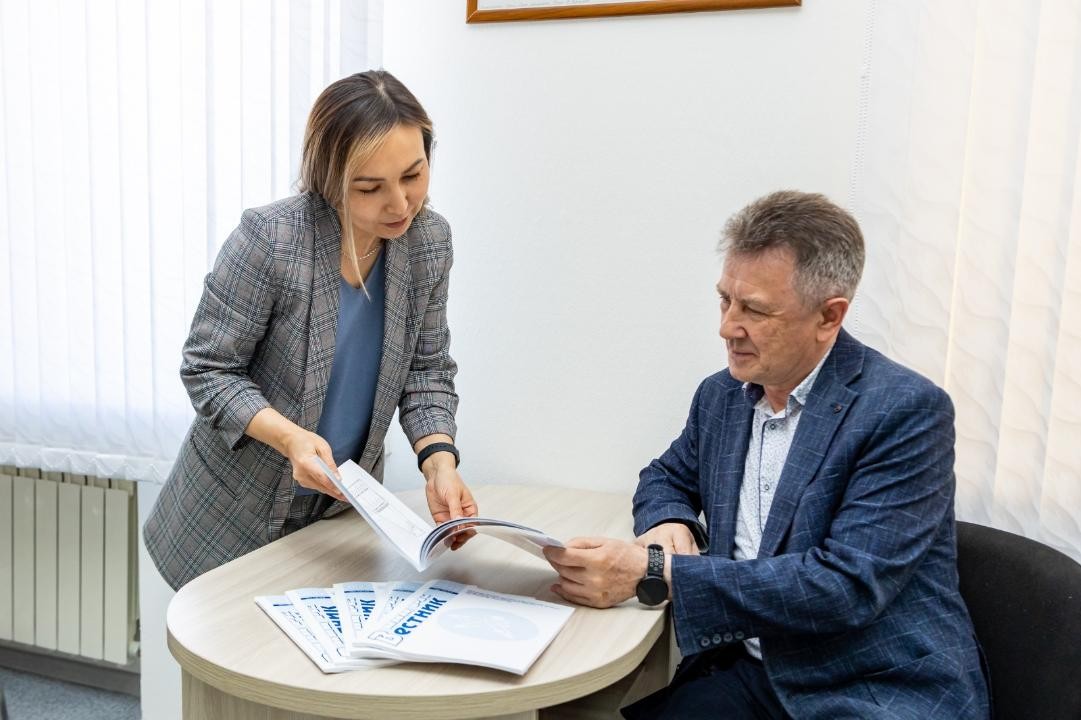
Kazakhstan's National Nuclear Center Advances Full-Chain Nuclear Talent Development
On August 7, the National Nuclear Center of the Republic of Kazakhstan (NNC RK) presented the status of its human resource development system in the field of atomic energy. Alua Mirzagazkyzy Kabdrakhova, scientific secretary of the center, stated that the modern nuclear energy industry is highly dependent on scientific research and engineering capabilities, and that talent development must begin with early career guidance and continue throughout higher education, research practice, and professional career development. According to the center's plan, nuclear talent development is first directed at secondary school students. The National Nuclear Center holds an annual summer school for young physicists and organizes student visits to research and technical facilities, helping high school students understand modern science,...
2026-08-09
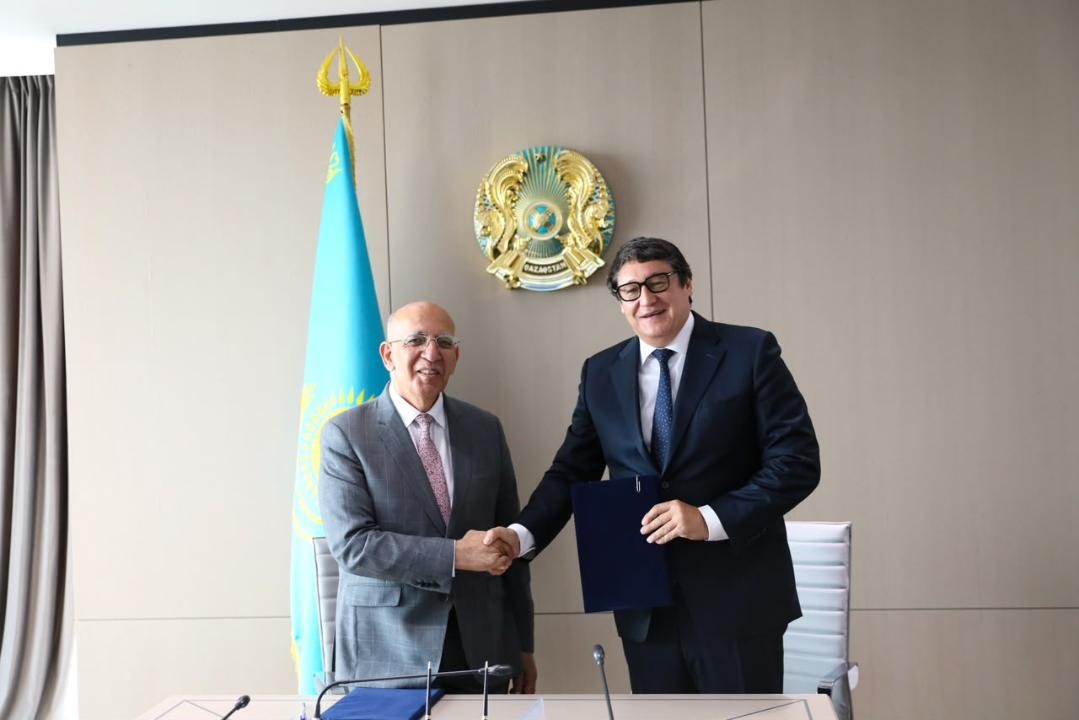
Kazakhstan Atomic Energy Agency and Nazarbayev University Sign Memorandum of Cooperation
On August 7, the head of Kazakhstan's atomic energy regulatory authority held formal talks with the President of Nazarbayev University, during which both parties exchanged views on the progress of existing cooperation and future directions for collaboration. During the talks, it was noted that representatives of Nazarbayev University have actively participated in the work of the agency's Scientific and Technical Committee, as well as in efforts to update forward-looking research in the nuclear energy field. Both sides agreed that research institutions and universities play a vital supporting role in the development of the nuclear energy industry, particularly in building research capacity and cultivating professional talent. Following the talks, the two parties signed a memorandum of cooperation. According to the document, the two sides will expand...
2026-08-08
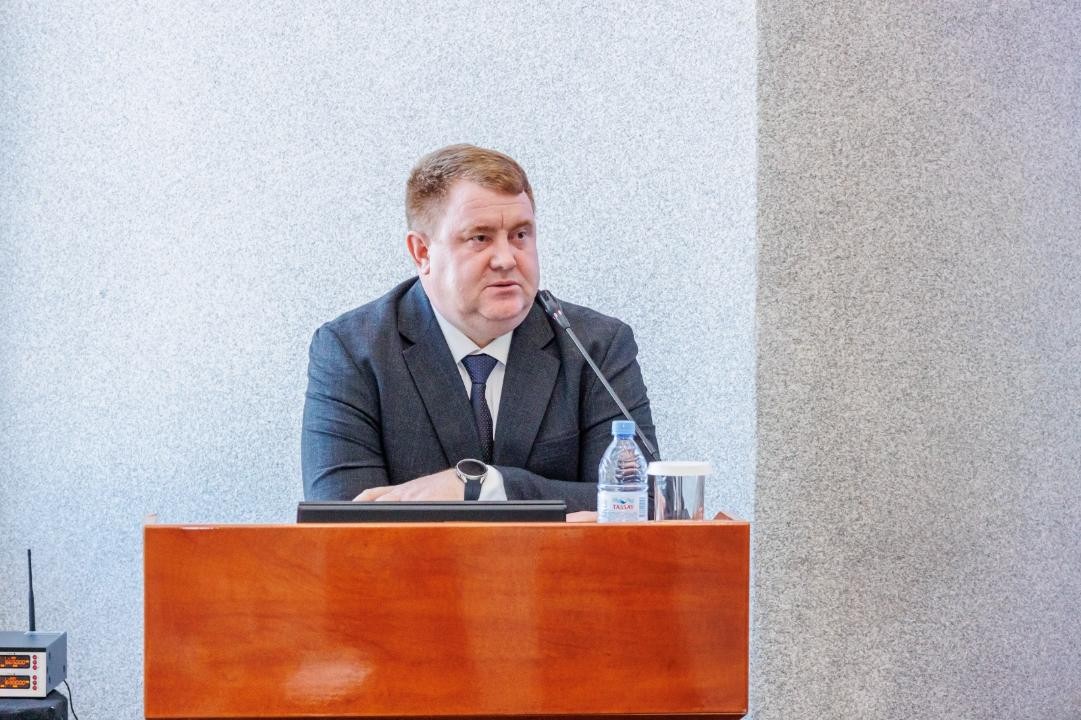
Research Reactors Support Kazakhstan's Safe Nuclear Energy Development
Against the backdrop of growing demand for low-carbon electricity, nuclear energy is being regarded by many countries as a key energy option. Kazakhstan is also advancing its own nuclear energy development. Equally critical to the construction of nuclear power plants is the long-term research, testing, and validation of nuclear fuel, structural materials, reactor operating conditions, and safety systems. Research reactors and experimental facilities are precisely the core platforms undertaking such work. Unlike power reactors, which primarily target electricity generation, research reactors are closer to specialized nuclear science laboratories. Researchers can study the behavior of nuclear fuel and structural materials, simulate different reactor operating states, including off-normal conditions, test new technologies, and validate engineering solutions subsequently used in nuclear...
2026-08-09
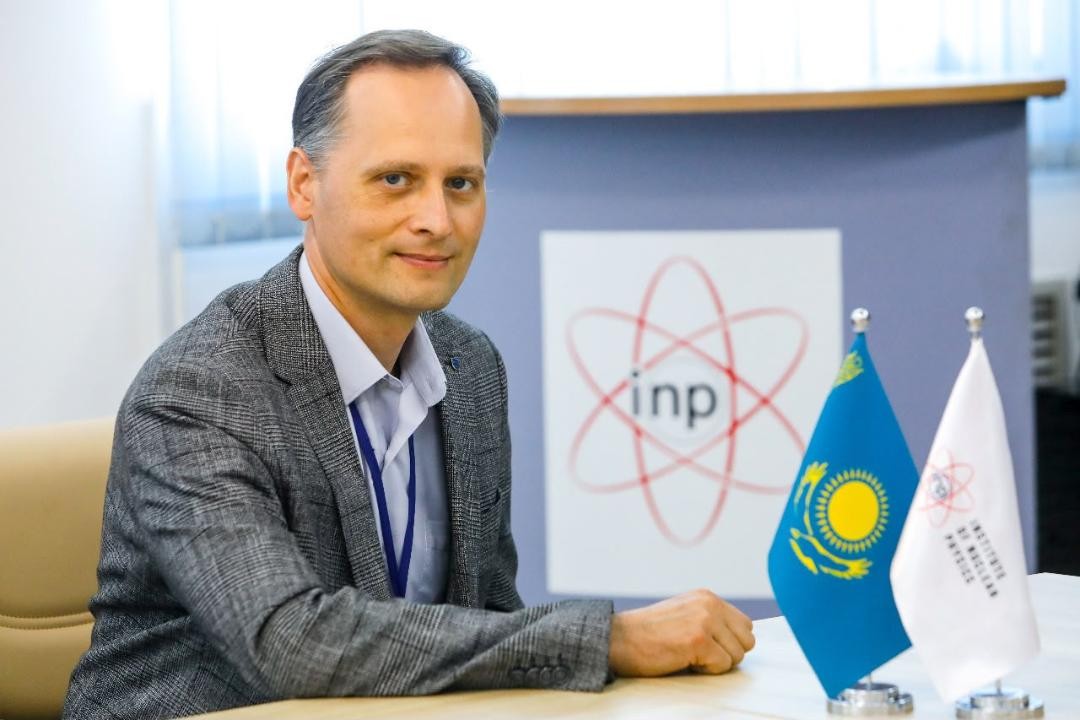
Kazakh experts call for enhanced radioecological monitoring in border regions
As Central Asian countries accelerate the development of nuclear energy, Kazakh experts have recently proposed that the radioecological monitoring system in border regions should be improved as soon as possible to provide long-term environmental data support for the construction and operation of regional nuclear power projects. Relevant materials indicate that nuclear energy is becoming an important direction in the energy policies of several Central Asian countries. Kazakhstan has decided to build its own nuclear power plant, while neighboring countries such as Uzbekistan are also advancing or preparing similar projects. Growing electricity demand and the need to reduce greenhouse gas emissions are key factors driving the development of nuclear energy in the region. Experts believe that nuclear power development involves not only the construction of advanced units, but also the simultaneous establishment of an effective ecological and radiation safety assurance system. Modern nuclear power plants...
2026-08-06
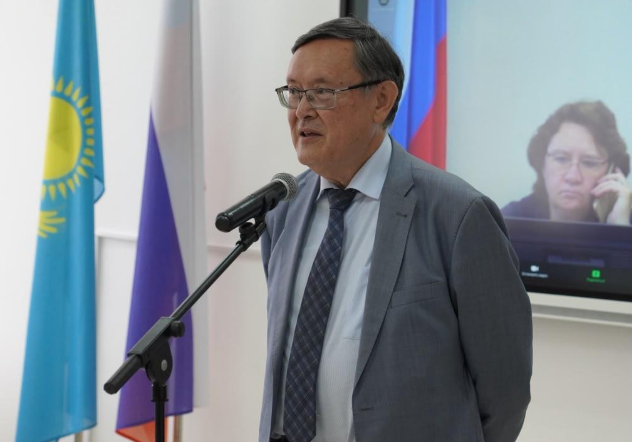
Kazakhstan Welcomes Its First Cohort of Nuclear Industry Specialists
On August 5, the inaugural graduation ceremony was held in Almaty for the first cohort of students at the Kazakhstan branch campus of the National Research Nuclear University MEPhI (НИЯУ МИФИ). Timur Zhantikin, Vice Chairman of the Atomic Energy Agency of Kazakhstan, attended the ceremony and presented diplomas to the graduates. In his address, he noted that as Kazakhstan's atomic energy industry enters a new phase of development, the demand for specialized professionals continues to grow, and the targeted training programs offered by the branch campus are crucial to filling this gap. The graduation of this first cohort marks the beginning of Kazakhstan's establishment of an independent domestic nuclear talent cultivation system. For a long time, Kazakhstan's nuclear industry has relied on overseas education or on-the-job training to supplement its engineering workforce...
2026-08-06
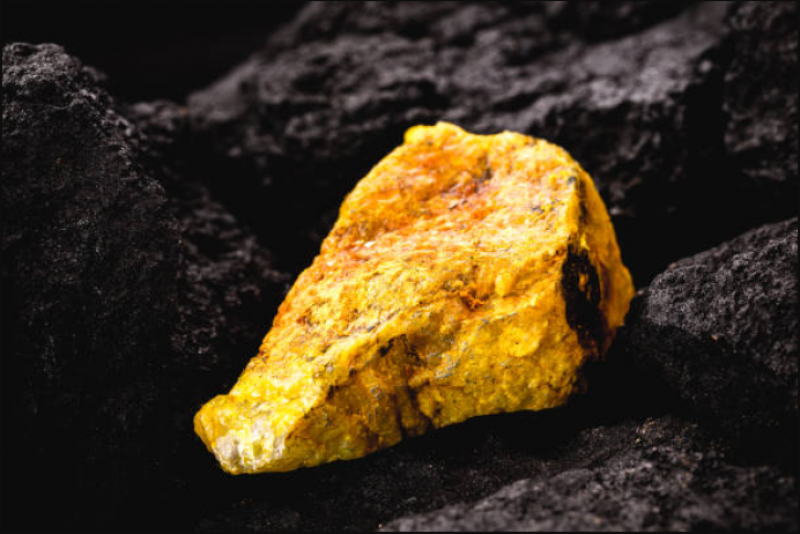
Kazakhstan's Uranium Output Up 9% Year-on-Year in First Half of 2026
Kazatomprom, Kazakhstan's largest uranium producer, reported on August 3 that the country's uranium output increased by 9% year-on-year in the first half of 2026. According to the report, on a 100% basis, uranium oxide (U3O8) production from entities in which the company holds stakes totaled 13,291 tonnes in the first half of this year, up from 12,242 tonnes in the same period of 2025. The 100% basis covers the full production of all entities in which Kazatomprom holds stakes, with a portion of that output potentially attributable to joint venture partners or other third-party shareholders. On an attributable basis, Kazatomprom's uranium production in the first half of 2026 stood at 7,054 tonnes, up 10% year-on-year. This basis only counts the portion of production attributable to Kazatomprom...
2026-08-05
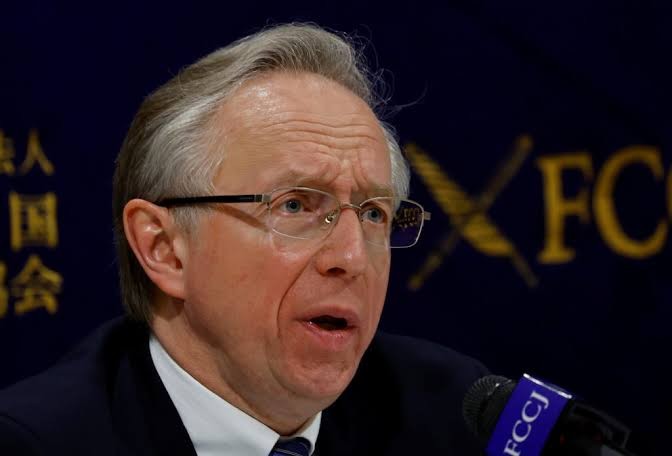
Russia Says Balkhash NPP Construction Will Boost Kazakhstan's Nuclear Energy Industry
Russian Deputy Foreign Minister Mikhail Galuzin recently stated that the construction of Kazakhstan's first nuclear power plant, the Balkhash NPP, will help the country establish a modern nuclear energy industry. Rosatom, Russia's state atomic energy corporation, is participating in the project as the lead party. Speaking at the plenary session of the Third Russia-Kazakhstan Media Forum, Galuzin said that Russia and Kazakhstan cooperate in multiple areas, with the Balkhash NPP being one of the recent collaborative projects. He noted that the plant will be built to a Russian design and, once completed, will provide a foundation for the development of Kazakhstan's nuclear energy industry. According to current plans, the Balkhash NPP project is scheduled to begin construction in 2027...
2026-08-04
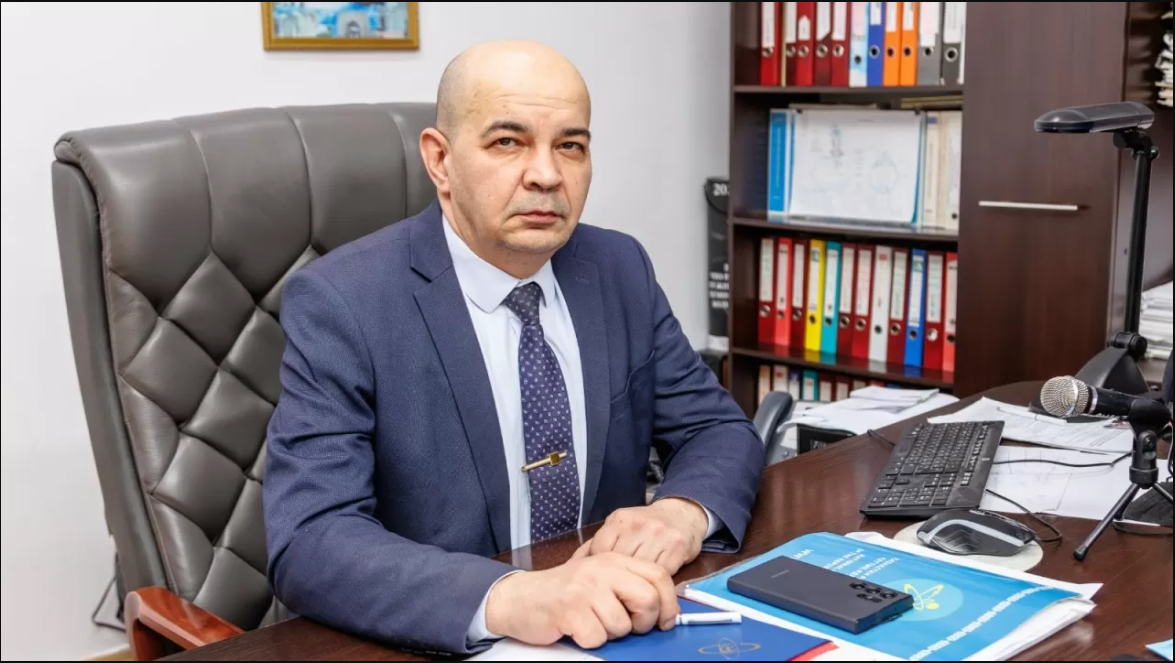
Kazakhstan's National Nuclear Center Experimental Base Supports Nuclear Power Safety and Advanced Energy Research
On July 30, Vyacheslav Gnyrya, Deputy Director of the Institute of Atomic Energy at the National Nuclear Center of the Republic of Kazakhstan (NNC RK), presented the development of the center's experimental research base. He stated that Kazakhstan is leveraging existing research facilities to establish a scientific foundation for next-generation reactor technologies and controlled thermonuclear fusion energy research. According to the presentation, the NNC RK experimental base is a strategic scientific research infrastructure developed over decades in Kazakhstan, featuring research reactors, specialized test facilities, and materials science equipment capable of simulating conditions difficult to replicate in operating nuclear reactors, including the behavior of nuclear fuel, structural materials, and safety system components under high temperatures, intense irradiation, and transient conditions.
2026-07-31
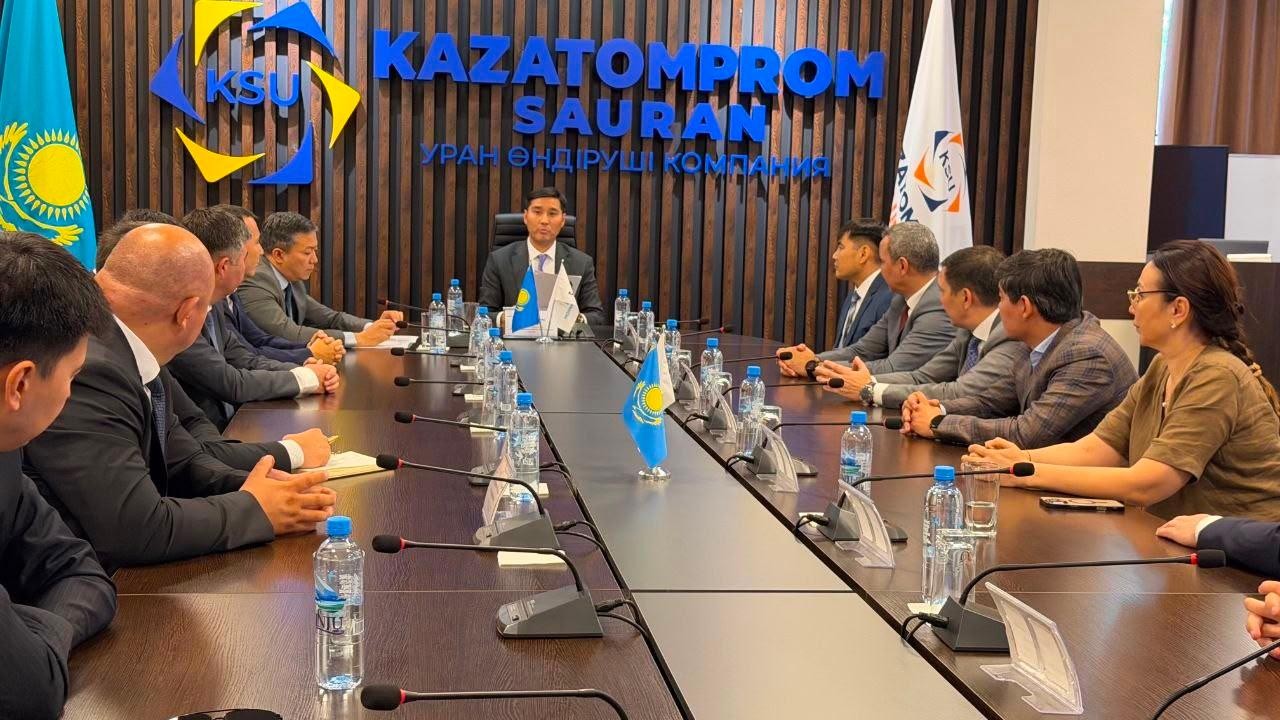
Kazakhstan Atomic Energy Agency Holds Meeting on Uranium Mining Enterprise Regulation Implementation in Shymkent
On July 29, 2026, Deputy Director of the Atomic Energy Agency of the Republic of Kazakhstan G.E. Sergazin conducted a working visit to Shymkent and held a meeting with heads and representatives of uranium mining enterprises to discuss the recently adopted amendments to national regulatory documents in the field of atomic energy use. The meeting focused on interpreting key changes in the new regulations, including modernized approaches to radioactive waste treatment, strengthened requirements for atomic energy use and radioactive waste management, and enhanced efficiency of the national regulatory mechanism. Participants also discussed the practical implementation of the new norms in the daily operations and compliance management of uranium mining enterprises. The meeting was conducted in an open dialogue format. ...
2026-07-30
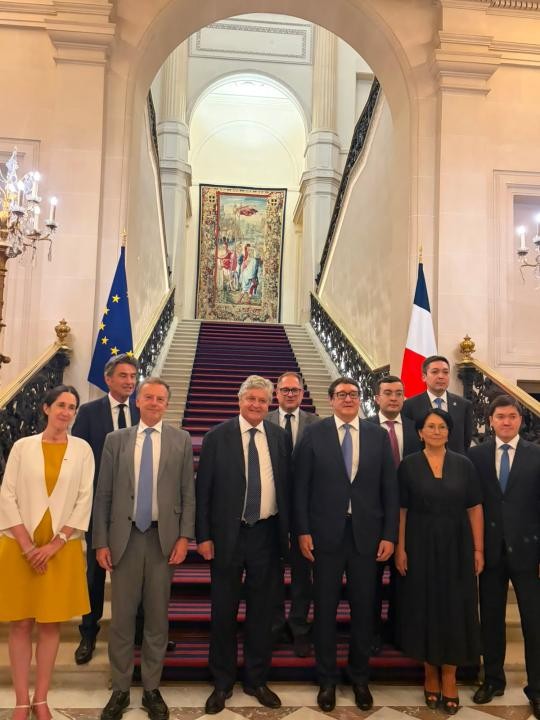
Kazakhstan and France Discuss Cooperation in Peaceful Uses of Nuclear Energy
On July 28-29, the bilateral committee meeting between Kazakhstan and France on the peaceful uses of nuclear energy was held at the French Ministry for Europe and Foreign Affairs. The meeting was convened in accordance with the bilateral agreement on cooperation in the peaceful uses of nuclear energy, focusing on reviewing progress in scientific, technological, and industrial cooperation, and discussing the direction of the next phase of collaboration. The Kazakh delegation was led by Almasadam Satkaliyev, Director of the Atomic Energy Agency of the Republic of Kazakhstan. During the visit, the delegation met with Jean-Noël Barrot, French Minister for Europe and Foreign Affairs, Nicolas Forissier, Minister Delegate for Foreign Trade and Economic Attractiveness...
2026-07-30
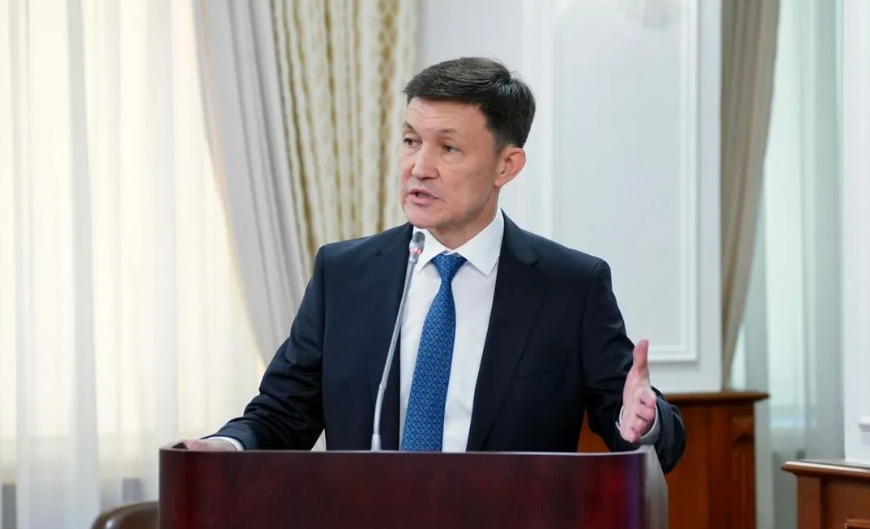
Kazakhstan advances the use of radiation technology for agricultural preservation and advanced wastewater treatment.
Sayabek Sakhiyev, Director of the Institute of Nuclear Physics of Kazakhstan, recently stated that radiation technology holds promise for helping Kazakhstan reduce post-harvest losses, extend the shelf life of agricultural products, and facilitate advance
2026-07-27
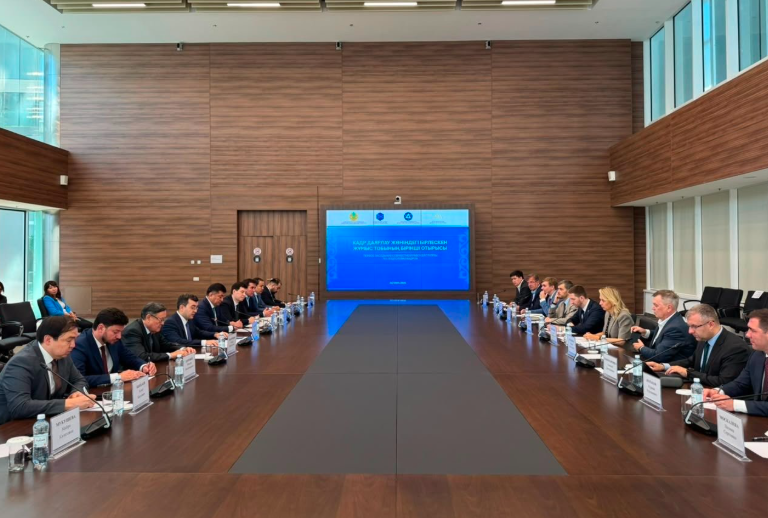
Kazakhstan and Russia will jointly formulate a personnel training plan for the Balkhash Nuclear Power Plant.
The Atomic Energy Agency of the Republic of Kazakhstan and Russia's State Atomic Energy Corporation (Rosatom) recently held a meeting regarding the training of specialists for the nuclear power sector. The meeting was co-chaired by Asset Makhambet
2026-07-27