
Search Results
Keyword:Korea
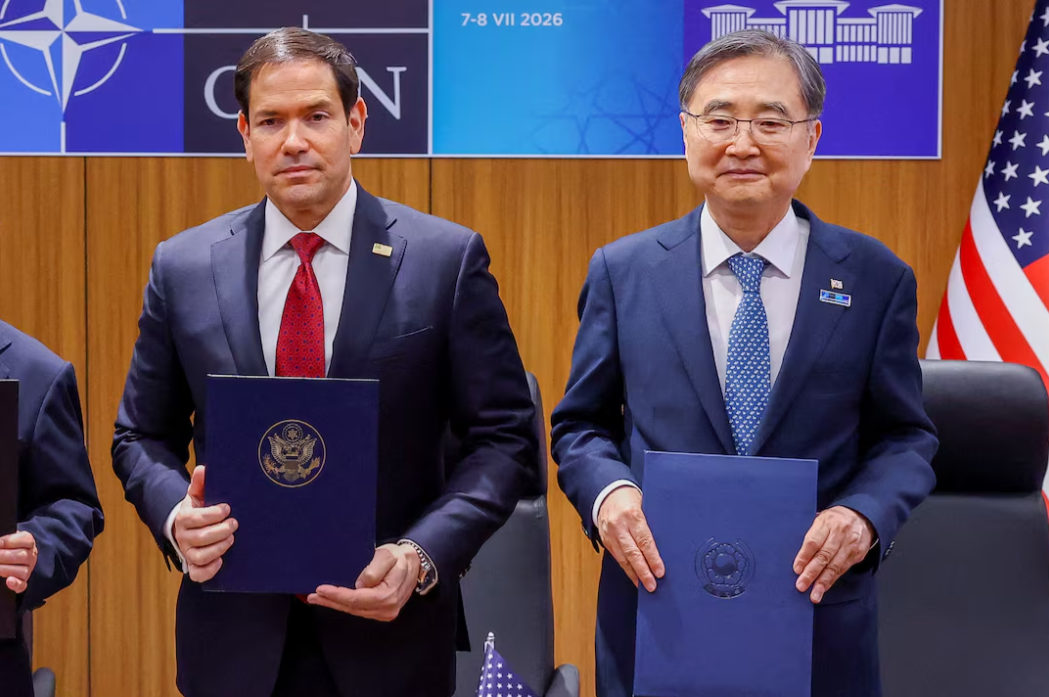
Announcement of South Korea's U.S. investment plan delayed due to need to clarify related procedural issues
South Korean Foreign Minister Cho Hyun said on Thursday that the announcement of South Korea's U.S. investment plan under the South Korea-U.S. trade agreement has been delayed due to the need to clarify related procedural issues, but he did not disclose further specific details. Cho made the remarks at the airport before departing for the United States, where he is scheduled to hold talks with U.S. Secretary of State Marco Rubio on Friday. According to officials familiar with the matter and media reports, the South Korean government this week postponed the briefing on the investment plan originally scheduled to be submitted to a congressional committee, and tentatively rescheduled it to September 22. South Korean lawmakers said that a dedicated briefing to the National Assembly is a core step before the two countries finalize the details of South Korea's massive investment commitment to the United States...
2026-09-18
South Korea Plans to Open Up "Direct Purchase" of Nuclear Power: A Low-Cost Pathway for Industrial Decarbonization, or a New Challenge for the Electricity Market?
2026-09-17
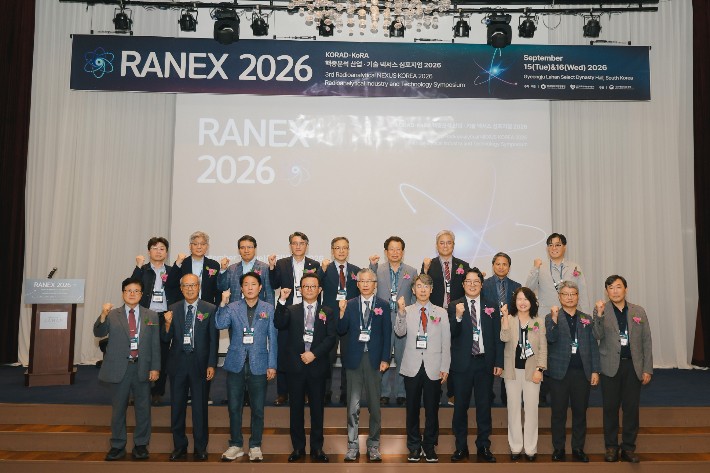
Korea Radioactive Waste Agency Hosts Nuclear Nuclide Analysis Industry and Technology Nexus Symposium (RANEX 2026)
The agency and the Korea Radioactive Analysis Association jointly hosted the Nuclide Analysis Industry and Technology Nexus Symposium (RANEX 2026) from September 15 to 16 at the Lahan Select Hotel in Gyeongju, attracting more than 200 experts, scholars, and industry representatives from home and abroad. The core purpose of this symposium was to share the importance of nuclide analysis—a key area in the national radioactive waste management undertaking—and to jointly explore strategies for technological innovation and the cultivation of an industrial ecosystem through in-depth cooperation between the public sector and private enterprises. During the symposium, experts discussed the development strategy for the radioactive waste nuclide analysis industrial ecosystem, the latest analytical technologies and instrumentation...
2026-09-17
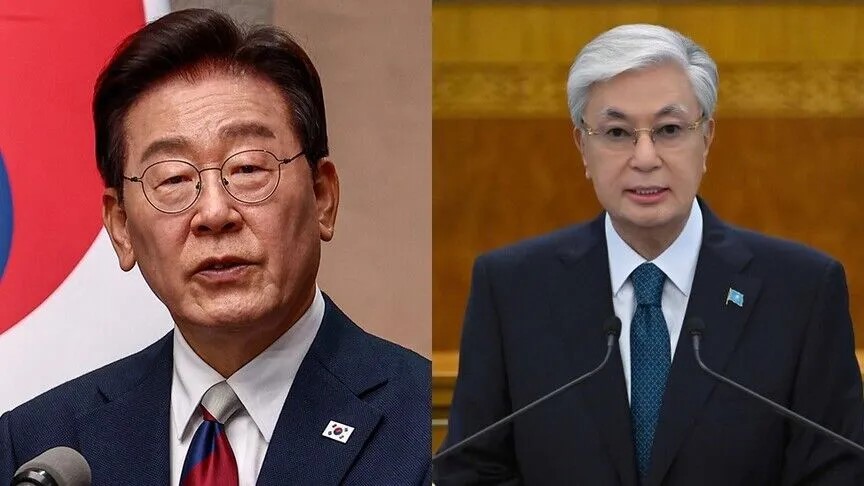
South Korea and Kazakhstan Sign Nuclear Energy Agreement, Deepening Cooperation on Critical Minerals and Strategic Industries
South Korea and Kazakhstan signed a memorandum of understanding (MOU) on the peaceful use of nuclear energy on Tuesday (September 15). The leaders of the two countries agreed to expand cooperation in critical minerals, artificial intelligence (AI), and other strategic industries. During the state visit of Kazakh President Kassym-Jomart Tokayev to South Korea, South Korean President Lee Jae-myung and Tokayev held talks at the Blue House in Seoul. According to The Korea Times, South Korea and Kazakhstan signed a total of 13 agreements and memorandums of understanding. Lee Jae-myung and Tokayev also agreed to elevate bilateral relations to a future-oriented comprehensive strategic...
2026-09-16
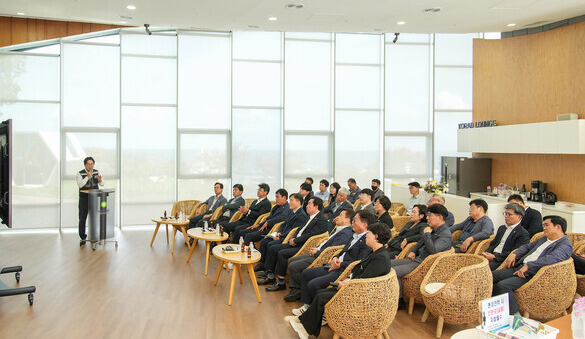
Gyeongju City Council in South Korea Conducts In-Depth Inspection of Wolsong Nuclear Power Plant and Radioactive Waste Treatment Facilities
Recently, the Gyeongju City Council of South Korea organized an in-depth on-site inspection, with the focus on the Wolsong Nuclear Power Plant and the Korea Atomic Energy Environment Corporation. The inspection team aimed to gain a comprehensive understanding of the operational safety of the nuclear power plant and the operation of radioactive waste treatment facilities, and to listen to feedback from relevant personnel. The purpose of this action was to conduct an in-depth investigation of core issues closely related to public safety, including the safety management status of the nuclear power plant and the operational model of radioactive waste treatment facilities. The council members hoped that through this inspection, they could gain a more intuitive understanding of the actual situation and provide reference for formulating more comprehensive policies. At the beginning of the inspection, the council members went to Wolsong...
2026-09-14

KHNP Hanul Nuclear Power Plant Conducts High-Intensity Comprehensive Drill to Address Safety Threats Including Earthquakes, Wildfires, and Drones
On the 14th, Korea Hydro & Nuclear Power (KHNP) Hanul Nuclear Power Plant conducted a high-intensity comprehensive emergency drill aimed at responding to compound disasters such as earthquakes, wildfires, and radioactive material leaks, as well as new safety challenges including information system failures and drone threats. The Hanul Nuclear Power Plant announced that it jointly held the "2026 Disaster Response Safety Korea Drill" with multiple relevant departments at Hanul Unit 1. The Safety Korea Drill is a nationwide comprehensive emergency exercise designed to establish a disaster management system and cross-departmental coordination mechanism involving South Korea's central ministries, local governments, and public institutions, ensuring efficient joint response capabilities during major emergencies. This drill was...
2026-09-14
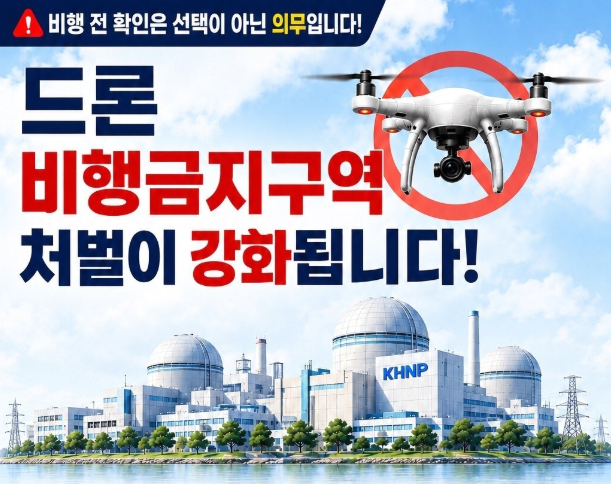
South Korea Strengthens Drone Control Around Nuclear Power Plants, Illegal Flights to Trigger Criminal Law
Korea Hydro & Nuclear Power (KHNP) stated on September 14 that it will further strengthen its response to unauthorized drone flights within no-fly zones around nuclear power plants. It is understood that under the revised Aviation Safety Act, the penalty for unauthorized operation of ultralight flying devices (drones, etc.) within no-fly zones has been significantly raised from the previous "fine of up to 3 million won (administrative fine)" to "imprisonment of up to 1 year or a fine of up to 10 million won." According to statistics from the Nuclear Safety and Security Commission of South Korea, from 2021 to August of last year, a total of 699 illegal drone incidents were detected near nuclear power plants across South Korea, of which 284 cases could not identify the operators...
2026-09-14

Korea Nuclear Safety Foundation Signs MRA with IEEE of the United States to Enhance International Credibility of Nuclear Power Equipment Performance Verification
The Korea Nuclear Safety Foundation (Chairman Kim Sung-jin) formally signed a Mutual Recognition Agreement (MRA) in the field of nuclear power equipment performance verification with the Institute of Electrical and Electronics Engineers, Incorporated (IEEE) on the 14th in Seongnam City, Gyeonggi Province. The core of this MRA lies in: both parties mutually recognizing that their respective performance verification certification systems possess equivalent levels of professional competence and quality management capability. Under the agreement, the Korea Nuclear Safety Foundation and IEEE will mutually confirm that each other's performance verification systems continuously maintain the same...
2026-09-14
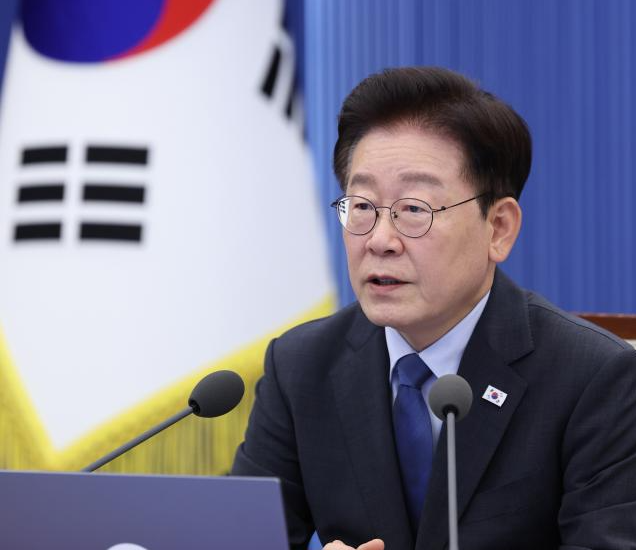
South Korean President Lee Jae-myung Meets with Asian Development Bank President, Plans to Expand Cooperation in Critical Minerals, AI, and Nuclear Power
Recently, South Korean President Lee Jae-myung met with Asian Development Bank (ADB) President Masato Kanda, and the two sides reached multiple consensus points on deepening cooperation. This meeting was prompted by diplomatic interactions between South Korea and Central Asian leaders, and both sides proposed combining South Korea's technological strengths with the ADB's financial instruments to jointly expand cooperation space in the Asia-Pacific region. On the day of the meeting, President Lee Jae-myung received President Kanda at his office at 11 a.m. This visit coincided with Kanda's attendance at the South Korea-Uzbekistan summit and the first South Korea-Central Asia summit. Kang Yoo-jung, Chief Spokesperson of the Blue House, stated in a written briefing that this meeting served as an important exchange between South Korea and the ADB in the fields of energy and technology.
2026-09-14

US Fusion Company Commonwealth Fusion Systems Secures $1 Billion Investment from South Korea's Hyundai
Recently, the US nuclear fusion company Commonwealth Fusion Systems, backed by Bill Gates, has secured a $1 billion investment from South Korea's Hyundai Motor Group to build its commercial fusion power plant. Chung Ho-eun, Executive Vice President of Hyundai Motor Group, stated that the plan will enable both parties to explore engineering collaboration on a commercial fusion power plant project called ARC. Fusion energy is expected to play an important role in meeting growing global energy demand while supporting a more sustainable future. As of June this year, this hardware solution has received formal academic confirmation of its physical feasibility. Following a peer-reviewed study, CFS validated the ARC des...
2026-09-14
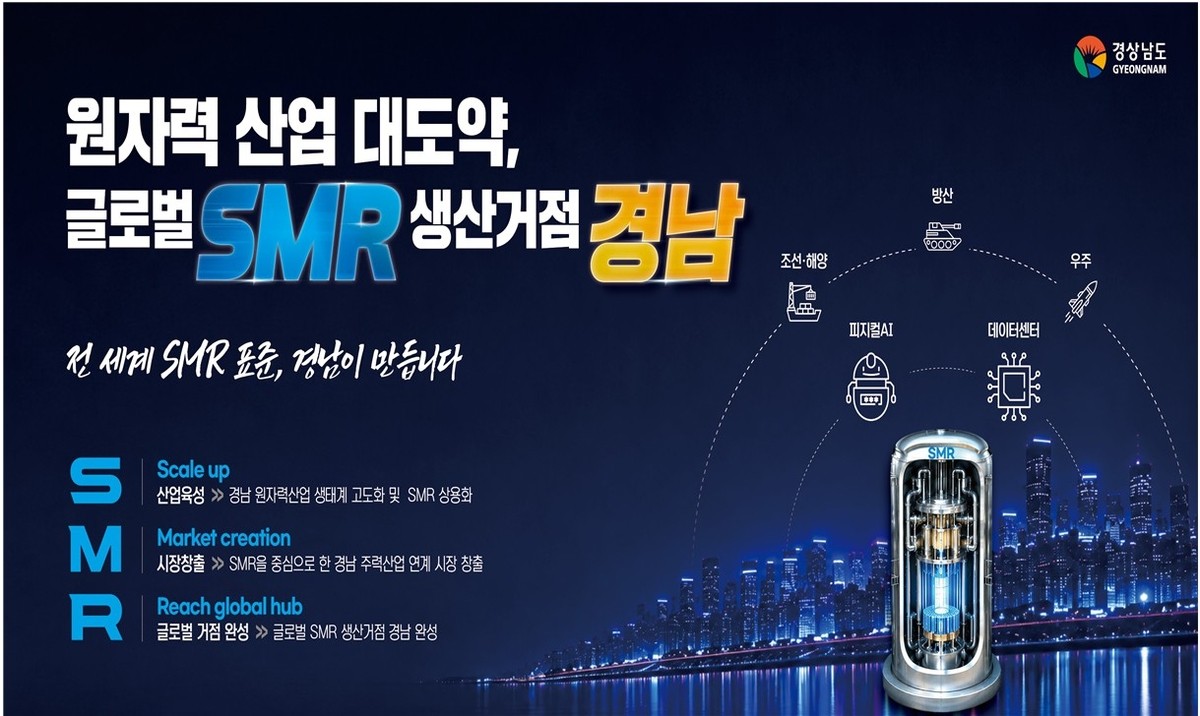
South Gyeongsang Province, South Korea Releases SMR Development Strategy 2.0, Sets 2035 Manufacturing Market Share Target
On September 10, 2026, South Gyeongsang Province, South Korea announced the Small Modular Reactor Global Development Strategy 2.0, proposing to build the region into the world's leading small modular reactor (SMR) production hub by 2035, and striving to capture 60% of the global SMR manufacturing market and achieve 100% self-sufficiency in related technologies. South Gyeongsang Province stated that multiple tasks included in the Small Modular Reactor Global Development Strategy 1.0 formulated last year, including promoting the enactment of a special SMR law, designating SMR as a national strategic technology, designating an SMR specialized complex, establishing a full-cycle SMR support system, and relaxing relevant regulatory requirements, have already been reflected in the South Korean government's policies. Therefore...
2026-09-13
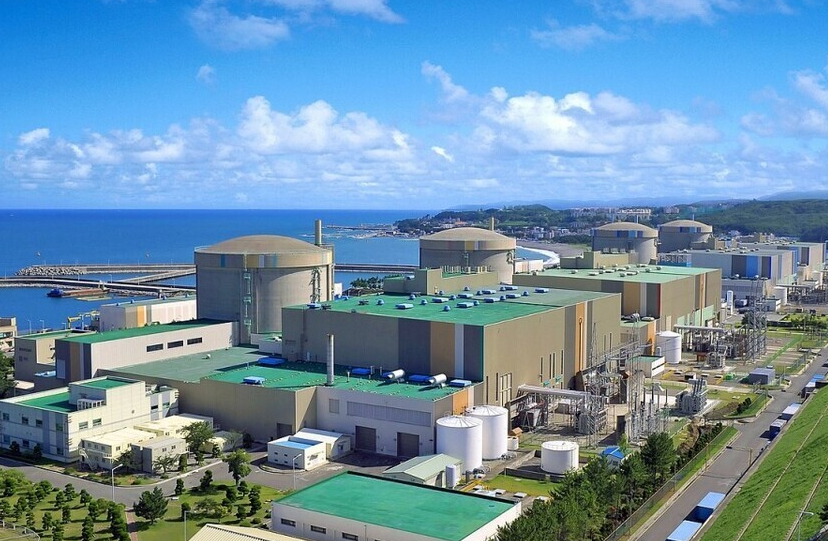
South Korea Conducts First Joint Radiation Emergency Exercise Involving Two Nuclear Power Plants Simultaneously
The Nuclear Safety and Security Commission (NSSC) of South Korea announced on September 10 that South Korea held the 2026 National Joint Radiation Disaster Prevention Exercise, simulating a radioactive material release accident at the Wolsong Nuclear Power Plant in Gyeongju, North Gyeongsang Province, and the simultaneous entry into a radiation emergency state at the Hanul Nuclear Power Plant in Uljin County, North Gyeongsang Province. Approximately 2,000 people participated in the exercise, including relevant South Korean central government departments, local governments, specialized agencies, relevant operating organizations, local organizations, and nearby residents. This exercise set up a compound disaster scenario of simultaneous radiation emergencies at multiple nuclear power plants for the first time. The exercise assumed that...
2026-09-12
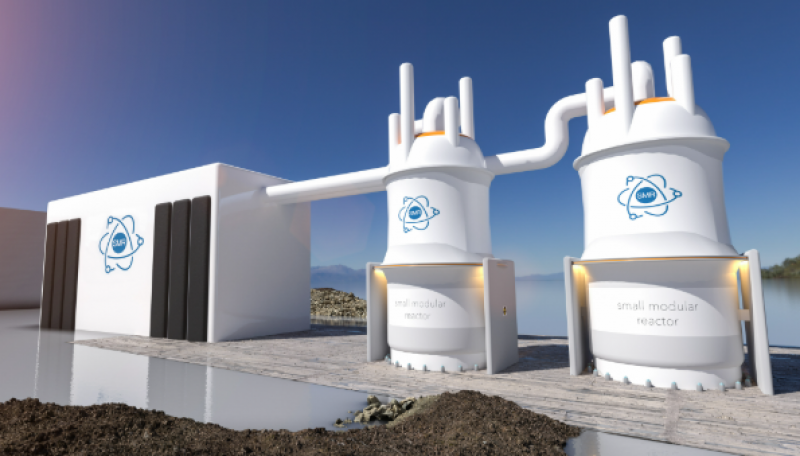
South Korea's SMR Special Act Takes Effect, Aiming to Commercialize Light Water SMRs by 2035
On September 11, 2026, the South Korean Ministry of Science and ICT (MSIT) announced that the Special Act on the Promotion of and Support for the Development of Small Modular Reactors, along with its enforcement decree, which aims to promote the research and development, demonstration, and commercialization of small modular reactors (SMRs), took effect on that day. Against the backdrop of growing electricity demand driven by the rapid spread of artificial intelligence and data centers, the South Korean government plans to increase support for the SMR sector through measures such as seven SEED projects. Under the Special Act and its enforcement decree, MSIT will formulate a basic plan for small modular reactor system development every five years, and prepare annual implementation...
2026-09-12

South Korea to Reconsider Accident Management Plans for Four Units at Gori and Hanbit
On September 11, 2026, the Nuclear Safety and Security Commission of South Korea held its 14th meeting of 2026 to review the accident management plans and operating change license applications submitted by Korea Hydro & Nuclear Power (KHNP) for Gori Nuclear Power Plant Units 3 and 4 and Hanbit Nuclear Power Plant Units 1 and 2. The meeting failed to reach a final conclusion and decided to refer the relevant agenda items to the next meeting for continued deliberation. The accident management plan mainly includes the scope of nuclear power plant accident management, management facilities, management strategies, and training programs. For nuclear power units with long operating lives, approval of this plan is generally regarded as an important prerequisite for subsequent discussions on continued operation licenses....
2026-09-12
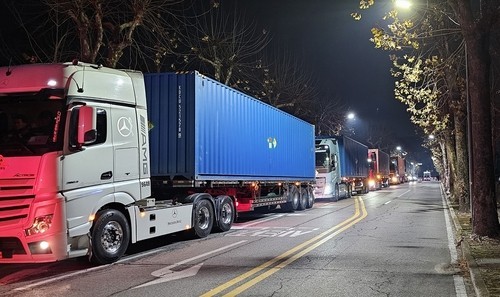
Daejeon, South Korea Ranks Second Nationwide in Low- and Intermediate-Level Radioactive Waste Storage, Spent Fuel Transfer Plan Still Not Implemented
According to data released on September 12 by South Korea's Integrated Radioactive Waste Safety Management Information System, two nuclear-related facilities in Daejeon——the Korea Atomic Energy Research Institute and Korea Hydro & Nuclear Power's Nuclear Fuel Company——currently store a total of 29,587 drums of low- and intermediate-level radioactive waste, with each drum having a capacity of 200 liters. This storage volume ranks second in South Korea, surpassed only by the Gori Nuclear Power Plant's 40,087 drums. Transportation of low- and intermediate-level radioactive waste Daejeon provides The low- and intermediate-level radioactive waste stored by the Korea Atomic Energy Research Institute mainly comes from the operation of the Hanaro research reactor, as well as waste generated during the decommissioning of an experimental reactor in Seoul in the mid-2000s. Nuclear-related facilities in Daejeon...
2026-09-13