
Search Results
Keyword:Korea
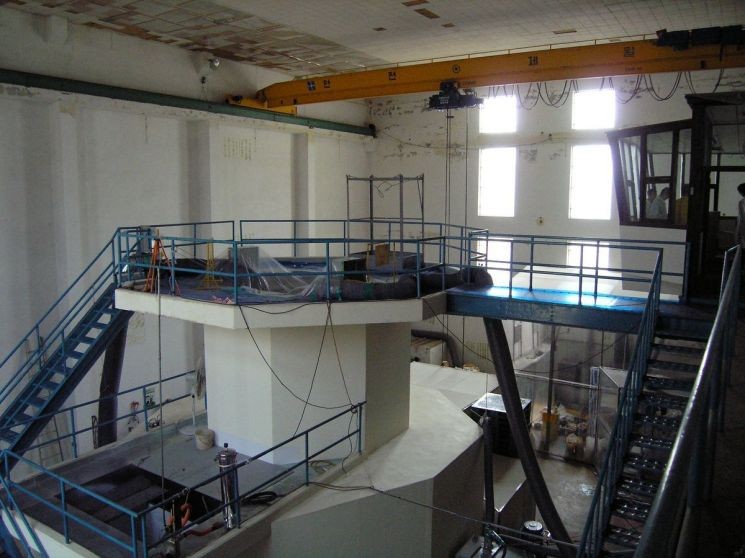
Fourteen academic societies in South Korea call for protection of KRR-1 research reactor auxiliary buildings
On September 1, fourteen academic societies and associations, including the Korean Nuclear Society, issued a statement welcoming the temporary registration of the reactor hall and auxiliary buildings of Research Reactor Unit 1 (KRR-1, TRIGA Mark-II) in Gongneung-dong, Nowon-gu, Seoul, as nationally registered cultural heritage, and urged Korea Electric Power Corporation (KEPCO), the owner of the site and buildings, to promptly submit a formal registration application. Panoramic view of KRR-1, South Korea's first research reactor. Korea National Heritage Administration The Korea National Heritage Administration had placed the KRR-1 reactor hall and auxiliary buildings on the temporary list of nationally registered cultural heritage on July 1 through the emergency measures system, suspending related demolition work. However, if a formal registration application is not submitted by the end of December this year, the temporary listing will lapse and demolition work may resume.
2026-09-01
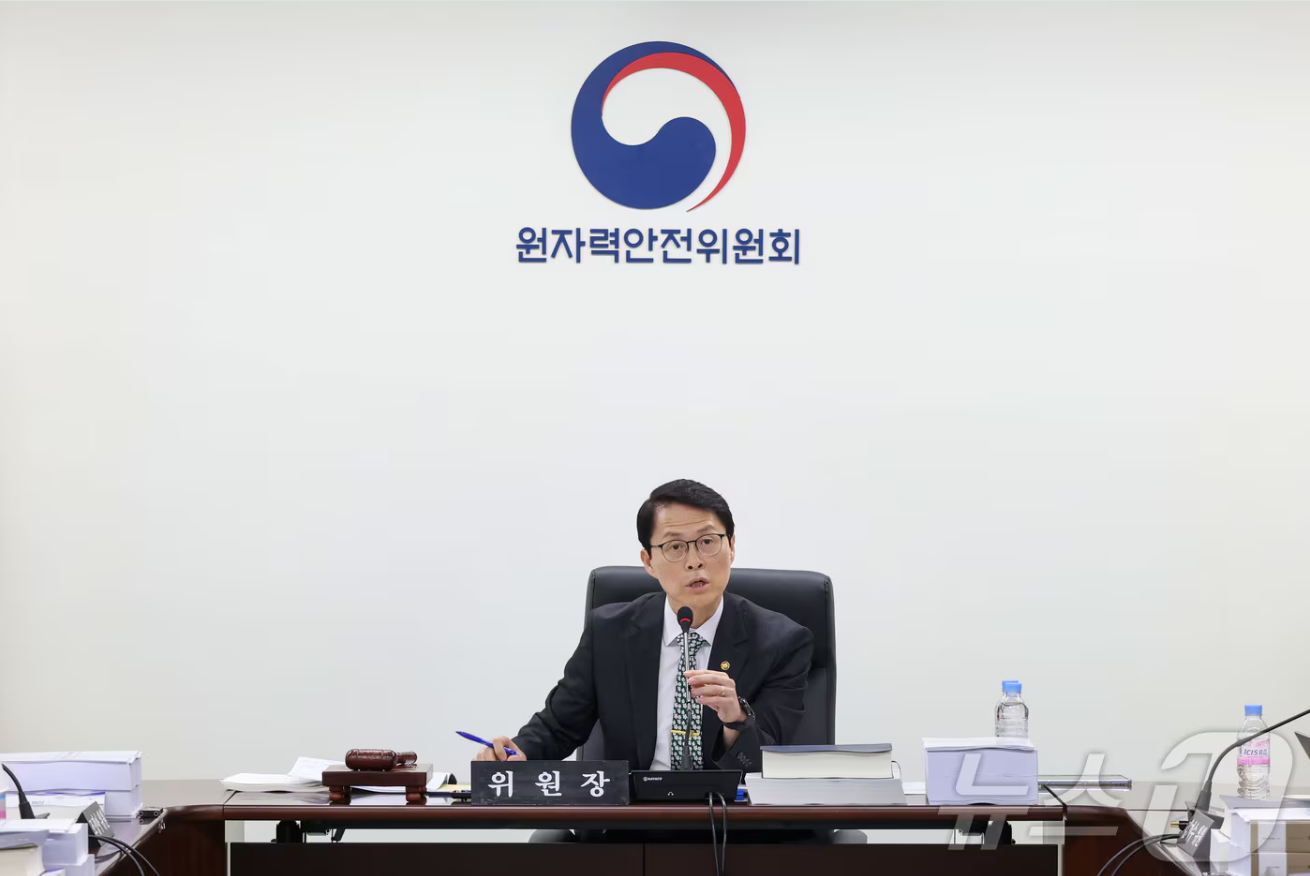
South Korea to Launch National Radiation Monitoring Center in 2027
The South Korean government reviewed and approved the "2027 Budget Plan" at a cabinet meeting on September 1. According to the budget arrangement, South Korea will launch the National Radiation Monitoring Center in 2027 to centrally collect and manage national environmental and marine radioactive information; simultaneously, it will expand the Nuclear Safety Information Sharing Center to strengthen direct communication with residents near nuclear power plants. The Nuclear Safety and Security Commission (NSSC) has allocated 1.4 billion KRW for the construction and operation of the National Radiation Monitoring Center. The project aims to strengthen the environmental radioactivity monitoring and analysis system to address regulatory demands arising from the expansion of domestic nuclear power utilization in South Korea and the increased operation and construction of nuclear facilities in neighboring countries. The National Radiation Monitoring Center is planned...
2026-09-01
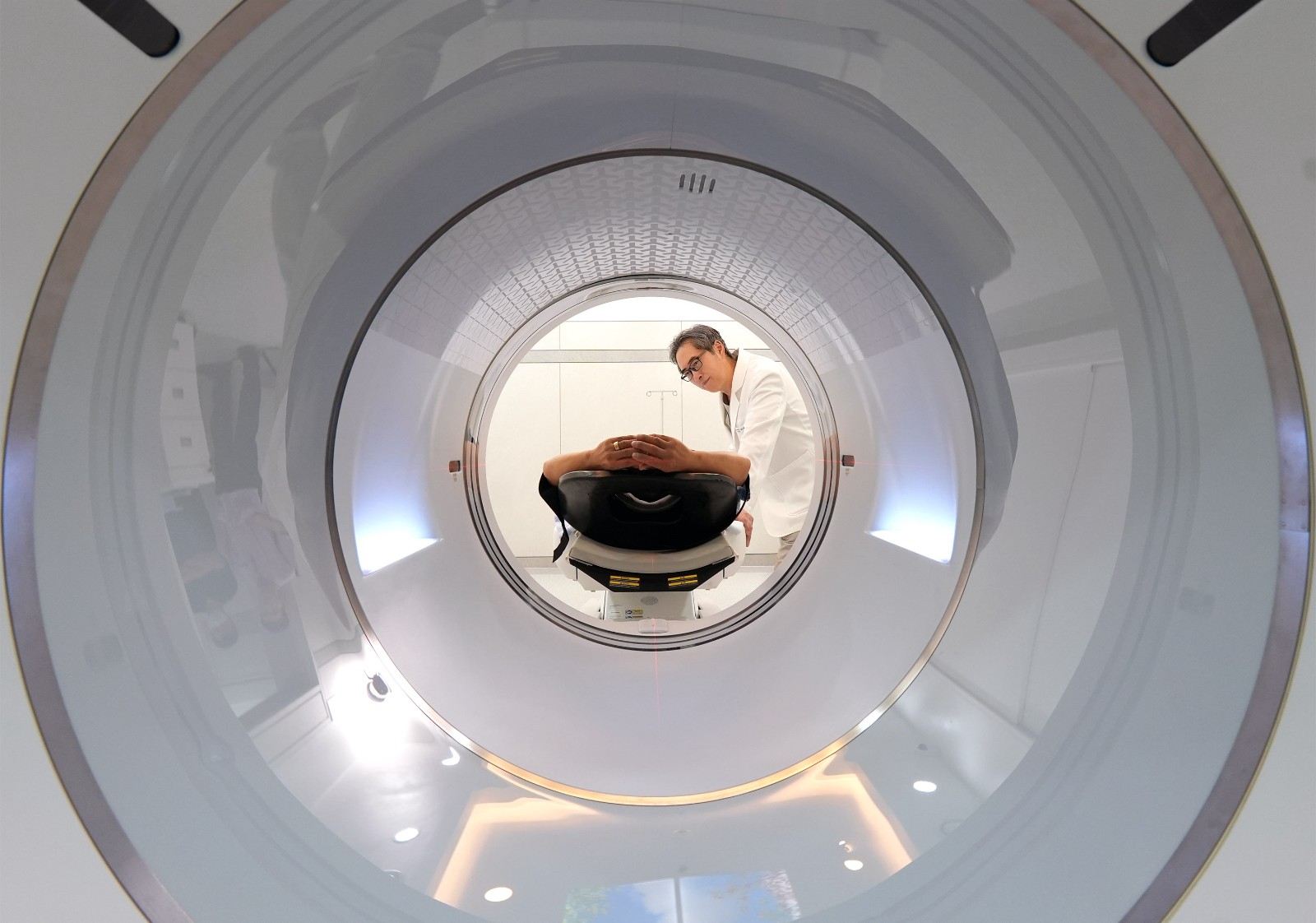
Dankook University Hospital Introduces Next-Generation Digital PET-CT System to Enhance Precision Diagnosis of Cancer and Other Diseases
Dankook University Hospital announced on September 1 that it has introduced GE HealthCare's next-generation digital PET-CT system, the OMNI Legend 32, to enhance precision diagnostic capabilities for a wide range of diseases, including cancer, brain disorders, and cardiac conditions. PET-CT is an important nuclear medicine diagnostic imaging modality. During the examination, a radiopharmaceutical is injected into the patient, and the system observes metabolic activity through positron emission tomography (PET) while simultaneously confirming anatomical structures via computed tomography (CT), thereby providing imaging evidence for clinical diagnosis. According to the hospital, the newly introduced OMNI Legend 32 employs AI-based image reconstruction technology to visualize small lesions with greater clarity, assisting physicians in making more accurate assessments...
2026-09-01
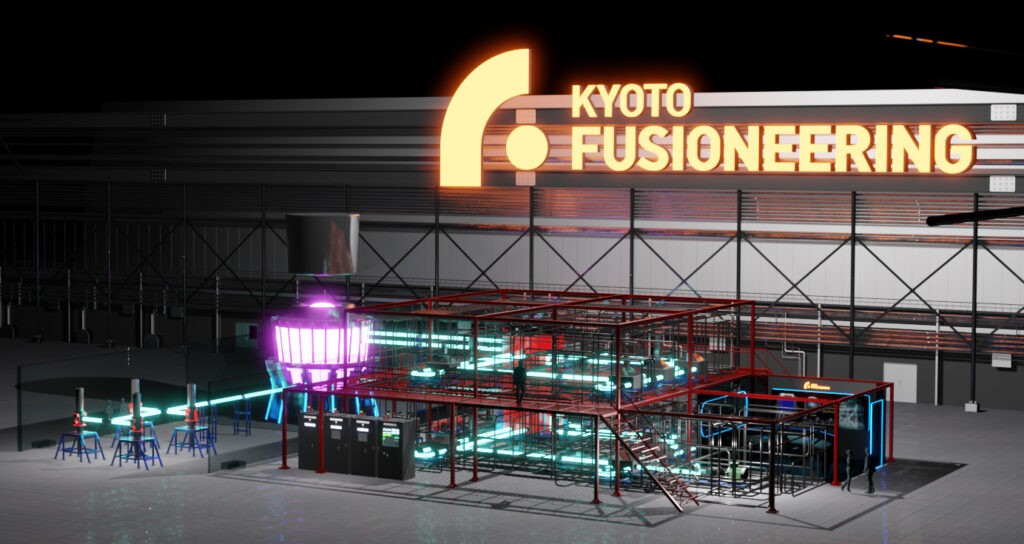
Japan's Kyoto Fusioneering Secures Series D Funding Led by Korea-Japan Fusion Fund
IMM Investment Japan (IMMJ) announced on September 1 that it has led the Series D funding round for Kyoto Fusioneering, a Japanese fusion energy company. The investment was made through the Korea-Japan Fusion Fund, established jointly by Korean and Japanese investors. The fund, initiated by IMMJ, is positioned as a cross-border project fund designed to connect the capital and industrial networks of major Korean corporations with Japan's cutting-edge technology companies. Investors participating in the fund include POSCO Holdings, POSCO International, Doosan, Hyundai Motor, and GS...
2026-09-01
KHNP Holds Executive Forum to Discuss Future Nuclear Power Strategies
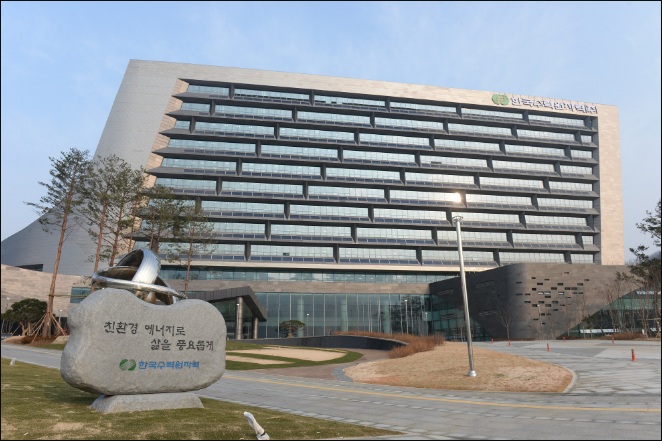
On August 31, Korea Hydro & Nuclear Power (KHNP) held an executive forum at its headquarters, with approximately 50 key executives in attendance to discuss the company's future vision and mid-to-long-term management direction. The meeting was designed to allow KHNP President Kim Hoi-tyun to share insights gained from his recent on-site management and inspections of domestic and international business operations, and to discuss the company's next-phase development priorities based on these findings. Agenda items included the application of artificial intelligence in the nuclear energy sector, enhancement of nuclear power plant operational capabilities, and strategic directions for the future small modular reactor (SMR) market. Participants assessed the company's existing business foundation and internal ca...
2026-09-01

Chonnam National University Hospital in Hwasun, South Korea, Adopts Deepnoid's Chest X-ray AI Interpretation Solution "M4CXR"
Deepnoid announced on August 31 that it has signed a supply contract with Chonnam National University Hospital in Hwasun, South Korea, to provide the hospital with its AI-based chest X-ray preliminary opinion generation solution, M4CXR. This contract is part of the "AI Medical System Support Project for Regional Responsible Medical Institutions" promoted by the Ministry of Health and Welfare of South Korea. Chonnam National University Hospital in Hwasun plans to improve the work efficiency of medical staff in interpreting chest X-ray images and further enhance the quality of medical services through the introduction of M4CXR. A representative from the Hwasun branch of Chonnam National University Hospital stated that introducing a generative AI-based image interpretation support system is of great significance for improving the quality of public medical services...
2026-08-31
Korea's Eugene MS Wins KRW 11.4 Billion Order for ITER Core Components
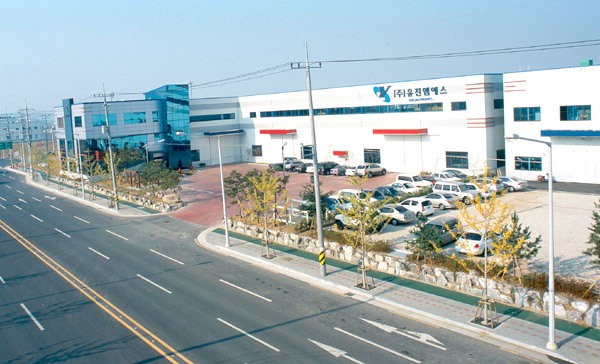
Korea's Eugene MS announced on August 31 that it has signed a contract with the Korea Institute of Fusion Energy (KFE) to produce and supply the second batch of vacuum vessel port sealing flanges for the International Thermonuclear Experimental Reactor (ITER). The contract is valued at approximately KRW 11.4 billion, equivalent to about 44% of Eugene MS's 2025 revenue of KRW 25.9 billion. The contract period runs through December 2030. Under the arrangement, the sealing flanges will be delivered to the ITER Organization in three batches, with final inspection and related procedures scheduled for completion by June 30, 2031. The ITER vacuum vessel port sealing flanges consist of large fasteners and other components...
2026-08-31
South Korea's KNR Systems Completes Development of Robotic System for PHWR Decommissioning
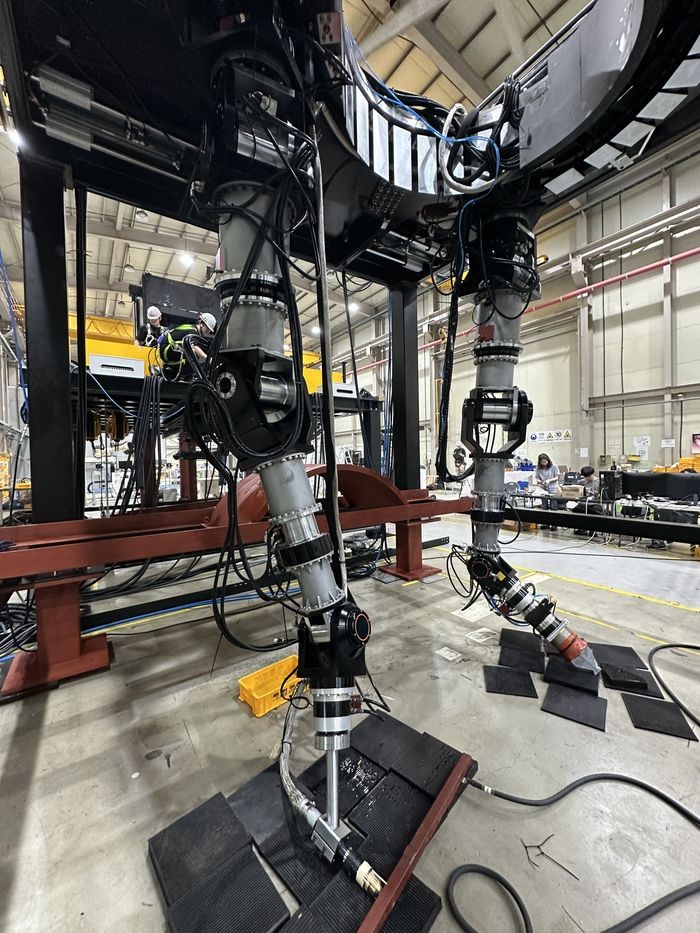
KNR Systems announced on August 31 that it has completed the development of a platform system for remote cutting and dismantling of radioactive structures in Pressurized Heavy Water Reactors (PHWR), with final delivery scheduled to commence in September this year. The system originates from a government-commissioned PHWR decommissioning demonstration project. The project, valued at approximately 2.8 billion KRW, was awarded in January last year, with a development period of about seven months. Upon delivery, the equipment will be installed at the Heavy Water Reactor Decommissioning Technology Center of the Korea Research Institute of Decommissioning (KRID) in Gyeongju, for use in PHWR decommissioning demonstrations. Compared with light water reactors, PHWRs have more complex internal structures and typically higher levels of radioactive contamination, making dismantling operations more challenging.
2026-08-31

Korea Hosts ROK-U.S. Nuclear Industry Cooperation Seminar in the United States
The Korea Nuclear Energy Export Industry Association (KNA) announced on August 30 that it held the ROK-U.S. Nuclear Industry Cooperation Seminar in Dallas, Texas, on August 27. The seminar was held in conjunction with NECX 2026, a major nuclear energy event in North America, with the primary purpose of consolidating the foundation for ROK-U.S. nuclear industry cooperation and creating networking opportunities for Korean companies to enter the U.S. market and participate in related nuclear projects. Approximately 70 representatives from the nuclear industry sectors of both countries attended the meeting. Participants included a Korean delegation comprising Korea Electric Power Corporation (KEPCO) and Korea Hydro & Nuclear Power (KHNP), representatives of Korean small and medium-sized enterprises, and officials from relevant U.S. state government agencies...
2026-08-31
Blueprint for Proton Therapy Center in Southeastern Busan, South Korea Unveiled to Address Regional Gap in Cancer Treatment Resources
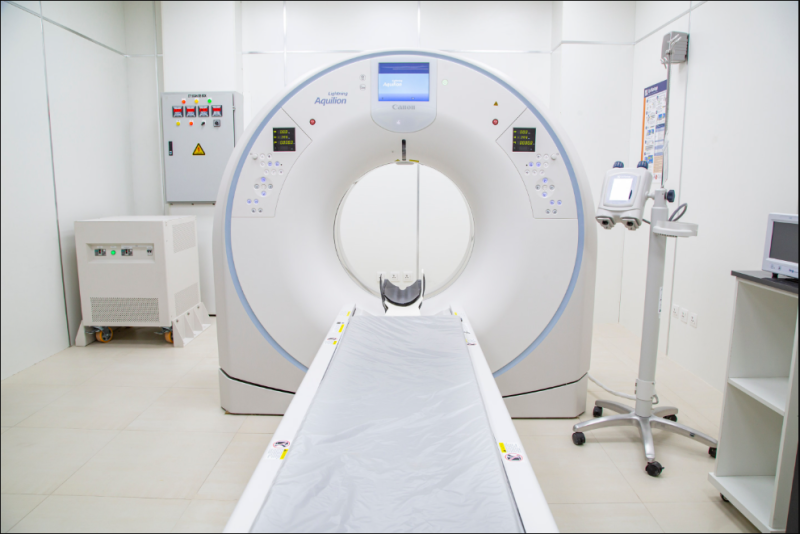
The blueprint for the proton therapy center at the Southeastern Regional Nuclear Medicine Center in Gijang-gun, Busan, South Korea, was recently unveiled. The project is expected to help bridge the gap in cancer treatment resources between the Seoul metropolitan area and non-capital regions, and to promote the application of proton accelerators in high-tech industries. According to information from Gijang-gun, Busan, and the Southeastern Regional Institute of Radiation Medicine on August 29, the Busan Institute of Science and Technology Higher Education recently published a service report titled "Establishment of Promotion Strategy and Implementation Plan for the Southeastern Proton Therapy Center," which includes the construction blueprint and feasibility analysis of the center. The Southeastern Regional Institute of Radiation Medicine is advancing related preparatory work in response to the research and development review by the Ministry of Science and ICT in the second half of this year...
2026-08-30

South Korean survey shows 80% of respondents support including new nuclear power plants in power planning
An energy public perception survey released by the Korea Energy Information Culture Foundation on August 28 showed that 82.9% of respondents believed it is necessary to include plans for new nuclear power plants in the 12th Basic Plan for Electricity Supply and Demand currently being formulated, in response to future growth in electricity demand. The survey was commissioned by the Korea Energy Information Culture Foundation and conducted by Korea Research International via telephone interviews from June 12 to 15, targeting 2,000 adults aged 18 and above. The response rate was 10.0%, with a sampling error of...
2026-08-30
South Korea's Medical Radiation Examinations Exceed 430 Million Annually, with CT Scans Accounting for 67.1% of Radiation Dose
According to the "2025 National Medical Radiation Assessment Yearbook" released by the Korea Disease Control and Prevention Agency on August 28, South Koreans underwent a total of 431.59 million medical radiation examinations last year, averaging 8.4 examinations per person. Over the past five years, the number of medical radiation examinations in South Korea has continued to rise, with last year's figure increasing by 4.6% year-on-year and 29.6% compared to 2021. The report shows that the collective radiation dose from medical radiation examinations in South Korea increased from 136,804.73 person-sieverts in 2021 to 167,659.18 person-sieverts last year, an increase of 22.6%. On a per capita basis, the radiation dose rose from 2.64 millisieverts to 3.24 millisieverts. The Korea Disease Control and Prevention Agency stated that with advances in medical technology, an aging population, and growing demand for health checkups, the use of medical radiation examinations in public healthcare services continues to expand.
2026-08-28
South Korea Launches Standard Design Approval Review for i-SMR
The Nuclear Safety and Security Commission (NSSC) of South Korea is set to initiate a safety review of the standard design approval application for the innovative Small Modular Reactor (i-SMR). This project is part of the small modular reactor research and development program led by the South Korean government. The NSSC stated on August 28 that, at its 13th meeting of 2026 held on August 27, the Korea Institute of Nuclear Safety (KINS) reported on the review plan for the i-SMR standard design approval application. KINS had previously conducted a suitability review of the standard design approval application documents submitted in February of this year and determined that the documents met the conditions for entering the safety review phase, thereby establishing a subsequent review plan. The standard design approval system is designed to...
2026-08-28
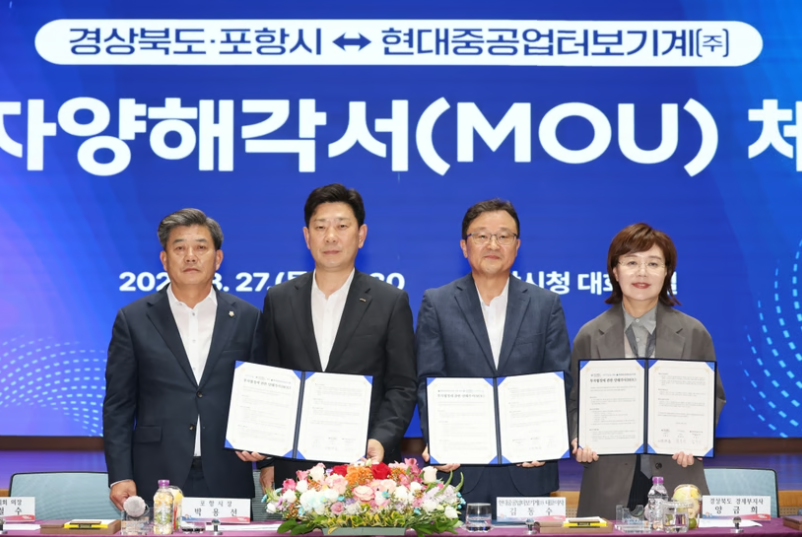
South Korea's Pohang to Build Core Component Factory for Small Modular Reactors
The city of Pohang and North Gyeongsang Province recently signed a memorandum of understanding with Hyundai Heavy Industries Turbomachinery Co., Ltd. to build a large-scale production plant for eco-friendly turbomachinery and core components for small modular reactors (SMRs) at the fourth comprehensive industrial complex in Pohang's Yeongil Bay, with an investment of approximately 100 billion KRW. Under the agreement, Hyundai Heavy Industries Turbomachinery plans to carry out the project between 2026 and 2029, constructing related production facilities on a 101,128-square-meter site within the complex. Upon completion, the project is expected to create approximately 100 new jobs and boost the local manufacturing sector...
2026-08-28
South Korean research team evaluates pipe rupture risk in nuclear power plants using probabilistic analysis
Researchers from Seoul National University of Science and Technology in South Korea have recently proposed a sensitivity analysis method based on probabilistic fracture mechanics to evaluate the rupture frequency of main coolant piping systems in nuclear power plants. This method can analyze the impact of uncertainties and modeling assumptions on prediction results, helping engineers distinguish extremely low-probability events from relatively more likely failure scenarios. In nuclear power plants, the main coolant piping system plays a critical role in maintaining structural integrity under normal reactor operating conditions. A pipe rupture could trigger a loss-of-coolant accident, and therefore this system has long been included in the key scope of nuclear power plant safety design and assessment.
2026-08-28