
Search Results
Keyword:MU
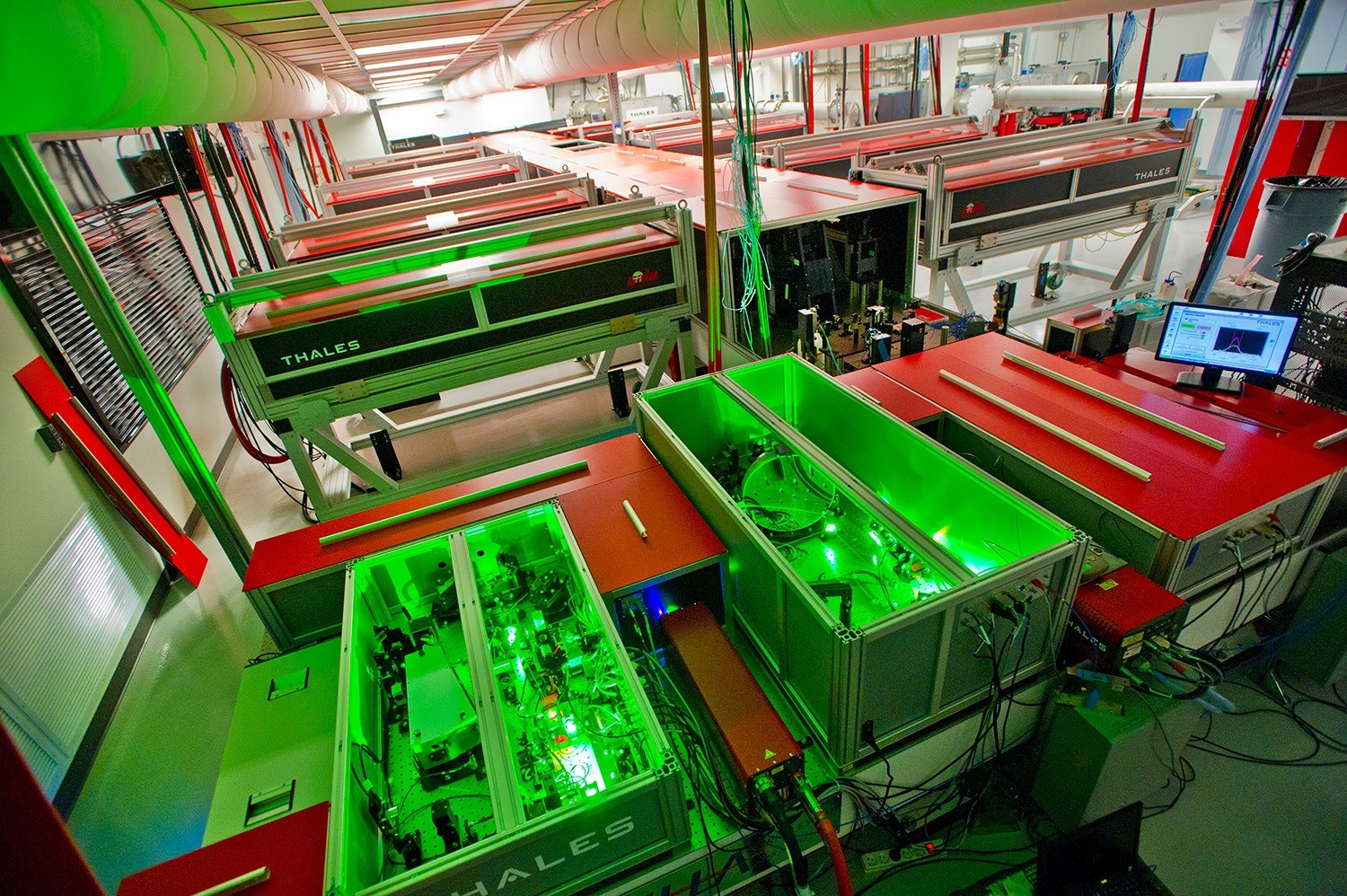
Berkeley Lab Leads Development of Portable Active-Source Muon Imager
The U.S. Department of Energy's Lawrence Berkeley National Laboratory and Ideon Technologies have received funding from the DOE's Advanced Research Projects Agency-Energy (ARPA-E) to jointly develop a field-deployable active-source muon imaging technology through the Reliable Ore Characterization Using Cornerstone Sensing Technologies (ROCKS) program. The three-year project aims to enhance the detection and characterization of underground critical mineral resources. Image credit: Lawrence Berkeley National Laboratory. Muons are subatomic particles with strong penetrating capability. Previously, Ideon Technologies has used passive muons produced by cosmic rays in the atmosphere for ore body imaging in the mining sector, mapping mineral deposits and analyzing subsurface structures. However, passive muons primarily arrive from above, limiting detection angles; additionally, the natural flux is low—approximately one per square centimeter per minute—and imaging often requires days, weeks, or even months.
2026-08-20
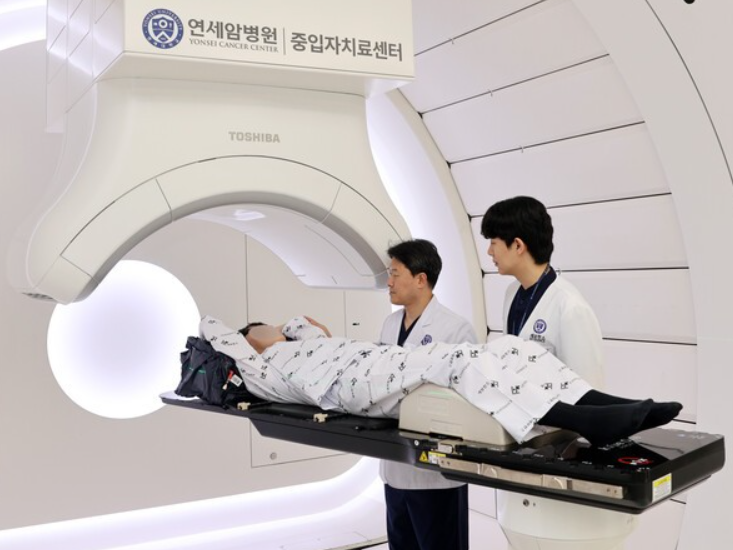
Yonsei Cancer Hospital in South Korea Expands Heavy Ion Radiotherapy Indications, Three Systems Operating Simultaneously
Yonsei Cancer Hospital in South Korea recently announced that it has further expanded the indications for heavy ion radiotherapy to include head and neck cancer, sarcoma, and recurrent rectal cancer. Since becoming the first hospital in South Korea to perform heavy ion radiotherapy for prostate cancer in 2023, the hospital has gradually expanded its treatment scope to cover pancreatic cancer, liver cancer, lung cancer, and other cancer types. Medical staff, including Proton Therapy Center Director Kim Woong-sub (left), are preparing for proton therapy. (Photo provided by Yonsei University Medical Center) Meanwhile, the hospital's second rotating heavy ion radiotherapy system has been fully commissioned. This brings the hospital to a configuration of one fixed-beam system and two rotating systems operating simultaneously. The hospital...
2026-08-20
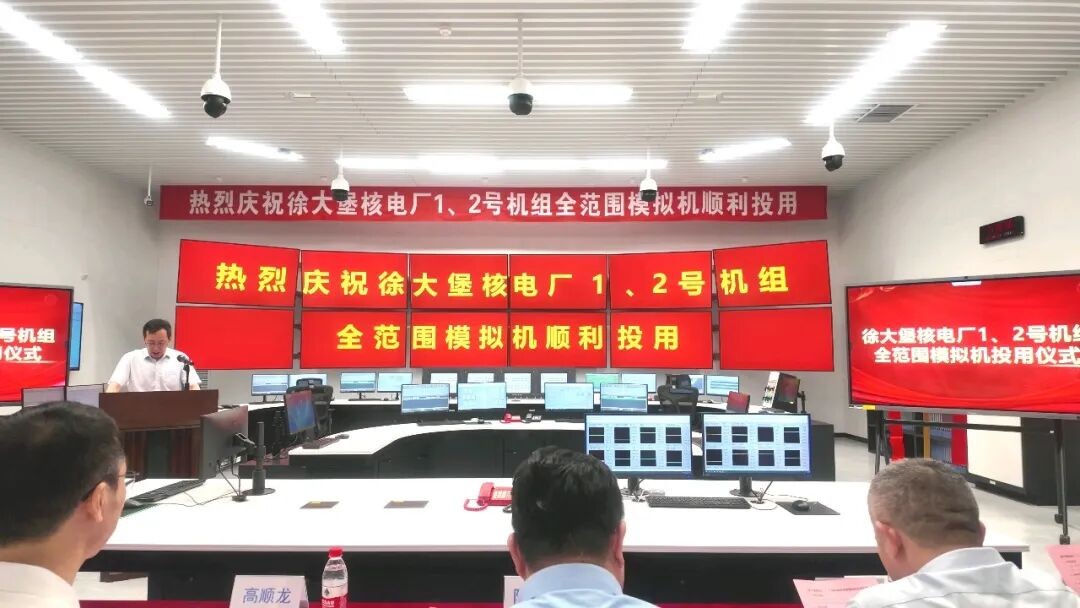
Full-Scope Simulator for Units 1 & 2 of Xudabao Nuclear Power Plant Officially Put into Operation
On August 19, the commissioning ceremony for the full-scope simulator of Units 1 & 2 of Xudabao Nuclear Power Plant was held in the simulator main control room. Chen Jin, Secretary of the Party Committee and Chairman of Liaoning Nuclear Power, and Zhang Xiong, General Manager and Deputy Secretary of the Party Committee, attended the ceremony. Gao Shunlong, Secretary of the Party Committee and Chairman of CNNC Wuhan, was invited to attend. The ceremony was presided over by Li Zhusan, Deputy General Manager of Liaoning Nuclear Power. At the ceremony site, attendees jointly watched a video reviewing the simulator construction process, and leaders from both sides jointly unveiled the plaque for the "CAP Simulator Training Center." Gao Shunlong stated that the commissioning of the simulator is an important milestone in project construction and also a brand-new starting point. CNNC Wuhan will make every effort to ensure simulator operation and maintenance support as well as optimization and upgrades, and will take this opportunity to expand the breadth and depth of cooperation with Liaoning Nuclear Power, jointly promoting high-quality project construction.
2026-08-20
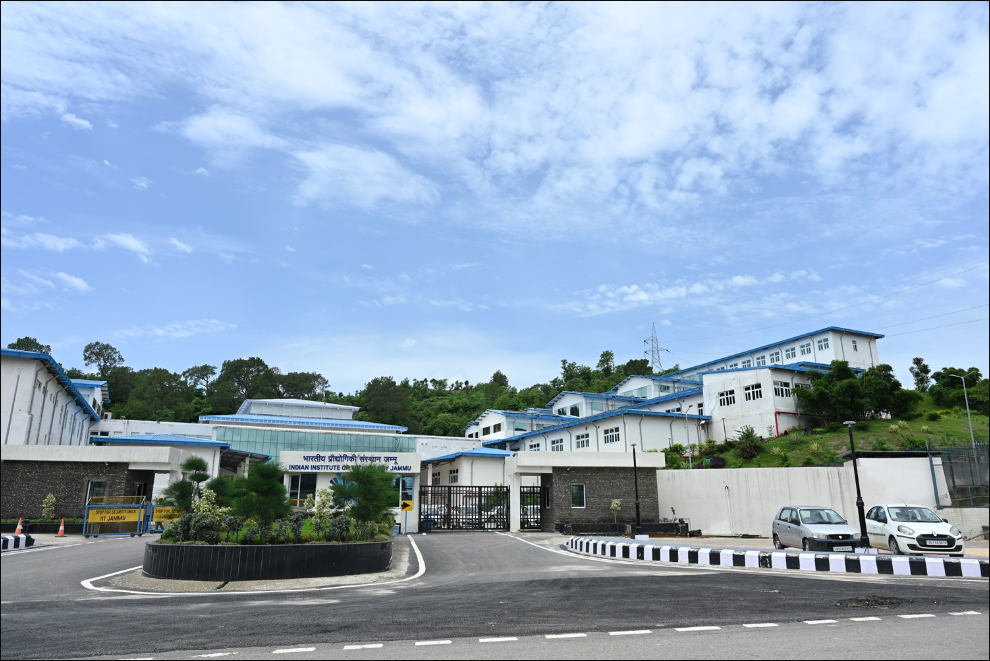
Indian research team uses supercomputer to track microscopic mechanisms of turbulence in dusty plasmas
Researchers at the Indian Institute of Technology Jammu (IIT Jammu), in collaboration with the Indian Institute of Technology Kanpur (IIT Kanpur), used supercomputer simulations to study the origin of chaos in dusty plasmas. By tracking the motion of millions of individual particles, the study revealed how turbulent energy is transferred from large-scale vortices to microscopic thermal motion of particles, providing a new computational perspective for nuclear fusion plasma research and astrophysical process analysis. Plasma is often referred to as the fourth state of matter. Unlike solids, liquids, and gases, atoms in plasma are ionized, forming a system composed of positively charged ions and negatively charged electrons. When tiny solid dust particles enter the plasma, these particles absorb electrons and become negatively charged, subsequently undergoing complex interactions with surrounding particles to form dusty plasma.
2026-08-19
World's first laser plasma accelerator-driven high-resolution muon imaging experiment to launch in Romania
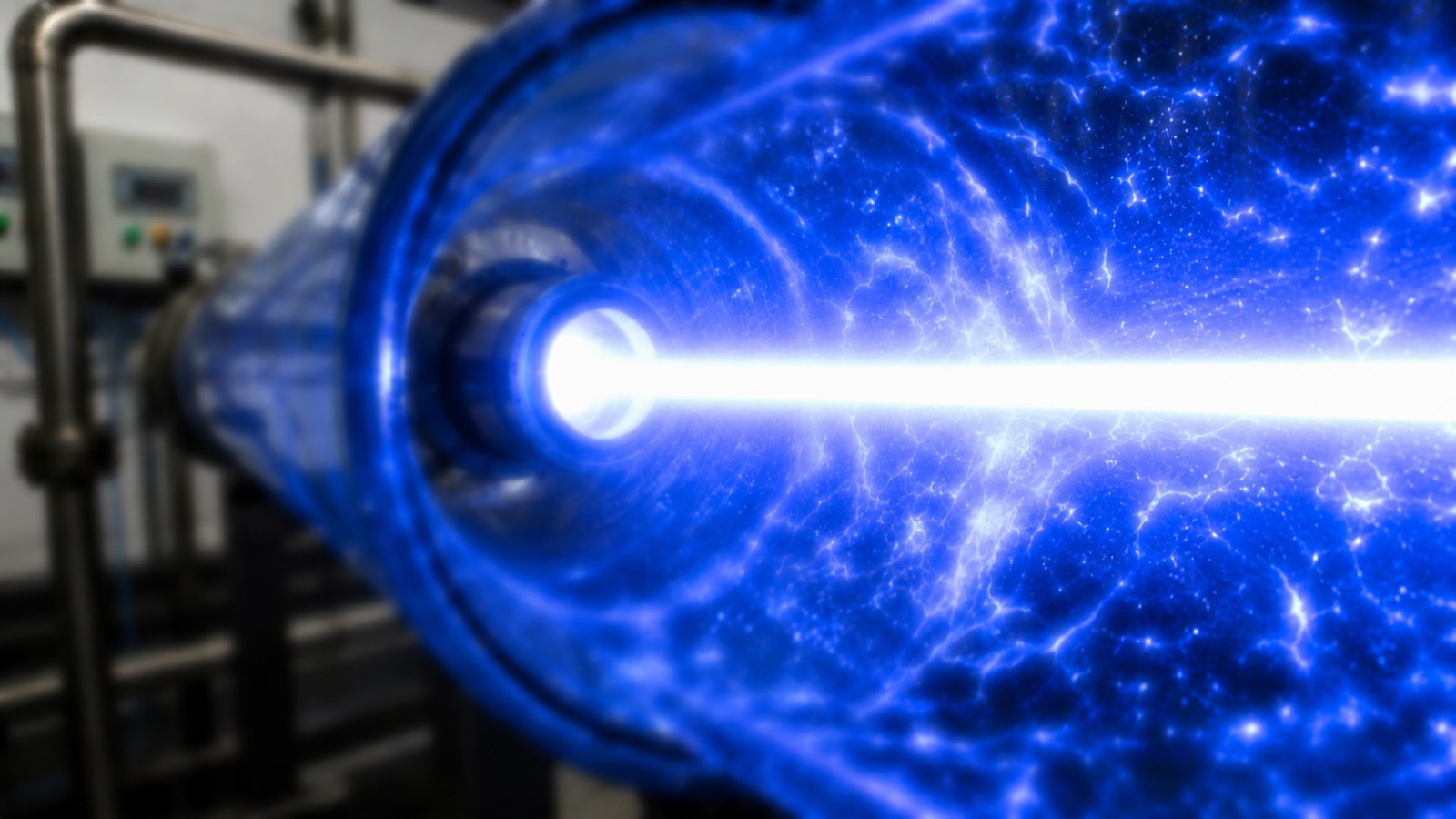
Ideon Technologies, a global subsurface detection muon tomography company, is participating in an international research consortium to conduct the world's first high-resolution muon imaging experiment driven entirely by a laser plasma accelerator. The experiment aims to use a compact accelerator to produce muon beams on demand for non-destructive high-resolution imaging, with applications targeting mineral production, critical infrastructure, cargo inspection, medical imaging, semiconductors, nuclear security, and space radiation testing. Consortium members include the University of Texas at Austin, the Extreme Light Infrastructure - Nuclear Physics (ELI-NP) facility team, Heinrich Heine University Düsseldorf, Helmholtz-Zentrum Dresden-Rossendorf, ELI-Beamlines, and Tau Systems.
2026-08-18
Multiple regions in Japan demand nuclear power operators strengthen safety management and information disclosure
On August 17, Keisuke Yokoo, the new chairman of Tokyo Electric Power Company (TEPCO), visited the Niigata Prefectural Government and met with Niigata Governor Hideyo Hanazumi. Yokoo assumed his post in June, becoming the first chairman of TEPCO to come from a financial institution. The meeting is seen as an arrangement for the new TEPCO management, following its official launch, to communicate with local governments on nuclear safety and trust rebuilding. Yokoo stated that, as the party responsible for the Fukushima Daiichi nuclear accident, TEPCO will always bear in mind that there is no end to safety and will continuously improve the safety level of its nuclear power plants. He also expressed his commitment to ensuring the safe operation of the Kashiwazaki-Kariwa Nuclear Power Plant. Hanazumi said at the meeting...
2026-08-18

Icebreaker of Knowledge International Expedition Returned from North Pole
On August 13, the 7th international scientific and educational expedition of Rosatom, Icebreaker of Knowledge, returned to Murmansk. Over the course of ten days, 68 talented schoolchildren and college students from all federal districts of Russia and 22 countries around the world traveled aboard the nuclear icebreaker 50 Let Pobedy along the route Murmansk – North Pole – Franz Josef La...
2026-08-18

Fermilab Muon g-2 Experiment Sets New Direct Detection Limit on Muon Electric Dipole Moment
On August 12, 2026, the Muon g-2 Collaboration announced that a new analysis based on 25% of the data from the Muon g-2 experiment at the U.S. Department of Energy's Fermi National Accelerator Laboratory has produced the most sensitive direct measurement of the muon's electric dipole moment to date. The results show that if a muon electric dipole moment exists, its magnitude is below the current detection threshold of the experiment. The muon electric dipole moment values measured by Fermilab across different data-taking periods were compared with previous results from Brookhaven National Laboratory. The combined Fermilab value is consistent with zero (no observation). Although the experiment uses positive muons, results are typically reported for negative muons, which reverses the sign of the measured value...
2026-08-17

FDG PET/CT Enables More Precise Identification of Multiorgan Involvement in Brazilian Paracoccidioidomycosis
A study conducted by researchers at the Brazilian CEPID CancerThera center shows that molecular imaging with fluorodeoxyglucose (FDG) PET/CT can detect systemic lesions of paracoccidioidomycosis (PCM) more sensitively than conventional staging methods, helping to reassess the extent and severity of the disease. The findings were published in Clinical Infectious Diseases. Paracoccidioidomycosis is a systemic fungal disease caused by inhalation of fungal spores of the Paracoccidioides genus, with significant clinical and epidemiological importance in Brazil. Often referred to as "coffee planter's disease," it primarily affects the lungs but can also spread to multiple organs via lymphatic and hematogenous routes. Conventional staging typically relies on...
2026-08-17

Philippine Steel Plant in Davao Raided: Radioactive Isotopes Detected in Finished Rebar and Multiple Materials at the Facility
On August 14, Philippine authorities conducted a raid on Davao Mighty Steel Corp., a steel manufacturing plant located in Barangay Ilang, Bunawan District, Davao City. The operation followed an investigation launched by the National Bureau of Investigation (NBI) after receiving reports that the company was involved in the production and sale of substandard steel rebar, with the scope of the investigation subsequently expanding after radioactive isotopes were detected in commercially sold DMS rebar. The operation was led by the National Bureau of Investigation, with the participation of the Presidential Anti-Organized Crime Commission (PAOCC), and was supported by the Philippine Nuclear Research Institute (PNRI), the Philippine Air Force, the Philippine Coast Guard's Chemical, Biological, Radiological and Nuclear emergency response units, the Coast Guard Special Operations Group, and the Army's 10th Infantry Division.
2026-08-15

CNNC Innovation Multi-functional Surface Modification Device Shipped and Delivered
On August 14, 2026, the multi-functional surface modification device developed by CNNC Innovation (Chengdu) Technology Co., Ltd. (hereinafter referred to as "CNNC Innovation") was officially shipped and delivered. This multi-functional surface modification device utilizes CNNC Innovation's proprietary high-energy metal ion source, gas ion source, and supporting single-stage pulsed magnetron source power supply and DC-superimposed pulsed bias power supply. It can perform ion implantation surface modification, metal surface alloying, non-metal surface metallization, auxiliary heating, and other process operations. It can simultaneously achieve gas ion source cleaning and auxiliary deposition treatment. Through the DC-superimposed pulsed bias power supply, directional plasma functionality can be realized, which accelerates deposition efficiency while effectively suppressing abnormal arc discharge and improving film quality.
2026-08-15

Nuclear Technology Aids Pest Control: Sterile Insect Technique Achieves Results in Multiple Countries
The application of nuclear technology is not limited to power generation and heating. In areas such as agricultural pest control, animal health, and disease vector management, the Sterile Insect Technique (SIT) based on cobalt-60 gamma rays is playing an important role. The core approach of SIT involves mass-rearing target pests in specialized facilities, separating males, and then irradiating them with a cobalt-60 gamma ray source. The radiation causes DNA breaks in the reproductive cells of male insects, leaving them able to fly and mate with wild females but unable to produce viable offspring. As large numbers of sterile males are continuously released, the proportion of ineffective matings in the wild population increases, pest numbers decline generation after generation, and under certain conditions...
2026-08-13

Bhabha Atomic Research Centre (BARC) in India develops 72 improved crop varieties through radiation mutation technology
The integration of nuclear technology with agricultural production is demonstrating increasingly tangible value in Indian farmlands. Through radiation-induced mutation and hybrid breeding techniques, the Bhabha Atomic Research Centre in India has successively developed 72 improved crop varieties, covering peanuts, rice, mung beans, mustard, and other crops. India's Minister of State Jitendra Singh disclosed this progress in a written reply to Parliament, showing that the peaceful application of nuclear science has extended from laboratories to the frontlines of agricultural production. In terms of variety composition, peanut new varieties are the most numerous, reaching 17; rice has 10, mung beans and mustard 9 each, black gram 8, pigeon pea 5, sorghum 3, and cowpea, wheat, and soybean 2 each. Additionally...
2026-08-13
ASP Isotopes Plans Commercial Delivery of Multiple Stable Isotopes in Second Half of 2026
ASP Isotopes Inc. recently presented its expansion plans for isotope production, radiopharmaceuticals, and helium operations at Canaccord Genuity's 46th Annual Growth Conference. The company aims to begin commercial delivery of stable isotopes including silicon-28, carbon-14, and ytterbium-176 in the second half of 2026. Victor Petkov, the company's Chief Commercial Officer, stated that ASP Isotopes is leveraging its proprietary enrichment technology to serve electronics, nuclear medicine, and nuclear fuel-related markets. Currently, the company operates three production facilities in Pretoria, South Africa, primarily producing silicon-28 for semiconductor applications, as well as carbon-14 and ytterbium-176 for nuclear medicine-related uses. Regarding isotope supply...
2026-08-13
TEPCO and JAPC invite eight power companies to participate in spent fuel transport
August 12 news, Tokyo Electric Power Company (TEPCO) and Japan Atomic Power Company (JAPC) invited eight other Japanese power companies that own nuclear power plants on the 10th to consider participating in the transport of spent fuel to the Mutsu City interim storage facility in Aomori Prefecture. Mutsu City has agreed to expand the scope of operating entities involved in the transport. The interim storage facility is operated by Recyclable-Fuel Storage Company (RFS), jointly established by TEPCO and JAPC, and is primarily used for temporary storage of spent fuel generated from nuclear power plants before reprocessing. The eight invited companies are Hokkaido Electric Power Company (Hokkai...
2026-08-13