
Search Results
Keyword:MU
North China Regional Office Formulates Risk Grading List and Implements Differentiated and Targeted Supervision
The North China Regional Office of Nuclear and Radiation Safety Supervision of the Ministry of Ecology and Environment is committed to enhancing the level of nuclear safety control and has innovatively built a risk-informed supervision system. Through the implementation of a risk grading list, it promotes differentiated and targeted supervision, thereby advancing safety control and effectively improving supervision efficiency. By comprehensively identifying risk points in the design and manufacturing activities of Class 1E electrical equipment, the North China Regional Office has established the "Class 1E Electrical Equipment Supervision Risk Grading List." This list classifies risk hazards into four levels and establishes a closed-loop supervision mechanism featuring pre-event warning, in-process tracking, and post-event review. This enables supervision intensity to be dynamically adjusted according to risk levels, ensuring...
2026-09-18
CNNC 404 Overcomes Krypton Isotope Technical Challenges, Multiple Krypton Isotope Thickness Sources Achieve "Fully Domestic Production"
It was learned from China National Nuclear Corporation (CNNC) that CNNC 404 Co., Ltd., a subsidiary of CNNC, has achieved a breakthrough in the field of radioisotope technology, marking China's leap from reliance on imports to fully domestic production of krypton isotope thickness sources. It is understood that krypton isotopes, as important radioisotopes, are widely used in industrial thickness measurement, instrument and meter calibration, tracer monitoring, and other fields, and are particularly indispensable in quality control for high-end manufacturing such as new energy batteries, specialty papermaking, and thin films. In this instance, CNNC 404 successfully developed multiple specifications of krypton isotope thickness source products with independent intellectual property rights, capable of matching the needs of different industrial thickness measurement application scenarios, which has provided solid support for the sustainable and high-quality development of China's high-end...
2026-09-17
Kansai Electric Power and Tohoku Electric Power Plan to Participate in Spent Fuel Interim Storage Facility in Mutsu, Aomori Prefecture, Japan
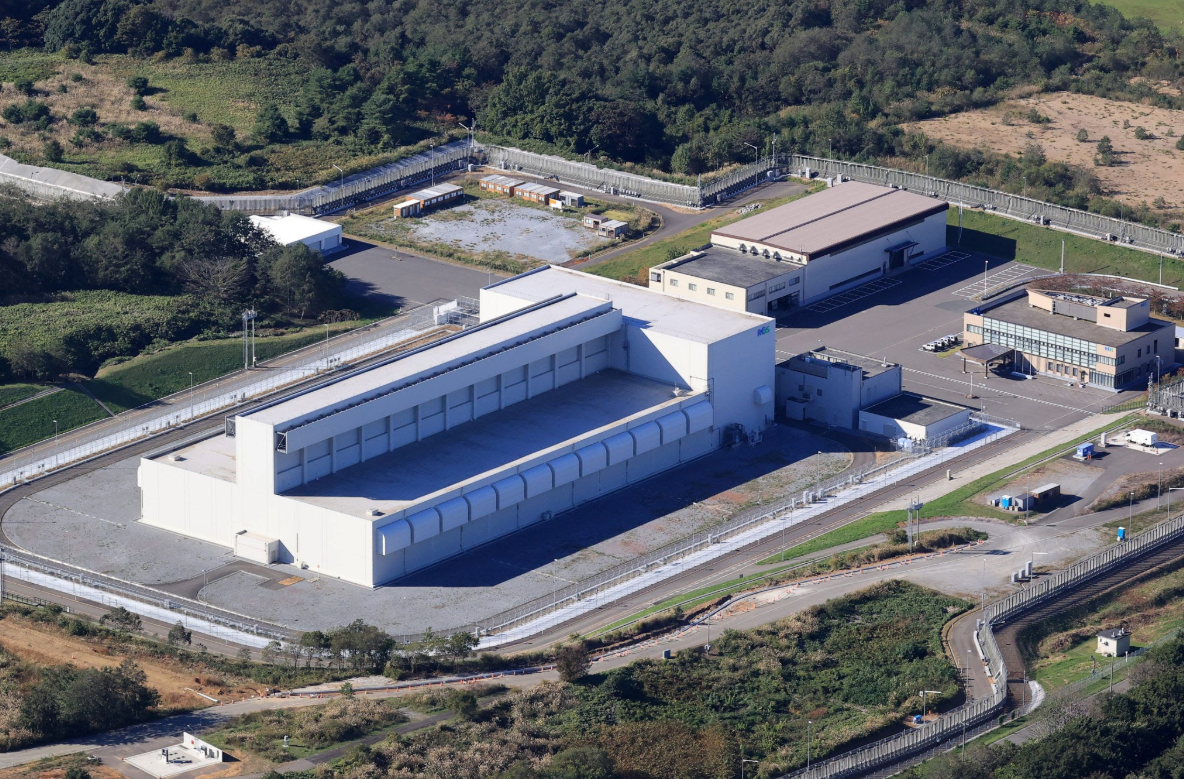
Kansai Electric Power Co. and Tohoku Electric Power Co. have expressed their intention to participate in the use of the spent fuel interim storage facility located in Mutsu, Aomori Prefecture, northeastern Japan. Currently, the interim storage facility only accepts spent fuel from nuclear power plants of Tokyo Electric Power Company Holdings (TEPCO) and Japan Atomic Power Co. After the mayor of Mutsu agreed to consider allowing the facility to accept spent fuel from other electric power companies, the situation underwent a major shift. Subsequently, Tokyo Electric Power Company and Japan Atomic Power Co. reached out to the other eight electric power companies in Japan that operate nuclear power plants to solicit their interest in jointly participating in the use of the interim storage facility.
2026-09-16
South Korea Conducts First Joint Radiation Emergency Exercise Involving Two Nuclear Power Plants Simultaneously
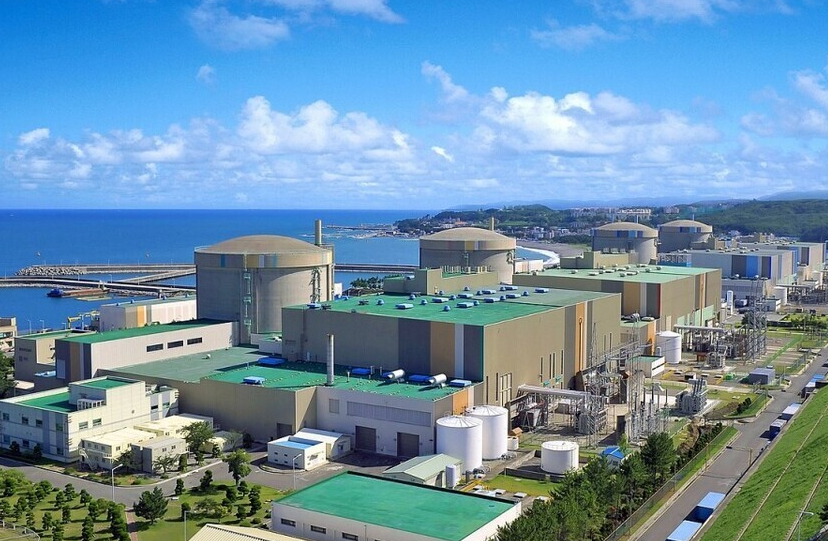
The Nuclear Safety and Security Commission (NSSC) of South Korea announced on September 10 that South Korea held the 2026 National Joint Radiation Disaster Prevention Exercise, simulating a radioactive material release accident at the Wolsong Nuclear Power Plant in Gyeongju, North Gyeongsang Province, and the simultaneous entry into a radiation emergency state at the Hanul Nuclear Power Plant in Uljin County, North Gyeongsang Province. Approximately 2,000 people participated in the exercise, including relevant South Korean central government departments, local governments, specialized agencies, relevant operating organizations, local organizations, and nearby residents. This exercise set up a compound disaster scenario of simultaneous radiation emergencies at multiple nuclear power plants for the first time. The exercise assumed that...
2026-09-12

Sichuan Energy Nuclear Industry Co., Ltd. Established in Chengdu, Focusing on Advanced Nuclear Microreactor R&D
On September 9, according to Chengdu Sci-Tech Innovation Investment Group, Sichuan Energy Nuclear Industry Co., Ltd. recently completed its establishment in Chengdu with a registered capital of 1 billion yuan. The company was jointly funded and established by Chengdu Sci-Tech Innovation Investment Group through its Chengdu Future Industry Venture Capital Fund, together with Sichuan Energy Development Group, China Nuclear Power Research and Design Institute, Shenzhen Capital Group, and other state-owned capital entities, with its registered address in Chengdu. According to disclosed information, Sichuan Energy Nuclear Industry Co., Ltd. will mainly focus on advanced nuclear microreactor technology R&D iteration, industrialization implementation, and green energy technology layout, positioned as a resource integration center, R&D innovation center, and investment decision-making center, with priority on advancing advanced multi-purpose...
2026-09-10
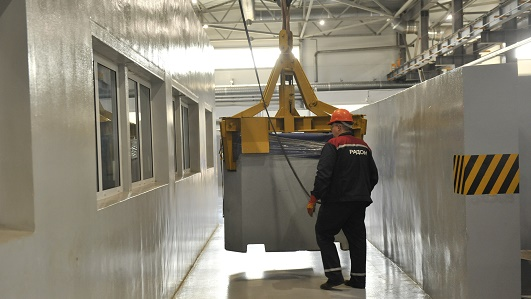
Russia's RADON advances pre-disposal work on radioactive waste at multiple sites
The Russian federal state unitary enterprise RADON is advancing multiple pre-disposal work activities for radioactive waste to reduce existing inventories and transfer compliant waste to the national operator FSUE NO RAO for final disposal. The work falls under special measures within the federal targeted program for nuclear and radiation safety (FTP NRS-2). The radioactive waste accumulated at RADON facilities remains under continuous monitoring and control to meet safety requirements. At the facility of RADON's Northwest Regional Branch in Sosnovy Bor, Leningrad Oblast, the retrieval, sorting, and pre-disposal preparation of federally owned radioactive waste has been completed. Between 2014 and 2018, this batch of waste was in...
2026-09-10

Penza State University in Russia Develops Training Simulator for X-ray Image Defect Recognition
Researchers at Penza State University in Russia have developed an interactive training simulator for identifying defects in X-ray images, aimed at helping medical students and residents more accurately assess abnormalities in medical images and understand the physical causes behind different image defects. X-ray image quality directly affects the efficiency of pathological change detection and clinical diagnostic judgment. Factors such as equipment condition, exposure parameters, radiation dose, and quantum noise levels can all lead to degraded image quality. Therefore, radiologic technologists and radiologists need not only to identify lesions in images, but also to assess image quality and determine whether defects such as low contrast, noise, blur, and artifacts may affect diagnosis...
2026-09-09
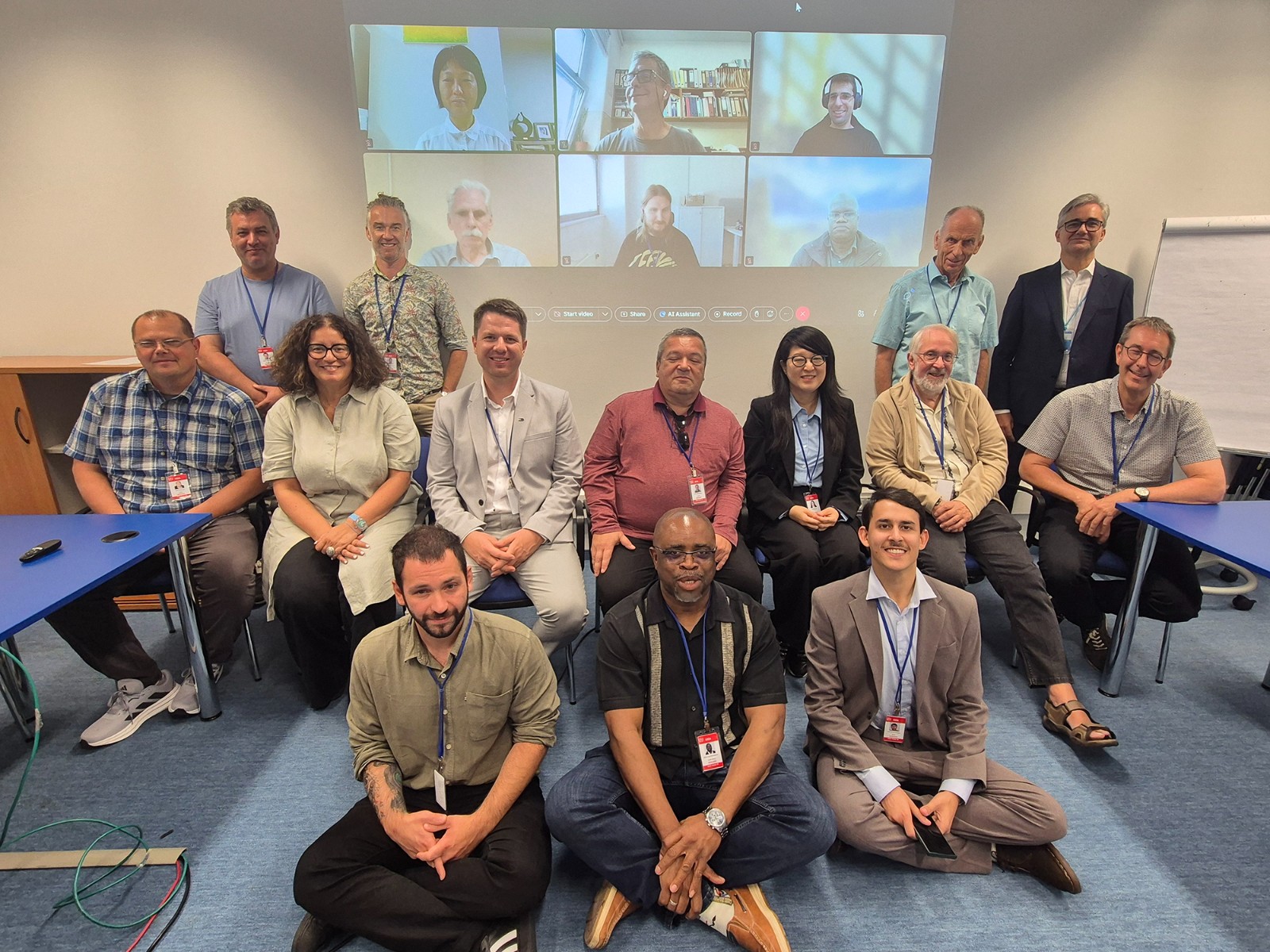
IAEA Technical Meeting on Data Requirements for Ion Beam Analysis Explores Prospects for Nuclear Track Emulsion Applications
From 24 to 28 August 2026, the International Atomic Energy Agency convened a Technical Meeting on Data Requirements for Ion Beam Analysis Experiments in Vienna, Austria, attended by scientists and experts from multiple nuclear physics research institutions. The meeting discussed the nuclear data requirements for current and future applications of ion beam analysis, with attention to new experimental methods and the application of artificial intelligence and machine learning in experiments and data processing. The meeting focused on assessing whether existing nuclear data can meet the needs of ion beam analysis applications, covering areas such as elastic recoil cross sections, nuclear reaction data, and gamma-ray spectrum analysis. Experts discussed the limitations that insufficient existing data impose on quantitative analysis and uncertainty assessment...
2026-09-08
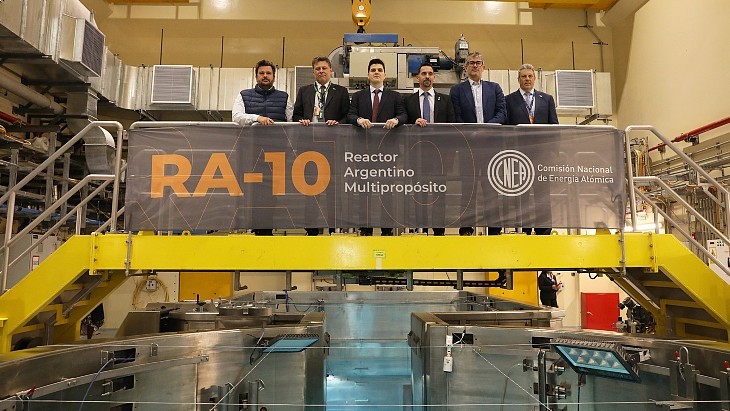
Argentina Plans to Commission RA-10 Multipurpose Reactor in 2027
Argentina's National Atomic Energy Commission (CNEA) and the Nuclear Affairs Secretariat recently stated that the RA-10 multipurpose research reactor at the Ezeiza Atomic Centre is planned to begin commissioning before the end of this year, with the goal of achieving operation in 2027. (Image source: CNEA) According to the project site, RA-10 is currently in its final phase, with approximately 530 workers completing the remaining construction and system testing in preparation for subsequent reactor commissioning and operation. The project is currently about 96% complete overall. RA-10 is a 30 MW open-pool multipurpose research reactor that will provide products and services to the medical, scientific, technological, and industrial sectors once completed. Among these, molybdenum-99 will be one of its key products...
2026-09-08
Japanese research team accelerates muons to 0.3 MeV, taking a step toward the world's only muon accelerator
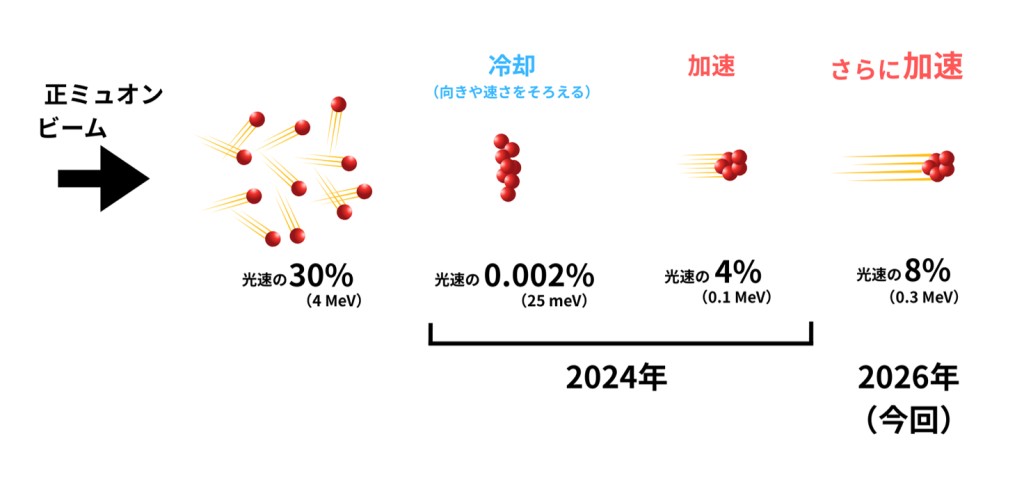
A research team comprising the J-PARC Center, High Energy Accelerator Research Organization (KEK), the University of Tokyo, Tokai National Higher Education and Research System, Nagoya University, and RIKEN recently completed muon cooling and radio-frequency acceleration experiments in the newly constructed muon acceleration experimental area at the J-PARC Materials and Life Science Experimental Facility, successfully accelerating muons to a kinetic energy of 0.3 MeV, corresponding to approximately 8% of the speed of light. Conceptual diagram of cooling and accelerating positive muon beams. By cooling positive muons with non-uniform direction and velocity, efficient high-frequency acceleration can be achieved. Muons are elementary particles similar to electrons that can be artificially produced by accelerators and are widely used in materials science, particle physics research...
2026-09-07

Malaysia Expands Nuclear Radiation Mutation Breeding Applications to Bolster Food Security and Industrial Inspection
Malaysia's nuclear technology applications are extending from traditional fields such as medicine and industry further into agricultural production and food security. Dr. Sukri, Senior Director of Project Management at the Malaysian Nuclear Agency, stated that through research and development using nuclear radiation mutation breeding technology, the agency has shortened the maturation period of cassava from the original 10 to 12 months down to 6 months. Sukri noted that this technological application helps reduce farmers' production costs, improve land use efficiency, and cultivate larger cassava varieties. In addition to cassava, the Malaysian Nuclear Agency, in collaboration with the Ministry of Agriculture and Food Security and the Department of Agriculture, has successfully developed two new rice varieties, NMR 151 and NMR 152. These new varieties feature higher yields and demonstrate strong resistance to diseases, extreme weather conditions such as prolonged drought, and flooding.
2026-09-07

Türkiye continues negotiations with multiple countries on new nuclear power plants
Turkish Minister of Energy and Natural Resources Alparslan Bayraktar stated that Türkiye's negotiations on new nuclear power plants have not yet been completed, and the country remains in contact with Russia, China, Canada, South Korea, and others, with no agreements signed for the relevant projects. Bayraktar said Russia is interested in participating in the Sinop and Thrace nuclear power plant projects and hopes to leverage the experience and human resources accumulated in the Akkuyu nuclear power plant project. In addition to Russia, Türkiye is also in negotiations with Canada, China, and South Korea on other nuclear power projects. He stated that beyond the Akkuyu plant, Türkiye plans to build eight more reactors...
2026-09-07
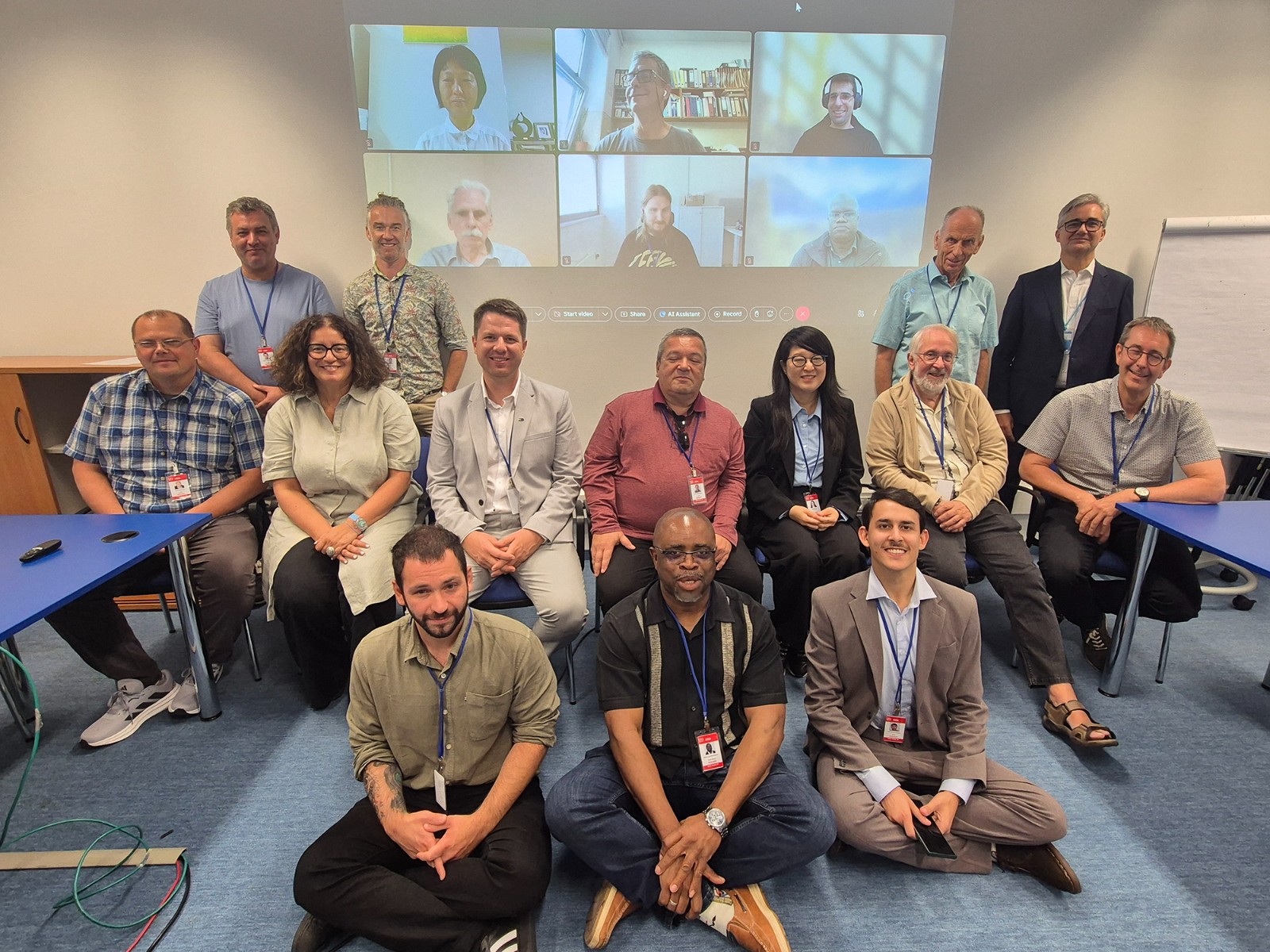
IAEA Meeting Focuses on Data Needs for Ion Beam Analysis, JINR Presents Progress in Nuclear Track Emulsion Research
From August 24 to 28, 2026, the International Atomic Energy Agency held a Technical Meeting on Data Requirements for Ion Beam Analysis in Vienna, Austria, attended by scientists and experts from multiple nuclear physics research institutions. Andrey Zaitsev, Senior Researcher at the High Energy Physics Laboratory of the Joint Institute for Nuclear Research, delivered a report at the meeting, presenting the current performance of nuclear track emulsions and research progress related to the BECQUEREL project. The meeting focused on assessing whether existing nuclear data can meet current and future application needs of ion beam analysis, and discussed new experimental methods, as well as the application of artificial intelligence and machine learning in experiments and data processing. Topics included elastic backscattering cross sections, nuclear re...
2026-09-05

Russia Plans to Build Floating Nuclear Power Plant Production Facility Near Murmansk
Rosatom is considering building its own production facility near Murmansk to complete the construction of floating nuclear power plants. The company believes that as related orders increase, the capacity of existing partners may struggle to meet future demand. Baltic Shipyard is one of Rosatom's key partners. The Akademik Lomonosov floating nuclear power plant and four Project 22220 Arktika-class nuclear-powered icebreakers were all built at this shipyard. Currently, the two sides continue to maintain close cooperation, with a significant portion of Baltic Shipyard's orders related to Rosatom projects. Russia...
2026-09-04

Israel's Quantum X Labs Claims Efficient Geometric Encoding for Complex Nuclear Environments
Quantum X Labs Inc. of Israel announced on September 3 that it has achieved a key milestone in its nuclear quantum business: the company has developed a new method to more efficiently encode complex spatial geometries into quantum transport frameworks. The company stated that the new method can be used to simulate the trajectories of particles moving through complex material boundaries and heterogeneous structures, providing a new technical pathway for representing more complex physical systems within quantum computing frameworks. Such capabilities are closely related to simulation needs in practical nuclear-related scenarios such as nuclear power plants, medical devices, and space exploration. In photon and particle transport simulations, real-world systems often contain complex boundaries,...
2026-09-04